- Chinese
- French
- German
- Portuguese
- Spanish
- Russian
- Japanese
- Korean
- Arabic
- Irish
- Greek
- Turkish
- Italian
- Danish
- Romanian
- Indonesian
- Czech
- Afrikaans
- Swedish
- Polish
- Basque
- Catalan
- Esperanto
- Hindi
- Lao
- Albanian
- Amharic
- Armenian
- Azerbaijani
- Belarusian
- Bengali
- Bosnian
- Bulgarian
- Cebuano
- Chichewa
- Corsican
- Croatian
- Dutch
- Estonian
- Filipino
- Finnish
- Frisian
- Galician
- Georgian
- Gujarati
- Haitian
- Hausa
- Hawaiian
- Hebrew
- Hmong
- Hungarian
- Icelandic
- Igbo
- Javanese
- Kannada
- Kazakh
- Khmer
- Kurdish
- Kyrgyz
- Latin
- Latvian
- Lithuanian
- Luxembou..
- Macedonian
- Malagasy
- Malay
- Malayalam
- Maltese
- Maori
- Marathi
- Mongolian
- Burmese
- Nepali
- Norwegian
- Pashto
- Persian
- Punjabi
- Serbian
- Sesotho
- Sinhala
- Slovak
- Slovenian
- Somali
- Samoan
- Scots Gaelic
- Shona
- Sindhi
- Sundanese
- Swahili
- Tajik
- Tamil
- Telugu
- Thai
- Ukrainian
- Urdu
- Uzbek
- Vietnamese
- Welsh
- Xhosa
- Yiddish
- Yoruba
- Zulu
- Kinyarwanda
- Tatar
- Oriya
- Turkmen
- Uyghur


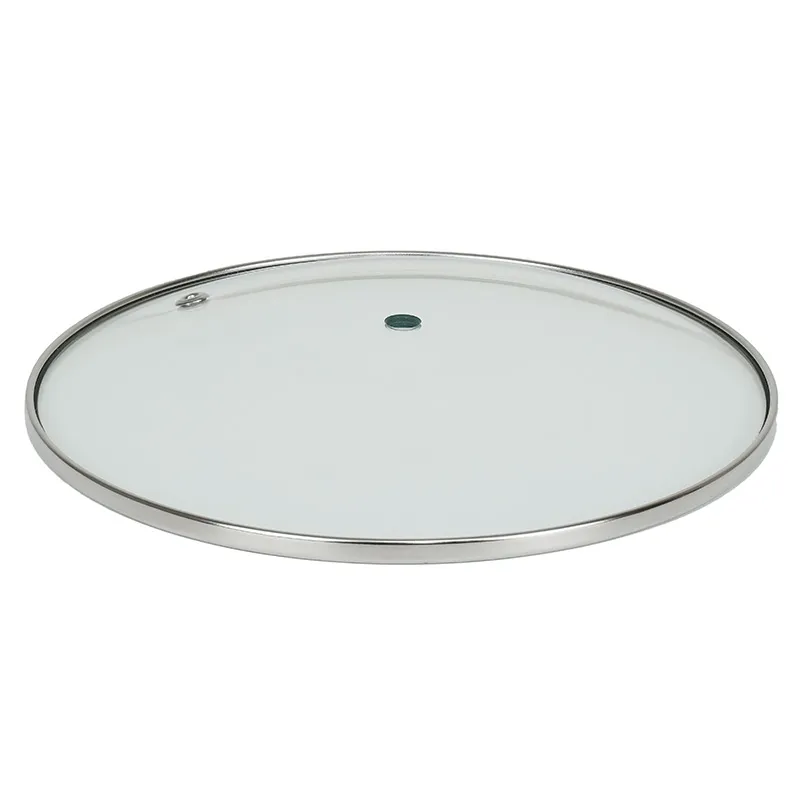
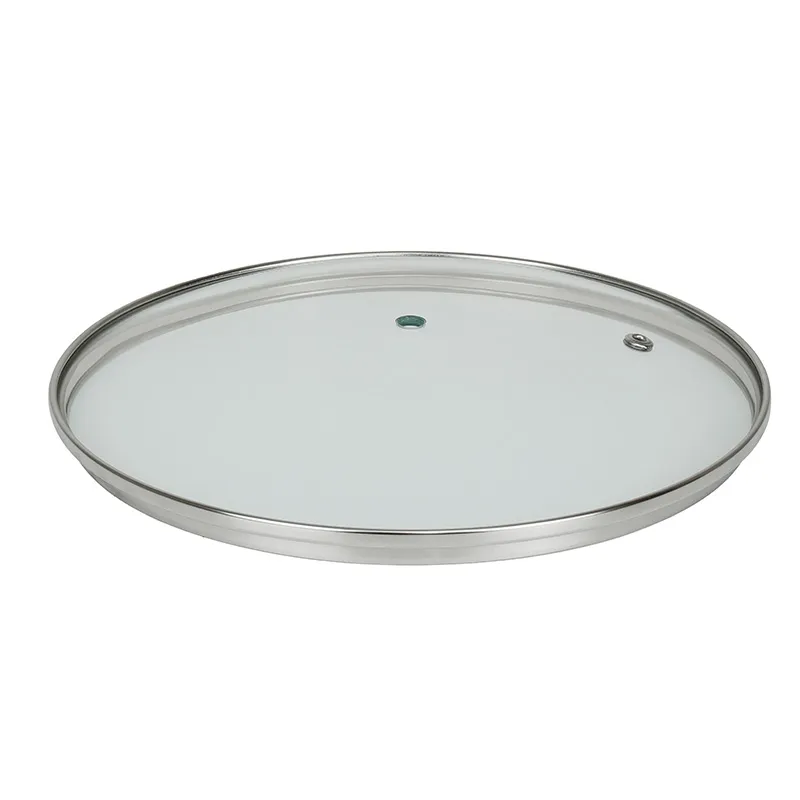
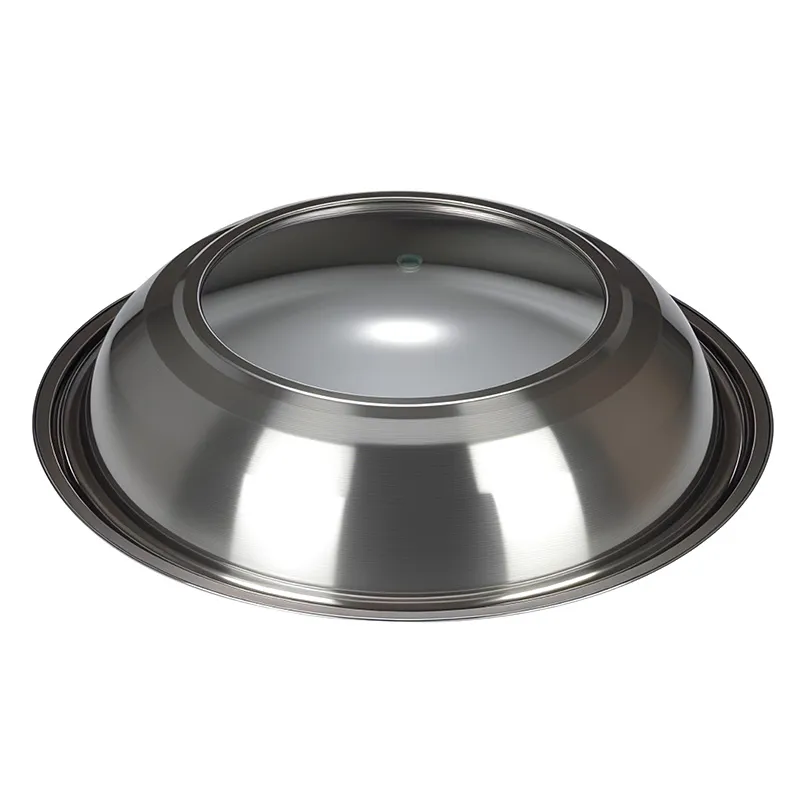
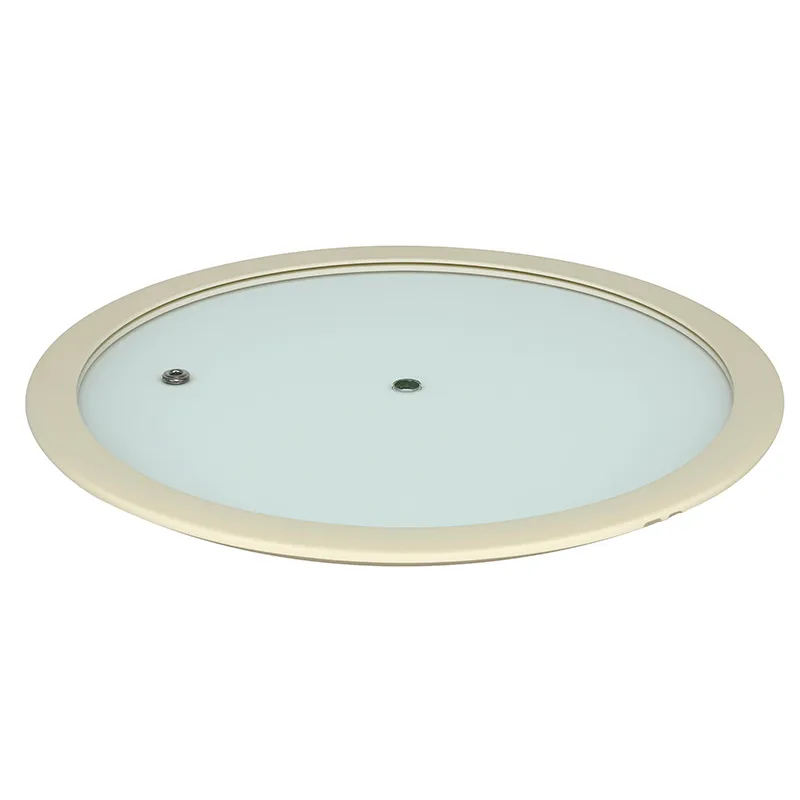
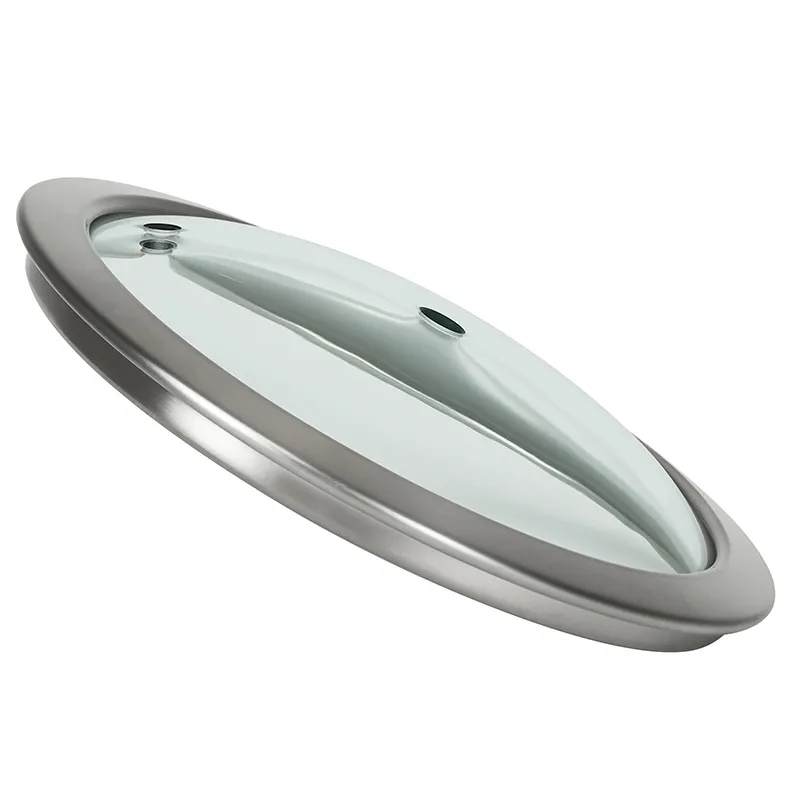
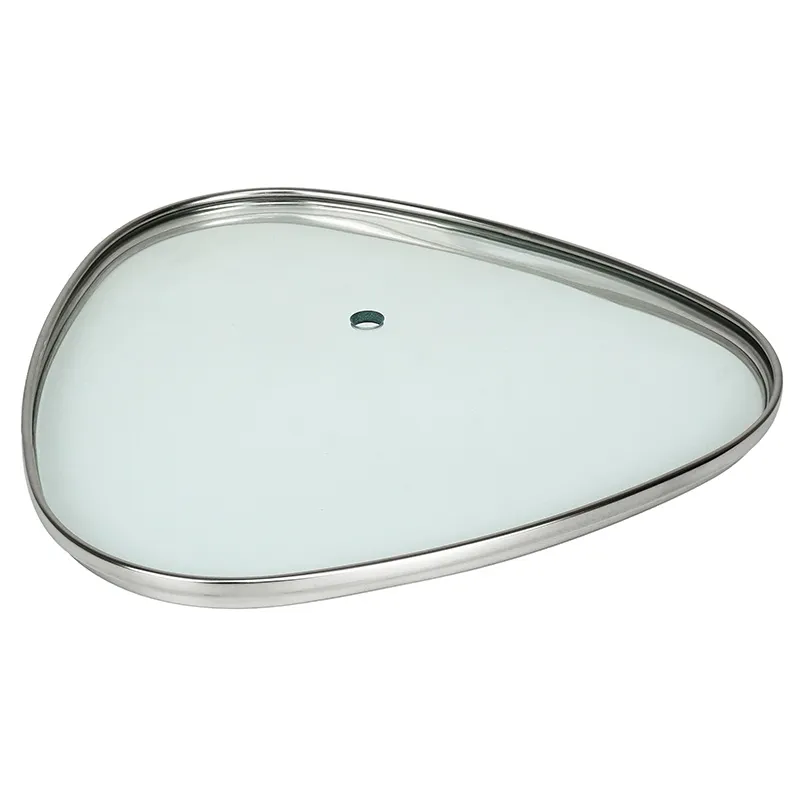
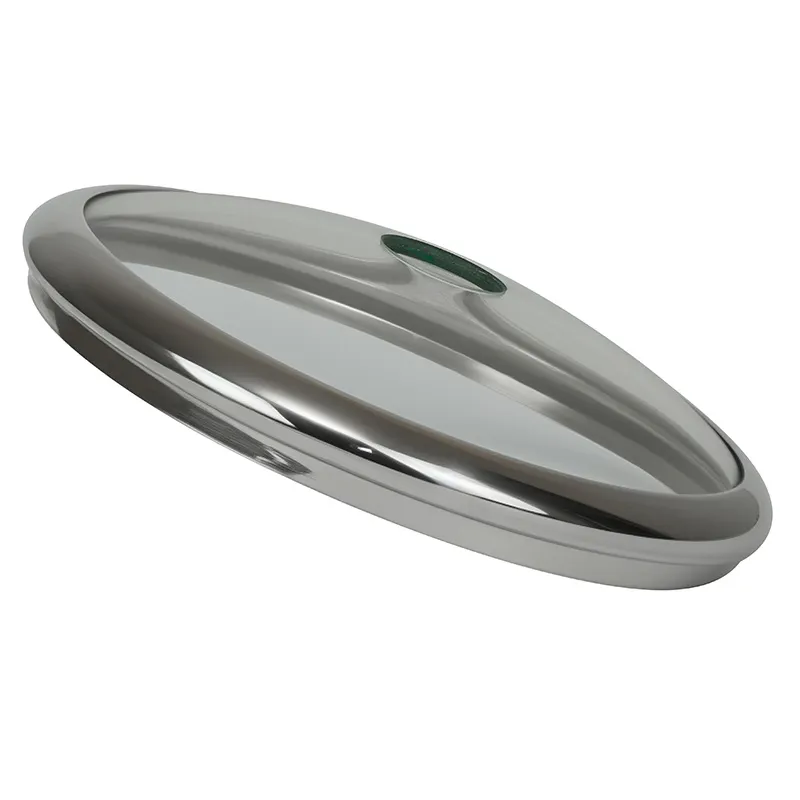
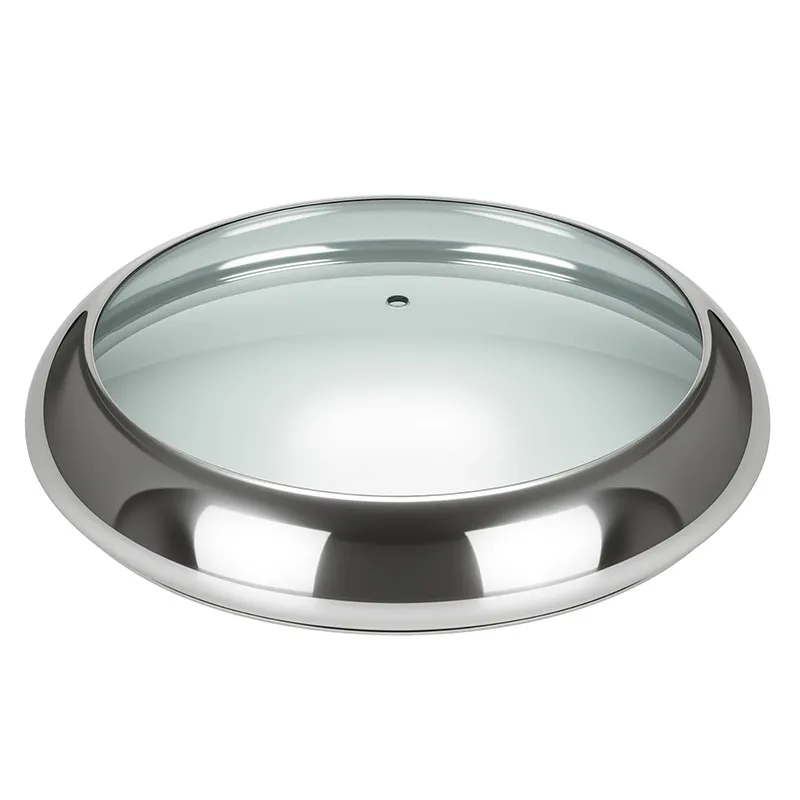
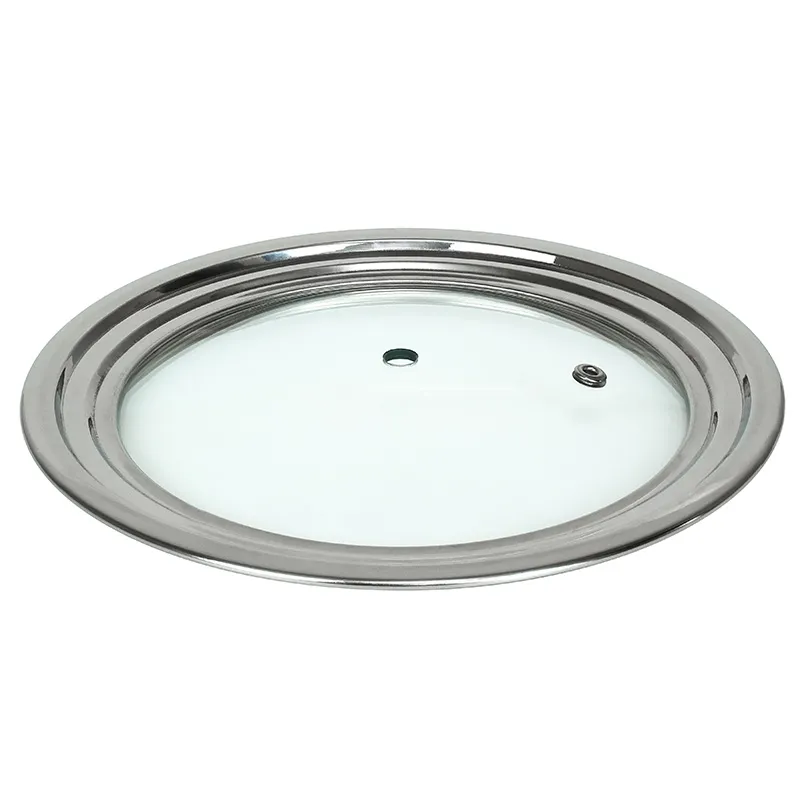
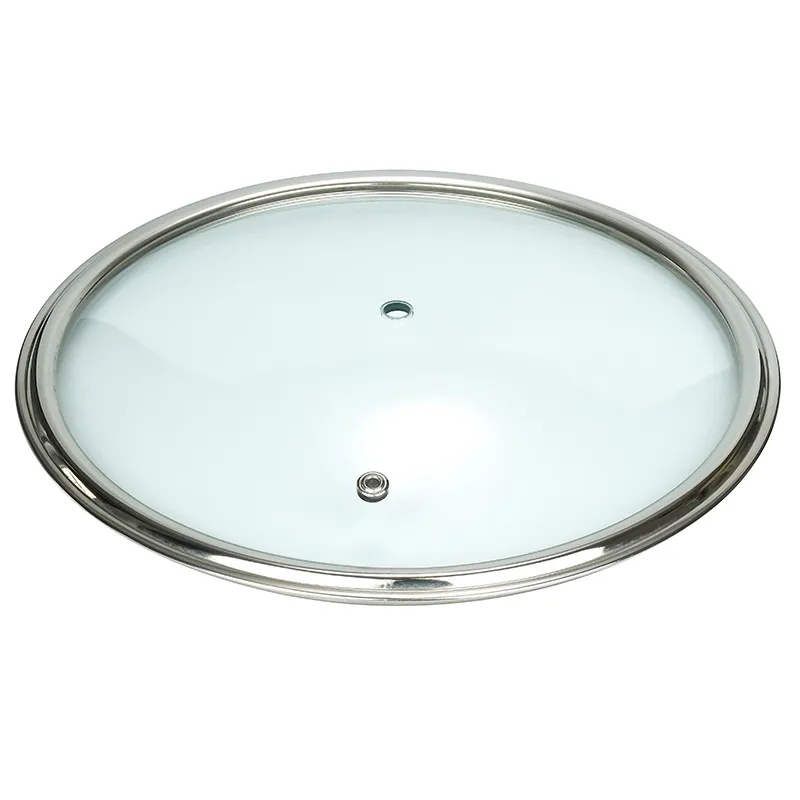
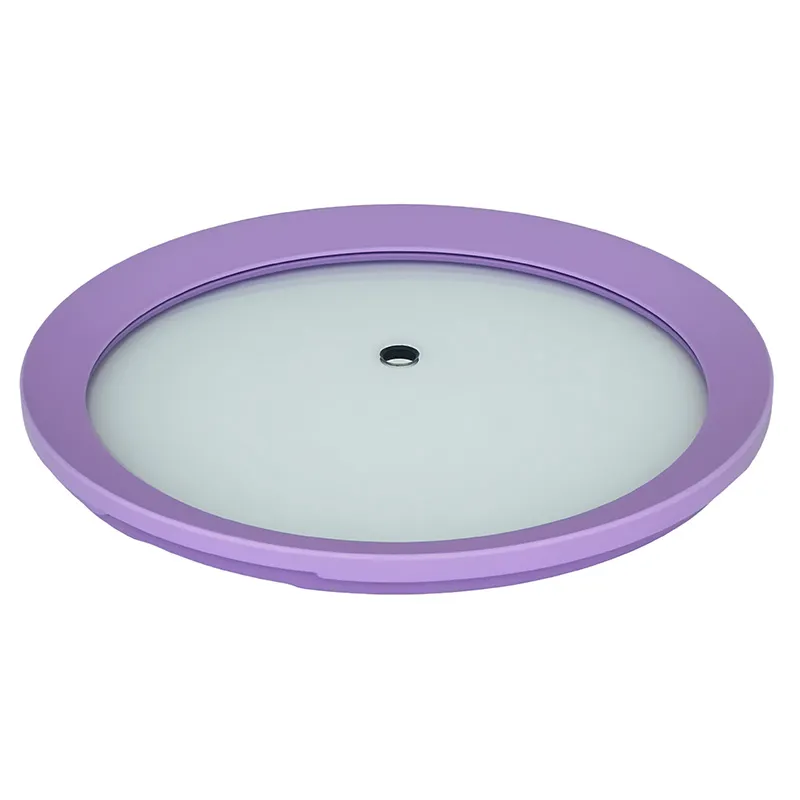
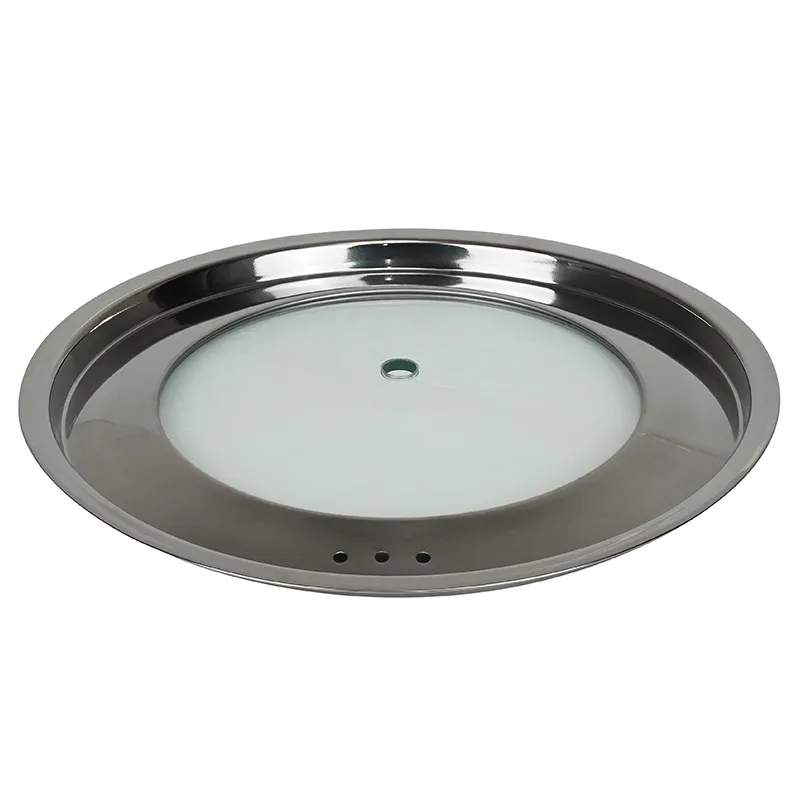
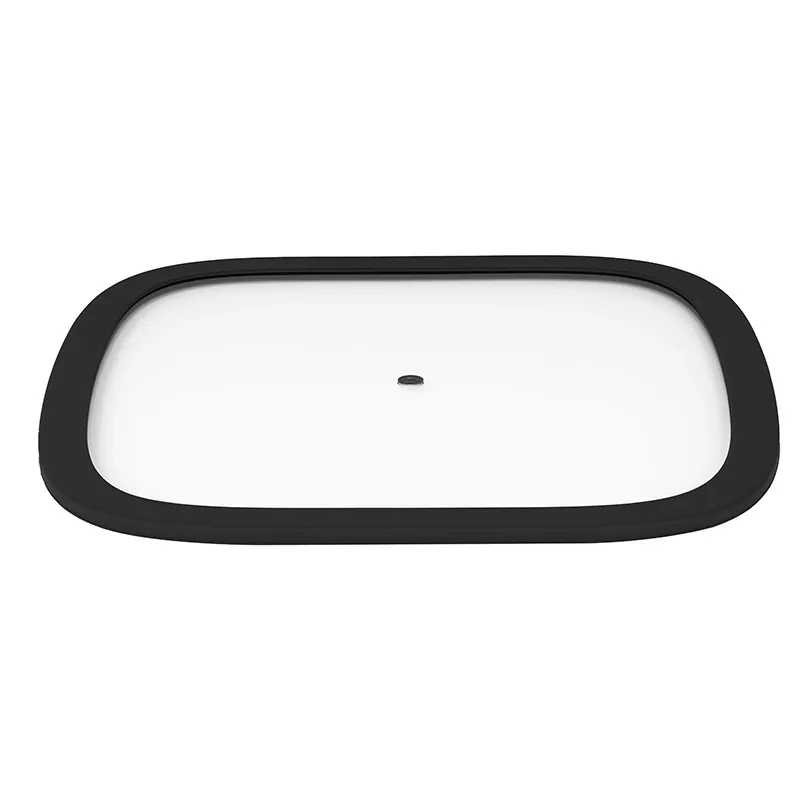
round tempered glass lid for cookware
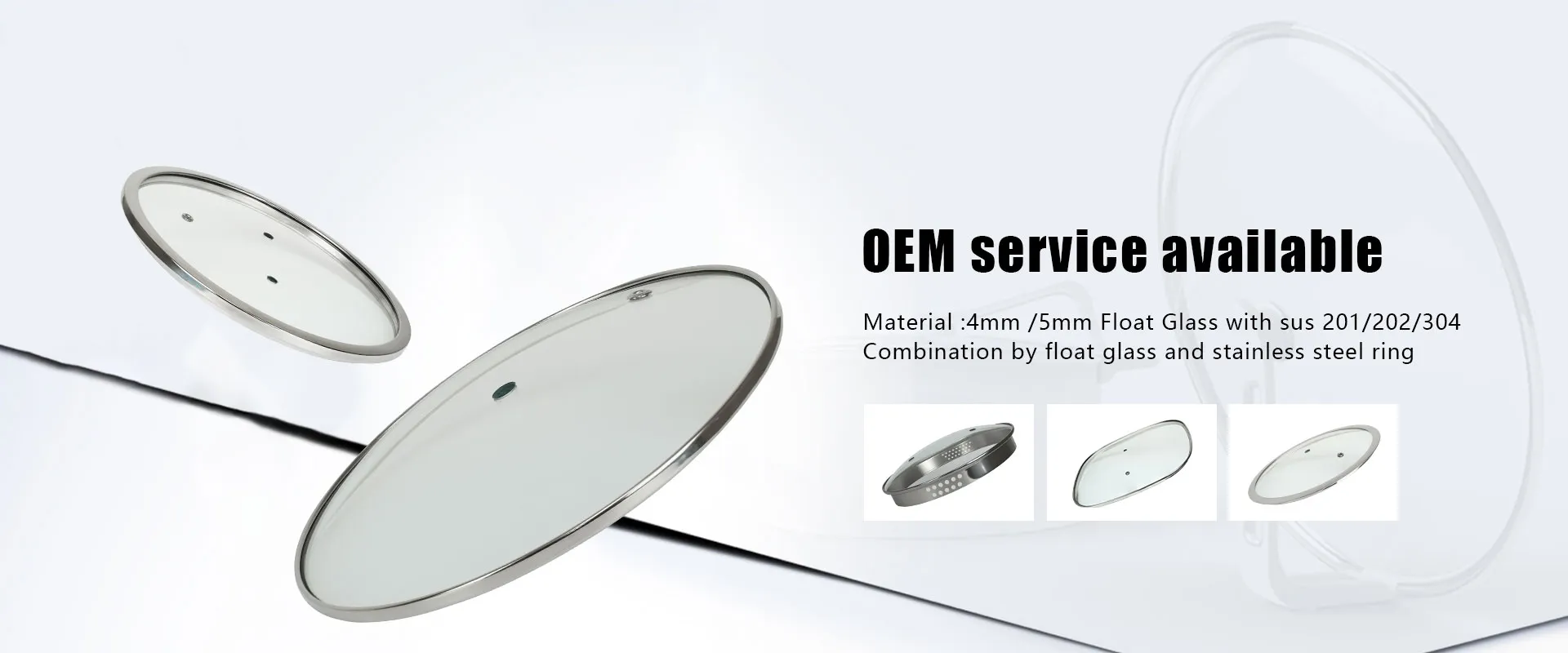
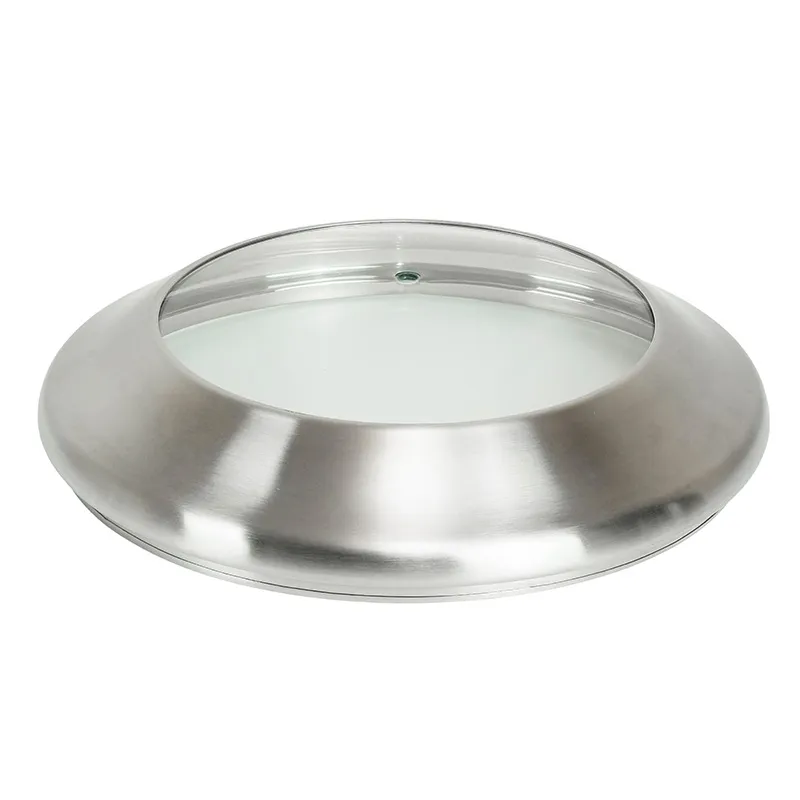
When most people think about a round tempered glass lid for cookware, they see a simple, transparent top. The industry chatter often fixates on the 'tempered' part, assuming it's all about shatter-resistance. That's a starting point, but it misses the nuance. The real challenge isn't just making glass that won't explode; it's engineering a component that survives the brutal, cyclical physics of a kitchen—thermal shock, steam pressure, abrasive cleaning, and clumsy handling—while maintaining a perfect seal and clarity over years. Many brands treat it as an afterthought, a cheap accessory, and that's where you see the failures: lids that warp, handles that loosen, or glass that clouds after a few dishwasher cycles. It's a deceptively complex piece of kit.
Beyond the Tempered Label: The Physics of a Good Lid
Let's get technical for a second. Tempering is a heat-treatment process that puts the outer surfaces into compression and the interior into tension. That's what gives it strength. But for a lid, the critical metric is thermal shock resistance, measured in ΔT (the temperature differential it can withstand). A decent tempered glass lid should handle a ΔT of at least 220°C. I've tested lids that claim to be tempered but crack when moving from a 200°C oven to a cool granite countertop. That's a recipe failure, literally. The glass composition matters immensely—too much boron and it becomes brittle, the wrong annealing curve and internal stresses remain.
Then there's the fit. A lid isn't a standalone product; it's part of a system with the pot. The bevel or flange on the underside has to be machined to a precise angle to sit flush. Too steep, and steam escapes violently, defeating the purpose. Too shallow, and it rattles. I recall a batch from a supplier a few years back where the CNC settings for the grinding wheels were off by half a degree. The result? A whole container load of lids that sat unevenly on our standard saucepans. A costly lesson in microns.
The handle attachment is another weak point. Stainless steel or phenolic resin knobs attached with a rivet or a screw. The differential expansion between the metal screw, the bonding adhesive (if used), and the glass is a constant battle. The best designs use a low-expansion alloy bolt with a spring washer, allowing for micro-movement. I've seen designs where the handle just spins freely after a few months because the thread stripped the insert or the adhesive failed under steam heat.
The Manufacturing Reality: Scale and Precision
This is where companies that specialize, like EUR-ASIA COOKWARE CO.,LTD, get it. You can find their focus at glass-lid.com. When a factory's entire output is over 15 million pieces of tempered glass lid and related products annually, they've inevitably run into every production gremlin imaginable. Their specialization in low to high-level household glass products means they're not just stamping out one design; they're likely managing hundreds of SKUs for different cookware brands across Europe and Asia. That volume forces a rigor that a general cookware factory can't match.
Their location in Shandong's High-tech Development Zone isn't incidental. It places them near raw material suppliers and gives them the infrastructure for consistent, large-batch production. Covering 20,000㎡ with 15,000㎡ of building space suggests dedicated lines for cutting, edging, tempering, printing (for those measurement markers), and assembly. The fact that over 90% goes to markets like Germany, Italy, and Japan is a silent testament. Those are brutally competitive markets with strict retailers who have very high standards for finish, packaging, and safety certification. You don't keep those clients with sub-par glass.
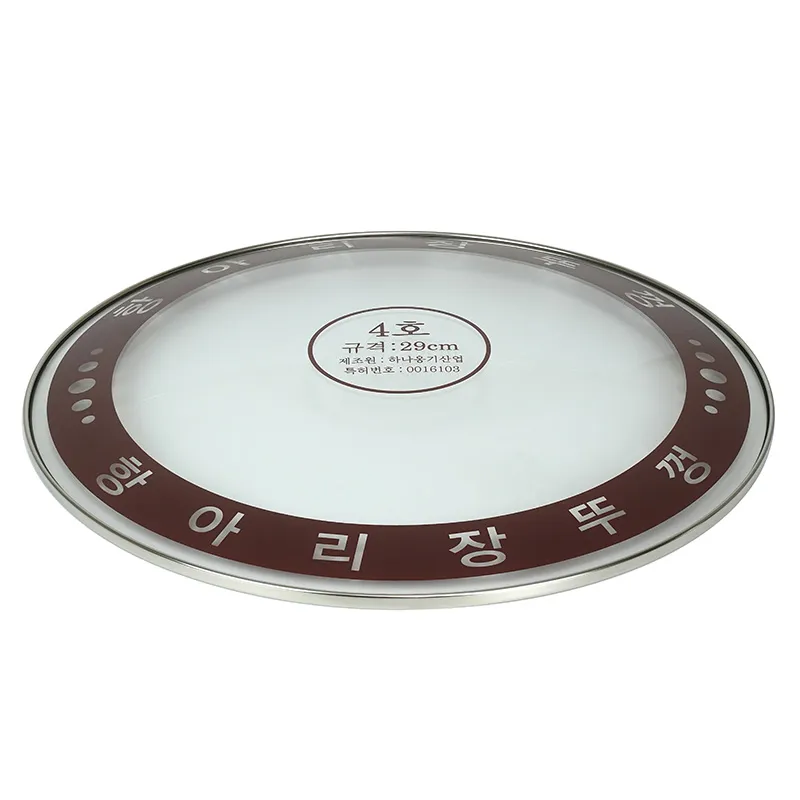
A practical detail often overlooked: the edge finish. A raw, ground edge feels rough and can chip. A fully polished edge is beautiful but expensive. The common industry practice is a seamed edge—grinding it smooth and then applying a ceramic paint band, often brown or black, which is fired on. This hides minor imperfections, strengthens the edge, and gives a finished look. It's a small thing, but it's the kind of cost vs. quality decision a specialized maker makes daily. EUR-ASIA's product range likely spans all these edge types, catering to different price points.
Failures in the Field and What They Teach
Early in my sourcing days, I was seduced by a sample of a beautifully clear, thin glass lid for cookware. It was lightweight and cheap. We ordered a trial batch for a mid-tier line. The failure was rapid and spectacular. Not explosions, but a phenomenon called crizzling or clouding. After several dishwasher runs, a permanent, frost-like haze developed on the surface. The culprit? The glass composition wasn't chemically stable enough; the alkaline dishwasher detergent was essentially leaching ions from the surface, causing microscopic etching. A proper, soda-lime silicate glass formulated for kitchenware resists this. Now, dishwasher durability is a non-negotiable test.
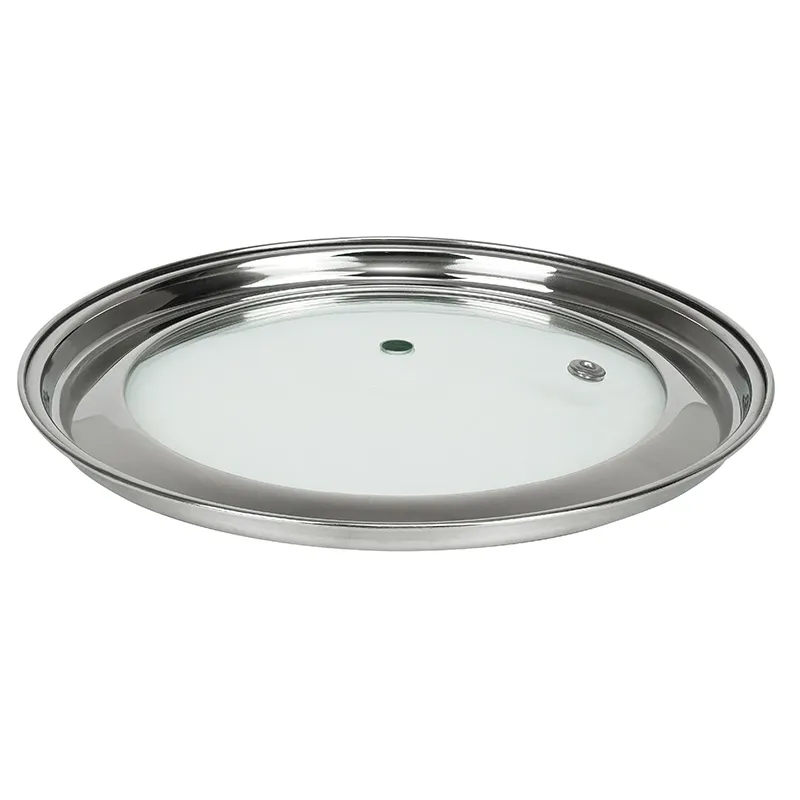
Another classic failure is the steam vent. Many lids have a small hole or a notch. If that hole isn't deburred and fire-polished perfectly, it becomes a stress concentrator and a starting point for a crack. I've also seen plastic vent plugs that melt or discolor. The solution is often a simple stainless-steel rivet with a hole through it—more durable, but adds a step in assembly. It's these tiny components that reveal a manufacturer's attention to detail.
Packaging is part of the product. A round tempered glass lid needs to survive a sea freight container's journey from China to Europe—humidity, temperature swings, and vibration. Poor foam inserts that compress, or cardboard partitions that rub, lead to scratched or broken items upon arrival. A good supplier understands this and designs packaging that is both protective and cost-effective. It's an unglamorous but critical part of the spec sheet.
The Right Lid for the Right Pot
This seems obvious, but it's a constant source of returns. A lid for a stainless steel pot, which has a relatively thin, rolled rim, needs a different flange design than one for a cast iron Dutch oven with a thick, flat rim. The former might need a more pronounced, flexible silicone gasket for sealing, while the latter might rely on precise glass-to-metal contact. Suppliers like EUR-ASIA likely have separate tooling and specs for these different applications. You can't just take a lid from a stock pot and expect it to work on a sauté pan; the diameters might match, but the curvature of the pan's body is different.
Then there's the aesthetic integration. Glass clarity is not uniform. Some have a slight green tint (from iron impurities in the sand), others are ultra-clear (using low-iron materials). For a high-end copper or stainless steel line, that green tint looks cheap. The brand manager will reject it. So, you specify ultra-clear glass, which adds maybe 15-20% to the cost. It's a value judgment that directly ties the round tempered glass lid to the perceived value of the entire cookware set.
The printing of measurement markers or brand logos is its own science. The ink must be lead-free, food-safe, and vitrified (fused into the glass surface) during a secondary firing process so it doesn't wear off. Poor adhesion leads to fading after washing. I've seen logos that chip off because the thermal expansion coefficient of the ink didn't match the glass. A good supplier will have a library of tested inks and firing profiles for different glass types.
Concluding Thoughts: It's an Engineering Component
So, after all this, you see it's not just a piece of glass. A reliable round tempered glass lid for cookware is a precision-engineered component that balances material science, mechanical design, thermal dynamics, and aesthetic finish. Its job is to be invisible in use—to seal, to let you see, to withstand abuse, and to last for a decade without complaint.
That's why specialization matters. A company that focuses on this, day in and day out, navigating the export requirements of dozens of countries, is solving these problems at scale. They're the ones who've already gone through the trial of the cloudy glass, the loose handle, and the cracked steam vent. Their product, like those from a dedicated producer, represents the accumulated, often hard-won knowledge of what makes a lid not just a cover, but a functional, durable part of the cooking process.
When you're specifying or buying, look past the transparency. Think about the edge, ask about the thermal shock ΔT, check the handle attachment, and consider the end-user's dishwasher. Those details separate a commodity from a component. And in a crowded market, that component can be the difference between a one-time purchase and a loyal customer.
Related Products
Related Products