- Chinese
- French
- German
- Portuguese
- Spanish
- Russian
- Japanese
- Korean
- Arabic
- Irish
- Greek
- Turkish
- Italian
- Danish
- Romanian
- Indonesian
- Czech
- Afrikaans
- Swedish
- Polish
- Basque
- Catalan
- Esperanto
- Hindi
- Lao
- Albanian
- Amharic
- Armenian
- Azerbaijani
- Belarusian
- Bengali
- Bosnian
- Bulgarian
- Cebuano
- Chichewa
- Corsican
- Croatian
- Dutch
- Estonian
- Filipino
- Finnish
- Frisian
- Galician
- Georgian
- Gujarati
- Haitian
- Hausa
- Hawaiian
- Hebrew
- Hmong
- Hungarian
- Icelandic
- Igbo
- Javanese
- Kannada
- Kazakh
- Khmer
- Kurdish
- Kyrgyz
- Latin
- Latvian
- Lithuanian
- Luxembou..
- Macedonian
- Malagasy
- Malay
- Malayalam
- Maltese
- Maori
- Marathi
- Mongolian
- Burmese
- Nepali
- Norwegian
- Pashto
- Persian
- Punjabi
- Serbian
- Sesotho
- Sinhala
- Slovak
- Slovenian
- Somali
- Samoan
- Scots Gaelic
- Shona
- Sindhi
- Sundanese
- Swahili
- Tajik
- Tamil
- Telugu
- Thai
- Ukrainian
- Urdu
- Uzbek
- Vietnamese
- Welsh
- Xhosa
- Yiddish
- Yoruba
- Zulu
- Kinyarwanda
- Tatar
- Oriya
- Turkmen
- Uyghur

sedona stainless steel 6.5 qt multipurpose pan with glass lid
When you hear 'Sedona stainless steel 6.5 qt multipurpose pan with glass lid', it's easy to lump it into the vast sea of 'premium' cookware. The market's flooded with claims about tri-ply this, ergonomic that, and lids that 'seal in flavor.' But the real test isn't on the spec sheet; it's on the burner, day in, day out, with a pile of onions waiting to be caramelized. Having handled and tested units from countless OEMs and brands, I've found the devil—and the value—is in the nuances most marketing copy glosses over. Let's cut through the noise.
Deconstructing the 'Multipurpose' Promise
Right off the bat, the 6.5-quart capacity is a sweet spot. It's not just a random number. It's large enough for a decent batch of soup or pasta for a family, yet its typically wide, shallow-ish profile (common in this category) makes it competent for searing proteins or sautéing vegetables without overcrowding. That's where the 'multipurpose' tag starts to mean something. But I've seen pans where the base is too thin, leading to brutal hot spots that scorch your roux no matter how much you whisk. The Sedona line, in my experience, usually gets the construction right—a decently hefty, fully-clad core that extends up the sides. It heats evenly enough for most home kitchen tasks. You're not getting the thermal mass of a professional French steel pan, but you're also not paying for it.
The stainless steel interior is a given. It's non-reactive and durable. But the finish matters. Some cheaper imports have a rough, almost brushed finish that makes deglazing a chore—fond sticks like glue and requires serious elbow grease. The better ones, and the Sedona I've used falls here, have a smoother, polished interior. It still encourages fond formation for sauces, but it releases it more willingly when you add your liquid. It's a small detail that changes the cooking experience.
Where some brands fumble the 'multipurpose' claim is with the handle design. A pan this size, full of liquid, is heavy. A handle that's too short, too slick, or attached with weak rivets is a disaster waiting to happen. The handle needs a secure, angled attachment and a shape that gives leverage. I recall a test unit from another supplier where the handle screw posts actually protruded into the cooking surface—a massive fail for cleanup and non-stick performance. Thankfully, that's a rookie error not seen in established lines like this.
The Glass Lid: More Than Just a Window
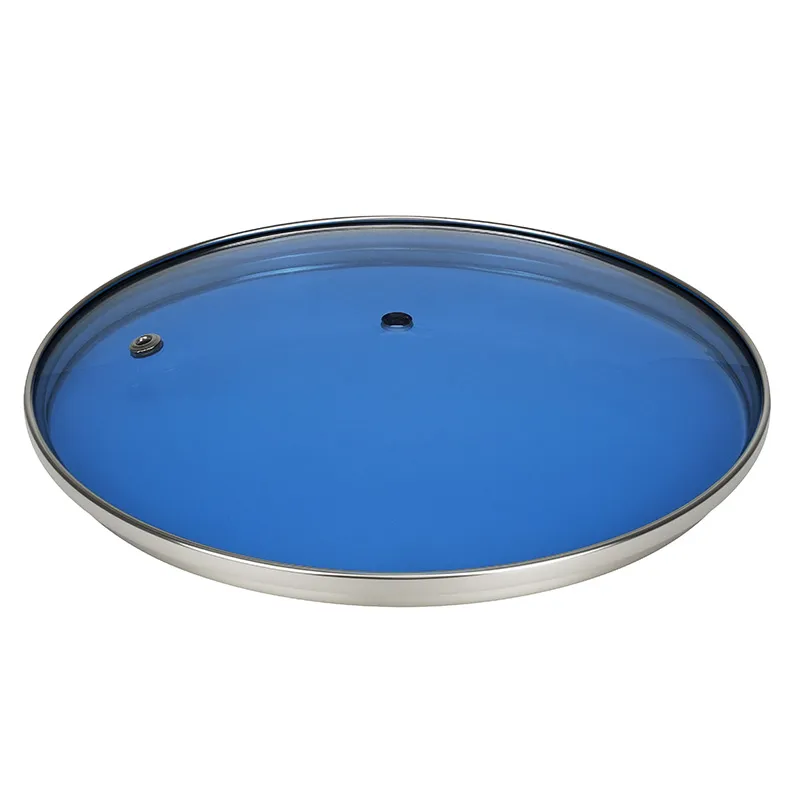
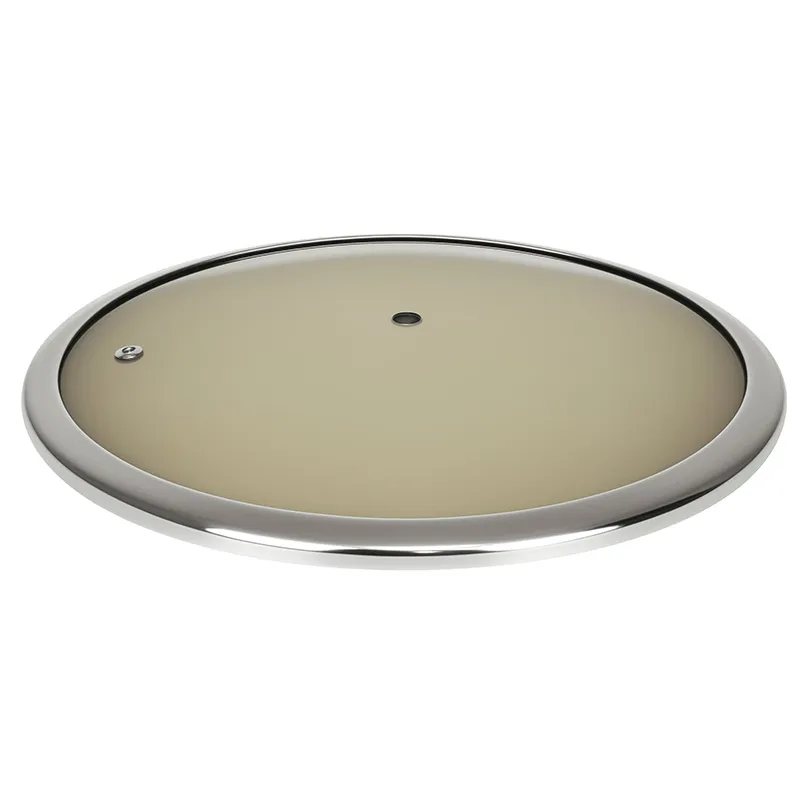
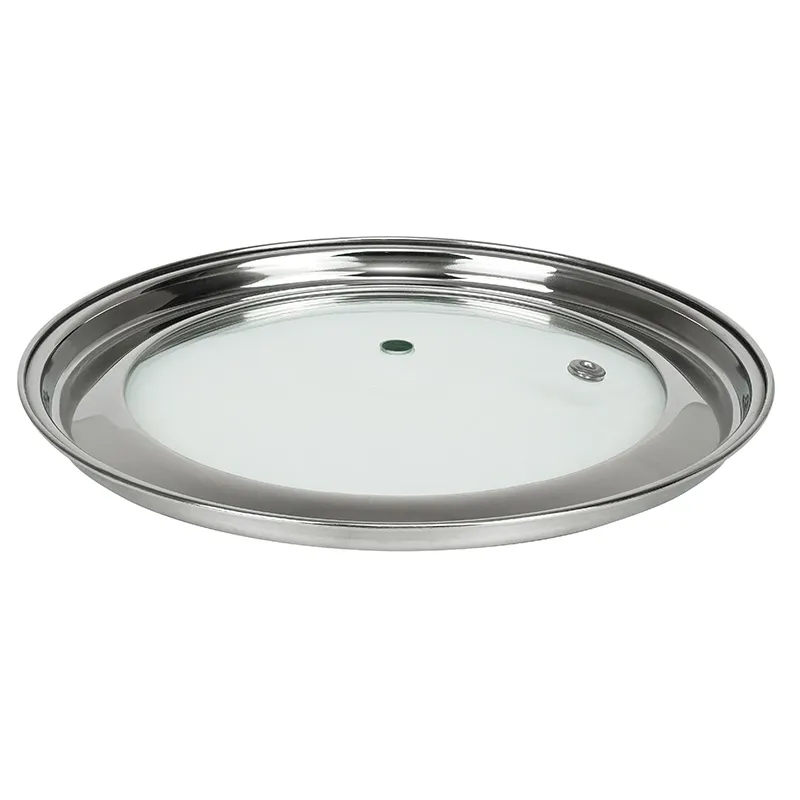
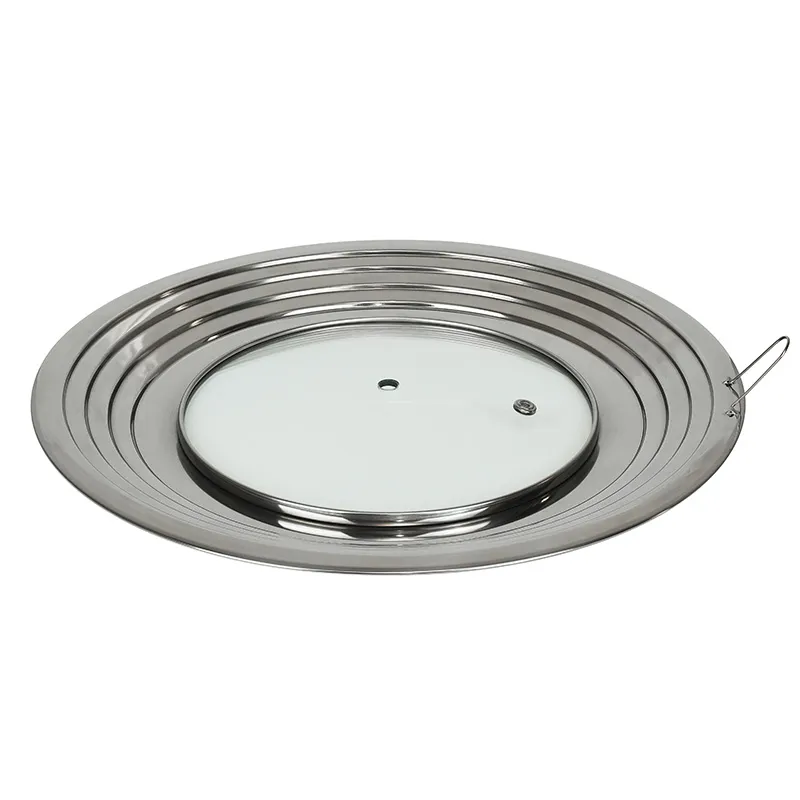
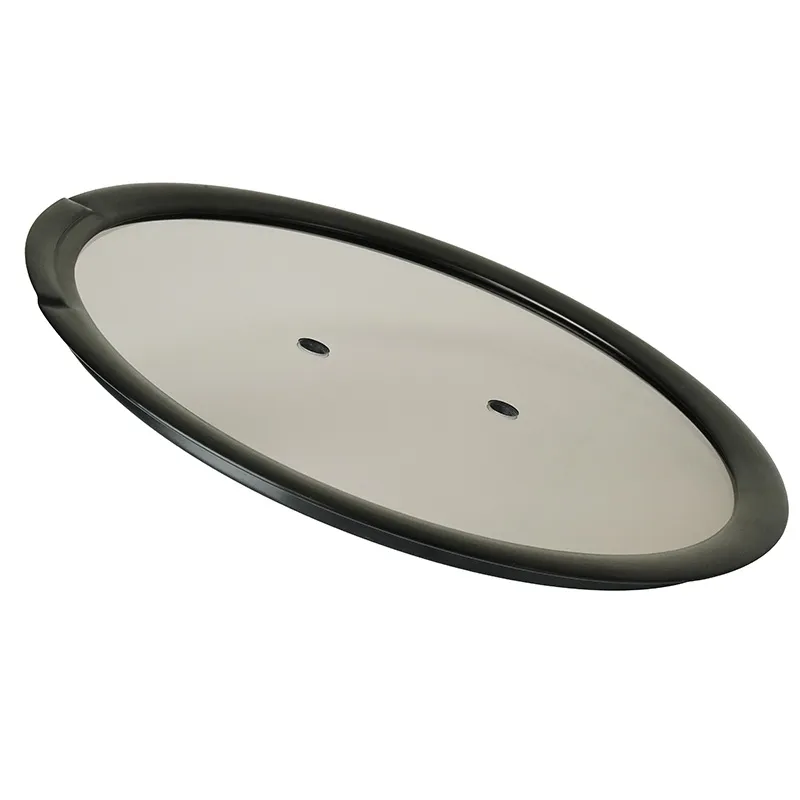
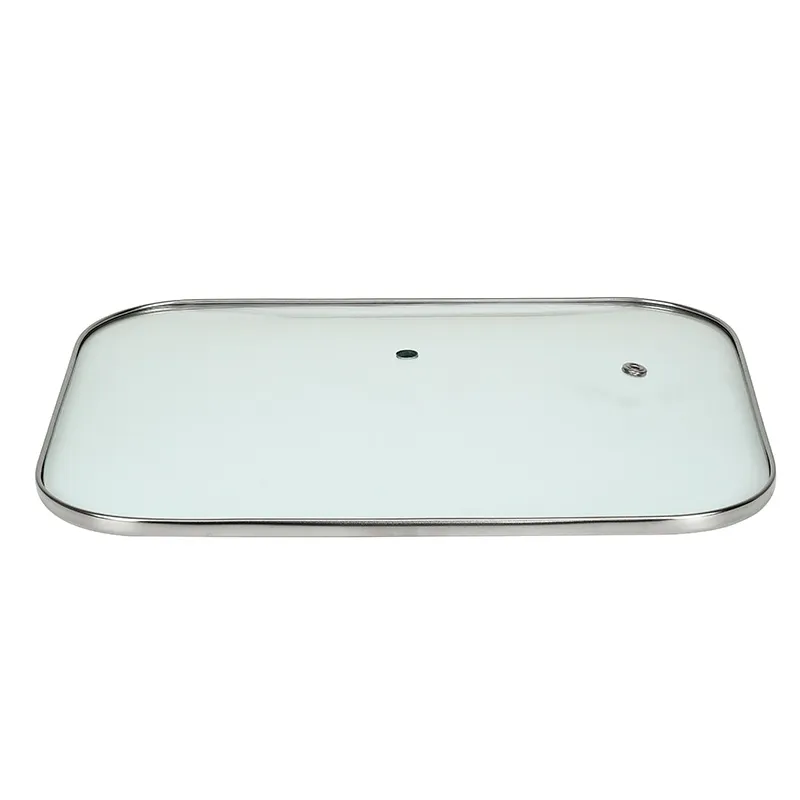
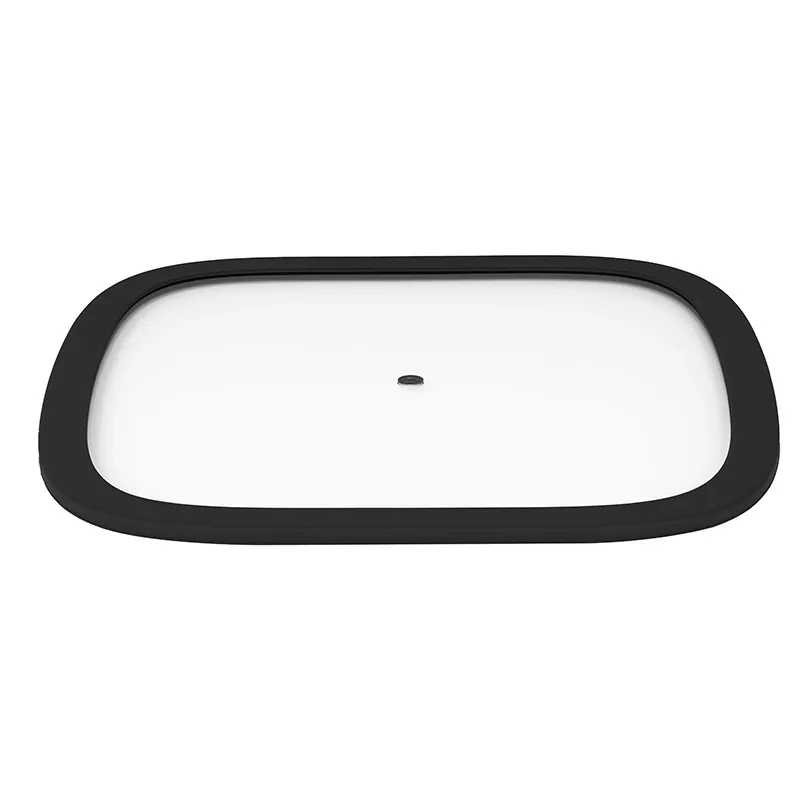
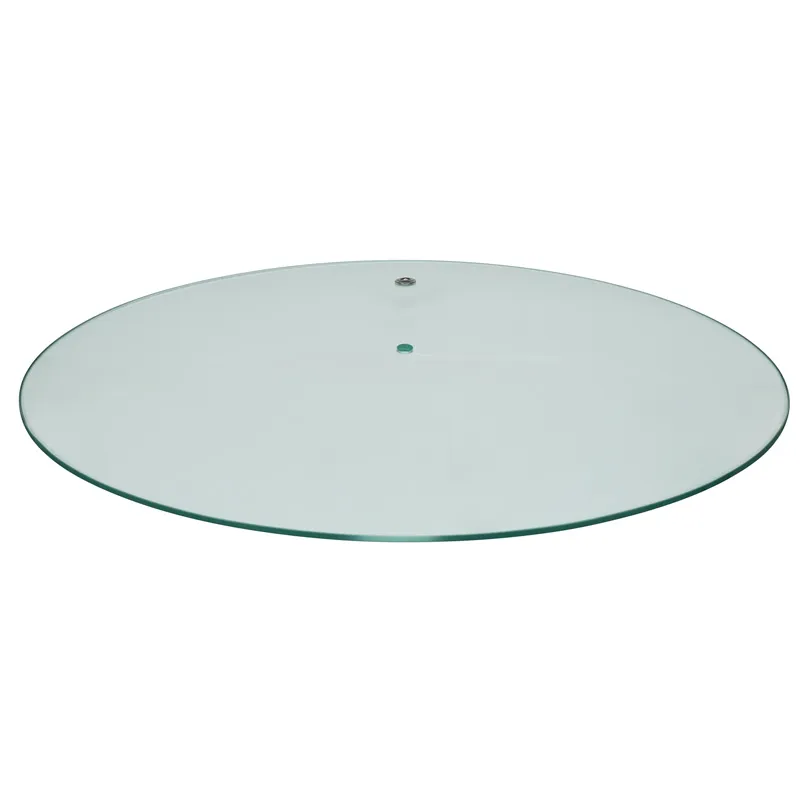
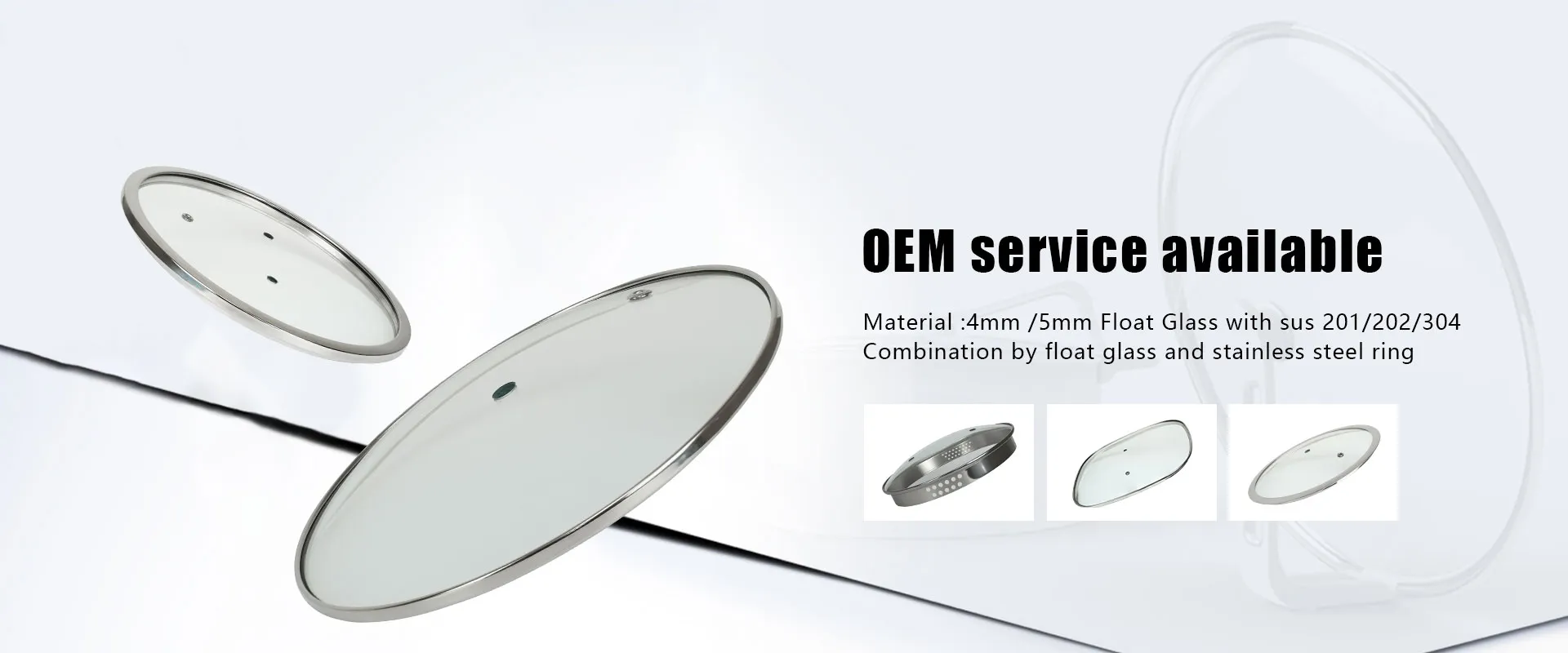
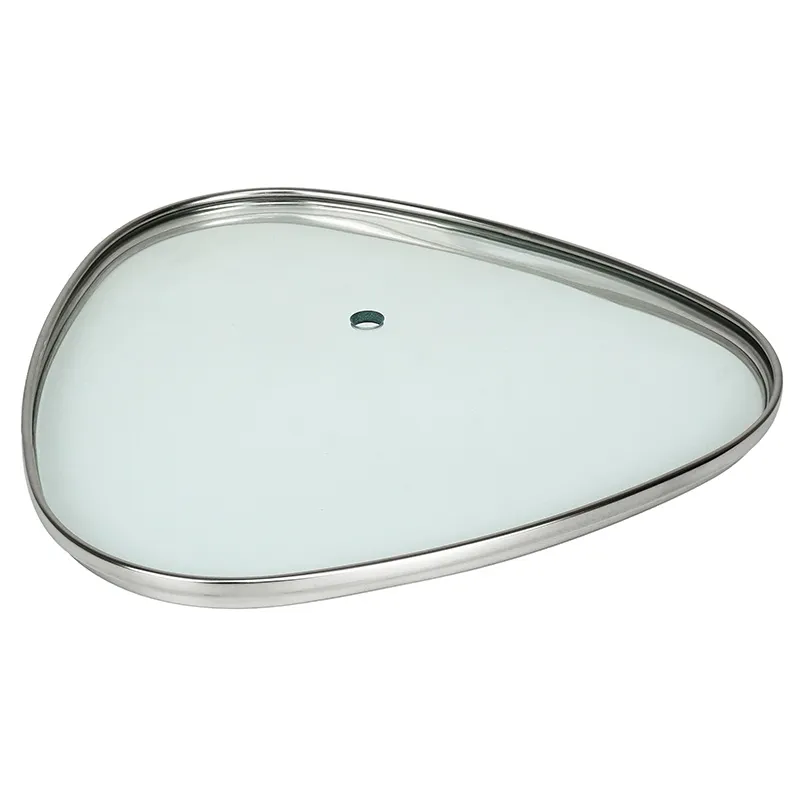
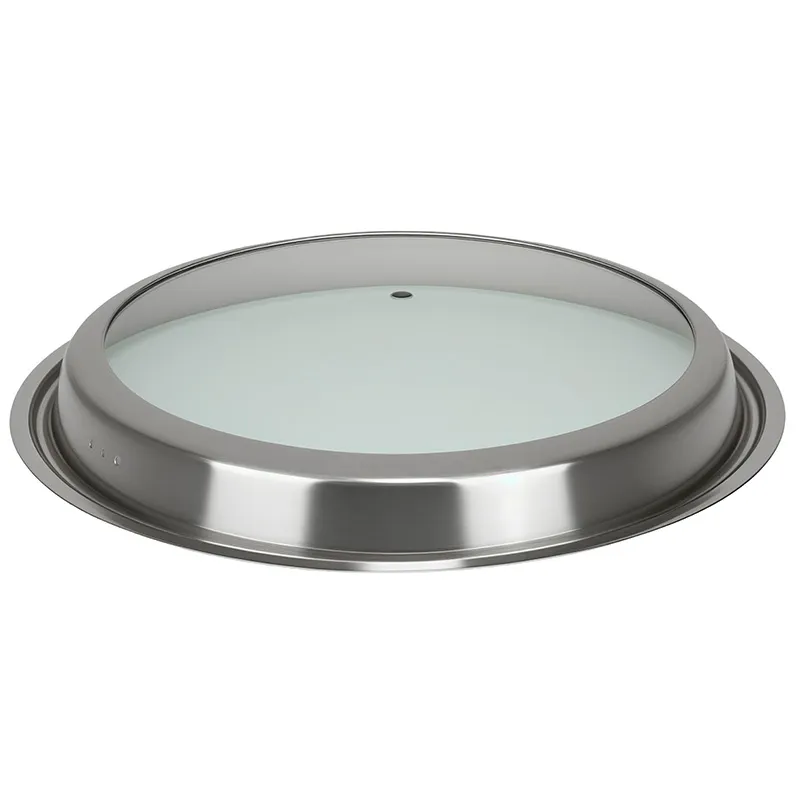
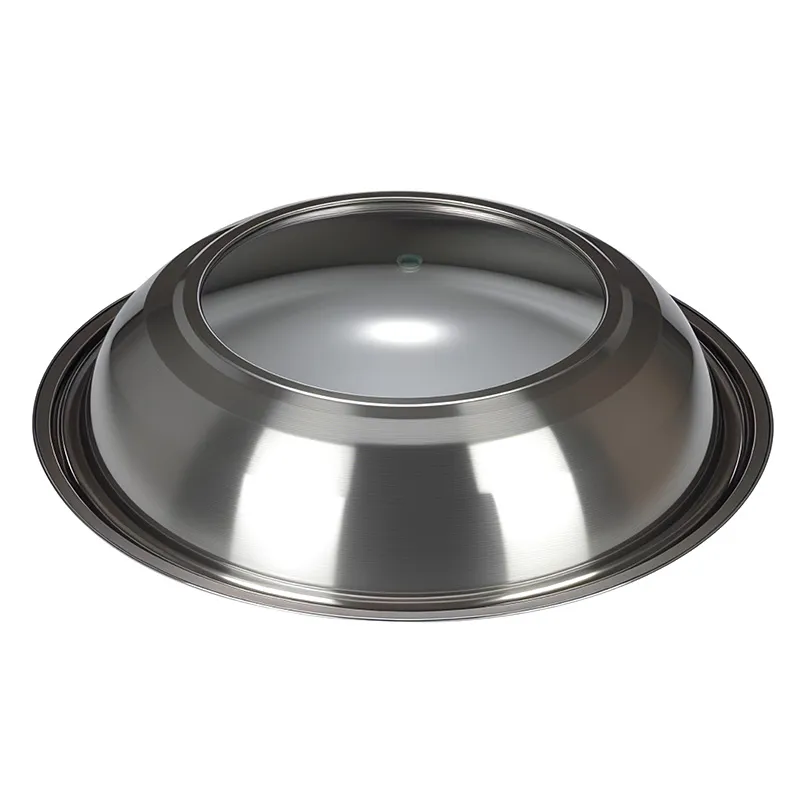
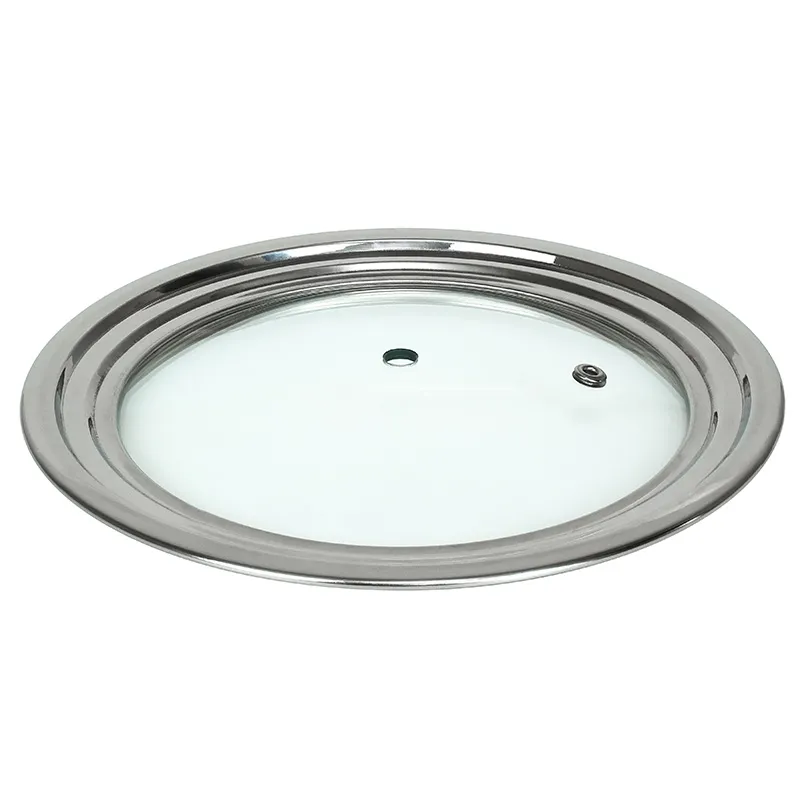
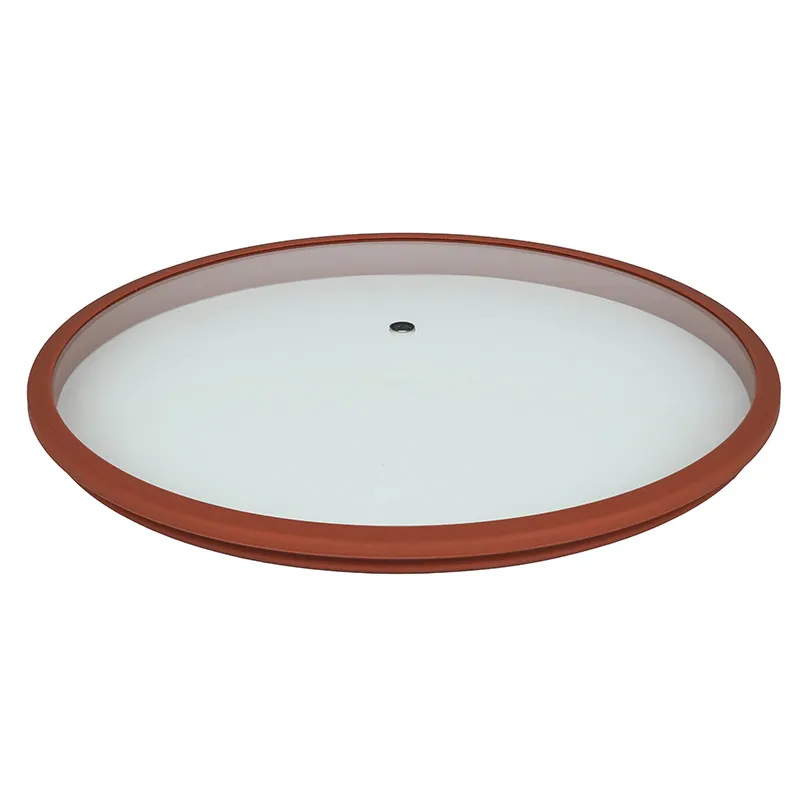
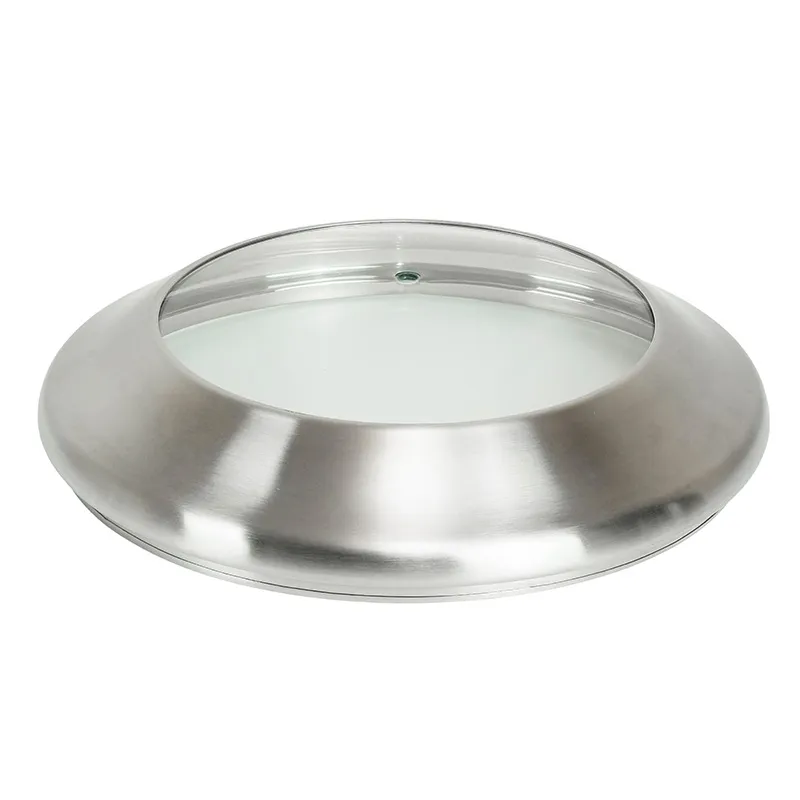
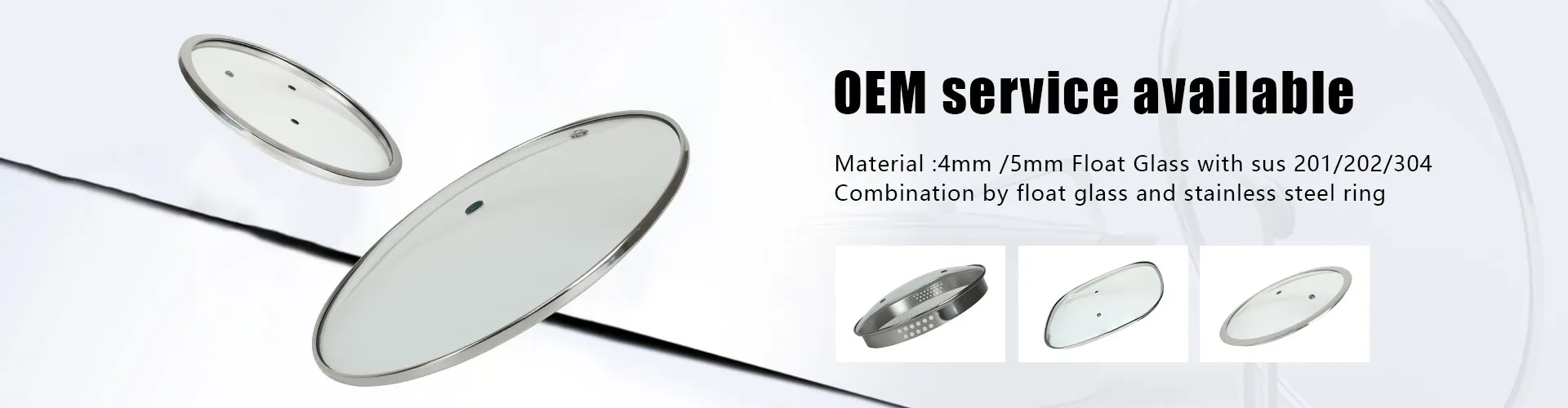
Everyone focuses on the 'see-through' aspect of a glass lid. Sure, it's convenient to monitor a simmer without releasing steam and heat. But the critical part is the fit and the rim. A poorly fitted lid, even by a millimeter, lets all your precious steam escape, turning a braise dry and ruining energy efficiency. The lid on the Sedona pan typically has a stainless steel rim that sits snugly on the pan's flange. It's not a pressure-cooker seal, but it's tight enough for moisture retention. The knob is another point of scrutiny. Is it heat-resistant? Is it screwed on securely, or is it a cheap plastic plug that will loosen and spin after a few dishwasher cycles? The ones I've seen use a decent phenolic knob, which holds up.
This is where sourcing becomes relevant. A company like EUR-ASIA COOKWARE CO.,LTD, which specializes in producing glass lids and exports globally, understands these tolerances. Their focus, as seen on their portal glass-lid.com, is on tempered glass for kitchenware. When a brand sources from a specialist manufacturer—rather than a generic metal factory that slaps on a glass lid as an afterthought—you get a product where the lid is engineered as part of the system. The tempering process is crucial; it needs to withstand thermal shock from a hot pan to a cool, wet counter. I've had lids from no-name sets shatter from less.
One often-overlooked detail: the condensation management. A good glass lid will have a subtle drip pattern or a slightly recessed center, causing condensation to run back down into the pan, not drip off the edge onto your stovetop. It's a small but telling sign of thoughtful design.
Performance in the Wild: Braising and Searing
Let's talk real use. I used this type of pan for a classic beef bourguignon. The full-clad construction allowed for a good, even sear on the chuck in batches without the center becoming a cold spot. After deglazing with wine, the tight-fitting lid was essential for the long, low braise. The glass allowed me to check the liquid level without lifting the lid and dropping the temperature—a key to tender meat. This is where the 'multipurpose' truly shines; it moved seamlessly from stovetop searing to oven braising.
Contrast this with a failed attempt using a different, thinner pan. The sear was uneven, the fond burned in the center, and the ill-fitting lid meant I had to add broth twice as often, disrupting the cooking process. The result was tough meat and a lackluster sauce. The right pan makes the technique achievable.
Another test: making a pilaf. The even heat distribution is critical to toast the rice and orzo evenly before adding broth. With an inferior pan, the grains on the edges would burn while the center remained pale. The Sedona-style pan handled it without issue. The 6.5 qt volume also means you're not risking boil-overs, which is a common headache with smaller, narrower pots.
The Manufacturing and Supply Chain Context
Seeing the specs of a manufacturer like EUR-ASIA COOKWARE CO.,LTD. is illuminating. An annual output of over 15 million tempered glass lids, with 90% exported to European and other international markets, tells you something about the scale and standards required. Markets like Germany and Japan have stringent safety and quality requirements. A brand sourcing components from such a supplier isn't just buying a commodity; they're buying into a quality and compliance ecosystem. Their specialization in low to high-level household glass products suggests they can cater to different price points, meaning the glass lid on a premium pan might be from the same factory as a mid-tier one, but the tempering, fit, and finish could be to a higher-grade spec.
This matters because the lid is often the failure point. Weak tempering leads to breakage. A poorly cast metal rim doesn't sit flat. Knowing that a component comes from a dedicated facility with that level of volume and export experience adds a layer of reliability you don't get from an unknown assembler. It's one less variable to worry about.
It's not just about the lid, though. The pan body's construction—the cladding, the handle riveting, the polishing—is likely done elsewhere. The marriage of these components is where the brand's quality control earns its keep. A high-end lid on a mediocre pan body is a waste.
Final Judgement and Practical Advice
So, is the Sedona stainless steel 6.5 qt multipurpose pan with glass lid a good piece? Based on handling its equivalents and understanding the component supply chain, yes, it sits in the solid upper-midrange for home cooks. It's not a luxury heirloom piece, but it's a highly competent workhorse that will perform reliably across a wide range of techniques if used properly. The stainless steel construction demands an understanding of heat control and proper preheating to avoid sticking, but that's true of any quality stainless surface.
My advice? When evaluating it or any similar pan, ignore the flashy marketing. Pick it up. Feel the weight—it should have a substantial, balanced heft. Look at the rivets inside: are they smooth and flush? Inspect the lid fit. Check the glass for any distortions or thin spots. See if the handle is securely attached and comfortable. These tactile checks tell you more than any product description.
In the end, a pan like this succeeds by being unremarkably good at everything. It won't single-handedly make you a better cook, but it won't hold you back, either. And in a world of overly specialized, gimmicky kitchen tools, that's a significant victory. It's a testament to decent design and, likely, a competent supply chain involving specialists like the glass lid makers at EUR-ASIA, who understand that a lid is a functional component, not just a cover.
Related Products
Related Products