- Chinese
- French
- German
- Portuguese
- Spanish
- Russian
- Japanese
- Korean
- Arabic
- Irish
- Greek
- Turkish
- Italian
- Danish
- Romanian
- Indonesian
- Czech
- Afrikaans
- Swedish
- Polish
- Basque
- Catalan
- Esperanto
- Hindi
- Lao
- Albanian
- Amharic
- Armenian
- Azerbaijani
- Belarusian
- Bengali
- Bosnian
- Bulgarian
- Cebuano
- Chichewa
- Corsican
- Croatian
- Dutch
- Estonian
- Filipino
- Finnish
- Frisian
- Galician
- Georgian
- Gujarati
- Haitian
- Hausa
- Hawaiian
- Hebrew
- Hmong
- Hungarian
- Icelandic
- Igbo
- Javanese
- Kannada
- Kazakh
- Khmer
- Kurdish
- Kyrgyz
- Latin
- Latvian
- Lithuanian
- Luxembou..
- Macedonian
- Malagasy
- Malay
- Malayalam
- Maltese
- Maori
- Marathi
- Mongolian
- Burmese
- Nepali
- Norwegian
- Pashto
- Persian
- Punjabi
- Serbian
- Sesotho
- Sinhala
- Slovak
- Slovenian
- Somali
- Samoan
- Scots Gaelic
- Shona
- Sindhi
- Sundanese
- Swahili
- Tajik
- Tamil
- Telugu
- Thai
- Ukrainian
- Urdu
- Uzbek
- Vietnamese
- Welsh
- Xhosa
- Yiddish
- Yoruba
- Zulu
- Kinyarwanda
- Tatar
- Oriya
- Turkmen
- Uyghur


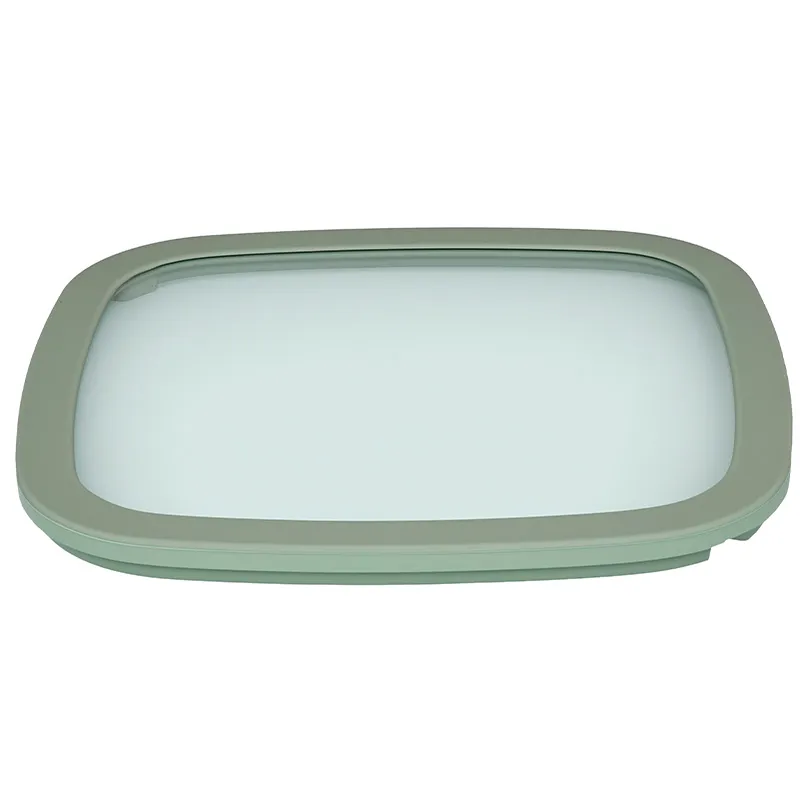
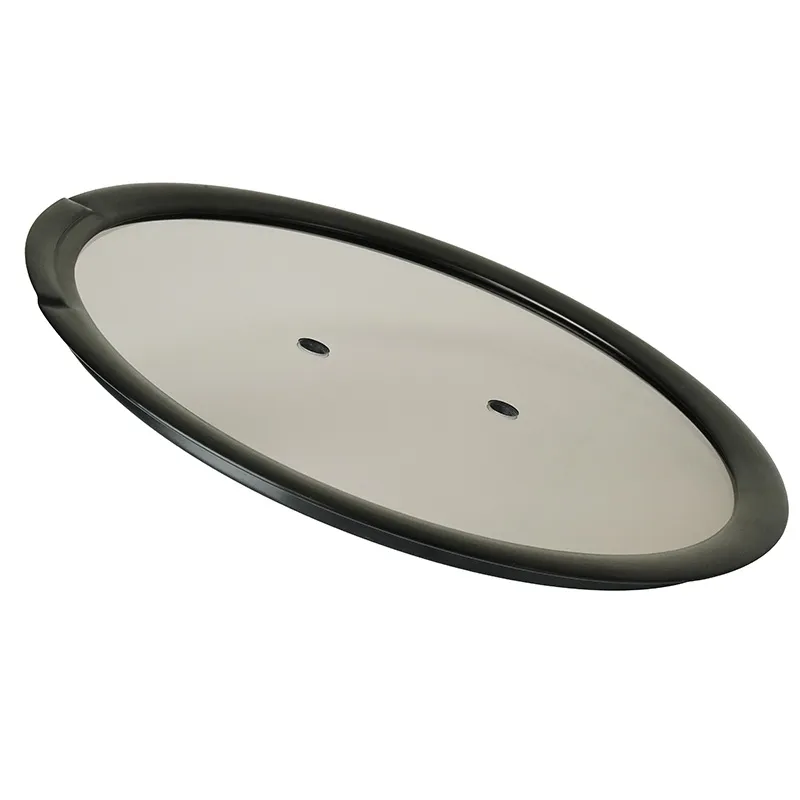
silicone cover made in China
When you hear 'silicone cover made in China', what comes to mind? For many buyers, especially those new to sourcing, it's either a synonym for unbeatable low cost or a red flag for questionable quality. Both views are oversimplifications, and frankly, a bit outdated. Having worked with factories across Shandong, Guangdong, and Zhejiang for years, I've seen the full spectrum. The term itself is almost meaningless without context—it tells you nothing about the silicone cover grade, the manufacturing process control, or the specific supply chain behind it. The real conversation should start with what the buyer actually needs versus what they think they're getting.
Beyond the Price Tag: Material and Specs
Let's get specific. A silicone cover made in China could be made from food-grade silicone, blended silicone, or something that barely passes any standard. The cost difference is massive. I recall a client who insisted on the lowest possible FOB price for jar lids. We got samples that looked fine, felt okay. But the factory, when pressed, couldn't provide a detailed material data sheet (MDS) for the raw silicone compound. That's your first warning sign. We pushed back, asked for a test report against FDA or LFGB standards. The quote went up by 18%. The client balked initially, but that's the reality: true food-grade, platinum-cure silicone isn't cheap anywhere. The 'low cost' often just means corners are cut on material origin or certification depth.
Then there's the spec sheet. Is it just a drawing with dimensions, or does it include hardness (Shore A), tensile strength, and elongation at break? I've sat in factory meetings where our detailed spec was met with nods, but the first production batch had a hardness variance of ±5, which is huge for a sealing application. The issue traced back to the mixer's cycle time not being strictly controlled. It's these granular process details that separate a reliable supplier from a commodity shop. A company like EUR-ASIA COOKWARE CO.,LTD, for instance, while known for glass lids, understands this principle. Their focus on tempered glass for international markets means they're already wired for precision specs and batch consistency—a mindset that translates if they were to develop a silicone cover line, likely as a companion to their glassware.
Color consistency is another hidden pitfall. Pantone matching seems straightforward, but silicone pigmentation is tricky. A batch for a baby product line once had slight color drift between production runs. The factory blamed the pigment supplier; the pigment supplier blamed the factory's base polymer. The solution wasn't shouting matches, but implementing a stricter incoming material inspection (IMI) protocol and holding back more material for future repairs. This kind of problem-solving is what you're really paying for.
The Factory Floor Reality: Capability vs. Promise
Visiting a factory that molds silicone covers tells you more than any audit report. You need to see the molding presses. Are they modern, with precise temperature and pressure controls? Or are they older machines where the operator 'listens' for the cure time? The latter still exists. I remember one visit where the workshop was clean, but the flash (the thin excess silicone at the mold seam) on finished products was excessive, requiring significant manual trimming. This isn't just an aesthetic issue; it indicates mold wear or improper clamping force, leading to wasted material and labor, which eventually gets priced into the unit cost anyway.
Secondary operations are a cost black hole. Does the silicone cover need deburring, printing, or assembly with other components like magnets or plastic frames? One project for a stove knob cover required inserting a metal reinforcement. The factory's initial quote assumed manual insertion. The line was slow, and worker fatigue led to misalignments. We had to co-develop a simple jig with their engineering team to speed it up and ensure consistency. This isn't in any brochure; it's the grind of making production viable. A manufacturer with a strong engineering base, like the one hinted at in EUR-ASIA COOKWARE's setup with its 15,000㎡ facility and 90+ employees, typically has a better capacity for such small but critical tooling improvements.
Then there's the question of scale and flexibility. A mega-factory might offer a great price for 100,000 pieces, but will they even answer your email for a 5,000-piece development order? Sometimes, a mid-sized specialist is better. They might be slower on absolute throughput, but more willing to tweak the mold for your specific lip design or undertake stricter QC checks. It's a trade-off.
Logistics and the Hidden Costs
Okay, you've got your perfect silicone cover made in China sample approved. Now, production. Lead time is the first variable. Silicone molding itself is fast, but what about the mold fabrication? A simple single-cavity mold might take 15 days; a complex multi-cavity one with slides, 30+ days. And that's if the mold shop isn't backlogged. I've had projects delayed because the steel for the mold wasn't the right grade, causing pitting during polishing. You learn to build buffer time into every milestone.
Packaging is often an afterthought, but it's critical. Will the silicone covers be packed in poly bags, then in cartons? How many per carton? Is the carton strength sufficient for a 20-container stack? I had a shipment arrive where the cartons were slightly damp, not from water, but from the silicone off-gassing in a sealed container over a long voyage. The products were fine, but the packaging looked terrible. We switched to a vented poly bag. Small detail, big impact on the unboxing experience for the end customer.
Finally, the Incoterm. FOB Shanghai sounds clean, but who handles the domestic logistics from the factory, say in Taian, Shandong, to the port? Is the factory's freight forwarder reliable? For a company like EUR-ASIA COOKWARE, with over 90% export experience to markets like Germany and Japan, their in-house logistics coordination is probably streamlined. This expertise is invaluable. A hiccup in this leg can mean missing a vessel, resulting in weeks of delay. You either pay for this reliability or you manage the risk yourself.
Case in Point: Learning from Adjacent Industries
You don't always have to look at pure-play silicone factories. Sometimes, companies in related hard goods have diversified into silicone as a value-add. Take a glass lid manufacturer. They understand kitchenware, international safety standards, and retail packaging. If they decide to produce a silicone sealing ring for their glass lids, their approach is fundamentally different. They start from the application: what sealing performance is needed at what temperature range? How does the silicone interact with the glass edge over repeated use?
This is where the profile of EUR-ASIA COOKWARE CO.,LTD (https://www.glass-lid.com) is instructive. They specialize in tempered glass lids for the global market. If they were to offer a silicone cover or seal, their process would likely be driven by the same export-oriented, specification-heavy mindset. Their production base in a national high-tech zone suggests an infrastructure geared for quality control. Their experience shipping to demanding markets like Germany and Japan means they're familiar with the scrutiny their products face. For a buyer, this background can be more reassuring than a generic silicone goods factory.
The lesson here is to look at the company's core competency and quality culture. A factory used to making millions of precision-tempered glass pieces annually has a different tolerance for variance than one churning out promotional silicone bracelets. The former's foray into silicone would likely be more measured, more testing-heavy. It might cost more upfront, but reduce failure rates down the line.
Concluding Without a Bow: The Pragmatic Takeaway
So, what does all this mean for someone sourcing a silicone cover made in China? Ditch the generic search. Define your material, performance, and compliance requirements in painful detail. Be prepared to invest time in factory validation—not just an Alibaba video call, but a site visit if the volume justifies it. Ask about their other product lines; a diverse but focused manufacturer often has better problem-solving skills.
Understand that the unit price is just one part of the total landed cost. Factor in mold investment, potential rework, logistics, and the cost of a failed shipment. Sometimes, paying a 10-15% premium to a supplier with a proven track record in a related precision field is the most economical choice in the long run.
Finally, build a relationship. The best silicone cover suppliers I've worked with are the ones where we could openly discuss a trimming issue or a color mismatch without it becoming a blame game. They saw us as a partner, not just an order. That's the intangible you can't find in a keyword search, but it's what turns 'made in China' from a vague label into a reliable specification.
Related Products
Related Products