- Chinese
- French
- German
- Portuguese
- Spanish
- Russian
- Japanese
- Korean
- Arabic
- Irish
- Greek
- Turkish
- Italian
- Danish
- Romanian
- Indonesian
- Czech
- Afrikaans
- Swedish
- Polish
- Basque
- Catalan
- Esperanto
- Hindi
- Lao
- Albanian
- Amharic
- Armenian
- Azerbaijani
- Belarusian
- Bengali
- Bosnian
- Bulgarian
- Cebuano
- Chichewa
- Corsican
- Croatian
- Dutch
- Estonian
- Filipino
- Finnish
- Frisian
- Galician
- Georgian
- Gujarati
- Haitian
- Hausa
- Hawaiian
- Hebrew
- Hmong
- Hungarian
- Icelandic
- Igbo
- Javanese
- Kannada
- Kazakh
- Khmer
- Kurdish
- Kyrgyz
- Latin
- Latvian
- Lithuanian
- Luxembou..
- Macedonian
- Malagasy
- Malay
- Malayalam
- Maltese
- Maori
- Marathi
- Mongolian
- Burmese
- Nepali
- Norwegian
- Pashto
- Persian
- Punjabi
- Serbian
- Sesotho
- Sinhala
- Slovak
- Slovenian
- Somali
- Samoan
- Scots Gaelic
- Shona
- Sindhi
- Sundanese
- Swahili
- Tajik
- Tamil
- Telugu
- Thai
- Ukrainian
- Urdu
- Uzbek
- Vietnamese
- Welsh
- Xhosa
- Yiddish
- Yoruba
- Zulu
- Kinyarwanda
- Tatar
- Oriya
- Turkmen
- Uyghur


silicone cover manufacturer of China
When you hear 'silicone cover manufacturer of China', the immediate image might be of vast, generic factories churning out phone cases. That's a common starting point, but it barely scratches the surface. The reality is a fragmented, tiered ecosystem where specialization is everything. The real challenge isn't finding a manufacturer; it's identifying the right one for your specific application—be it for medical devices, premium kitchenware, or industrial components. Many buyers get tripped up assuming all silicone processors are the same, leading to costly mismatches in quality expectations and production capability.
The Core Competency Divide
Not all silicone is created equal. A factory proficient in molding simple, low-durometer phone cases often lacks the tooling precision and cleanroom environment needed for a medical-grade silicone cover that requires biocompatibility certification. I've seen projects stall because the chosen shop couldn't manage the tighter tolerances or the specific platinum-cure silicone formulation. The material science aspect is critical; food-grade silicone for a baking mat demands different additives and post-curing processes than high-temperature resistant silicone for an engine cover.
This is where vertical integration matters. The most reliable manufacturers I've worked with often control more of their supply chain, from compounding their own silicone batches to in-house mold fabrication. It gives them better control over consistency and lead times. A telltale sign is whether they discuss Shore hardness, tear strength, and compression set in initial conversations, or just unit price and MOQ.
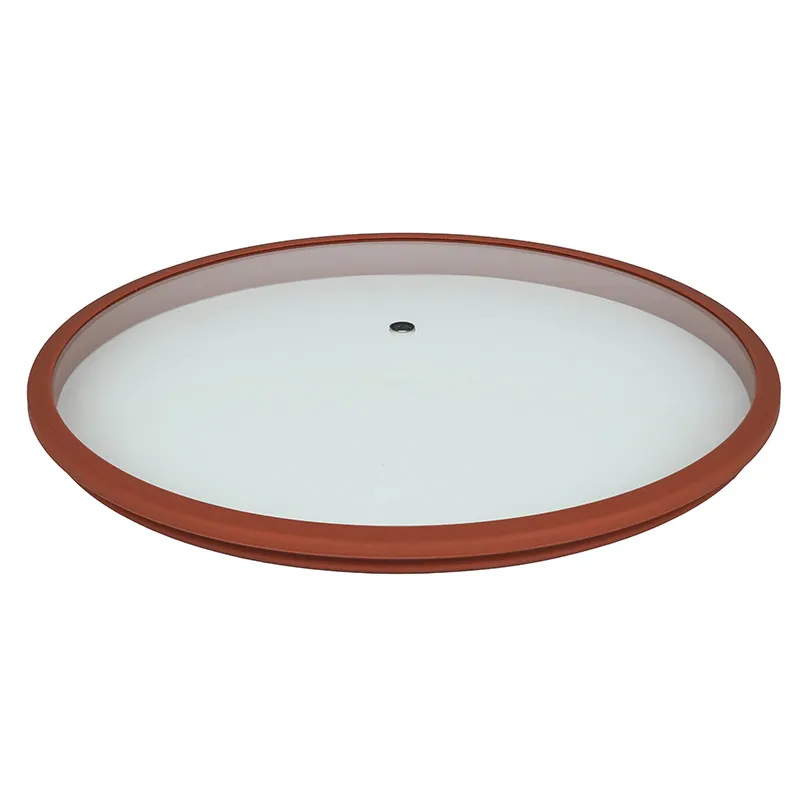
For instance, a project involving custom silicone seals for high-end cookware lids required a partner who understood thermal cycling. We didn't just need a cover; we needed a component that would maintain its seal and elasticity through repeated oven-to-freezer cycles. The manufacturer that won the business had a dedicated R&D lab for material stress-testing, which isn't something you find on a standard Alibaba profile.
Beyond the Factory Floor: The Kitchenware Nexus
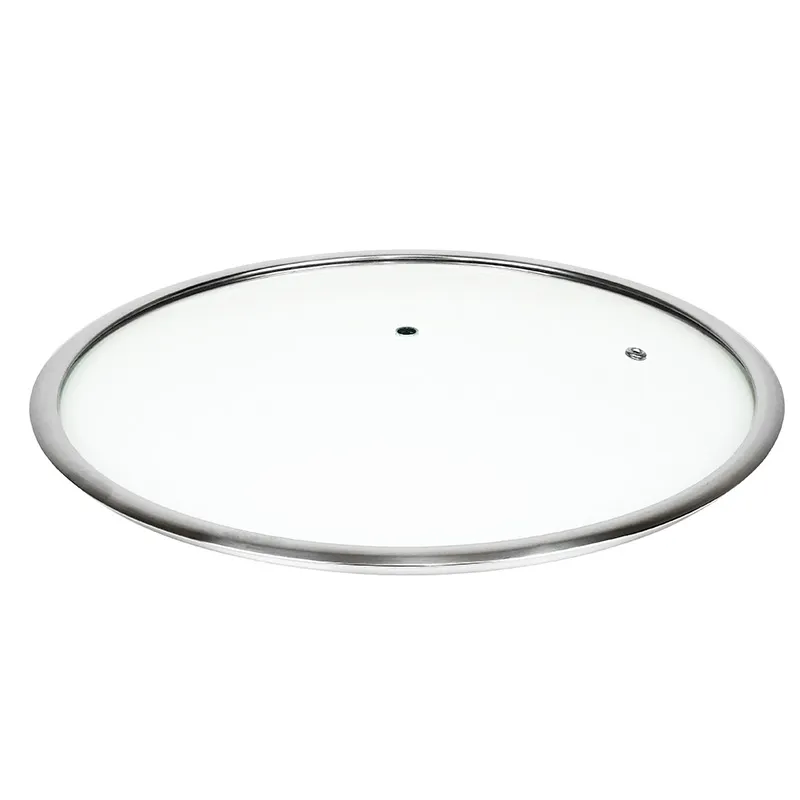
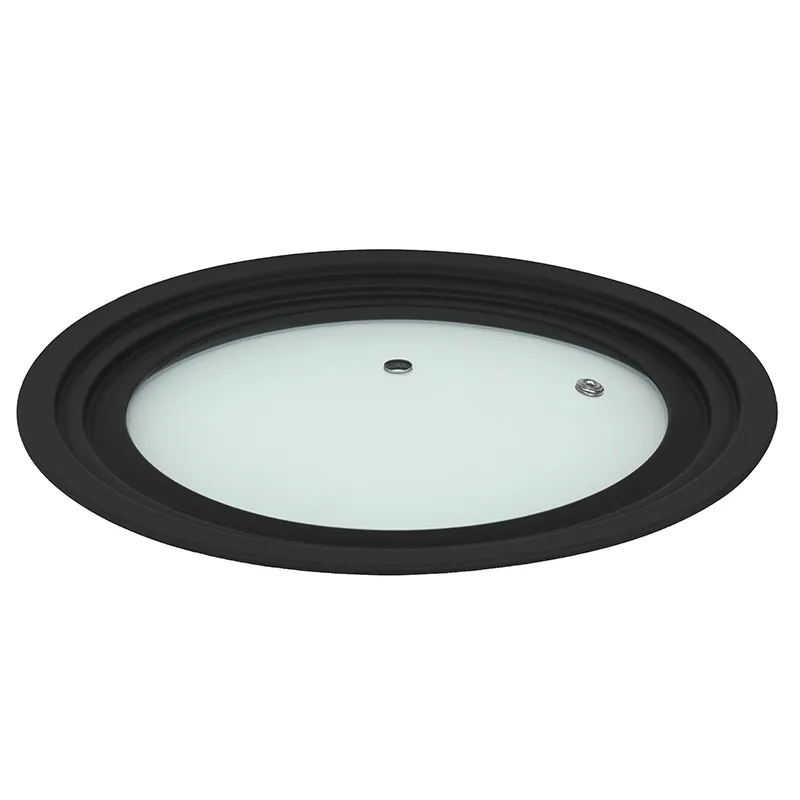
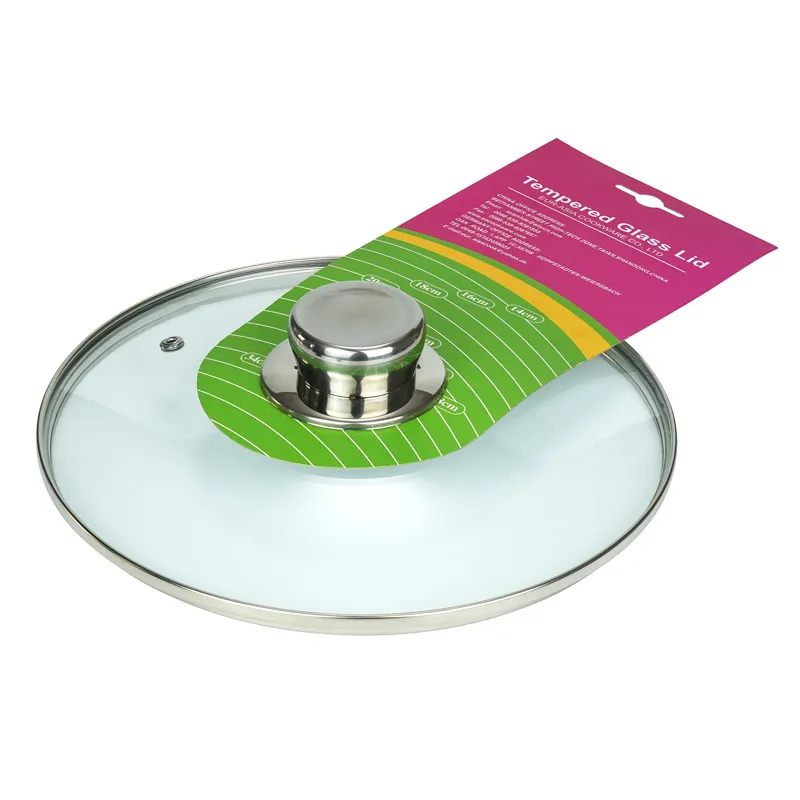
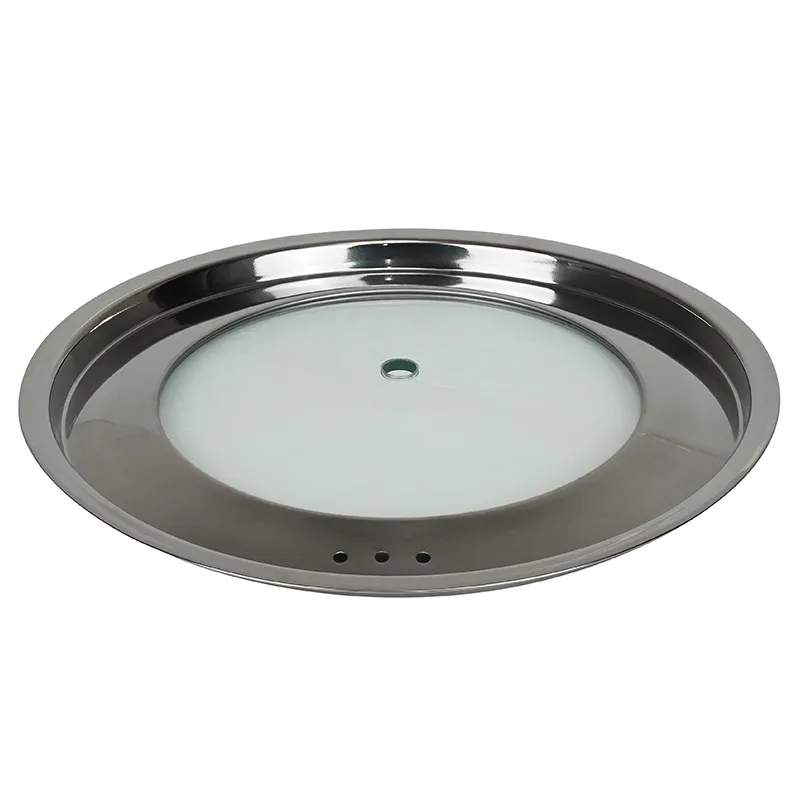
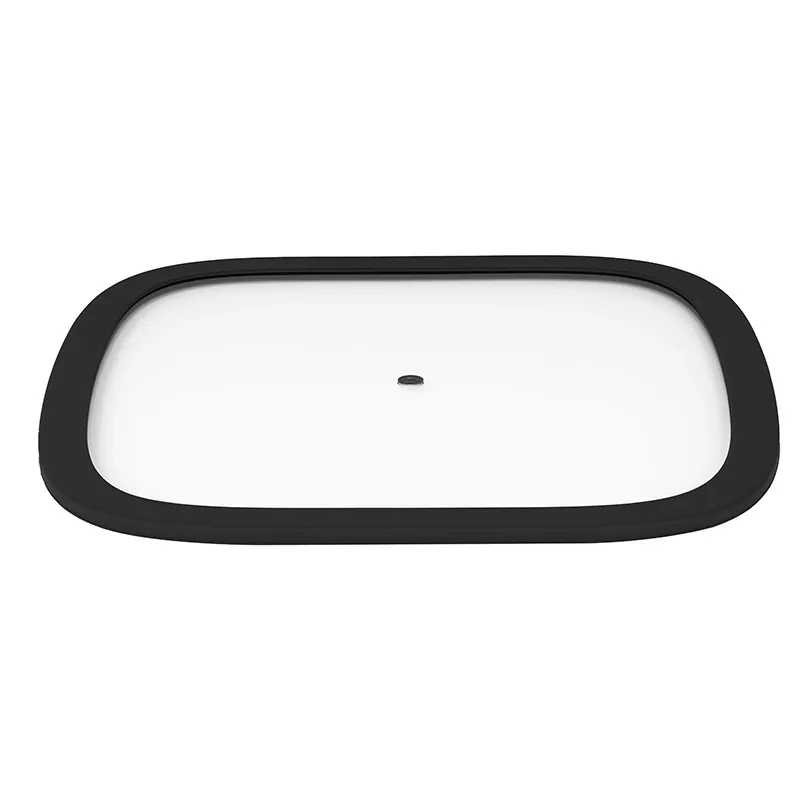
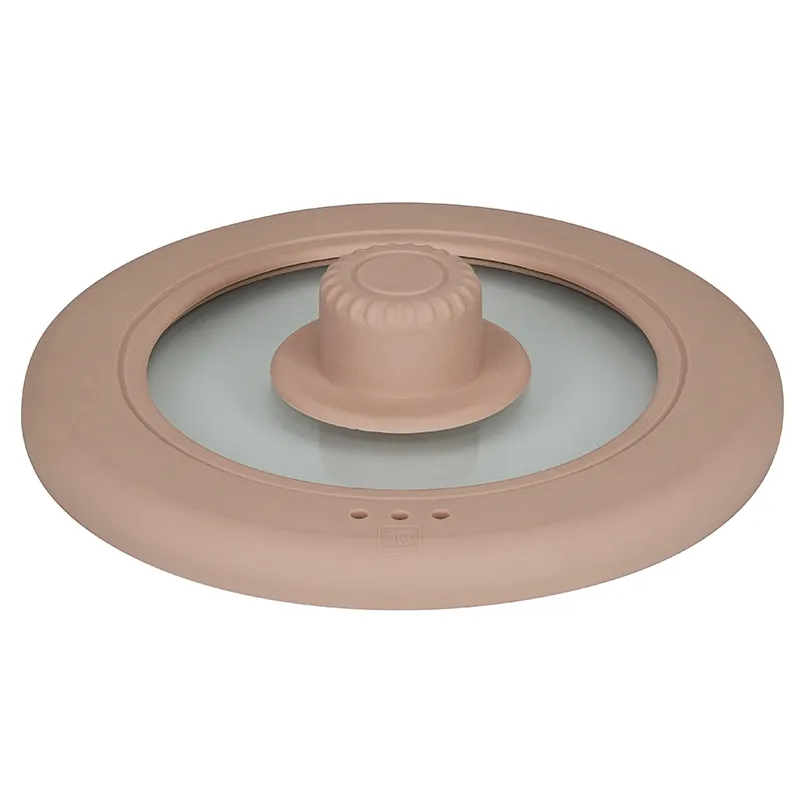
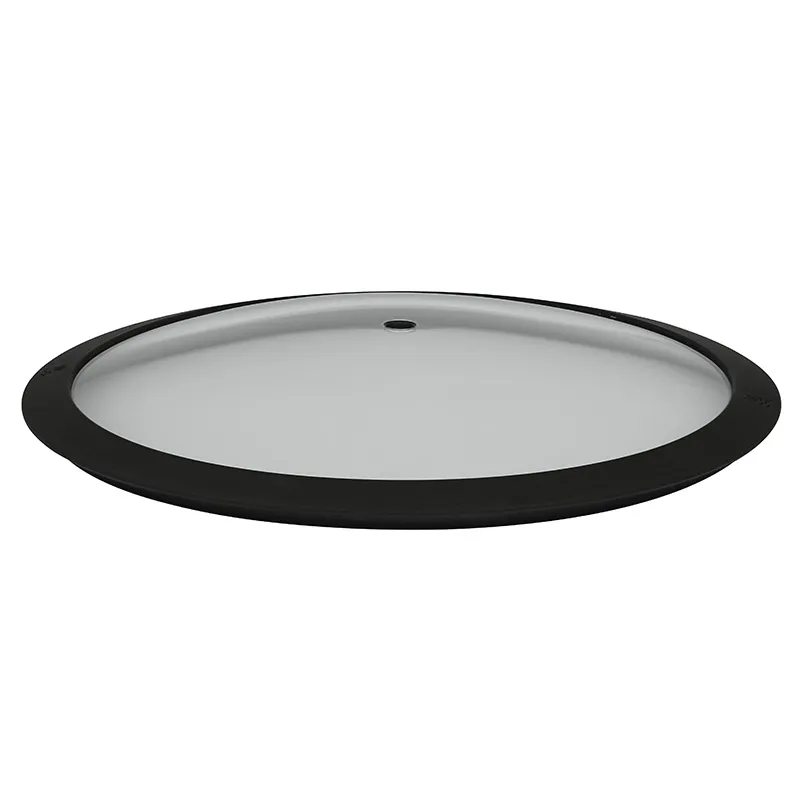
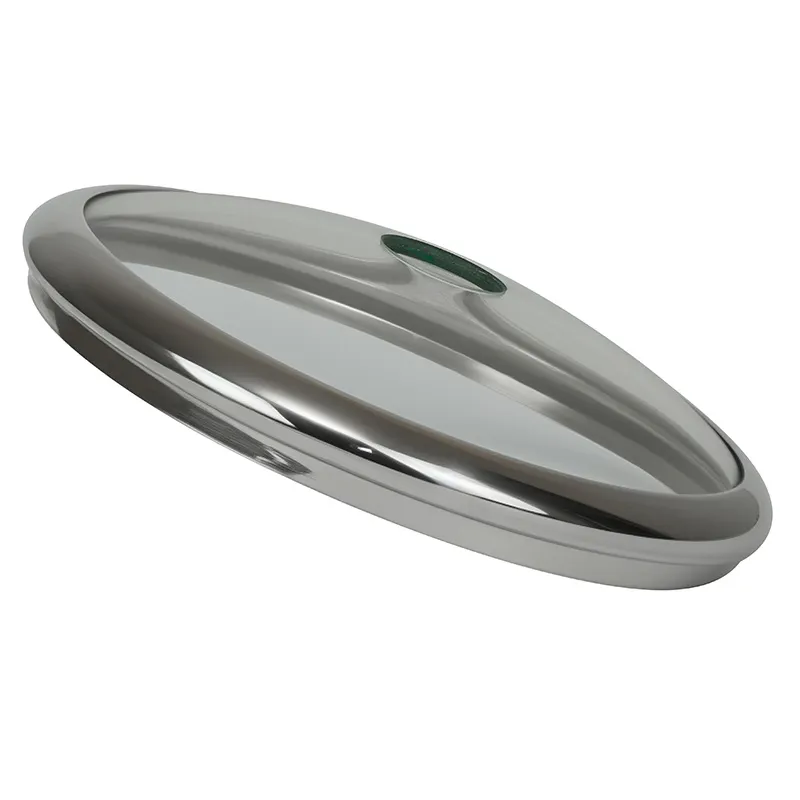
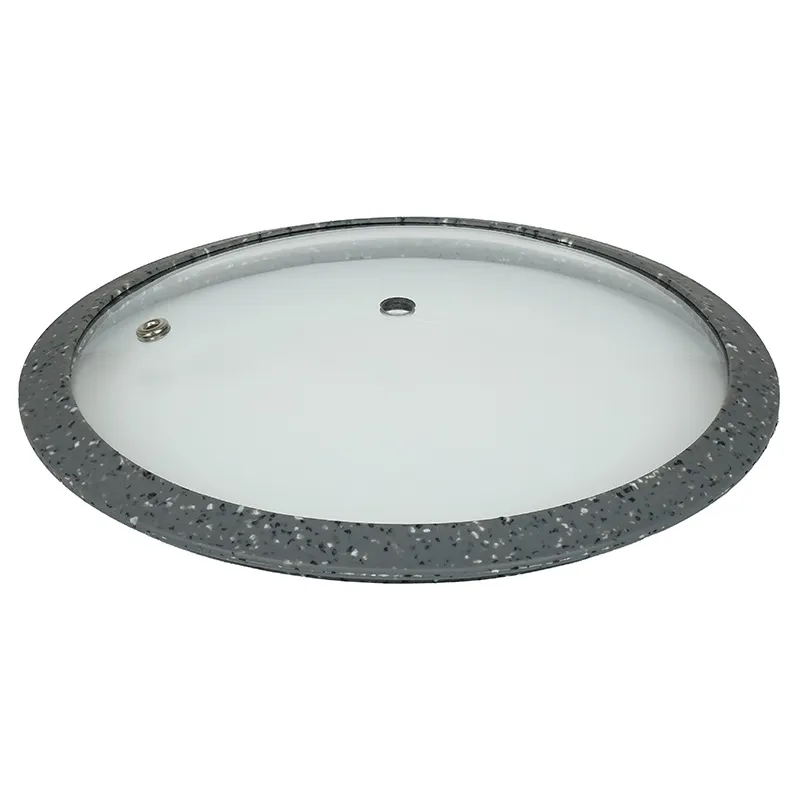
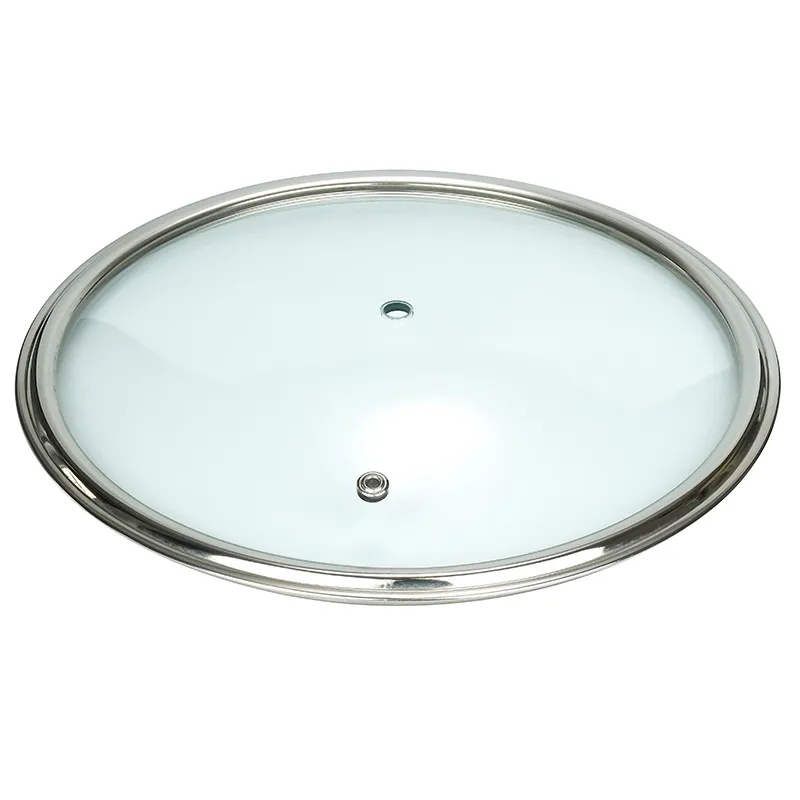
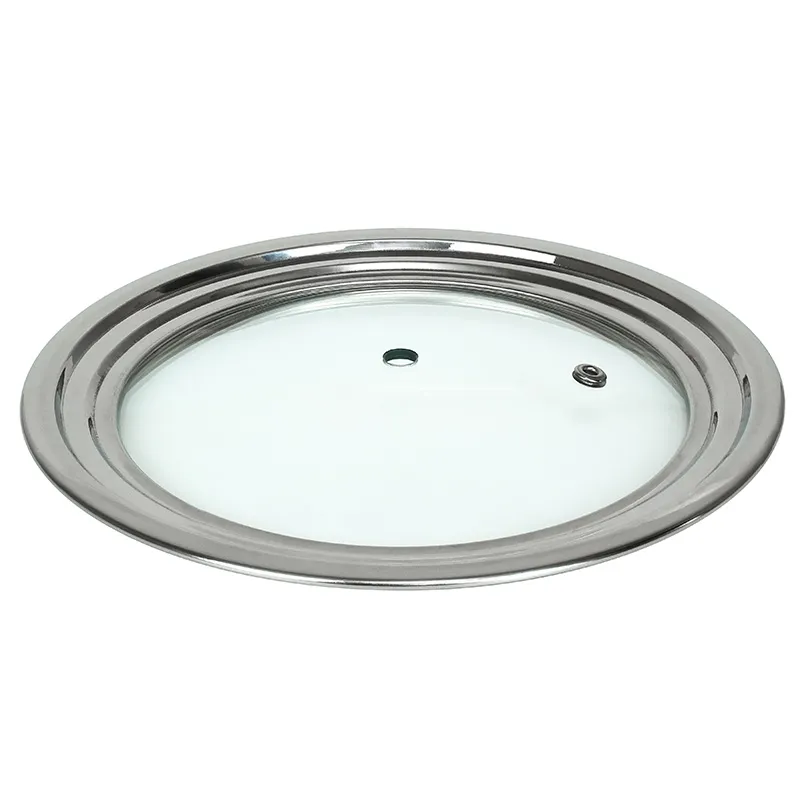
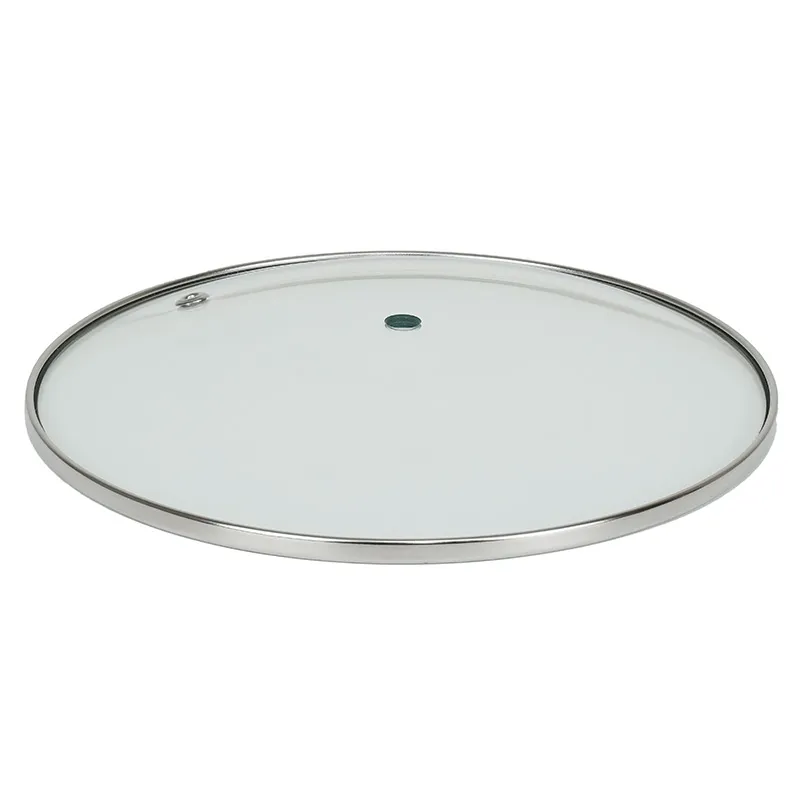
This brings me to a specific, often overlooked niche: silicone components for kitchenware and household goods. It's a sector where Chinese manufacturing truly shines, blending glass, metal, and silicone. Take a company like EUR-ASIA COOKWARE CO.,LTD (https://www.glass-lid.com). While their core is tempered glass lids, any seasoned product developer knows that a glass lid often needs a complementary silicone component—a sealing ring, a handle grip, or a edge bumper to prevent chipping and ensure an airtight fit.
Their specialization in exporting to markets like Germany and Japan is a key data point. These are jurisdictions with stringent material safety standards (LFGB, FDA). A silicone cover manufacturer supplying into this chain must inherently understand and comply with these regulations. The silicone isn't an afterthought; it's a critical safety and functional element. From my experience, factories embedded in these supply chains are typically more rigorous about their material sourcing and certificates of analysis.
Working with a partner like this, you're not just buying a molded part. You're tapping into their existing competency in producing for discerning OEMs. Their production base in Shandong's High-tech Development Zone suggests a certain scale and formalization. The practical implication? They likely have established protocols for integrating silicone parts with their primary glass products, which reduces design friction. I recall a project where the silicone gasket for a glass lunch box lid had to be precisely undersized to account for the glass's thermal expansion during tempering—a nuance only a vertically experienced player would know.
The Pitfalls of Communication and Sampling
One of the biggest practical hurdles is the sampling phase. A perfect 3D model does not guarantee a perfect sample. The real test is in the tooling adjustment and the manufacturer's willingness to iterate. I've had samples where the parting line was too prominent, or the demolding angle caused slight deformation. A good manufacturer will point these out in the DFM (Design for Manufacturability) report. A less experienced one will just make the mold as drawn, and you discover the flaws at the PPI (Pre-Production Inspection) stage, which is far more expensive to fix.
Communication style is also revealing. The most productive relationships I've had are with engineers or project managers who ask why – why this wall thickness, why this undercut design? They're applying their practical molding experience to improve your product. Conversely, factories that only say yes, can do to every request are a red flag. Silicone molding has its constraints, and an expert knows them intimately.
Quality Systems as a Filter
You can learn a lot by asking about their quality control process for silicone cover production. Do they perform batch testing on incoming raw silicone? What in-process checks are in place—is it just a visual check, or do they measure critical dimensions with calipers or CMM for first articles? For food-contact or medical items, how are batches traced? The answers separate contract manufacturers from component partners.
EUR-ASIA COOKWARE's focus on export markets implies their quality system has already been vetted by international buyers. For a silicone component supplier, being part of such a supply chain means they are accustomed to third-party audits, material documentation, and consistent AQL inspection standards. This infrastructure is invaluable; it means less legwork for you on the quality assurance front. It's a different caliber than a factory whose primary market is domestic with more lenient standards.
A failure I witnessed early in my career was sourcing a simple silicone sleeve for a water bottle from a low-cost provider. The parts passed initial inspection but, after a few weeks in storage, began exuding an oily residue—a sign of plasticizer migration from poor-quality compounds. The entire batch was scrapped. The lesson was that the cost of quality failure, including logistics, replacement, and brand reputation, far outweighs the per-unit savings from a cut-rate supplier.
The Evolving Landscape and Final Thoughts
The landscape is shifting. Labor costs are rising, and automation in silicone molding—like robotic demolding and vision inspection systems—is becoming a competitive differentiator among top-tier Chinese manufacturers. The future belongs to those investing in precision and repeatability, not just capacity.
So, when evaluating a silicone cover manufacturer of China, look beyond the catalog. Probe their material expertise, their quality DNA, and their experience in your specific application vertical. A company like EUR-ASIA COOKWARE, though not a pure-play silicone maker, exemplifies the kind of integrated, standards-aware manufacturing partner that can deliver a reliable component, precisely because their core product demands it. The right manufacturer isn't just a vendor; they are a co-engineer for your product's success, turning a simple cover into a critical, high-performance component.
Ultimately, it comes down to alignment. Your product's requirements must align with the factory's core competencies. The most successful projects I've managed were those where the manufacturer's daily bread and butter was something very similar to what we needed. That's where you find the deep, practical knowledge that no generic manufacturing directory can ever reveal.
Related Products
Related Products