- Chinese
- French
- German
- Portuguese
- Spanish
- Russian
- Japanese
- Korean
- Arabic
- Irish
- Greek
- Turkish
- Italian
- Danish
- Romanian
- Indonesian
- Czech
- Afrikaans
- Swedish
- Polish
- Basque
- Catalan
- Esperanto
- Hindi
- Lao
- Albanian
- Amharic
- Armenian
- Azerbaijani
- Belarusian
- Bengali
- Bosnian
- Bulgarian
- Cebuano
- Chichewa
- Corsican
- Croatian
- Dutch
- Estonian
- Filipino
- Finnish
- Frisian
- Galician
- Georgian
- Gujarati
- Haitian
- Hausa
- Hawaiian
- Hebrew
- Hmong
- Hungarian
- Icelandic
- Igbo
- Javanese
- Kannada
- Kazakh
- Khmer
- Kurdish
- Kyrgyz
- Latin
- Latvian
- Lithuanian
- Luxembou..
- Macedonian
- Malagasy
- Malay
- Malayalam
- Maltese
- Maori
- Marathi
- Mongolian
- Burmese
- Nepali
- Norwegian
- Pashto
- Persian
- Punjabi
- Serbian
- Sesotho
- Sinhala
- Slovak
- Slovenian
- Somali
- Samoan
- Scots Gaelic
- Shona
- Sindhi
- Sundanese
- Swahili
- Tajik
- Tamil
- Telugu
- Thai
- Ukrainian
- Urdu
- Uzbek
- Vietnamese
- Welsh
- Xhosa
- Yiddish
- Yoruba
- Zulu
- Kinyarwanda
- Tatar
- Oriya
- Turkmen
- Uyghur


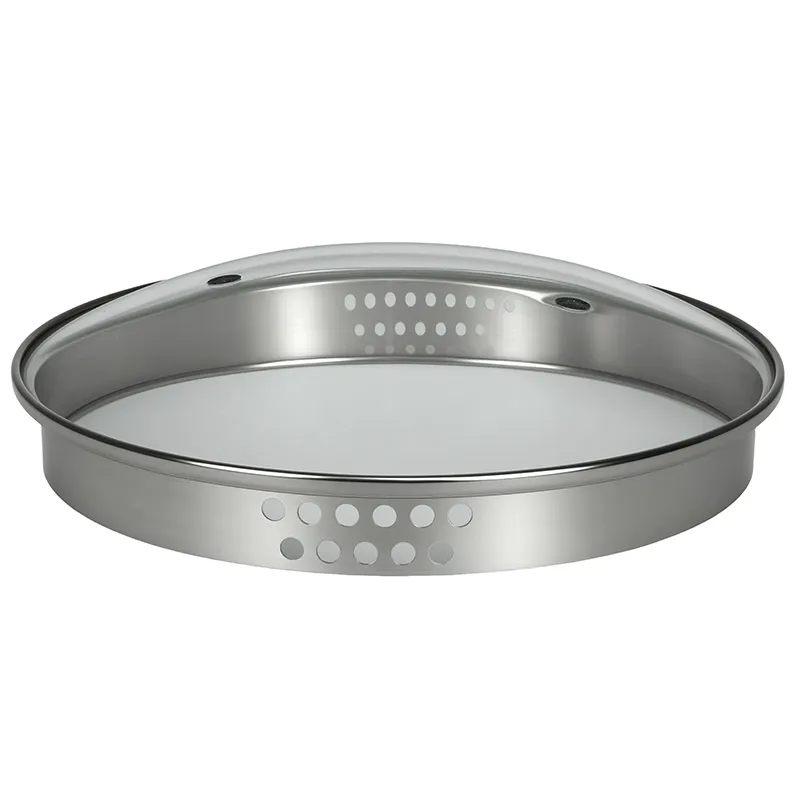
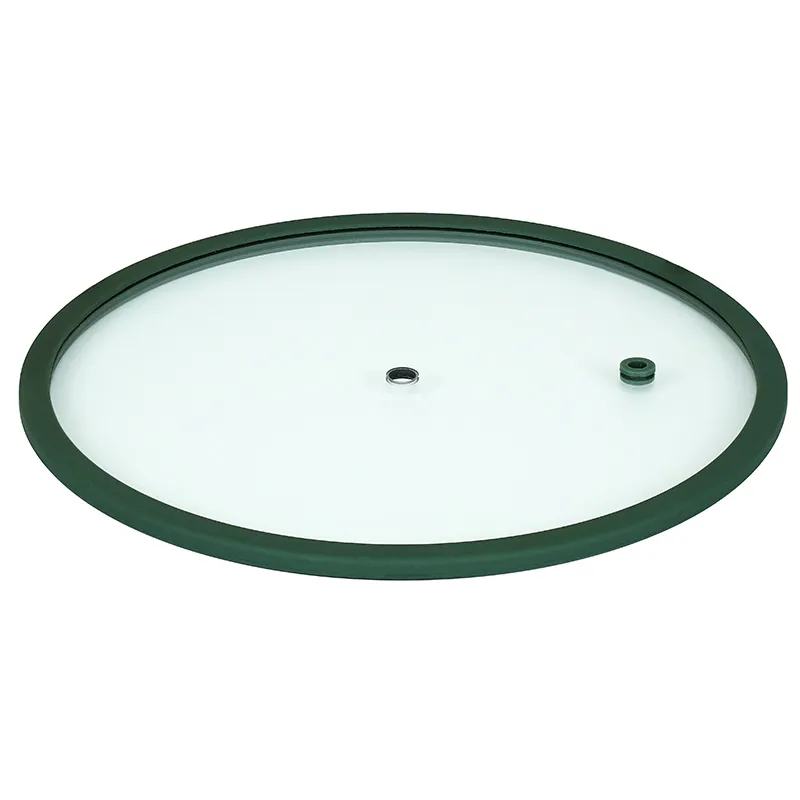
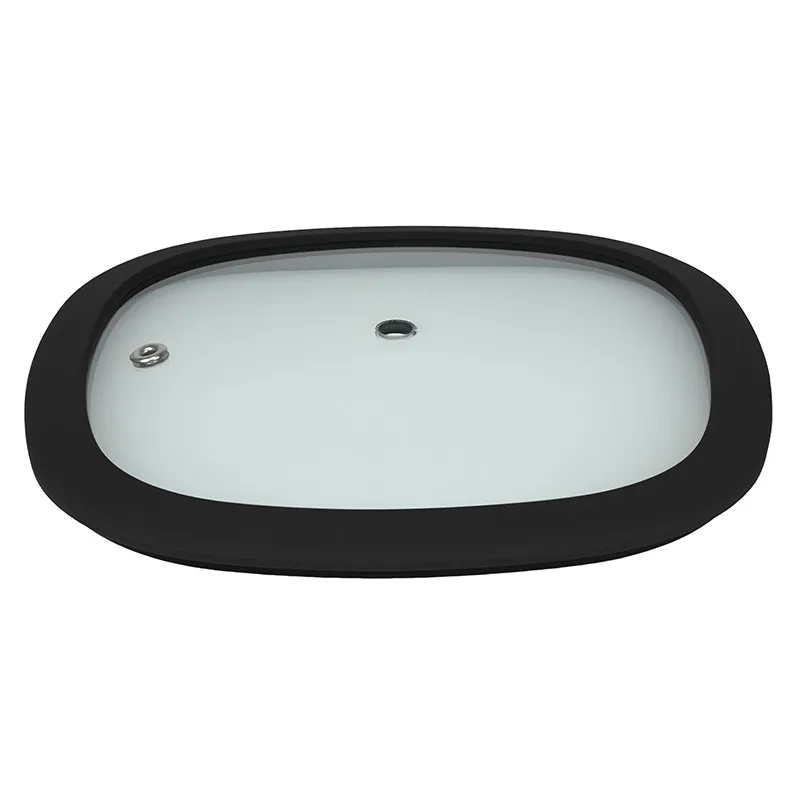
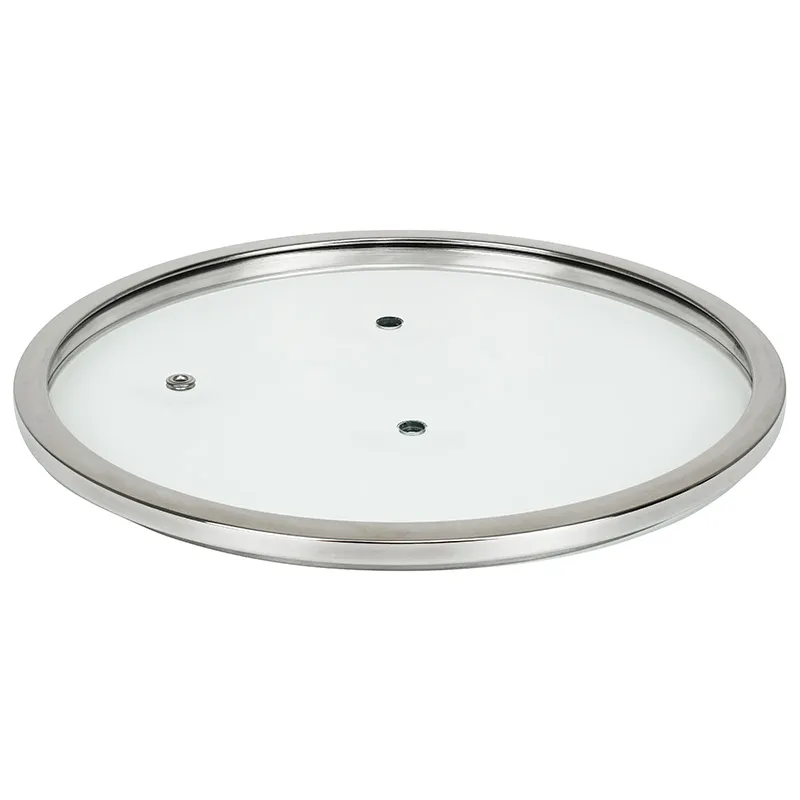
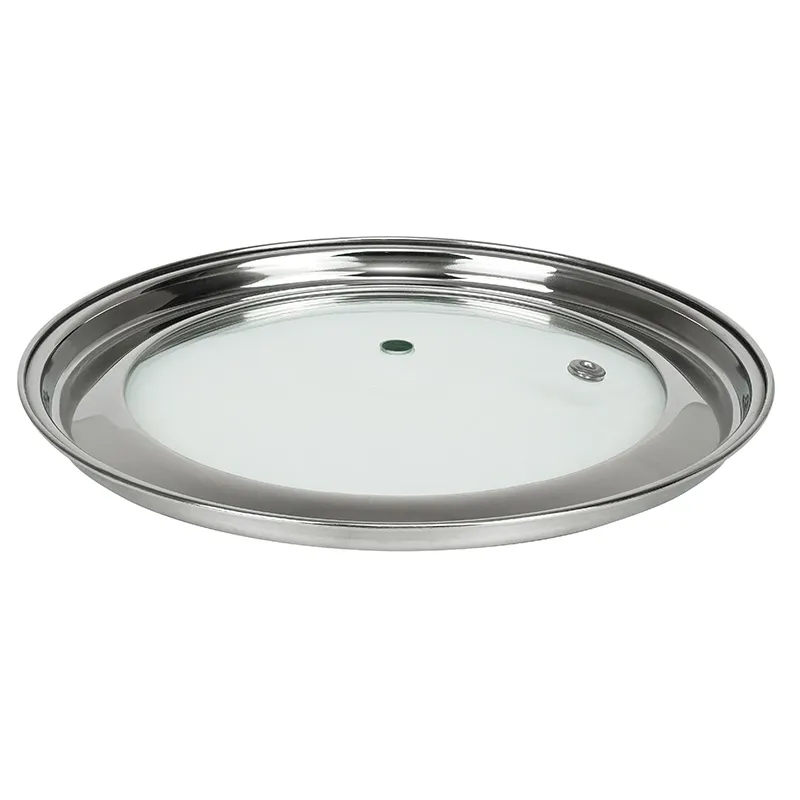
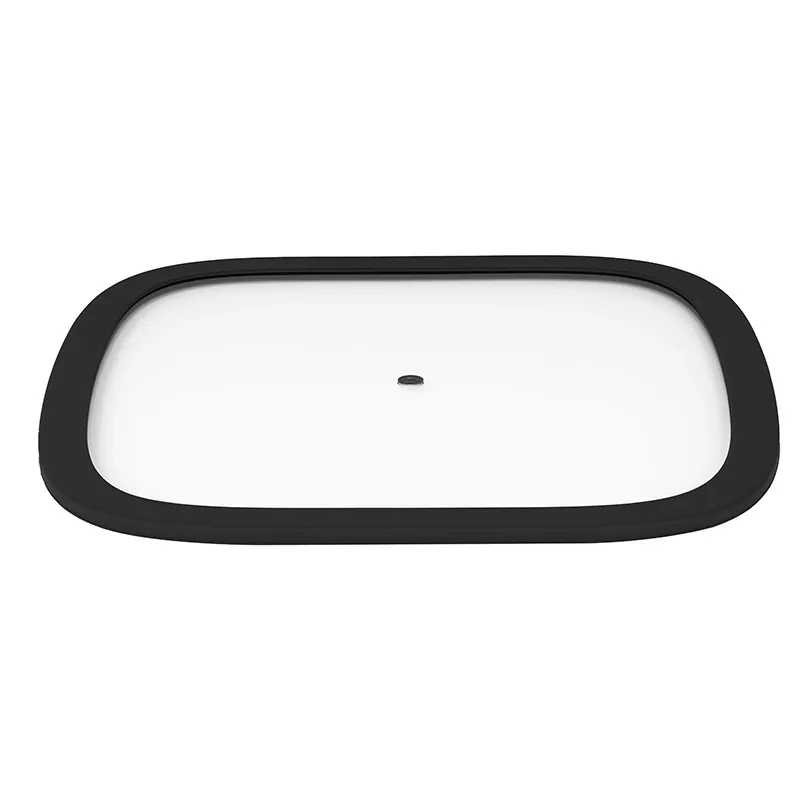
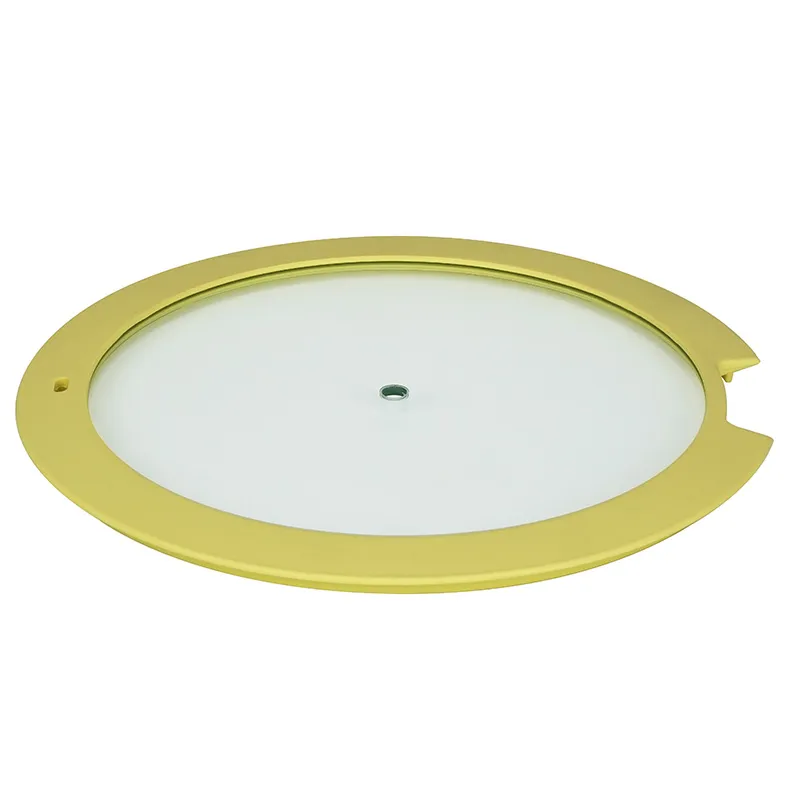
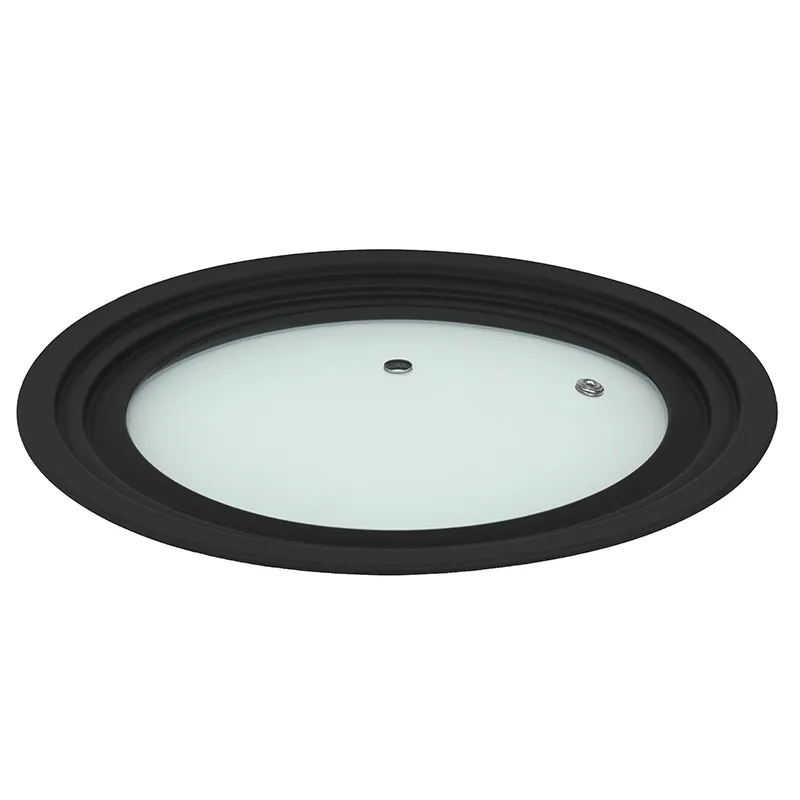
silicone glass cover
Let's talk about silicone glass covers. Most people see them as a simple accessory, a floppy lid for a pot or bowl. But in production, especially for export-focused manufacturers, that silicone ring is where a lot of the engineering headaches—and cost—hide. It's not just a seal; it's the critical interface between the user and the tempered glass, and getting it wrong means returns, complaints, and a product that feels cheap. I've seen too many designs fail because the silicone was treated as an afterthought.
The Core Function: More Than Just a Lid
The primary job is obvious: to seal. But the nuance is in how it seals across different temperatures. A cover for a simmering saucepot faces different thermal expansion rates than the glass itself. We had a batch for a German client where the silicone glass cover would pop off with a sharp noise during slow cooking—not a safety issue, but it terrified users. The cause? The silicone compound's coefficient of thermal expansion was mismatched just enough to break the vacuum seal abruptly. It passed all lab tests but failed in real, quiet kitchens.
That's where the relationship with the glass manufacturer is key. At a place like EUR-ASIA COOKWARE CO.,LTD., where they pump out over 15 million tempered glass lids annually, they understand the glass. But the silicone component is often sourced or specified separately. The synergy has to be intentional. Their main production base in Taian has the capacity, but the real test is whether the design team has baked the silicone properties into the product spec from day one, not just chosen a gasket from a catalog later.
Durability isn't just about heat. It's about repeated flex, dishwasher detergent abrasion, and oil absorption. A low-grade silicone will swell and become tacky over time, losing its shape. For their exports to markets like Japan and Denmark, where dishwasher use is high, we had to switch to a platinum-cure silicone for a specific line. It doubled the component cost, but the lifespan of the product probably tripled. That's a call that separates a commodity item from a reliable kitchen tool.
Material Pitfalls and Cost Traps
Not all silicone is equal, and the market is flooded with blends and fillers. Food-grade is a baseline, not a badge of quality. The big trap is using a compound with too much filler (like calcium carbonate) to cut cost. It feels okay initially, maybe even firmer, but it loses elasticity faster and can leach whiteners. I recall a project where a supplier offered a premium silicone at a great price. It failed the 168-hour heat aging test miserably, becoming brittle. We had to scrap thousands of units. The lesson? Audit your supplier's test reports, not just their price list.
Color consistency is another hidden beast. Pantone matching silicone is notoriously difficult. A sky blue for a French retailer might vary between production runs if the pigment isn't masterbatched perfectly. EUR-ASIA's volume, with 90% for export, means they run large batches. A color mismatch mid-run for a key customer like a German supermarket chain can halt a shipment. It sounds trivial, but on the factory floor, managing pigment dispersion is a daily technical challenge.
Then there's the bonding. How do you fix the silicone ring to the glass? Some use a simple friction fit, which works until the silicone stretches. Others use a food-safe adhesive. The best designs I've seen use a mechanical interlock—a groove in the tempered glass edge that the silicone is molded or pressed into. It's more expensive to tool the glass mold, but it eliminates adhesive failure. Looking at the product range from a company like EUR-ASIA, which deals in low to high-level products, you can see this differentiation. Their higher-end lines likely use this method, while economy lines might use adhesive or a looser fit.
Design Nuances That Users Never See
The profile of the silicone edge matters immensely. A flat seal is easier to manufacture but harder for a user to grip and lift. A raised tab or a subtle under-lip ridge makes all the difference. We once added a 2mm vertical rib on the inner periphery of the silicone ring. It didn't change the sealing function but gave a much more positive tactile feel when prying the cover off a suction-sealed bowl. Small detail, big impact on perceived quality.
Venting is often overlooked. A pure seal isn't always wanted. For microwave use, you need steam to escape. Some silicone glass covers have a small, integrated vent flap or a designed leak path. Engineering that into a single piece of molded silicone without creating a weak spot is tricky. It often requires a living hinge design, which again pushes you toward a higher-grade, more fatigue-resistant silicone material.
And what about the glass itself? The tempering process at a facility like EUR-ASIA's creates surface stresses. The edge, where the silicone sits, needs to be consistently smooth. Any micro-chips or uneven grinding from the cutting process will create a gap for steam to escape and accelerate wear on the silicone. Their annual output of 15 million pieces suggests highly automated lines, but that final inspection of the glass edge before the silicone is applied is a critical control point. A flawed edge dooms even the best silicone ring.
Real-World Failure and Feedback Loops
Export markets are the ultimate test lab. Products going to Switzerland or South Korea face different usage patterns and expectations. We got feedback from Italy that a certain lid was staining yellow with tomato sauce. The issue wasn't the silicone's food-grade rating, but its porosity. A more dense, closed-cell structure solved it, but it made the material slightly less flexible. Trade-offs are constant.
One of the most instructive failures was with a batch for the Brazilian market. The silicone glass covers developed a mildew-like smell in humid storage conditions. It turned out the pigment system used organic components that could support microbial growth. The fix was moving to inorganic pigments. This kind of problem never shows up in standard EU or US compliance tests but gets caught in the diverse conditions of global logistics and storage. A company with EUR-ASIA's export footprint, selling to Turkey, Brazil, Poland, and Japan, has to anticipate these regional environmental stresses.
The feedback loop from these markets is gold. It's not just about returns; it's about subtle complaints. The lid doesn't feel secure might point to a suction issue related to the silicone's durometer (hardness). It's hard to clean might mean the joint between glass and silicone has a crevice. This practical data feeds back into the design of the glass mold and the silicone formulation. It's an iterative process that you only get from being in the trenches of mass production and global sales.
Conclusion: The Unseen Engineering
So, when you look at a silicone glass cover, don't just see a lid. See a compounded elastomer engineered for thermal cycling, chemical resistance, and mechanical fatigue. See a precision-molded part that must mate perfectly with a tempered glass substrate whose edges are never perfectly identical. See a component that must please a home cook in France and withstand warehouse humidity in Brazil.
For manufacturers like EUR-ASIA COOKWARE, the scale (20000㎡ facility, 90+ employees) allows for specialization and process control, but the complexity of the silicone component remains a bespoke challenge for each product line. It's where material science meets practical kitchen ergonomics. Getting it right is silent; you only notice when it fails. And in today's market, where a single bad Amazon review can sink a product, that silent, reliable performance is what they're really selling—not just glass, not just silicone, but a dependable interface.
The next time you pick one up, flex the rim. Feel its recovery. Check the seal. That's years of factory-floor problem-solving in your hand, most of it centered on that deceptively simple ring of silicone.
Related Products
Related Products