- Chinese
- French
- German
- Portuguese
- Spanish
- Russian
- Japanese
- Korean
- Arabic
- Irish
- Greek
- Turkish
- Italian
- Danish
- Romanian
- Indonesian
- Czech
- Afrikaans
- Swedish
- Polish
- Basque
- Catalan
- Esperanto
- Hindi
- Lao
- Albanian
- Amharic
- Armenian
- Azerbaijani
- Belarusian
- Bengali
- Bosnian
- Bulgarian
- Cebuano
- Chichewa
- Corsican
- Croatian
- Dutch
- Estonian
- Filipino
- Finnish
- Frisian
- Galician
- Georgian
- Gujarati
- Haitian
- Hausa
- Hawaiian
- Hebrew
- Hmong
- Hungarian
- Icelandic
- Igbo
- Javanese
- Kannada
- Kazakh
- Khmer
- Kurdish
- Kyrgyz
- Latin
- Latvian
- Lithuanian
- Luxembou..
- Macedonian
- Malagasy
- Malay
- Malayalam
- Maltese
- Maori
- Marathi
- Mongolian
- Burmese
- Nepali
- Norwegian
- Pashto
- Persian
- Punjabi
- Serbian
- Sesotho
- Sinhala
- Slovak
- Slovenian
- Somali
- Samoan
- Scots Gaelic
- Shona
- Sindhi
- Sundanese
- Swahili
- Tajik
- Tamil
- Telugu
- Thai
- Ukrainian
- Urdu
- Uzbek
- Vietnamese
- Welsh
- Xhosa
- Yiddish
- Yoruba
- Zulu
- Kinyarwanda
- Tatar
- Oriya
- Turkmen
- Uyghur

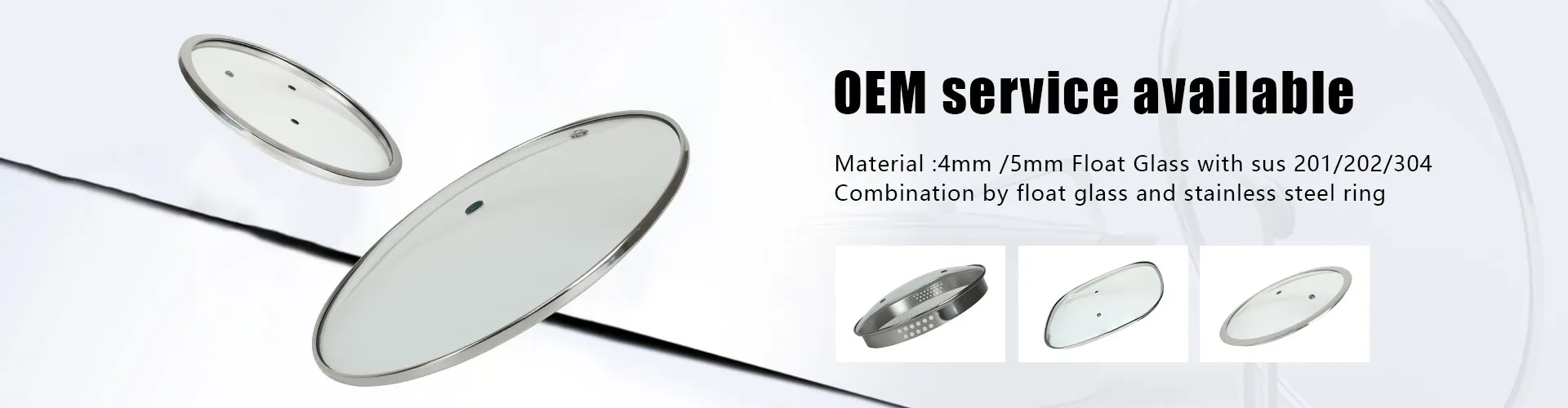
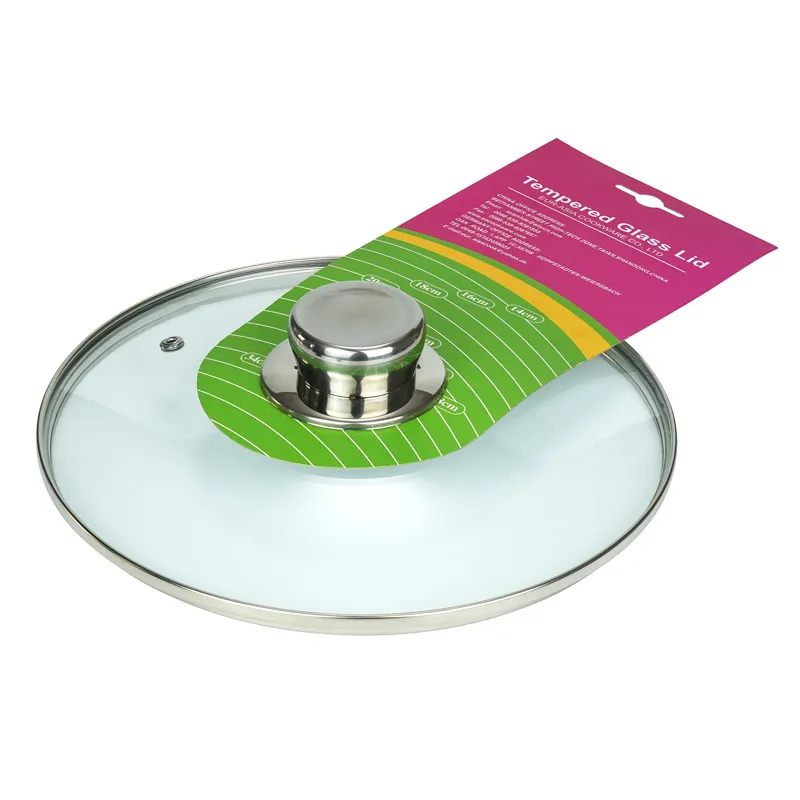
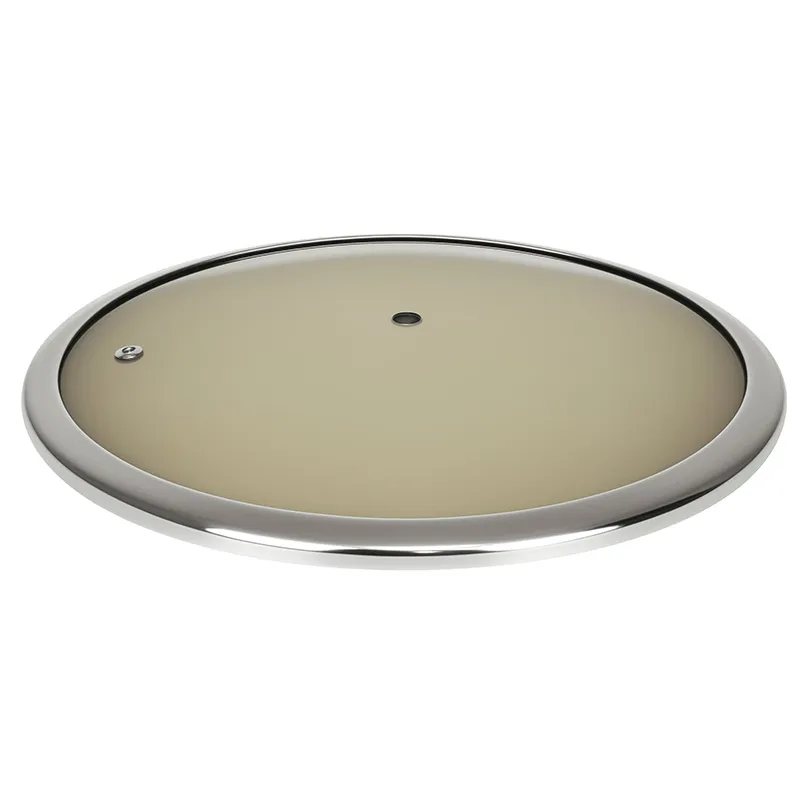
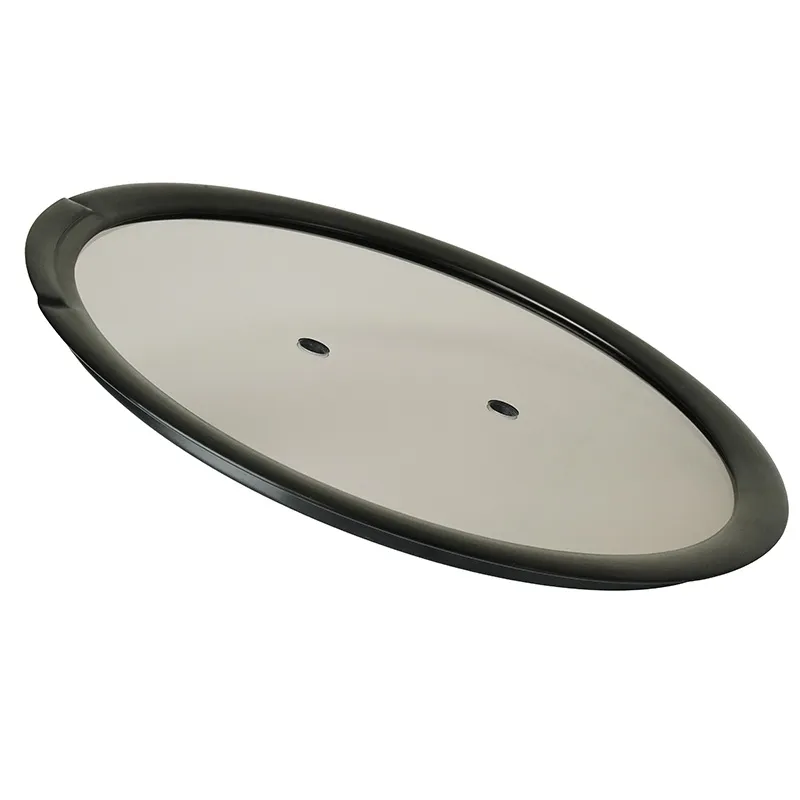
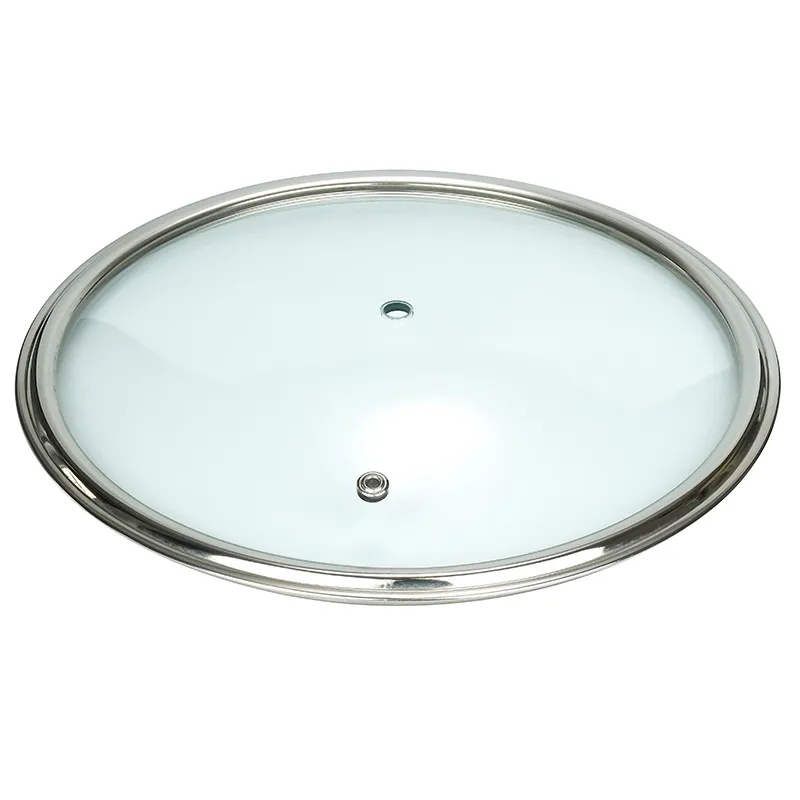
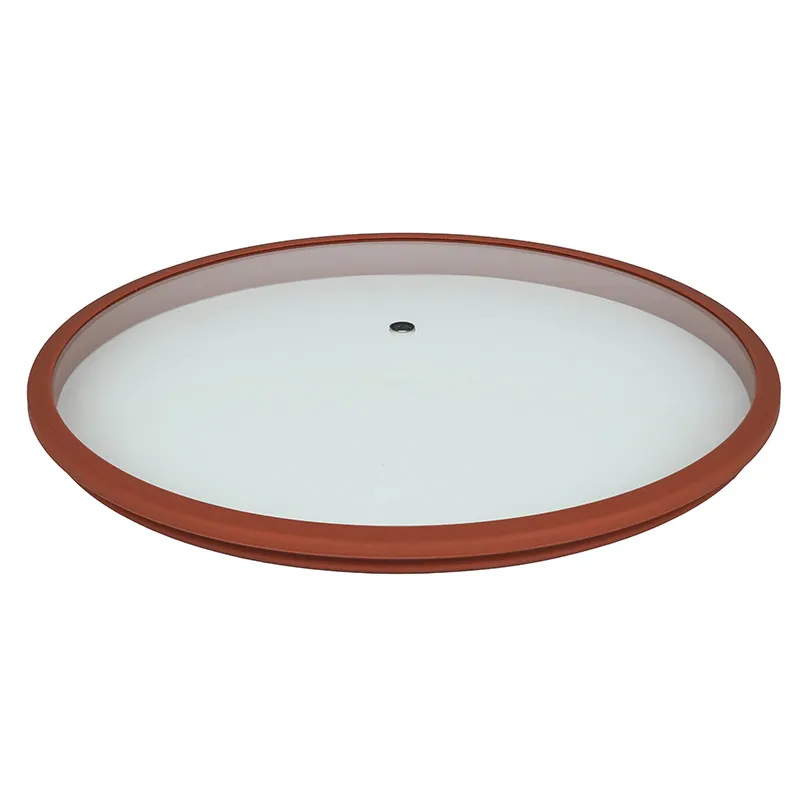
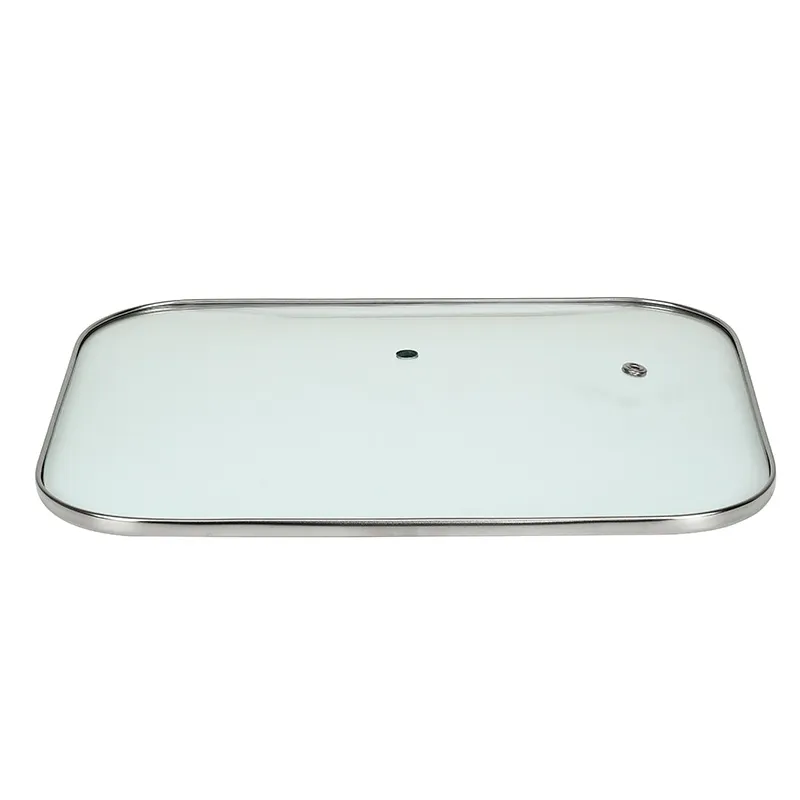
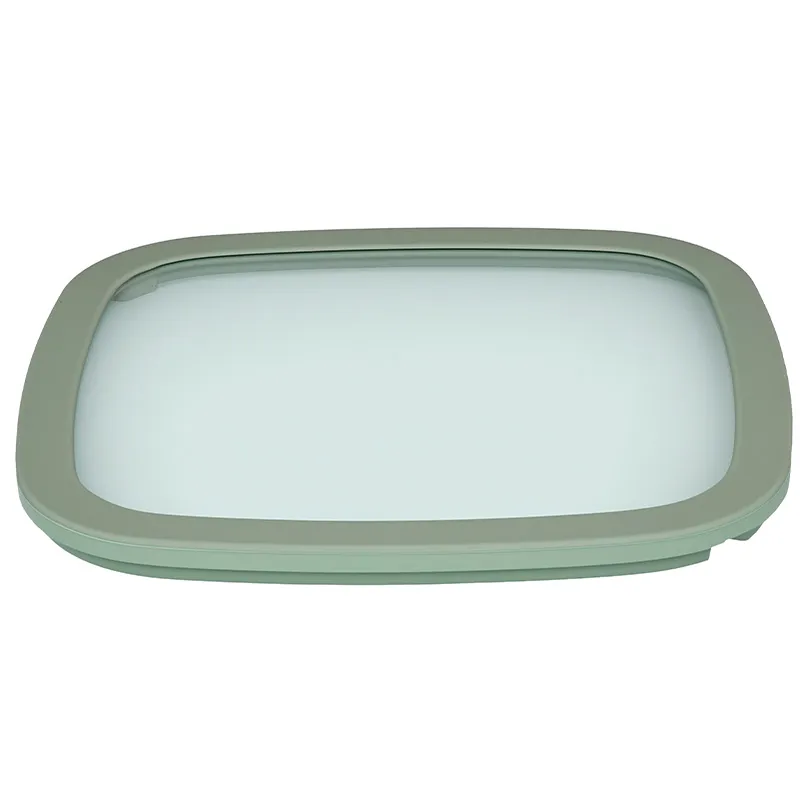
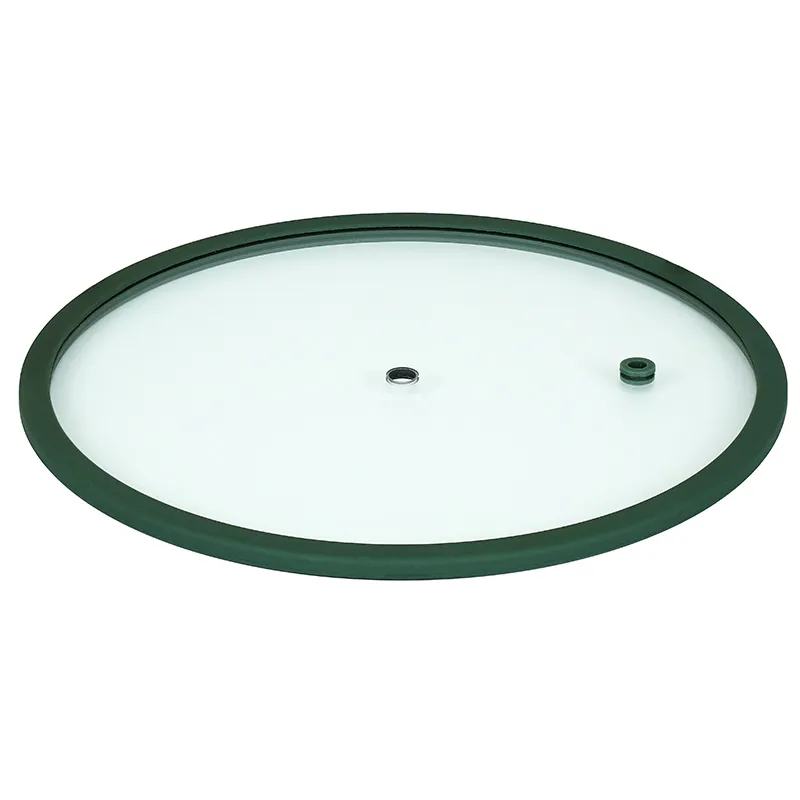
silicone glass cover made in China
When you hear 'silicone glass cover made in China', the immediate mental image for many buyers, especially those new to importing, is a monolithic, low-quality commodity. That's the first and biggest misconception. The reality on the ground is a spectrum, from the genuinely terrible, brittle rings that fail after three uses, to engineered components that meet stringent EU kitchenware standards. The term itself is almost too broad to be useful without context—are we talking about a universal lid for a salad bowl or a precision-fit, high-heat-resistant cover for a specific brand of Dutch oven? The difference in manufacturing approach, material sourcing, and quality control is vast. My own early mistakes came from treating this as a simple, off-the-shelf buy, which led to a container of lids that were dimensionally inconsistent, with silicone that stained after the first tomato-based sauce. The learning curve was steep.
Beyond the Commodity Mindset
The key shift is moving from a commodity purchase to a component sourcing mindset. A silicone glass cover isn't just a lid; it's a composite product. The glass—usually tempered—has to be cut, edged, and sometimes drilled with absolute precision. The silicone seal, which is the functional heart of the product, is a separate formulation. I've visited factories where they use generic, food-grade silicone compound for everything, and the result is a gasket that hardens and cracks under repeated thermal cycling. The better manufacturers, often those already supplying into European markets, have specific compound recipes for different applications. They'll ask about maximum continuous use temperature, intended food types (acidic or oily), and even dishwasher detergent chemistry in the target market. This level of detail separates a supplier from a vendor.
This is where a company's existing export footprint becomes a critical indicator. Take EUR-ASIA COOKWARE CO.,LTD (https://www.glass-lid.com), for instance. Their profile shows a focus on household glass products and kitchen accessories, with over 90% export to markets like Germany, France, and Denmark. That's not incidental. Selling to Germany means navigating a maze of material safety and performance norms. A factory consistently serving that market is already calibrated to a different quality benchmark. Their production base in Shandong's High-tech Development Zone, with a stated annual output of over 15 million pieces, suggests scale and process specialization. For a buyer, this background is more telling than any product catalog. It hints at established molding techniques, consistent raw material supply chains, and, crucially, a quality management system that can handle traceability—something European retailers now demand.
The practical implication? You can't just order a sample of a silicone glass cover and judge it by look and feel. You need a test protocol. We learned to subject samples to a brutal regimen: 200+ dishwasher cycles, freezer-to-oven thermal shock tests, and staining tests with turmeric and tomato paste. One failure we encountered with a different supplier was silicone migration—a faint oily film appearing on the glass after prolonged contact. The factory was baffled; their standard tests passed. The issue traced back to a plasticizer in their cheaper compound, leaching out over time. It was a formulation problem invisible in a short-term evaluation. Now, we request a certificate of analysis for the silicone compound itself, not just a final product food-grade certificate.
The Glass Half of the Equation
While the silicone seal gets most of the functional attention, the glass lid is where aesthetic and safety tolerances are won or lost. Tempered is a non-negotiable standard, but the quality of tempering varies. Poorly tempered glass can have inherent stress points, leading to spontaneous breakage—not from impact, but from thermal gradient. I've seen lids shatter simply from being placed on a hot, wet pot rim. The better practice is fully tempered as opposed to just edge-tempered. The edge work, too, is critical. A sharp, unchamfered edge is a manufacturing red flag; it's a sign of rushed, low-cost finishing. The high-end feel comes from a smooth, rounded grind that's consistent across the entire circumference.
Dimensional accuracy is another silent hurdle. For a universal lid, it's less critical. But for an OEM project where the silicone glass cover must fit a specific pot series with a tolerance of less than 1mm, the glass cutting must be precise. We once had a project where the glass diameter was perfect, but the placement of the handle's mounting holes was off by two millimeters, causing assembly issues and an uneven seal. The root cause was a worn jig in the drilling station that hadn't been calibrated in months. This is where a factory's investment in CNC cutting and automated drilling lines, versus manual or semi-automatic setups, makes a tangible difference in batch consistency. A facility like EUR-ASIA's, with dedicated production lines for tempered glass lids, is inherently set up to manage these tolerances at scale.
Then there's the issue of packaging. It sounds trivial, but it's a major point of failure. Glass lids need to be separated in transit. I've received shipments where cheap, single-wall corrugated cardboard and flimsy foam pads allowed lids to grind against each other, resulting in micro-scratches that made the entire batch unsellable as first quality. The good suppliers use molded pulp or rigid EPS foam inserts that cradle each lid individually. This isn't just about protection; it's a reflection of the factory's understanding of the total product journey. If their website shows clean, organized production floors and structured packing areas—often a clue in factory visit photos—it usually correlates with better handling throughout the process.
Sourcing and Communication Realities
Finding a competent manufacturer is one thing; managing the relationship and production run is another. The initial communication is telling. A supplier that immediately asks for detailed specs—glass diameter, thickness, handle type (metal knob, phenolic, or no handle), silicone durometer (hardness), color Pantone codes, and intended use—is starting from a position of experience. The ones that just reply with a price list based on diameter alone are likely box-shifters. For a specialized product like a silicone glass cover made in China, you need engineering dialogue.
Prototyping is a non-negotiable phase, and it's where you see the supplier's capability. A professional factory will produce a 3D drawing for approval before making a physical sample. They should be able to explain how the silicone will be bonded to the glass—is it a mechanical interlock (silicone molded into a groove in the glass) or purely adhesive? The former is vastly superior for longevity. For a company like EUR-ASIA COOKWARE, which specializes in these products, this process should be routine. Their specialization in low- medium- high level products is an honest admission—they likely have different lines or processes for different market tiers, which is smarter than a one-size-fits-all approach.
Payment terms and lead times are the final reality check. Extremely low MOQs (like 500 pieces) can sometimes indicate a factory that aggregates orders from multiple small buyers to fill a mold, leading to potential material mixing. Reliable manufacturers for such composite items often have MOQs in the thousands, as it justifies setting up a dedicated production line for your spec. Lead times of less than 30 days for a new item should be a warning; between glass production, tempering, silicone molding, bonding, curing, and quality checks, a proper 40-50 day timeline is more realistic for a first order. Rushing it is where corners get cut.
Case in Point: Learning from the Market
You can learn a lot by reverse-engineering what's already succeeding. If you look at premium European kitchenware brands, many of their silicone glass covers are indeed sourced from China, but from a select group of qualified manufacturers. The hallmarks are there: a consistent, satin-finish temper on the glass; a silicone seal that is slightly softer (lower durometer) for better conformability, yet shows zero staining; and a flawless bond line with no gaps or adhesive ooze. These are the results of refined processes.
The export data from a company like EUR-ASIA is instructive. Serving markets like Switzerland, Japan, and South Korea means adhering to some of the world's most finicky consumer quality expectations and safety standards. A factory that can satisfy Japanese buyers' attention to detail on packaging and finish is a factory that has its processes locked down. This doesn't mean they are the only good supplier, but their published focus (glass-lid.com explicitly states specialization in glass lids) and export history form a credible foundation for a sourcing decision. It suggests they've already solved the common problems of warping seals, brittle glass, and poor fit.
Ultimately, a successful sourcing journey for a silicone glass cover hinges on due diligence that goes beyond price-per-piece. It's about evaluating the factory's specialization, demanding material transparency, implementing rigorous testing, and understanding the entire production chain. The label made in China tells you nothing. The factory's track record, its client list, its willingness to engage on technical details, and the tangible quality of its sample under stress—that's what tells you everything. The goal isn't to find the cheapest source, but the most predictably competent one. The difference in landed cost is often marginal; the difference in customer returns, brand reputation, and long-term supplier headaches is monumental.
Related Products
Related Products