- Chinese
- French
- German
- Portuguese
- Spanish
- Russian
- Japanese
- Korean
- Arabic
- Irish
- Greek
- Turkish
- Italian
- Danish
- Romanian
- Indonesian
- Czech
- Afrikaans
- Swedish
- Polish
- Basque
- Catalan
- Esperanto
- Hindi
- Lao
- Albanian
- Amharic
- Armenian
- Azerbaijani
- Belarusian
- Bengali
- Bosnian
- Bulgarian
- Cebuano
- Chichewa
- Corsican
- Croatian
- Dutch
- Estonian
- Filipino
- Finnish
- Frisian
- Galician
- Georgian
- Gujarati
- Haitian
- Hausa
- Hawaiian
- Hebrew
- Hmong
- Hungarian
- Icelandic
- Igbo
- Javanese
- Kannada
- Kazakh
- Khmer
- Kurdish
- Kyrgyz
- Latin
- Latvian
- Lithuanian
- Luxembou..
- Macedonian
- Malagasy
- Malay
- Malayalam
- Maltese
- Maori
- Marathi
- Mongolian
- Burmese
- Nepali
- Norwegian
- Pashto
- Persian
- Punjabi
- Serbian
- Sesotho
- Sinhala
- Slovak
- Slovenian
- Somali
- Samoan
- Scots Gaelic
- Shona
- Sindhi
- Sundanese
- Swahili
- Tajik
- Tamil
- Telugu
- Thai
- Ukrainian
- Urdu
- Uzbek
- Vietnamese
- Welsh
- Xhosa
- Yiddish
- Yoruba
- Zulu
- Kinyarwanda
- Tatar
- Oriya
- Turkmen
- Uyghur

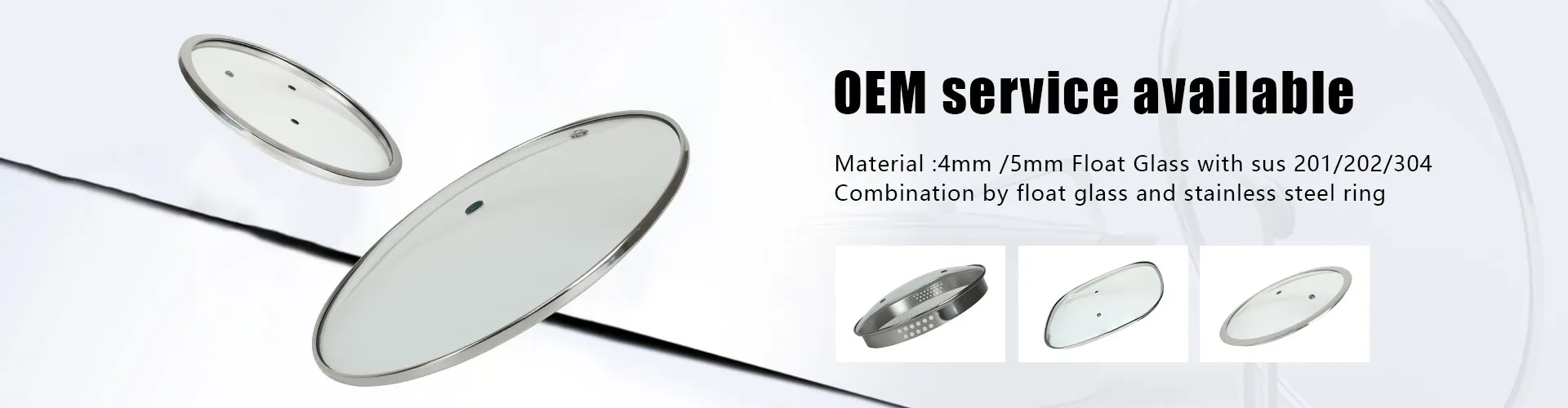
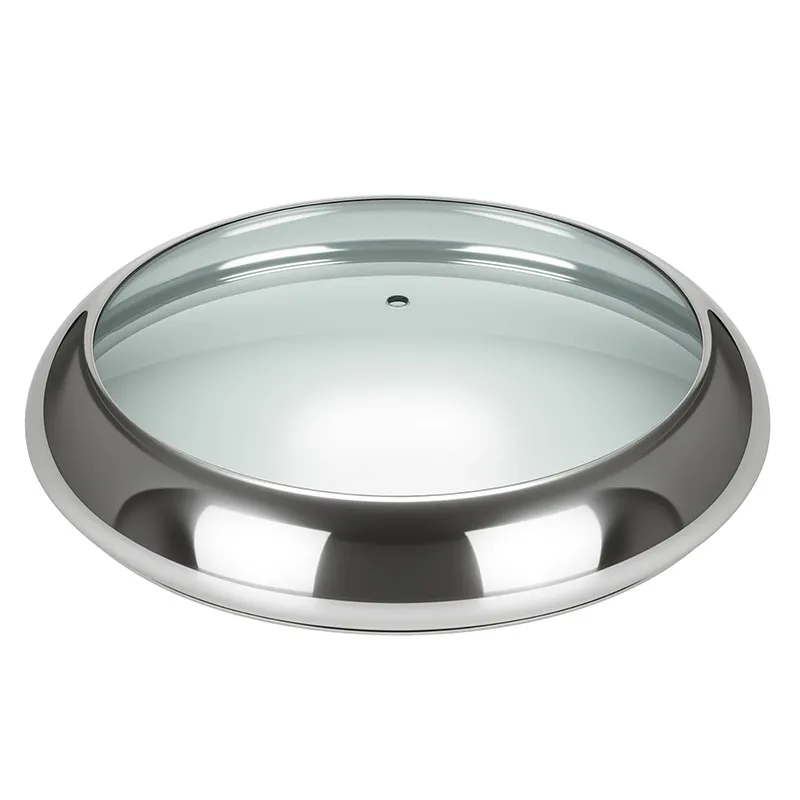
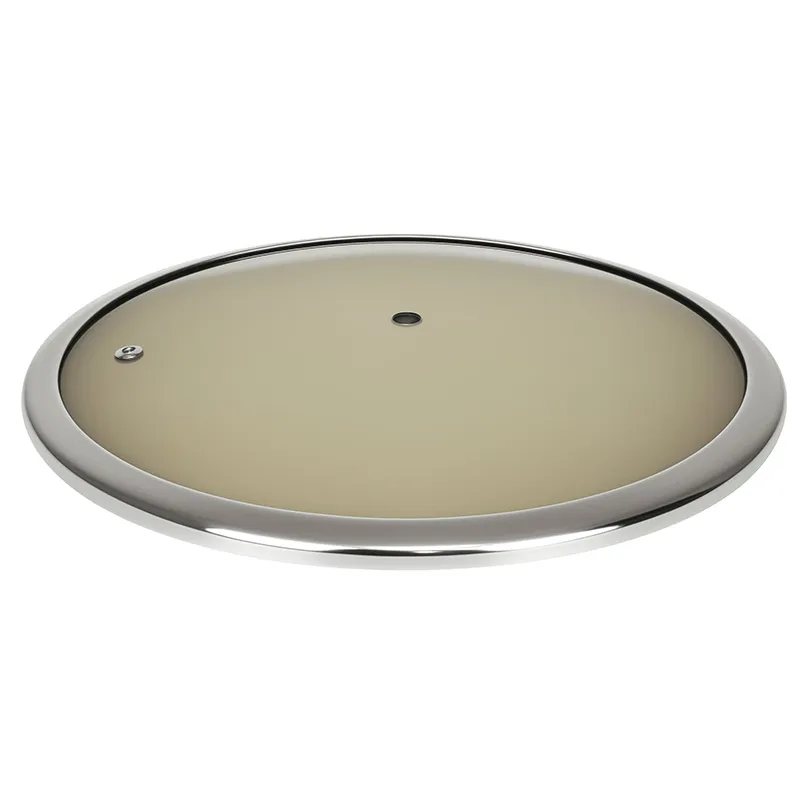
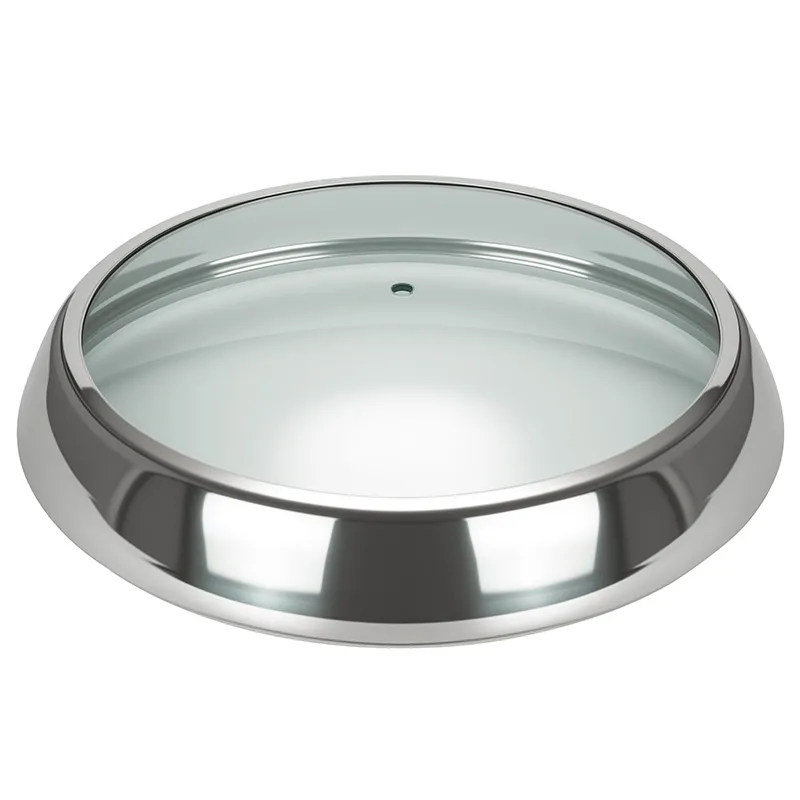
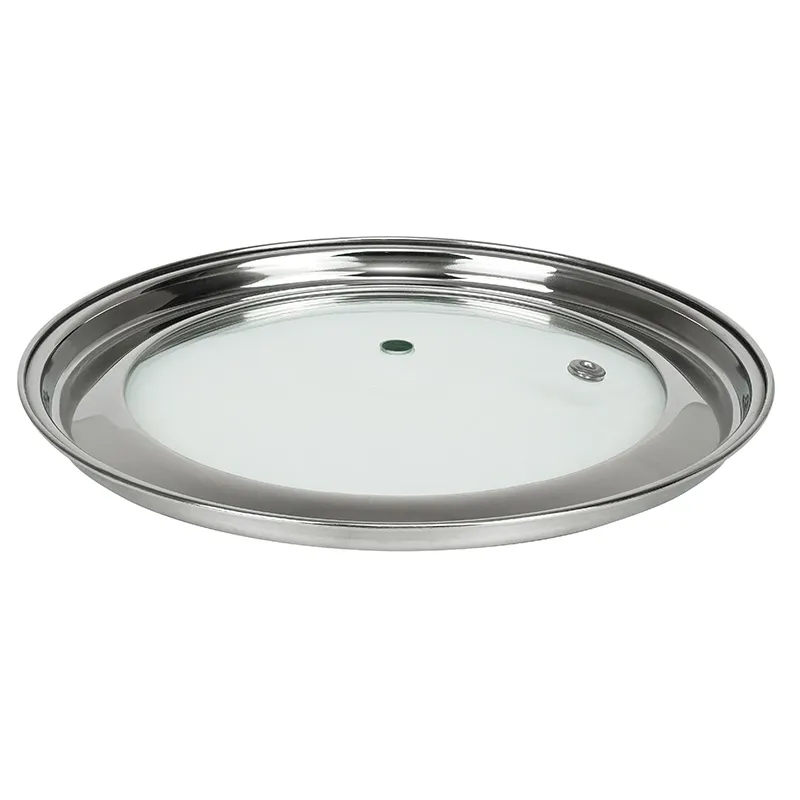
silicone glass cover manufacturer of China
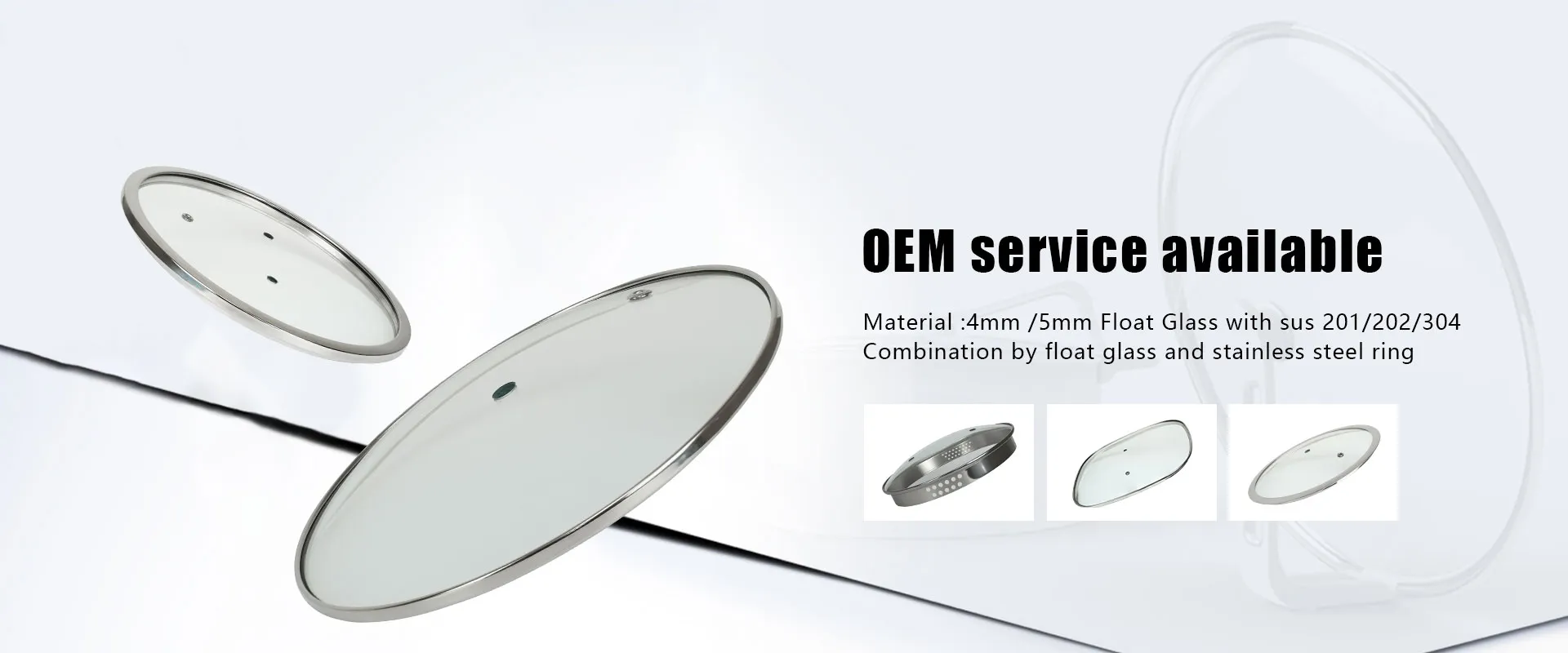
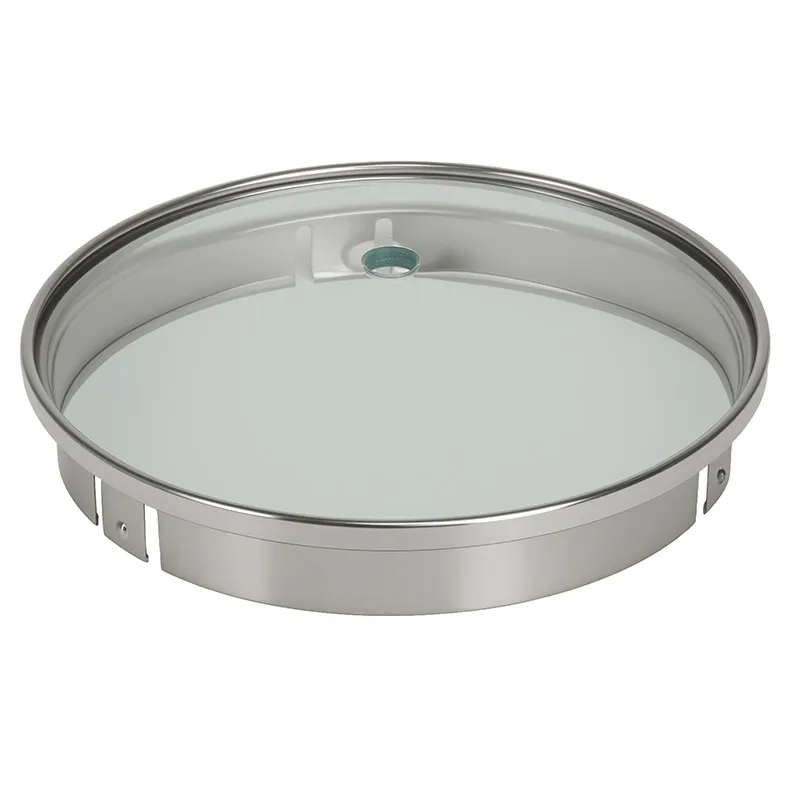
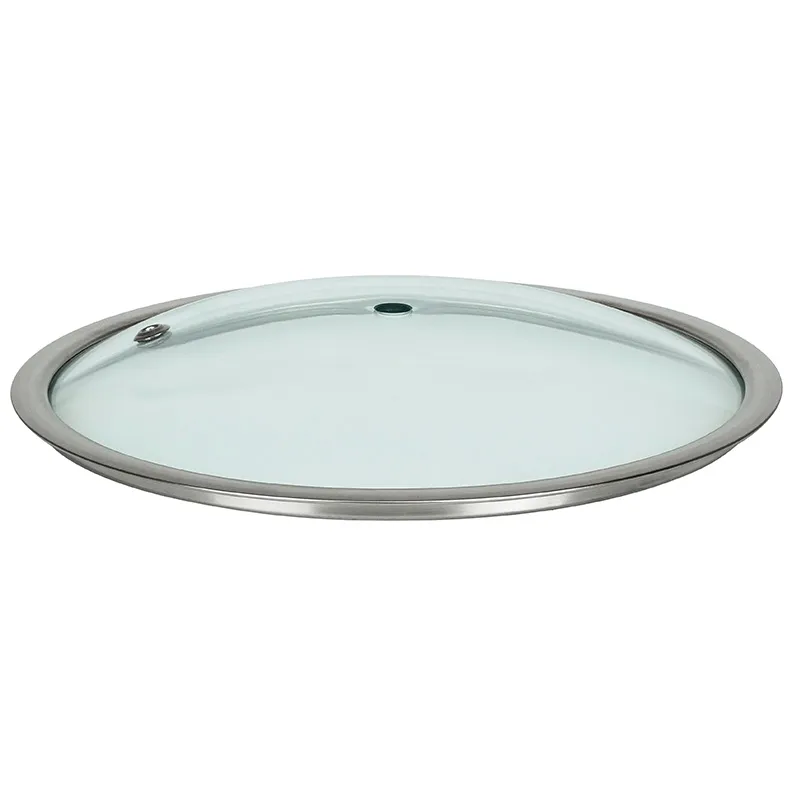
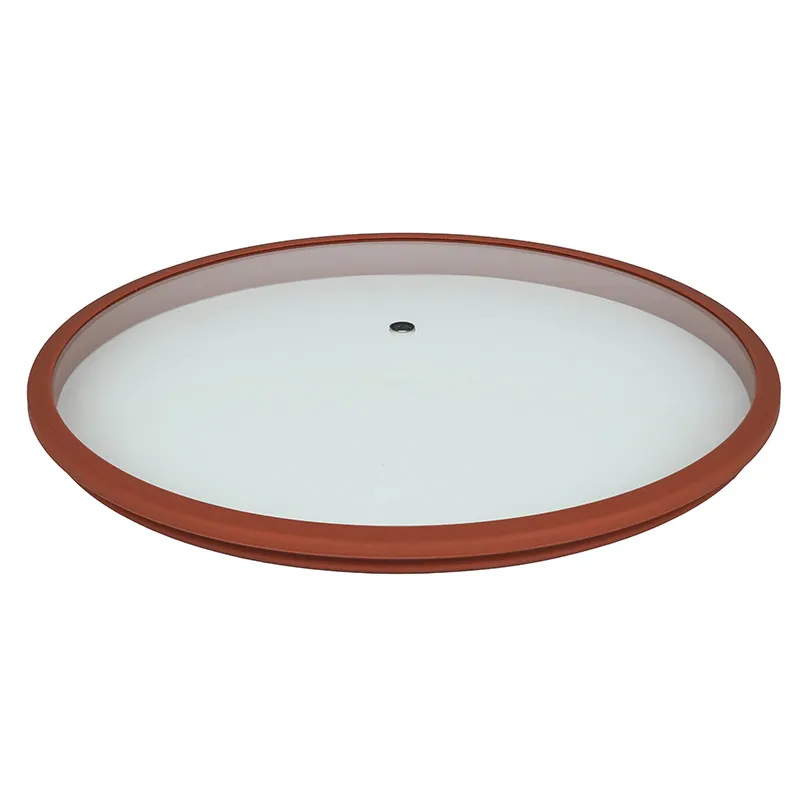
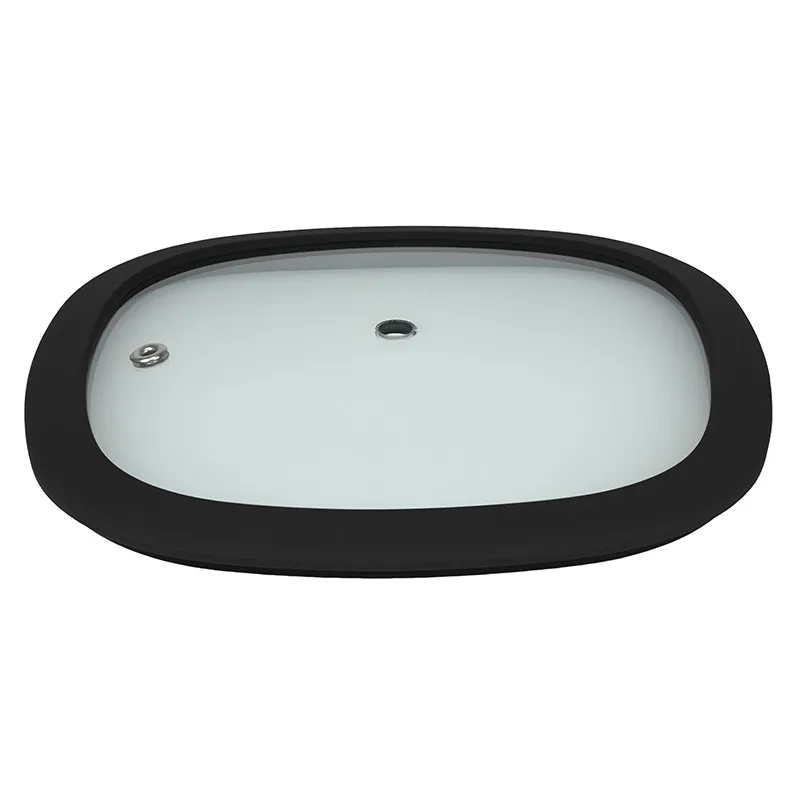
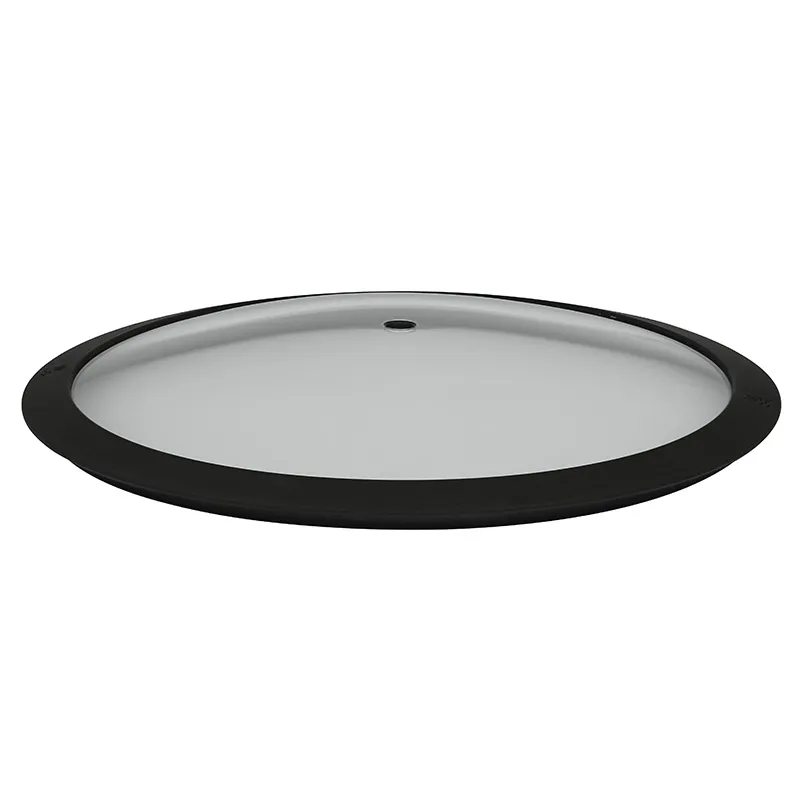
When you hear 'silicone glass cover manufacturer of China,' the immediate image is often a vast, faceless factory churning out identical units. That's the first misconception. The reality is far more layered, involving a spectrum of operations from highly specialized workshops to integrated industrial plants. The term itself bundles two critical components: the tempered glass and the food-grade silicone seal. Getting that bond right—durable, heat-resistant, and aesthetically seamless—is where the real expertise lies, and not every factory claiming the title has mastered it.
The Core of the Matter: Integration vs. Assembly
This is the first major fork in the road. Some manufacturers are essentially assemblers. They source tempered glass lids from one supplier and silicone rings from another, then bond them in-house. This can work, but consistency is a battle. Variances in glass curvature or silicone batch quality lead to adhesion failures—the silicone detaching after a few dishwasher cycles. A true integrated manufacturer, like the one behind glass-lid.com, controls both processes. Visiting their facility in Taian, Shandong, you see the tempering lines and the silicone injection molding under one roof. This allows for tighter tolerance matching. The glass lid mold and the silicone ring mold are engineered in tandem, which is why their products can handle the thermal shock of going from a freezer to a stovetop without the seal warping.
The material specs are where you separate the contenders from the pretenders. For the glass, it's not just about being tempered; it's about the specific heat treatment curve and the resulting surface compression. A lower-grade temper might pass a basic impact test but shatter into larger, dangerous pieces. The high-level ones shatter into the granular, safer crumbs. For the silicone, the devil is in the certifications. FDA and LFGB are table stakes. The more rigorous manufacturers will have specific compound formulations for different markets—a formulation passing EU migration tests might differ slightly from one for North America. It's a detail most buyers don't ask about, but it's critical for long-term liability.
Then there's the bonding process. Simple adhesive bonding is outdated. The better method is high-temperature vulcanization, where the silicone is cured directly onto the glass edge. This creates a molecular-level bond that's essentially a single piece. I've seen samples where the glass itself breaks before the seal gives way. This process requires precise temperature and pressure control during curing. A visit to a production line like EUR-ASIA's reveals this isn't a hand-operated station; it's an automated press line, which removes human error from the equation and ensures every silicone glass cover in that batch has the same bond integrity.
Beyond the Product: The Export Reality
The company profile for EUR-ASIA COOKWARE states over 90% export to Europe and beyond. This isn't just a sales statistic; it's a testament to a specific operational capability. Serving the German or Japanese market means navigating a gauntlet of private-label buyer audits. These aren't just quality checks; they're process audits. They'll examine the raw material warehouse logs, the calibration records for the tempering furnace, the traceability system for each batch of silicone compound. A manufacturer surviving in this space has its entire workflow documented and validated.
This export focus shapes the product line. It's not about making one universal lid. It's about customization. A French retailer might want a specific shade of amber glass with a silicone tab in a Pantone-matched color. A Danish client might require a lid designed for a specific brand of cookware with a unique diameter and a stepped edge. The ability to handle small-to-medium customized runs efficiently is a key differentiator for a serious silicone glass cover manufacturer in China. The production base in a national high-tech zone, as mentioned, often implies better infrastructure and access to technical talent for such R&D adjustments.
Logistics is another hidden hurdle. Glass is heavy and fragile. Packaging design is a science in itself. The standard is molded EPS (expanded polystyrene) inserts that hold the lid suspended, not touching any cardboard surface. For high-volume orders, the optimization of container loading—maximizing unit count without increasing breakage risk—is a service the better manufacturers provide. They've done the math on palletization patterns that save on shipping costs, a practical value-add that doesn't get advertised on a website.
Common Pitfalls and On-Ground Observations
One consistent pitfall is overlooking the finishing. The glass edge grinding and polishing. A poorly polished edge feels rough, chips easily, and compromises the seal's seating surface. On a factory tour, don't just look at the main press; go to the finishing station. Are workers inspecting each lid under light? Is there a sample check for edge smoothness? Another is silicone color consistency. Pigment dispersion in silicone isn't always perfect. A batch of 10,000 lids should have no visible color variation. I've seen orders rejected because the clear silicone had a faint yellow tint in certain lights.
Communication is a practical nightmare that rarely gets discussed. The time zone difference with Europe or the Americas is one thing. But the real issue is technical translation. Explaining a slight concavity in the center to prevent vacuum locking or a minimum fill volume marking requirement through a sales agent can lead to costly errors. The most reliable manufacturers have at least one in-house engineer or project manager with proficient technical English who can engage directly with the client's design team on platforms like Skype or Teams. This direct line avoids the telephone game effect.
Scaling up is where many stumble. A workshop can produce a perfect sample of 100 pieces. Can they reliably produce 100,000? The issue is often in the supply chain for raw materials. A spike in demand for a specific glass thickness or silicone color can strain their suppliers. The established players, with an annual output in the millions of pieces, have long-term contracts with raw material providers, ensuring consistency and shielding them from market price volatility. The scale of a facility, like the mentioned 15,000㎡ building area, often correlates with this supply chain stability.
The EUR-ASIA Case: A Specific Lens
Looking at EUR-ASIA COOKWARE CO.,LTD. as a specific example, their stated specialization in low-to-high level household glass products is telling. It means they have the flexibility to service different market segments. The high level refers to those export-grade products meeting the stringent standards discussed. Their location in Taian, Shandong, is significant. Shandong is a hub for glass manufacturing in China, offering a mature ecosystem of suppliers and skilled labor. The National High-tech Development Zone tag often brings certain tax advantages and regulatory efficiencies, which can translate into more competitive pricing for buyers.
Their output volume—over 15 million pieces annually—places them in the medium-to-large category. This scale suggests automated lines for core processes. For a buyer, this means better consistency across a large order compared to a smaller, more manual operation. The employee count of around 90 for that output is also indicative of a highly automated facility. It's not labor-intensive assembly; it's machine-minding and quality control.
The list of export destinations—Germany, Italy, Japan, etc.—is a de facto quality credential. These markets have some of the world's most demanding importers for household goods. Sustaining business there requires not just initial certification, but consistent performance. It implies the company has a system for handling the complex documentation, testing protocols, and after-sales support that these markets require. For a buyer looking for a manufacturer of China in this niche, this track record is more valuable than any sales pitch.
Concluding Unscientific Postscript
So, what does this all mean for someone sourcing these products? The keyword silicone glass cover manufacturer of China opens a door to a complex industrial segment. It's not a commodity purchase. The choice hinges on the intended market and the value placed on reliability over the lowest possible cost per unit. The real work is in the due diligence: asking for process videos, not just product photos; requesting test reports from independent labs like SGS on specific batches; and, if possible, a virtual or in-person audit of the production and QC stations.
The landscape is competitive, but the competition has stratified. At the top end, manufacturers are competing on material science, process engineering, and supply chain resilience, not just price. They've moved from being simple suppliers to being development partners for global brands. That's the trajectory.
In the end, it comes down to trust built on transparency. The manufacturers who are open about their processes, their challenges, and their continuous improvements are the ones that endure. They understand that a silicone glass cover is a simple product in concept, but a surprisingly complex one to execute flawlessly, million after million.
Related Products
Related Products