- Chinese
- French
- German
- Portuguese
- Spanish
- Russian
- Japanese
- Korean
- Arabic
- Irish
- Greek
- Turkish
- Italian
- Danish
- Romanian
- Indonesian
- Czech
- Afrikaans
- Swedish
- Polish
- Basque
- Catalan
- Esperanto
- Hindi
- Lao
- Albanian
- Amharic
- Armenian
- Azerbaijani
- Belarusian
- Bengali
- Bosnian
- Bulgarian
- Cebuano
- Chichewa
- Corsican
- Croatian
- Dutch
- Estonian
- Filipino
- Finnish
- Frisian
- Galician
- Georgian
- Gujarati
- Haitian
- Hausa
- Hawaiian
- Hebrew
- Hmong
- Hungarian
- Icelandic
- Igbo
- Javanese
- Kannada
- Kazakh
- Khmer
- Kurdish
- Kyrgyz
- Latin
- Latvian
- Lithuanian
- Luxembou..
- Macedonian
- Malagasy
- Malay
- Malayalam
- Maltese
- Maori
- Marathi
- Mongolian
- Burmese
- Nepali
- Norwegian
- Pashto
- Persian
- Punjabi
- Serbian
- Sesotho
- Sinhala
- Slovak
- Slovenian
- Somali
- Samoan
- Scots Gaelic
- Shona
- Sindhi
- Sundanese
- Swahili
- Tajik
- Tamil
- Telugu
- Thai
- Ukrainian
- Urdu
- Uzbek
- Vietnamese
- Welsh
- Xhosa
- Yiddish
- Yoruba
- Zulu
- Kinyarwanda
- Tatar
- Oriya
- Turkmen
- Uyghur

silicone glass lid exporter
When people hear 'silicone glass lid exporter', they often picture a simple middleman operation—buy lids, ship them out. That's a fundamental misunderstanding. The reality is a constant negotiation between material science, manufacturing tolerances, and the specific, often unspoken, demands of kitchens from Hamburg to S?o Paulo. It's not just about exporting a product; it's about engineering a seal, managing thermal shock, and understanding that a lid is a critical component of a cookware system, not an afterthought.
The Core Product Isn't What You Think
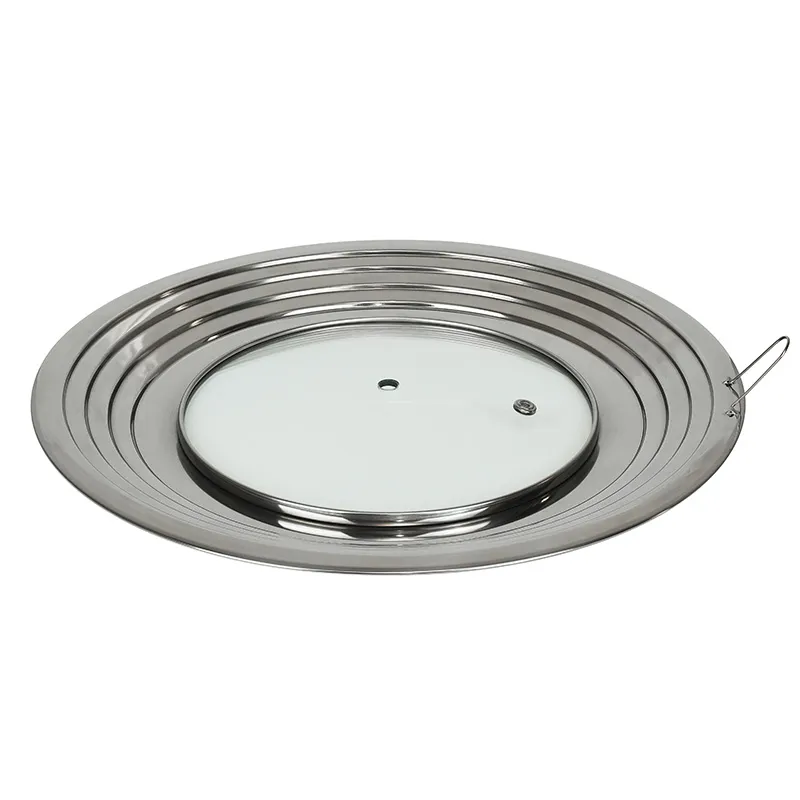
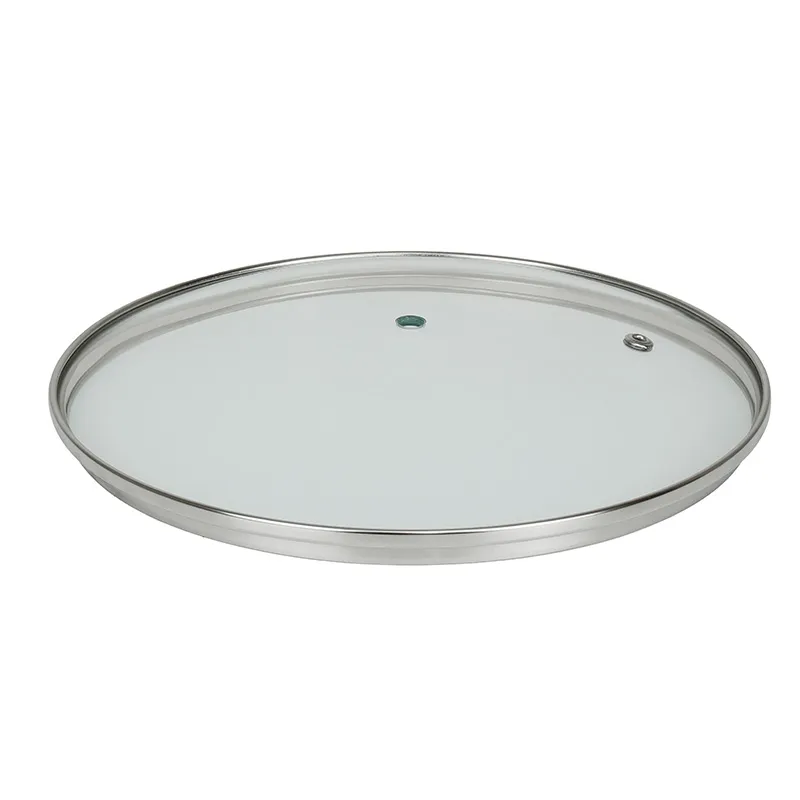
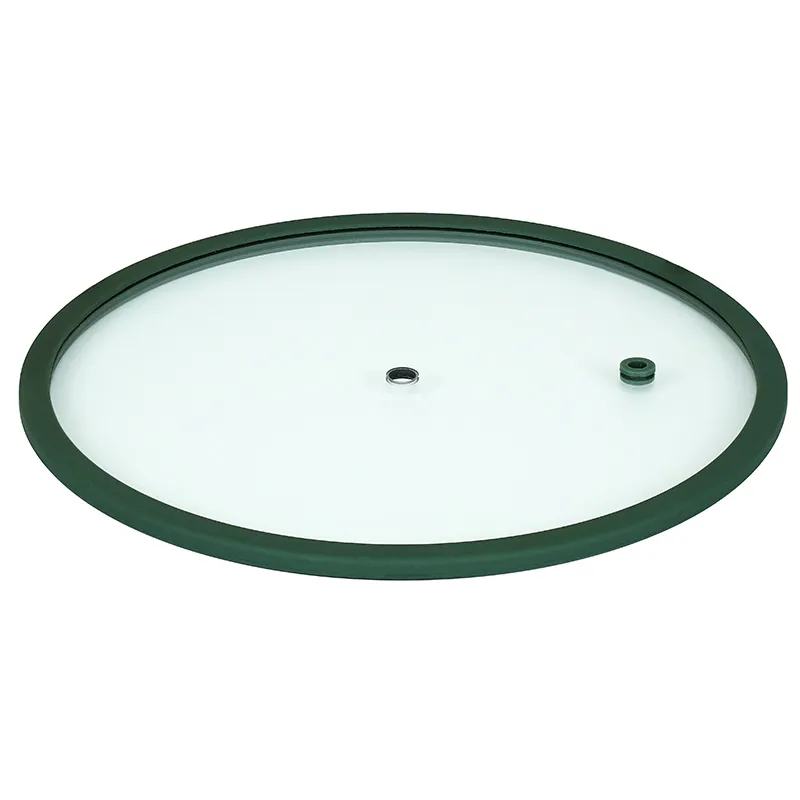
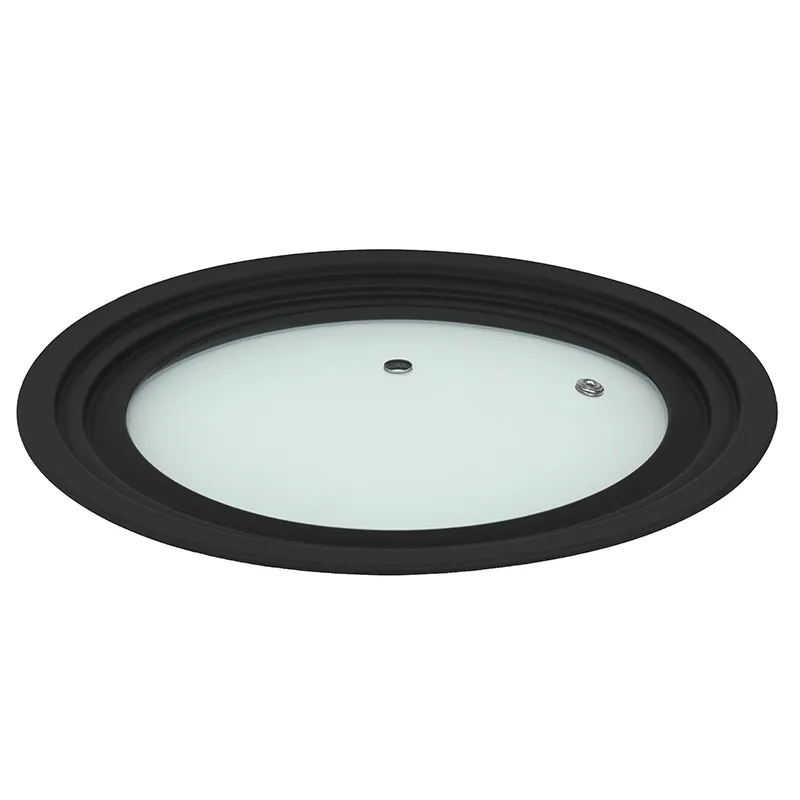
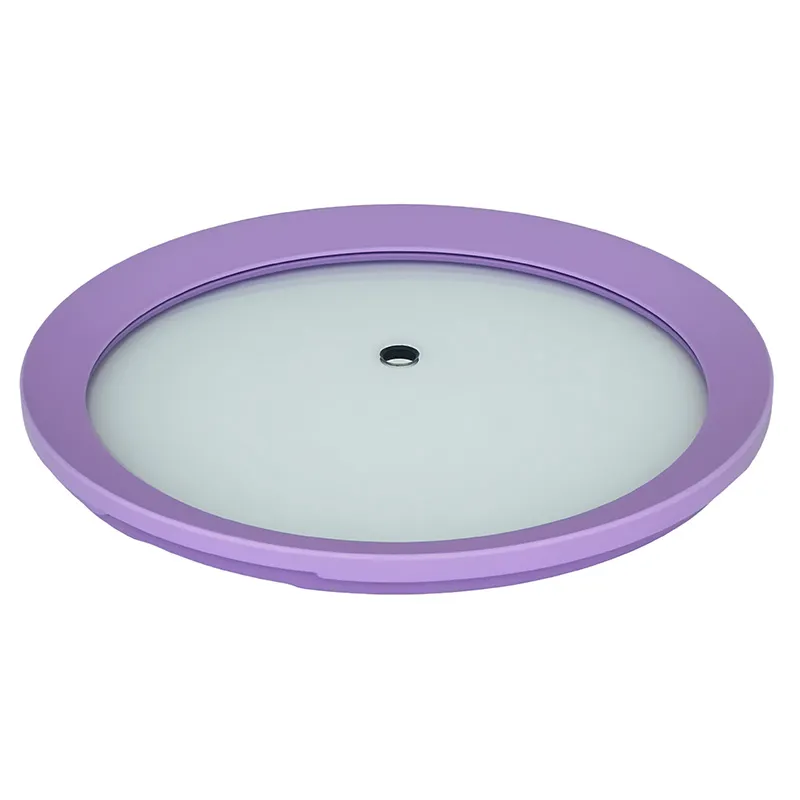
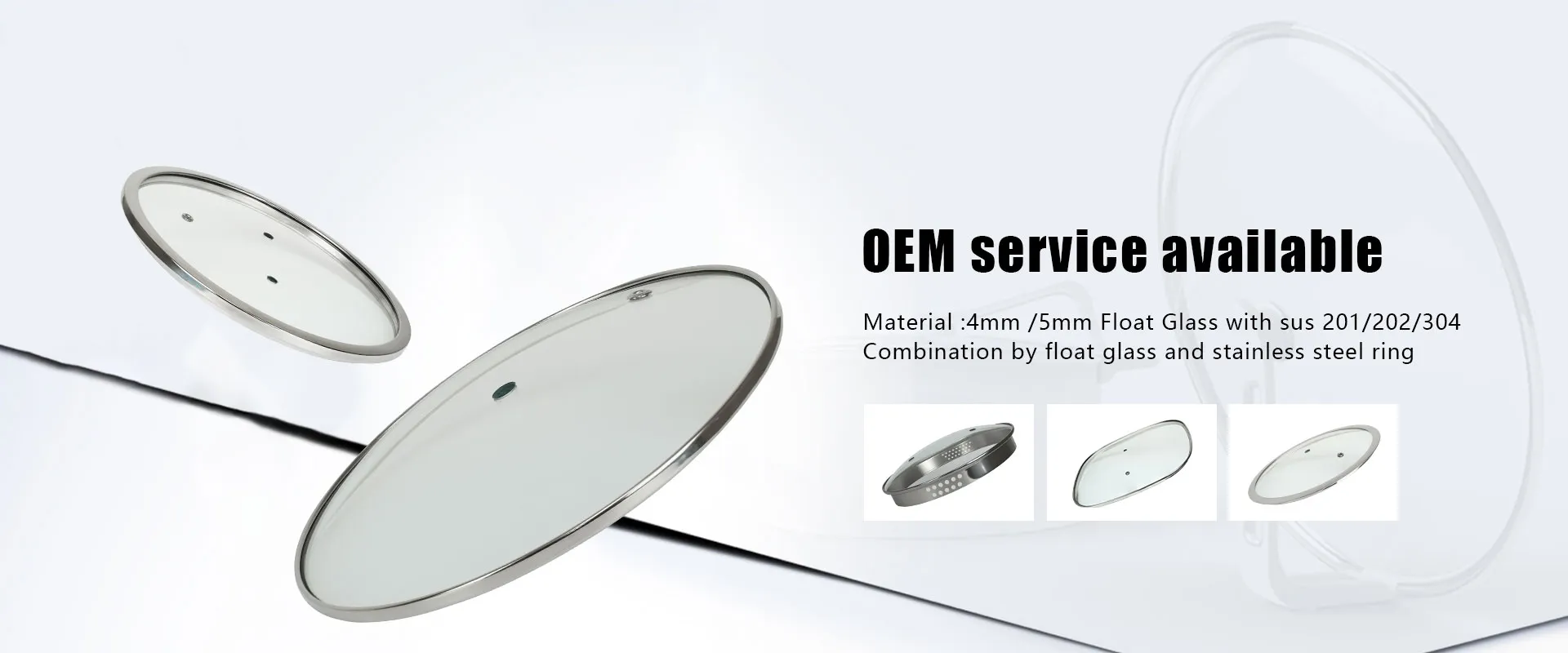
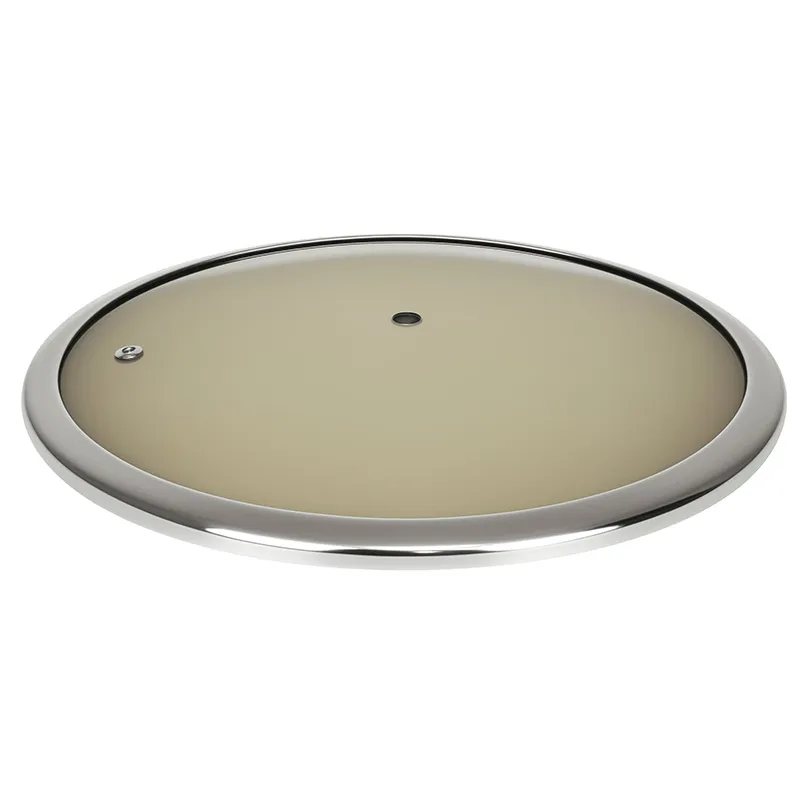
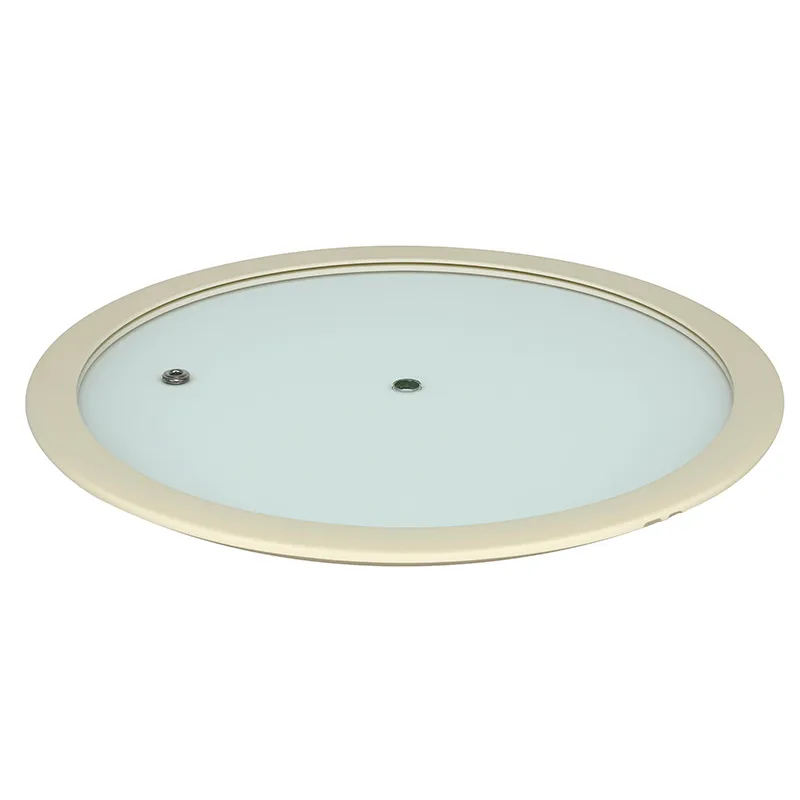
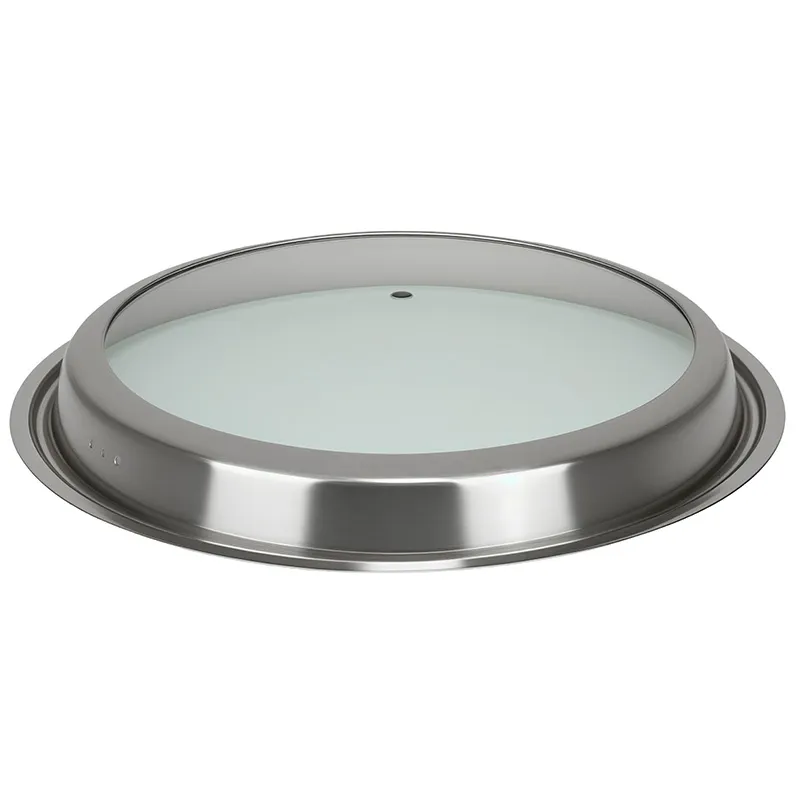
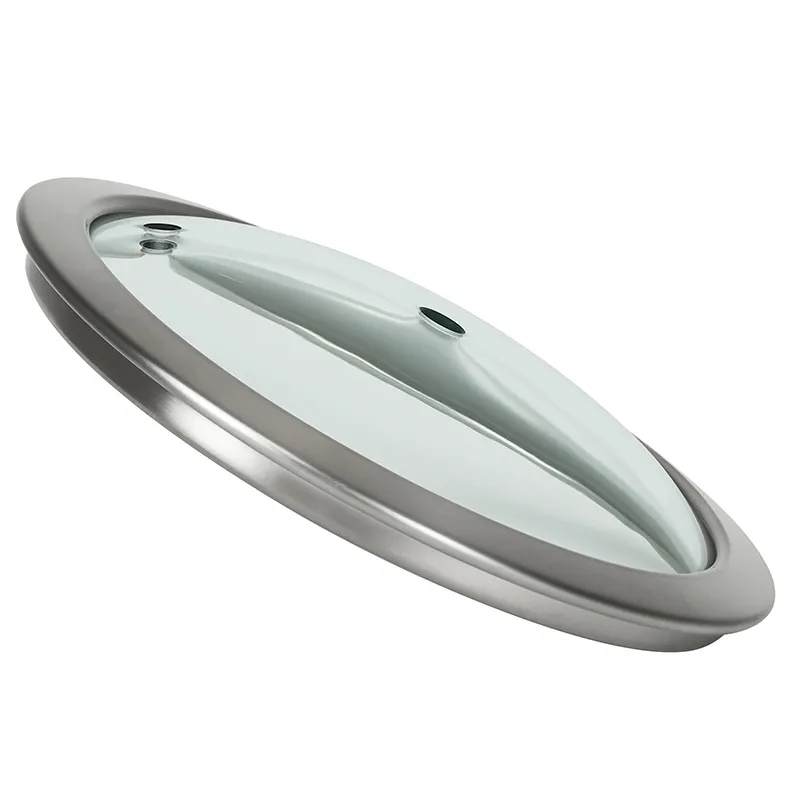
The 'glass' part gets all the attention—it's transparent, it's what the customer sees. But the true differentiator, the piece that makes or breaks the functionality and the repeat order, is the silicone glass lid seal. We're not talking about any silicone. It's food-grade, high-temperature resistant (consistently above 220°C), and the durometer (hardness) has to be precise. Too soft, and it deforms, loses its grip on the pot rim after a few uses. Too hard, and it doesn't seal at all, just sits there, letting all the steam and flavor escape. Getting this formulated and bonded correctly to the tempered glass is 70% of the battle.
I remember a batch for a German client years back. The lids passed every lab test, but after three dishwasher cycles, the seal developed a slight 'memory' and wouldn't sit flush. The client, rightly, rejected the entire container. The issue? The silicone polymer blend wasn't fully stabilized for the aggressive detergents and high heat of European dishwashers. We had to go back to the compound supplier. That's the day-to-day: solving problems you didn't know existed until they cost you money and credibility.
This is where a manufacturer's depth matters. A company like EUR-ASIA COOKWARE CO.,LTD, with their dedicated production base and annual output in the millions, typically has better control over this integration process. They're not just assembling purchased parts; they're often involved in the molding and bonding stages, which is crucial for consistency. You can find their focus on this specific product category at https://www.glass-lid.com.
Export Logistics: More Than Just a Box
Exporting these seems straightforward until your first container arrives with a symphony of cracks. Tempered glass is strong, but it has points of vulnerability, especially at the drilled hole for the knob and around the perimeter where the silicone is attached. Standard cardboard partitions? Useless. We learned through failure that you need custom thermoformed plastic cradles that suspend the glass, taking pressure off the rim. Even then, you're at the mercy of shipping routes and handling.
Then there's the knob. A seemingly trivial part. But is it metal? Is it phenolic? Does it have a metal screw that expands at a different rate than the glass, risking stress cracks? Is it oven-safe to the same temperature as the silicone? You have to specify every component. An exporter can't just take a lid from a catalog; they have to deconstruct its entire bill of materials.
For a supplier exporting over 90% of its volume, like EUR-ASIA COOKWARE whose products land in markets from Germany to Japan, this logistics and packaging knowledge is baked in. They've already absorbed the costs of those early mistakes. Their specialization in low- medium- high level household glass products means they have the tiered quality control and packaging solutions to match different market price points, which is a hidden value for an exporter partnering with them.
The Fit Problem: A Universal Headache
Here's the biggest practical hurdle that many new to exporting overlook: universal fit doesn't exist. A 24cm lid might fit one European brand's 24cm pot perfectly and be disastrously loose on another's. The rim design—whether it's rolled, clad, or stamped—varies wildly. So, you're either working directly with a cookware brand to produce their proprietary lids (the cleanest model), or you're producing a range of generic lids that aim to fit the most common rim profiles in a target region.
We once tried to create a one-size-fits-most 28cm lid for the Eastern European market. It was a disaster. The returns were staggering. We learned you need to narrow your focus. Maybe you specialize in lids for traditional, rolled-rim stock pots common in professional kitchens. Or perhaps you focus on lids for the popular tri-ply clad saucepans in Western Europe. This specificity is what turns a commodity into a specialty.
This is a key area for due diligence. When evaluating a manufacturer, ask them about their mold library for different rim profiles. A serious player will have dozens, if not hundreds. Their ability to adapt is directly tied to their tooling investment.
Communication and The Sample Cycle
The transactional part of being a silicone glass lid exporter is easy. The relational part is everything. A client sends a pot. You produce 5-10 sample lids with slight variations in inner diameter and seal overhang. You ship them back. They test. There's feedback: Sample C seals but is too tight. You adjust the mold by fractions of a millimeter. This cycle can repeat 3-5 times before approval. It requires patience and clear, technical communication that cuts through language barriers. Diagrams, caliper measurements, and photos are your primary language.
Rushing this phase is the most common fatal error. I've seen exporters push a client to approve a good enough sample to meet a production slot, only to face a chargeback for the full order later. The sample is the contract, more than any piece of paper.
A manufacturer's location can impact this. Being based in a concentrated industrial zone, like Taian City in Shandong, often means easier access to a network of mold makers and material suppliers, allowing for faster turnaround on these sample revisions. It's a logistical advantage that isn't visible on a spec sheet but is felt acutely in the development timeline.
Beyond the Lid: The System View
Finally, the most successful exporters I've seen stop thinking of themselves as lid sellers. They become kitchenware systems consultants. A lid is an entry point. If you're supplying a silicone glass lid for a casserole dish, what about the bakeware itself? What about other glass accessories like measuring cups or storage containers that complement the line? This is how you build a stable, long-term business.
It's about offering a coherent range. A company like EUR-ASIA COOKWARE, with its stated specialization across household glass products and kitchen accessories, is positioned for this. An exporter can leverage that breadth, moving from a single SKU to becoming a consolidated source for a retailer's glass kitchenware needs. That's the endgame.
So, the job is less about logistics and more about being a technical translator and a product developer. You're bridging the gap between a factory's capabilities and a market's unarticulated needs, one perfectly sealing, dishwasher-safe, thermally resilient lid at a time. The keyword is just the starting point; the rest is all graft and nuance.
Related Products
Related Products