- Chinese
- French
- German
- Portuguese
- Spanish
- Russian
- Japanese
- Korean
- Arabic
- Irish
- Greek
- Turkish
- Italian
- Danish
- Romanian
- Indonesian
- Czech
- Afrikaans
- Swedish
- Polish
- Basque
- Catalan
- Esperanto
- Hindi
- Lao
- Albanian
- Amharic
- Armenian
- Azerbaijani
- Belarusian
- Bengali
- Bosnian
- Bulgarian
- Cebuano
- Chichewa
- Corsican
- Croatian
- Dutch
- Estonian
- Filipino
- Finnish
- Frisian
- Galician
- Georgian
- Gujarati
- Haitian
- Hausa
- Hawaiian
- Hebrew
- Hmong
- Hungarian
- Icelandic
- Igbo
- Javanese
- Kannada
- Kazakh
- Khmer
- Kurdish
- Kyrgyz
- Latin
- Latvian
- Lithuanian
- Luxembou..
- Macedonian
- Malagasy
- Malay
- Malayalam
- Maltese
- Maori
- Marathi
- Mongolian
- Burmese
- Nepali
- Norwegian
- Pashto
- Persian
- Punjabi
- Serbian
- Sesotho
- Sinhala
- Slovak
- Slovenian
- Somali
- Samoan
- Scots Gaelic
- Shona
- Sindhi
- Sundanese
- Swahili
- Tajik
- Tamil
- Telugu
- Thai
- Ukrainian
- Urdu
- Uzbek
- Vietnamese
- Welsh
- Xhosa
- Yiddish
- Yoruba
- Zulu
- Kinyarwanda
- Tatar
- Oriya
- Turkmen
- Uyghur


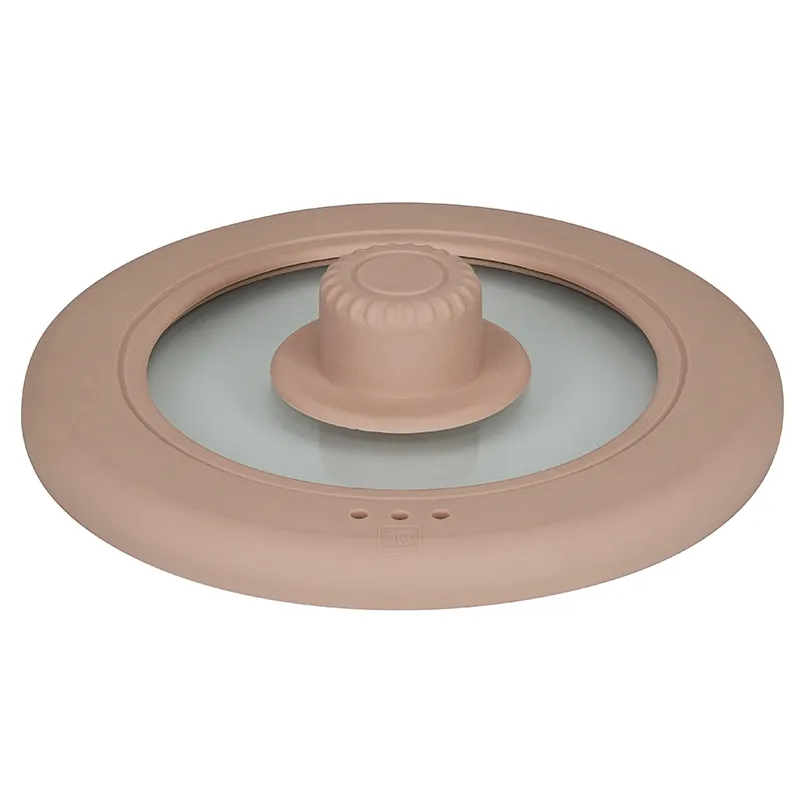
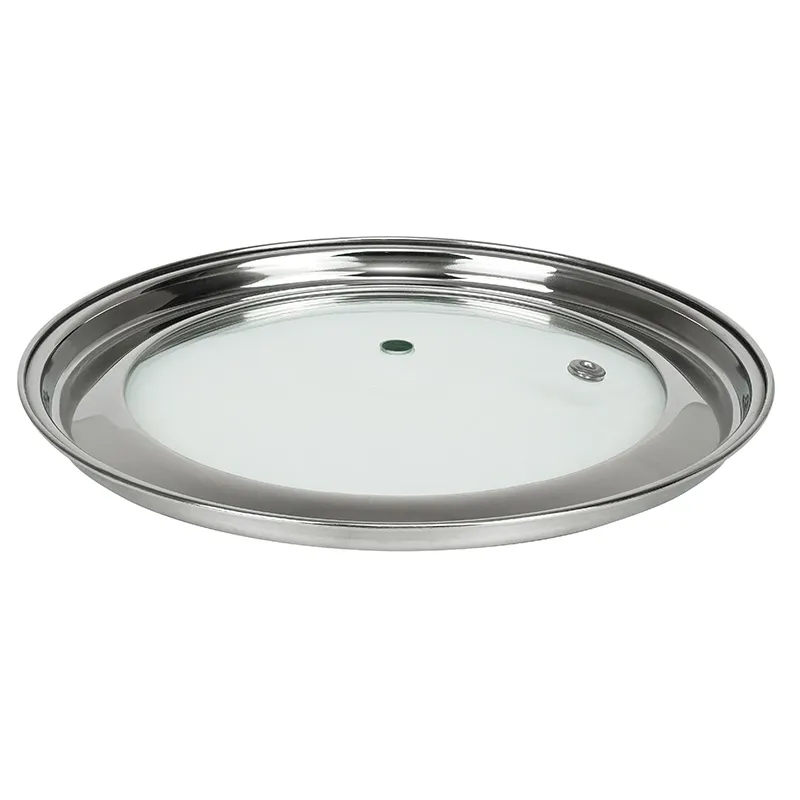
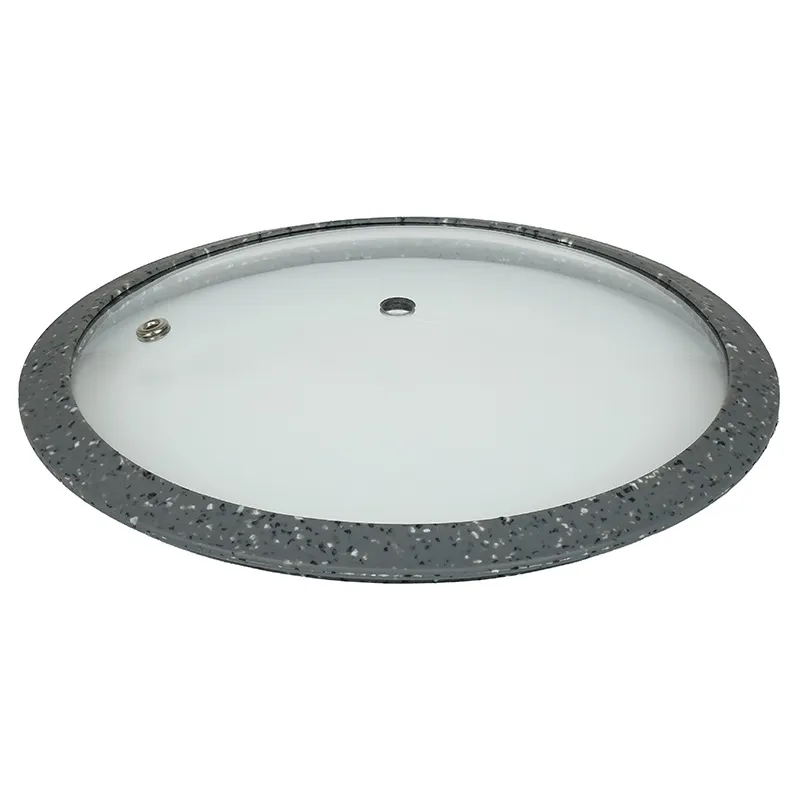
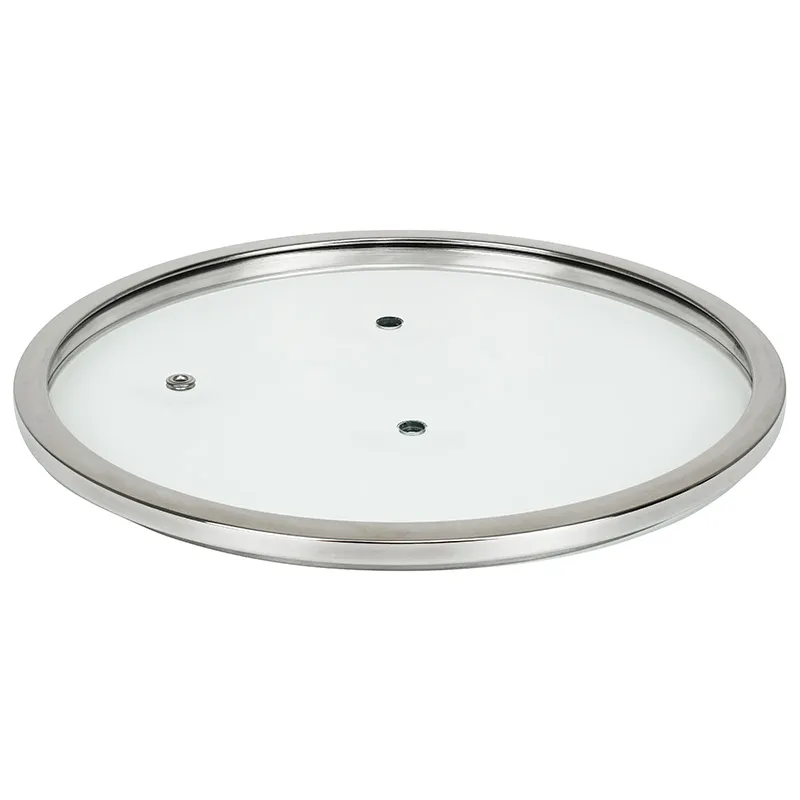
silicone glass lid exporter in China
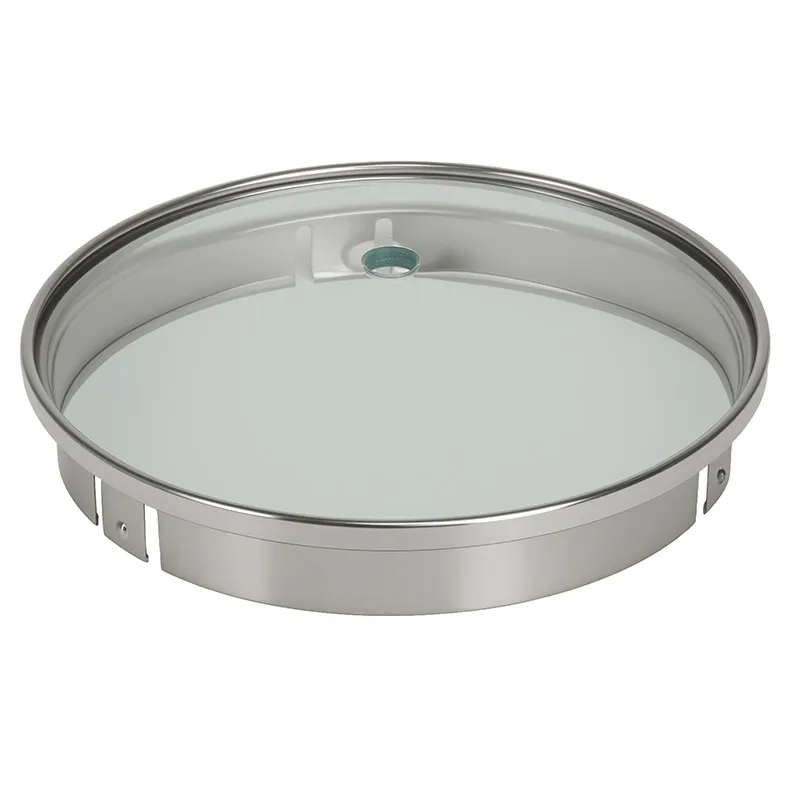
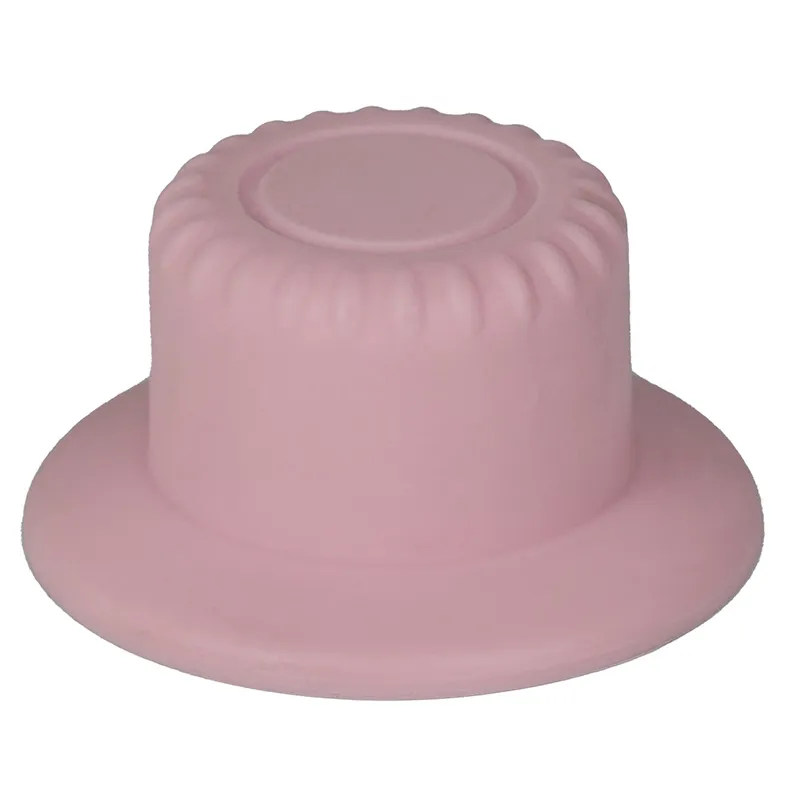
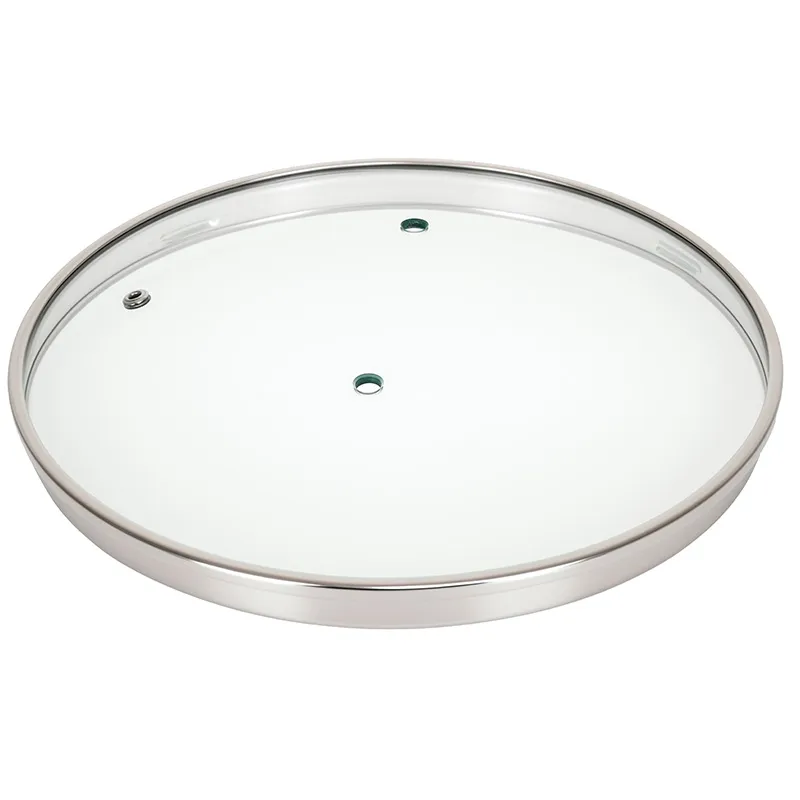
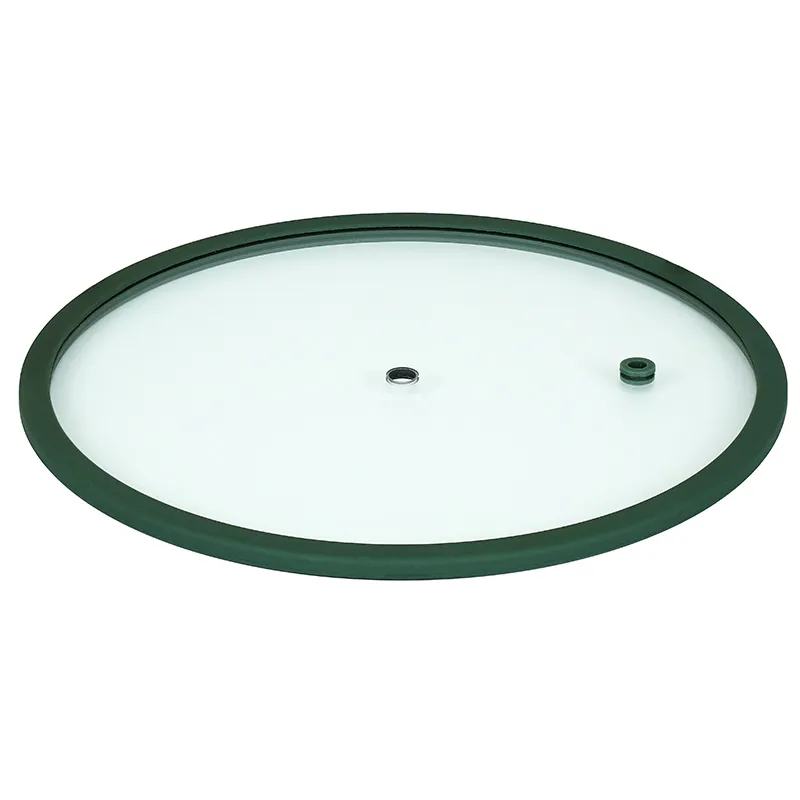
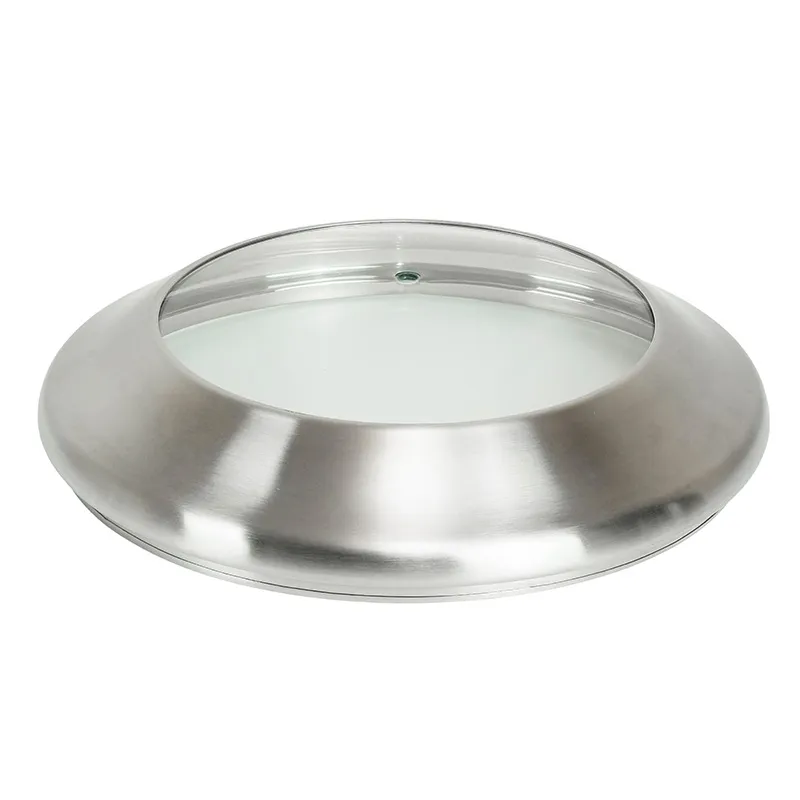
When you hear 'silicone glass lid exporter in China', the immediate image might be of massive, faceless factories churning out identical products. That's a common starting point, but it's also where the first misconception lies. The reality is far more nuanced, and the term 'exporter' itself can be misleading. Many so-called exporters are just trading companies with no real grip on production quality or lead times. Finding a genuine manufacturer-exporter, one that actually owns the tempering furnaces and silicone molding lines, is the first real hurdle. I've spent years sifting through Alibaba listings and visiting industrial zones, and the difference between a trader's promise and a factory's capability is often a costly lesson learned the hard way.
The Core of a Real Manufacturer
Let's talk about what separates a real player from a middleman. It comes down to physical assets and process control. A true silicone glass lid exporter doesn't just assemble purchased parts; they manage the entire chain from raw glass cutting to the final bonding of silicone seals. For instance, take a company like EUR-ASIA COOKWARE CO.,LTD. Their setup is telling: a 20,000㎡ production base in Shandong's High-tech Zone isn't just an address; it houses the tempering furnaces. Tempering isn't something you outsource easily if you want consistent quality for export orders. Their stated annual output of over 15 million pieces of tempered glass lids aligns with having such in-house capacity. When you're dealing with European buyers, especially in Germany or Denmark, they will ask for specific fragmentation test reports. A trader often scrambles for these documents, but a manufacturer has them on file because the tests are part of their routine production checks.
The silicone component is another critical filter. Low-grade silicone turns yellow, cracks, or emits odor under heat. A factory invested in the business will have a dedicated molding workshop and, crucially, a qualified supplier for food-grade silicone rubber. They understand that the bonding process—how the silicone gasket adheres to the tempered glass—is a make-or-break detail. A weak bond leads to leaks and returns. I've seen containers held up at customs because the silicone failed a sudden EU food contact material audit. The problem always traces back to a factory that cut corners on adhesive or curing time. A visit to their facility, asking to see the bonding station and their material safety data sheets (MSDS), quickly separates the serious from the superficial.
So, the profile of a reliable exporter emerges: integrated manufacturing, control over core processes (tempering and bonding), and transparent compliance documentation. Their website, like the one at https://www.glass-lid.com, should reflect this. It's less about flashy graphics and more about showing the factory floor, the machinery, and perhaps certifications like ISO or LFGB. The description stating over 90% export to Europe and Asia isn't just a boast; it's evidence of surviving the stringent quality audits of those markets. A company serving German retail chains for years has already solved problems a new entrant hasn't even anticipated.
Pitfalls and Practical Judgments
Even with a legitimate manufacturer, the journey isn't smooth. One major pitfall is the assumption that 'glass lid' is a standard item. It's not. The diameter, thickness, and especially the handle design—whether it's a stainless steel knob, a phenolic resin handle, or a full silicone overmold—create endless SKUs. A factory might excel at producing a 26cm lid with a basic knob but struggle with a 30cm lid requiring a large, ergonomic silicone handle. Their molding tools are fixed assets. I once placed an order for a new handle design with a otherwise excellent factory, only to face months of delays because their mold supplier botched the prototype. The lesson? Always ask about their existing mold library and lead time for new tooling. It's a more telling question than just asking about price.
Communication is another hidden reef. You might be dealing with a skilled engineer who knows his furnace temperatures but whose English stops at ok, yes. Misunderstandings about packaging details—like whether the lid should be poly-bagged individually, placed in a flat carton, or with a cardboard partition—can lead to goods arriving damaged. I now always insist on signed-off packing samples before production begins. It seems tedious, but it saves the frantic emails later. The export documentation side is usually handled competently by their forwarder, but you must confirm who is responsible for booking the vessel and the incoterms. Is it FOB Shanghai or CIF Hamburg? That cost and risk difference is substantial.
Then there's the issue of scaling. A factory like EUR-ASIA mentions 90+ employees and 15 million pieces annual output. That's a mid-sized operation. It's perfect for steady, medium-volume orders but might be strained by a sudden, massive single order from a big-box retailer. Conversely, they are agile enough to handle smaller, customized runs for a boutique brand, which a mega-factory would refuse. Understanding their capacity band is key. Don't be fooled by a factory that says yes to every quantity; ask about their current production line utilization and typical order size from their main clients in, say, Poland or South Korea. Their answer gives you a realistic picture.
The European Market as a Quality Benchmark
The fact that a Chinese silicone glass lid exporter lists Germany, France, and Switzerland as key markets is the strongest informal credential they can have. The EU's regulations on food contact materials (Framework Regulation (EC) No 1935/2004) and specific migration limits are no joke. Passing these isn't just about submitting a sample once; it's about maintaining batch-to-batch consistency. A factory exporting to these regions has likely invested in lab equipment to test for heavy metal migration and formaldehyde release. They understand that the silicone formula must be stable.
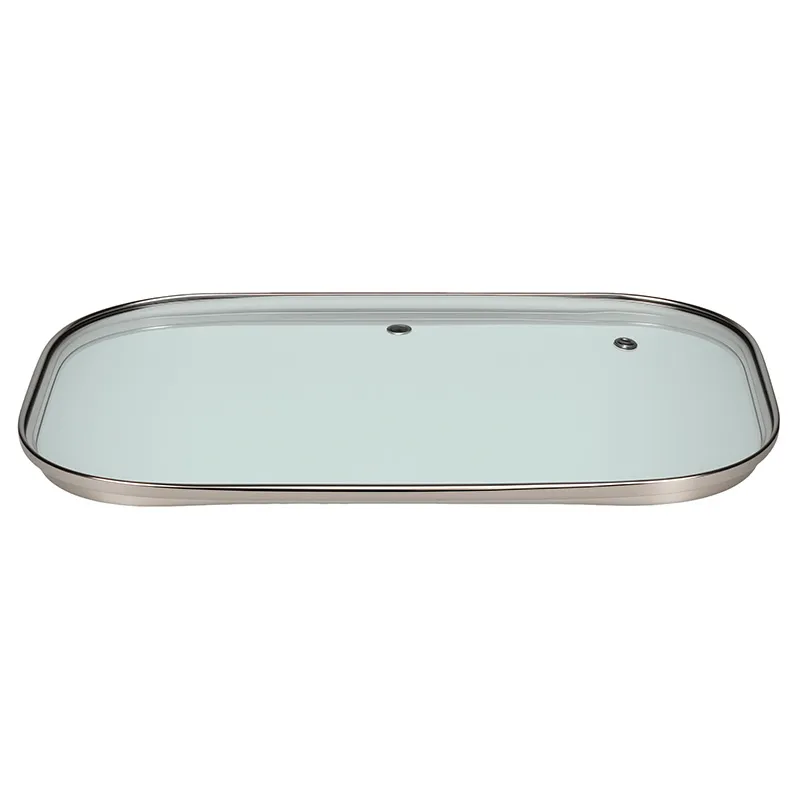
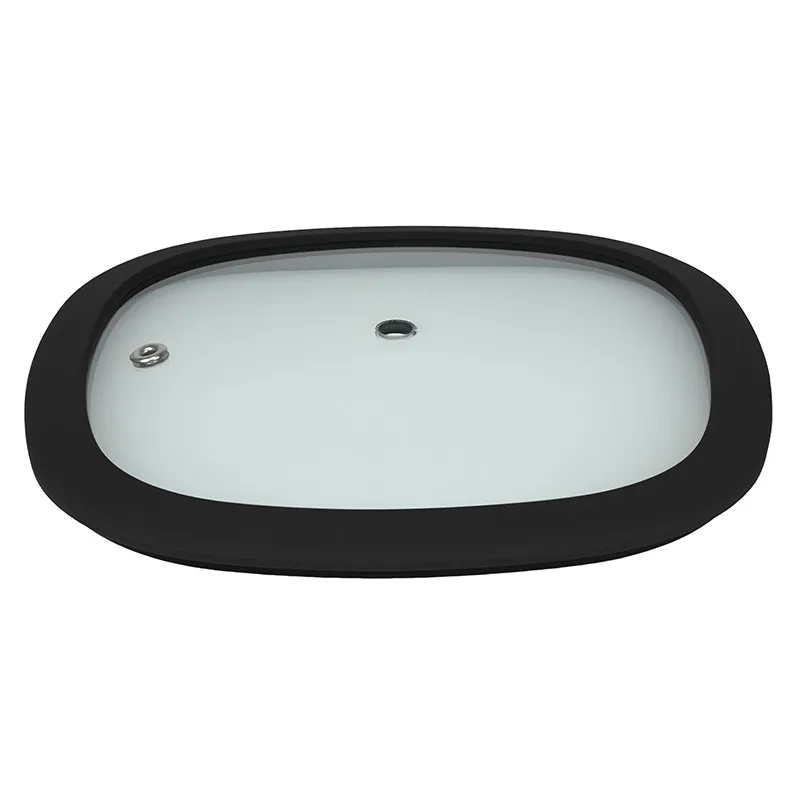
From a design perspective, European buyers often demand cleaner aesthetics and more sophisticated functionality. Think of lids with built-in steam vents or locking mechanisms for storage. This pushes manufacturers beyond being simple component makers into product developers. If you browse the portfolio of a company focused on these exports, you'll see a progression from basic round lids to oval shapes, square shapes for baking dishes, and lids with integrated spoons or strainers. This evolution shows an engagement with market trends, not just passive manufacturing. It suggests they have a design team or at least a responsive engineering department that can translate a buyer's sketch into a workable prototype.
Logistically, serving Europe means navigating longer supply chains. The exporter must be proficient in preparing CE markings, ensuring palletization meets European standards for racking, and understanding the lead times to major ports like Rotterdam or Hamburg. Their experience here translates to fewer headaches for you. An exporter unfamiliar with these routes might choose a slower shipping line or a port with frequent congestion, indirectly eating into your margin through delays.
Case in Point: Reading Between the Lines of a Company Profile
Let's apply this lens to the given information about EUR-ASIA COOKWARE CO.,LTD. Their specialization in low- medium- high level products is an honest admission. It shows they segment their production, likely using different production lines or quality checks for different price points. A lid for a discount retailer and one for a high-end German brand will come from the same factory but are not the same product. The savvy buyer needs to specify which level they are targeting.
The location in Taian, Shandong is significant. Shandong is a major glass industry cluster, with access to raw material suppliers and a skilled labor pool for glass processing. Being in a National High-tech Development Zone often comes with certain infrastructure benefits and regulatory oversight, which can be a positive. The specific numbers—15,000㎡ building area, 90+ employees—paint a picture of a substantial, established facility, not a workshop. This scale suggests they can offer competitive pricing due to economies of scale but might be less flexible than a 20-person shop.
Most telling is the export destination list: Germany, Russia, Italy, France, Poland, Denmark, Spain, Switzerland, Brazil, Turkey, South Korea, Japan. This is a diverse and demanding mix. Northern Europe (Denmark, Germany) requires extreme precision and certification. Southern Europe (Italy, Spain) might prioritize design. Markets like Brazil and Turkey have their own import complexities and price sensitivities. Successfully supplying all these indicates a robust quality management system and adaptable commercial team. For a buyer, this means the company has already been vetted, in a way, by a range of international clients. Their website, https://www.glass-lid.com, becomes a tool to verify this—look for client logos, project galleries, or even sparse but real case studies that go beyond stock photos.
Concluding Thoughts: It's About Partnership, Not Just Purchase
Ultimately, sourcing from a Chinese silicone glass lid exporter isn't a transactional commodity buy. It's about forming a technical partnership. The best relationships I've had are with factories where I can talk directly to their production manager about increasing the tempering temperature slightly for better strength, or with their R&D about testing a new silicone colorant. It's messy, iterative, and far from the perfect world of online catalogs.
The landscape is crowded, but the truly capable exporters are those who see themselves as problem-solvers for their overseas clients, not just order-takers. They anticipate issues like glass lid pop during rapid temperature changes or color fading in dishwashers. Their value lies in this accumulated, sometimes painful, experience. So, when evaluating one, dig past the website and the MOQ. Ask about their biggest quality failure in the past year and how they resolved it. The answer will tell you more than any glossy brochure ever could. The goal is to find the factory that doesn't just make a lid, but understands the kitchen it's going into.
Related Products
Related Products