- Chinese
- French
- German
- Portuguese
- Spanish
- Russian
- Japanese
- Korean
- Arabic
- Irish
- Greek
- Turkish
- Italian
- Danish
- Romanian
- Indonesian
- Czech
- Afrikaans
- Swedish
- Polish
- Basque
- Catalan
- Esperanto
- Hindi
- Lao
- Albanian
- Amharic
- Armenian
- Azerbaijani
- Belarusian
- Bengali
- Bosnian
- Bulgarian
- Cebuano
- Chichewa
- Corsican
- Croatian
- Dutch
- Estonian
- Filipino
- Finnish
- Frisian
- Galician
- Georgian
- Gujarati
- Haitian
- Hausa
- Hawaiian
- Hebrew
- Hmong
- Hungarian
- Icelandic
- Igbo
- Javanese
- Kannada
- Kazakh
- Khmer
- Kurdish
- Kyrgyz
- Latin
- Latvian
- Lithuanian
- Luxembou..
- Macedonian
- Malagasy
- Malay
- Malayalam
- Maltese
- Maori
- Marathi
- Mongolian
- Burmese
- Nepali
- Norwegian
- Pashto
- Persian
- Punjabi
- Serbian
- Sesotho
- Sinhala
- Slovak
- Slovenian
- Somali
- Samoan
- Scots Gaelic
- Shona
- Sindhi
- Sundanese
- Swahili
- Tajik
- Tamil
- Telugu
- Thai
- Ukrainian
- Urdu
- Uzbek
- Vietnamese
- Welsh
- Xhosa
- Yiddish
- Yoruba
- Zulu
- Kinyarwanda
- Tatar
- Oriya
- Turkmen
- Uyghur


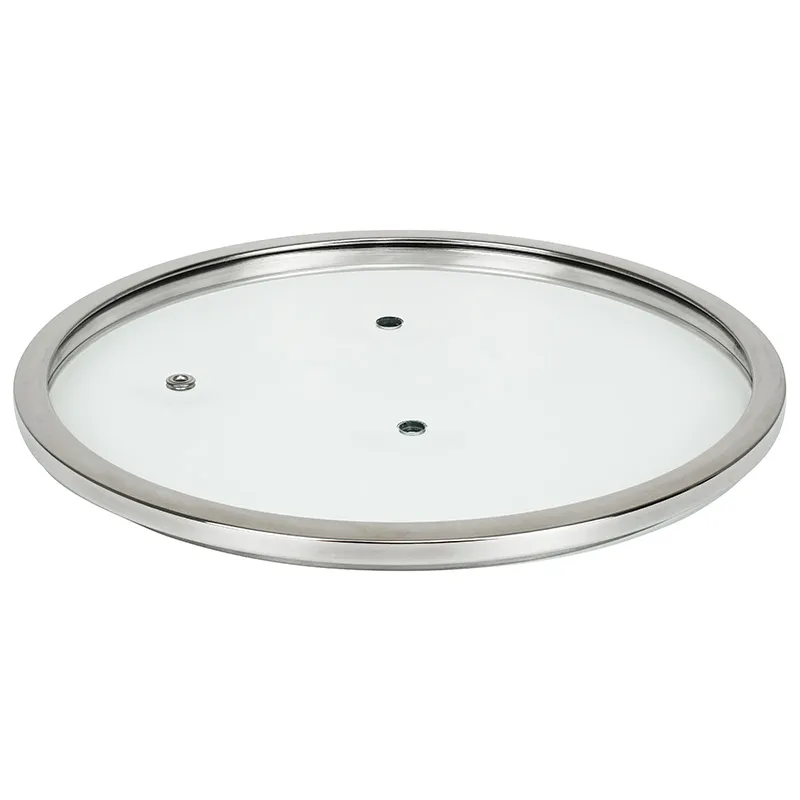
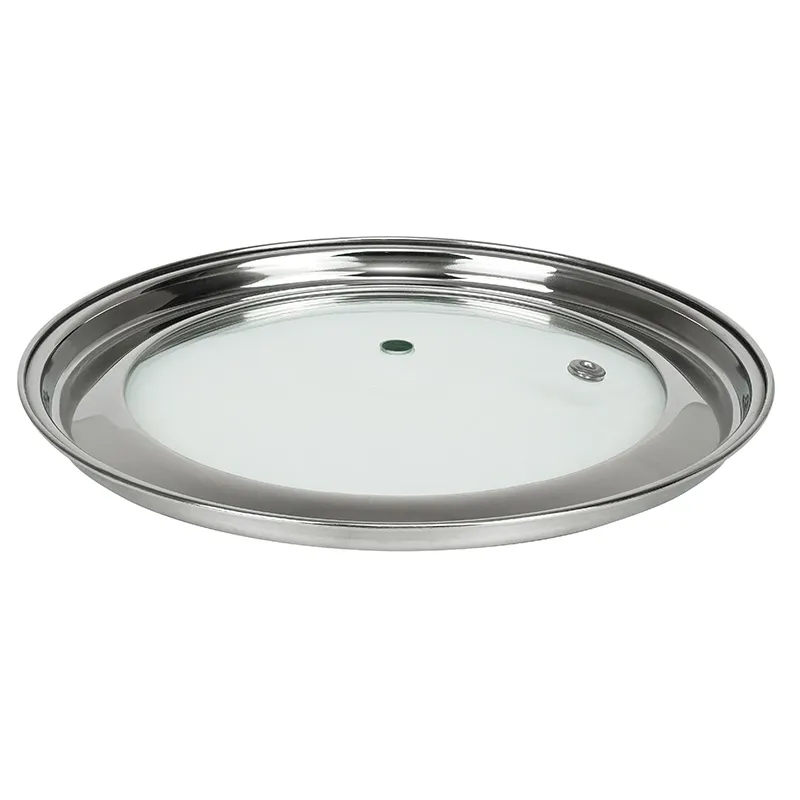
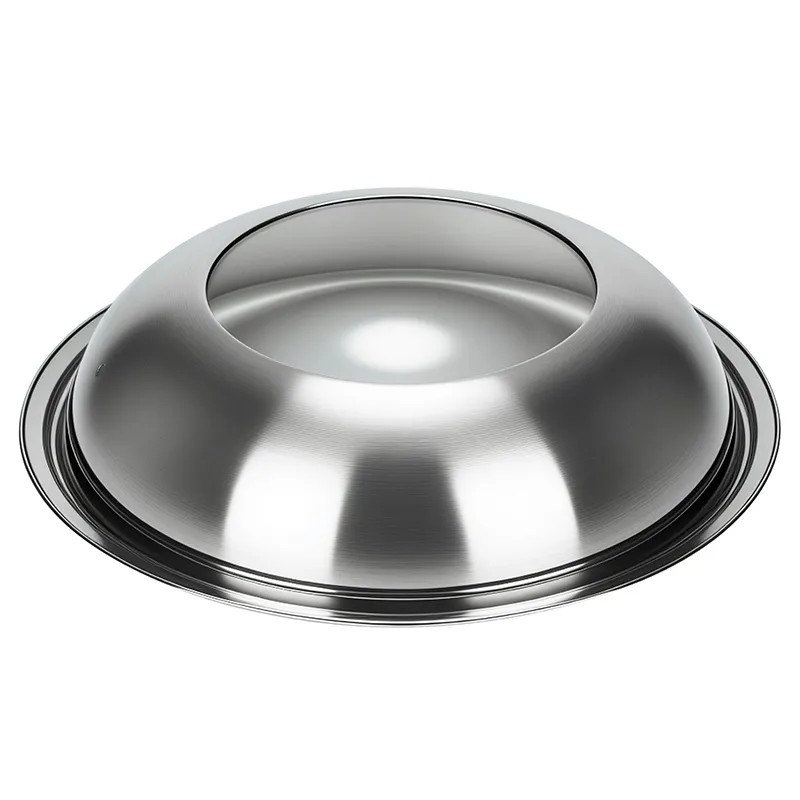
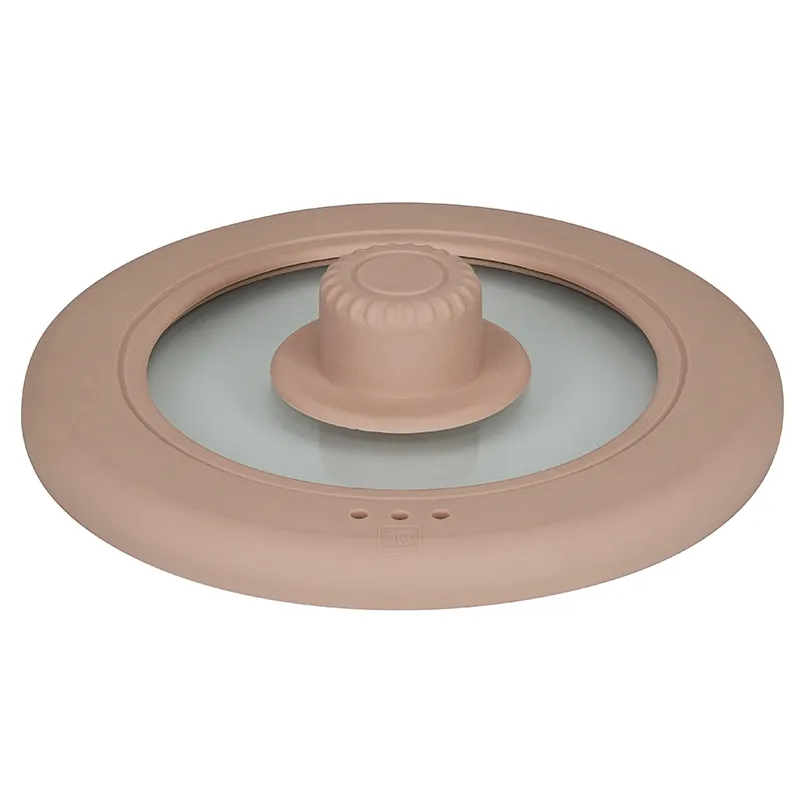
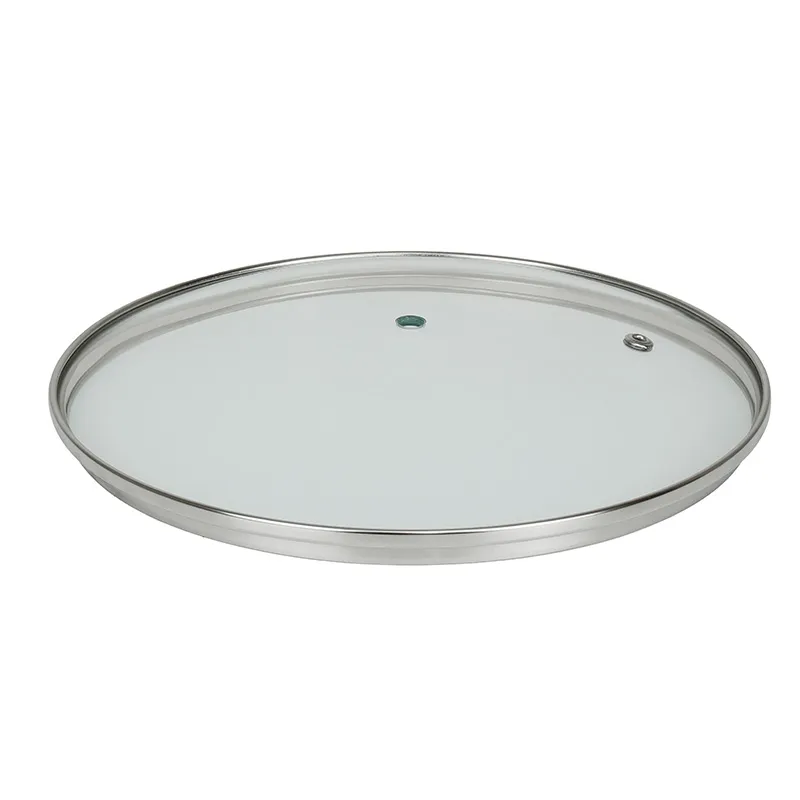
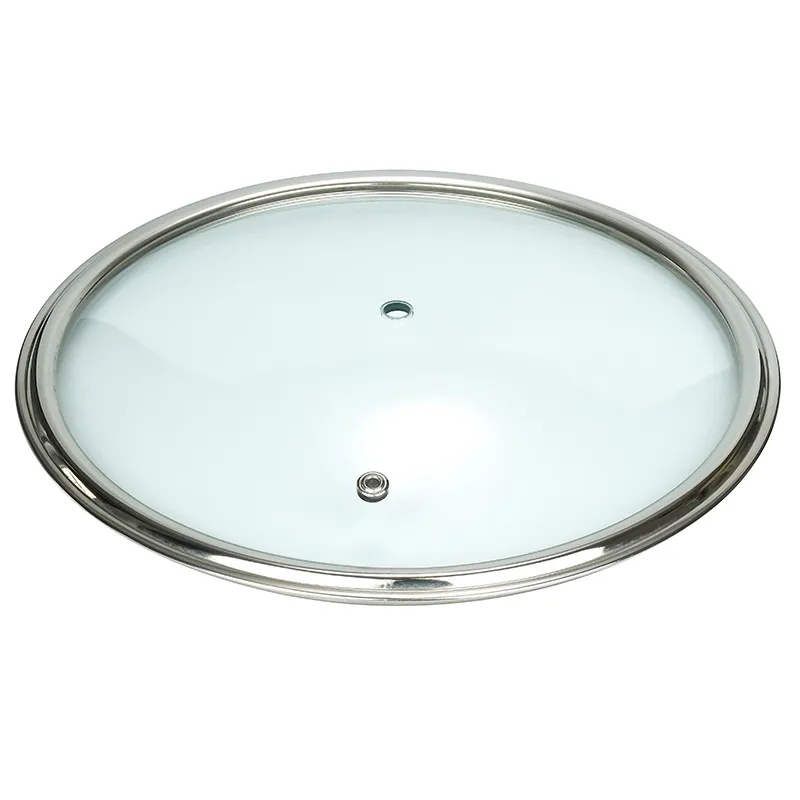
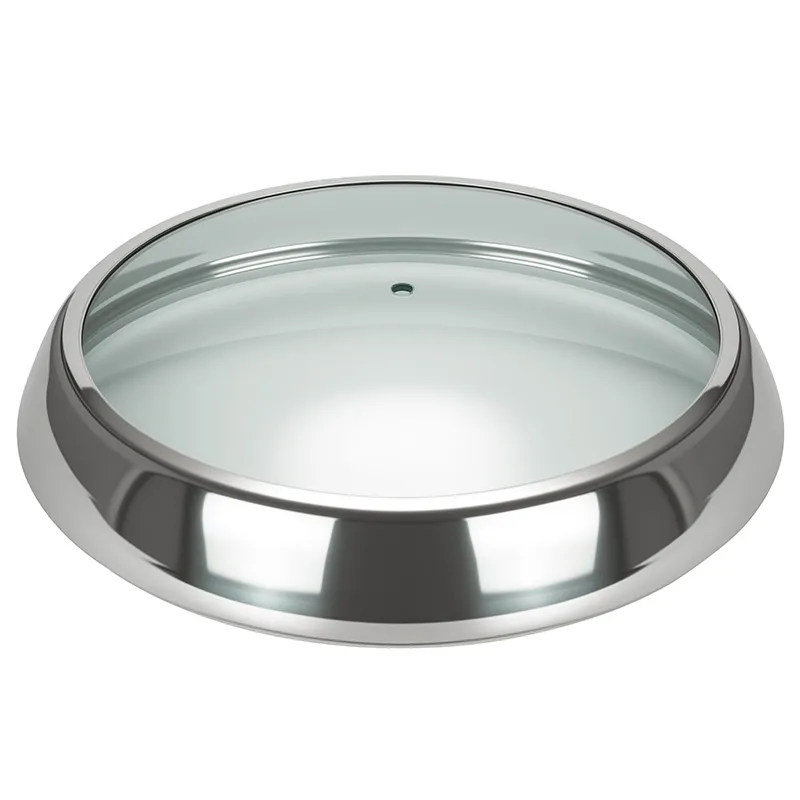
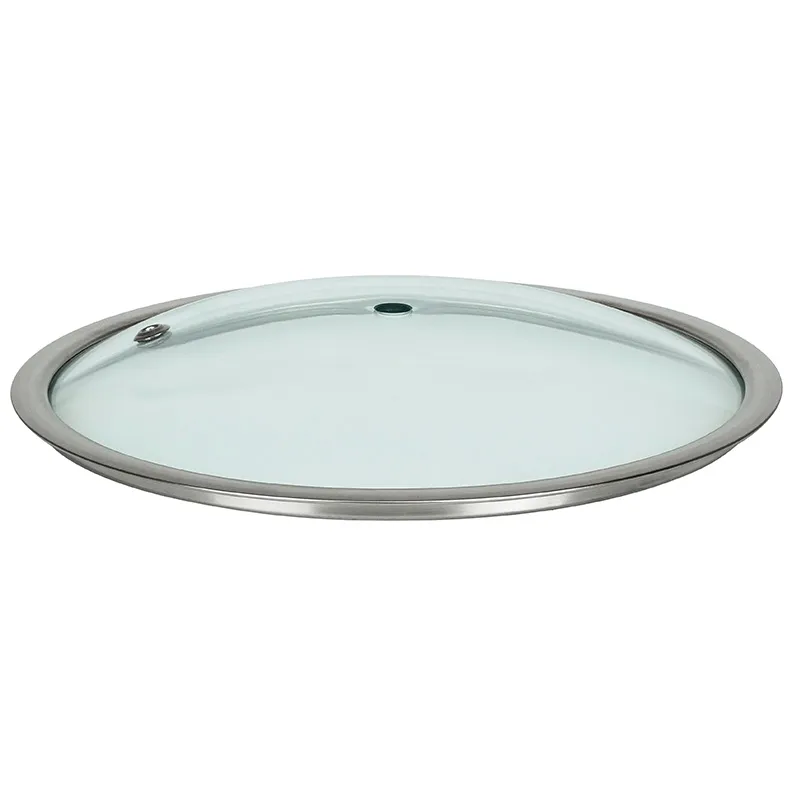
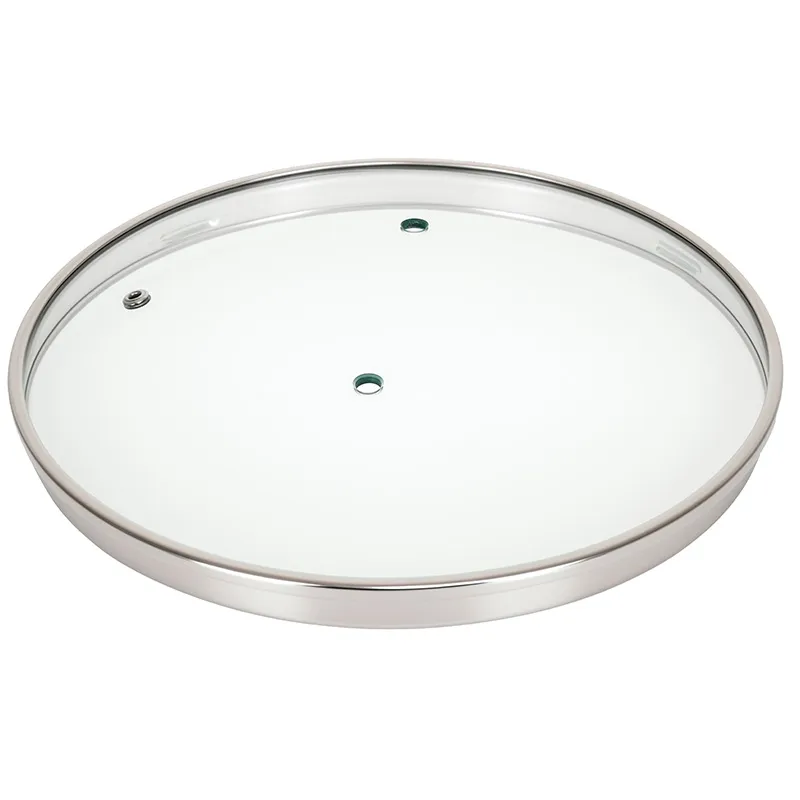
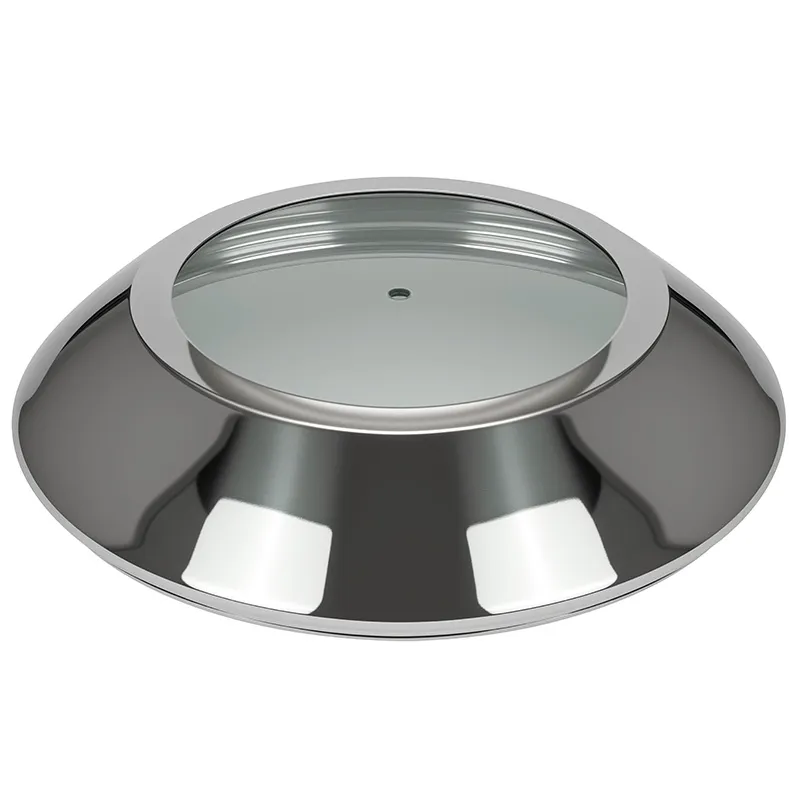
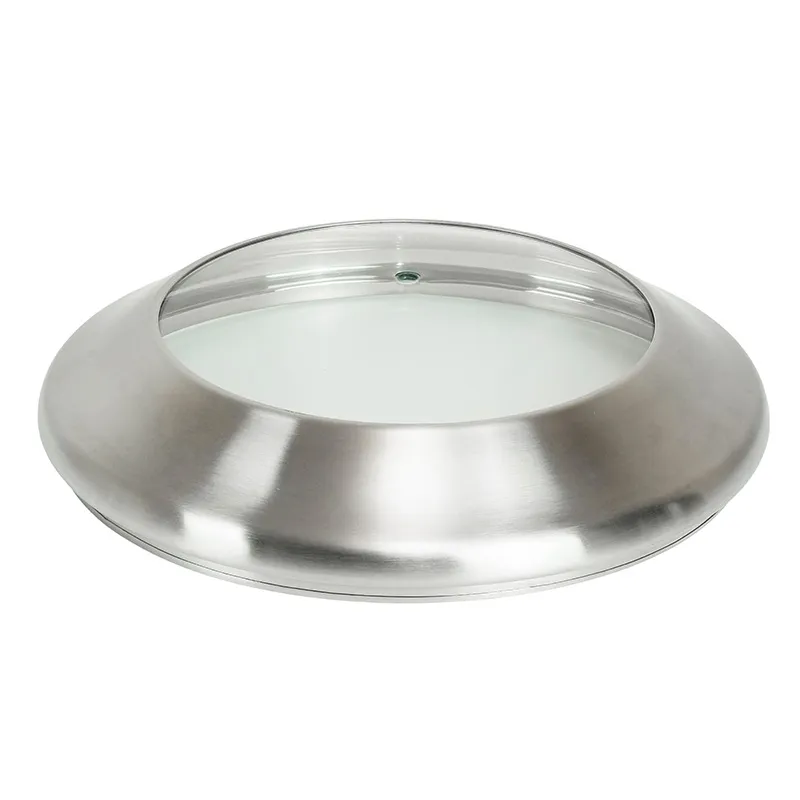
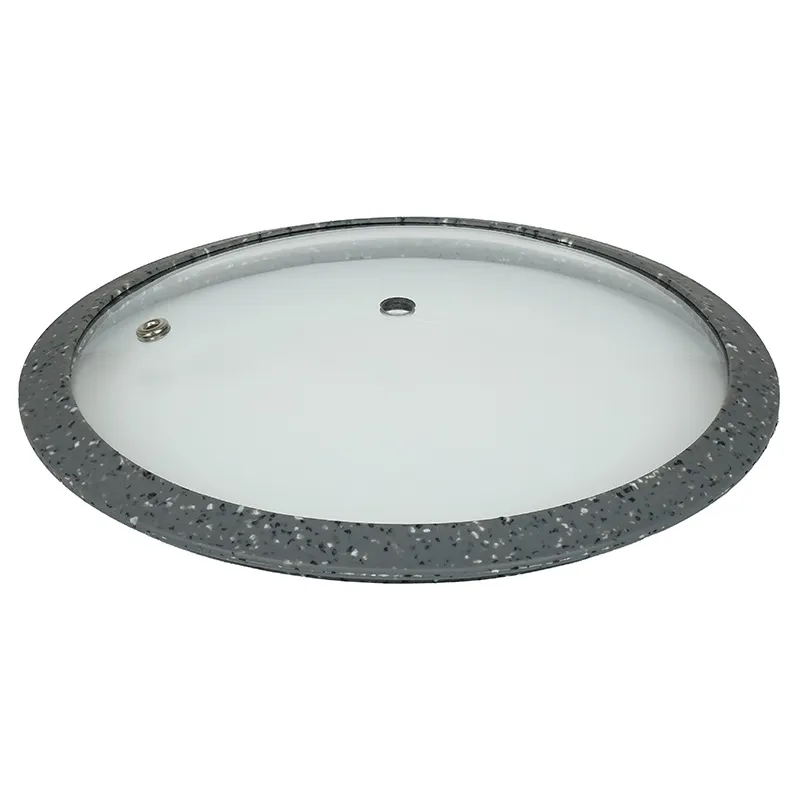
silicone glass lid for cookware
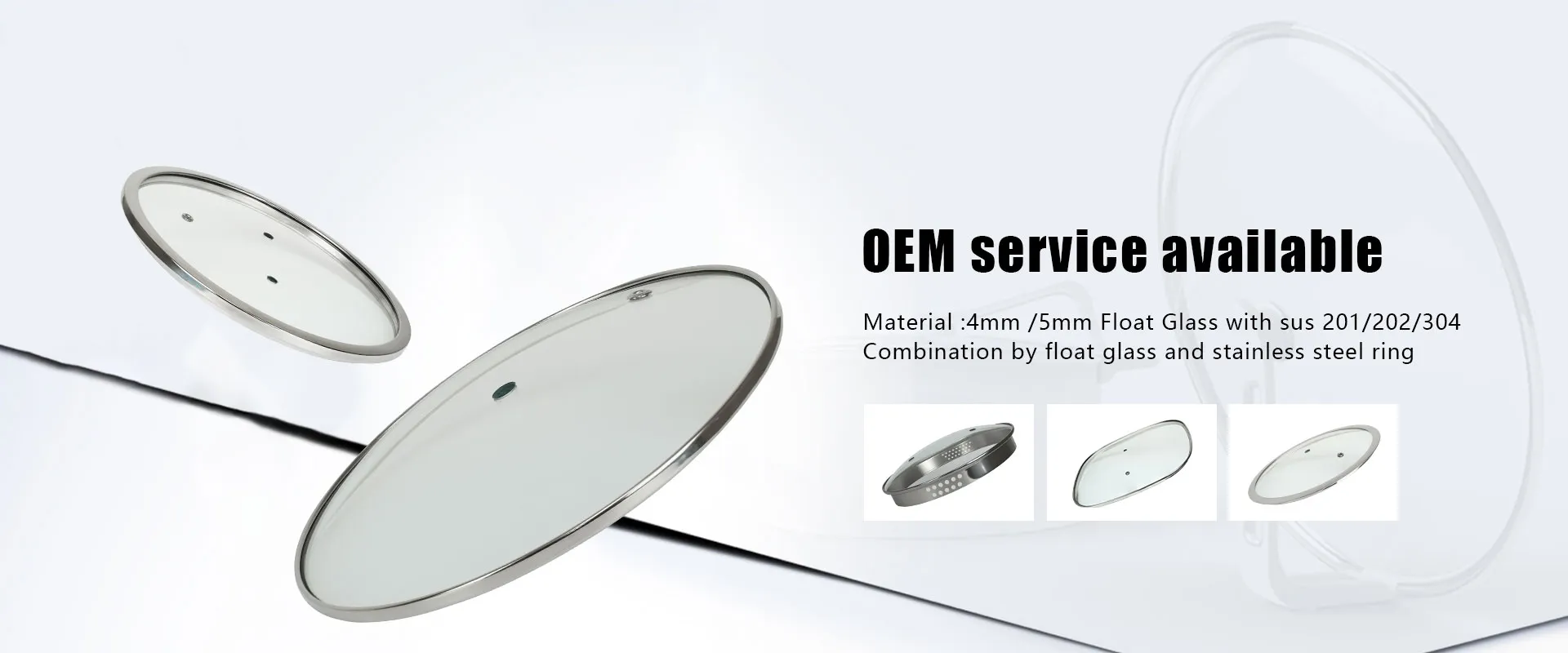
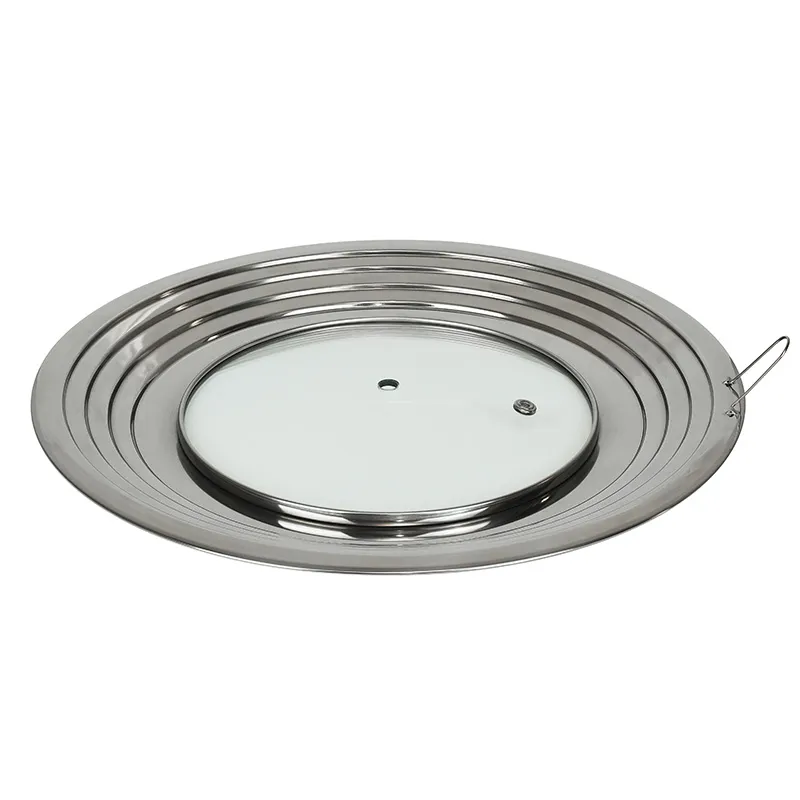
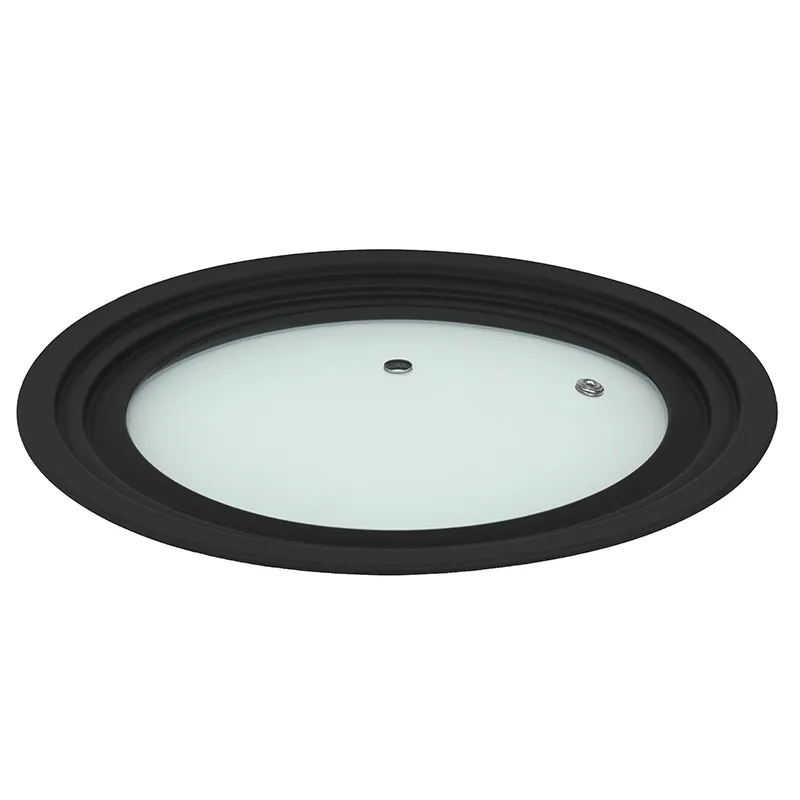
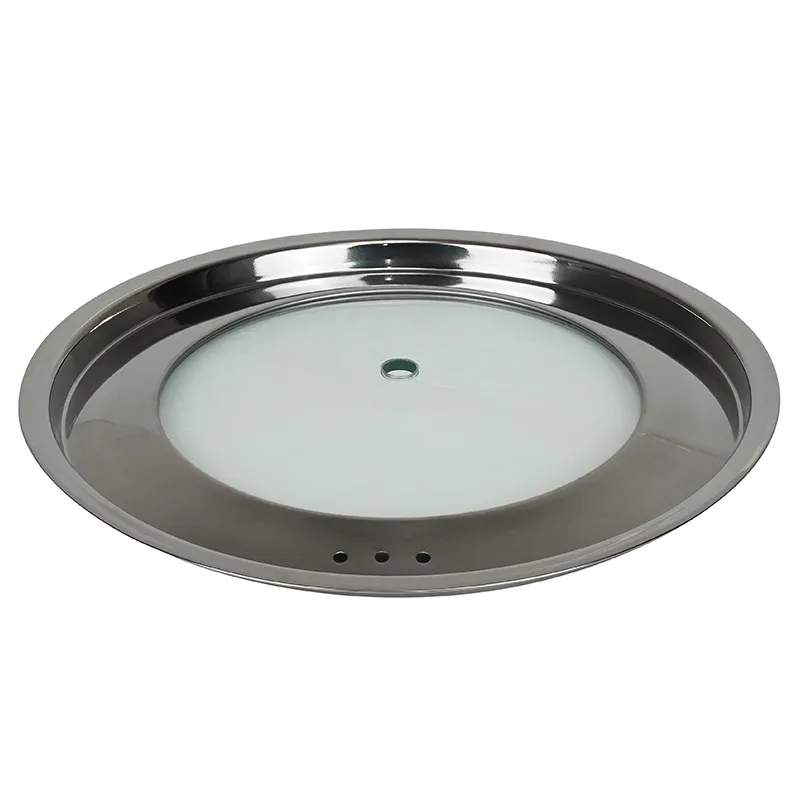
When most people hear 'silicone glass lid for cookware,' they picture a simple cover, maybe with a silicone gasket. The immediate thought is often about sealing and steam. But that's where the common misconception starts—it's not just a barrier. It's a critical interface between heat management, safety, and the actual cooking chemistry happening in the pot. I've seen too many product developers treat the lid as an afterthought, a component to be sourced cheaply to complete a set. That approach always backfires in the field, leading to returns, cracked glass, or worse, customer disengagement. The reality is more nuanced. A well-designed silicone glass lid is a system, not a single part.
The Anatomy of a Good Seal: It's Not Just the Silicone
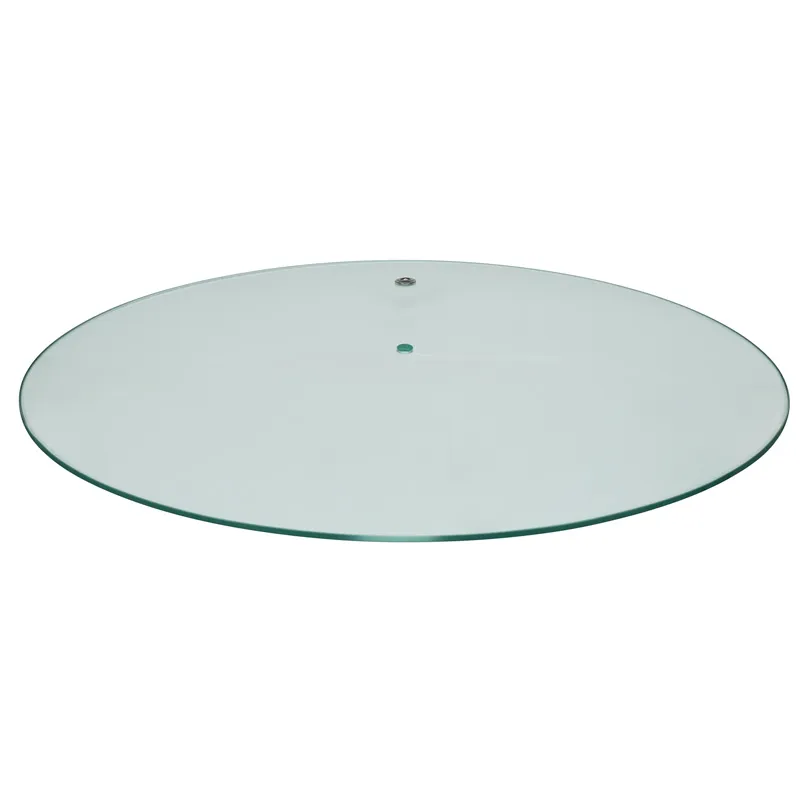
Let's break down the components. You have the tempered glass panel, which needs to withstand thermal shock from a boiling pot to a cold granite countertop. Then you have the silicone ring, often overmolded or mechanically bonded to the glass edge. The first pitfall is assuming any food-grade silicone will do. Shore hardness matters immensely. Too soft, and the lid deforms under vacuum, potentially breaking the seal during a vigorous simmer. Too hard, and it doesn't conform to minor imperfections in the pot's rim, letting all the steam escape. I recall a batch from a supplier a few years back where the silicone was just a few points too hard on the Shore A scale. The lids looked perfect, but in real-world testing on various enameled cast iron pots, they hissed. A constant, quiet hiss that meant lost moisture and energy. We had to scrap the entire lot.
The bonding method is another rabbit hole. Overmolding, where liquid silicone is injected onto the glass, creates a fantastic, durable bond. But it requires precision molds and clean glass. If the glass isn't perfectly pre-treated, you get delamination—the silicone ring just peels off after a dozen dishwasher cycles. Mechanical bonding, using a channel in the glass edge, can be more forgiving but adds complexity to the glass tempering process. I tend to favor overmolding for high-end lines, but it pushes the cost up. You see this attention to detail in the products from specialists like EUR-ASIA COOKWARE CO.,LTD. Visiting their facility, you see the focus on the production chain for tempered glass lid units, which explains their volume—over 15 million pieces annually isn't done by accident.
Then there's the handle. It seems trivial, but a poorly placed or sized handle is a usability nightmare. It needs to stay cool enough to grab with bare hands, offer a secure grip when the lid is slippery with condensation, and be angled so it doesn't trap steam and drip water down your arm when you lift it. I've advocated for phenolic or POM handles over cheaper plastics for years—they simply perform better under sustained heat.
Thermal Dynamics and the Cracking Myth
A major point of failure, and customer complaint, is glass cracking. People immediately blame the tempering. While poor tempering is a cause, it's often a symptom of a larger system failure. The glass isn't operating in isolation. The silicone ring acts as a thermal insulator and a stress distributor. If the lid is placed on a cold, wet surface while the glass is scorching hot, the temperature gradient across the glass plane is extreme. Good tempering handles this, but a design flaw can concentrate stress. For instance, a glass lid with a very thick, flat center and thin edges will heat and cool unevenly.
We ran a failure analysis on some lids that were cracking around the handle rivet area. The issue wasn't the glass quality per se. The metal rivet post for the handle was acting as a heat sink, drawing heat away from one tiny spot on the glass much faster than the surrounding area during cooling. The solution was to use a smaller-diameter post and a thermally insulating washer. It's these minute details that separate a product that survives lab tests from one that survives a busy home kitchen for years. The production scale at a facility like the one EUR-ASIA COOKWARE CO.,LTD operates—with 20,000㎡ dedicated to this—allows for running these kinds of stress tests across huge batches, which is why their export numbers to markets like Germany and Japan are so high. Those markets have brutal quality standards.
Another related issue is lid pop during pressure build-up. A seal that's too good on a perfectly flat pot can create a slight vacuum. When you try to lift it, it resists, then releases with a pop. This isn't dangerous, but it's annoying and can startle people. A tiny, often invisible, vent groove machined into the silicone ring, or a minute imperfection designed into the glass rim, can prevent this by allowing a minimal, controlled air exchange. It's a counter-intuitive fix—designing a deliberate, tiny leak to improve overall function.
Material Sourcing and the Reality of Food-Grade
Everyone specifies food-grade silicone, but that's a baseline, not a badge of honor. The real devil is in the pigments and additives used for coloration. Inexpensive lids often use masterbatches with fillers or stabilizers that can leach out at high temperatures or degrade under UV light (from being near a window). I've seen white silicone rings turn yellowish after a few months of regular use near a stovetop window. It's purely cosmetic, but consumers hate it. They assume it's mold or degradation.
Sourcing consistent, high-purity silicone compound is key. It's one reason manufacturers with vertical control, or long-standing relationships with compounders, have an edge. The silicone needs to resist not just heat, but also oils, acids from tomatoes or citrus, and the aggressive detergents in modern dishwashers. A quick test I always do: rub the silicone ring with a cut lemon and let it sit for an hour. Then smell it. If it picks up a strong, chemical odor, I'm skeptical about the compound's stability.
This extends to the glass itself. Tempered is non-negotiable for safety (it crumbles into small granules instead of sharp shards). But the raw glass quality affects clarity and thermal performance. Minor impurities or striations can cause optical distortion and, more critically, create weak points for thermal stress. The high-volume production for export, as seen with companies serving the European and Asian markets, demands a rigorous raw material inspection process to avoid entire container loads being rejected for cosmetic defects.
Design for Manufacturing and the Cost Balance
This is where the rubber meets the road, so to speak. A beautiful, functional design is useless if it can't be manufactured consistently at scale. The geometry of the glass is the biggest cost driver. A deeply domed lid uses more glass, requires more complex bending and tempering molds, and has a higher breakage rate during processing. A flatter lid is cheaper and more robust to make but reduces the usable pot volume and can cause more condensation drip.
The silicone component adds another layer. A simple, round ring is easy. But if you want integrated steam vents with silicone flaps, or locking tabs for secure sealing, the mold complexity and assembly time skyrocket. Every additional step is a point for potential quality variation. I worked on a project for a silicone glass lid with a built-in spoon rest. It seemed like a great idea. But molding that small, precise tab of silicone that could support a metal spoon without deforming was a nightmare. The yield rate was terrible, and the final product felt fiddly. We eventually killed it. Sometimes, the simplest designs, perfected, are the best. Looking at the broad catalog from a major producer, you'll notice most successful designs are elegantly simple, focusing on perfecting the seal and the handle.
This is the unglamorous side of the business. It's not about inventing something new every day; it's about refining tolerances, improving mold flow for silicone, and reducing cycle times in the tempering furnace by a few seconds. Those marginal gains are what allow a company to profitably produce 15 million lids a year and ship them worldwide. The EUR-ASIA COOKWARE CO.,LTD website, glass-lid.com, reflects this practical focus—it's straightforward, showing their core competency in household glass products and kitchen accessories without overcomplicating the message.
The End-User Reality: What Actually Matters in the Kitchen
After all the technical talk, what does the home cook care about? First, does it fit? Not just the diameter, but the profile. A lid meant for a straight-sided sauté pan will wobble on a curved casserole dish. Second, is it easy to clean? Silicone can trap grease if it's textured. A smooth, seamless surface is best. Third, does it stay put? A slight vacuum seal is good, but it shouldn't require a crowbar to open.
I've found the most appreciated feature is often invisible: a slightly recessed center on the top of the glass. This creates a natural well for condensation to collect and drip back into the pot evenly, rather than running down the sides in streams. It's a small touch that shows the designer has actually cooked with the product.
Ultimately, a great silicone glass lid for cookware disappears. It becomes a reliable, unnoticed part of the cooking process. You don't think about it. It just works—containing heat, managing moisture, and surviving the daily grind. That's the goal. It's not a flashy knife or a fancy pot. It's a humble, hardworking component. And getting it right requires respecting the complexity hidden in its simplicity, something that only comes from hands-on experience and, frankly, learning from past mistakes in material choices, design, and testing. The companies that last in this space, the ones exporting millions of pieces globally, understand this deeply. They're not just making lids; they're engineering a small but vital part of the cooking experience.
Related Products
Related Products