- Chinese
- French
- German
- Portuguese
- Spanish
- Russian
- Japanese
- Korean
- Arabic
- Irish
- Greek
- Turkish
- Italian
- Danish
- Romanian
- Indonesian
- Czech
- Afrikaans
- Swedish
- Polish
- Basque
- Catalan
- Esperanto
- Hindi
- Lao
- Albanian
- Amharic
- Armenian
- Azerbaijani
- Belarusian
- Bengali
- Bosnian
- Bulgarian
- Cebuano
- Chichewa
- Corsican
- Croatian
- Dutch
- Estonian
- Filipino
- Finnish
- Frisian
- Galician
- Georgian
- Gujarati
- Haitian
- Hausa
- Hawaiian
- Hebrew
- Hmong
- Hungarian
- Icelandic
- Igbo
- Javanese
- Kannada
- Kazakh
- Khmer
- Kurdish
- Kyrgyz
- Latin
- Latvian
- Lithuanian
- Luxembou..
- Macedonian
- Malagasy
- Malay
- Malayalam
- Maltese
- Maori
- Marathi
- Mongolian
- Burmese
- Nepali
- Norwegian
- Pashto
- Persian
- Punjabi
- Serbian
- Sesotho
- Sinhala
- Slovak
- Slovenian
- Somali
- Samoan
- Scots Gaelic
- Shona
- Sindhi
- Sundanese
- Swahili
- Tajik
- Tamil
- Telugu
- Thai
- Ukrainian
- Urdu
- Uzbek
- Vietnamese
- Welsh
- Xhosa
- Yiddish
- Yoruba
- Zulu
- Kinyarwanda
- Tatar
- Oriya
- Turkmen
- Uyghur


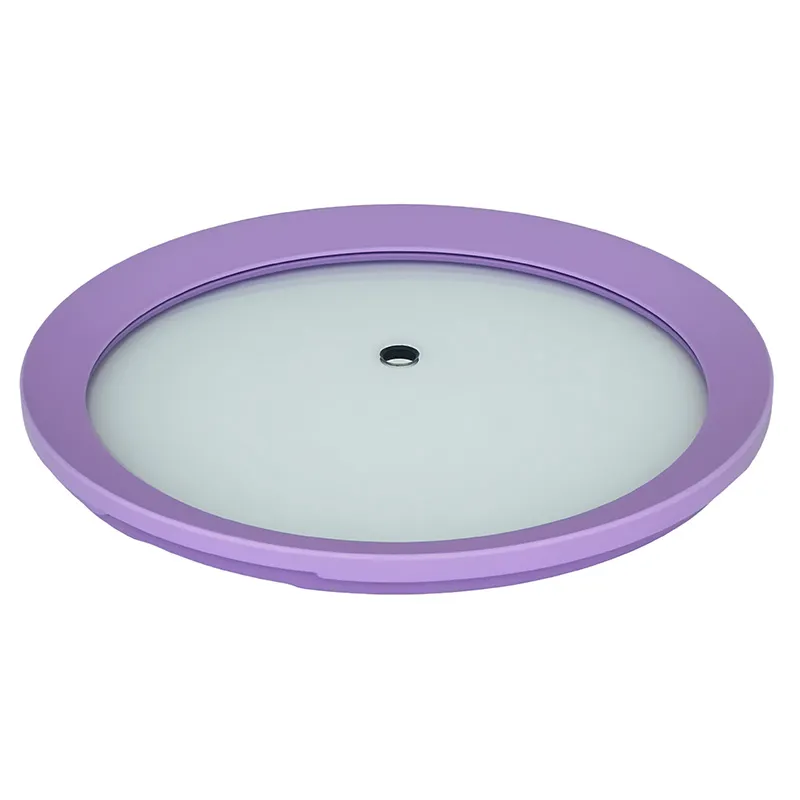
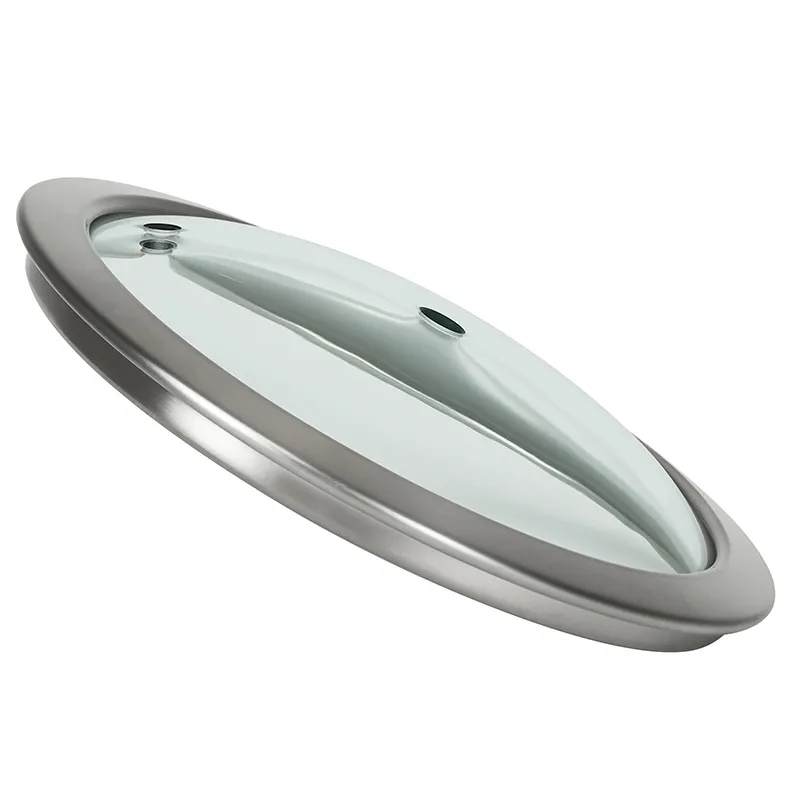
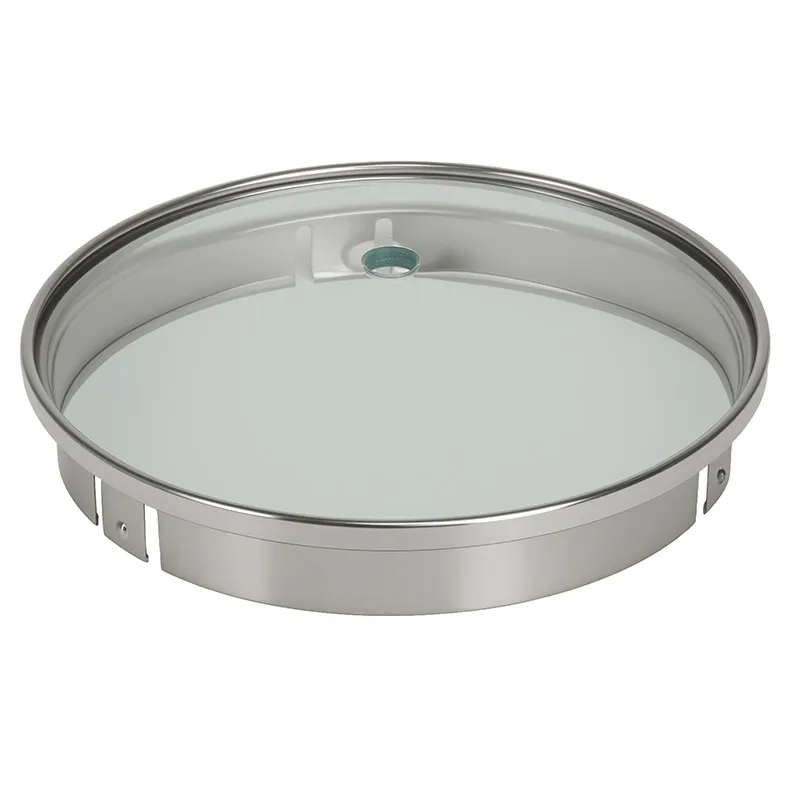
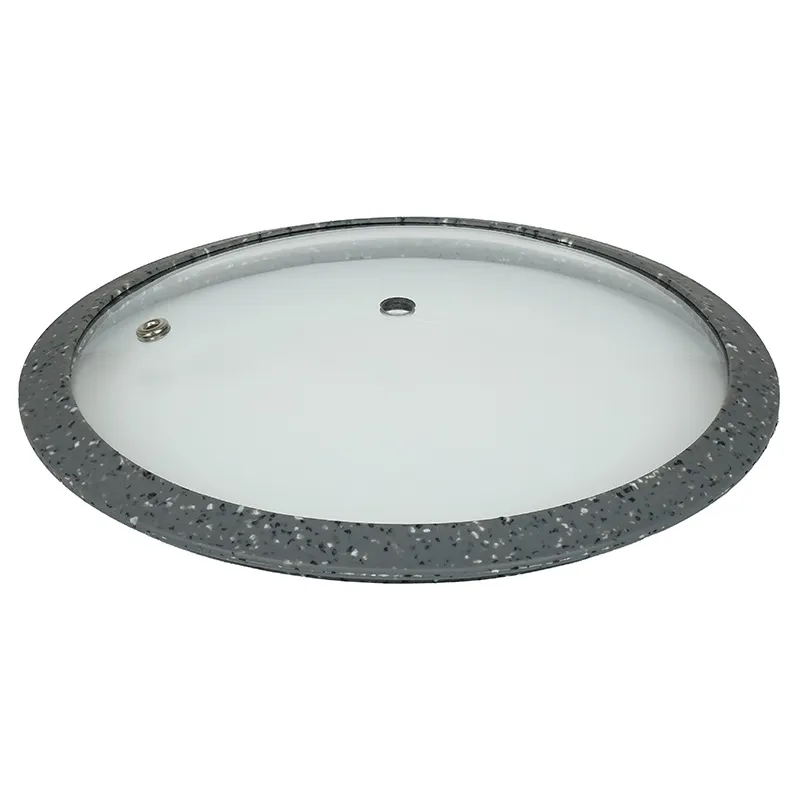
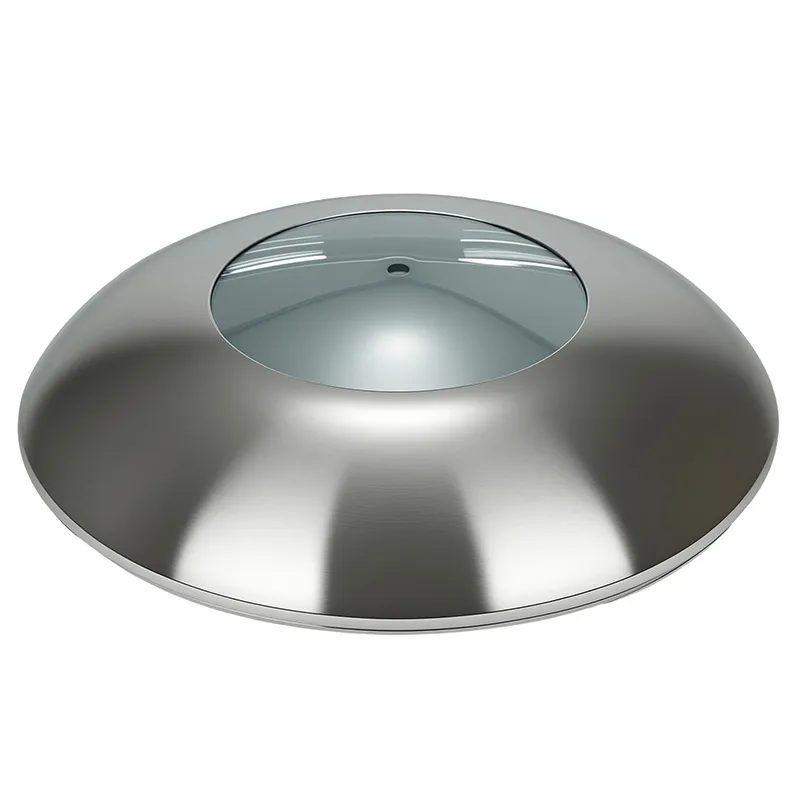
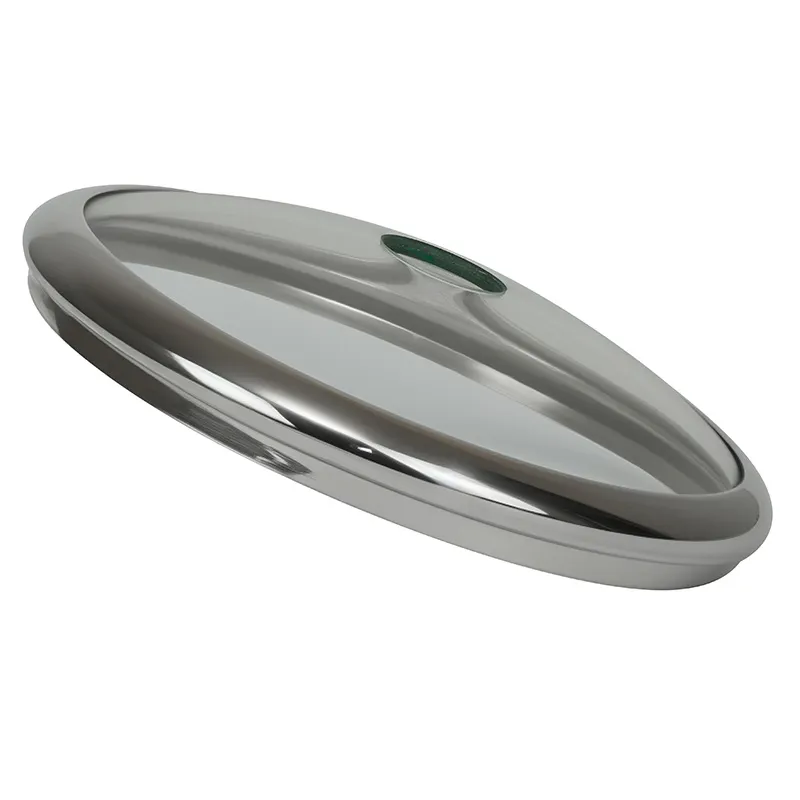
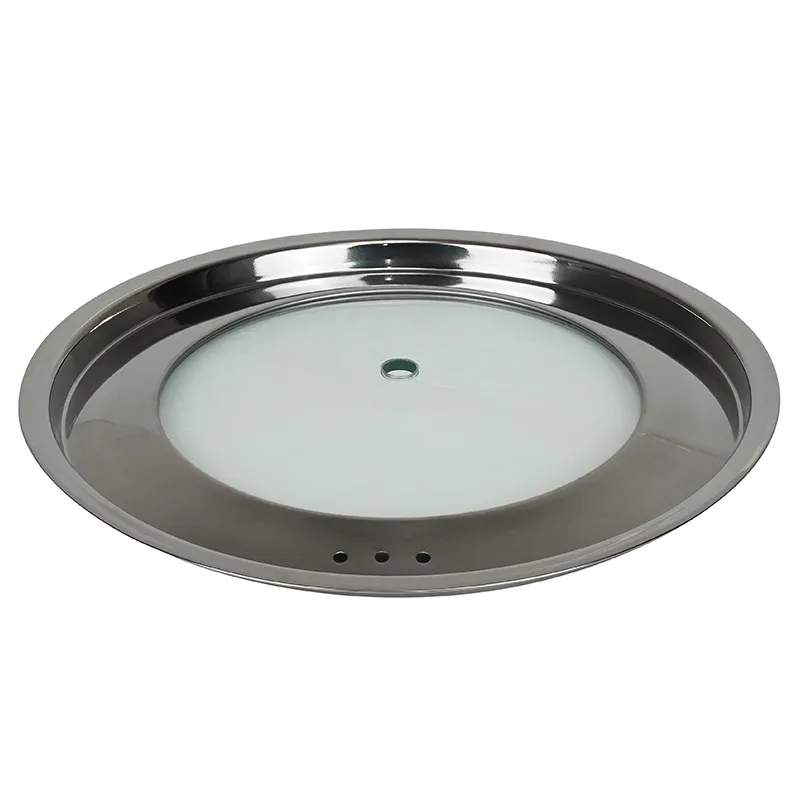
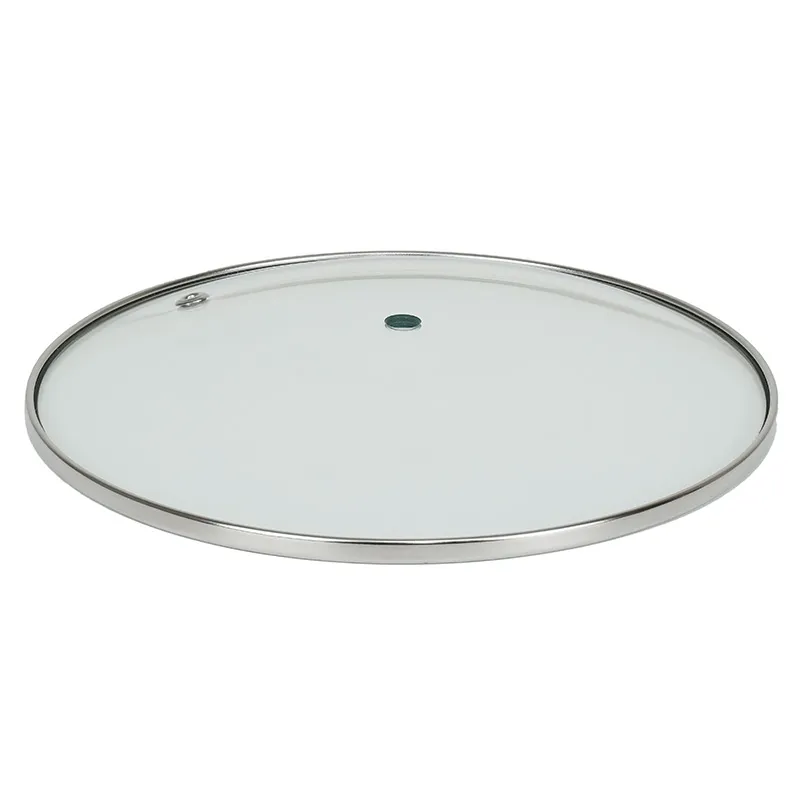
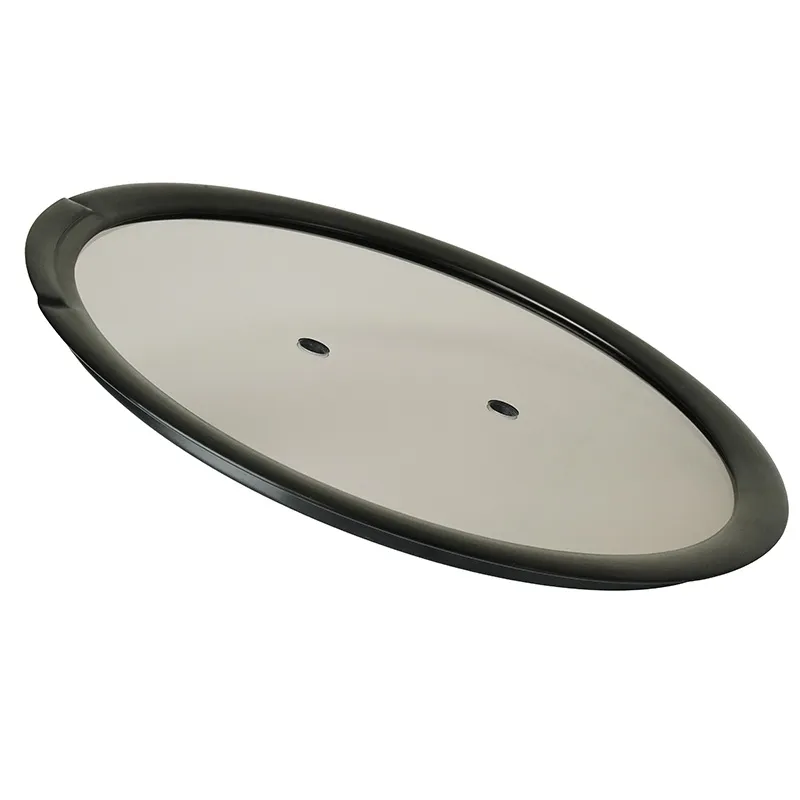
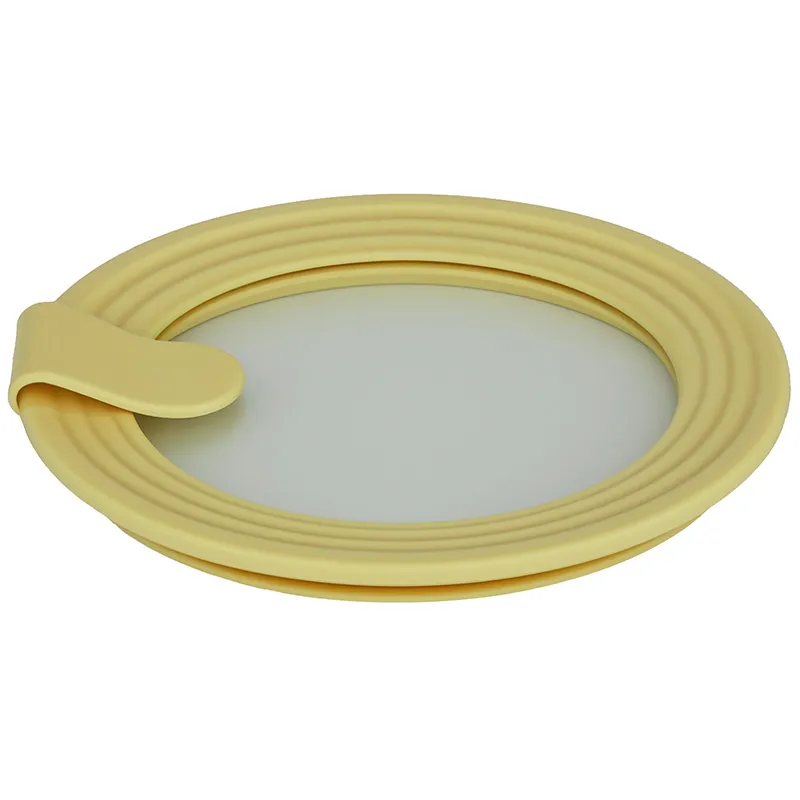
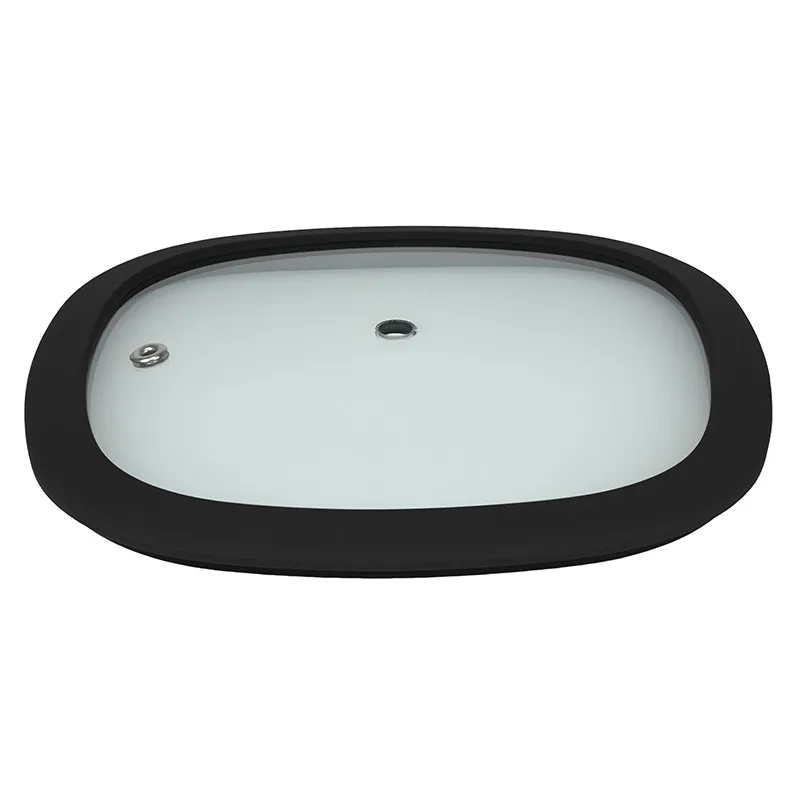
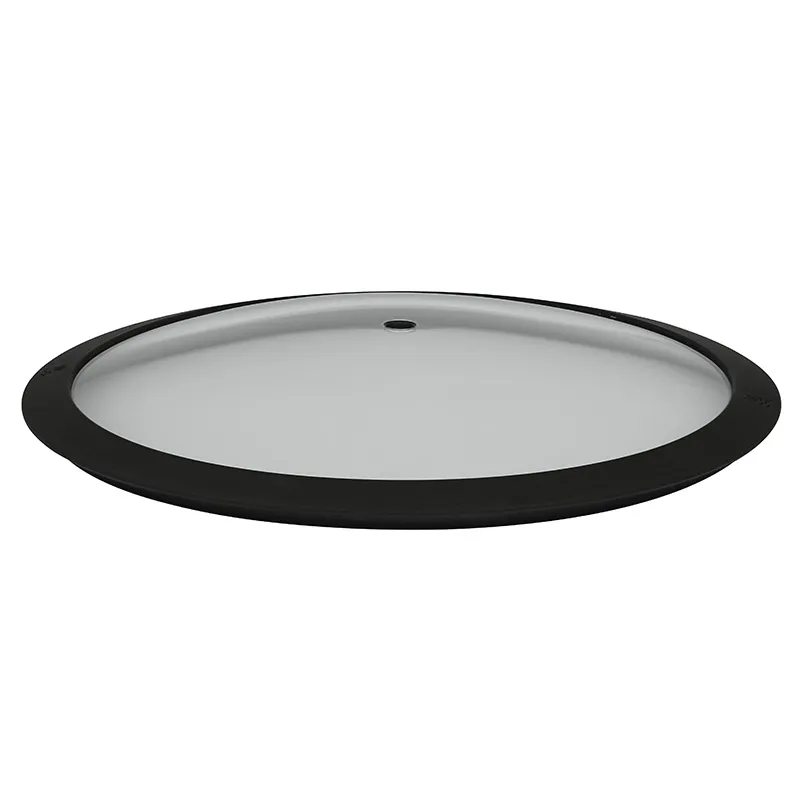
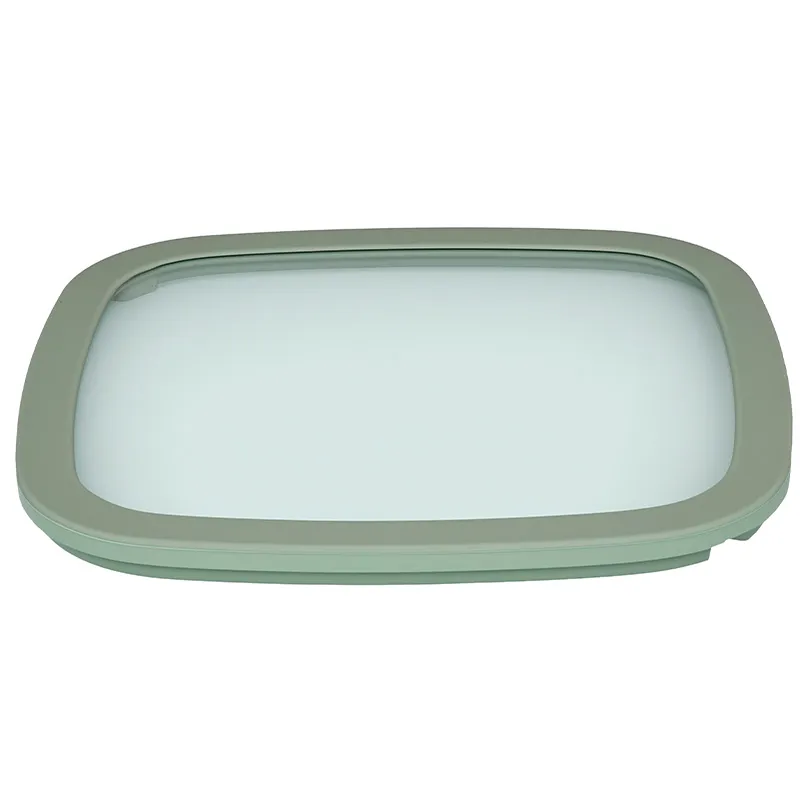
silicone glass lid made in China
When you hear 'silicone glass lid made in China', the immediate thought for many buyers, especially those new to sourcing, is often about rock-bottom prices and questionable durability. That's a starting point, but it's also where the misconceptions begin. The reality on the factory floor and in quality control labs is far more nuanced, and the price spread tells only a fraction of the story.
The Core Material: It's Never Just Silicone
Let's get specific. The term 'food-grade silicone' is thrown around loosely. In practice, for a lid that needs to withstand dishwasher cycles, oven heat (within a range, usually up to 220°C), and repeated flexing without tearing, the compound matters immensely. I've seen batches where the silicone glass lid rim turned chalky or slightly sticky after a few months—a classic sign of filler-heavy, low-cost silicone compounds. The good suppliers, and there are several, use peroxide-cured or platinum-cured silicone. The difference isn't just in specs; you can feel it. The better material has a denser, smoother texture and snaps back to shape instantly.
Then there's the bonding. The silicone gasket is typically bonded to the tempered glass under high heat and pressure. A weak bond is a critical failure point. I recall a shipment for a European client where we had a 3% failure rate in their lab tests—the silicone peeled back under torque testing. The root cause? An inconsistency in the glass surface treatment prior to bonding. The factory had switched cleaning agents and didn't adjust the process. It's these minute process controls that separate adequate from reliable.
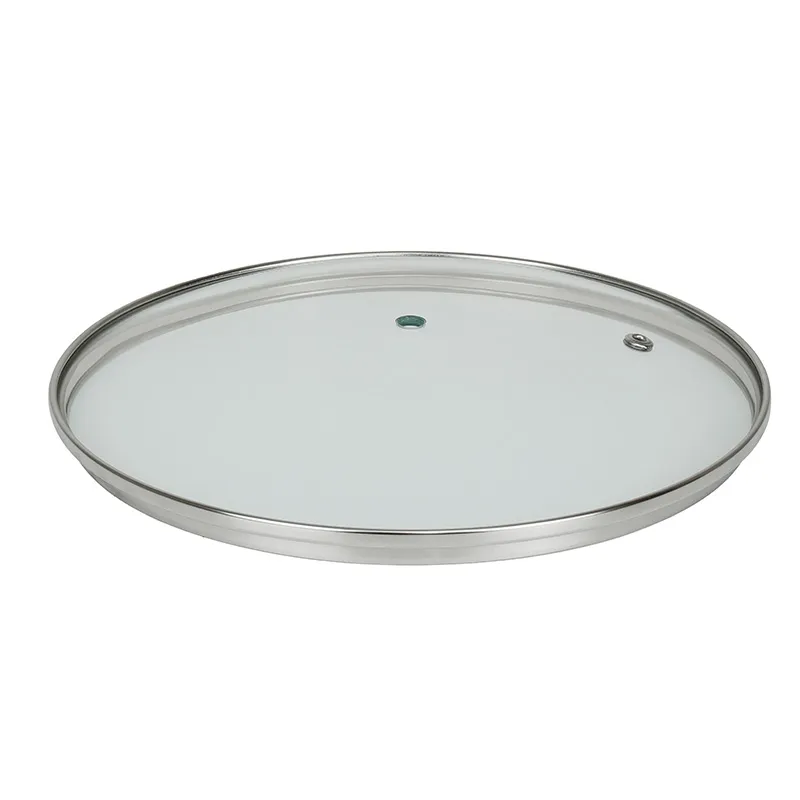
Glass quality is the other half. It must be tempered, obviously. But the edge grinding and polishing are tell-tale signs. A poorly finished edge feels sharp under the silicone, and over time, it can stress the bond. For high-volume producers, this step is often automated, but the maintenance of the grinding wheels dictates consistency. A factory visit is telling: listen for the consistent hum of the polishing line, not sporadic bangs.
Manufacturing Scale and Export Realities
This brings me to scale. The landscape is bifurcated. You have large, integrated manufacturers whose entire operation is built around glass and silicone glass lid assemblies for export. They often own the tempering furnaces and molding for silicone. Then you have smaller workshops that buy pre-tempered glass blanks and source silicone gaskets, focusing on assembly. For consistent, large-volume orders, the former is the only viable path.
Consider a company like EUR-ASIA COOKWARE CO.,LTD (https://www.glass-lid.com). Their profile is typical of a serious export player. A dedicated production base in Shandong's high-tech zone, 15,000 sqm of building space, and an annual output targeting 15 million pieces—these numbers signal capacity for OEM/ODM contracts. The fact that over 90% goes to markets like Germany, Italy, and Japan isn't a marketing fluff; it's a testament to their process meeting recurring international compliance checks (LFGB, FDA). They're not just making lids; they're running a system calibrated for export documentation and batch traceability.
Working with such a factory versus a smaller assembler changes the dynamic. The lead time might be longer, but the technical response is different. When we raised an issue about condensation drip patterns with a certain lid design, their engineering team proposed and prototyped three different inner-channel designs for the silicone rim within two weeks. A smaller unit would likely have just offered a different existing model.
The Design Nuances Most Spec Sheets Miss
Design details are where the user experience is won or lost, and they're rarely on the standard spec sheet. The handle is one. Is it a single-piece silicone overmold, or is it a separate piece glued on? The former is more durable. The vent hole—if present—is another. Is it a simple cut-out in the silicone, or does it have a raised, directional lip to control steam? The latter is a sign of thoughtful design.
Stackability is a huge logistical point for retailers. A well-designed glass lid will nest securely within another of the same size without the silicone rims locking. I've seen containers full of lids arrive at a warehouse, and the cost of manually un-sticking them is non-trivial. It sounds minor, but it's a point you only learn to specify after a painful experience.
Color consistency for the silicone is another hidden challenge. Pantone matching is one thing, but silicone color can shift slightly between curing batches. For a brand, receiving one shipment with lids in a slightly muted red and the next in a vibrant one is a problem. The solution often lies in agreeing on a wider acceptable color range with the factory upfront or opting for more stable, often darker, colors.
Quality Assurance: Beyond the Sample
The sample is perfect; the production run is where the truth emerges. A reliable factory's QA isn't just a final inspection. It should be in-process. For silicone glass lids, key checkpoints include: bond strength testing (a peel test), thermal shock testing (moving from boiling water to ice water), and dishwasher cycle simulation. The best visits I've had involved walking the line and seeing random units pulled for these tests every hour, with results logged.
Failure analysis is crucial. A good partner, like the aforementioned EUR-ASIA COOKWARE, which specializes in household glass products, will have a lab to do this. When we encountered sporadic glass breakage during drop tests, their report didn't just say impact breakage. It pointed to a specific stress pattern originating from a minor asymmetry in the rim channel of the injection mold, causing uneven pressure on the glass during cooling. That's actionable intelligence.
Documentation is part of QA. A professional shipment should include not just a generic Certificate of Compliance, but test reports for the specific batch, often from an in-house or third-party lab, covering heavy metals migration and overall safety. This is non-negotiable for the European and North American markets.
Sourcing Strategy: Finding the Right Fit
So, how do you navigate this? Made in China for this product category isn't a monolith. Your sourcing strategy must align with your brand's position. Are you a retailer needing 50,000 units of a standard size with your logo? A large export-focused factory is efficient. Need a highly customized, small-batch innovative design for a niche market? You might work with a smaller, more flexible specialist, but you'll need to invest significantly more time in on-ground quality monitoring.
Price breakdowns are enlightening. The cost isn't just material (glass, silicone) + labor. It includes mold amortization (especially for custom silicone shapes), the QA overhead, and the compliance certification costs. A factory quoting 20% less for an identical spec is almost certainly cutting corners in one of these less visible areas.
Ultimately, a successful silicone glass lid sourcing project hinges on treating the factory as a partner in problem-solving, not just a vendor. It's about sharing the full use-case requirements—will it be used primarily on stainless steel pots? Ceramic casseroles?—and being transparent about quality expectations. The robust producers in China expect and respect this dialogue. The final product that performs reliably for years on a consumer's cookware starts with that detailed, sometimes gritty, conversation on the factory floor.
Related Products
Related Products