- Chinese
- French
- German
- Portuguese
- Spanish
- Russian
- Japanese
- Korean
- Arabic
- Irish
- Greek
- Turkish
- Italian
- Danish
- Romanian
- Indonesian
- Czech
- Afrikaans
- Swedish
- Polish
- Basque
- Catalan
- Esperanto
- Hindi
- Lao
- Albanian
- Amharic
- Armenian
- Azerbaijani
- Belarusian
- Bengali
- Bosnian
- Bulgarian
- Cebuano
- Chichewa
- Corsican
- Croatian
- Dutch
- Estonian
- Filipino
- Finnish
- Frisian
- Galician
- Georgian
- Gujarati
- Haitian
- Hausa
- Hawaiian
- Hebrew
- Hmong
- Hungarian
- Icelandic
- Igbo
- Javanese
- Kannada
- Kazakh
- Khmer
- Kurdish
- Kyrgyz
- Latin
- Latvian
- Lithuanian
- Luxembou..
- Macedonian
- Malagasy
- Malay
- Malayalam
- Maltese
- Maori
- Marathi
- Mongolian
- Burmese
- Nepali
- Norwegian
- Pashto
- Persian
- Punjabi
- Serbian
- Sesotho
- Sinhala
- Slovak
- Slovenian
- Somali
- Samoan
- Scots Gaelic
- Shona
- Sindhi
- Sundanese
- Swahili
- Tajik
- Tamil
- Telugu
- Thai
- Ukrainian
- Urdu
- Uzbek
- Vietnamese
- Welsh
- Xhosa
- Yiddish
- Yoruba
- Zulu
- Kinyarwanda
- Tatar
- Oriya
- Turkmen
- Uyghur


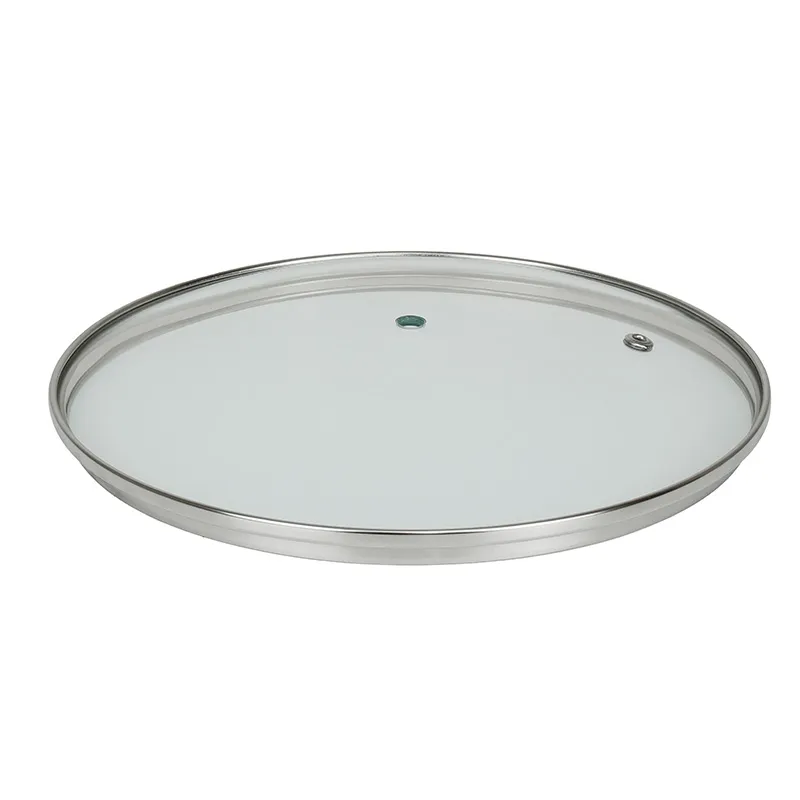
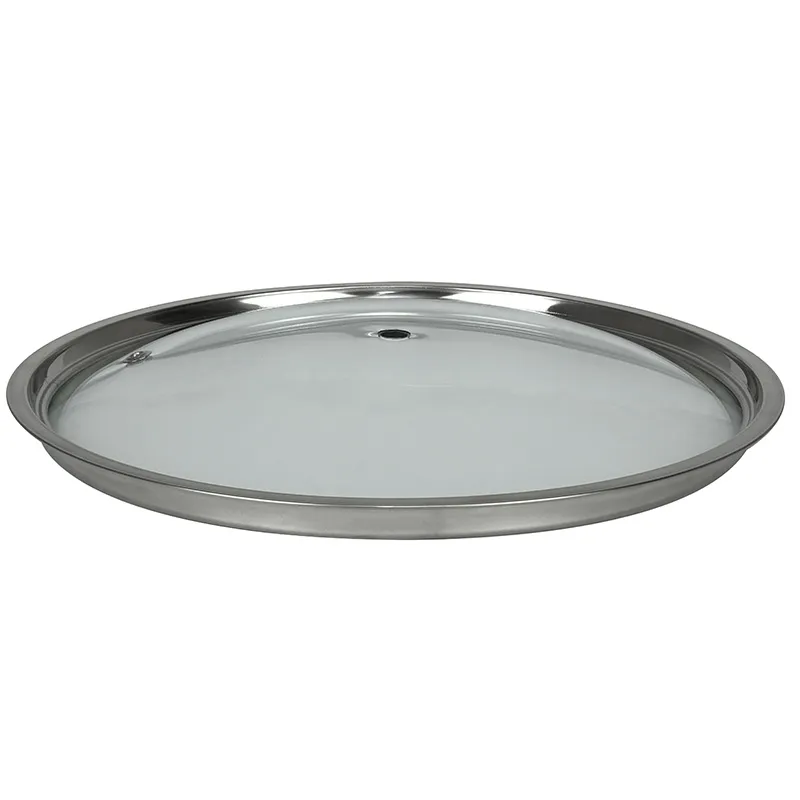
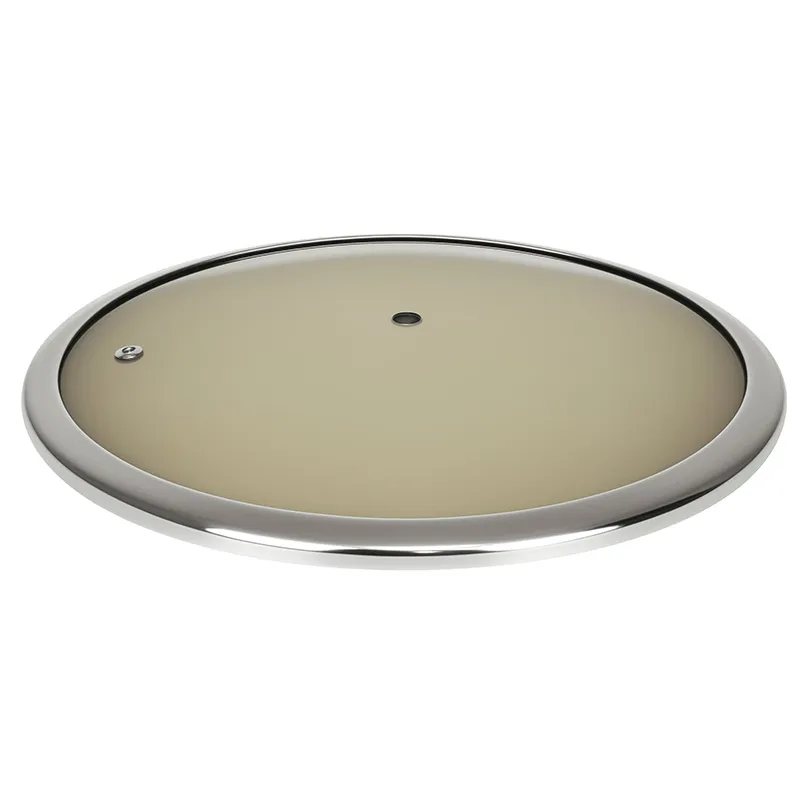
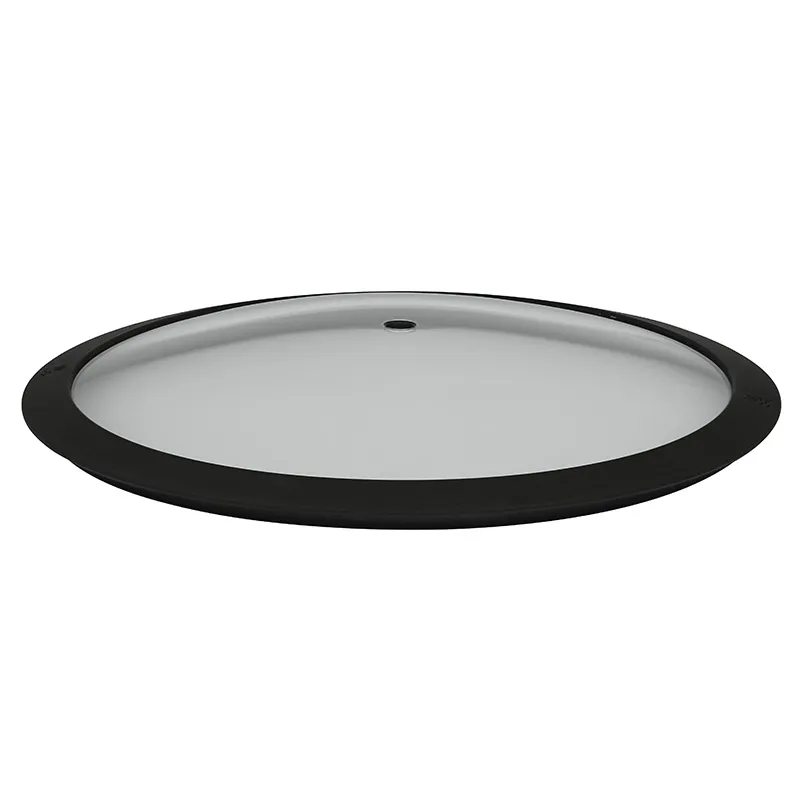
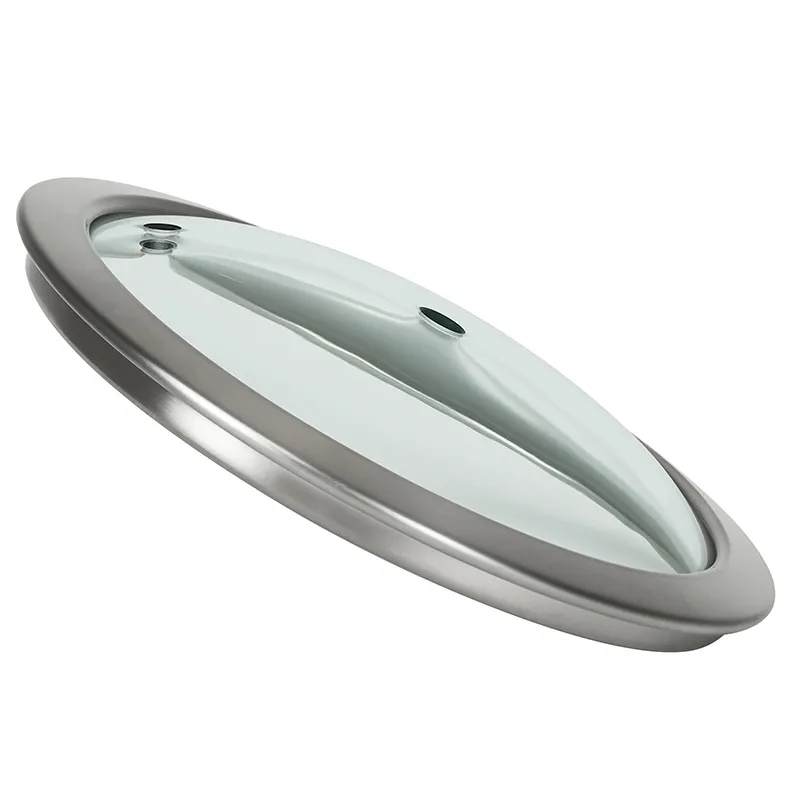
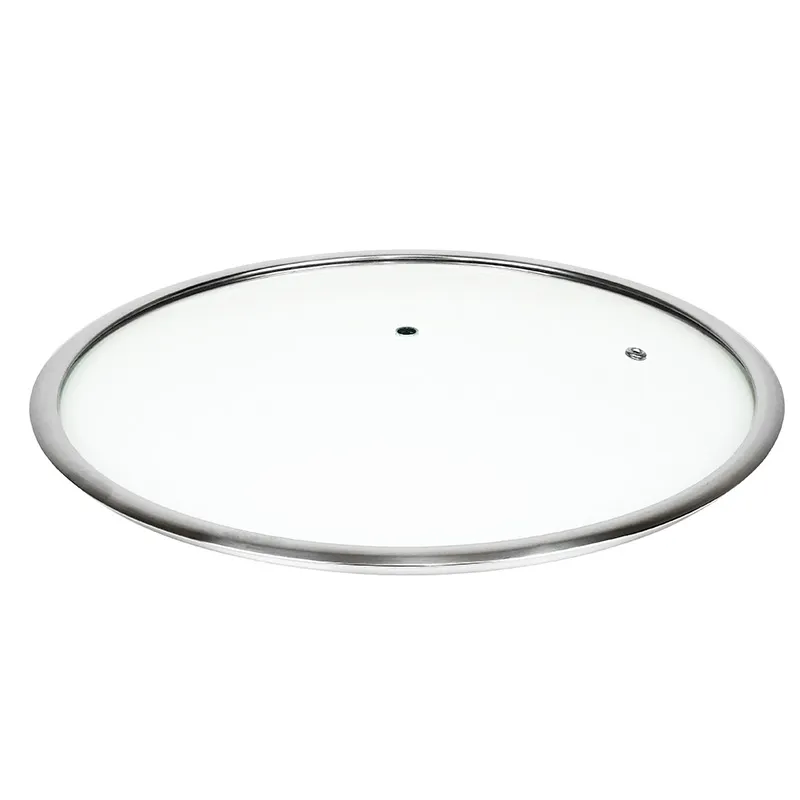
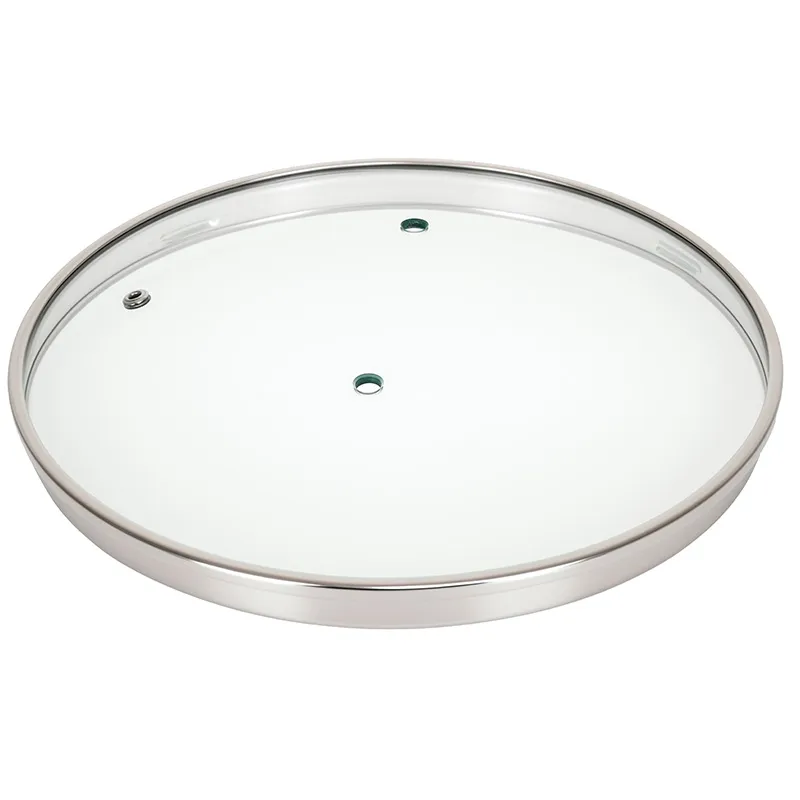
silicone glass lid manufacturer
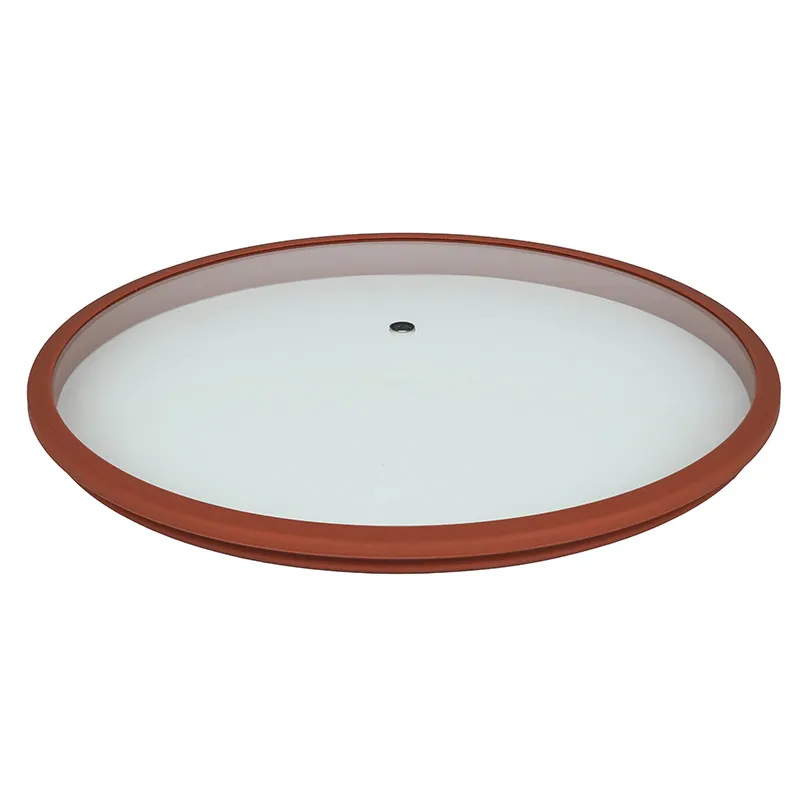
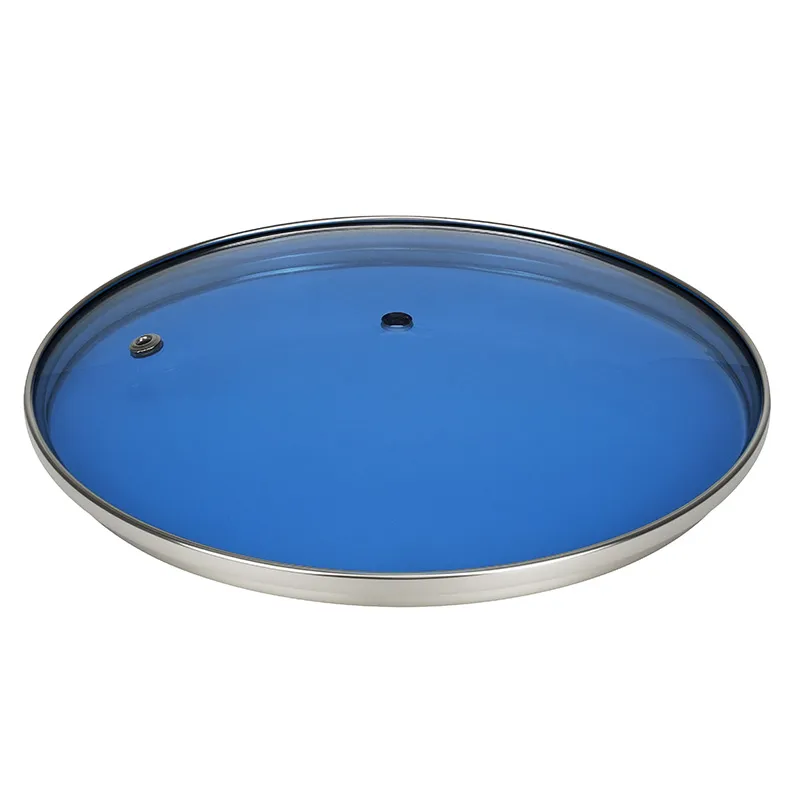
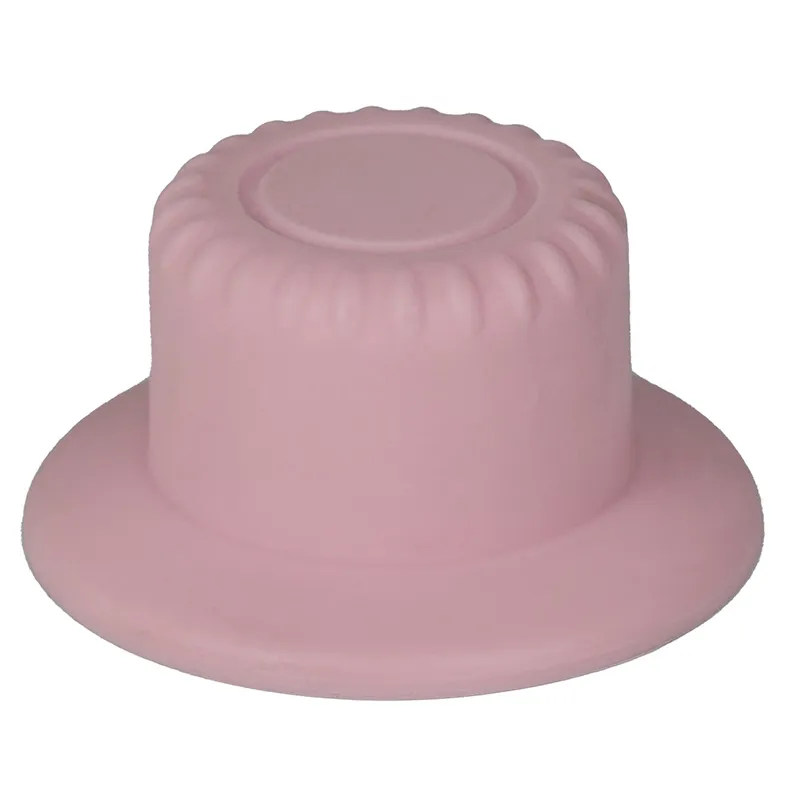
When you hear 'silicone glass lid manufacturer', most minds jump straight to the glass—the tempering, the clarity, the cut. That's the first mistake. The real story, the part that determines whether a lid sits quietly or rattles annoyingly on a pot for years, is in the silicone. Specifically, it's in the compound formulation and the precision of that gasket application. I've seen too many projects stumble by treating the silicone component as an afterthought, a simple 'seal' to be sourced cheaply. The truth is, a manufacturer's capability is often defined right there, at the seam between glass and polymer.
The Core Misconception: It's Just a Seal
Early on, I made the same error. We sourced beautiful, perfectly tempered glass panels from a reputable factory. Their specs were impeccable. Then we paired them with a generic food-grade silicone gasket from a general rubber supplier. The result? Lids that either fit too loosely, creating that infuriating spin and steam leak, or were so tight they required two hands to pry off. The failure wasn't in the glass; it was in the assumption that any silicone ring would do. The silicone glass lid manufacturer worth their salt doesn't assemble parts; they engineer an interface. The durometer (hardness), the cross-section design (often a custom profile, not just a round cord), and the bonding process are where the magic—or the misery—happens.
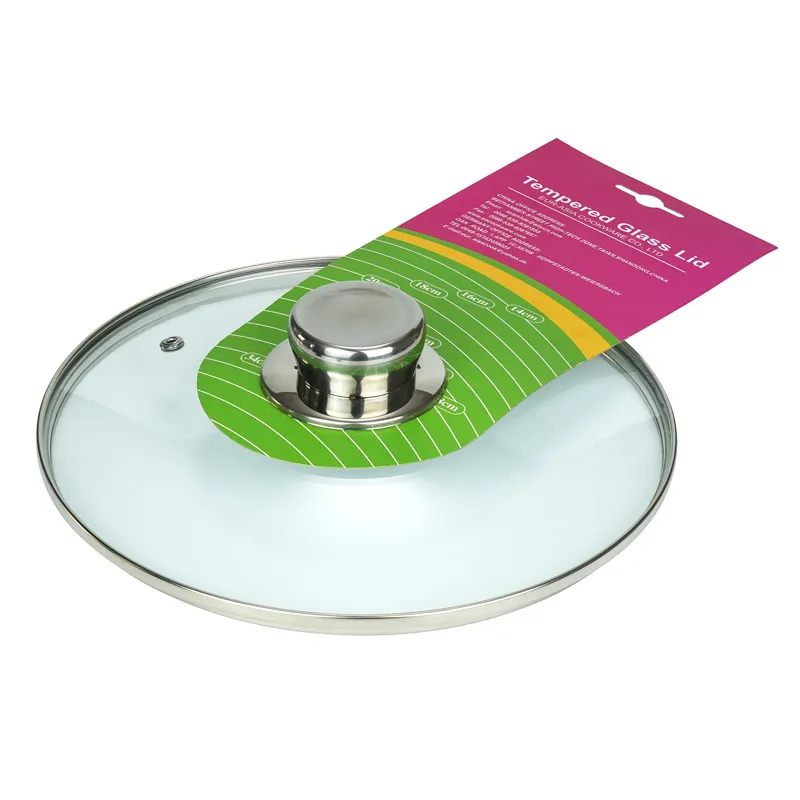
This is why a specialized producer like EUR-ASIA COOKWARE CO.,LTD. stands out. Visiting their facility, you notice the focus isn't split. Their production base in Taian's High-tech Zone is set up for vertical integration. They aren't just buying glass and buying gaskets; they're controlling the marriage. The 15 million annual output figure isn't just volume; it's a testament to a refined, repeatable process for this specific hybrid product. For their export markets in Germany, Japan, and Brazil—places with stringent consumer expectations—this consistency is non-negotiable.
The bonding adhesive is another silent hero. It must withstand dishwasher detergents, high heat from the oven or stovetop, and the mechanical stress of constant removal. A weak bond leads to the gasket peeling back at the corners, a surefire return reason. We learned this through a batch that failed after 50 dishwasher cycles. The glass was fine, the silicone was fine, but the adhesive layer degraded. A true manufacturer tests this system, not just the components.
Glass as a Substrate: More Than Just Cutting Circles
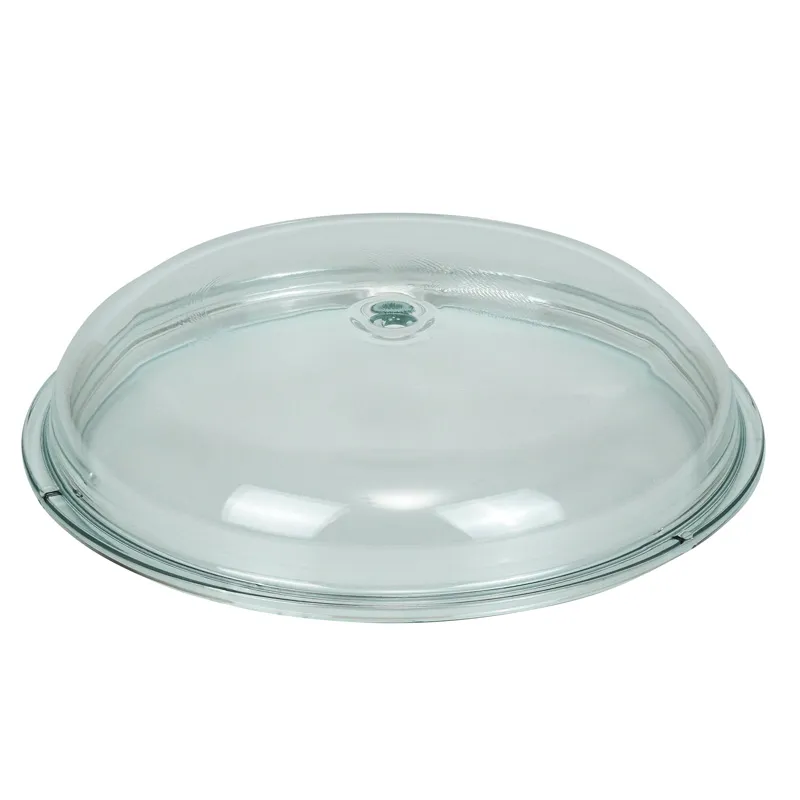
Of course, the glass isn't passive. But the key for lids isn't just about being 'tempered safety glass'. It's about flatness. A slightly bowed glass panel, even if tempered to standard, will never create a uniform seal. The tempering process itself can induce stress that warps the piece. A proper silicone glass lid manufacturer will have stringent flatness tolerances checked not just on samples, but on a high percentage of the production run. This is a capital-intensive quality control step many cut corners on.
Edge work is another subtle differentiator. The grinding and polishing of the glass perimeter before silicone application affects both safety and the final aesthetic. A rough edge can abrade the silicone over time or feel cheap to the touch. EUR-ASIA's focus on household glass products across low to high tiers means they have the grinding and polishing lines calibrated for this. It's not artisan-level, but it's consistent and fit-for-purpose, which is what large-scale retail buyers need.
Then there's the handle. Whether it's a stainless steel knob, a phenolic resin handle, or a silicone-over-glass tab, its attachment is a critical stress point. The mechanical fixation (often a bolt and nut) must pass through the glass and seal without creating a micro-fracture or a leak path. I recall a supplier who used a metal bolt directly against glass, without a proper insulating bushing. Thermal expansion differences caused spider-web cracks around the bolt hole after limited use. The solution was a simple nylon sleeve, but it required forethought.
The Export Reality: Compliance as a Filter
Their export list—Germany, Russia, Italy, Japan, etc.—isn't just a sales brochure line. It's a direct indicator of compliance capability. A lid sold in the EU needs to meet not only general food contact regulations (EU 10/2011 for plastics, which covers the silicone) but also specific heavy metal release standards for the glass (like from the ceramic printing on the lid, if any). The silicone formulation must be free of peroxides or other curing agents that could leach. A manufacturer serving these markets has already navigated this maze. It acts as a natural filter; if they're consistently shipping to Poland or Switzerland, their material sourcing and documentation are likely in order.
This is a huge, often hidden, value. For an importer, vetting a new silicone glass lid manufacturer on material safety alone is a monumental task. You're essentially relying on their supply chain integrity. Seeing a long-term export footprint to regulated economies is the first real due diligence checkpoint. It suggests they have managed to source consistent, compliant raw materials—no small feat in the silicone compound market, where fillers and plasticizers can vary wildly.
Logistics also play into design. Lids for export are often nested in specific ways to maximize container load and minimize breakage. The design of the silicone gasket can affect this—a very protruding gasket might prevent tight nesting. A good manufacturer will have optimized this, sometimes offering a slightly recessed gasket design specifically for long-haul shipping. It's these unglamorous, practical adaptations that separate a catalog supplier from a real partner.
Failure as a Teacher: The Warping Incident
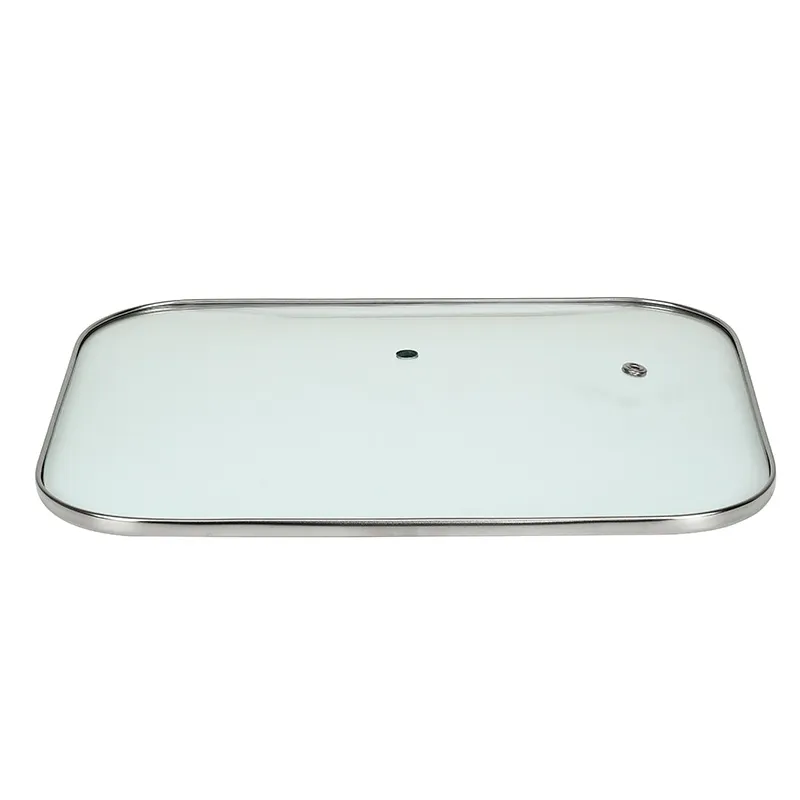
Let me share a concrete failure. We once developed a large, rectangular lid for a roasting pan. The glass was thick, tempered beautifully. The silicone gasket was a standard one we'd used on round lids. In testing, it seemed fine. But in full production, a significant percentage of the lids developed a pronounced warp after the first few oven uses. Not enough to break, but enough to ruin the seal.
The post-mortem was revealing. The rectangular shape had uneven thermal mass distribution. The long sides heated and expanded differently than the short sides during the tempering process, creating latent stress. The silicone gasket, being uniformly applied around the perimeter, actually constrained the glass from relaxing uniformly when reheated in the consumer's oven. We hadn't specified a gasket with varying cross-section or durometer to accommodate the different stress points on the rectangle. The manufacturer, at the time, didn't flag it—they just executed the print. Now I know to ask: How does your gasket design account for shape-induced thermal stress? It's a question that reveals depth.
This is where a manufacturer's engineering input is crucial. A shop that just says yes to any drawing is a liability. One that might push back and suggest, For this oblong shape, we should use a softer compound on the long sides, or Let's adjust the tempering cycle for this aspect ratio, is providing real value. It turns a transaction into collaboration.
Looking at the Whole: The Kitchen Ecosystem
Finally, it's worth remembering that a lid never exists in isolation. It's part of a cookware system. The best manufacturers understand this context. Is the lid meant for a specific brand of pots? If so, the inner diameter of the silicone seal and the 'drop-in' height are critical. There's a tolerance stack-up between the pot's rim and the lid's seal. Getting this wrong by half a millimeter means the lid is either unstable or doesn't seal.
Companies like EUR-ASIA, which produce a range of kitchen accessories, likely have more experience with this ecosystem thinking. They're not just making a standalone product; they're making a component that must interoperate. Their experience in producing for diverse global brands means they've had to adapt to countless rim profiles—from the heavy, rolled rims common in European cookware to the lighter, laser-welded rims found elsewhere.
So, when evaluating a silicone glass lid manufacturer, don't just ask for a sample lid. Ask for a sample lid fitted onto the specific pot or pan you intend to use it with. Test the seal with water, test the stability with a slight sideways nudge. Listen for the sound it makes when placed—a solid, low-frequency 'thud' is good; a high-pitched 'clack' often means poor contact. These are the real-world checks that move beyond datasheets and into the realm of reliable performance. That's the mark of a manufacturer who has moved past simply fabricating parts and into solving the actual, mundane, but crucial problem of keeping heat and moisture in a pot.
Related Products
Related Products