- Chinese
- French
- German
- Portuguese
- Spanish
- Russian
- Japanese
- Korean
- Arabic
- Irish
- Greek
- Turkish
- Italian
- Danish
- Romanian
- Indonesian
- Czech
- Afrikaans
- Swedish
- Polish
- Basque
- Catalan
- Esperanto
- Hindi
- Lao
- Albanian
- Amharic
- Armenian
- Azerbaijani
- Belarusian
- Bengali
- Bosnian
- Bulgarian
- Cebuano
- Chichewa
- Corsican
- Croatian
- Dutch
- Estonian
- Filipino
- Finnish
- Frisian
- Galician
- Georgian
- Gujarati
- Haitian
- Hausa
- Hawaiian
- Hebrew
- Hmong
- Hungarian
- Icelandic
- Igbo
- Javanese
- Kannada
- Kazakh
- Khmer
- Kurdish
- Kyrgyz
- Latin
- Latvian
- Lithuanian
- Luxembou..
- Macedonian
- Malagasy
- Malay
- Malayalam
- Maltese
- Maori
- Marathi
- Mongolian
- Burmese
- Nepali
- Norwegian
- Pashto
- Persian
- Punjabi
- Serbian
- Sesotho
- Sinhala
- Slovak
- Slovenian
- Somali
- Samoan
- Scots Gaelic
- Shona
- Sindhi
- Sundanese
- Swahili
- Tajik
- Tamil
- Telugu
- Thai
- Ukrainian
- Urdu
- Uzbek
- Vietnamese
- Welsh
- Xhosa
- Yiddish
- Yoruba
- Zulu
- Kinyarwanda
- Tatar
- Oriya
- Turkmen
- Uyghur


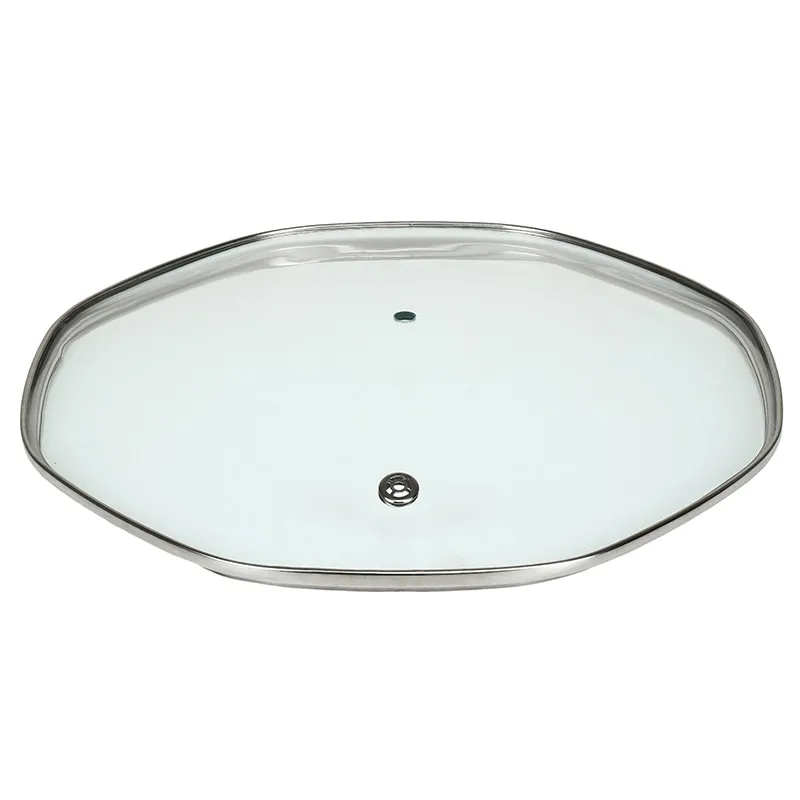
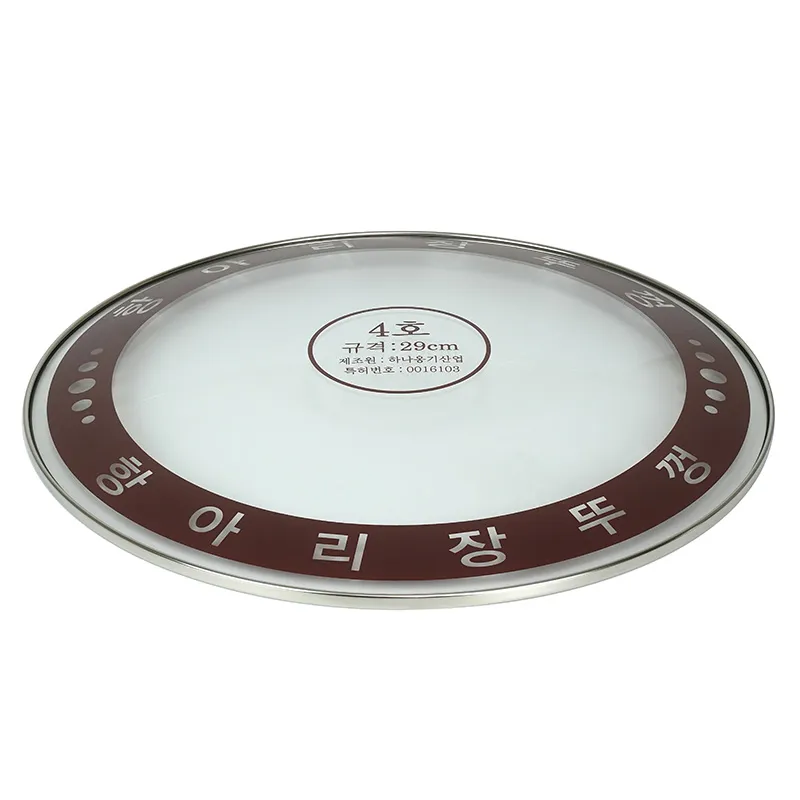
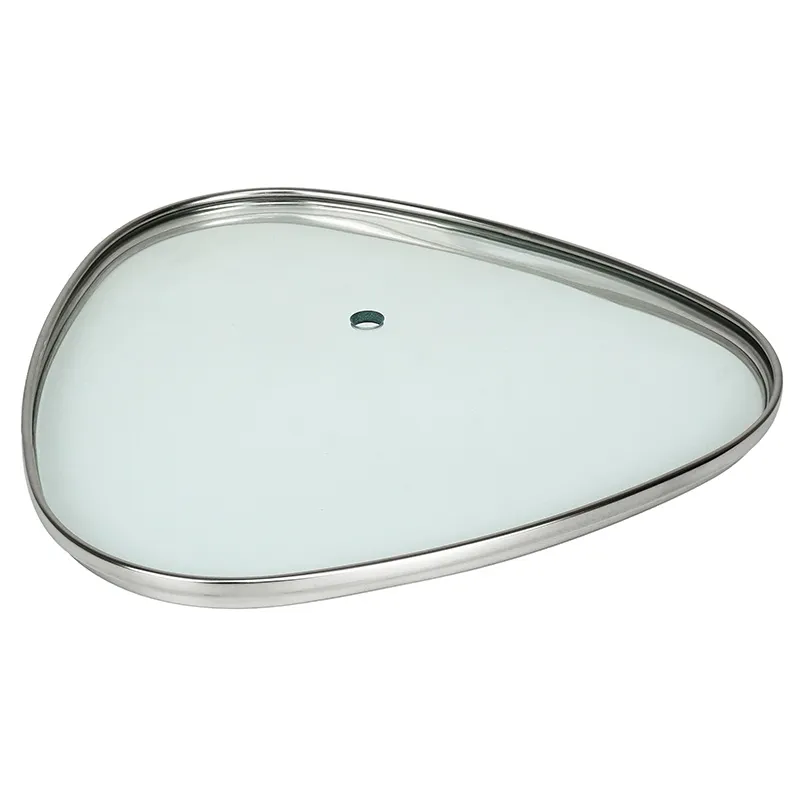
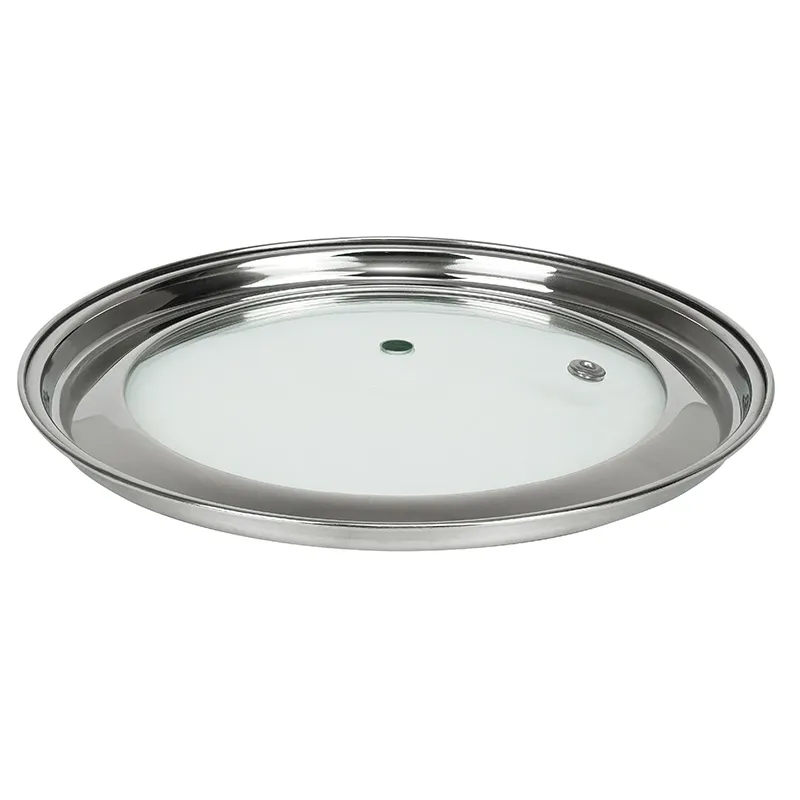
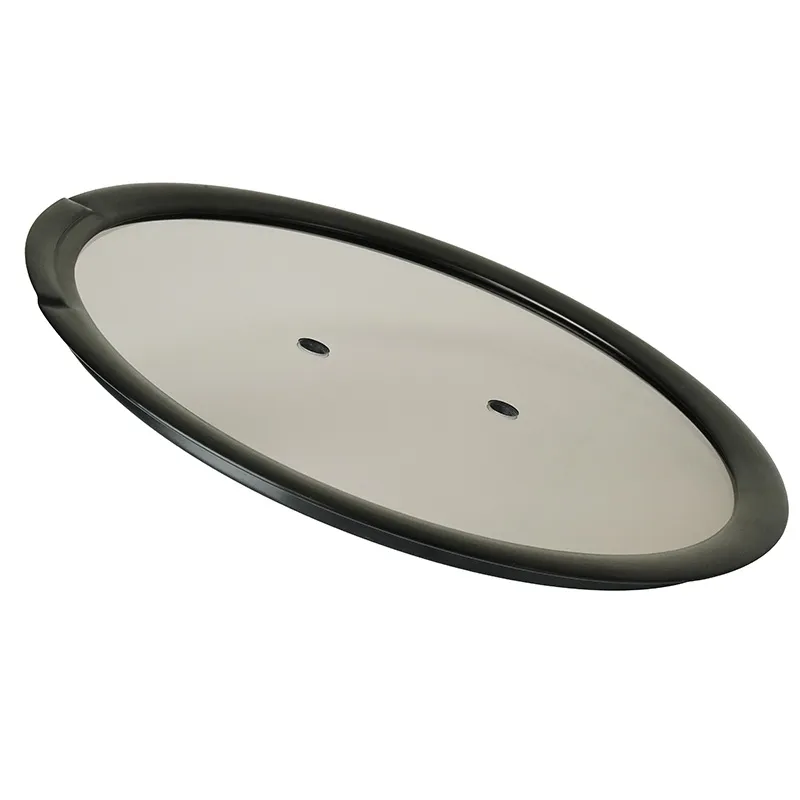
silicone glass lid manufacturer in China
When you start digging into 'silicone glass lid manufacturer in China', the immediate assumption is often that it's a crowded, commoditized market where everyone does the same thing. That's the first misconception. In reality, the specialization is deep, and the difference between a supplier that can deliver for a European supermarket chain and one that can't often comes down to nuances in material formulation, tempering processes, and that critical silicone-to-glass seal. It's not just about making a lid; it's about engineering a component that withstands thermal shock, maintains a seal through countless dishwasher cycles, and meets a dozen different international safety standards. I've seen buyers get burned by focusing solely on the FOB price from Alibaba, only to face a nightmare of returns when the silicone bonding fails after six months.
The Core of Manufacturing: More Than Just Assembly
The heart of a good silicone glass lid isn't the glass or the silicone alone—it's the interface. The bonding process is where many factories cut corners. A proper high-temperature vulcanization bonding, using food-grade adhesive, is non-negotiable for durability. I recall visiting facilities where they were still using a simpler room-temperature vulcanization for some lines because it was faster, but the bond would degrade under repeated steam exposure. You have to ask specifically about their bonding method. A manufacturer worth its salt will have a dedicated, climate-controlled area for this process, not just a corner of the assembly line.
Then there's the glass itself. Tempered is standard, but the quality of the tempering oven and the annealing process dictates the failure rate. A lid that explodes in a sink from minor thermal stress is a liability. I've had samples from seemingly reputable vendors that showed stress patterns under a polariscope, indicating poor tempering. This is why visiting the production base, like the one EUR-ASIA COOKWARE operates in Taian, Shandong, matters. Seeing their capacity—an annual output of over 15 million pieces of tempered glass—tells you about scale, but you need to scrutinize their quality control checkpoint for glass integrity before it even moves to the silicone station.
The silicone compound is another black box. Food-grade silicone is a baseline, but the specific polymer blend affects hardness (shore hardness), stain resistance, and colorfastness. A manufacturer that develops its own compounds or works closely with a reputable compounder has more control. The cheap, overly soft silicone that deforms and won't snap back? That often comes from buying the lowest-cost generic material on the market. For long-term partnerships, you need transparency on the silicone source.
Sourcing Realities and the Export Game
Most buyers searching for a silicone glass lid manufacturer are targeting export markets. This immediately narrows the field. A factory's export history is its resume. When you look at a company like EUR-ASIA COOKWARE CO.,LTD., with over 90% of products exported to Germany, France, Japan, and others, it signals an ingrained understanding of compliance—not just CE or FDA, but the specific retailer standards from chains like Lidl or Carrefour which can be more stringent than regulatory ones. They've likely navigated the nightmare of SVHC (Substance of Very High Concern) declarations under REACH for the EU market.
This export focus shapes the entire operation. Packaging, for instance. I've spent hours with logistics managers arguing about carton drop tests and palletization to prevent breakage during long sea voyages. A manufacturer experienced in exports will have optimized this. They'll also understand the importance of documentation—detailed packing lists, test reports on demand, and smooth communication for letters of credit. The difference between a smooth shipment and a stuck container often lies in these details.
However, a high export percentage doesn't automatically mean perfection for your project. Their main lines might be optimized for high-volume, standard items. If you need a custom diameter, an unusual silicone color, or a specific embossed logo, you're now testing their flexibility. This is where smaller runs can become problematic. You need to gauge their willingness and capability for custom tooling—the mold for the silicone gasket is a cost driver—and their MOQs. It's a negotiation between their efficiency and your requirements.
On the Ground: Assessing a Manufacturer's Depth
Let's talk about the physical plant. A website like https://www.glass-lid.com gives you the basics: 20,000㎡ area, 90+ employees. But what does that translate to on the ground? In my experience, the key departments to assess are: 1) The glass cutting and tempering workshop (is it automated cutting or manual? How many tempering ovens?), 2) The silicone molding and bonding area (how many presses? Is the bonding done in a clean environment?), and 3) The final assembly and QC station. Are they doing 100% leak testing or just spot checks? Do they have a dedicated lab for basic material checks?
The workforce composition is a subtle indicator. A stable, skilled workforce in a specialized zone like Taian's High-tech Development Zone often means better consistency. High employee turnover in assembly lines can lead to quality fluctuations. During visits, I always try to get a sense of morale and training. Are the workers on the bonding line following a clear SOP, or is it haphazard?
Another practical point is their upstream integration. Do they source cut glass from another local supplier, or do they control the process from the glass sheet? Do they mold their own silicone components? More control usually means better cost management and reliability in raw material shortages, but it also means higher fixed costs for them. For a buyer, a more vertically integrated manufacturer like EUR-ASIA, which specializes in household glass products, can offer more stability for long-term projects, as they're less vulnerable to supply chain hiccups in the glass or component market.
Common Pitfalls and Lessons Learned
One of the biggest pitfalls is not defining quality upfront. Is it purely about safety and function, or does it include cosmetic perfection? For glass, the acceptable level of inclusions (tiny bubbles) or minimal edge grinding marks needs to be agreed upon with samples and approved limits. I once had a shipment held up because the buyer's QC insisted on optical clarity rivaling drinking glasses, which is an unrealistic and costly standard for a pot lid. The lesson: align on AQL (Acceptable Quality Level) standards for critical, major, and minor defects before production begins.
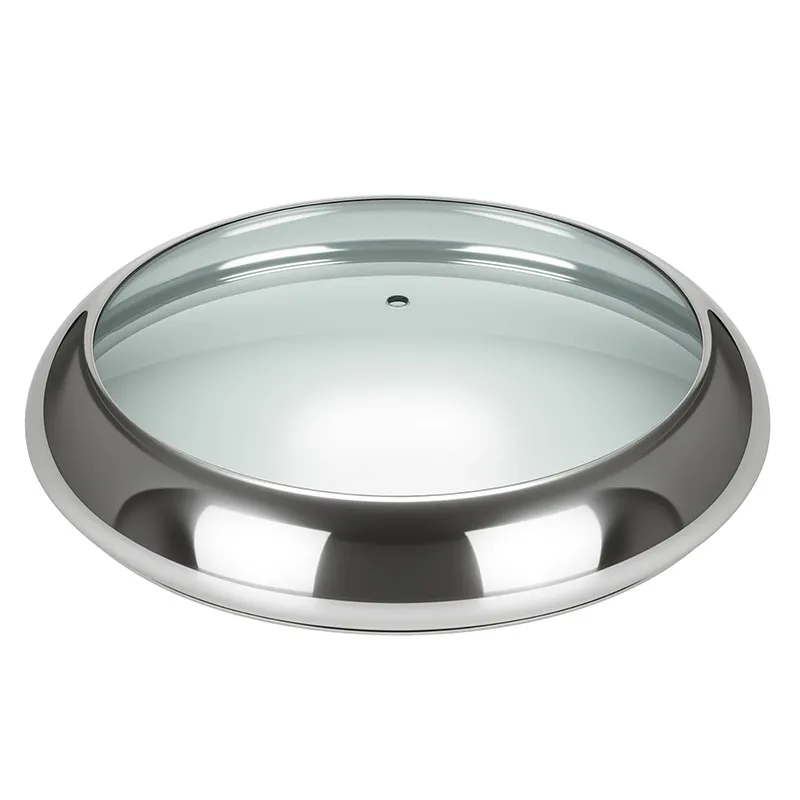
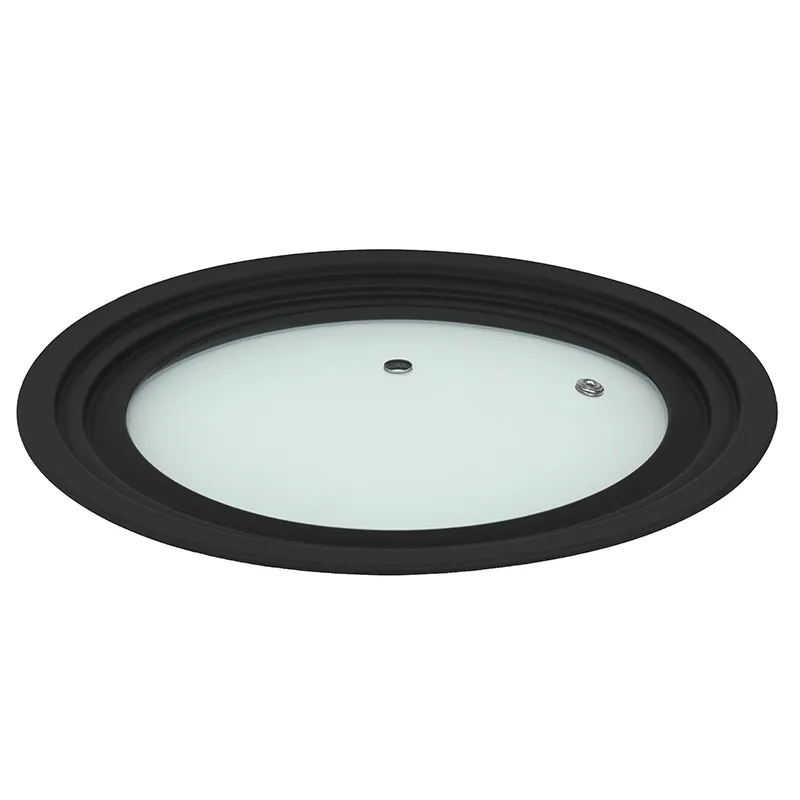
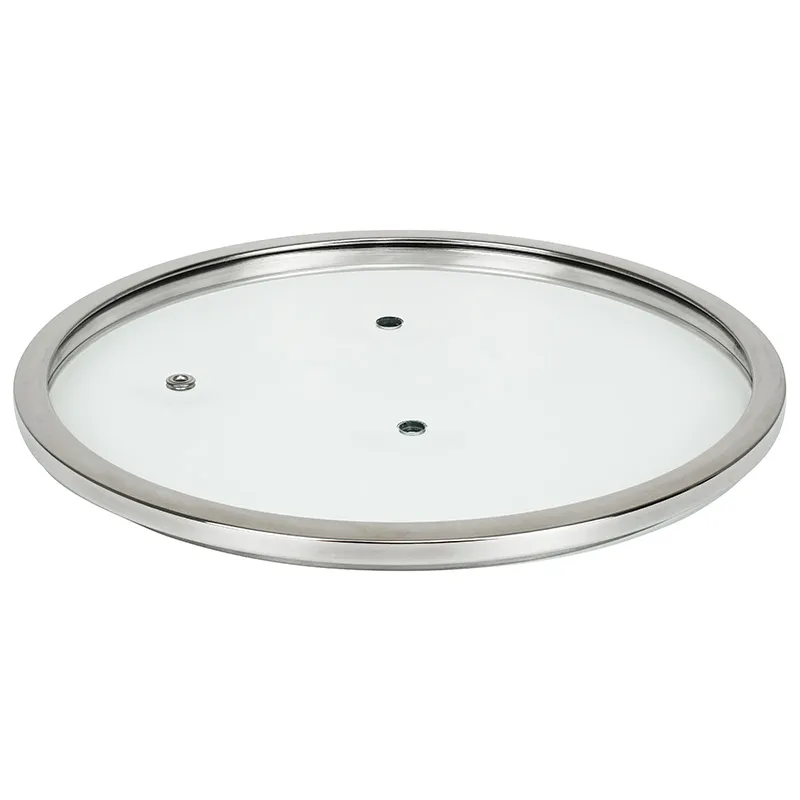
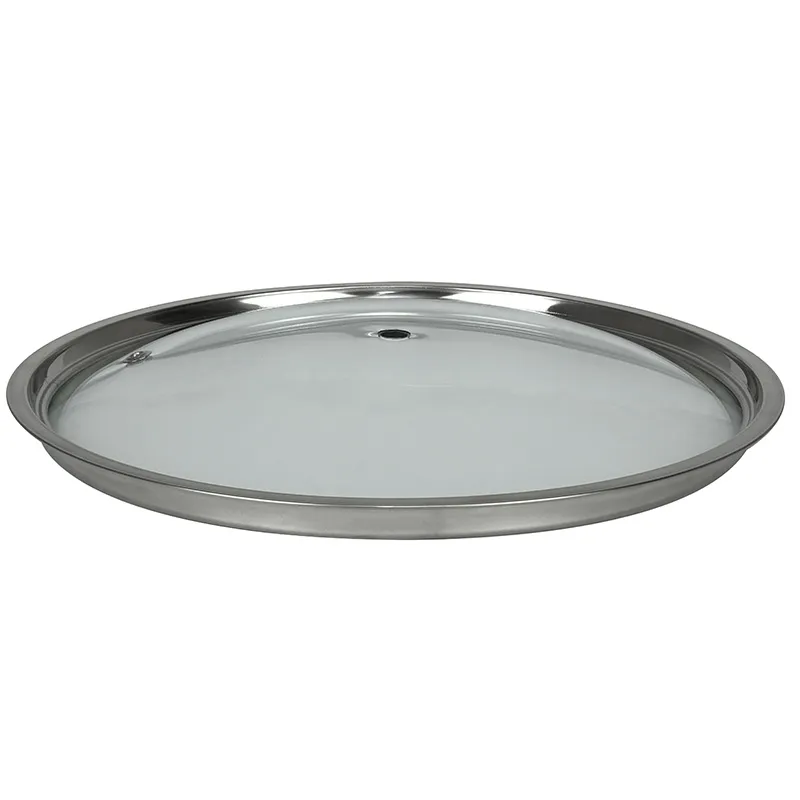
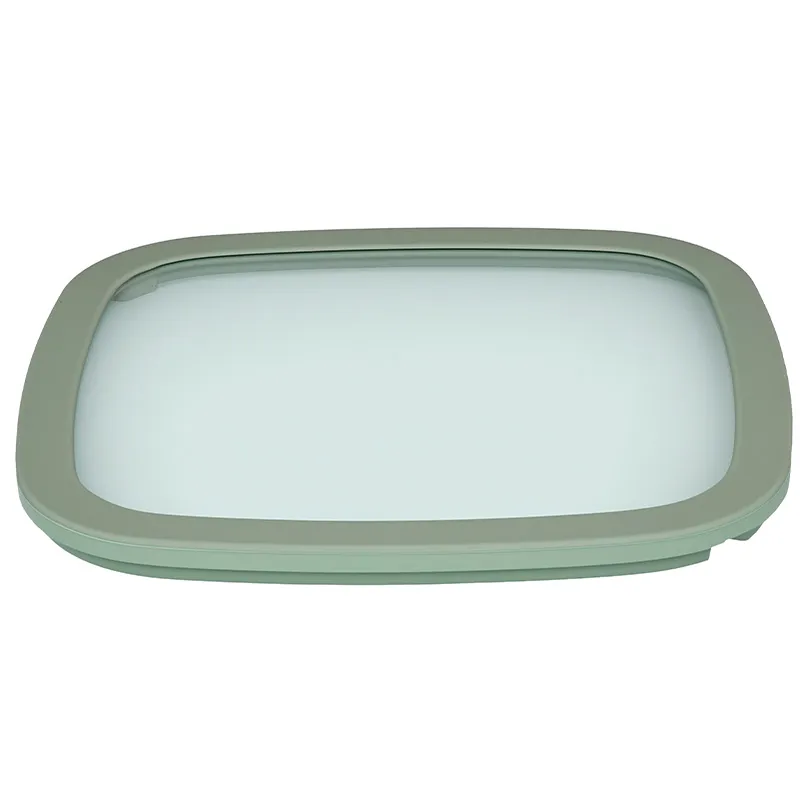
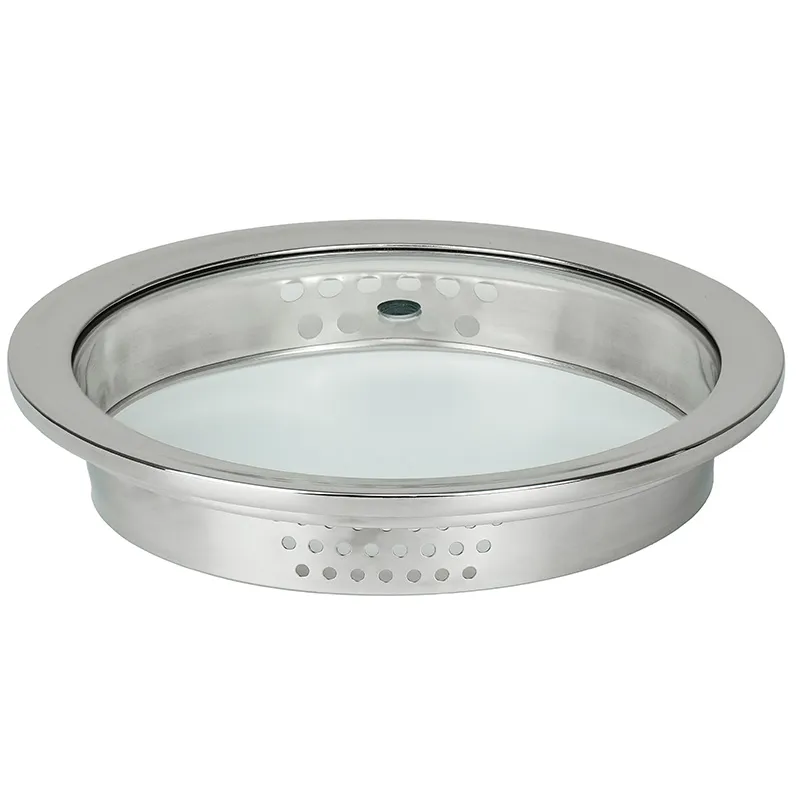
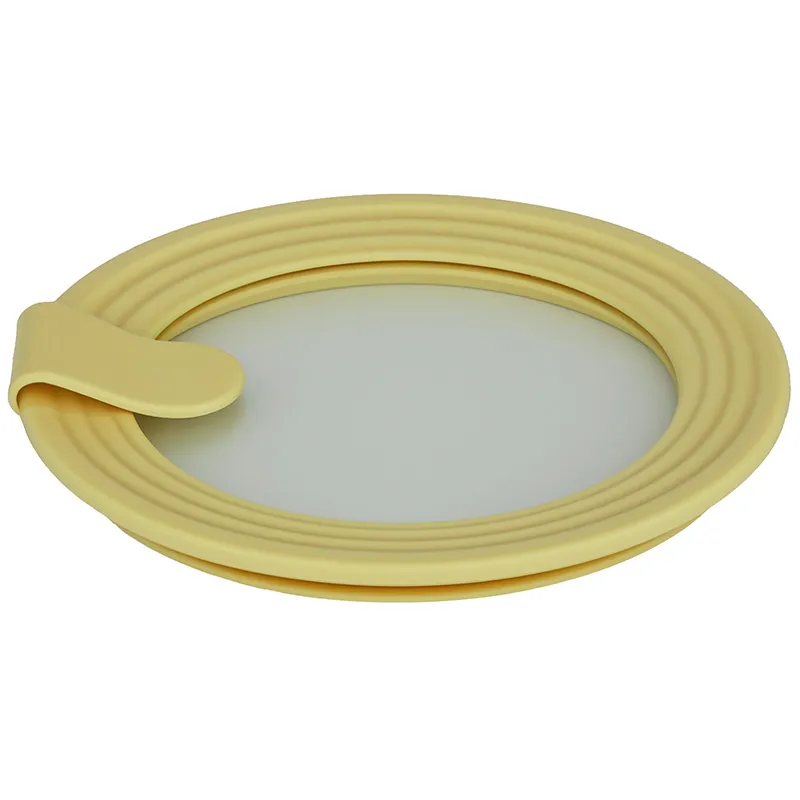
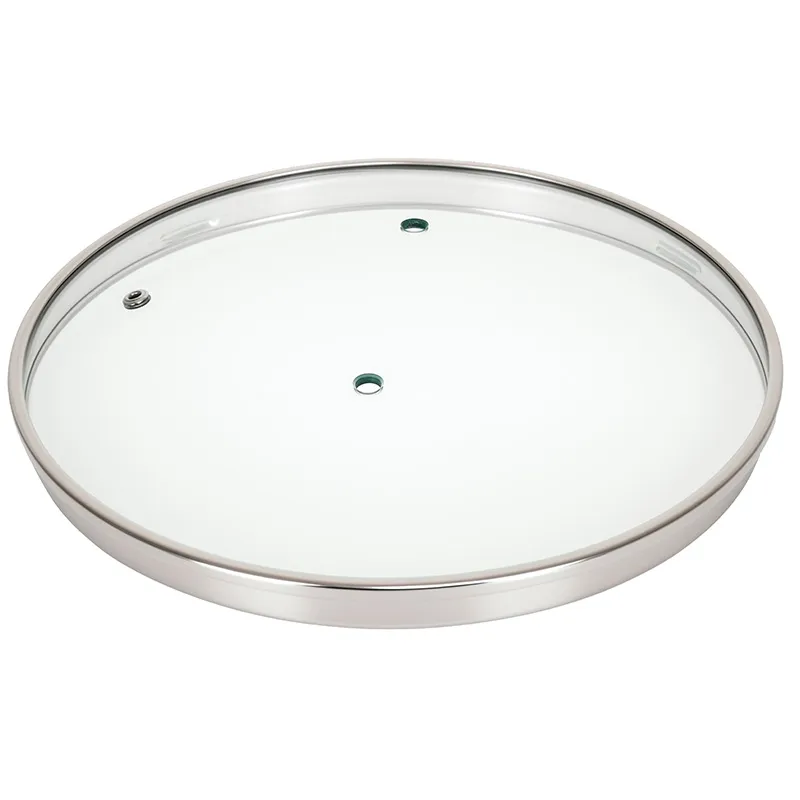
Communication breakdowns are endemic. The term silicone glass lid can mean different things: a full glass lid with a silicone rim, a glass lid with a stainless steel rim and silicone seal, or a glass insert within a silicone frame. Detailed technical drawings, 3D files, and signed-off physical prototypes are the only way to prevent costly mistakes. Assume nothing.
Finally, the failure of set and forget. Even with a reliable manufacturer in China, periodic audits and unannounced inspections during production runs are wise. Conditions change, management shifts, cost pressures mount. Maintaining a relationship and showing you are an engaged, professional partner encourages them to maintain your standards. It's not about mistrust; it's about shared responsibility for the product.
Looking Ahead: Sustainability and Customization
The conversation is slowly shifting. European importers are starting to ask about carbon footprint, recyclability of the materials, and sustainable packaging. A forward-thinking manufacturer will have answers or at least be exploring them. Can the silicone be separated from the glass for recycling? Is the packaging made from recycled cardboard? These aren't mainstream demands yet, but they're on the horizon and could become a differentiator.
Customization is also moving beyond logos and colors. We're seeing requests for integrated steam vents, locking mechanisms compatible with specific cookware lines, and even silicone handles with ergonomic designs. This pushes the manufacturer from being a pure OEM to a design and development partner. It requires a different level of engineering capability and willingness to invest in R&D.
So, when you're evaluating a silicone glass lid manufacturer in China, you're really judging their technical depth, process control, and adaptability. It's a specialized niche within the glass and housewares industry. The companies that thrive, like those with a solid export footprint and integrated production, understand that their product is a precision component for the global kitchen, not just a simple cover. The search starts with a keyword, but the selection ends with a deep dive into the gritty details of their factory floor.
Related Products
Related Products