- Chinese
- French
- German
- Portuguese
- Spanish
- Russian
- Japanese
- Korean
- Arabic
- Irish
- Greek
- Turkish
- Italian
- Danish
- Romanian
- Indonesian
- Czech
- Afrikaans
- Swedish
- Polish
- Basque
- Catalan
- Esperanto
- Hindi
- Lao
- Albanian
- Amharic
- Armenian
- Azerbaijani
- Belarusian
- Bengali
- Bosnian
- Bulgarian
- Cebuano
- Chichewa
- Corsican
- Croatian
- Dutch
- Estonian
- Filipino
- Finnish
- Frisian
- Galician
- Georgian
- Gujarati
- Haitian
- Hausa
- Hawaiian
- Hebrew
- Hmong
- Hungarian
- Icelandic
- Igbo
- Javanese
- Kannada
- Kazakh
- Khmer
- Kurdish
- Kyrgyz
- Latin
- Latvian
- Lithuanian
- Luxembou..
- Macedonian
- Malagasy
- Malay
- Malayalam
- Maltese
- Maori
- Marathi
- Mongolian
- Burmese
- Nepali
- Norwegian
- Pashto
- Persian
- Punjabi
- Serbian
- Sesotho
- Sinhala
- Slovak
- Slovenian
- Somali
- Samoan
- Scots Gaelic
- Shona
- Sindhi
- Sundanese
- Swahili
- Tajik
- Tamil
- Telugu
- Thai
- Ukrainian
- Urdu
- Uzbek
- Vietnamese
- Welsh
- Xhosa
- Yiddish
- Yoruba
- Zulu
- Kinyarwanda
- Tatar
- Oriya
- Turkmen
- Uyghur


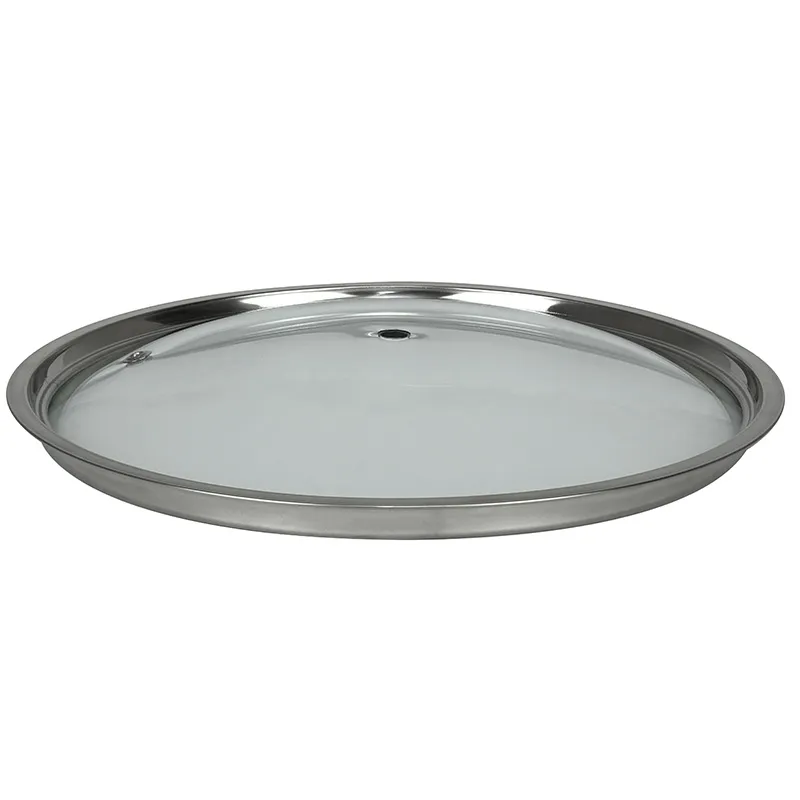
silicone glass lid manufacturing
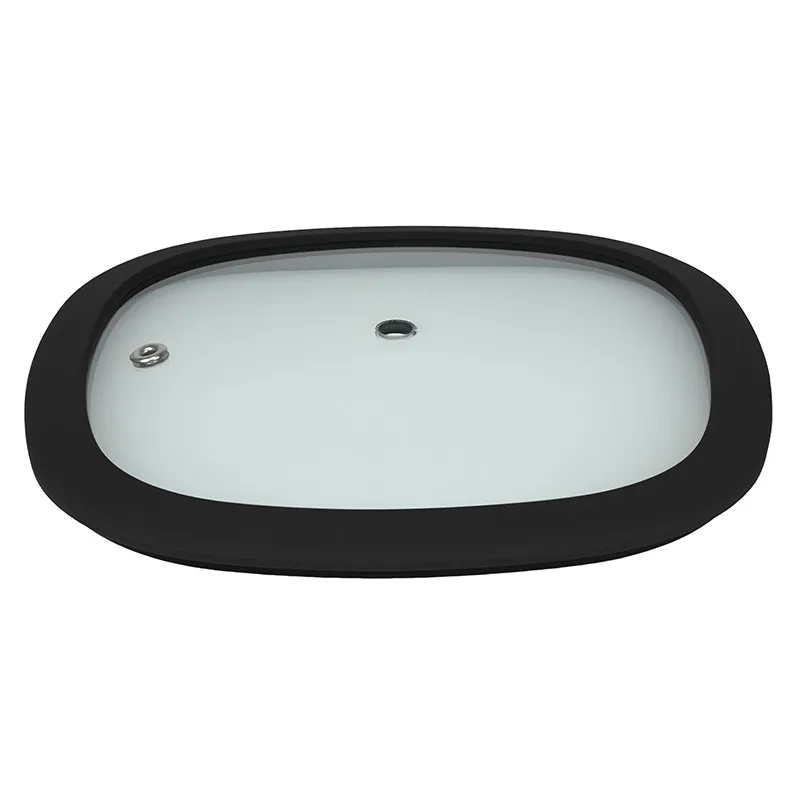
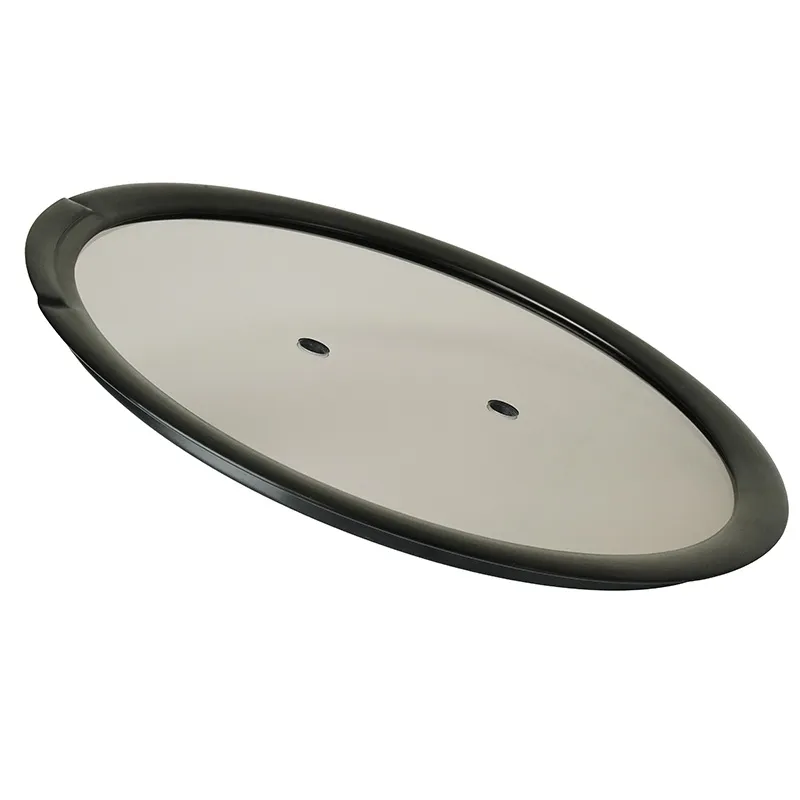
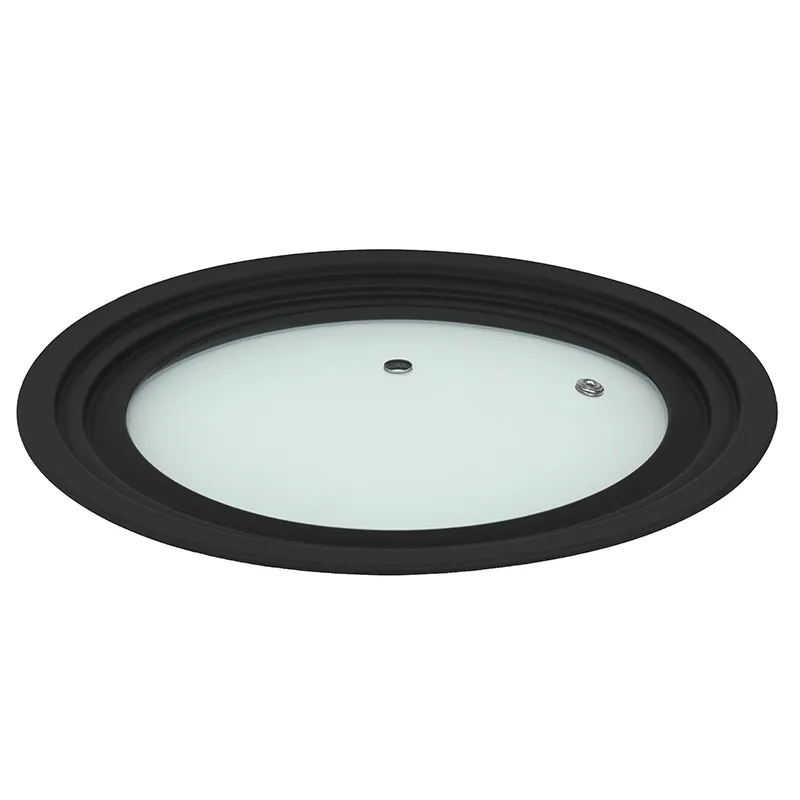
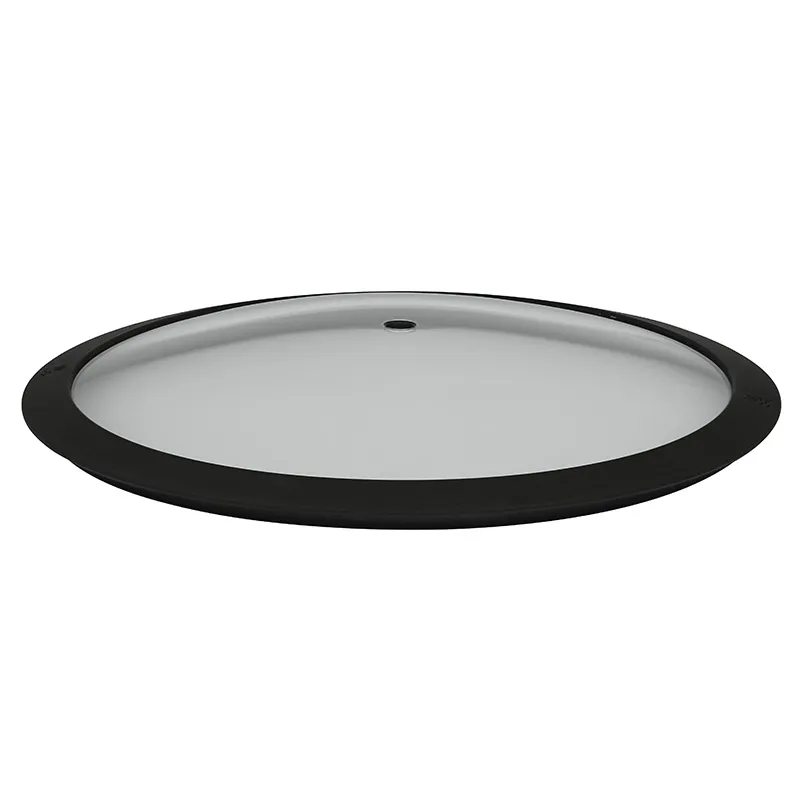
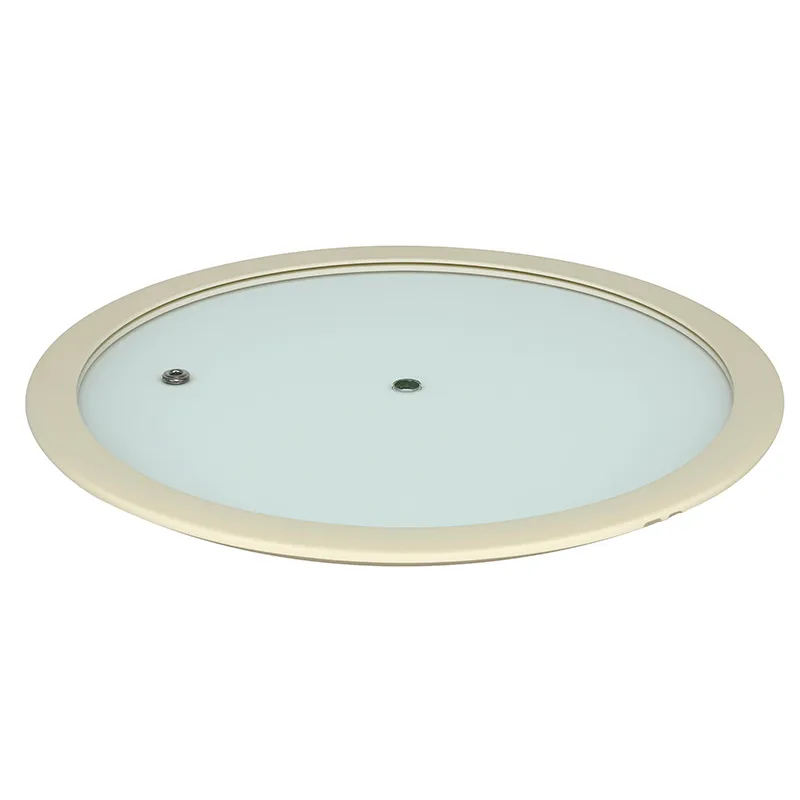
When you hear 'silicone glass lid manufacturing', most people immediately picture a simple glass disc with a silicone ring slapped on. That's the first misconception. The reality is far more nuanced, and the devil, as they often say, is in the details—details like the durometer of the silicone, the tempering curve of the glass, and how they're meant to marry for a seal that doesn't warp or leak after the fiftieth dishwasher cycle. It's not just an accessory; it's a functional component under constant thermal and mechanical stress.
The Core: It's a Bonding Game, Not Just Assembly
The heart of the process isn't cutting glass or molding silicone—those are prerequisites. The real challenge is achieving a permanent, food-safe, and heat-resistant bond between the two materials. We're talking about bonding a rigid, inorganic material (the tempered glass) to a flexible, organic polymer (the food-grade silicone). The adhesion promoter is critical. A weak formula, and you'll see delamination after a few months in a commercial kitchen. Too aggressive, and it can compromise the structural integrity of the tempered glass layer near the edge. I've seen batches where the bond was perfect on paper, but real-world thermal cycling—from freezer to oven—caused micro-fractures at the interface. That's a failure you only catch after accelerated aging tests, not during the initial pull-force test.
Take a company like EUR-ASIA COOKWARE CO.,LTD (https://www.glass-lid.com). Their specialization in exporting to markets like Germany and Japan means their silicone glass lid specs are dictated by some of the strictest EU and Asian safety standards. They can't afford a subpar bonding process. The pressure isn't just about making it stick; it's about making it stick reliably for years under conditions a home cook might never replicate, but a quality auditor will.
One detail often overlooked is the silicone's cross-linking density post-cure. If the curing cycle during the bonding phase is off—even by a few degrees or minutes—the silicone might feel fine initially but lose its elasticity and sealing force over time. It becomes brittle. You end up with a lid that sits flat but doesn't actually seal. That's a silent product killer.
Glass Tempering: The Foundation Everyone Assumes is Standard
You'd think sourcing tempered glass circles is a commodity business. It's not. For lids, especially larger diameters, the tempering process must be exceptionally even. Any residual stress imbalance can cause the glass to bow slightly when heated. A bowed lid doesn't seal. I recall a project where we sourced glass from a new supplier. The sheets passed the basic impact tests, but when we bonded the silicone and ran them through a simulated dishwasher test (thermal shock), a significant percentage developed a slight but perceptible rock. The glass itself had subtle low spots. The problem wasn't the silicone; it was the foundation. It forced us to implement a much stricter flatness tolerance inspection on incoming glass, something that's not in the generic ASTM standards for tempered glass.
This is where a manufacturer's scale and focus matter. A production base like EUR-ASIA's, with an annual output in the millions of pieces, likely has tempering lines dedicated to lid-specific profiles. They're not just cutting down from large sheets for windows; they're optimizing the quenching process for these smaller, thinner discs to ensure that flatness is baked in from the start. Their export volume to Europe suggests they've probably dialed this in to avoid costly returns.
The edge work matters too. A seamed edge versus a flat-polished edge affects how the silicone bead flows and adheres during the molding-in-place process. A rough edge can create micro-gaps for moisture and grease to infiltrate the bond line.
Silicone Formulation: More Than Just Color
Food-grade silicone is a starting point, not a finish line. The formulation for a glass lid gasket needs to balance tear strength, compression set (how well it springs back), and heat resistance. A common cost-cutting move is to use a softer, cheaper silicone. It feels nice and seals brilliantly... for the first few weeks. Then the compression set kicks in. The ring takes a set and no longer exerts enough pressure on the pot's rim. The lid becomes loose. We learned this the hard way on an economy line years ago. The customer feedback wasn't about breakage; it was the lid doesn't fit tightly anymore. That's a formulation failure.
Additives are another rabbit hole. Pigments can affect cure rates and even the long-term stability of the polymer. Certain bright colors or pearlescent effects require additives that might slightly reduce the heat resistance. For a lid meant for stovetop use, that's a trade-off that needs rigorous testing. You can't just pick a Pantone color and run with it.
Then there's the molding process. Is the silicone ring over-molded directly onto the glass (the best method for bond integrity), or is it a pre-molded ring that's then glued on? The former requires precise control of mold temperature and injection pressure to avoid stressing the glass. The latter introduces a potential failure point—the secondary adhesive. Most high-end producers, especially those serving the European market, use direct over-molding. It's a more capital-intensive setup but pays off in durability.
Tooling and Tolerances: Where Theory Meets the Factory Floor
Designing a lid seems simple until you have to build the molds and fixtures. The glass tolerance might be +/-0.5mm. The silicone mold might have its own shrinkage factor. The bonding jig that holds the glass during over-molding must account for both, while applying perfectly even pressure. A misaligned jig means a silicone bead that's thicker on one side than the other. The lid will seal unevenly. We once had a batch where the leak rate was inconsistent. Took us a week to trace it back to a worn locating pin in a bonding fixture that allowed a 0.2mm shift. That tiny shift was enough.
Maintenance of these tools is a constant battle in a high-volume environment like the one described for EUR-ASIA COOKWARE. Producing over 15 million pieces a year means tools are in constant use. Wear isn't an if, but a when. A rigorous schedule for mold maintenance and fixture calibration is what separates a professional operation from a chaotic one. It's not glamorous, but it's what ensures that the ten-thousandth lid is as good as the first.
Another practical issue: vent holes. If the design includes a steam vent (often a hole in the glass with a silicone plug or flap), that's another layer of complexity. The seal around that insert, and the functionality of the flap itself, becomes a critical sub-assembly. It's a small part that gets a lot of user interaction and is prone to failure if not designed and executed with care.
The Real Test: Life in a Kitchen, Not a Lab
All the lab tests—dishwasher durability, oven safety, cold shock, migration tests—are essential. But they're proxies. The real test is how the product behaves across thousands of different kitchens, on slightly warped pots, with aggressive detergents, and being stored stacked. Stacking is a big one. A well-designed lid has features in the silicone (like a small lip or recess) to allow stable stacking without putting direct pressure on the glass-to-silicone bond. Poor stacking design leads to chipping and bond stress during storage.
Exporting to diverse climates, as EUR-ASIA does, adds another variable. A lid performing flawlessly in Germany's temperate climate might behave differently in Brazil's high humidity. Could moisture absorption affect the silicone's properties over a very long period? Possibly. It's the kind of long-term reliability question that serious manufacturers have to consider when they ship globally. It's not just about passing a test today; it's about avoiding a field failure in two years.
Finally, there's the unspoken challenge: cost pressure without quality erosion. Hitting a price point for a mass retailer while maintaining all these performance characteristics is the ultimate balancing act. It often means optimizing every gram of silicone, every second of cycle time, and every percentage point of yield. That's where deep manufacturing experience pays off. You learn which corners absolutely cannot be cut (the bonding chemistry, the glass tempering) and where you can optimize (packaging, secondary finishing). Getting that balance right is what keeps a company like that exporting 90% of its output year after year. It's a quiet testament to getting the fundamentals of silicone glass lid manufacturing right, day in and day out.
Related Products
Related Products