- Chinese
- French
- German
- Portuguese
- Spanish
- Russian
- Japanese
- Korean
- Arabic
- Irish
- Greek
- Turkish
- Italian
- Danish
- Romanian
- Indonesian
- Czech
- Afrikaans
- Swedish
- Polish
- Basque
- Catalan
- Esperanto
- Hindi
- Lao
- Albanian
- Amharic
- Armenian
- Azerbaijani
- Belarusian
- Bengali
- Bosnian
- Bulgarian
- Cebuano
- Chichewa
- Corsican
- Croatian
- Dutch
- Estonian
- Filipino
- Finnish
- Frisian
- Galician
- Georgian
- Gujarati
- Haitian
- Hausa
- Hawaiian
- Hebrew
- Hmong
- Hungarian
- Icelandic
- Igbo
- Javanese
- Kannada
- Kazakh
- Khmer
- Kurdish
- Kyrgyz
- Latin
- Latvian
- Lithuanian
- Luxembou..
- Macedonian
- Malagasy
- Malay
- Malayalam
- Maltese
- Maori
- Marathi
- Mongolian
- Burmese
- Nepali
- Norwegian
- Pashto
- Persian
- Punjabi
- Serbian
- Sesotho
- Sinhala
- Slovak
- Slovenian
- Somali
- Samoan
- Scots Gaelic
- Shona
- Sindhi
- Sundanese
- Swahili
- Tajik
- Tamil
- Telugu
- Thai
- Ukrainian
- Urdu
- Uzbek
- Vietnamese
- Welsh
- Xhosa
- Yiddish
- Yoruba
- Zulu
- Kinyarwanda
- Tatar
- Oriya
- Turkmen
- Uyghur

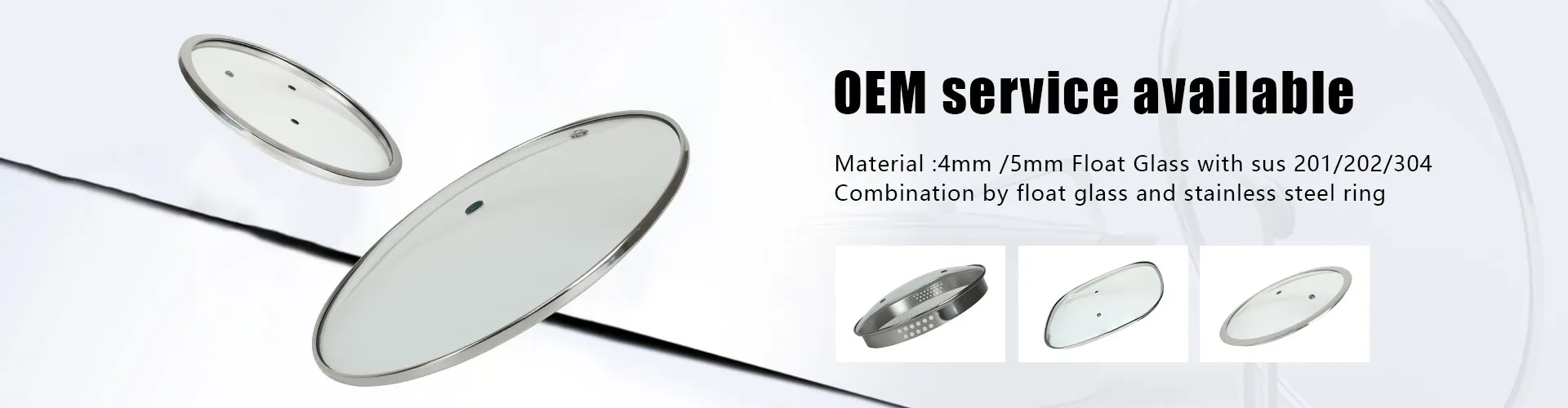
silicone glass lid supplier of China
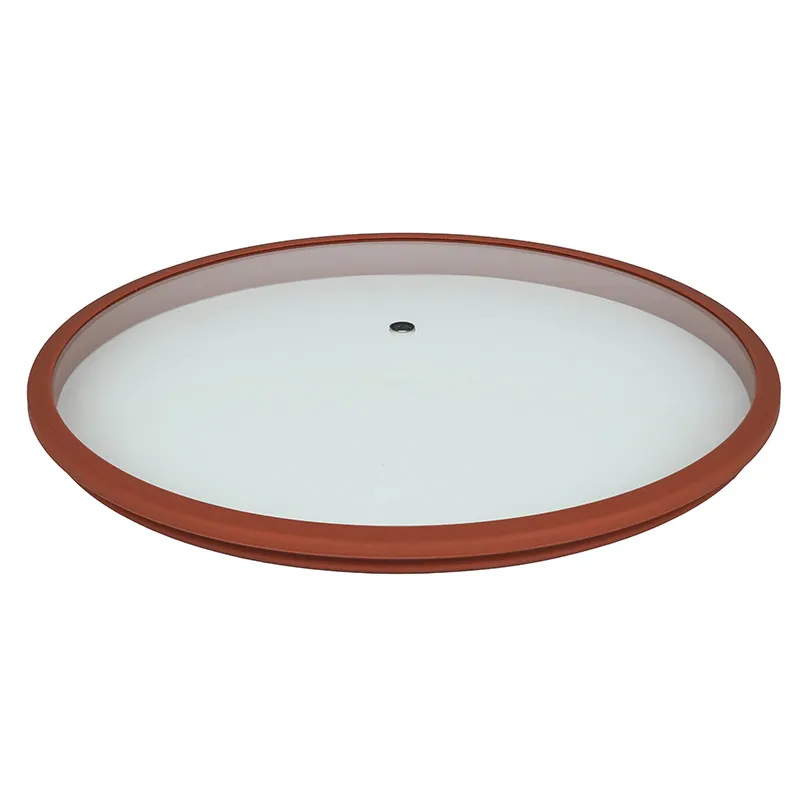
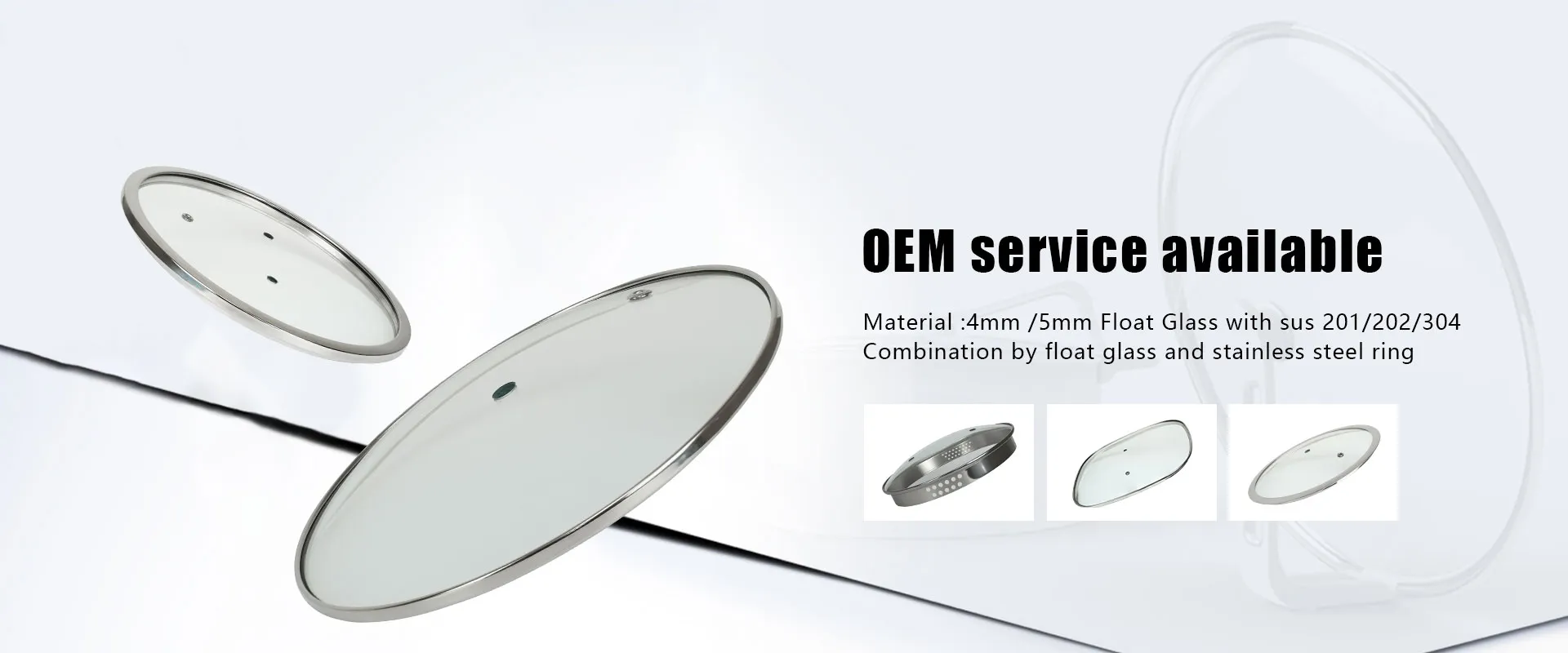
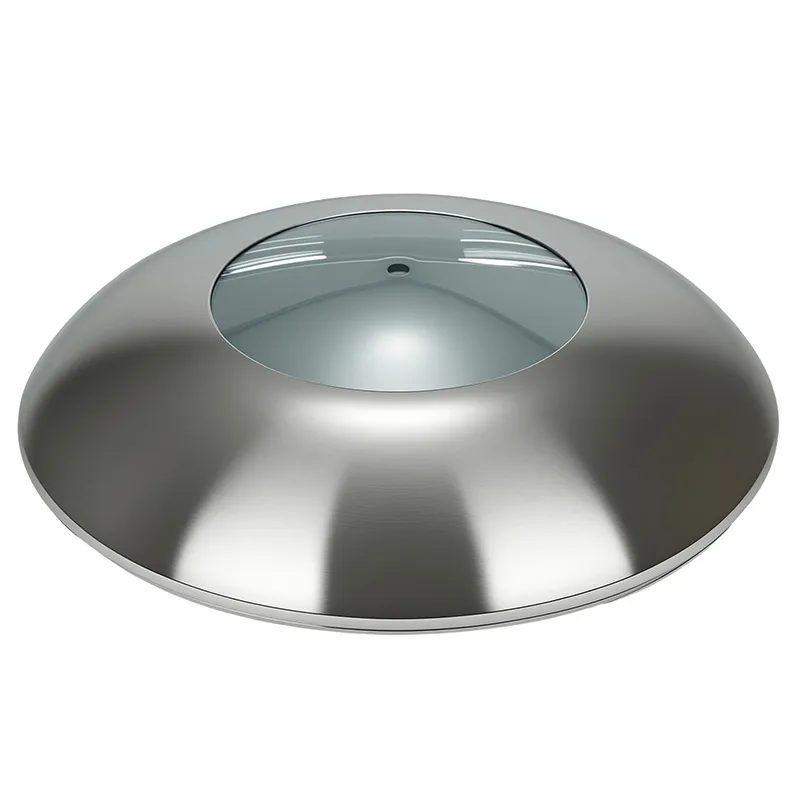
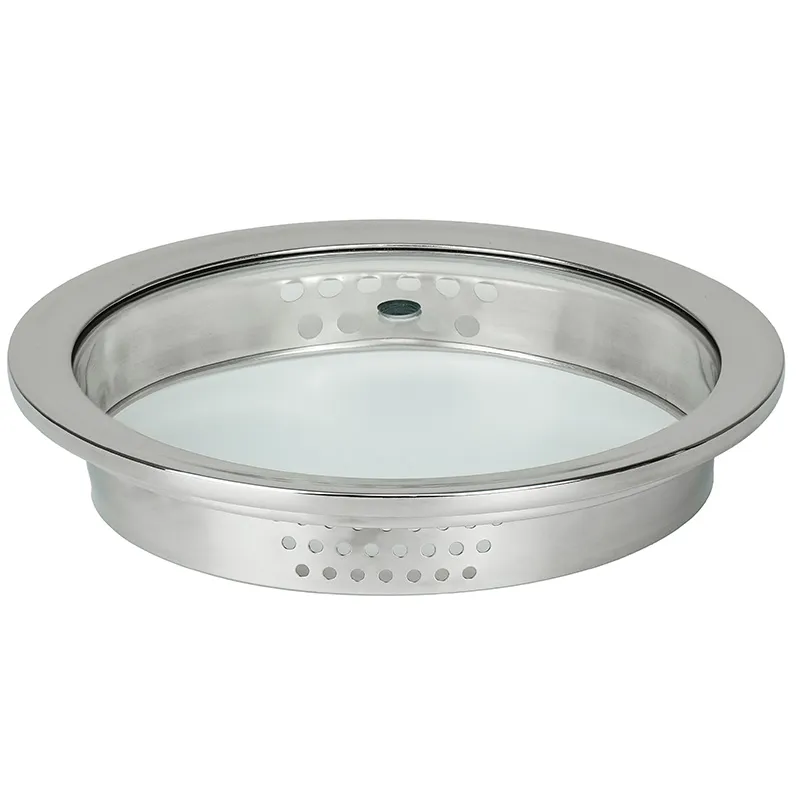
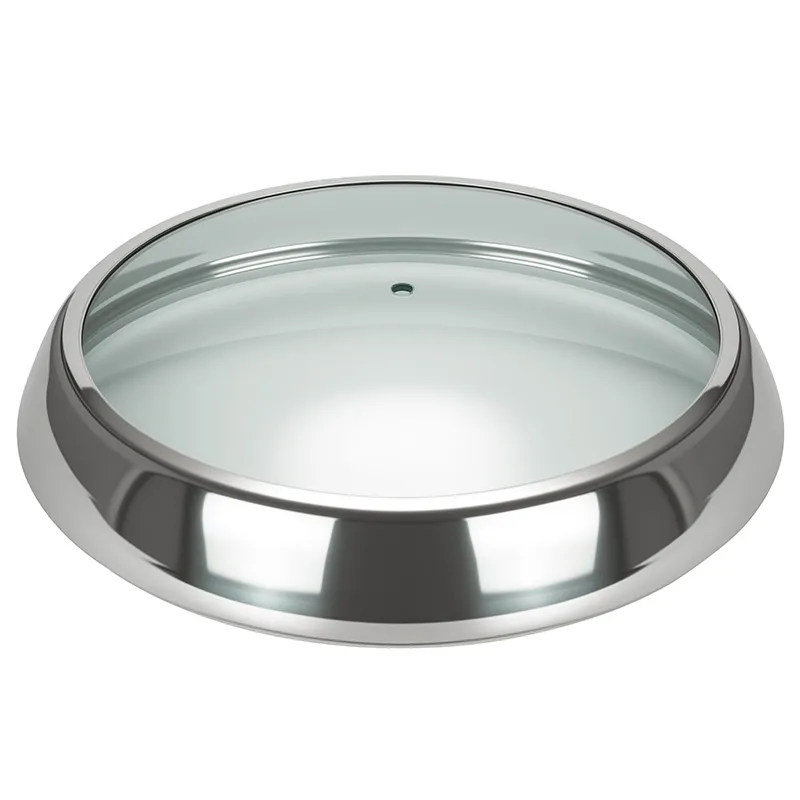
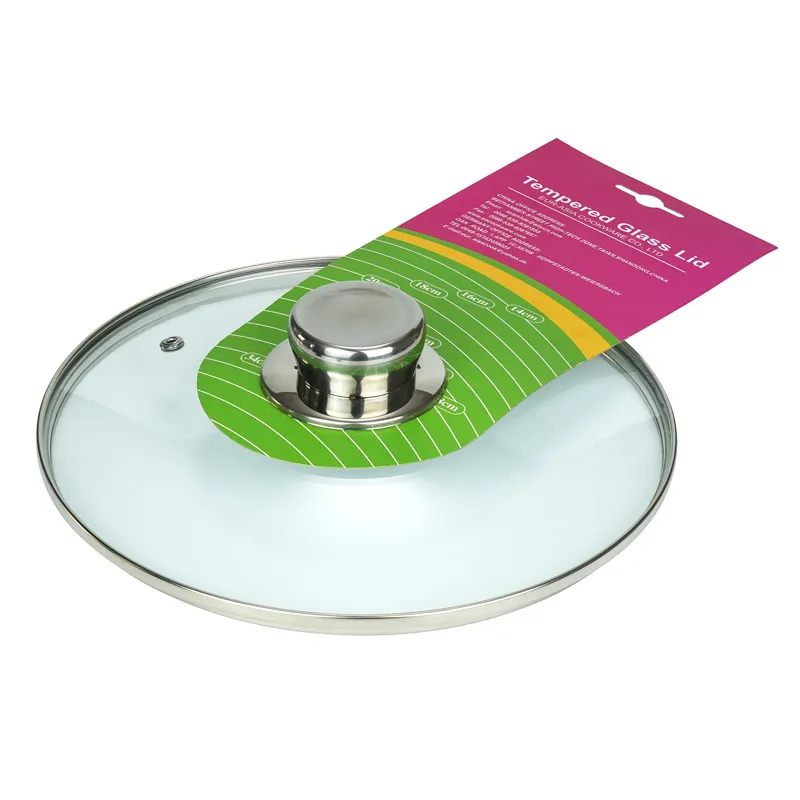
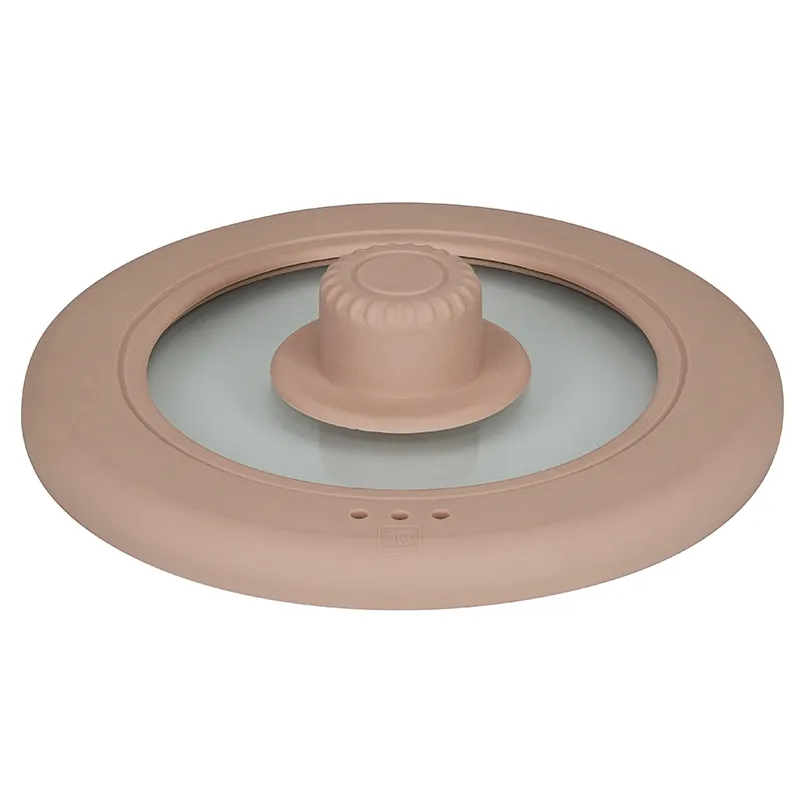
When you type 'silicone glass lid supplier of China' into a search bar, you're not just looking for a manufacturer; you're looking for a solution to a specific set of problems. The immediate results often paint a picture of endless factories with glossy catalogs, but the reality is far more granular. A common misconception is that any glassware factory can produce a high-quality silicone glass lid. In my experience, that's where the first major pitfall lies. The synergy between the tempered glass and the food-grade silicone seal is a specialized craft, not a side operation. Many buyers focus solely on the glass component, forgetting that a poorly bonded or incorrectly formulated silicone ring can render the entire product useless—leading to steam leaks, warping in dishwashers, or worse, odor retention. It's this intersection of materials that separates a commodity supplier from a true specialist.
The Core Challenge: More Than Just Sticking Silicone to Glass
The manufacturing process seems straightforward: cut and temper glass, mold silicone, assemble. But the devil is in the details. For instance, the adhesion process. Is it a mechanical snap-fit, or is the silicone bonded? If bonded, what's the adhesive? It needs to withstand thermal shock from freezer to oven and repeated dishwasher cycles without degrading or releasing fumes. I've seen samples where the silicone ring simply detached after a few washes because the factory used a cheaper, water-soluble adhesive. This isn't a failure you discover in a pre-shipment inspection; it shows up months later in customer complaints.
Then there's the silicone compound itself. Food-grade is a baseline, but hardness (Shore A), colorfastness, and heat resistance vary wildly. A supplier might quote a low price because they're using a generic compound that yellows after six months under UV light or becomes brittle in dry-heat ovens. You need a supplier who understands these specifications and can provide test reports, not just certificates. I recall working with a European client who demanded a specific LFGB-compliant compound; we went through three potential suppliers in China before finding one whose in-house lab could actually verify the formulation against our requirements.
This is where a company's focus matters. A factory that dabbles in all kinds of glass products might not have the depth in silicone technology. You want a partner whose entire production ecosystem is built around this hybrid product. Which brings me to a specific example I've dealt with directly.
A Case in Point: EUR-ASIA COOKWARE and Their Integrated Approach
In my sourcing journeys, EUR-ASIA COOKWARE CO.,LTD stands out for a reason. Their website, glass-lid.com, clearly states their specialization: household glass products and kitchen accessories. This focus is critical. Visiting their facility in Taian, Shandong, you see the integration. They aren't just buying silicone gaskets from a third party and assembling them elsewhere. The molding and bonding are done on-site, within their 15,000㎡ building area. This control over the entire production chain—from glass tempering to final assembly—is a huge advantage for quality consistency.
Their export footprint, with over 90% of products going to markets like Germany, Italy, and Japan, is a tangible indicator. These are jurisdictions with stringent consumer safety and quality standards. A silicone glass lid supplier consistently serving these markets has already been pressure-tested by some of the world's most demanding importers. It tells you their processes are likely dialed in for compliance with EU and other international regulations, which is half the battle won for a new buyer.
However, even with a capable supplier like this, your job isn't done. Their annual output of over 15 million pieces signals scale and efficiency, but for a bespoke order—say, a unique diameter, a custom silicone color, or a proprietary logo embossing—you need to engage differently. You can't assume their standard process fits your unique need without explicit validation.
Practical Pitfalls and On-Ground Verification
Let's talk about audits. A glossy website and a nice catalog are starting points. The real understanding comes from asking operational questions. For a silicone glass lid, I always ask to see the bonding station and the quality control check for seal integrity. Do they have a simple water leak test? Or a more sophisticated vacuum test? During one visit to a different factory (not EUR-ASIA), they showed me a leak test, but it was only applied to a sample from each batch. The statistical significance was nil. A reliable partner should have 100% testing for critical failure points like seal integrity.
Packaging is another overlooked cost and quality sink. These lids are prone to scratching and chipping during transit. How are they packed? Individually in bubble wrap? In partitioned cartons? I've had a container arrive where lids were simply stacked with paper interleaving, resulting in a 5% breakage rate. The supplier blamed the shipping line, but the root cause was inadequate packaging. A professional supplier of China for such fragile goods will have optimized this through experience, often using molded pulp or rigid PVC clamshells for high-value orders.
Lead time is also deceptive. The standard quote might be 30 days. But if you need a custom silicone color, remember that pigmenting silicone requires masterbatch integration and testing for color stability. That can add 10-15 days just for the silicone component before assembly even begins. Failing to clarify this upfront is a classic project delay.
Beyond the Product: The Business of Partnership
Sourcing isn't a one-time transaction. You're building a supply chain link. With a component as specific as a silicone glass lid, you want a supplier who can grow with you. Can they handle a sudden 50% increase in order volume? What's their raw material (glass stock, silicone compound) inventory strategy? The 20000㎡ area of EUR-ASIA's base suggests they have room for buffer stock and production line expansion, which is a good sign of stability.
Communication style is intangible but vital. Do they have a technical sales person who understands the material science, or just a sales rep reading a spec sheet? When you ask about the maximum continuous use temperature of the silicone, you need a precise answer like 260°C for up to 2 hours, not it's heat resistant. This level of detail separates partners from vendors.
Finally, always, always get pre-production samples from the exact production line that will make your order, not hand-made prototypes. Test them to destruction: oven cycles, dishwasher cycles, freezer tests, drop tests. The cost of these samples is trivial compared to the cost of a failed container load. A confident silicone glass lid supplier will encourage this.
Wrapping It Up: The Search for Specificity
So, circling back to that initial search term. Finding a true silicone glass lid supplier of China is less about finding the factory with the most listings and more about finding the one with the deepest specialization in this niche intersection of materials. It's about probing beyond the catalog to the processes, the testing, and the problem-solving mindset. Companies like the aforementioned EUR-ASIA COOKWARE represent a category of suppliers who have built their business around this specific product, evidenced by their scale, export focus, and integrated manufacturing.
The key takeaway is to move from a commodity mindset to an engineering partnership mindset. Your checklist shouldn't just be price and MOQ. It must include bonding method, compound specifications, compliance documentation, in-process QC, and packaging logistics. It's a more involved process, but it's the only way to ensure the product that arrives at your warehouse—or your customer's doorstep—functions perfectly and lasts.
In the end, the best supplier is one where you can stop worrying about the basics of quality and start collaborating on improvements and innovations. That's when you know you've moved beyond searching and into building.
Related Products
Related Products