- Chinese
- French
- German
- Portuguese
- Spanish
- Russian
- Japanese
- Korean
- Arabic
- Irish
- Greek
- Turkish
- Italian
- Danish
- Romanian
- Indonesian
- Czech
- Afrikaans
- Swedish
- Polish
- Basque
- Catalan
- Esperanto
- Hindi
- Lao
- Albanian
- Amharic
- Armenian
- Azerbaijani
- Belarusian
- Bengali
- Bosnian
- Bulgarian
- Cebuano
- Chichewa
- Corsican
- Croatian
- Dutch
- Estonian
- Filipino
- Finnish
- Frisian
- Galician
- Georgian
- Gujarati
- Haitian
- Hausa
- Hawaiian
- Hebrew
- Hmong
- Hungarian
- Icelandic
- Igbo
- Javanese
- Kannada
- Kazakh
- Khmer
- Kurdish
- Kyrgyz
- Latin
- Latvian
- Lithuanian
- Luxembou..
- Macedonian
- Malagasy
- Malay
- Malayalam
- Maltese
- Maori
- Marathi
- Mongolian
- Burmese
- Nepali
- Norwegian
- Pashto
- Persian
- Punjabi
- Serbian
- Sesotho
- Sinhala
- Slovak
- Slovenian
- Somali
- Samoan
- Scots Gaelic
- Shona
- Sindhi
- Sundanese
- Swahili
- Tajik
- Tamil
- Telugu
- Thai
- Ukrainian
- Urdu
- Uzbek
- Vietnamese
- Welsh
- Xhosa
- Yiddish
- Yoruba
- Zulu
- Kinyarwanda
- Tatar
- Oriya
- Turkmen
- Uyghur


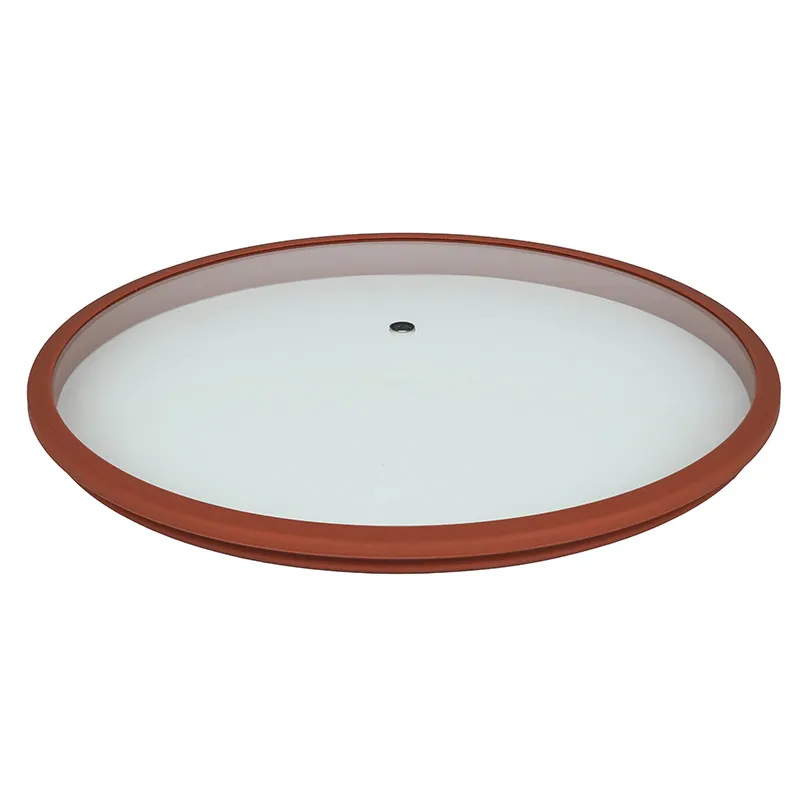
silicone lid
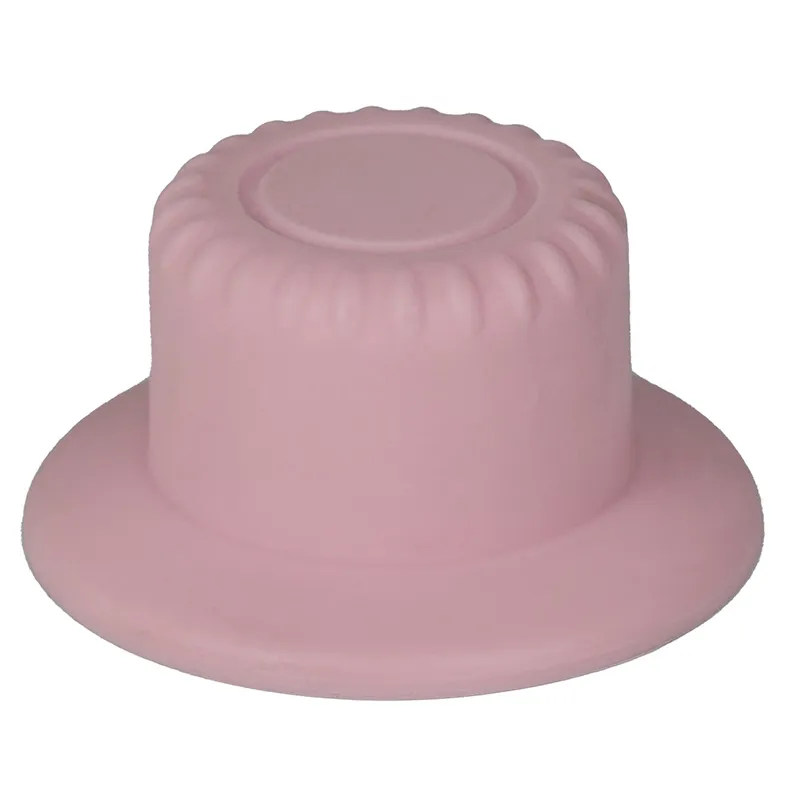
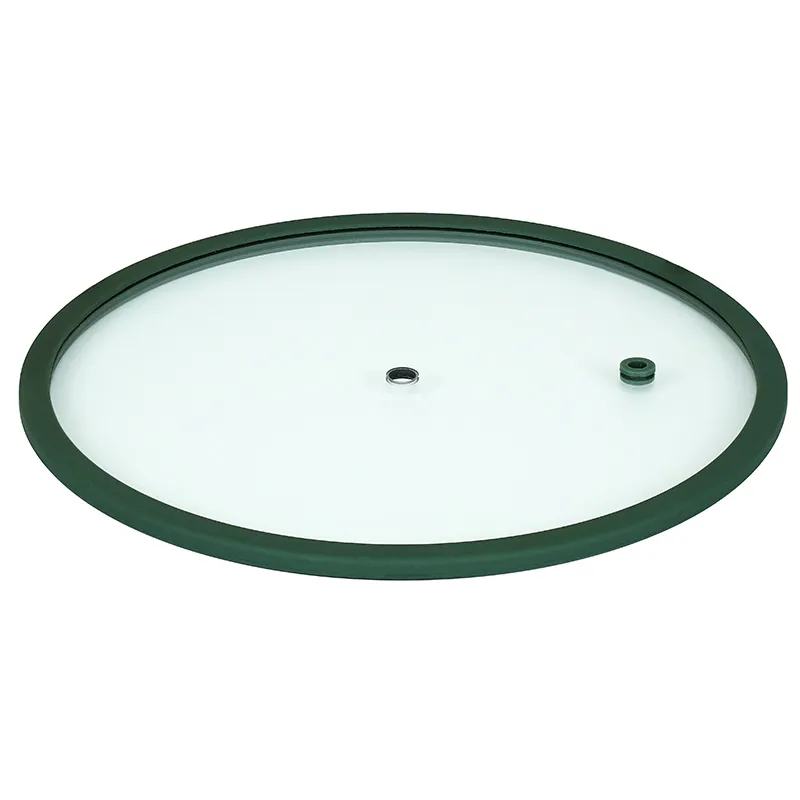
When most people hear 'silicone lid', they picture those stretchy, colorful caps for bowls. But if you've been sourcing or manufacturing kitchenware for a while, you know that's just the tip of the iceberg. The real conversation isn't about replacing plastic wrap; it's about solving the fundamental mismatch between rigid cookware and the need for a flexible, airtight seal. I've seen too many buyers get hung up on the stretchiness alone, ordering samples that fail miserably on actual pots because they didn't consider the lip profile or the heat differential. It's a component, not a standalone product, and that's where the nuance lies.
The Manufacturing Reality: It's Not Just a Rubber Band
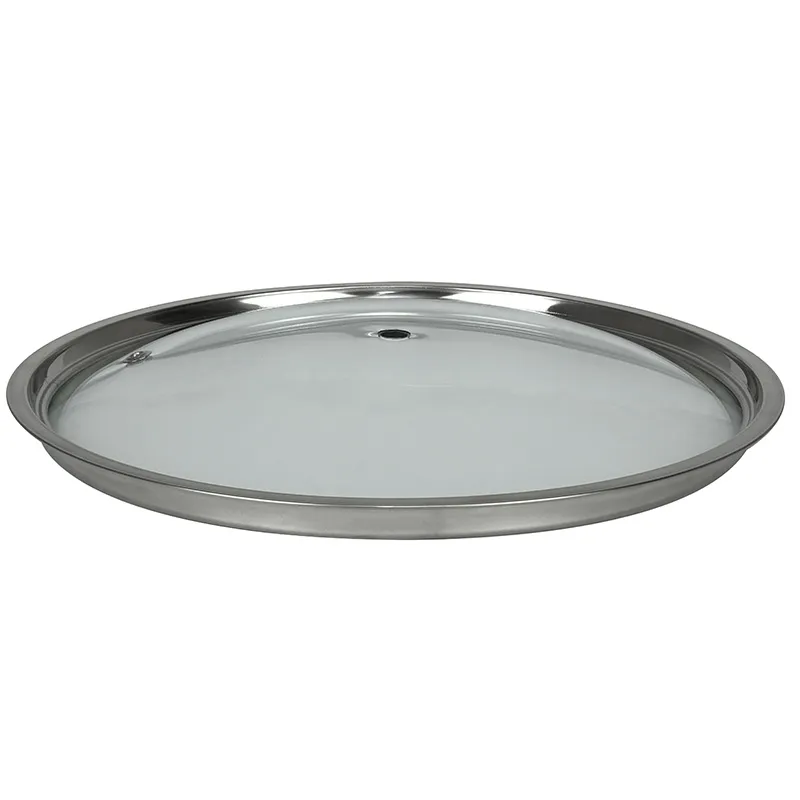
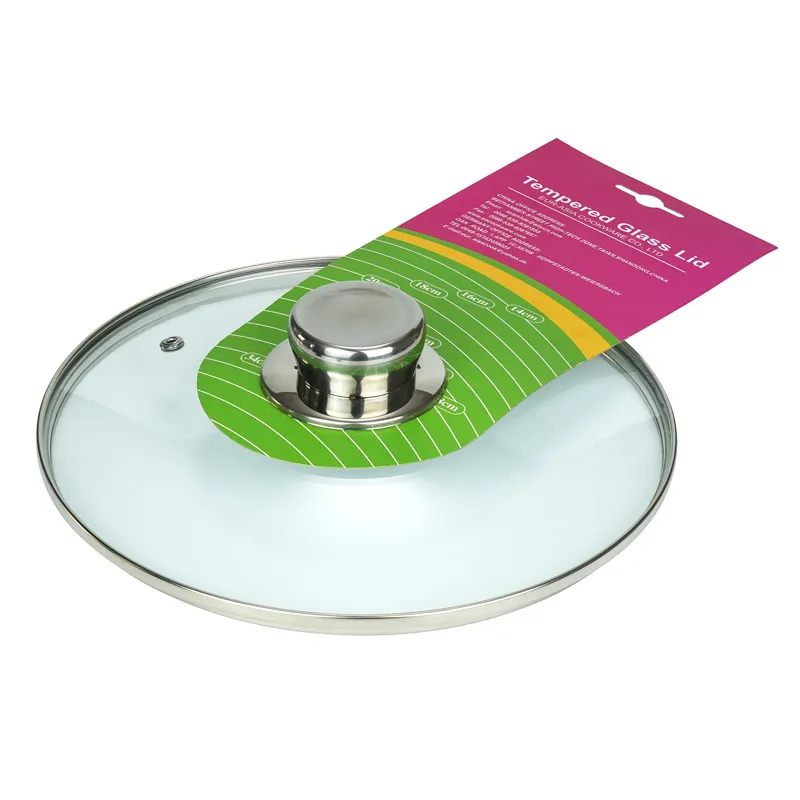
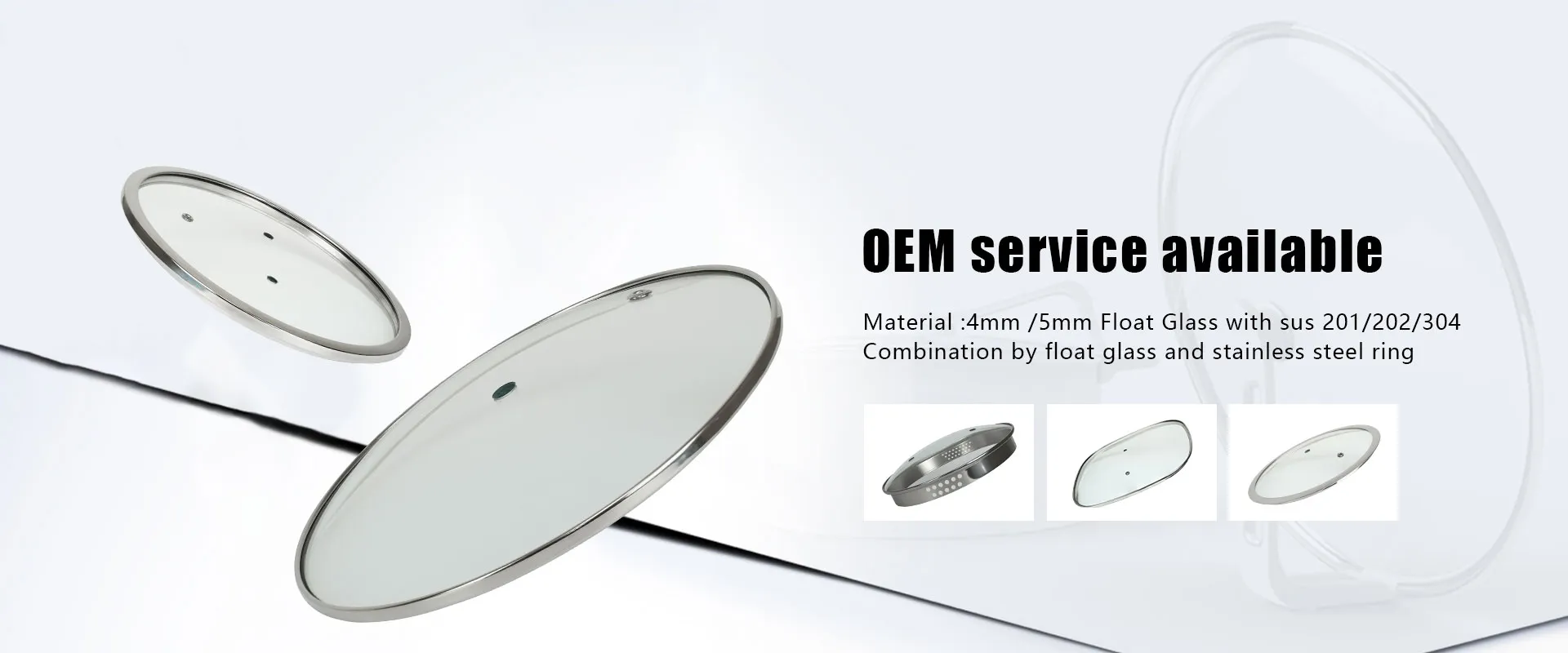
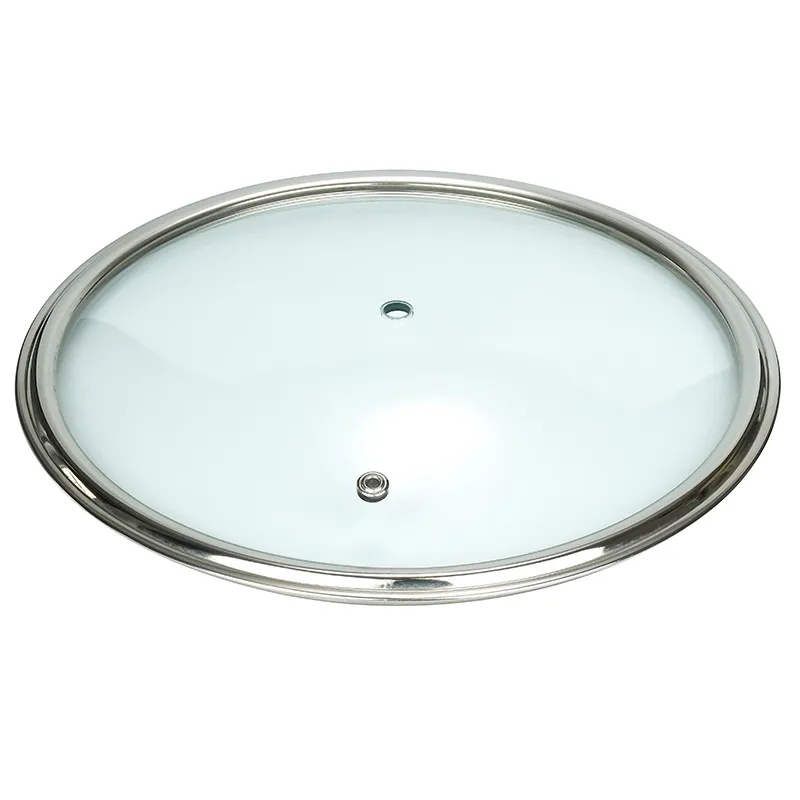
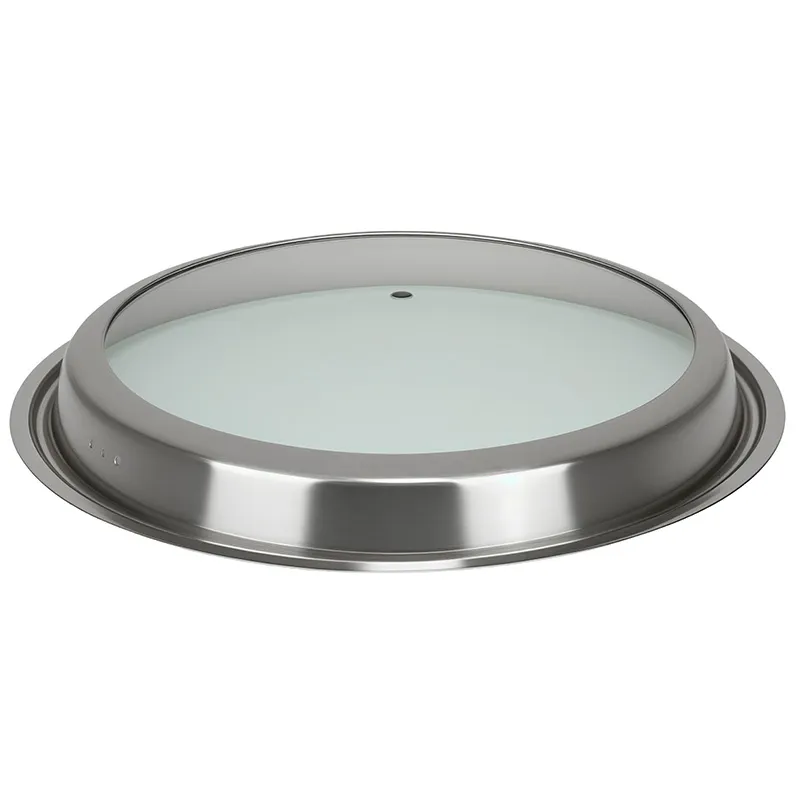
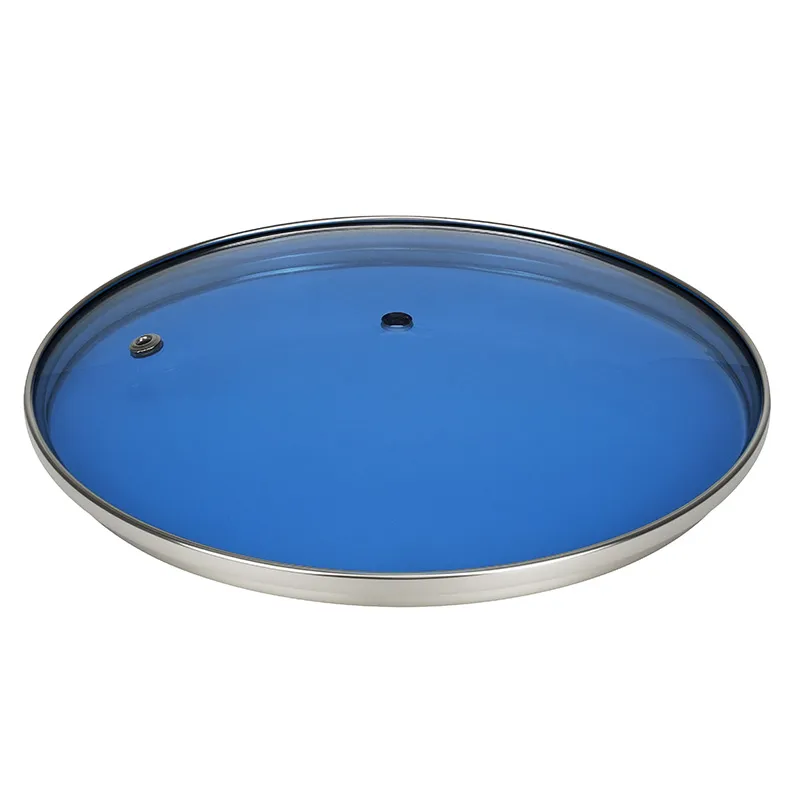
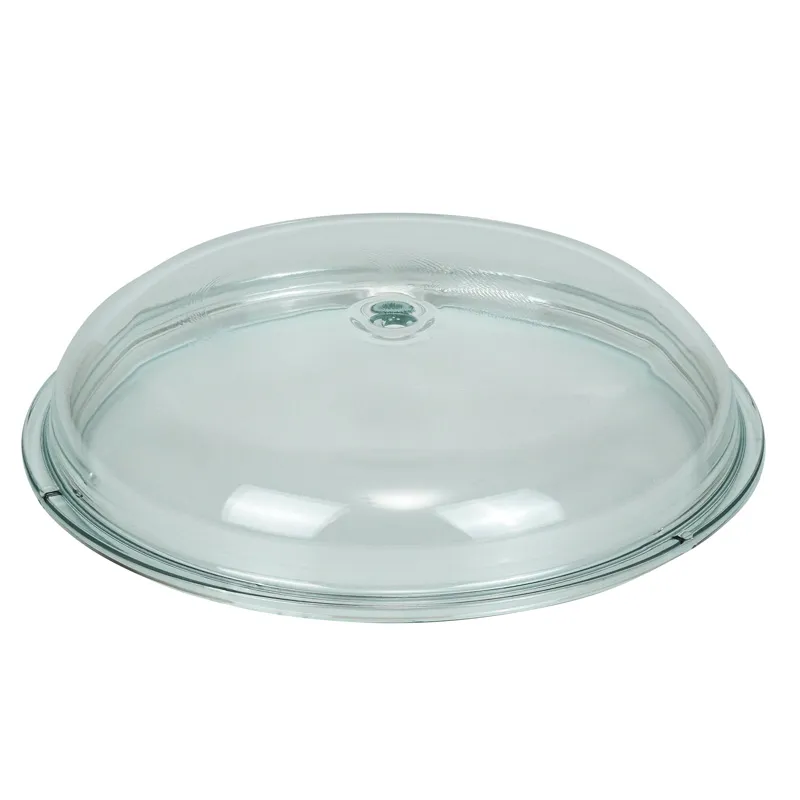
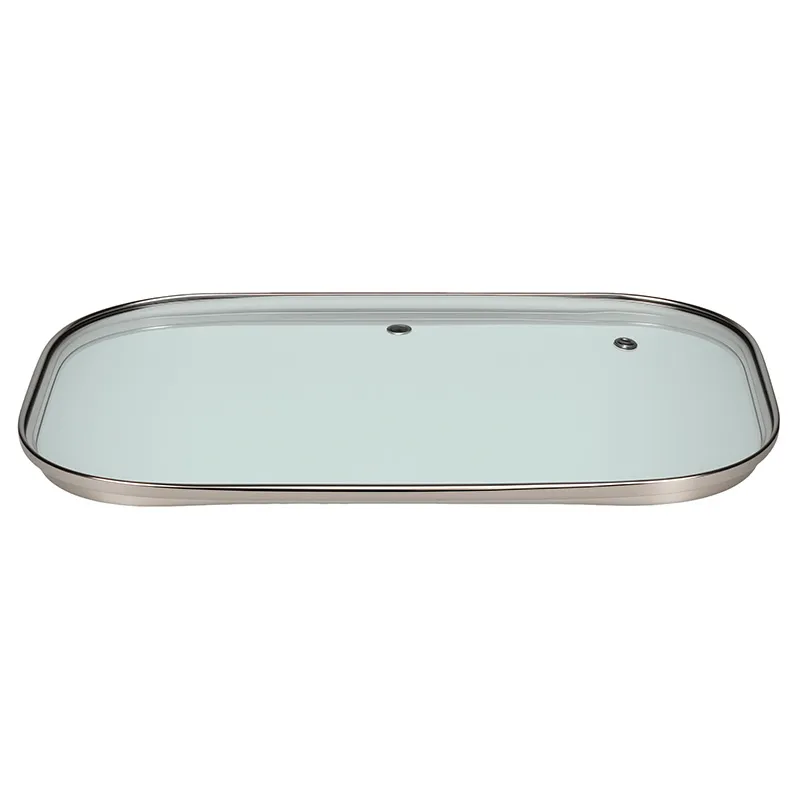
Working with factories that specialize in glass, like EUR-ASIA COOKWARE CO.,LTD, you quickly learn that a silicone lid is often an accessory to a primary product. Their core expertise is tempered glass lids—producing over 15 million pieces annually. The silicone lid or, more accurately, the silicone sealing ring, becomes critical for their high-end lines. The challenge is creating a silicone component that can handle the thermal expansion of glass on a stovetop without degrading or losing its seal. We tried a generic food-grade silicone once for a line of glass casserole lids; it passed all standard safety tests but became brittle and discolored after about 20 cycles in the oven. The failure wasn't in the material's grade, but in the polymer formulation specific to dry-heat applications.
This is where a specialized manufacturer's location matters. Being based in an industrial zone like Taian, Shandong, gives a company like EUR-ASIA access to a concentrated supply chain. They're not just molding silicone; they're integrating it with their main product—the tempered glass lid. The silicone ring must be engineered to bond or fit seamlessly onto the glass edge during the cooling process. If the coefficient of thermal expansion between the two materials isn't calculated right, you get a lid that either pops off when hot or leaks when cold. It's a precise, unglamorous bit of engineering.
I recall a project for the European market where the requirement was for a silicone lid system for a stainless steel stockpot. The client wanted a universal fit. We developed a lid with a rigid glass center (sourced from a partner) and a wide, flanged silicone perimeter. It worked, but not universally. On some pot rims with a pronounced rolled edge, the seal was perfect. On others with a simple flat rim, it leaked steam. The lesson was that 'universal' is a marketing term, not an engineering one. The successful product line ended up being tiered: specific silicone profiles for specific cookware series.
Export Markets and Material Expectations
With over 90% of products exported to markets like Germany, Japan, and Brazil, expectations vary wildly. The German retailers, for instance, are obsessed with certifications and longevity. They don't just want a silicone lid; they want documentation proving the silicone won't leach odors or break down after 500 dishwasher cycles. For the Japanese market, the focus is on precision fit and aesthetics—the silicone must be perfectly flush, with no visible seam lines, and often in muted, natural tones.
This export pressure forces a higher standard. A domestic-only supplier might get away with a slightly off-spec batch. But when you're shipping containers to Switzerland, a single batch of lids that warps at 220°C instead of the guaranteed 250°C can mean a full recall. I've seen it happen. The failure usually traces back to the silicone compound—sometimes a supplier substitutes a cheaper platinum-cure catalyst without declaring it, affecting heat resistance. Now, rigorous batch testing is non-negotiable.
The website https://www.glass-lid.com showcases their primary glass products, but the underlying capability is what's important for silicone components. A factory that can manage high-volume, precision tempering of glass is likely to have the quality control systems in place for precision molding of silicone. It's about process discipline. Their 20,000㎡ facility isn't just about scale; it allows for controlled environment areas where silicone can be poured and cured without particulate contamination, which is a common cause of pinholes in the seal.
The Accessory Mindset and Its Pitfalls
One of the biggest mistakes in this niche is treating the silicone lid as an afterthought. Companies will design a beautiful ceramic or glass cookware set and then, at the last minute, ask for a silicone lid to fit. The problem is, silicone needs its own design parameters. The wall thickness, the durometer (hardness), the undercut for grip—all these need to be designed in tandem with the main lid. If the glass lid has a 5mm thick edge, the silicone overmold needs a specific cavity design to grip it without stress points that will tear.
We learned this through a failed collaboration on a bakeware line. The glass base was thick and beautiful. The designed silicone lid was sleek. But in use, the leverage required to pry the tight seal open would often cause the user to grip the glass edge itself, which was slippery. The solution wasn't a better silicone, but a redesign: we added a small, integrated silicone tab that protruded outward, giving a dedicated purchase point. It looked slightly less minimalist, but it worked. Function trumped form.
This is why companies that produce both the primary product and the accessory, like EUR-ASIA COOKWARE CO.,LTD., have an advantage. Their product development is integrated. They can test the glass-silicone interface through full thermal cycles in their own facility, making iterative adjustments. An external silicone supplier often works in a vacuum, just following a CAD drawing.
Beyond the Lid: Silicone as a System Component
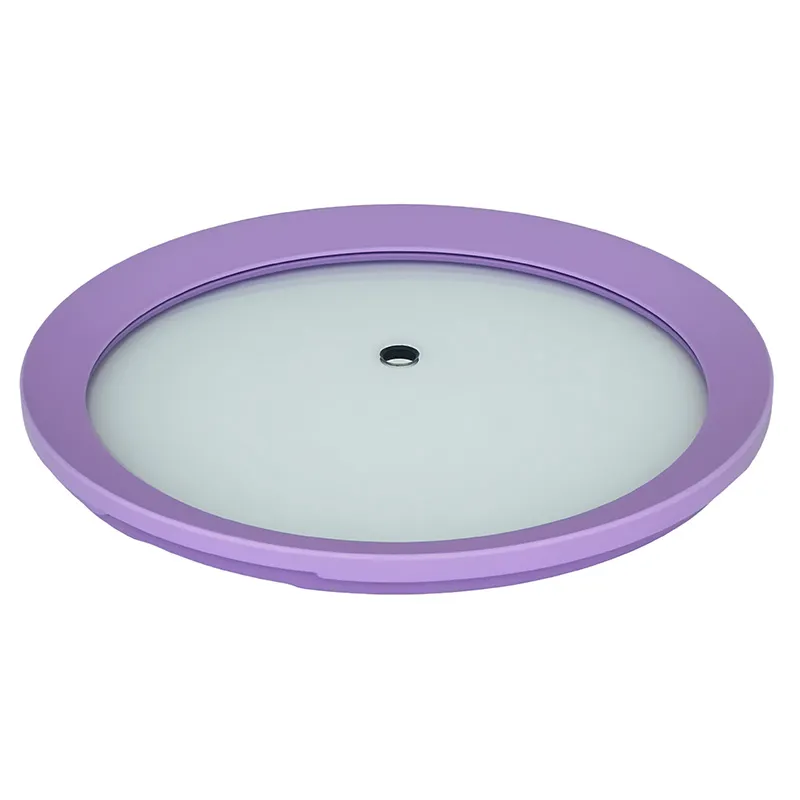
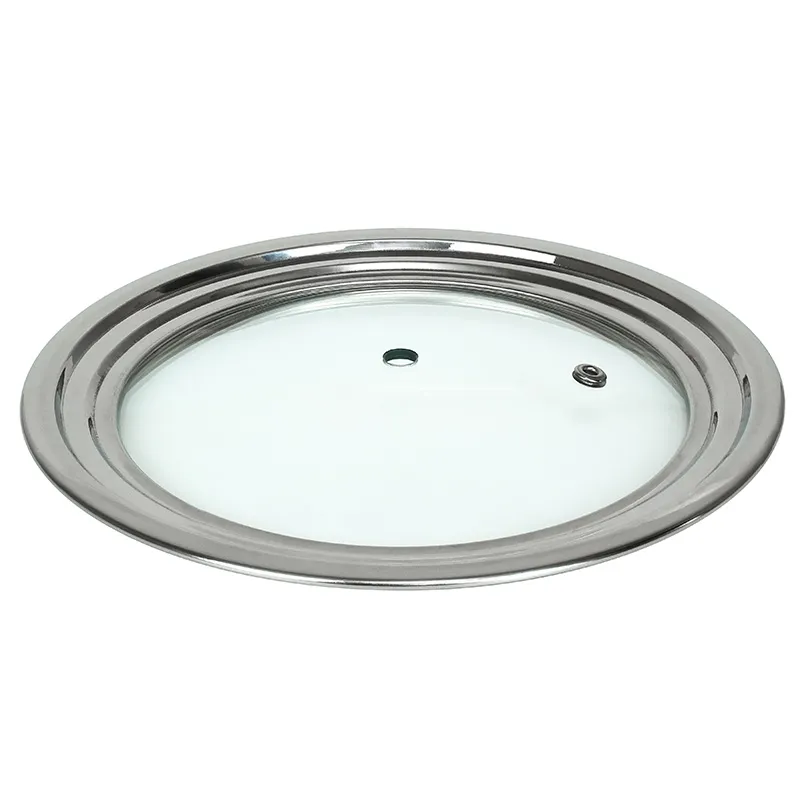
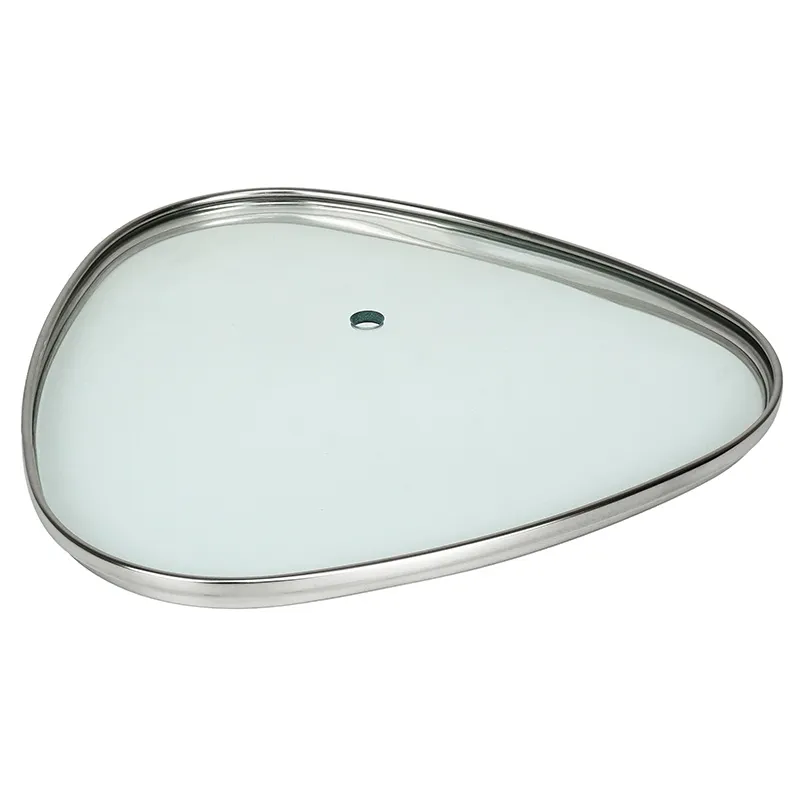
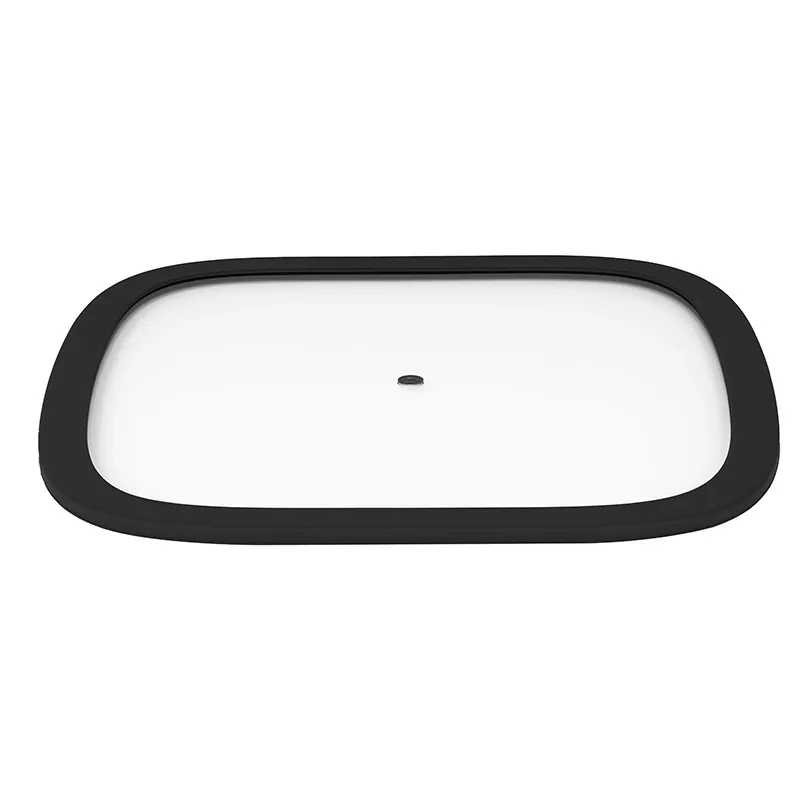
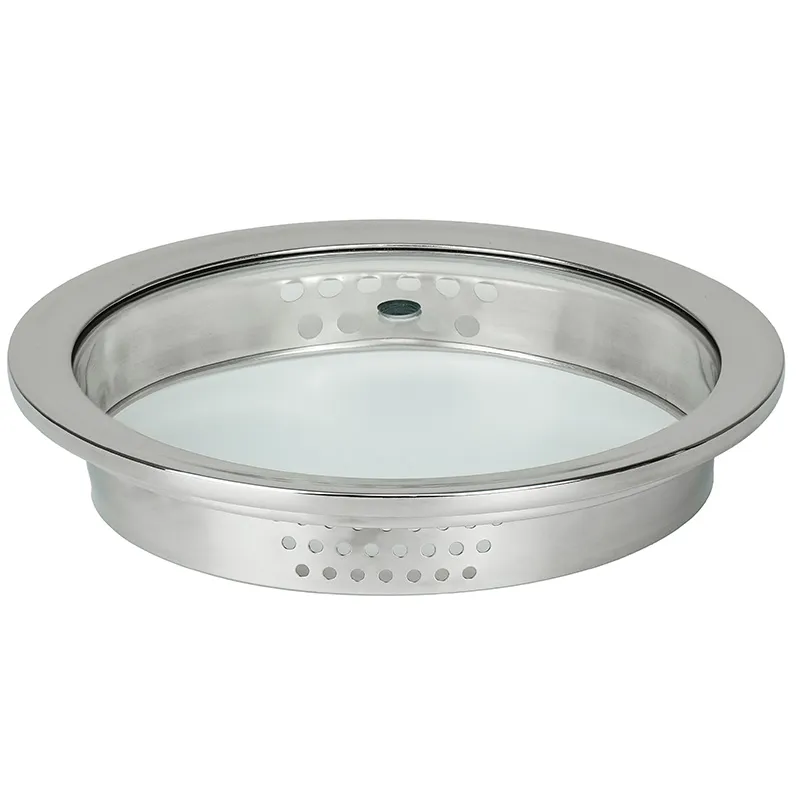
The future isn't in standalone silicone lids for bowls. It's in hybrid systems. Think of a tempered glass lid with a removable, dishwasher-safe silicone gasket. Or a silicone lid that's actually a frame holding a central panel of heat-resistant glass or stainless steel for browning. The silicone provides the sealing and grip; the rigid insert provides structure and cooking functionality. This is the direction for medium to high-level household products.
For example, a pressure cooker brand needed a sealing ring for their glass lid that could withstand rapid pressure changes. A standard molded ring failed. The solution was a multi-durometer ring: a harder silicone core for structure overlaid with a softer, spongier silicone layer for the actual seal. It's these kinds of applications that separate a commodity supplier from a specialist. The company's focus on low- medium- high level products suggests they understand this tiered approach to material science.
In practice, this means the sales team at a company like EUR-ASIA isn't just selling a lid; they're often selling a problem-solving capability. A client comes with a leaky steam issue on their stockpot, and the solution might be a custom glass lid with a specially profiled silicone seal that redirects condensation. The silicone lid is the hero, but it needs the right supporting cast—the correct glass shape, the right clamping mechanism.
Concluding Thoughts from the Factory Floor
So, what's the takeaway after seeing countless iterations? A good silicone lid is defined by its context. Its performance is 50% material formulation and 50% geometric design tailored to the host cookware. The most reliable products come from manufacturers who control or deeply understand both sides of that equation. It's a humble piece of kit, but when it's wrong, it renders a beautiful pot useless. When it's right, you never notice it—it just works, cycle after cycle, which is the highest compliment for any kitchen tool.
Walking through a production area seeing tempered glass being shock-cooled and, in another section, liquid silicone being injected into molds, the connection becomes clear. It's all about managing heat and stress. The companies that last in the export game, selling to discerning markets in Europe and Asia, are those that respect the complexity of these simple-sealing components. They're not making a trendy kitchen gadget; they're engineering a interface between food, heat, and container. And that, ultimately, is what cooking is all about.
Next time you evaluate a silicone lid, don't just stretch it. Look at the lip profile. Check the thickness consistency. Ask about the continuous use temperature. That's where the real story of its quality—and the expertise of its maker—is actually told.
Related Products
Related Products