- Chinese
- French
- German
- Portuguese
- Spanish
- Russian
- Japanese
- Korean
- Arabic
- Irish
- Greek
- Turkish
- Italian
- Danish
- Romanian
- Indonesian
- Czech
- Afrikaans
- Swedish
- Polish
- Basque
- Catalan
- Esperanto
- Hindi
- Lao
- Albanian
- Amharic
- Armenian
- Azerbaijani
- Belarusian
- Bengali
- Bosnian
- Bulgarian
- Cebuano
- Chichewa
- Corsican
- Croatian
- Dutch
- Estonian
- Filipino
- Finnish
- Frisian
- Galician
- Georgian
- Gujarati
- Haitian
- Hausa
- Hawaiian
- Hebrew
- Hmong
- Hungarian
- Icelandic
- Igbo
- Javanese
- Kannada
- Kazakh
- Khmer
- Kurdish
- Kyrgyz
- Latin
- Latvian
- Lithuanian
- Luxembou..
- Macedonian
- Malagasy
- Malay
- Malayalam
- Maltese
- Maori
- Marathi
- Mongolian
- Burmese
- Nepali
- Norwegian
- Pashto
- Persian
- Punjabi
- Serbian
- Sesotho
- Sinhala
- Slovak
- Slovenian
- Somali
- Samoan
- Scots Gaelic
- Shona
- Sindhi
- Sundanese
- Swahili
- Tajik
- Tamil
- Telugu
- Thai
- Ukrainian
- Urdu
- Uzbek
- Vietnamese
- Welsh
- Xhosa
- Yiddish
- Yoruba
- Zulu
- Kinyarwanda
- Tatar
- Oriya
- Turkmen
- Uyghur

silicone lid factory in China
When you hear 'silicone lid factory in China', the immediate image is often a vast, automated facility churning out identical, cheap products. That's the first misconception. The reality is far more nuanced, fragmented, and frankly, more interesting. It's not just about molding silicone; it's about navigating a complex ecosystem where material sourcing, compliance testing, and understanding a client's actual market needs—often different from their initial spec—determine success or failure. Many buyers fixate on unit price per piece, but the real cost is hidden in logistics, quality consistency, and the factory's ability to handle a complex multi-component product like a lid that often integrates glass, plastic, or metal inserts.
The Factory Floor Isn't What You Think
Visiting a dedicated silicone lid factory in places like Guangdong or Zhejiang, you're often struck by the scale of the secondary operations, not the primary molding. Yes, rows of injection machines hum, but the vast floor space is dedicated to trimming, washing, inspection, and assembly. Silicone, after demolding, has those thin flash edges. The trimming process is largely manual and labor-intensive—this is where a lot of quality variance can creep in if not managed tightly. A good factory has a systematic process here, with trained personnel and multiple checkpoints. A less scrupulous one will let it slide, resulting in lids that feel rough or have inconsistent seals.
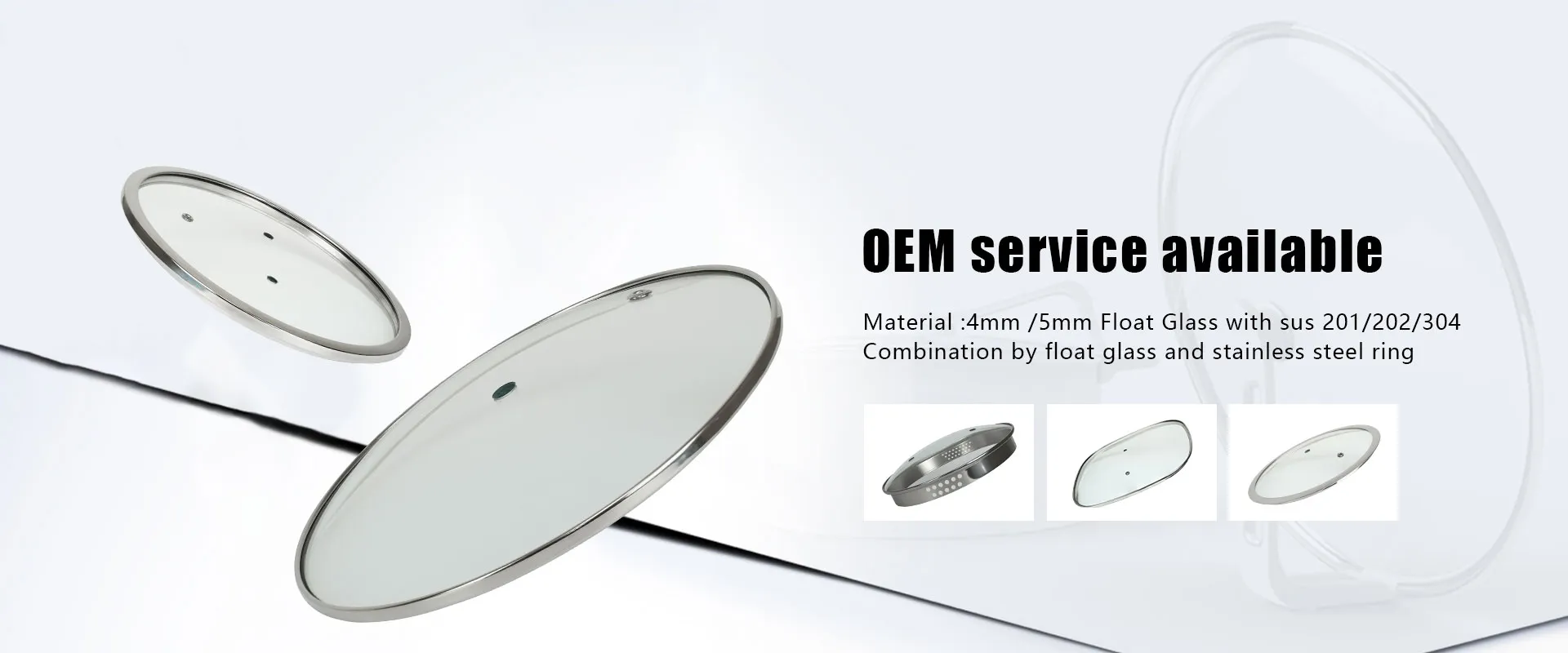
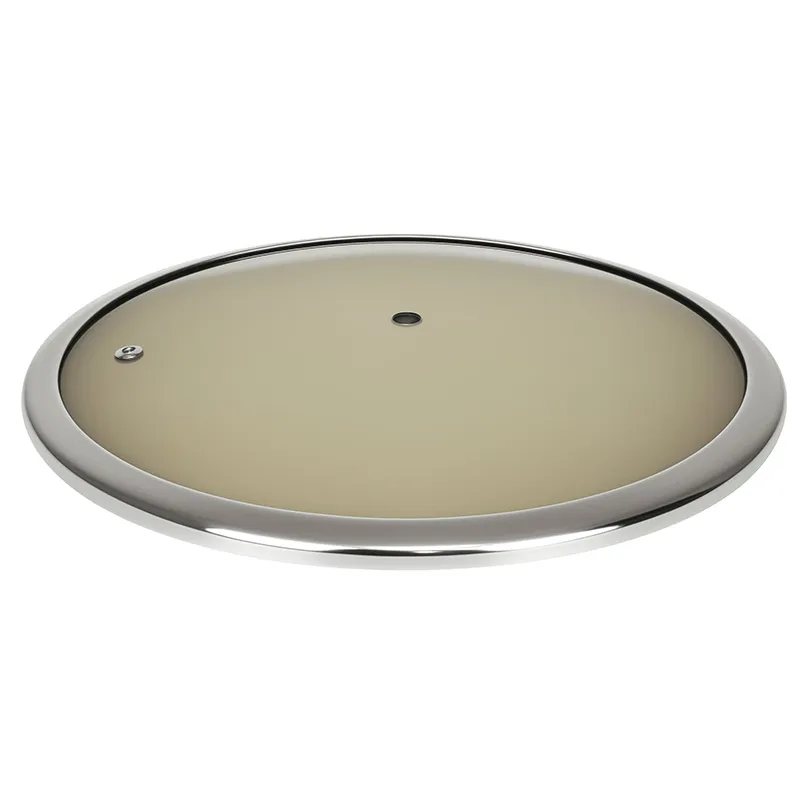
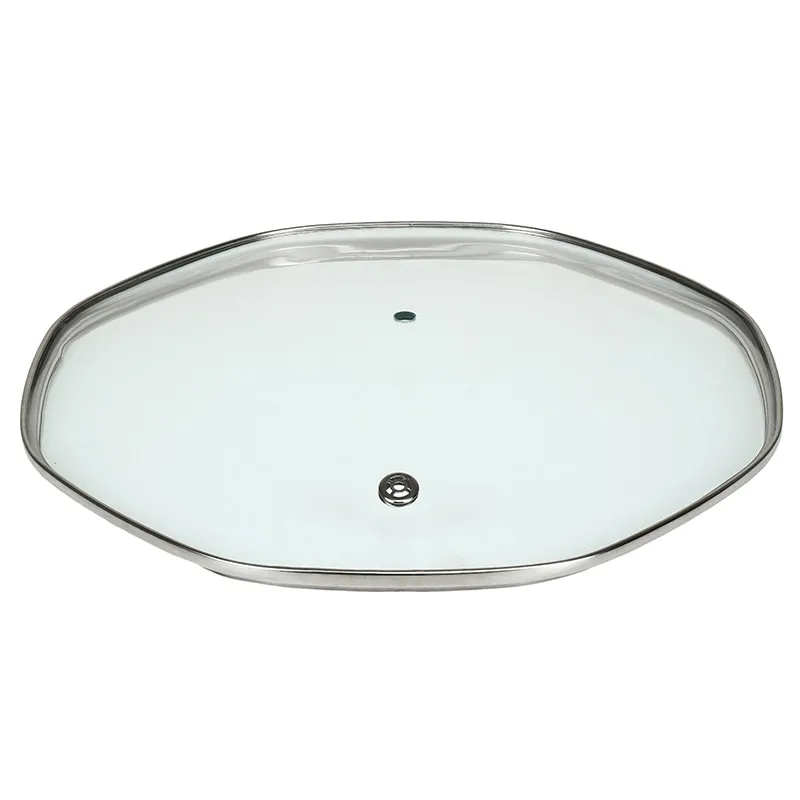
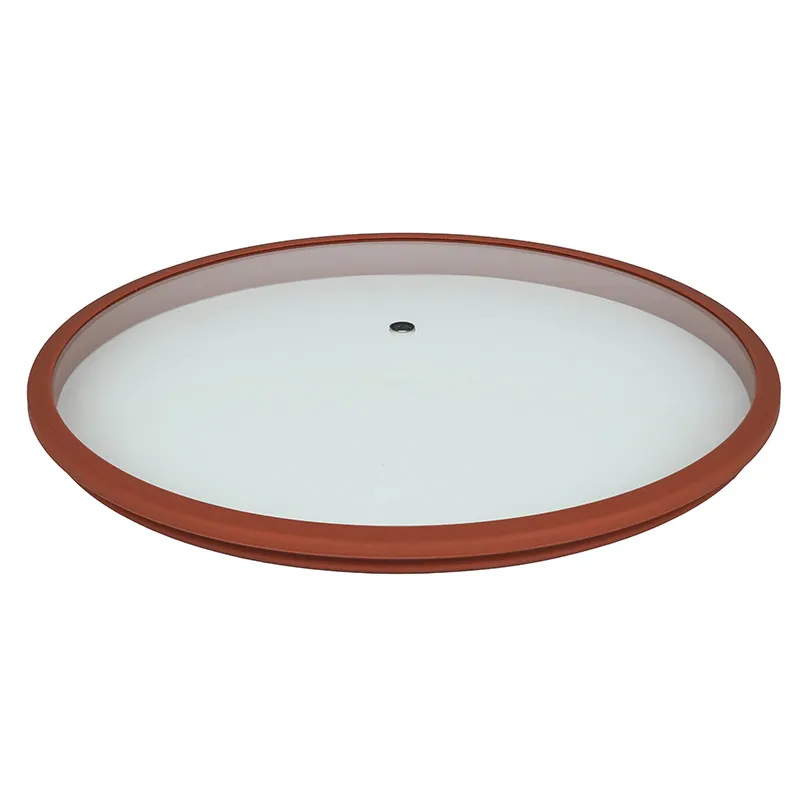
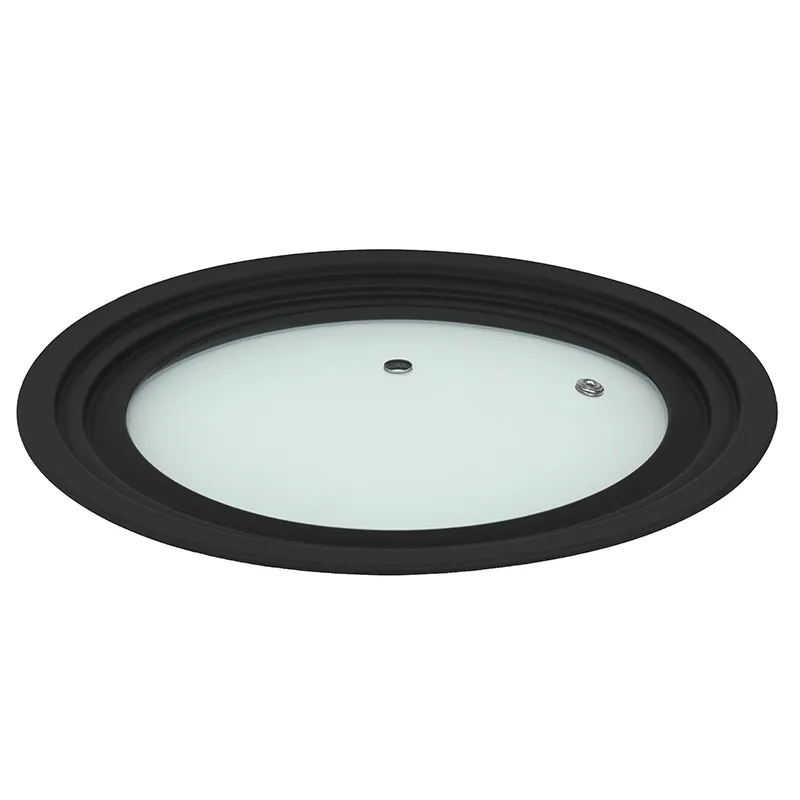
Then there's the washing. Food-grade silicone needs to be impeccably clean before packaging. I've seen setups ranging from sophisticated ultrasonic cleaning tunnels to simpler manual bath systems. The difference shows up in dust or oil residue. For a company like EUR-ASIA COOKWARE CO.,LTD, whose core is glass, adding a silicone sealing ring to a glass lid becomes a critical assembly step. Their production base in Taian likely has a dedicated, clean area for this bonding process, ensuring the adhesive cures properly without contaminating the food-contact surface. It's this hybrid manufacturing knowledge—combining glass and silicone—that separates a specialist from a generic mold shop.
Tooling is another black box. A high-quality steel mold for a complex lid design with undercuts for sealing can cost $20,000-$50,000. Cheaper factories might use aluminum or lower-grade steel to quote a lower tooling fee, but the mold degrades faster, leading to dimensional drift and a shorter production life. You must ask about mold material, expected lifespan (in shots), and who maintains it. I learned this the hard way early on when a batch started failing seal tests after just 50,000 units—the mold cavities had worn down.
Material Science: It's Not Just Silicone
This is perhaps the biggest pitfall. Requesting food-grade silicone is like asking for metal—it's meaningless without specs. The key is the platinum-cure vs. peroxide-cure process and the filler content. Platinum-cure is superior, more inert, and has virtually no odor, but it's costlier. Most reputable factories for Western markets use it. Peroxide-cure can leave a slight smell and may have higher volatile organic compounds. You must ask for the material data sheet and, crucially, the FDA LFGB compliance certificates for the specific grade they use. Don't just take a generic certificate.
Shore hardness matters immensely for a lid. Too soft (Shore A 40-50), and it might not provide enough structural integrity to pop open a vacuum seal; too hard (Shore A 70+), and it might not conform well to slightly warped containers. The sweet spot for most universal lids is around Shore A 50-60. A good factory engineer will discuss this with you, not just accept an order. They might even produce sample slabs at different hardness levels for tactile evaluation before committing to the mold.
Color is another detail. Pantone matching is standard, but remember that silicone color can shift slightly during curing, especially with vibrant pigments. Always approve a post-cure color chip. Also, consider pigment migration—cheap pigments can bleed. For a company like EUR-ASIA, which exports over 90% of its products to markets like Germany and Japan with strict chemical regulations, their material sourcing and pigment controls have to be impeccable. Their website, glass-lid.com, highlights their focus on high-level household products, which implicitly means they've likely built robust supply chains for compliant raw materials, not just for glass but for ancillary components like silicone seals.
The Integration Challenge: When Lid Meets Glass
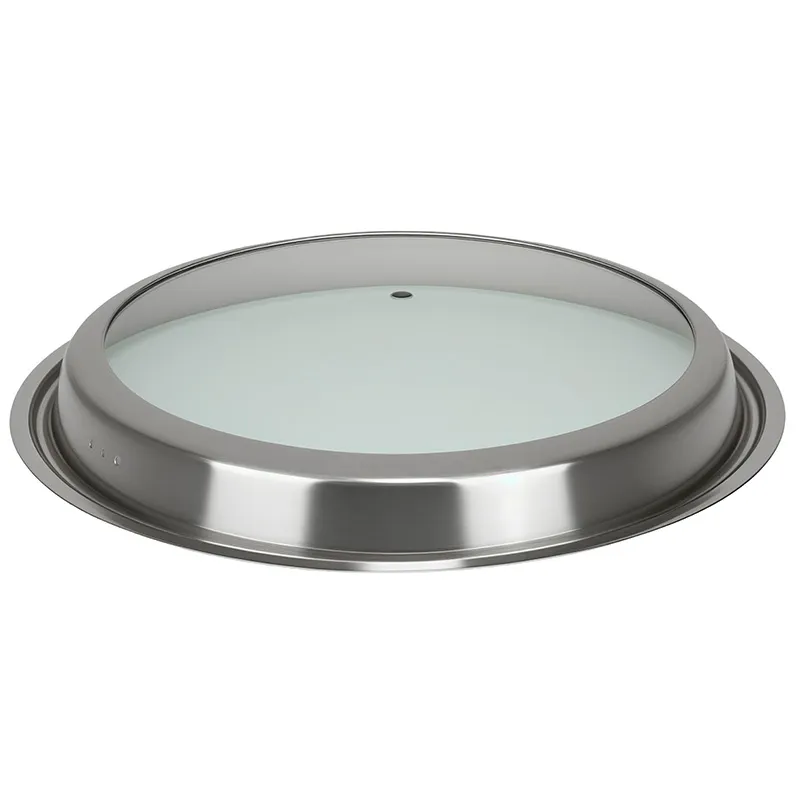
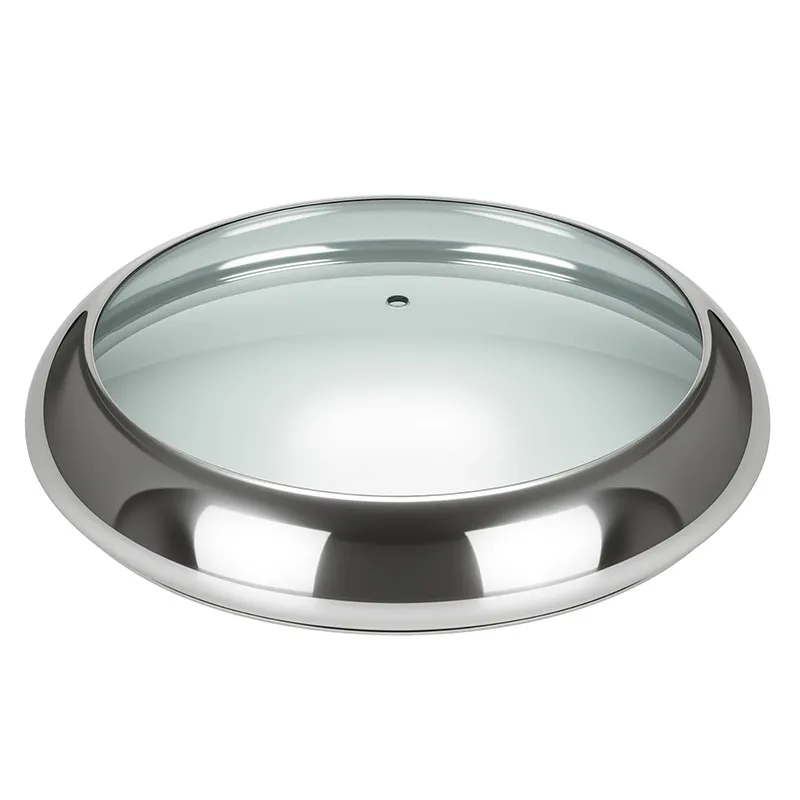
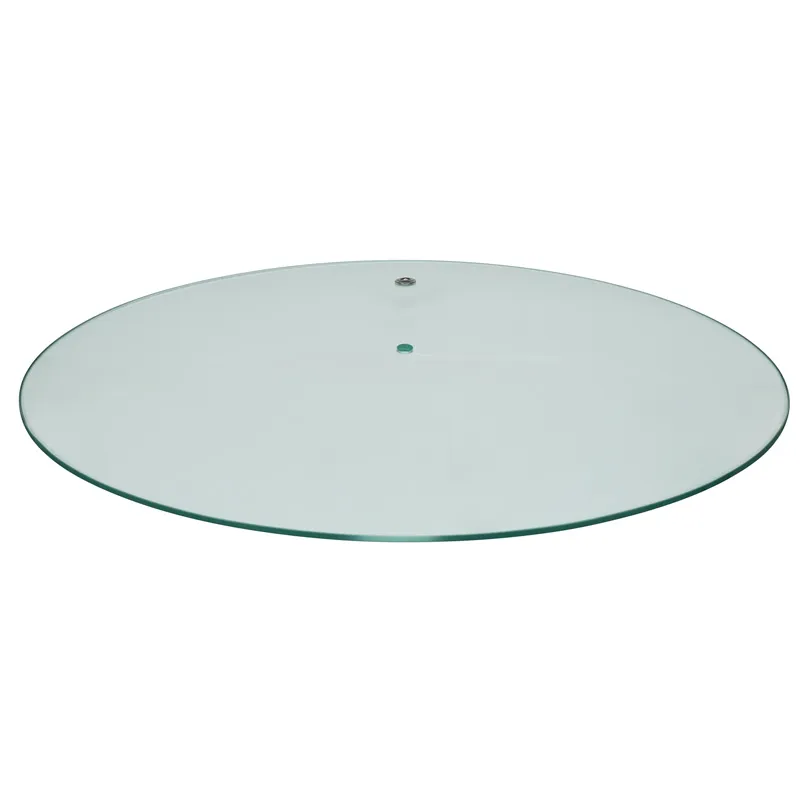
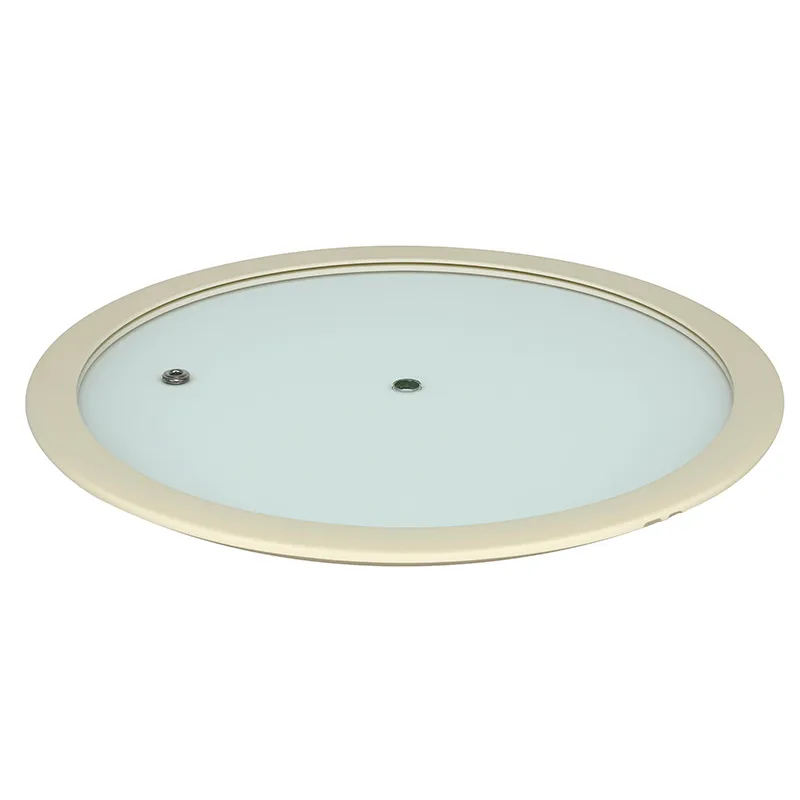
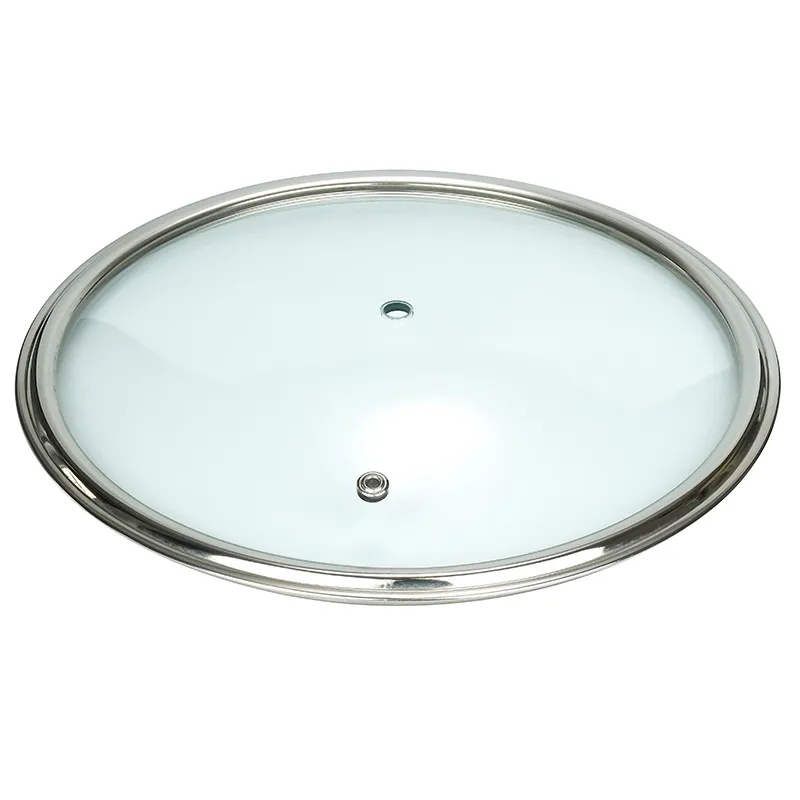
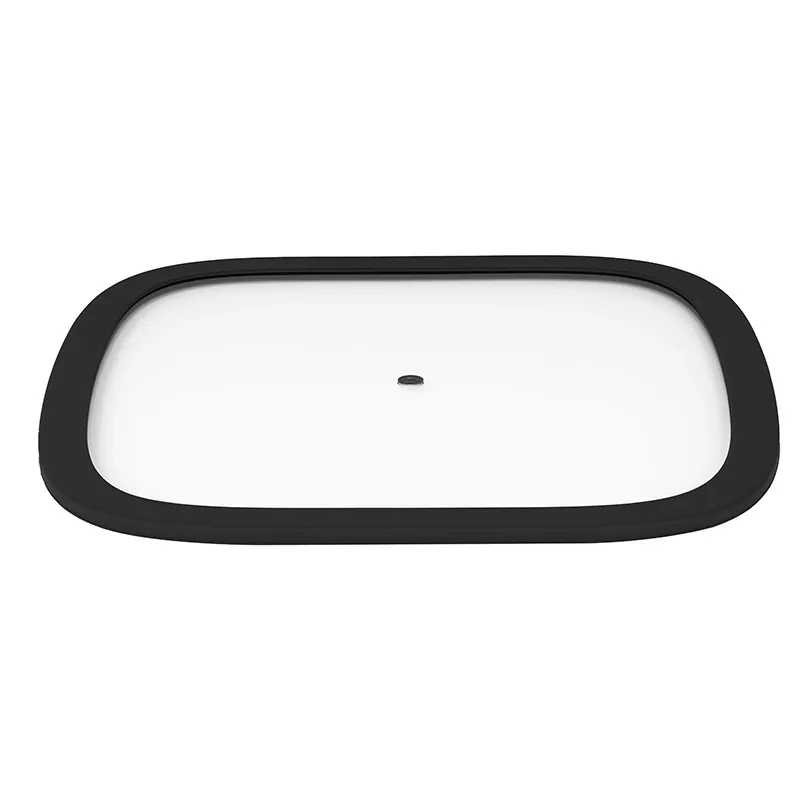
This is where the conversation gets specific. A standalone silicone lid is one thing. A silicone seal bonded to a tempered glass lid, which is EUR-ASIA's apparent expertise, is a different beast. The thermal expansion rates of glass and silicone differ. During dishwashing or oven use (if rated), the bond must hold. The adhesive selection and application process are critical proprietary knowledge. I've seen failures where the silicone ring detaches after a few dishwasher cycles because the adhesive wasn't rated for high-temperature wet environments.
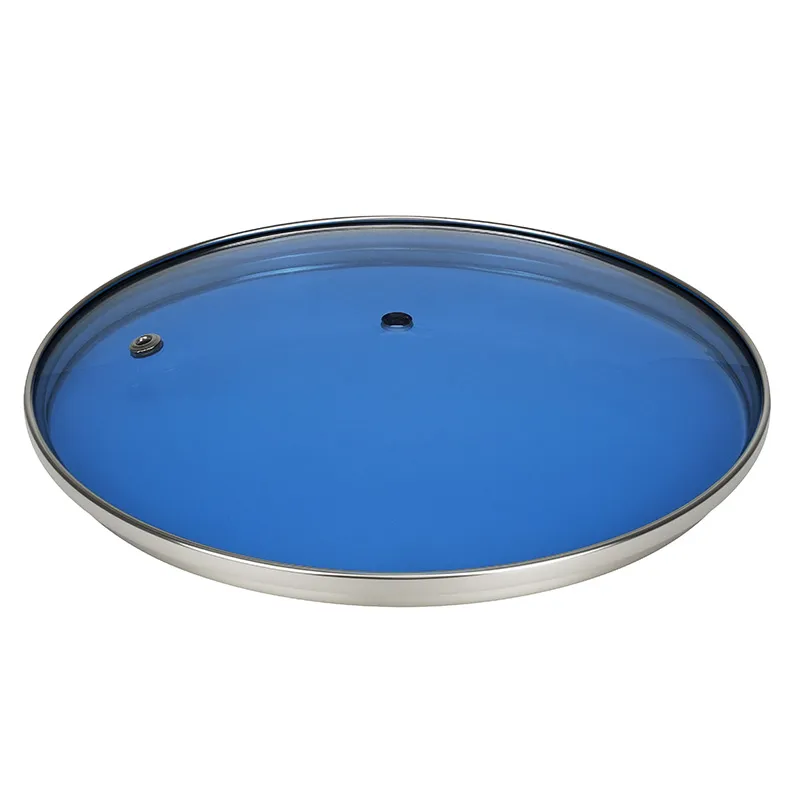
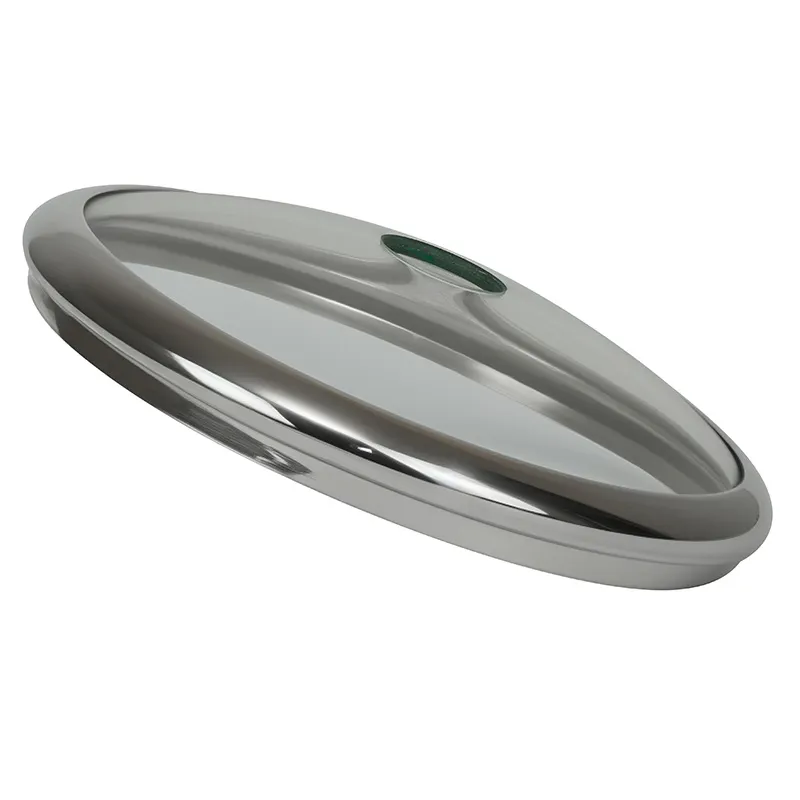
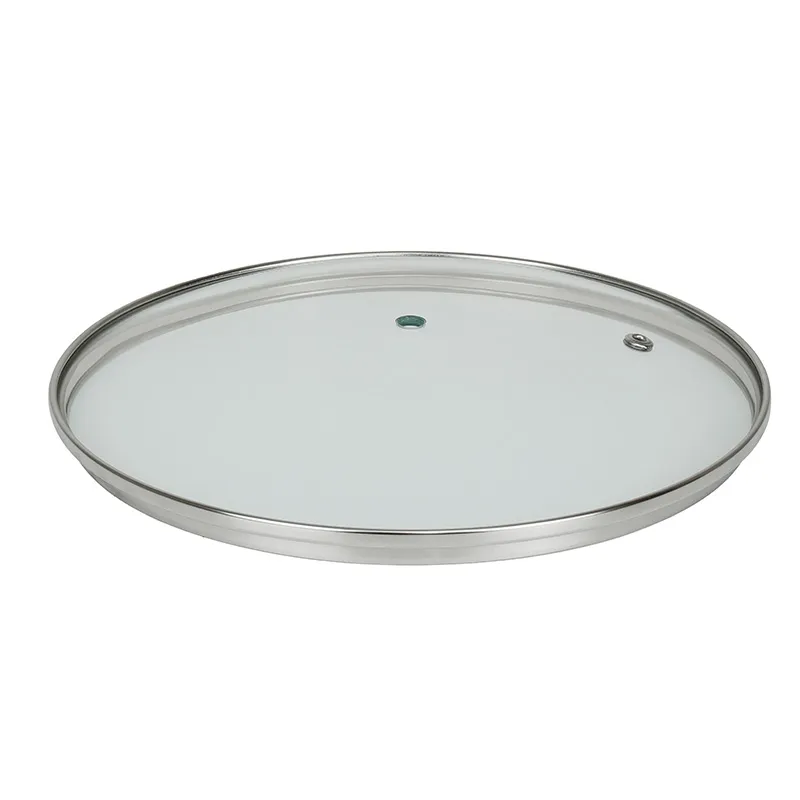
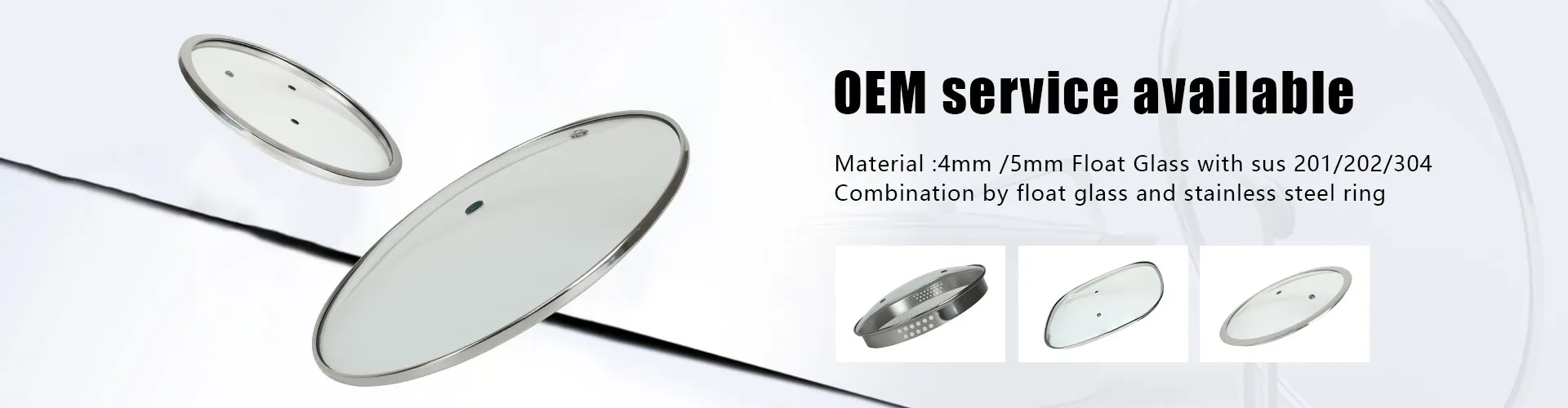
The assembly tolerance is tight. The groove in the glass lid that holds the silicone ring must be precision-molded. If it's too wide, the ring wobbles; too narrow, it's impossible to fit without tearing. This requires close collaboration between the glass molding team and the silicone team. In a vertically integrated setup or a close partnership, this is smoother. From EUR-ASIA's description of producing over 15 million tempered glass lids annually, one can infer they have mastered this integration. Their factory's scale (20,000㎡) suggests they likely handle the silicone sealing assembly in-house or with a tightly controlled partner, ensuring consistency for their export clients in Europe and Asia.
Failure case: A client once wanted a glass lid with a built-in silicone steam vent. The design looked great on paper, but during prototyping, we found condensate would drip through the vent slit due to surface tension. The solution wasn't just silicone formulation; it involved tweaking the slit geometry and the glass's slope. It took three iterations. A factory without R&D patience would have just produced the flawed design.
Logistics and the Real Cost
Never underestimate packaging. Silicone lids, especially with glass inserts, are bulky and can be easily scratched. They often require individual pouches, then careful carton stacking to avoid compression damage. I've had shipments where lids arrived permanently deformed because they were packed too tightly in a hot container. A professional factory will have standardized packing protocols and can advise on optimal carton counts. Their experience exporting globally, as with EUR-ASIA's reach into Germany, Russia, Brazil, etc., means they understand the long-haul logistics stresses.
Minimum Order Quantity (MOQ) is a key filter. For a custom silicone lid, MOQs can start at 5,000 to 10,000 pieces per design/color, primarily due to mold cost amortization. For a stock design, it might be lower. But if you're integrating it with a custom glass lid from a silicone lid factory or a specialist like EUR-ASIA, the MOQ will be driven by the glass component, which likely has a higher threshold due to the tempering process setup. This is a crucial point of discussion upfront.
Finally, the factory might be a trading company. Always verify. Ask for videos of the production floor, specifically of the lid line. Request a video call from the factory floor. A true manufacturer like the one described in Taian will have no issue showing their tempering furnaces and assembly lines. Their physical footprint and employee count (90+ as noted) are good indicators of substantial manufacturing capability, not just a front office.
Concluding Thoughts: Finding the Right Partner
So, searching for a silicone lid factory in China isn't a simple vendor selection. It's about finding a technical partner. You need a place that understands material science, tolerances, compliance, and the realities of combining materials. For products where the lid is part of a system—like a glass cookware set—a manufacturer with deep expertise in the primary material (glass) that has also solved the silicone integration puzzle is often a safer bet than a pure-play silicone molder.
Companies like EUR-ASIA COOKWARE CO.,LTD exemplify this. Their specialization in tempered glass lids and a 90% export ratio to stringent markets signals a necessary focus on quality systems. When they source or produce silicone components, their standards are already benchmarked against German or Japanese retail requirements. That's a valuable filter.
In the end, move beyond Alibaba quotes. Dig into material certs, visit if possible, audit their process control for secondary operations like trimming and washing, and stress-test their integrated products. The right factory won't just say yes; they'll ask difficult questions about your application, which is exactly what you want.
Related Products
Related Products