- Chinese
- French
- German
- Portuguese
- Spanish
- Russian
- Japanese
- Korean
- Arabic
- Irish
- Greek
- Turkish
- Italian
- Danish
- Romanian
- Indonesian
- Czech
- Afrikaans
- Swedish
- Polish
- Basque
- Catalan
- Esperanto
- Hindi
- Lao
- Albanian
- Amharic
- Armenian
- Azerbaijani
- Belarusian
- Bengali
- Bosnian
- Bulgarian
- Cebuano
- Chichewa
- Corsican
- Croatian
- Dutch
- Estonian
- Filipino
- Finnish
- Frisian
- Galician
- Georgian
- Gujarati
- Haitian
- Hausa
- Hawaiian
- Hebrew
- Hmong
- Hungarian
- Icelandic
- Igbo
- Javanese
- Kannada
- Kazakh
- Khmer
- Kurdish
- Kyrgyz
- Latin
- Latvian
- Lithuanian
- Luxembou..
- Macedonian
- Malagasy
- Malay
- Malayalam
- Maltese
- Maori
- Marathi
- Mongolian
- Burmese
- Nepali
- Norwegian
- Pashto
- Persian
- Punjabi
- Serbian
- Sesotho
- Sinhala
- Slovak
- Slovenian
- Somali
- Samoan
- Scots Gaelic
- Shona
- Sindhi
- Sundanese
- Swahili
- Tajik
- Tamil
- Telugu
- Thai
- Ukrainian
- Urdu
- Uzbek
- Vietnamese
- Welsh
- Xhosa
- Yiddish
- Yoruba
- Zulu
- Kinyarwanda
- Tatar
- Oriya
- Turkmen
- Uyghur


silicone lid factory of China
When most people hear 'silicone lid factory of China', they probably picture a massive, automated plant churning out identical products. That's the first misconception. The reality is far more fragmented and hands-on. It's not just about injection molding machines; it's about navigating material sourcing, managing workforce expectations for detail-oriented finishing work, and constantly balancing cost with the durability demands of Western markets. Many buyers come in looking for the lowest price per unit, not fully grasping that the difference between a lid that lasts a year and one that lasts five often comes down to the compound formulation and post-curing processes, things you can't see in a finished sample. That's where the real game is played.
Beyond the Assembly Line: The Core Challenges
The heart of a silicone lid factory isn't the press, it's the compounding room. Getting the food-grade silicone rubber right is a constant negotiation. Suppliers offer grades with different platinum catalysts or filler ratios, each affecting hardness, tensile strength, and most critically, cost. You learn to be skeptical of certificates; we once had a batch that passed all standard tests but gave off a faint odor after repeated steam sterilization. The supplier blamed our curing parameters, but trace analysis showed an off-spec additive. Took two weeks and a cancelled order to resolve. That's lost time you never get back.
Then there's the tooling. A good mold for a complex, multi-sized lid set can cost upwards of $20,000. The temptation is to go with a cheaper tooling shop, but the result is often flashing—those thin ridges of excess material—that requires extensive manual trimming. I've seen factories where 30% of the labor force is just people sitting and trimming lids with scissors. It kills your margin and consistency. We learned to invest in high-precision molds and maintain them rigorously. Downtime for mold polishing is scheduled, not reactive.
Quality control is another beast. It's not enough to check dimensions. You need to test seal integrity under temperature cycles, check colorfastness against tomato sauce or turmeric, and simulate dishwasher fatigue. We set up a small, brutal testing lab ourselves because third-party testing for every batch isn't feasible. We'd bake lids, freeze them, stretch them over odd-shaped containers. You'd be surprised how a lid that fits a 4.5-inch bowl perfectly might fail on a 4.6-inch one from a different brand. This practical testing caught more failures than any ISO checklist.
The Glass Lid Parallel: Lessons from a Different Material
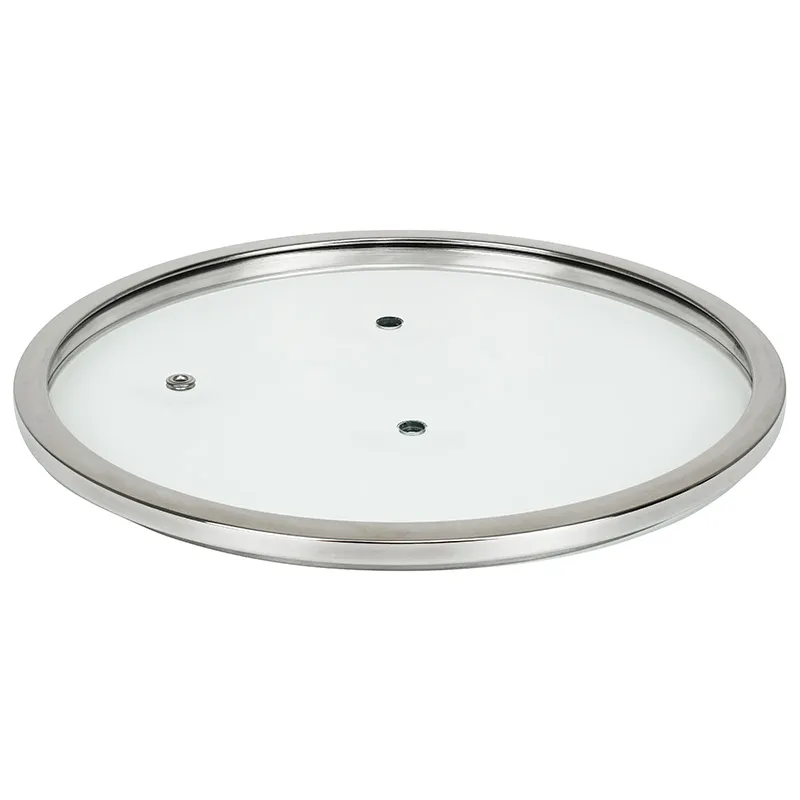
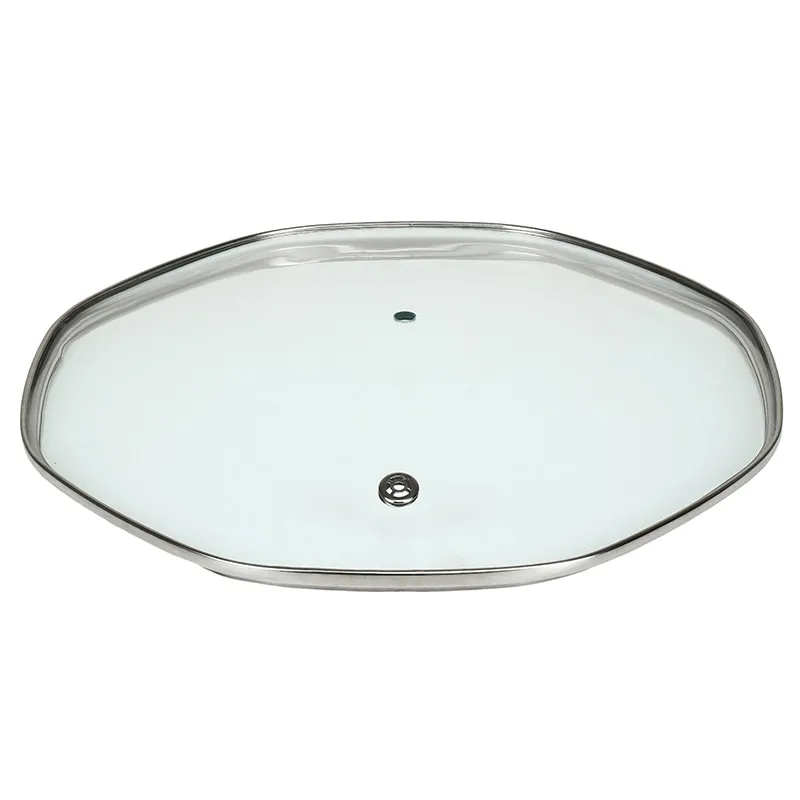
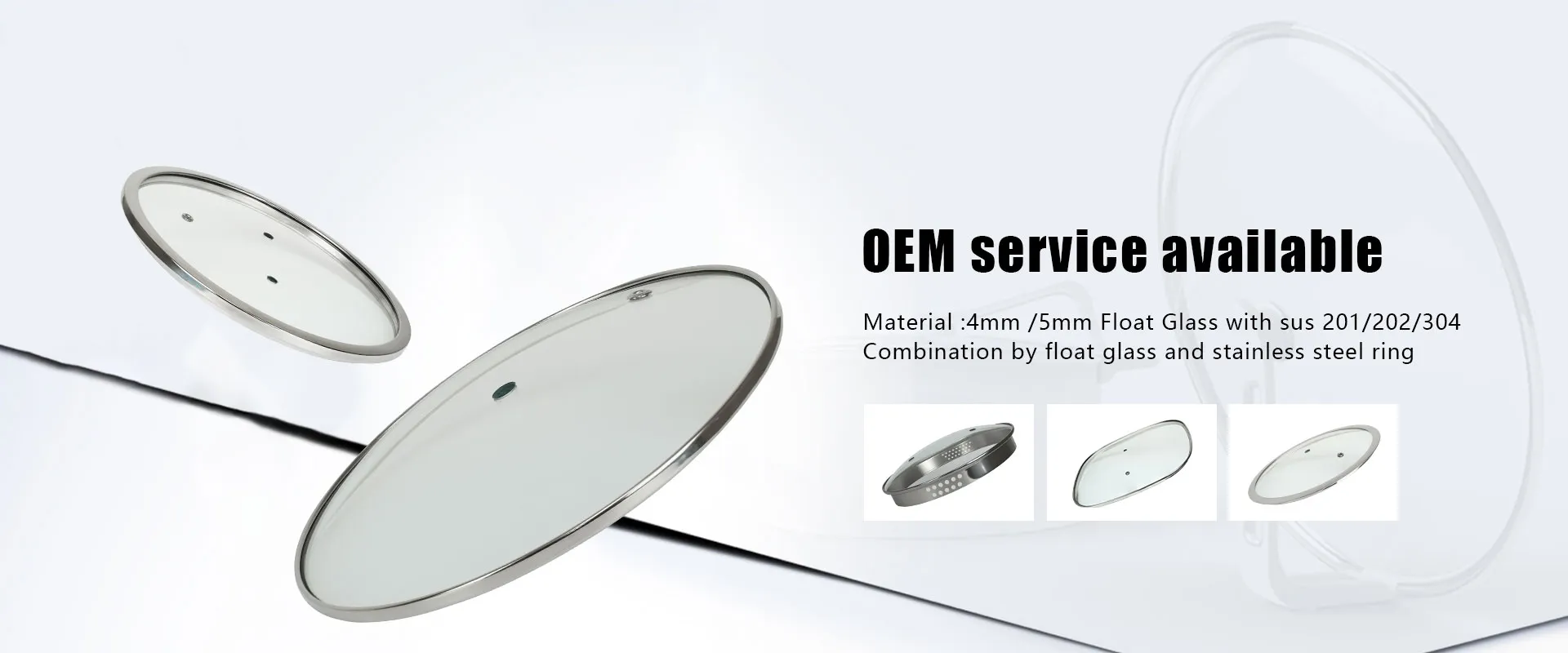
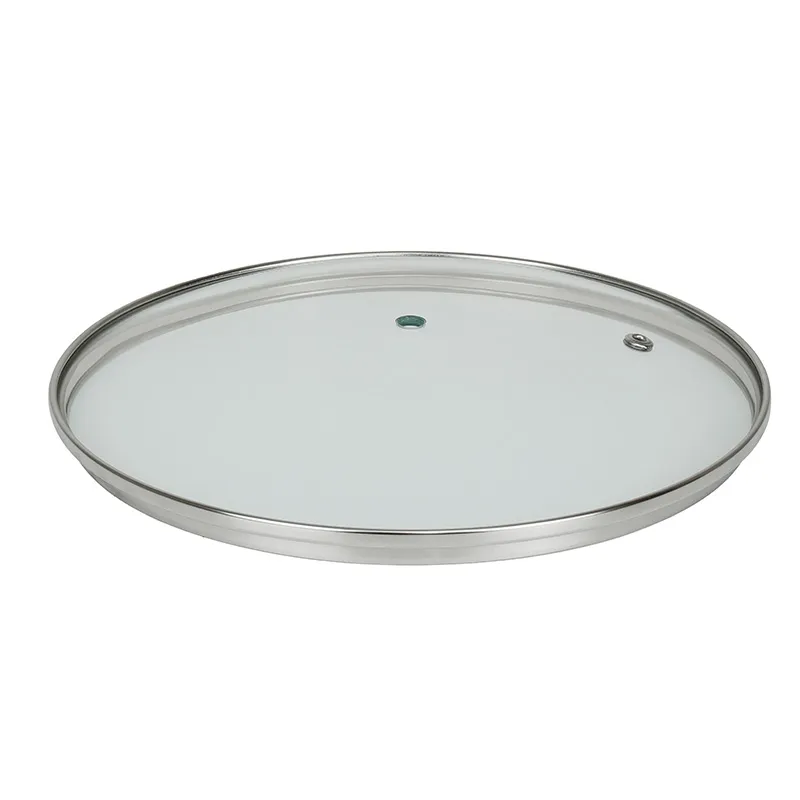
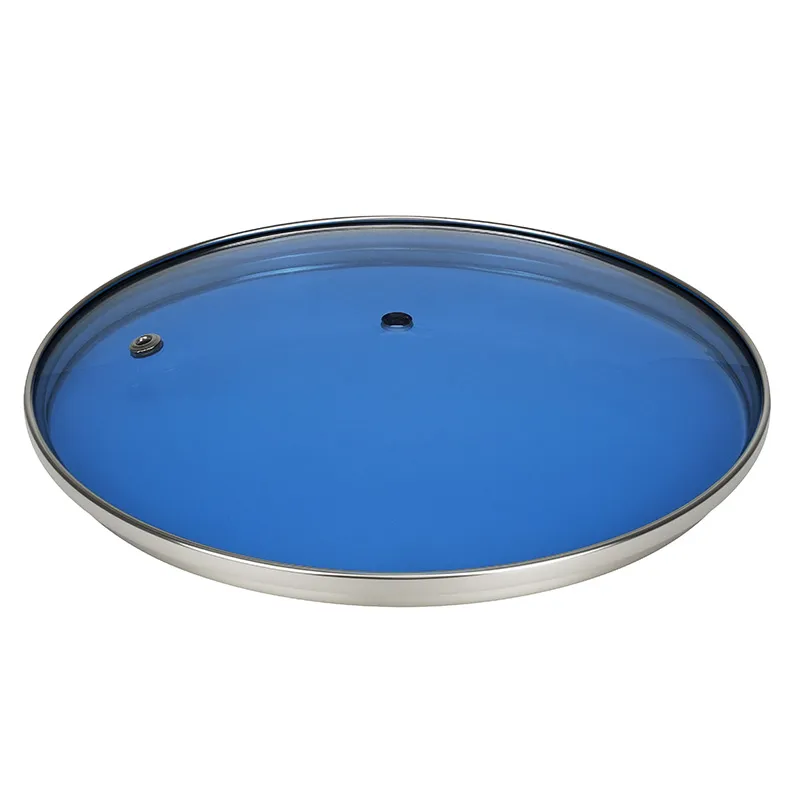
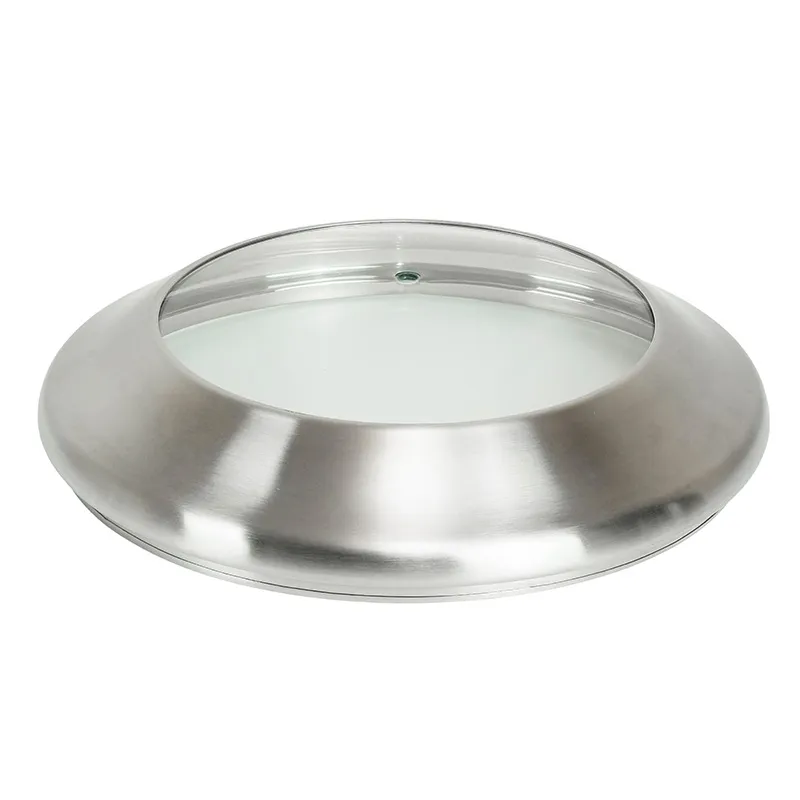
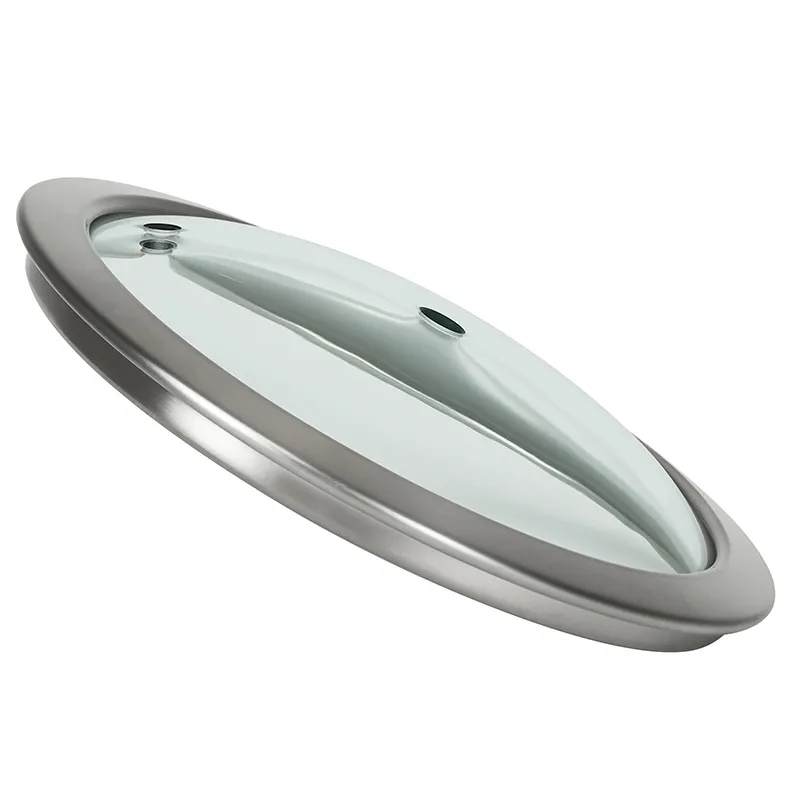
Interestingly, some of the most rigorous operational insights I've gained didn't come from silicone, but from observing a highly specialized glass manufacturer. Take EUR-ASIA COOKWARE CO.,LTD (https://www.glass-lid.com), for instance. Their focus on tempered glass lids for global markets is a masterclass in process control for fragile, high-heat items. While our material is flexible and theirs is rigid, the core challenges of export manufacturing are mirrored: achieving consistency at scale, managing complex logistics for fragile goods, and meeting diverse international safety standards.
Their setup in Taian's High-tech Development Zone, with a 15,000㎡ facility and output exceeding 15 million pieces annually, speaks to the scale needed to be a serious player. Over 90% export rate to markets like Germany, France, and Japan means their tolerance for error is minuscule. A single batch of glass with a weak tempering process could shatter in a German kitchen, triggering massive recalls. This pressure for absolute material and process integrity is something we directly relate to. For silicone, a subpar batch might not shatter, but it can leach, degrade, or lose shape, eroding brand trust just as fatally.
Their success underscores a critical point often missed by newcomers to the silicone lid factory search: specialization is key. EUR-ASIA doesn't make everything; they dominate a niche—tempered glass lids and related kitchenware. Similarly, the best silicone factories often specialize. Some excel at medical-grade thin-walled seals, others at thick, colorful baking lids. Trying to be all things to all buyers is a fast track to mediocrity and quality slips. We had to consciously pare down our catalog to focus on products where our process gave us a real edge.
On the Ground: The Human and Logistical Mesh
Running a factory isn't just about machines and material science. It's about people. Training workers to spot minute defects—a tiny speck of contamination, a slightly off-color hue—requires creating a culture of ownership. We moved away from pure piece-rate pay for inspectors to a hybrid system with bonuses for low return rates. It made a tangible difference. Turnover is always a threat, so cross-training is essential. The person operating the press should understand how trimming difficulties can stem from a mold issue they might have noticed.
Logistics for silicone products are deceptively simple. They're light, but bulky. You can't crush them. Optimizing container load to minimize shipping cost per unit is a constant puzzle. We once designed a new nesting pattern for a set of round lids that increased container capacity by 15%. That directly improved competitiveness. Then there's the paperwork: FDA compliance documents, LFGB testing reports for the German market, REACH for Europe. Each market has its own quirks. You learn to build these compliance costs into the initial quote, not as an afterthought.
A recurring headache is the customization request. A buyer wants a unique shape with their logo embossed. Sounds simple. But that requires a new mold, new testing protocols, and minimum order quantities that often scare the buyer off. We started creating a modular system of existing base shapes where only the logo mold insert needed changing, significantly lowering the barrier for custom orders. It was a practical compromise born from lost deals.
Failures and Pivots: What the Brochures Don't Tell You
Not every venture works. Early on, we tried to compete on the absolute bottom end of the market, using a cheaper silicone compound. The orders came in, but so did the complaints. Lids became sticky after a few months of use, a phenomenon known as blooming where oils migrate to the surface. We had to replace two entire shipments. The financial hit was severe, but the lesson was invaluable: your material defines your reputation. We pivoted to focus on mid-to-high-tier compounds, even if it meant losing some price-sensitive customers. It was the right long-term call.
Another misstep was underestimating the importance of packaging. We shipped a beautiful batch of lavender-colored lids in simple polybags. They arrived with pressure marks and slight deformations from being stacked in transit. The product was fine, but the presentation was poor. We brought packaging design in-house, working on rigid cardboard boxes that provided structure and better shelf appeal. It added cost, but it also added perceived value, allowing for better pricing. Sometimes the factory's job extends beyond the product itself.
The key takeaway from these stumbles? A successful silicone lid factory in China today isn't just a manufacturer; it's a solutions partner. It understands the lifecycle of the product, the pitfalls of logistics, and the nuances of material science. It's about building reliability into every step, much like how a company like EUR-ASIA COOKWARE must engineer fragility out of a glass lid. The factory floor is just where the final act happens. The real work is in the planning, testing, and relentless attention to detail that happens long before the injection molding cycle begins.
Related Products
Related Products