- Chinese
- French
- German
- Portuguese
- Spanish
- Russian
- Japanese
- Korean
- Arabic
- Irish
- Greek
- Turkish
- Italian
- Danish
- Romanian
- Indonesian
- Czech
- Afrikaans
- Swedish
- Polish
- Basque
- Catalan
- Esperanto
- Hindi
- Lao
- Albanian
- Amharic
- Armenian
- Azerbaijani
- Belarusian
- Bengali
- Bosnian
- Bulgarian
- Cebuano
- Chichewa
- Corsican
- Croatian
- Dutch
- Estonian
- Filipino
- Finnish
- Frisian
- Galician
- Georgian
- Gujarati
- Haitian
- Hausa
- Hawaiian
- Hebrew
- Hmong
- Hungarian
- Icelandic
- Igbo
- Javanese
- Kannada
- Kazakh
- Khmer
- Kurdish
- Kyrgyz
- Latin
- Latvian
- Lithuanian
- Luxembou..
- Macedonian
- Malagasy
- Malay
- Malayalam
- Maltese
- Maori
- Marathi
- Mongolian
- Burmese
- Nepali
- Norwegian
- Pashto
- Persian
- Punjabi
- Serbian
- Sesotho
- Sinhala
- Slovak
- Slovenian
- Somali
- Samoan
- Scots Gaelic
- Shona
- Sindhi
- Sundanese
- Swahili
- Tajik
- Tamil
- Telugu
- Thai
- Ukrainian
- Urdu
- Uzbek
- Vietnamese
- Welsh
- Xhosa
- Yiddish
- Yoruba
- Zulu
- Kinyarwanda
- Tatar
- Oriya
- Turkmen
- Uyghur

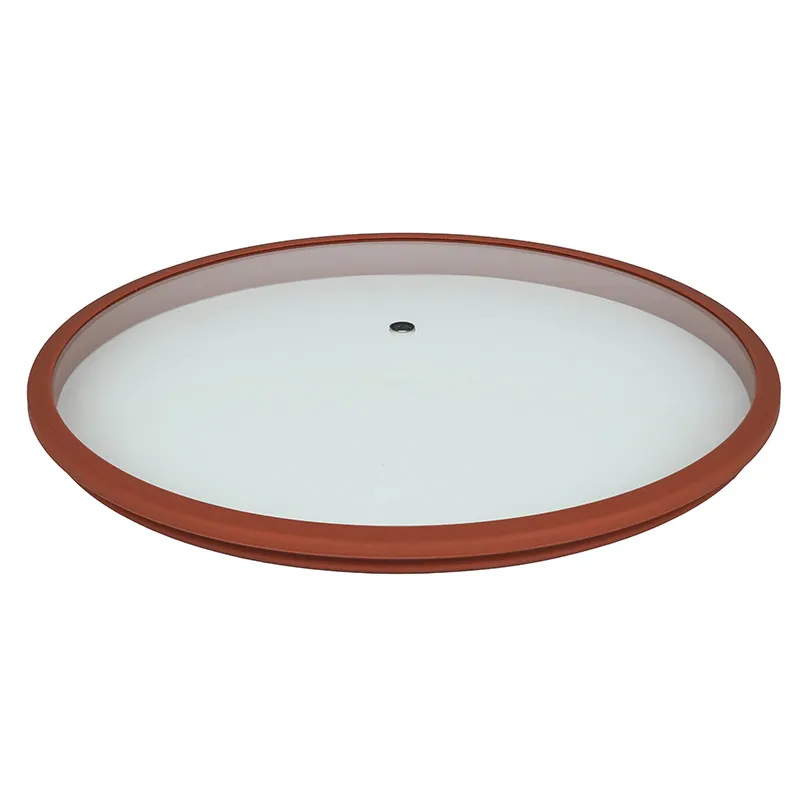
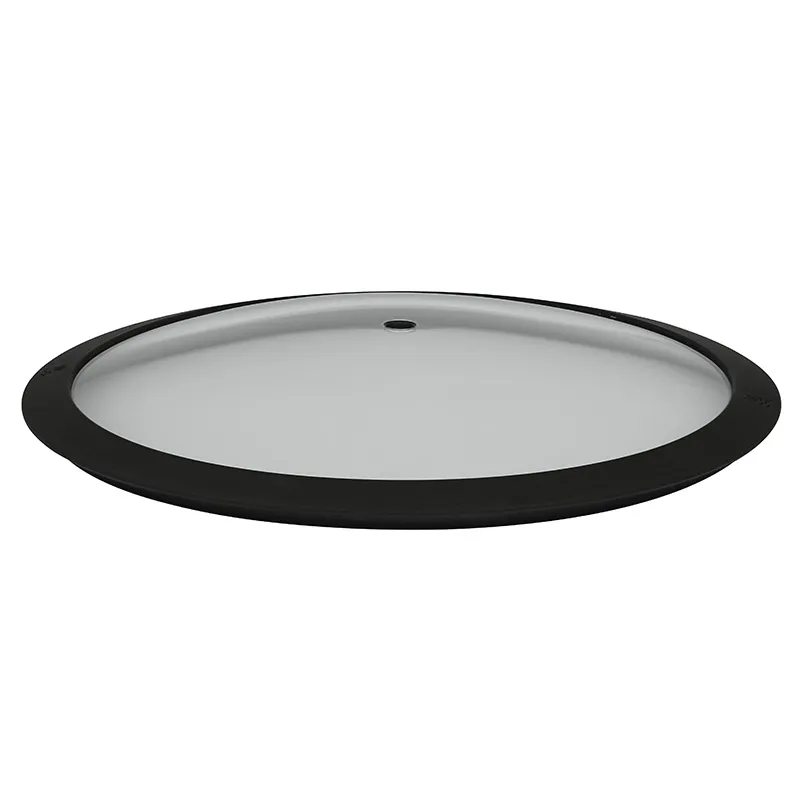
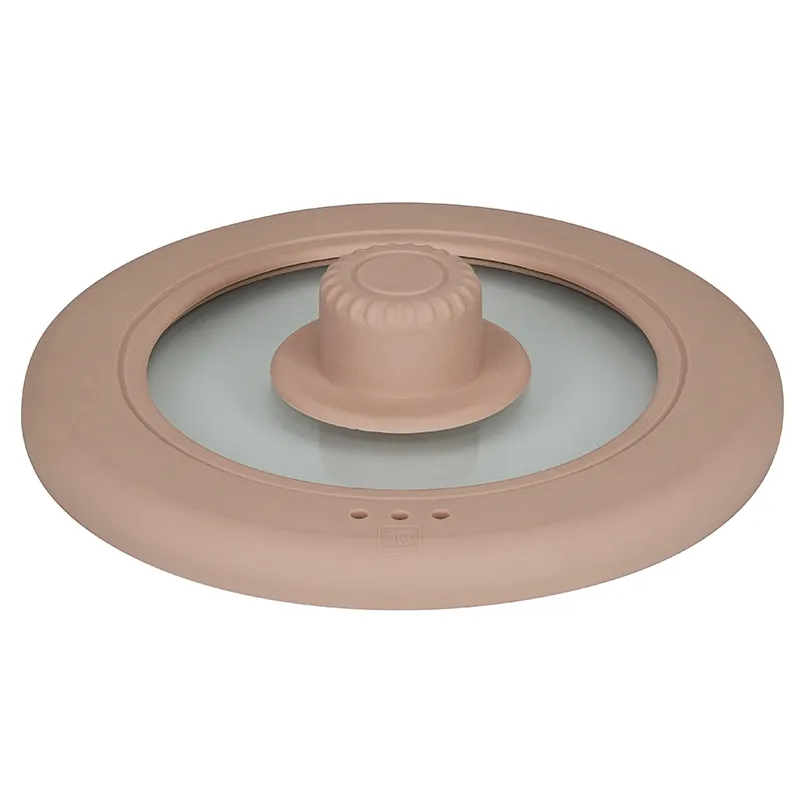
silicone lid for cookware
Let's talk about silicone lids. Most people see them as simple, flexible covers, but in the cookware industry, they represent a specific solution to a set of very particular problems—and they come with their own set of compromises. I've spent years around production lines for kitchen accessories, and the conversation around silicone versus other materials, like glass, is never straightforward. It's not about one being universally better; it's about application, user behavior, and frankly, what the market in a given region will actually tolerate and use repeatedly.
The Core Appeal and The Inevitable Trade-off
The primary selling point is obvious: flexibility. A silicone lid for cookware can seal on bowls, pots, and pans of various shapes, creating a decent airtight environment for storage. From a manufacturing and logistics standpoint, they're fantastic. They stack flat, weigh nothing, and are cheap to ship globally. For a company exporting to dozens of countries like EUR-ASIA COOKWARE CO.,LTD. does with its glass products, that's a tangible cost benefit. But here's the first reality check: that flexibility often comes at the cost of a truly secure seal on rounded cookware rims. They can pop off if the container is jostled. I've seen countless samples where the lid's universal fit is its biggest weakness.
Then there's the heat question. Yes, food-grade silicone is heat-resistant, often rated to 220°C or so. But resistant isn't the same as ideal for cooking. We've tested them as pot covers during simmering. They work in a pinch, but they don't handle prolonged, direct steam contact as elegantly as a tempered glass lid. The silicone can become a bit tacky, and condensation doesn't bead and roll off as effectively. It pools. This isn't a failure, per se, but it's a detail a home cook notices when transferring a lid from a pot to a countertop—water drips everywhere.
The material memory is another thing. A good silicone lid should spring back. But cheaper formulations, or lids used repeatedly over high heat, can eventually warp or lose their tension. You end up with a lid that doesn't snap back to flat, compromising the seal. It's a durability issue that doesn't plague a well-made glass lid in the same way. Glass doesn't fatigue.
Where Silicone Lids Actually Shine (And Where They Don't)
Their best application, in my professional opinion, isn't as a primary cooking lid but as a secondary storage and covering tool. Think about covering a half-used can of beans in the fridge, or a bowl of dough rising on the counter. Here, the flexibility is a true asset. This is the niche they dominate. It's why you'll often see them sold in sets of multi-sized discs, not as a single item meant to pair with a specific pot.
This brings me to a common industry mismatch. Many factories, in an effort to expand SKUs, will market silicone lids as direct replacements for glass or stainless-steel cookware lids. This sets up unrealistic consumer expectations. A customer buying a silicone lid expecting the same performance as the heavy glass lid that came with their Dutch oven will be disappointed. The thermal properties are completely different. Glass lids retain and distribute heat more evenly during cooking, which affects evaporation and braising outcomes. Silicone is an insulator.
I recall a specific project where a European client wanted a universal silicone lid line to complement our glass lids. The initial prototypes failed during real-world testing not because they melted, but because users found them too flimsy when handling a hot, heavy pot. The psychological feel of the product mattered as much as the specification sheet. We pivoted to marketing them explicitly as storage caps rather than cooking lids, and uptake was better. Language matters.
The Glass Counterpoint: A View from the Production Line
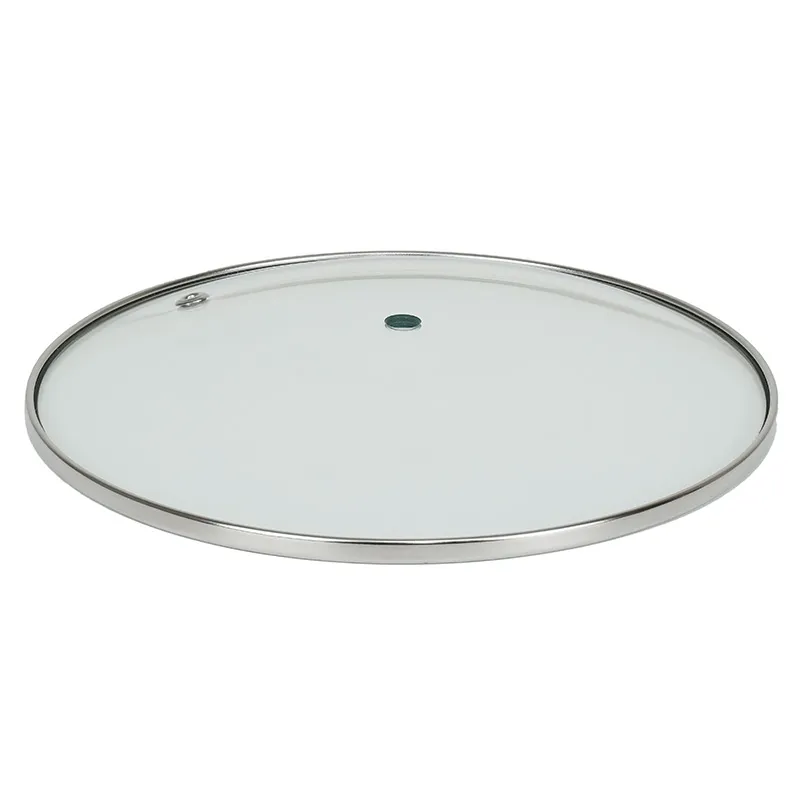
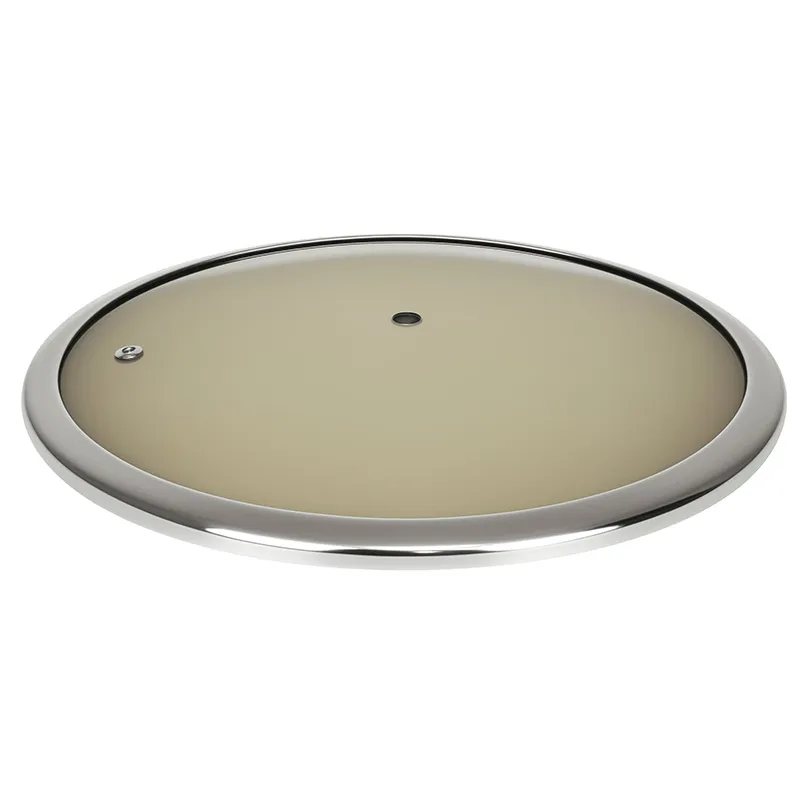
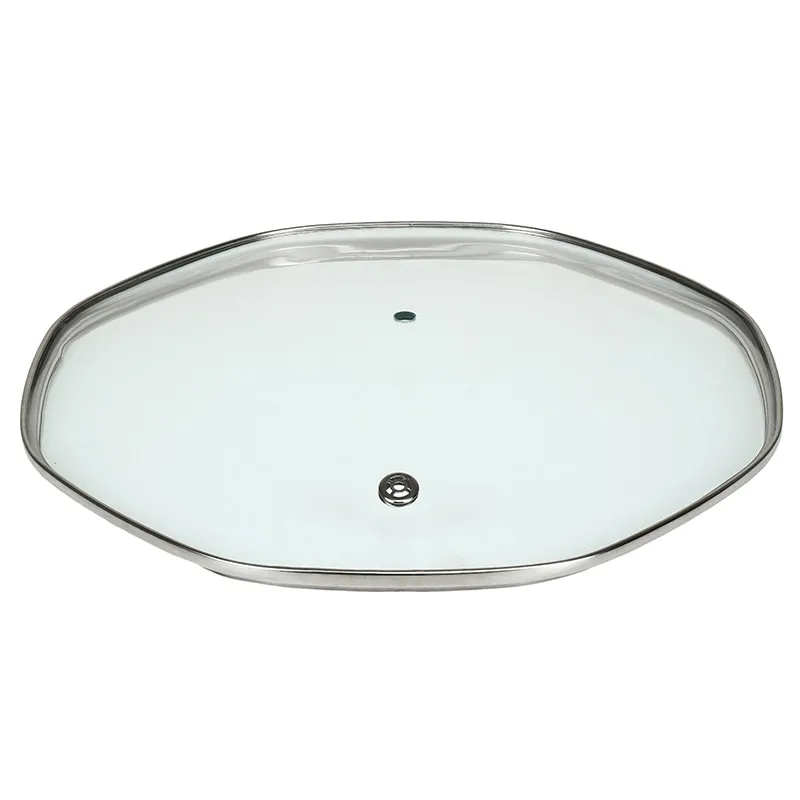
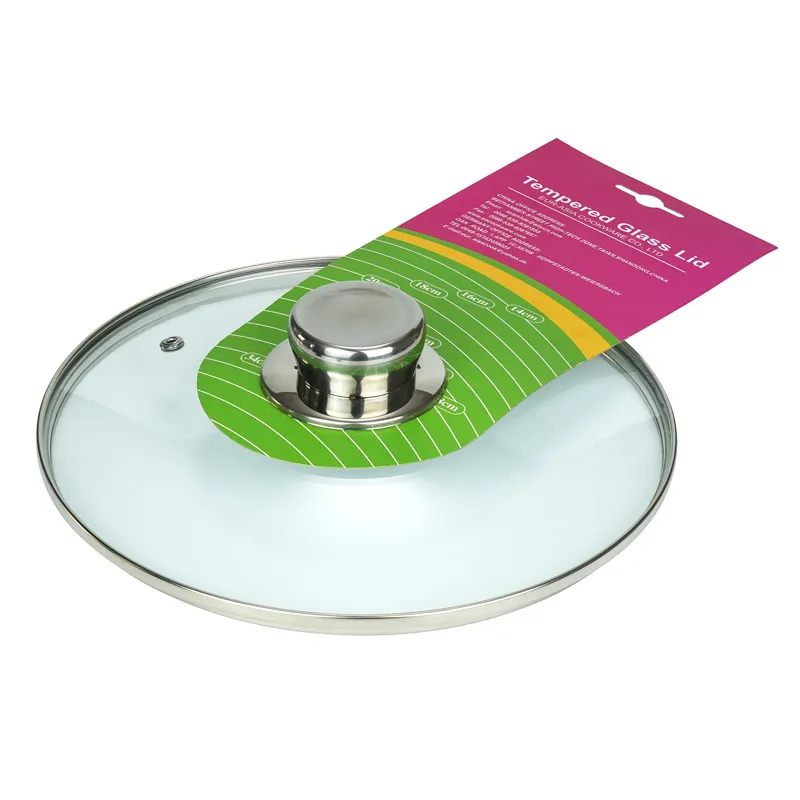
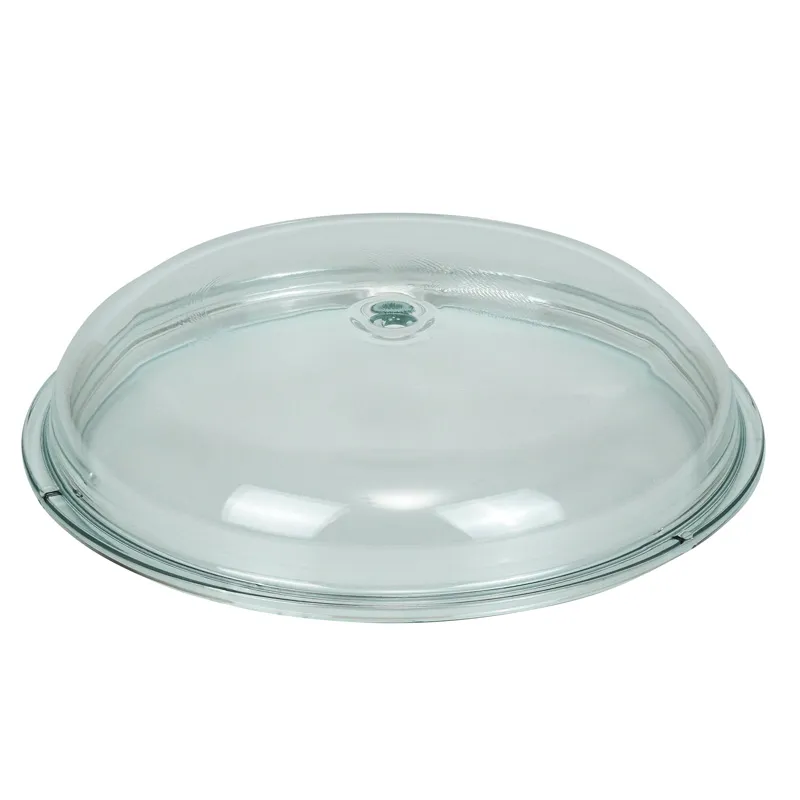
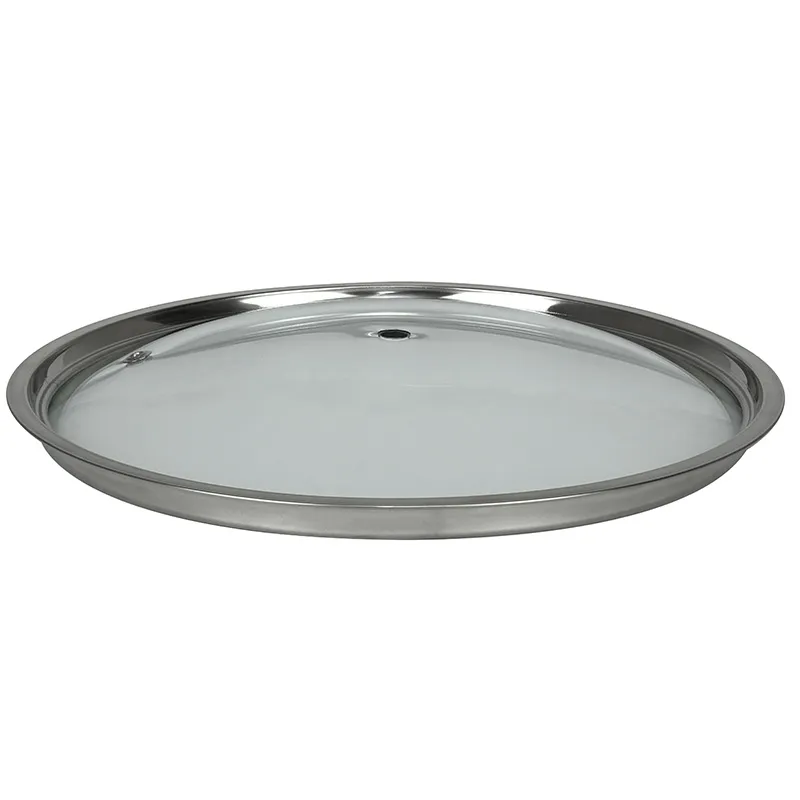
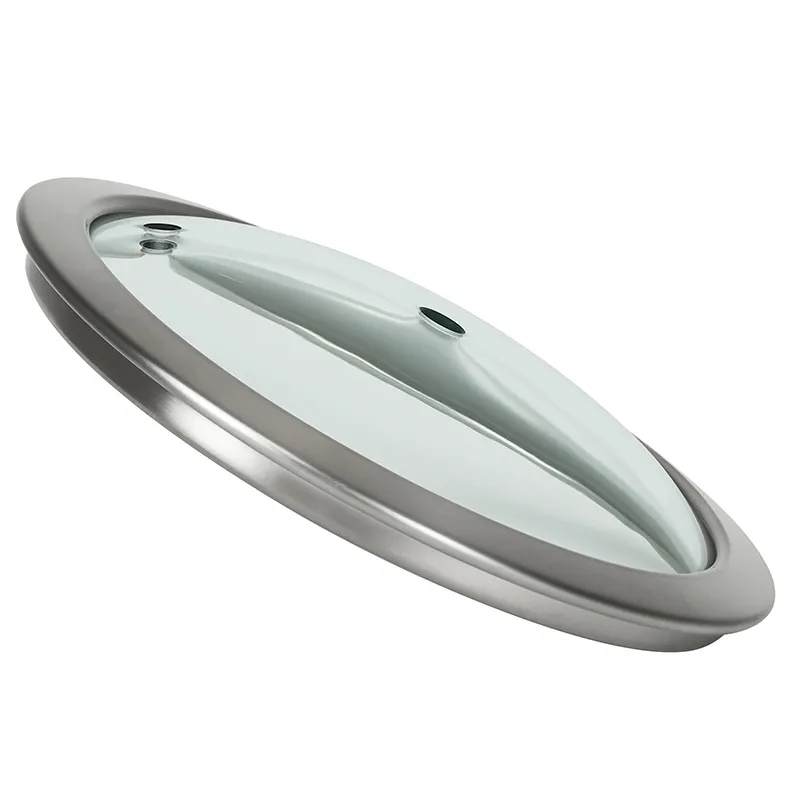
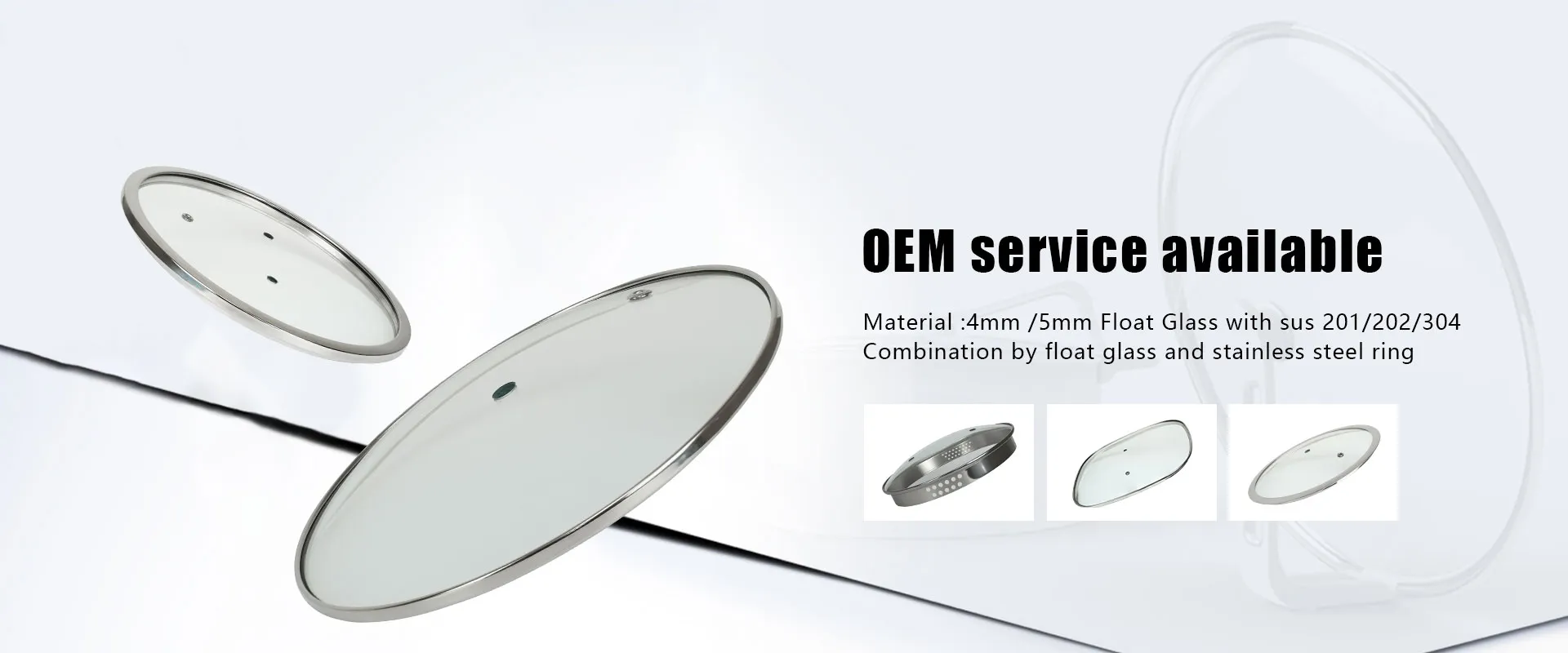
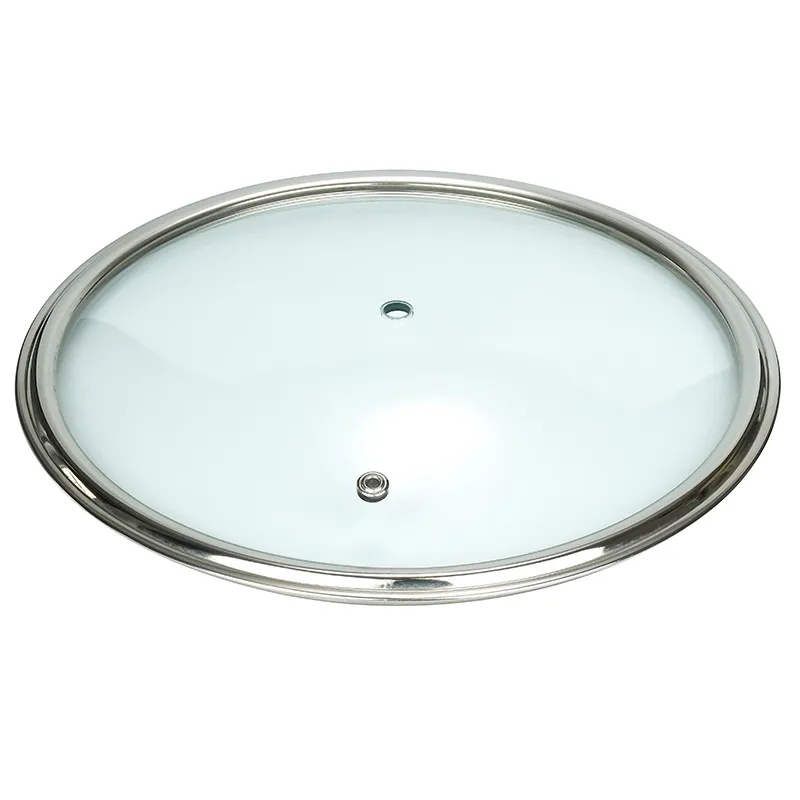
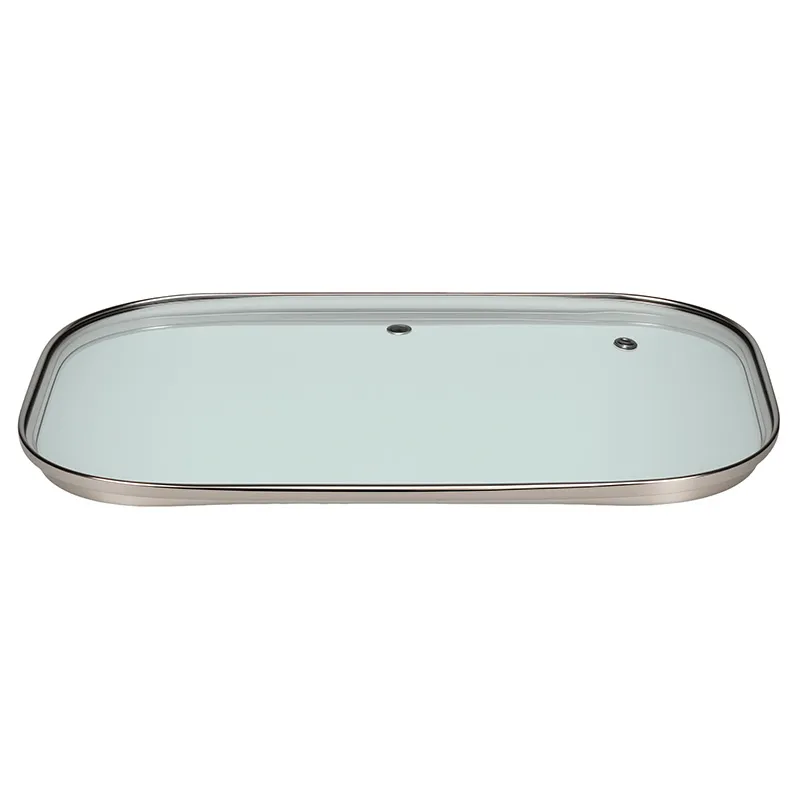
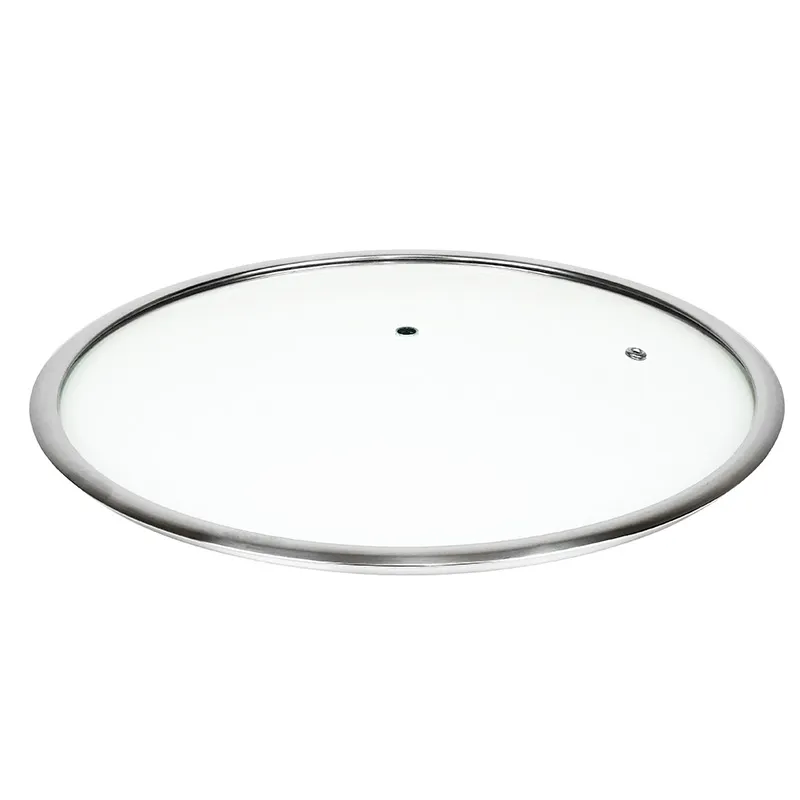
Working at a facility like EUR-ASIA COOKWARE, where the annual output of tempered glass lids is over 15 million pieces, you gain a deep appreciation for the material's consistency. The production base in Taian is set up for precision in glass—tempering, edge grinding, drilling for knobs or steam vents. The process is about achieving clarity, strength, and exact dimensional tolerance for a specific pan or pot model. You can see the company's focus on this at glass-lid.com. A glass lid is a dedicated component, not a universal accessory.
For the high-heat, active cooking part of the kitchen workflow—sautéing, boiling, braising—a tempered glass lid is often the superior tool. It provides a visual check without releasing heat and steam, and it sits securely. Over 90% of our glass output goes to markets like Germany, Italy, and Japan, where technical performance in core cooking tools is non-negotiable. In these markets, silicone lids are purchased, but usually as a separate, distinct category for storage and microwave use.
The trade-off, of course, is storage and fragility. Glass lids need space, they can break, and they are far more expensive to ship. They solve the cooking problem brilliantly but introduce logistics challenges. This is the constant tension in product design: solving one problem often creates another elsewhere in the chain.
Material Safety and Market Perception
No discussion about silicone is complete without touching on safety. Food-grade platinum-cured silicone is largely inert and safe. But the market is flooded with variations. The smell of cheap silicone is a real giveaway—a chemical odor that may or may not off-gas fully. A professional tip: a good silicone lid shouldn't have a strong smell. If it does, it's likely a lower-grade material. This is a major point of differentiation for reputable manufacturers versus commodity importers.
In contrast, glass is inherently inert. Its safety profile is simple and understood globally, which is a huge advantage in export. It's also easier to clean thoroughly and doesn't stain with turmeric or tomato sauce, a common complaint with lighter-colored silicone. For a silicone lid for cookware meant for storage, staining is a cosmetic issue, but it affects perceived cleanliness and quality over time.
Synthesis: Choosing the Right Tool
So, what's the verdict? It's not a competition. It's about tool matching. If you need a lid for active cooking on the stove, where heat retention and a secure fit are key, invest in a well-fitted glass or metal lid. For the company I work with, that's our bread and butter—producing those precise, reliable tempered glass lids for cookware sets that ship worldwide.
If you need a versatile, space-saving solution for covering leftovers, bowls, and mugs in the fridge or on the counter, then a set of quality silicone lids is incredibly useful. Just manage your expectations. Don't expect it to perform like a primary cooking lid.
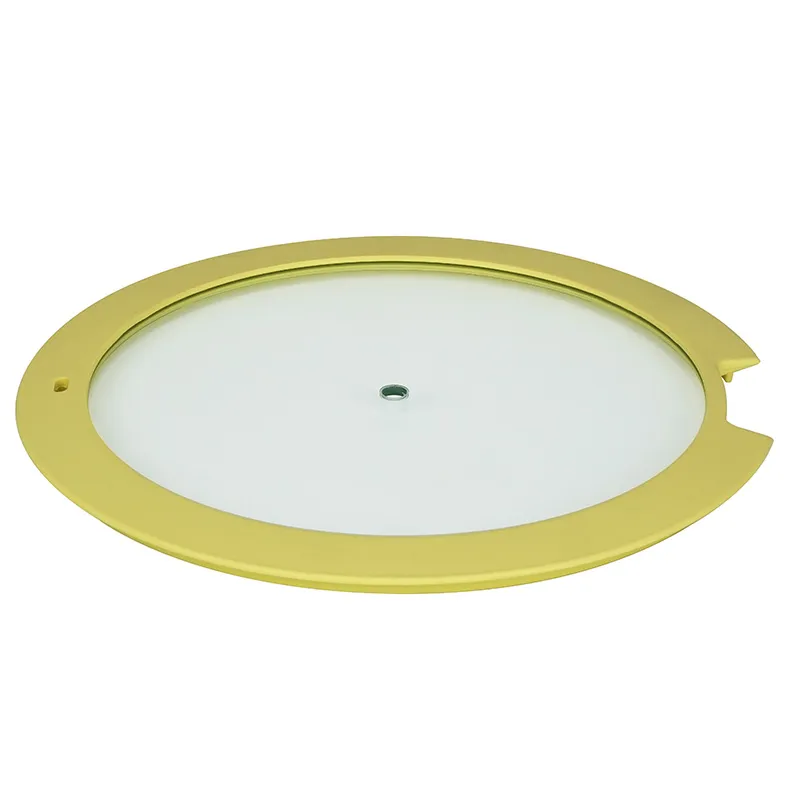
The industry trend I see is the smart brands are now bundling or positioning these items correctly. A high-end cookware set comes with its glass lid. A separate, often colorful, set of silicone lids is offered as a storage and organization accessory. They occupy different slots in the kitchen ecosystem. Understanding that distinction—from the factory design phase all the way to the retail description—is what separates a useful product from a returned one. The goal isn't to make a lid that does everything, but to make the right lid for the specific job at hand.
Related Products
Related Products