- Chinese
- French
- German
- Portuguese
- Spanish
- Russian
- Japanese
- Korean
- Arabic
- Irish
- Greek
- Turkish
- Italian
- Danish
- Romanian
- Indonesian
- Czech
- Afrikaans
- Swedish
- Polish
- Basque
- Catalan
- Esperanto
- Hindi
- Lao
- Albanian
- Amharic
- Armenian
- Azerbaijani
- Belarusian
- Bengali
- Bosnian
- Bulgarian
- Cebuano
- Chichewa
- Corsican
- Croatian
- Dutch
- Estonian
- Filipino
- Finnish
- Frisian
- Galician
- Georgian
- Gujarati
- Haitian
- Hausa
- Hawaiian
- Hebrew
- Hmong
- Hungarian
- Icelandic
- Igbo
- Javanese
- Kannada
- Kazakh
- Khmer
- Kurdish
- Kyrgyz
- Latin
- Latvian
- Lithuanian
- Luxembou..
- Macedonian
- Malagasy
- Malay
- Malayalam
- Maltese
- Maori
- Marathi
- Mongolian
- Burmese
- Nepali
- Norwegian
- Pashto
- Persian
- Punjabi
- Serbian
- Sesotho
- Sinhala
- Slovak
- Slovenian
- Somali
- Samoan
- Scots Gaelic
- Shona
- Sindhi
- Sundanese
- Swahili
- Tajik
- Tamil
- Telugu
- Thai
- Ukrainian
- Urdu
- Uzbek
- Vietnamese
- Welsh
- Xhosa
- Yiddish
- Yoruba
- Zulu
- Kinyarwanda
- Tatar
- Oriya
- Turkmen
- Uyghur


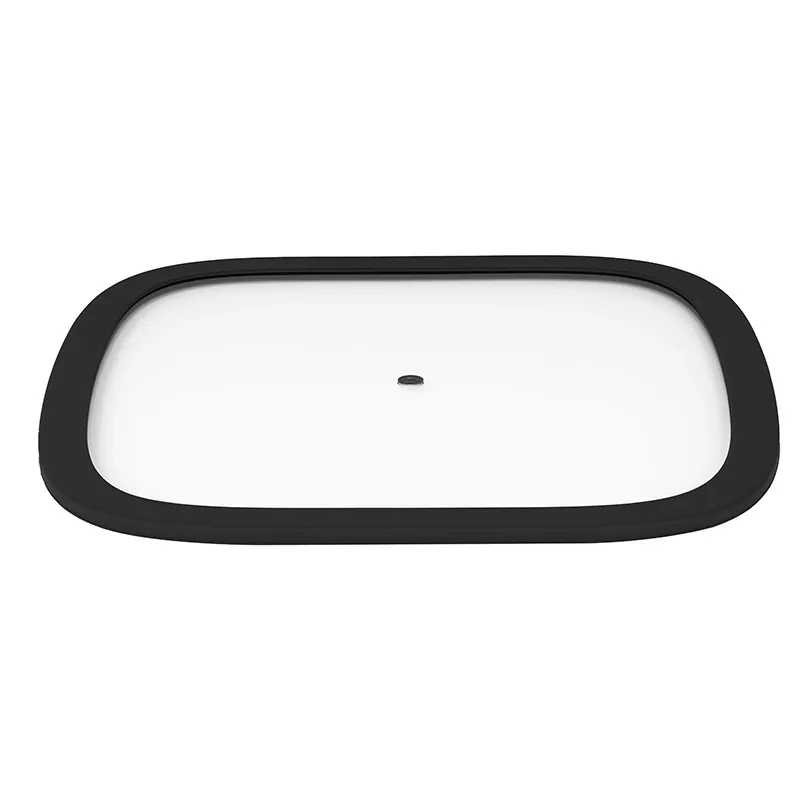
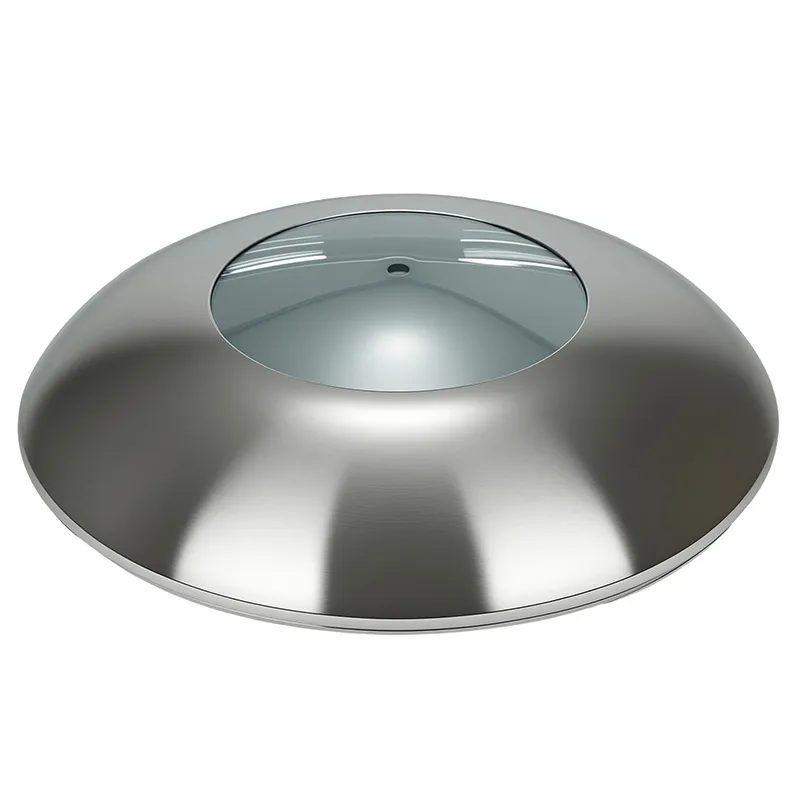
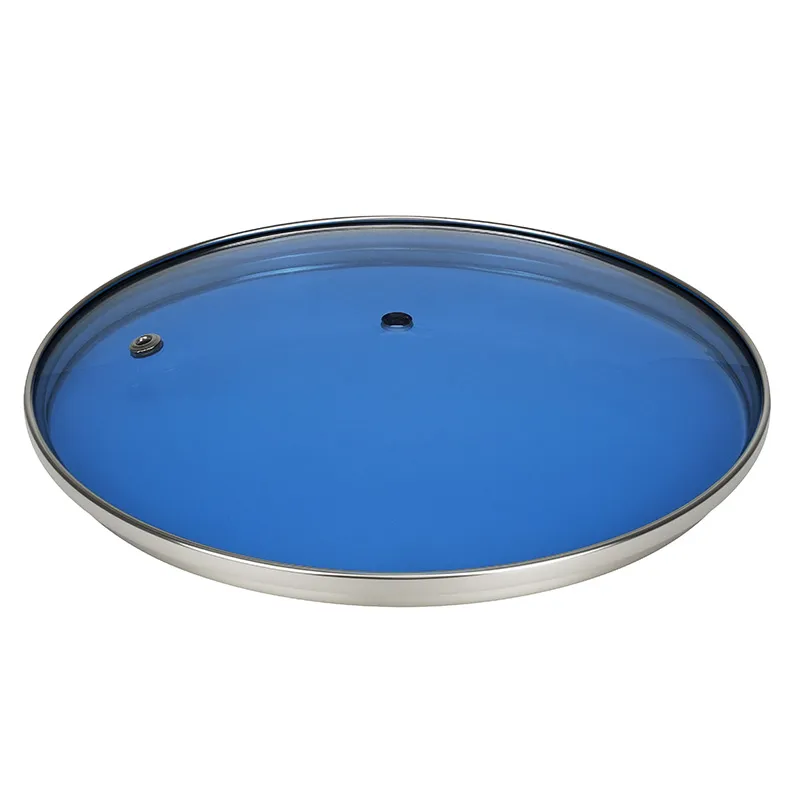
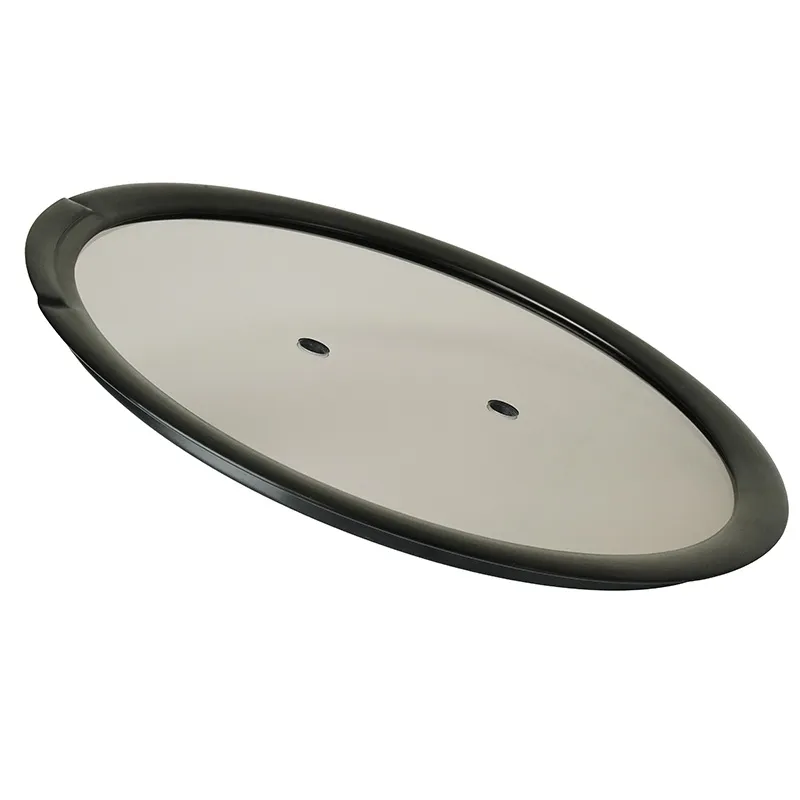
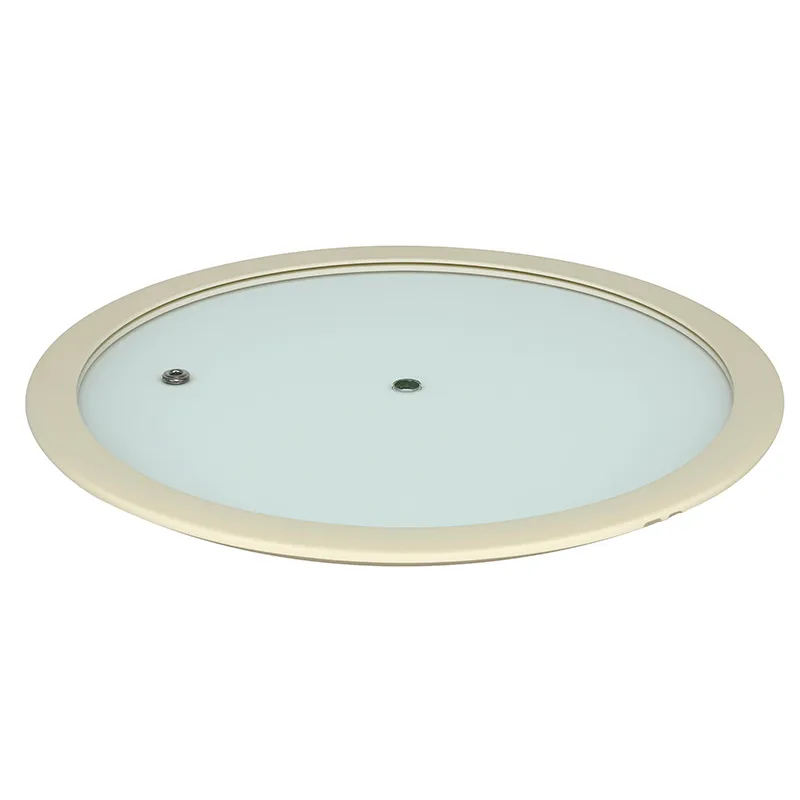
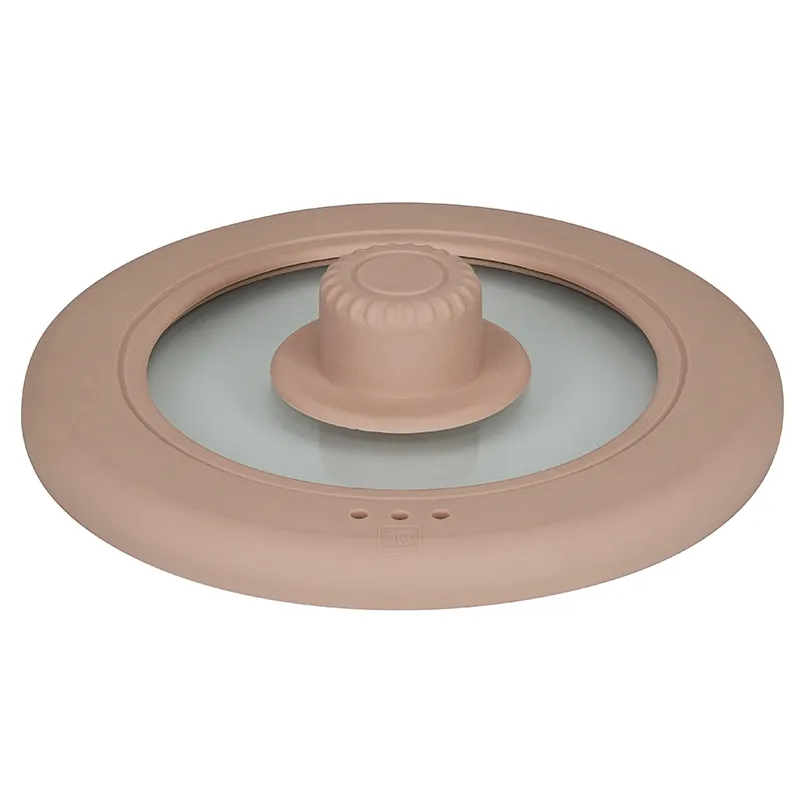
silicone lid made in China
When you hear 'silicone lid made in China,' the immediate thought is often about cost. Cheap, mass-produced, maybe a bit generic. That's the surface-level take, and honestly, it's a trap a lot of importers fall into initially. The real story isn't about finding the lowest price per unit; it's about navigating a landscape where the term 'silicone lid' can mean a dozen different things depending on who you're talking to in Yiwu, Ningbo, or Shenzhen. The gap between a promotional giveaway item and a BPA-free, dishwasher-safe, retail-ready product for the European market is vast, and that's where the actual work—and the real value—lies.
The Manufacturing Reality: It's Not Just One Thing
First, you have to deconstruct the product. A 'silicone lid' isn't a commodity. Are we talking 100% food-grade silicone, or a silicone-plastic blend? The price difference is significant, and so is the performance. I've seen samples that look perfect but fail a simple oven test at 220°C, warping immediately. That's usually the blend. The good Chinese factories, the ones supplying serious brands, use platinum-cure silicone. It's more stable, odorless, and passes the strictest EU and FDA food contact tests. But you have to ask, specifically. If you don't, you'll get the standard peroxide-cure material, which can have a slight smell initially.
Then there's the manufacturing process. Compression molding versus injection molding. For simpler, flatter lids, compression is fine and cost-effective. But for a lid with a complex sealing lip, a built-in steam vent, or a silicone band meant to grip a glass bowl, injection molding from a multi-cavity tool is the way to go. The upfront tooling cost is higher—anywhere from $3,000 to $10,000 depending on complexity—but the per-unit price drops and consistency improves. I learned this the hard way on an early order. We went for the cheaper compression tool for a set of universal lids. The fit was inconsistent; some would seal, some wouldn't. The minor savings weren't worth the customer returns.
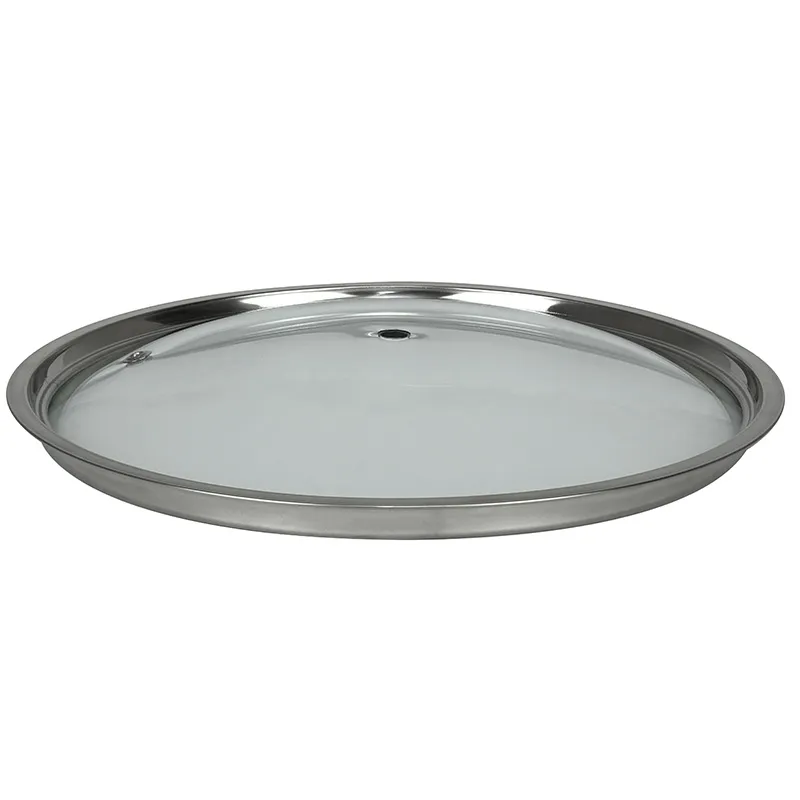
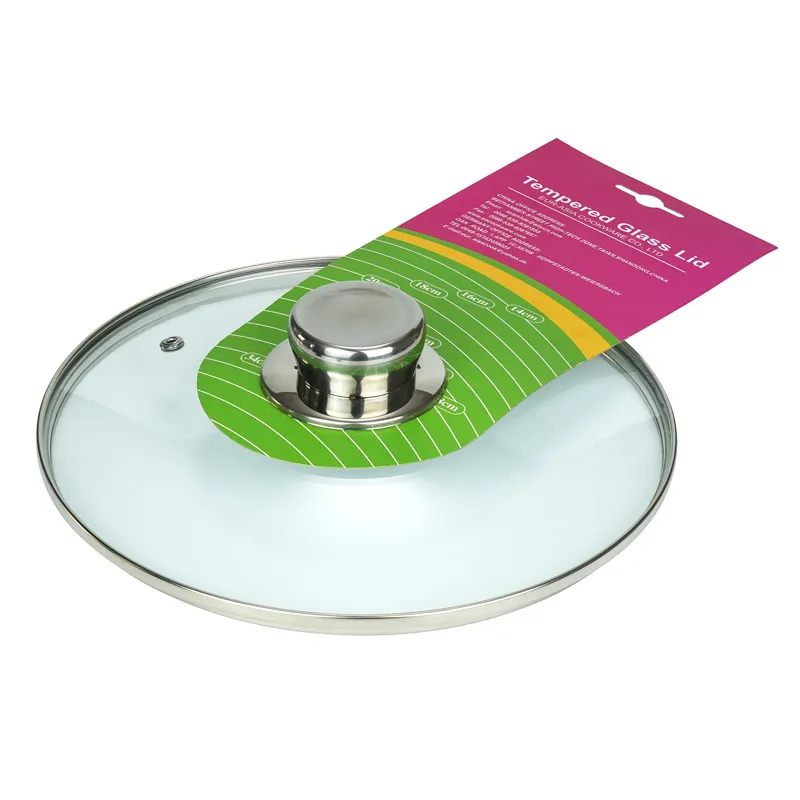
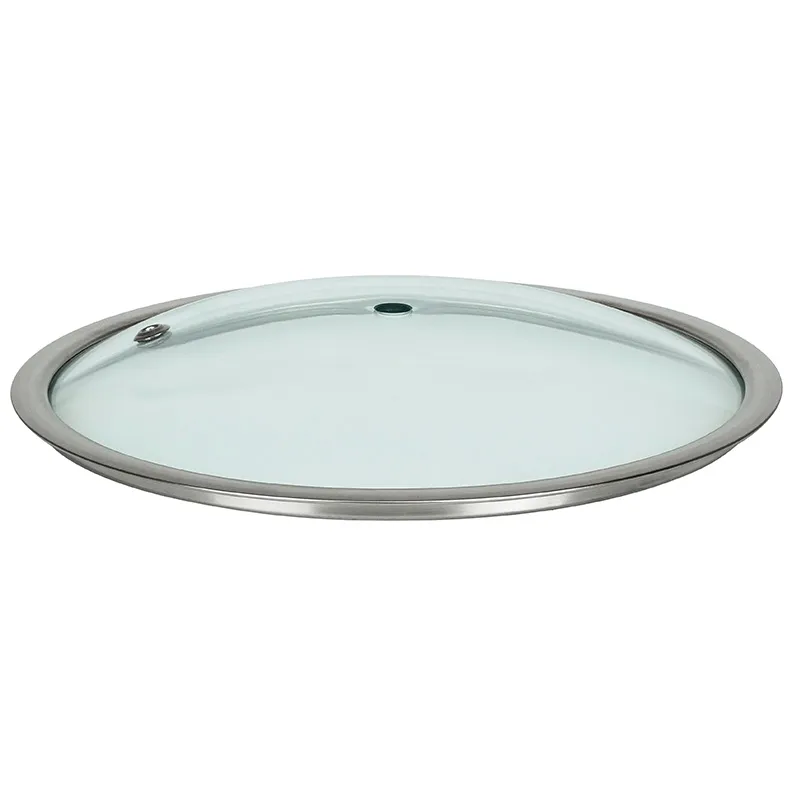
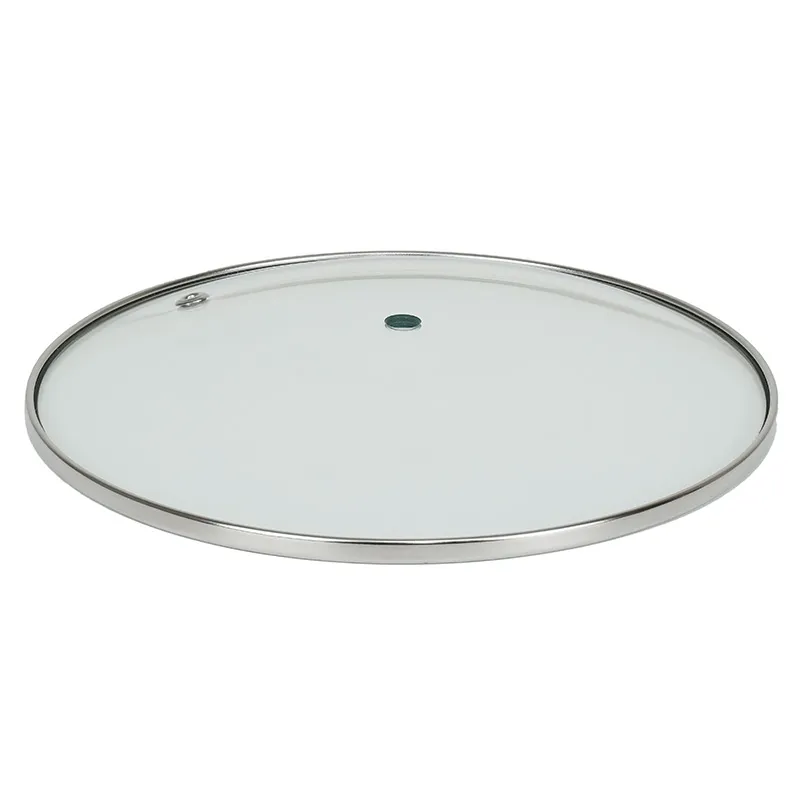
This is where companies with a foundation in precision matter. Take a firm like EUR-ASIA COOKWARE CO.,LTD. Now, their main site, glass-lid.com, clearly shows their core competency is tempered glass lids—producing over 15 million pieces annually. But that's precisely why their potential move into silicone is interesting. A factory with that level of export experience (over 90% to Europe, Japan, etc.) understands international standards. If they're producing a silicone lid, it's likely not a side hustle. It would be an extension meant to complement their glassware, requiring the same mindset: dimensional accuracy, material compliance for REACH and LFGB, and packaging that survives ocean freight. Their production base in Shandong's High-tech Zone isn't a small workshop; it's a 20,000㎡ facility. That scale suggests they have the quality control infrastructure that smaller, purely silicone-focused factories might lack.
The Fit and Function Dilemma
Universal fit is the biggest selling point and the biggest headache. Marketing loves it—one lid fits all bowls!—but engineering hates it. You're asking a single piece of silicone to create a vacuum seal on dozens of different rim diameters and curvatures. The tolerance window is tiny. A millimeter too tight and it's impossible to put on; a millimeter too loose and it falls off with a slight nudge.
The most successful designs I've seen from China use a multi-tiered or flared skirt. It's not just a flat circle. The silicone has varying thicknesses—thinner at the very edge for flexibility, thicker midway for structural memory. The best ones also have a reinforced grip channel on the underside that actually snaps onto the bowl's rim. Getting this right requires 3-5 rounds of prototyping, each time testing on a physical array of target bowls (Pyrex, IKEA, generic supermarket brands). You can't just approve a CAD drawing.
And color. Pantone matching for silicone is a different beast than for plastic or fabric. The base material is translucent, so achieving a deep, consistent red or a pastel mint requires masterbatch expertise. I once had a batch where the blue lids were perfect, but the grey ones had visible flow lines from the molding process. The factory's explanation? Different color pigments react differently to the heat and flow in the mold. We had to adjust the molding parameters specifically for the grey, which delayed the shipment by two weeks. It's these minutiae that separate a smooth project from a logistical nightmare.
Beyond the Lid: The Ecosystem Matters
A silicone lid made in China rarely exists in isolation. It's part of a kitchen system. This is why the profile of the manufacturer is crucial. A factory like EUR-ASIA, which specializes in household glass products and other kitchen accessories, is positioned to think systematically. Their glass lids need silicone seals or bands. It's a natural adjacency. For a buyer, this means the silicone component is being developed in a context where it must interface with another material (glass) to a high standard. That demands cross-material expertise.
Consider packaging. A lid for the European market often needs to be carded—blister-packed on a cardboard backer with a clear PVC bubble. The card needs the correct FSC certification, the printing must be offset quality, and the blister seal must be strong enough to prevent pilferage but easy for the consumer to open. A factory only making bulk silicone trivets won't have this packaging supply chain sorted. A larger exporter like EUR-ASIA, shipping to Germany and Denmark, absolutely will. They're already dealing with these requirements for their glass products.
Then there's testing. A serious importer will ask for SGS or Intertek reports on food contact, heavy metals, and tensile strength. A trading company might scramble to get these for one shipment. An established manufacturer with a dedicated QA lab, which a facility of 15,000㎡ likely has, can provide these as a matter of routine. It's about the embedded processes, not just the product of the moment.
The Real Cost Equation
Let's talk numbers, but not just the FOB price. The initial quote for a simple silicone lid might be $0.35/pc from Factory A and $0.55/pc from Factory B. Factory A's sample is okay. Factory B's sample, perhaps from a supplier with a profile like EUR-ASIA, feels denser, has sharper printing on any logo, and includes a preliminary material certificate. The $0.20 difference isn't profit erosion; it's insurance.
Insurance against what? Against the container arriving with a slight, pervasive chemical smell that requires airing out for weeks, missing your key sales season. Against color fading after 50 dishwasher cycles. Against the lid tearing at the pull-tab after a month of normal use. The cheaper option often has these hidden costs: chargebacks from retailers, destroyed brand reputation, wasted time on damage control. When you source a silicone lid from China for a Western market, you're not just buying a piece of rubber. You're buying the factory's R&D capability, its quality control discipline, and its understanding of your market's regulatory and aesthetic expectations.
This is why I'd look closely at a manufacturer whose main business is a complementary, precision product. Their foray into silicone isn't about chasing a trend; it's about solving a customer problem for their existing glass lid buyers. The mindset is different. The tolerance for failure is lower. They have more to lose.
Conclusion: Sourcing as a Filtering Process
So, the keyword 'silicone lid made in China' is really a starting point for a filtering process. It's not a product search; it's a partner search. You're filtering for material honesty (100% food-grade silicone), process capability (the right molding technique for your design), and ecosystem maturity (packaging, compliance, testing).
The landscape is bifurcated. On one side, the Alibaba crowd competing purely on price, where a lid is just a lid. On the other, integrated manufacturers who see it as a component in a kitchen system. The latter, which includes companies like EUR-ASIA COOKWARE CO.,LTD, bring a manufacturing rigor from their core business—be it glass or stainless steel—to the silicone arena. Their website might be glass-lid.com, but their competency is delivering compliant, precise, kitchen-ready products to demanding markets. That's the filter that matters. The final product isn't just a lid; it's the physical result of all those filters working correctly. And that's what actually lands on the shelf, stays there, and doesn't get returned.
Related Products
Related Products