- Chinese
- French
- German
- Portuguese
- Spanish
- Russian
- Japanese
- Korean
- Arabic
- Irish
- Greek
- Turkish
- Italian
- Danish
- Romanian
- Indonesian
- Czech
- Afrikaans
- Swedish
- Polish
- Basque
- Catalan
- Esperanto
- Hindi
- Lao
- Albanian
- Amharic
- Armenian
- Azerbaijani
- Belarusian
- Bengali
- Bosnian
- Bulgarian
- Cebuano
- Chichewa
- Corsican
- Croatian
- Dutch
- Estonian
- Filipino
- Finnish
- Frisian
- Galician
- Georgian
- Gujarati
- Haitian
- Hausa
- Hawaiian
- Hebrew
- Hmong
- Hungarian
- Icelandic
- Igbo
- Javanese
- Kannada
- Kazakh
- Khmer
- Kurdish
- Kyrgyz
- Latin
- Latvian
- Lithuanian
- Luxembou..
- Macedonian
- Malagasy
- Malay
- Malayalam
- Maltese
- Maori
- Marathi
- Mongolian
- Burmese
- Nepali
- Norwegian
- Pashto
- Persian
- Punjabi
- Serbian
- Sesotho
- Sinhala
- Slovak
- Slovenian
- Somali
- Samoan
- Scots Gaelic
- Shona
- Sindhi
- Sundanese
- Swahili
- Tajik
- Tamil
- Telugu
- Thai
- Ukrainian
- Urdu
- Uzbek
- Vietnamese
- Welsh
- Xhosa
- Yiddish
- Yoruba
- Zulu
- Kinyarwanda
- Tatar
- Oriya
- Turkmen
- Uyghur


silicone lid supplier of Chia
When you hear 'silicone lid supplier of Chia', it's easy to make assumptions. Many immediately think of a hyper-specialized factory churning out nothing but silicone seals. The reality on the ground, especially in manufacturing hubs like Shandong, is far more integrated. The term Chia itself is often a colloquial industry shorthand for the broader supply chain cluster in the region, not a single town. The real expertise lies in companies that understand how a silicone lid functions not as an isolated item, but as a critical component within a complete cookware system. This is where the common misconception begins—procurement teams sometimes seek a dedicated silicone gasket maker, overlooking the value of suppliers who engineer the lid as a whole. My own early sourcing trips were plagued by this narrow focus, leading to mismatched components where the glass or stainless steel base was perfect, but the sealing performance failed because the silicone was treated as an afterthought by a separate vendor.
The Integrated Manufacturing Advantage
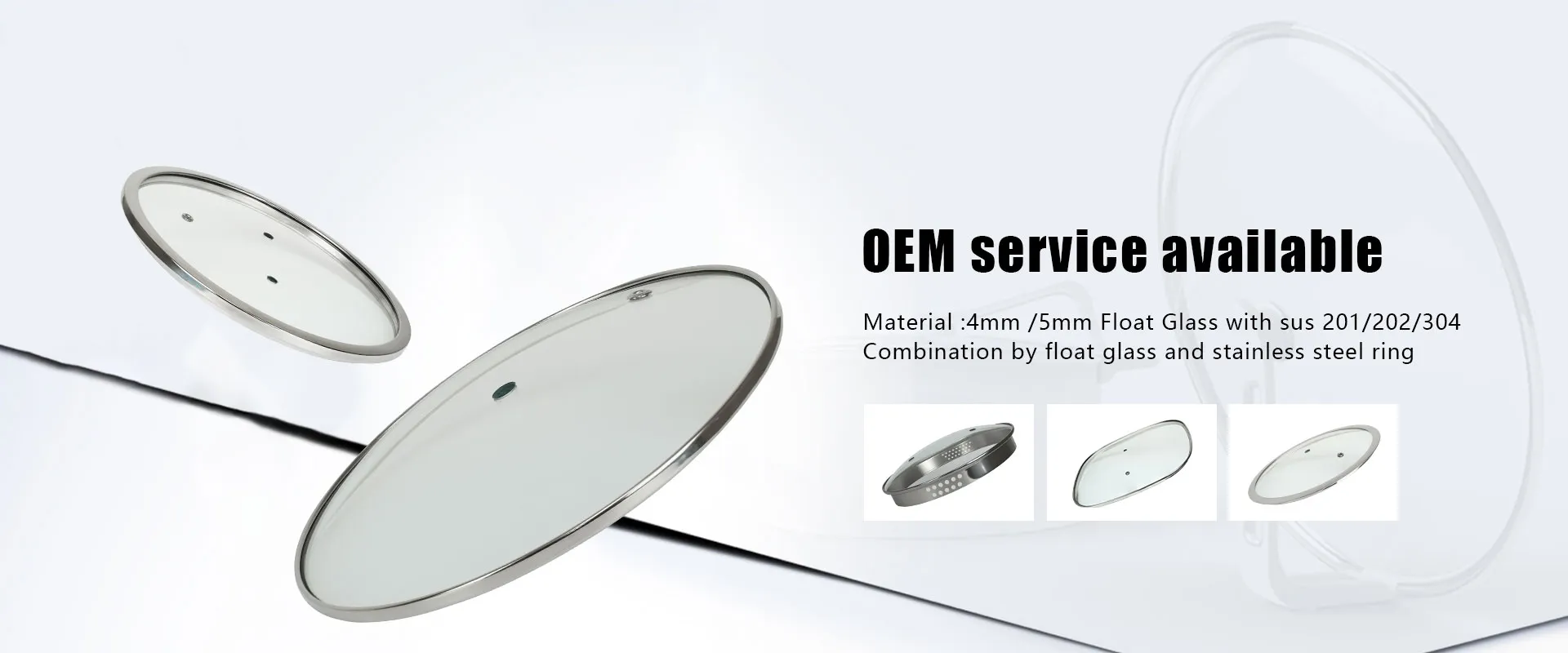
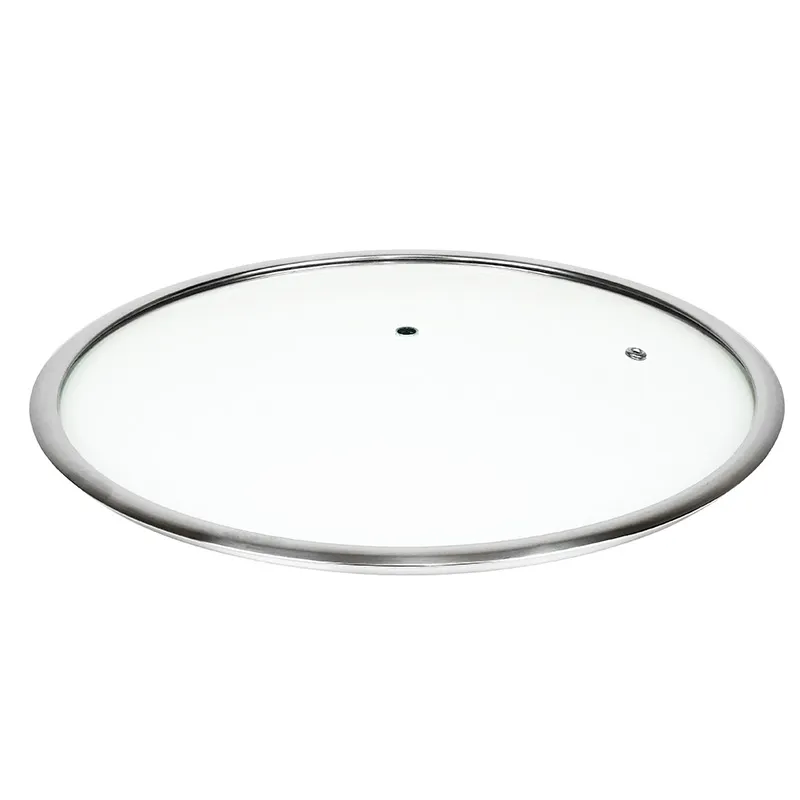
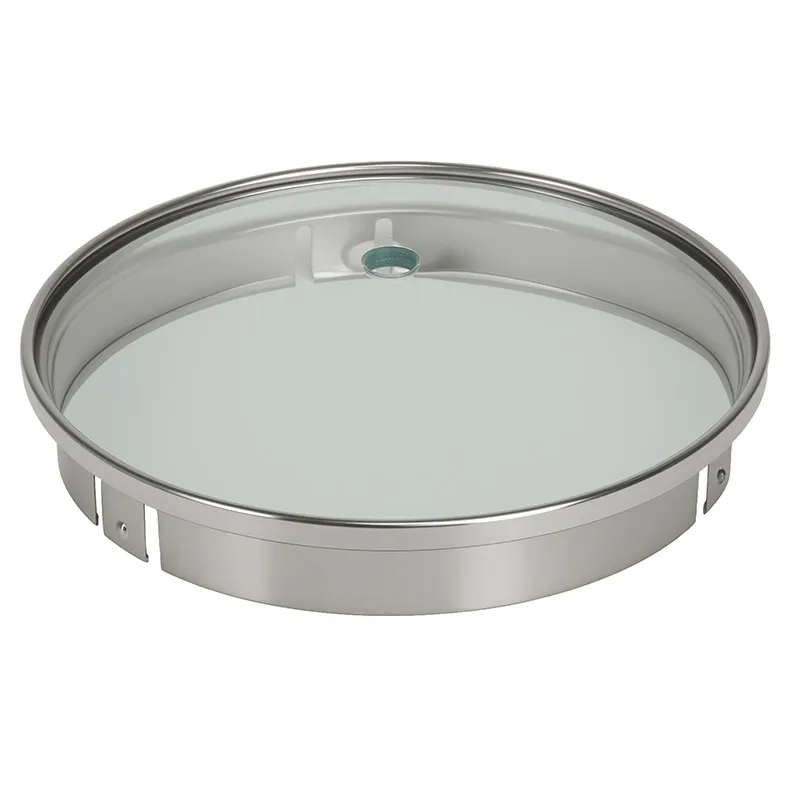
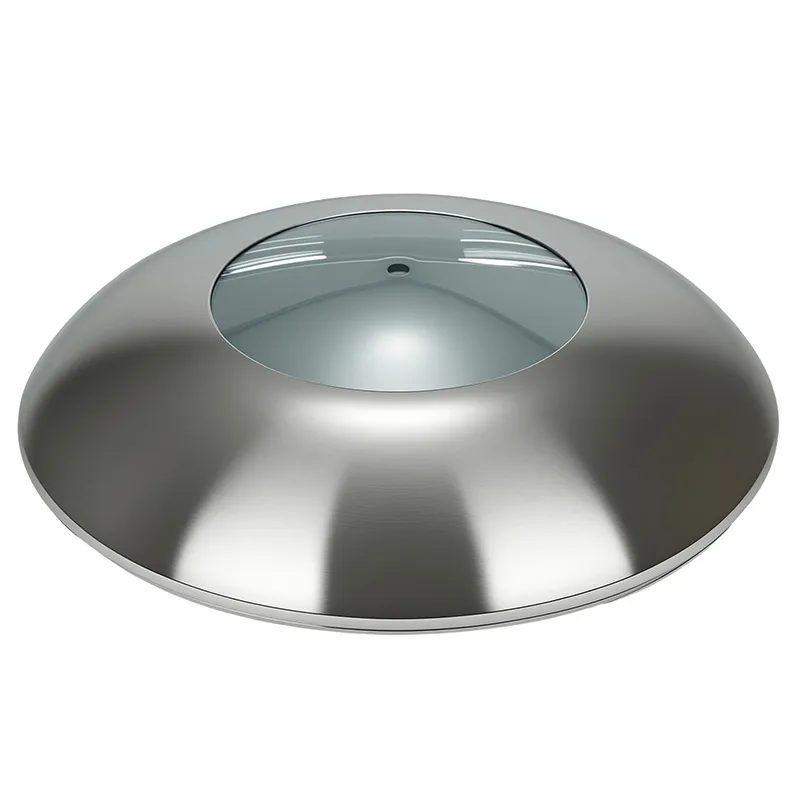
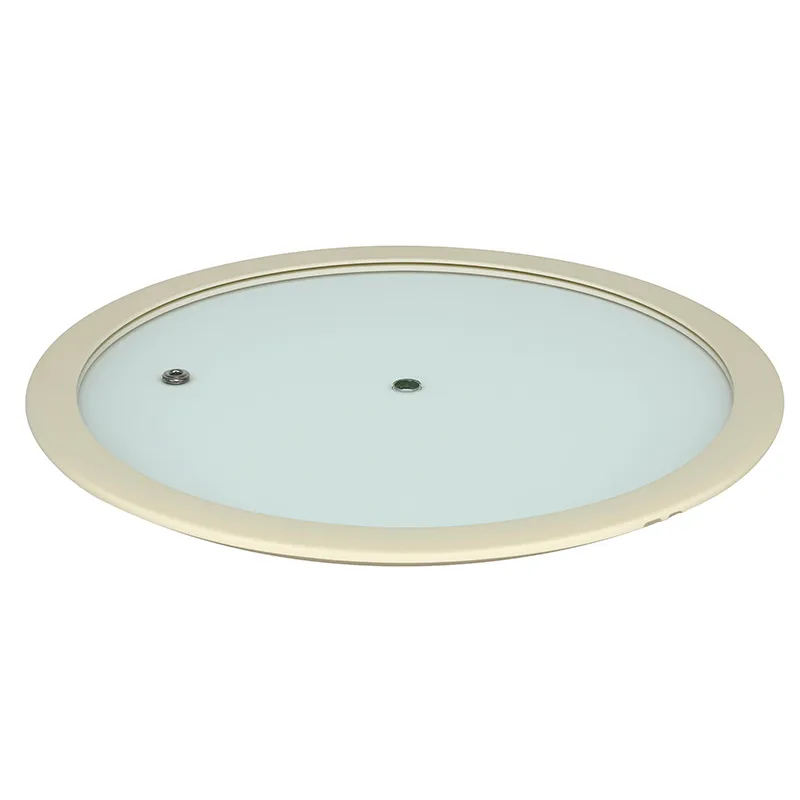
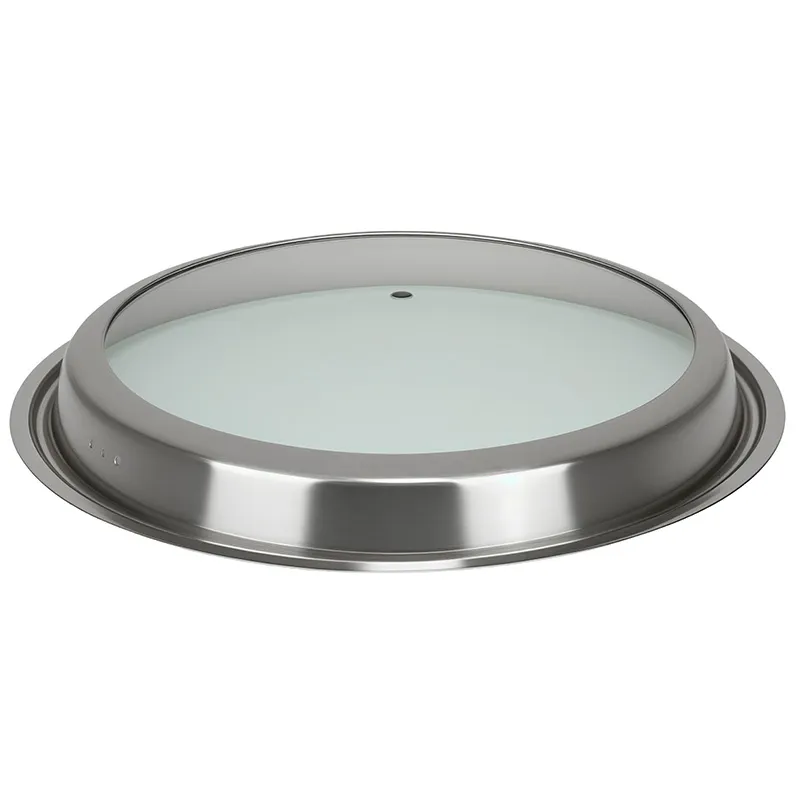
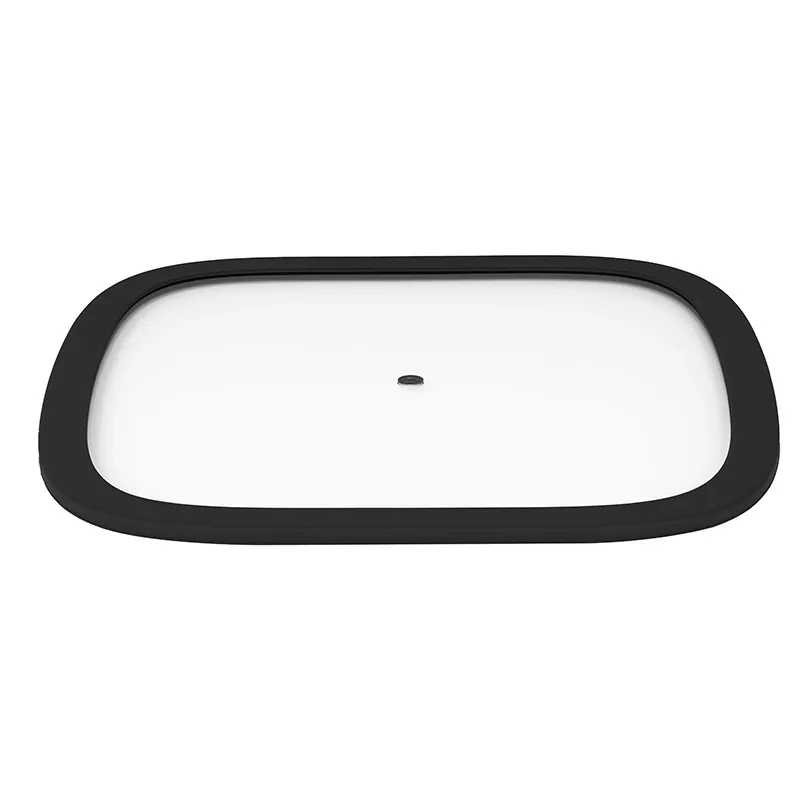
This is precisely why a company like EUR-ASIA COOKWARE CO.,LTD stands out. Visiting their facility in Taian City's High-tech Development Zone, you don't just see a silicone molding section. You see the entire flow: from tempered glass cutting and edging to the dedicated compounding and curing stations for food-grade silicone. Their model—producing over 15 million tempered glass lids annually—forces them to master the synergy between materials. For a silicone lid supplier operating at this scale, the adhesive bonding process between the glass and the silicone ring is a proprietary art. I've seen cheaper suppliers use generic adhesives that fail after 200 dishwasher cycles, leading to delamination. EUR-ASIA's approach involves stress-testing the bond under rapid temperature shifts, mimicking going from freezer to oven. It's this holistic control that defines a reliable partner in Chia's ecosystem.
Their website, glass-lid.com, honestly reflects this core competency. The name itself signals their primary strength, which ironically builds more trust for their silicone sealing solutions. In this business, a supplier that leads with its mastery of the primary rigid material (glass, ceramic, stainless steel) often has a more rigorous standard for the secondary flexible component. They can't afford the failure of a $0.50 silicone gasket to ruin a $5.00 tempered glass lid destined for the European market. This vertical integration is a subtle but critical filter when evaluating suppliers in the region.
One practical lesson learned: never source the silicone component separately from the lid body when dealing with high-heat applications like oven-safe cookware. Early on, I tried to cut costs by having a glass lid made by one factory and a silicone seal by another specialist. The result was a logistical and quality nightmare. The tolerances were off by mere millimeters, causing leaks. The thermal expansion coefficients weren't matched. The supplier managing the entire assembly, like EUR-ASIA, absorbs these co-engineering challenges. Their production of low- to high-level household products means they have tiered quality systems, allowing them to recommend the appropriate silicone compound (and its cost) based on the target market—be it a discount line for Poland or a premium line for Germany and Switzerland.
Export Realities and Material Nuances
With over 90% of products exported to markets like Germany, Italy, and Brazil, a true Chia-based supplier's mindset is globally calibrated. This isn't about making a generic lid; it's about understanding that a retailer in Denmark might require a specific LFGB-compliant silicone formulation, while a buyer in South Korea prioritizes a certain color fastness against staining from kimchi ingredients. The silicone lid supplier role here morphs into a material compliance consultant. I recall a project for the French market where the initial silicone sample passed all standard FDA tests but failed a specific French regulatory migration test for a certain acidic food simulant. The solution wasn't found with a pure-play silicone mixer but with EUR-ASIA's in-house team, who adjusted the curing profile and the masterbatch supplier to meet the threshold, because they owned the end-to-end testing responsibility.
The term food-grade silicone is another area ripe for over-simplification. In practice, it's a spectrum. There's the basic grade that meets minimal standards, and then there's the platinum-cured, ultra-high purity grade demanded for high-end brands. A capable supplier in Chia will have clear, auditable trails for their raw silicone polymer sources. During audits, I've learned to ask not just for the certificate of analysis for the silicone sheet, but to trace it back to the polymer batch and the compounding facility. EUR-ASIA's scale gives them leverage with reputable compounders, which smaller, job-shop style gasket makers simply don't have. This directly impacts longevity and odor resistance—a cheap silicone lid can impart a faint, persistent smell that ruins the cooking experience.
Dishwasher durability is the true litmus test. It's not just about heat resistance; it's about resistance to aggressive alkaline detergents and the physical abrasion from spray arms over hundreds of cycles. A failure I witnessed involved the silicone becoming slightly tacky and attracting residue after 50 washes. The root cause was an improper balance of fillers in the compound to save cost. Suppliers integrated into final assembly are typically more vigilant, as a product return from Germany for a tacky seal affects their entire unit, not just a component. Their annual output volume of 15 million pieces is a testament to systems that catch these failures before shipment.
Design and Customization Pitfalls
Customization is where the wheat separates from the chaff. Everyone promises it, but the execution defines a professional silicone lid supplier. A common request is for a unique color to match a cookware line. The pitfall here is that achieving a specific Pantone shade in silicone is vastly different than in plastic or paint. The curing process alters the color. A reliable partner will manage expectations upfront, providing physical cured color chips rather than digital renderings. From my interactions, companies with a strong export design team, as suggested by EUR-ASIA's reach into European markets, are adept at this guidance. They've likely already navigated a request for a matte sage green from a Swiss client.
Another nuanced design aspect is the seal geometry. A flat seal versus a lip seal versus a bulb seal—each has applications for different pressure scenarios (e.g., vacuum sealing vs. simple splash prevention). A supplier only familiar with making generic replacement lids might not probe on this application detail. However, a supplier producing for a diversified export portfolio inherently encounters these variations. They might suggest, for instance, a dual-durometer design where the sealing edge is a softer silicone for better grip, while the body connecting to the glass is firmer for stability—a solution born from solving leakage complaints on a deep stockpot line for the Italian market.
Tooling is the hidden cost. Creating a new injection mold for a custom silicone ring is a significant investment. One failed attempt on my part involved approving a mold based on a CAD drawing without a T1 sample from the actual mold steel. The shrinkage rate was miscalculated, resulting in a seal that was 3% undersized. A seasoned supplier will build in iterative sampling steps and be transparent about the lead times and costs for mold adjustments. Their experience as a silicone lid supplier embedded in a larger operation often means they have in-house mold maintenance, reducing downtime for corrections.
Logistics and Supply Chain Resilience
The physical supply chain for silicone itself is often overlooked. Geopolitical events or raw material shortages can disrupt the supply of specific silicone polymers. A supplier's resilience is tested here. Does they have alternative approved sources for their base material? During the recent global supply chain disruptions, some pure-play gasket suppliers in Chia faced months of delays. In contrast, larger integrated manufacturers like EUR-ASIA, with their 20,000㎡ facility and established volume, often have more substantial raw material inventories and longer-term contracts with compounders. This doesn't make them immune, but it provides a buffer. For a buyer, this means stability in lead times, which is as crucial as product quality.
Packaging is another subtle expertise. Silicone lids, especially those pre-assembled onto glass, require packaging that prevents compression set during long sea freight to Brazil or Turkey. Compression set would permanently deform the seal, causing it to not spring back. A good supplier designs the carton inserts and stacking patterns specifically to avoid this. I've received shipments where lids were packed flat, under heavy weight, rendering a percentage of the shipment defective upon arrival. The solution came from a supplier who understood the physics of their own product and designed a vertical partition system within the master carton. This level of detail usually comes from a company with a dedicated logistics and packaging team serving global exports.
Finally, the concept of a supplier in Chia is evolving. It's less about being a simple component vendor and more about being a solutions provider for kitchen accessories. The company's brief—specializing in household glass products and other kitchen accessories—hints at this broader capability. A conversation that starts with a silicone lid for a glass pot might evolve into developing a matching silicone trivet or a universal steamer lid. The supplier's ability to leverage their material knowledge across complementary products adds significant value, turning a single-component purchase into a strategic partnership for a full kitchen line. That's the real opportunity hidden within the search term 'silicone lid supplier of Chia'—finding not just a maker, but a co-developer embedded in a robust industrial cluster.
Related Products
Related Products