- Chinese
- French
- German
- Portuguese
- Spanish
- Russian
- Japanese
- Korean
- Arabic
- Irish
- Greek
- Turkish
- Italian
- Danish
- Romanian
- Indonesian
- Czech
- Afrikaans
- Swedish
- Polish
- Basque
- Catalan
- Esperanto
- Hindi
- Lao
- Albanian
- Amharic
- Armenian
- Azerbaijani
- Belarusian
- Bengali
- Bosnian
- Bulgarian
- Cebuano
- Chichewa
- Corsican
- Croatian
- Dutch
- Estonian
- Filipino
- Finnish
- Frisian
- Galician
- Georgian
- Gujarati
- Haitian
- Hausa
- Hawaiian
- Hebrew
- Hmong
- Hungarian
- Icelandic
- Igbo
- Javanese
- Kannada
- Kazakh
- Khmer
- Kurdish
- Kyrgyz
- Latin
- Latvian
- Lithuanian
- Luxembou..
- Macedonian
- Malagasy
- Malay
- Malayalam
- Maltese
- Maori
- Marathi
- Mongolian
- Burmese
- Nepali
- Norwegian
- Pashto
- Persian
- Punjabi
- Serbian
- Sesotho
- Sinhala
- Slovak
- Slovenian
- Somali
- Samoan
- Scots Gaelic
- Shona
- Sindhi
- Sundanese
- Swahili
- Tajik
- Tamil
- Telugu
- Thai
- Ukrainian
- Urdu
- Uzbek
- Vietnamese
- Welsh
- Xhosa
- Yiddish
- Yoruba
- Zulu
- Kinyarwanda
- Tatar
- Oriya
- Turkmen
- Uyghur

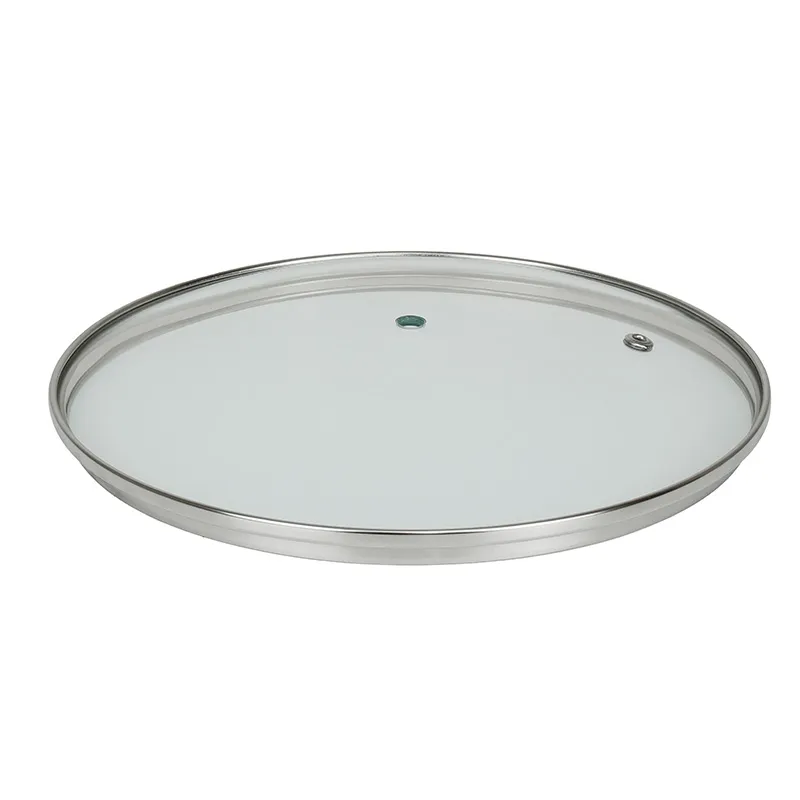
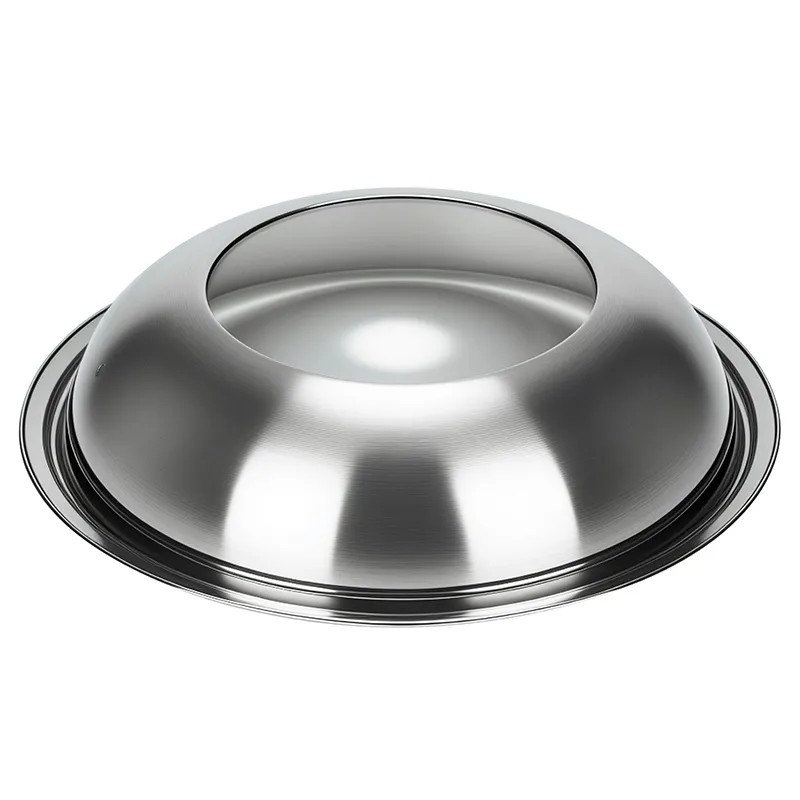
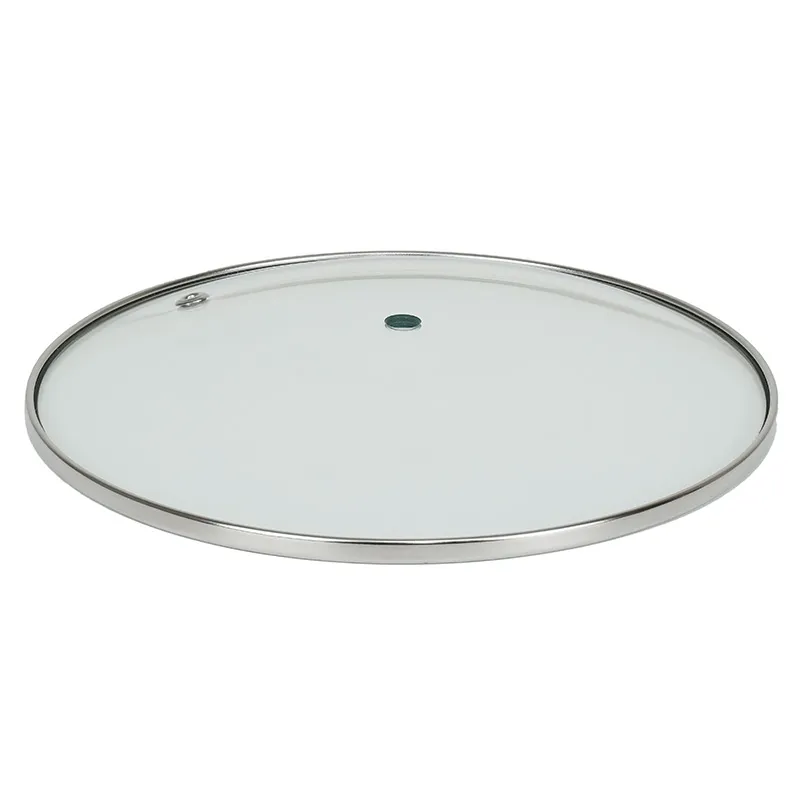
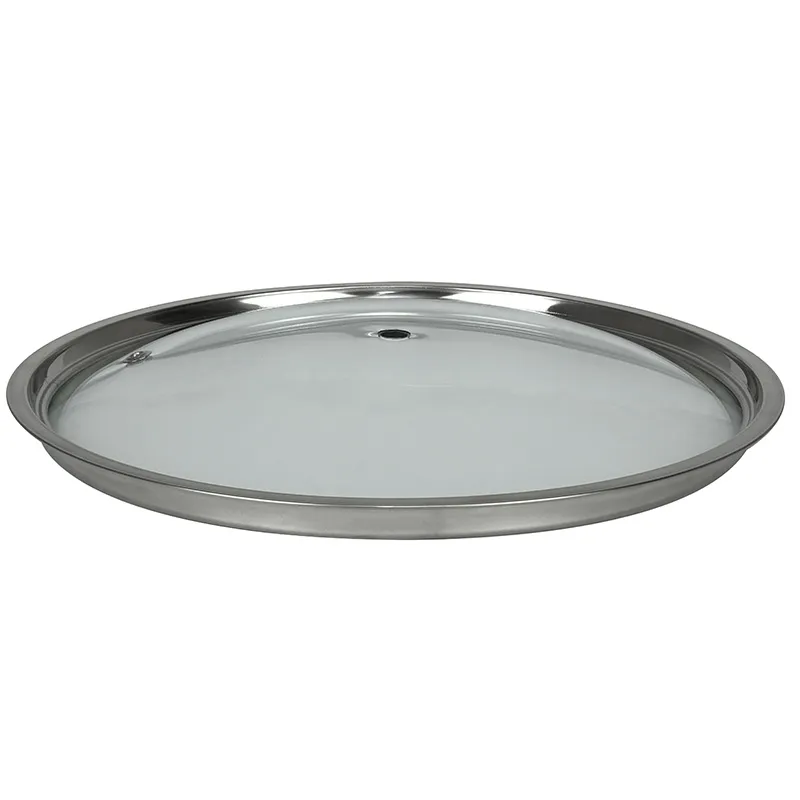
sipper glass with lid
You see a lot of talk about sipper glasses with lids these days, often lumped in with generic travel mugs. That's the first mistake. It's not just a cup with a cover. The real nuance is in the intersection of material integrity, seal mechanics, and user habit—areas where many bulk suppliers completely miss the mark.
The Core Misconception: Lid as an Afterthought
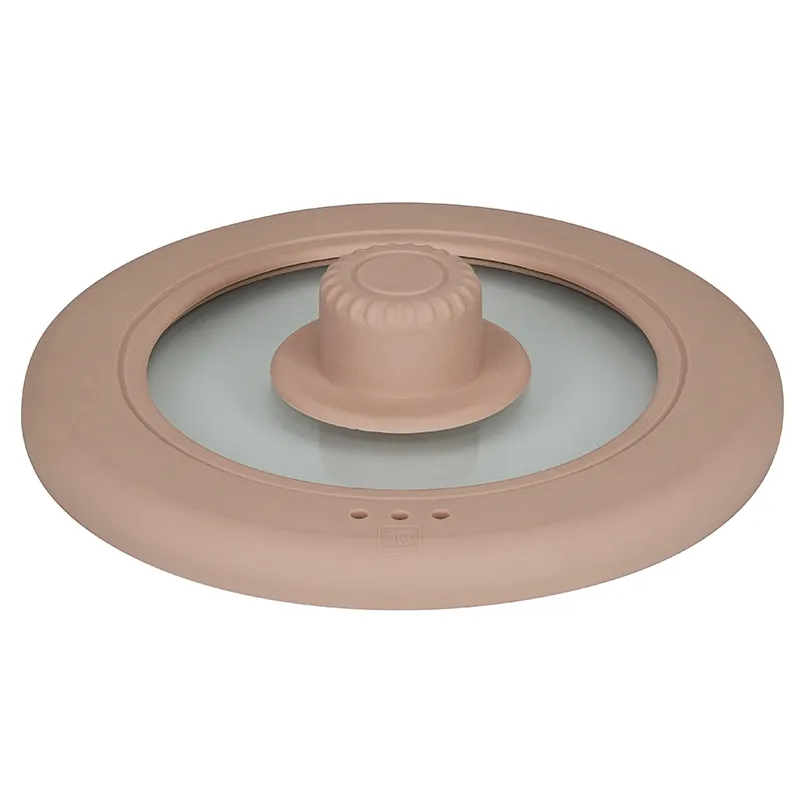
Most factories treat the lid as a secondary component. They'll source a decent sipper glass body, often tempered soda-lime, and then slap on a generic polypropylene lid from a different mold line. The result? A frustrating gap—literally and figuratively. The seal is never perfect, leading to slow leaks when tipped in a bag, or that annoying dribble down the chin because the sipper hole alignment is off by a millimeter. I've seen containers full of returned units for just this reason.
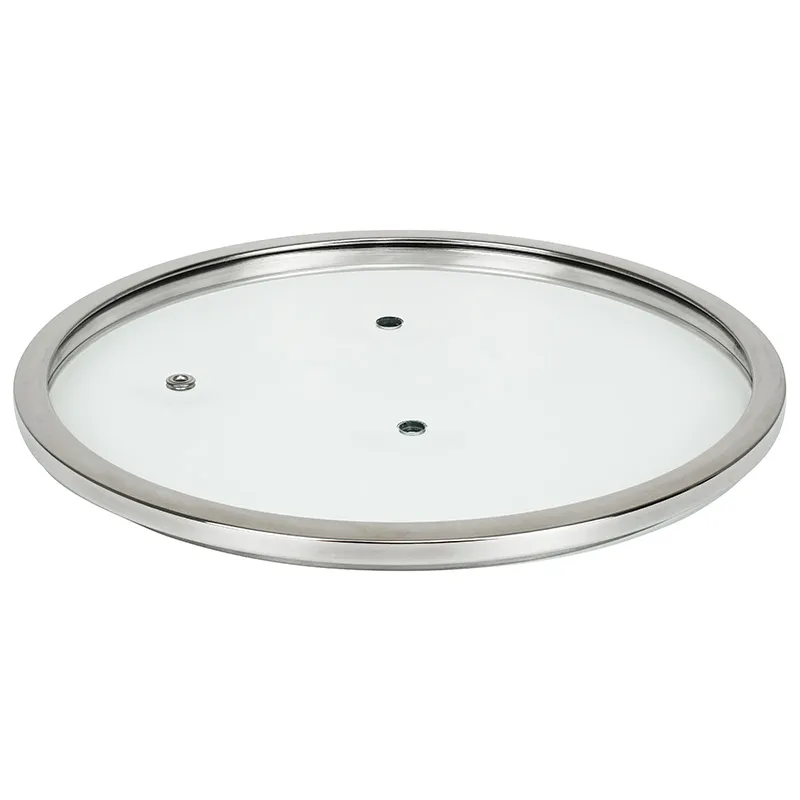
This is where specialization matters. A company like EUR-ASIA COOKWARE CO.,LTD, for instance, has its entire production ethos rooted in glass. Visiting their facility, you see the focus isn't just on making glass; it's on engineering the glass to be part of a system. Their production base in Taian's High-tech Development Zone is set up for vertical integration. They're not just buying lids off the shelf; they're tooling them specifically for the thermal expansion coefficient of their own tempered glass bodies. That's a critical detail most generalists overlook.
The failure point is almost always the interface. A common test we ran involved cycling hot (95°C) and cold (4°C) liquids repeatedly. Generic assemblies would fail within 50 cycles—the lid would warp minutely, breaking the seal. Units where the lid was designed in tandem with the glass, considering stress points from tempering, could go 200+ cycles without a hitch. It's a silent specification that separates a product that lasts a season from one that lasts years.
Material Synergy: Why Glass Isn't Just Glass
Everyone says tempered glass like it's a monolith. It's not. The composition and the quenching process determine its resistance to thermal shock and, crucially, its dimensional stability. A lid must clamp onto a rim whose diameter can fluctuate slightly with temperature changes. If the glass and the lid material (often silicone for the seal, then PP for the structure) don't have complementary thermal behaviors, you get leaks.
EUR-ASIA's background in producing millions of tempered glass lids for cookware annually is a huge advantage here. They understand how to temper a glass with lid assembly as a conceptual unit, even if the lid itself is plastic. The annealing process for the glass is calibrated knowing a stress point will be introduced where the lid's silicone gasket applies constant pressure. This prevents microfractures over time.
I recall a project where we tried to use a cheaper, locally-sourced borosilicate glass for a line of sipper glass products. While great for heat resistance, its rim, after precision grinding, was almost too smooth. The silicone seals couldn't get enough purchase, leading to slippage and leaks under pressure. We had to revert to a specially textured soda-lime tempered glass—a lesson in not letting material dogma override practical function.
The Export Reality: Meeting Unwritten Standards
When over 90% of your output goes to markets like Germany, Japan, and Denmark, as with EUR-ASIA, your tolerance for error shrinks to near zero. These markets have unwritten standards for a sipper glass with lid. It's not just about BPA-free. It's about the tactile feedback of the lid snap—it must sound secure but not harsh. The sipper spout must be rounded to a specific radius to feel comfortable, not just be non-sharp.
We learned this through returns. A batch destined for a Scandinavian retailer was rejected not for leaking, but for the mouthfeel of the sipper. Their user testing found it caused subconscious jaw tension during use. The fix was retooling the mold to add a subtle, almost imperceptible, concave curve to the spout's underside. It's that level of obsessive detail.
The export focus also dictates design neutrality. These products aren't flashy. They're functional, clean, and built to perform in a German kitchen, a Japanese commute, or a Brazilian picnic. The aesthetics are a byproduct of utility—wide base for stability, clear measurement markings that survive dishwashing, a lid that disassembles completely with one twist for cleaning. No hidden crevices.
Production Scale: Where Quality and Quantity Intersect
An annual output of 15 million pieces, as stated in EUR-ASIA's profile, isn't just a big number. It's a quality lever. At that volume, you can justify investing in automated optical inspection systems that check every single glass with lid assembly for rim defects, lid seating angle, and seal placement. Human inspection can't catch a 0.2mm lip variation on every unit.
But scale introduces its own problems. With a 20,000㎡ facility and high throughput, maintaining consistency across molds is a battle. A mold for a sipper glass lid might have 32 cavities. If one cavity wears down slightly faster, you start getting variance in the locking tab thickness. This can cause some lids in a batch to feel looser. The solution is a brutal mold maintenance and replacement schedule, something only a dedicated large-scale producer can enforce financially.
This scale also allows for meaningful R&D. They can afford to experiment with different silicone compounds for the seal, for example, testing for longevity against citrus oils or coffee residues, which are the real killers of seal elasticity. A small workshop simply can't run those hundreds of hours of accelerated aging tests.
The Future: Integration and Smart Design
The next evolution isn't about adding Bluetooth. It's about deeper integration. Think of a sipper glass with lid where the lid's internal channel is designed to create a laminar flow, reducing glugging and spills. Or where the glass body has a slight, engineered flex zone just below the rim to improve seal compression without compromising strength.
We're also seeing a push toward mono-material or easier-to-recycle assemblies. Can the silicone seal be eliminated through a clever glass-on-glass snap mechanism? Probably, but the trade-off is chipping risk and a louder clack. It's a tough engineering challenge that companies with deep glass experience, like EUR-ASIA, are likely already prototyping.
Ultimately, the product's success hinges on being forgettable—in a good way. The user shouldn't have to think about it. It doesn't leak, it's easy to clean, it feels right in the hand, and it survives the dishwasher and the daily drop onto the office floor. That's the benchmark. When you pick up a well-made one, you sense the heft of the glass, the smooth action of the lid hinge, the positive click of the lock. It's a tool that recedes into your routine. That's the goal, and it's far harder to achieve than any marketing copy suggests.
Looking at the landscape, the producers who will last are those who treat the sipper glass with lid not as a commodity, but as a precision hydration system. It's a small thing, but getting the small things right is what separates the catalog filler from the product that people actually reach for, day after day. The rest ends up in the back of the cabinet, a monument to good intentions and poor execution.
Related Products
Related Products