
- English
- Chinese
- French
- German
- Portuguese
- Spanish
- Russian
- Japanese
- Korean
- Arabic
- Irish
- Greek
- Turkish
- Italian
- Danish
- Romanian
- Indonesian
- Czech
- Afrikaans
- Swedish
- Polish
- Basque
- Catalan
- Esperanto
- Hindi
- Lao
- Albanian
- Amharic
- Armenian
- Azerbaijani
- Belarusian
- Bengali
- Bosnian
- Bulgarian
- Cebuano
- Chichewa
- Corsican
- Croatian
- Dutch
- Estonian
- Filipino
- Finnish
- Frisian
- Galician
- Georgian
- Gujarati
- Haitian
- Hausa
- Hawaiian
- Hebrew
- Hmong
- Hungarian
- Icelandic
- Igbo
- Javanese
- Kannada
- Kazakh
- Khmer
- Kurdish
- Kyrgyz
- Latin
- Latvian
- Lithuanian
- Luxembou..
- Macedonian
- Malagasy
- Malay
- Malayalam
- Maltese
- Maori
- Marathi
- Mongolian
- Burmese
- Nepali
- Norwegian
- Pashto
- Persian
- Punjabi
- Serbian
- Sesotho
- Sinhala
- Slovak
- Slovenian
- Somali
- Samoan
- Scots Gaelic
- Sindhi
- Sundanese
- Swahili
- Tajik
- Tamil
- Telugu
- Thai
- Ukrainian
- Urdu
- Uzbek
- Vietnamese
- Welsh
- Xhosa
- Yiddish
- Yoruba
- Zulu
- Kinyarwanda
- Tatar
- Oriya
- Turkmen
- Uyghur


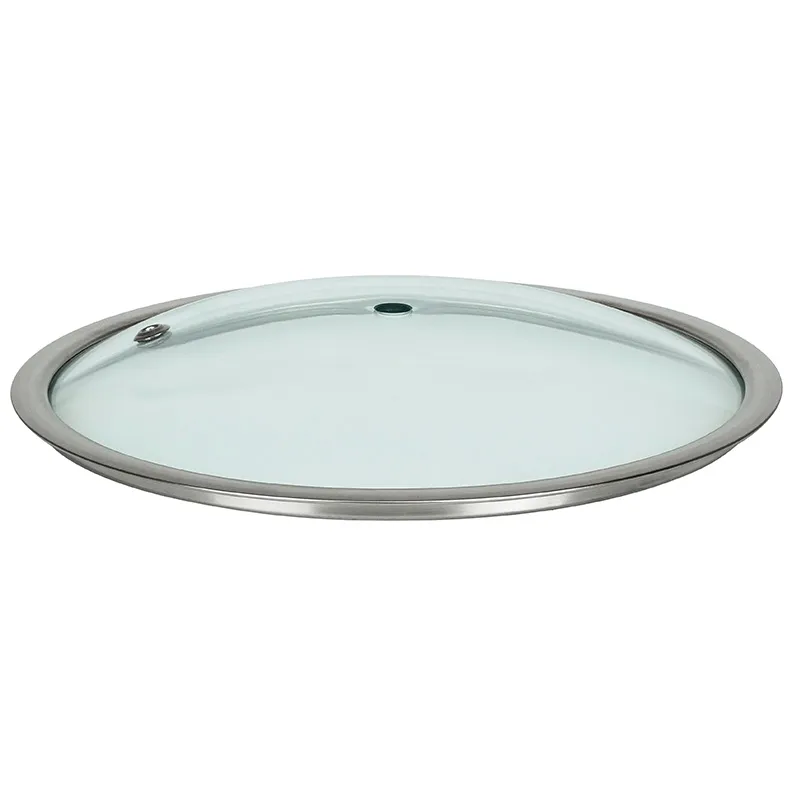
24cm G mhando yegirazi lid
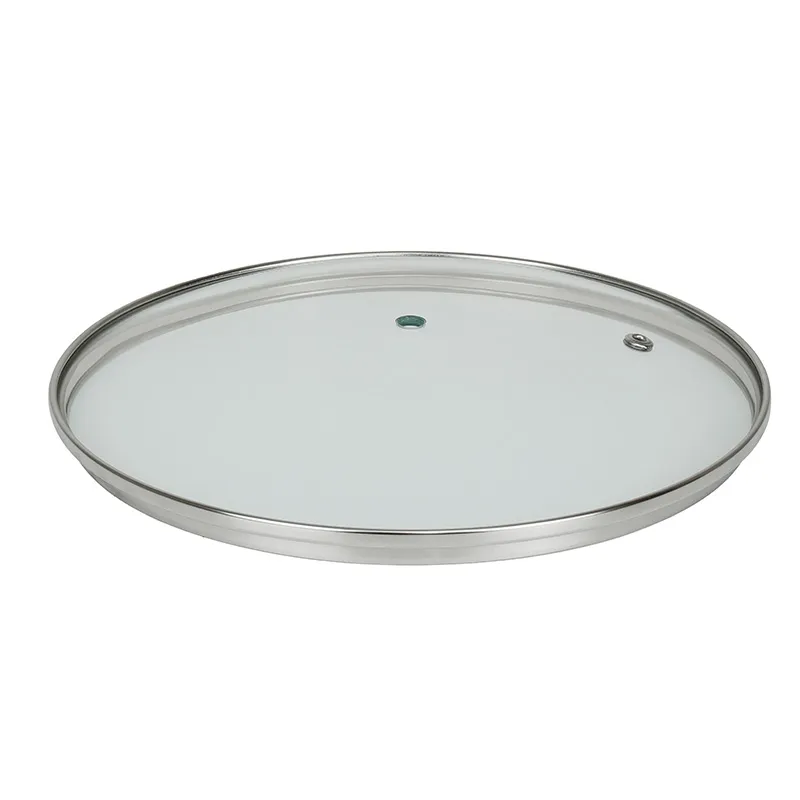
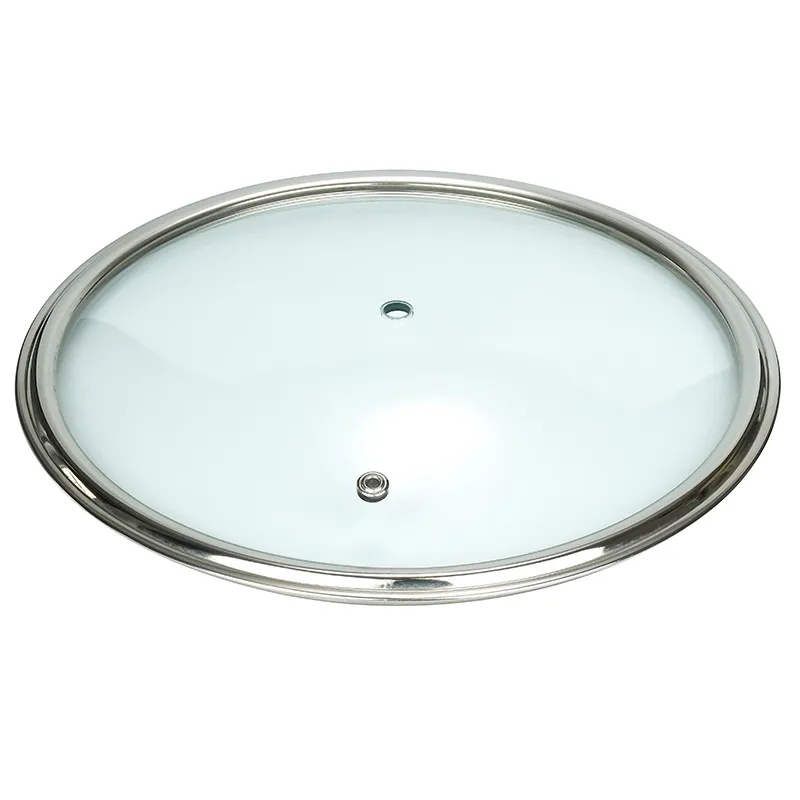
Paunonzwa '24cm G mhando yegirazi chivharo', zviri nyore kungofunga nezvechidimbu chegirazi rinodziya rakachekwa kuita dhayamita chaiyo. Ndiko kukanganisa kwekutanga. The 'G type' isn't just a random letter; in the trade, it often refers to a specific handle and knob configuration, usually a stainless steel handle riveted or clamped on, with a certain arch profile for steam clearance. Iyo 24cm ndeyezita, uye ndipo panotangira misoro. I've seen too many buyers assume a 24cm lid fits any 24cm pot, only to find it sits too deep or too shallow because the 'G type' flange curvature is designed for a specific pan series from European manufacturers. Haisi kuenderana kwepasirese, uye musiyano iwoyo unonyanya kukosha kupfuura akawanda makatalog.
Dhiyabhorosi muDhiyamita: Chii 24cm Zvinonyatsoreva
Hechino chinhu: 24cm chivharo chinenge chisina 24.0 cm. Kana iwe uchitsvaga pani yakavharika-yakavharika sauté, iyo chaiyo yekunze flange dhayamita inogona kunge iri 23.8cm, kana 24.2cm. Iyo hafu-millimita inogona kuva mutsauko pakati pekutenderera, kunyarara kutenderera pahari uye grating, metal-on-metal scrape. Kune kambani yakadai EUR-ASIA COOKWARE CO., LTD, iyo inopomba zvinopfuura mamirioni gumi nemashanu zvimedu pagore, kutonga kushivirira uku mumabheji evatengi vakasiyana ndiro dambudziko guru. Their production base in Taian has the machinery, but the setup for a run of lids destined for Germany versus one for Brazil might need subtle adjustments—not to the glass, but to the metal rim crimping process. Girazi iro pacharo, richikwidziridzwa, rinochekwa uye rakachekwa pamberi pekupisa nekudzima, saka saizi yekupedzisira yakavharwa kare. Tora saizi isina chinhu padanho rekucheka, uye iyo batch yese yakanaka chete kumasekonzi murwi.
I recall a batch for a Polish client where the lids kept failing the 'rock test'—you put the lid on a flat surface and press the edge; haifaniri kuzununguka. Dambudziko rakanga risiri girazi, asi kunyura kushoma mune rimu resimbi isina simbi panguva yekutonhora mushure mekunge yanamirwa pagirazi rinopisa. Mhinduro yakanga isiri yepamusoro-giredhi simbi, asi shanduko mukutonhodza jig dhizaini. Aya ndiwo maitiro asina kunaka anotsanangura mhando, kwete chete zvinyorwa zvezvinhu. You can find their approach to these manufacturing nuances on their site at glass-lid.com, iyo inodonongodza mashandiro avo ekutengesa kunze.
The 'G type' handle itself is another point of failure. The classic design uses two rivets through the tempered glass. Kuboora maburi aya mushure mekupisa hazvibviri - kungapwanya mapaneru. Saka, maburi anodonhedzwa mugirazi yakasvibirira, ipapo chidimbu chose chinopisa. The stress patterns around those holes are critical. A poorly placed hole or a slight chip during drilling can lead to a spontaneous fracture months later when the lid is on a pot, just from the steady heat differential. It's a failure you almost never see with cheaper, annealed glass lids (which just crack), but it's a known risk with tempered. That's why the positioning and deburring of those holes are a key part of the quality audit.
Kupisa: Iyo Core Maitiro uye Kutengeserana Kwayo
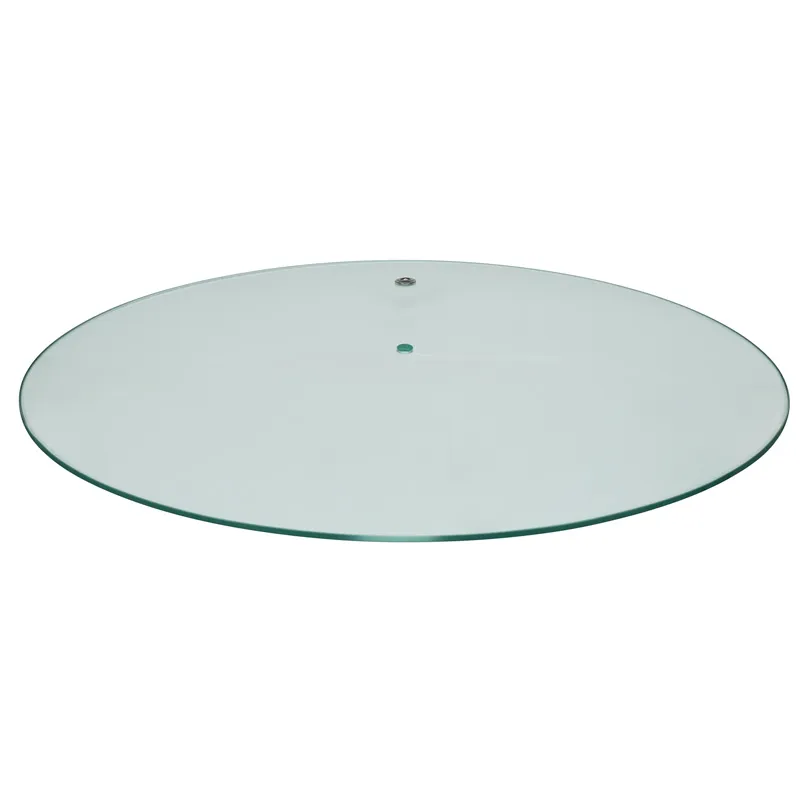
Girazi rakapfava remavharo hakusi kuita kuti 'risatyoke'. It's about making it break safely, into small, blunt cubes, instead of sharp, dangerous shards. The process at a factory like EUR-ASIA's involves heating the cut and edged glass to around 700°C and then quenching it with high-pressure air jets. This creates surface compression and internal tension. The resulting product is about 4-5 times stronger than annealed glass against impact, but it has a weakness: the edges. A direct, sharp knock on the edge can cause a total collapse. Ichi ndicho chikonzero rimu resimbi risiri rekutarisa chete - ibhomba rekudzivirira. Nokuti a 24cm G mhando yegirazi lid, kutendeseka kwerimu chisimbiso ndiko kunodzivirira mupendero usina njodzi kubva pakugogodza kwekicheni uye nekurovera kwekunyura.
There's a common misconception that thicker glass is always better. For a 24cm lid, 3.5mm to 4mm is the sweet spot. Go to 5mm, and the thermal mass increases. You might think that's good for heat retention, but actually, it can lead to more thermal stress because the center of the glass lags further behind the temperature of the rim sitting on the hot pot. In rapid heating scenarios, this differential stress can exceed the engineered compression of the tempering and cause a 'thermal break'. I've seen it happen with lids that were too thick for a high-BTU induction cooker. Girazi rinongo… network kuita miriyoni zvidimbu. So, the 4mm standard isn't arbitrary; it's a balance of strength, weight, and thermal performance.
Imwe pfungwa yakavanzika ndeyekujeka uye ruvara rwegirazi. Yepamusoro-soro yesoda-lime silica girazi inofanirwa kuve neyakaonda yakasvibira tint paunotarisa kumucheto, kwete yakadzika girini. A deep green indicates higher iron content, which can affect heat absorption. Kune chivharo, haina kukosha kupfuura yepaneti yekubikira, asi ichiri kukosha kune inonzwisisika mhando. The glass sourced by professional manufacturers like EUR-ASIA, who supply to European markets, tends to have low iron content for that clearer, more neutral look. Ndicho chimwe chezvinhu izvo zvinoparadzanisa yakaderera-tier kunze chigadzirwa kubva kune yepakati- kana yepamusoro-tier imwe, kunyangwe iwo dimensional specs yakafanana.
Iyo Metal Component: Kupfuura Kupfuura Kufunga
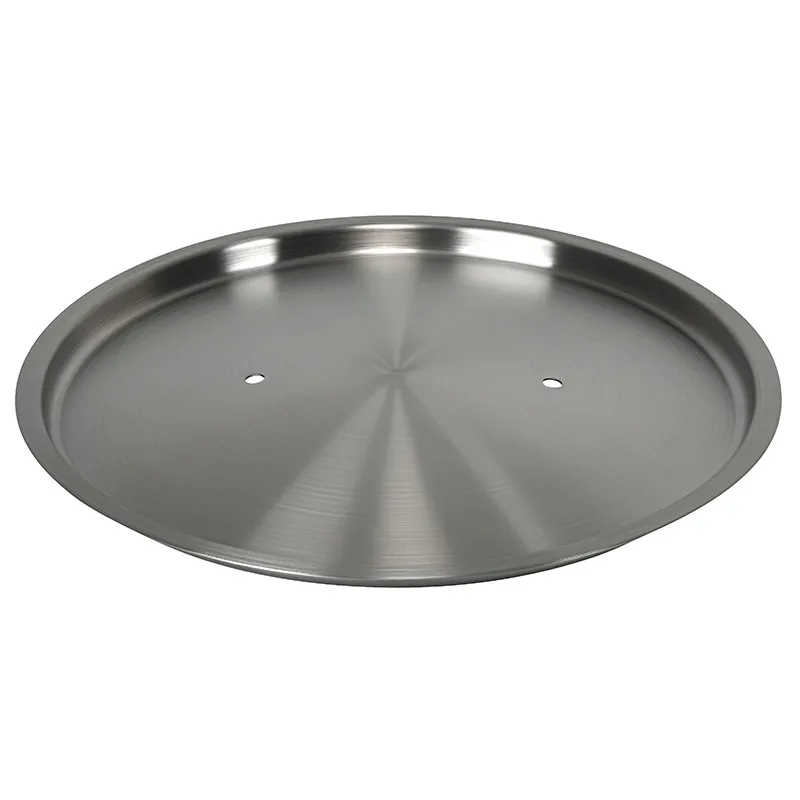
Stainless simbi rimu nemubato ndipo panovanda mari yakawanda nehunyanzvi. Rimu racho rinowanzoita bhendi re430 kana 304 risina tsvina, rakaumbwa kuita denderedzwa, rine mukaha wemubato. It's fitted onto the glass while both are hot (the glass from the tempering oven), and as they cool, the metal contracts, creating a tight, mechanical grip. This is a critical phase. Kana tembiricha isingaenzaniswi yakadzimwa, kubata kwakasununguka, uye unowana chivharo ichi chinotsamwisa. Kana kuti zvakanyanya kuipa, simbi inogona kuisa kusagadzikana kusingaenzaniswi pagirazi, ichigadzira isina simba.
Mubato uri pa G mhando yegirazi chivharo is usually spot-welded or riveted to this band. Sarudzo pano inokanganisa kuchena uye kusimba. Spot-welding yakachena asi inoda kudzora chaiko kudzivirira kupisa kuburikidza nebhendi rakatetepa. Riveting yakasimba nemichina asi inogadzira maviri anogona kutsemuka girizi uye grime. For the export markets like Germany or Denmark, where dishwasher safety is paramount, the finish of these joints and the type of stainless used (must be high-grade to resist dishwasher salt corrosion) are non-negotiable specs. Looking at EUR-ASIA's export list—covering Germany, Italy, France, etc.—you can bet their G-type handles are built to pass these rigorous tests.
Iyo knob, inowanzogadzirwa ne phenolic resin (Bakelite) kana simbi isina tsvina, ine yayo yega nyaya. Phenolic insulator yakakura yekupisa, asi yakachipa phenolic inogona kudzima kana kuve brittle nekufamba kwenguva nekuratidzwa kwemhepo. The bonding of the knob to the glass or the handle stem is another failure point. Epoxy inowanzoshandiswa, asi inofanira kunge iri yemhando yepamusoro-yemhando yezvokudya-giredhi. I've had instances where a batch of lids passed all initial tests, but after 50 simulated dishwasher cycles, the knobs started to rotate or, in a few cases, pop off. Mhedzisiro yacho yaive kusawirirana pakati peiyo thermal yekuwedzera coefficient ye epoxy uye knob zvinhu. Kuigadzirisa kwaireva kuchinja anonamira mutengesi, kwete knob dhizaini.
Yakakodzera, Basa, uye Chaiyo-Nyika Kukundikana
Saka, une yakagadzirwa zvakakwana 24cm G mhando yegirazi lid. Zvichashanda here? It depends entirely on the pot. Chichemo chakanyanya hakusi kuputsika, asi kusakwana. The lid might be designed for a pot with a specific outer flange angle. If the pot's flange is more vertical or more horizontal, the seal is compromised. Steam escapes from one side, condensation drips unevenly. In practice, many mid-market pot manufacturers design their pot rims to accommodate a range of generic glass lids, but high-end brands have proprietary curvatures. This is why EUR-ASIA likely produces so many variations—the 'G type' for one major German brand is subtly different from the 'G type' for a Korean brand, even at the same 24cm nominal size.
Imwe yenyaya dzedu pachedu yekukundikana yaisanganisira kurongeka kwechimbichimbi. Taifanira kuenzanisa mutsara wakamiswa wehari dzeItaly. We reverse-engineered the lid from a sample, got the diameter and arch right, or so we thought. The production sample fit perfectly. Asi yekutanga batch yekugadzira ye5000 mayunitsi aive ne30% yekudzoka mwero we'kudonha kwemhepo'. After weeks of head-scratching, we realized the original pot's flange had a microscopic bead—a rounded lip—that our measurement missed. Our lid sat on this bead, not over it, creating a tiny channel for steam. Iyo gadziriso yaive yekugadzirisa iyo yemukati curvature yesimbi yedu rim ne 0.3mm. Chakanga chiri chidzidzo chinodhura pakufunga kuti chimiro chepoto chaive chakapfava.
Then there's the issue of use over open flame. While tempered glass can handle the radiant heat from a gas flame, a direct lick of flame onto the glass can cause localized overheating and failure. Marimu yesimbi inobatsira, asi haisi nhovo yakakwana. Mirayiridzo inogara ichiti chengetedza murazvo uri pakati nepasi pepoto, asi mukicheni yakabatikana yekumba, izvo hazviitike nguva dzose. A lid that survives induction and electric might not last a year on a gas range. It's not a manufacturing defect, but a design limitation that isn't always communicated clearly. Nyanzvi inogadzira inoziva izvi uye inogona kunge iine akasiyana mabikirwo ekupisa kana marimu magadzirirwo ezvivharo zvakagadzirirwa misika ine gasi-inotonga seItaly kana Brazil.
Sourcing uye Supply Chain Reality
When you're buying these lids in bulk, you're not just buying a product; uri kutenga fekitori kugona kuchengetedza kuenderana. Kambani yakadai EUR-ASIA COOKWARE CO., LTD, ine 20,000㎡ nzvimbo uye yakatarisana nekutengesa kunze, yakavakirwa izvozvo. Their annual output of 15 million pieces means they have the scale to invest in decent quality control, like automated optical inspection for bubbles and inclusions in the glass, and salt spray test chambers for the metal components. Kune mutengi, kushanyira nzvimbo yacho (kana kungoongorora mishumo yavo yekuongorora) kwakakosha. You need to see their packing line—how they prevent lid-on-lid contact during packing to avoid edge chips, what kind of cardboard dividers they use.
Kutarisa kunze kwenyika, sezvakacherechedzwa munhanganyaya yavo kune zvinopfuura makumi mapfumbamwe muzana zvinotengeswa kunze kwenyika kunyika kubva kuGermany kuenda kuJapan, zvinokuudzawo chimwe chinhu. It means they're likely familiar with various international standards, from LFGB for food contact in Germany to CP65 in California. Their glass composition probably already complies with heavy-metal leaching limits. Izvi hazvina kupihwa nefekitari yese mudunhu. It's a sign they've done the paperwork and material sourcing legwork, which saves a lot of hassle for an importer.
Pakupedzisira, iyo economics. Imwe chete 24cm G mhando yegirazi lid of decent quality, FOB China, might cost between $1.50 and $3.50, depending on the metal finish, knob material, and packaging. Musiyano pakati pepasi nepamusoro pekupedzisira kweiyo chiyero chiri mune zvakadzama: kunyatsoenderana, kuenderana kwekupisa, giredhi restainless, uye kusimba kwegungano. Pamhando yekubika, kusarudza iyo yakachipa inogona kuchengetedza mutengo pabhiri rezvinhu, asi zvinotungamira kune yakakwira waranti yezvirevo uye kusagutsikana kwevatengi. The real value of a supplier isn't in the price per piece, but in the lack of headaches per container load. Mupfungwa iyoyo, iro kiyi izwi haringori rondedzero yechigadzirwa; ipfupi yehuwandu hwakaoma hwesainzi, kushivirira kwekugadzira, uye inoshanda ergonomics iyo inoshanda zvisina musono mukicheni yemutengi kana inove inoshungurudza sosi yekugumbuka.
Related Products
Related Products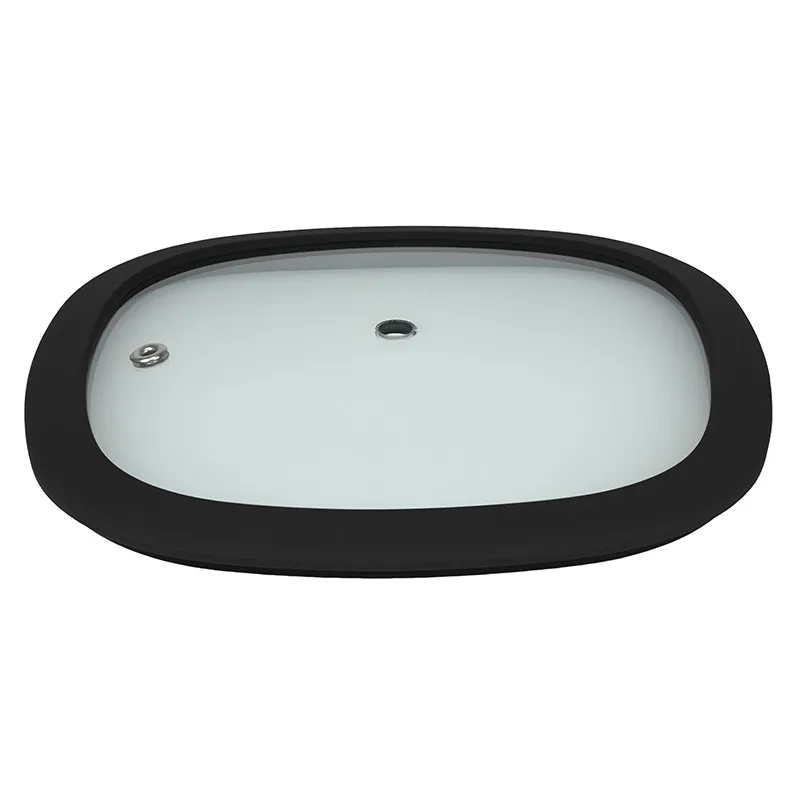
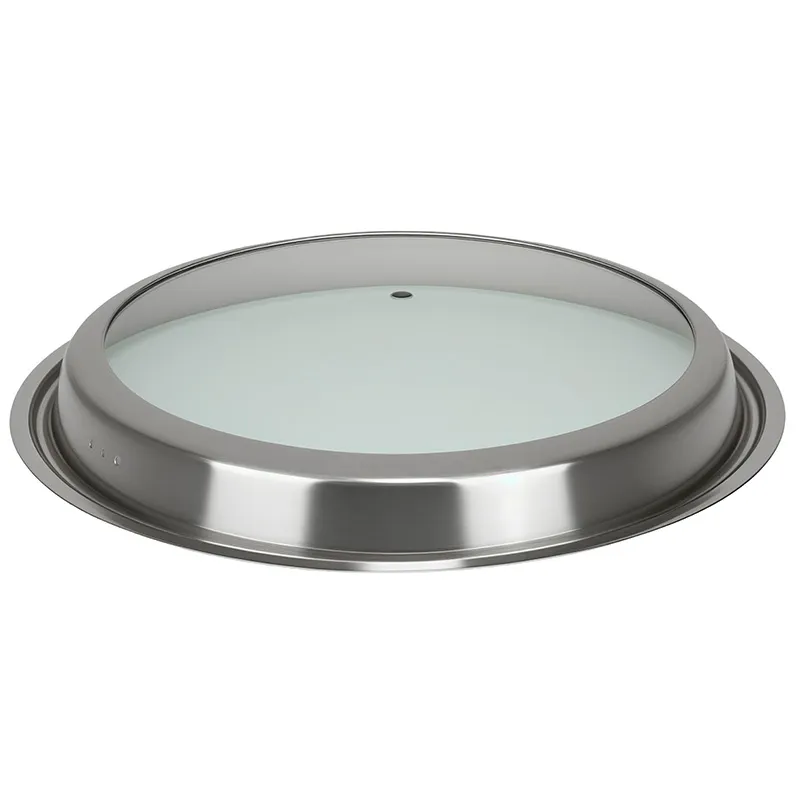
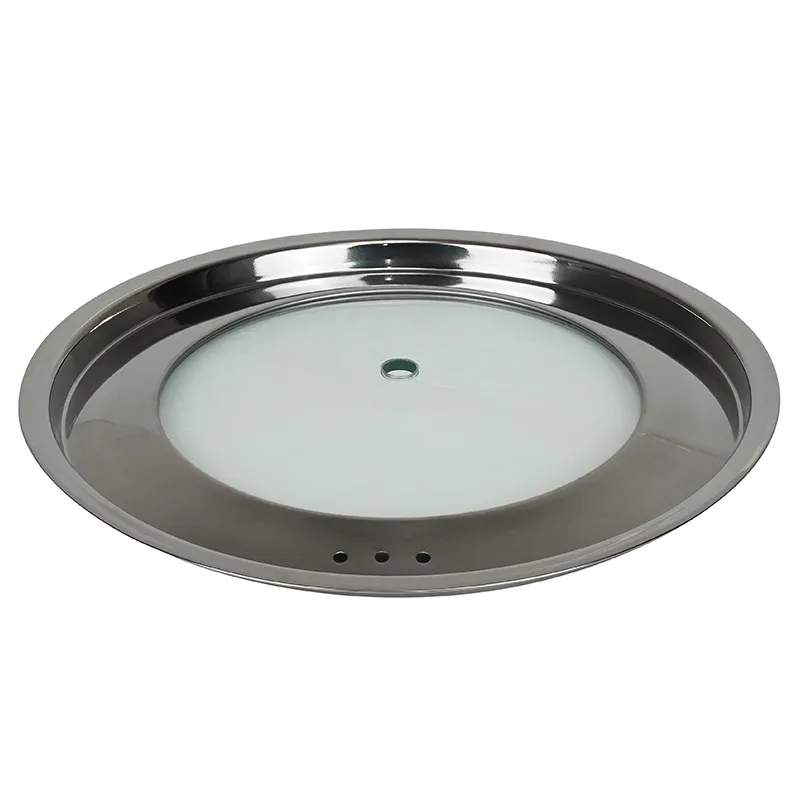
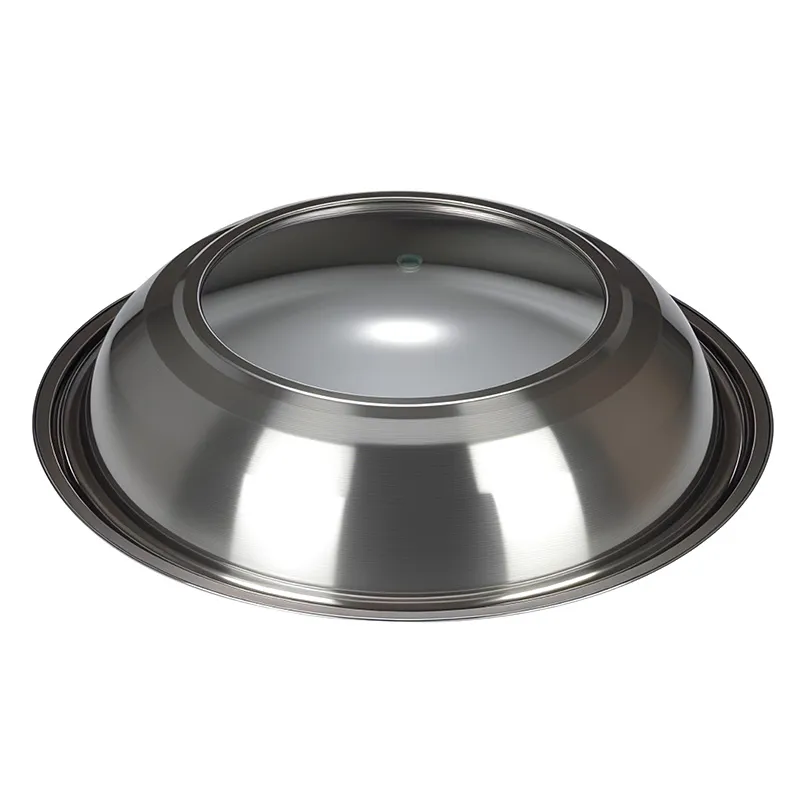

Best Selling Products
Best Selling Products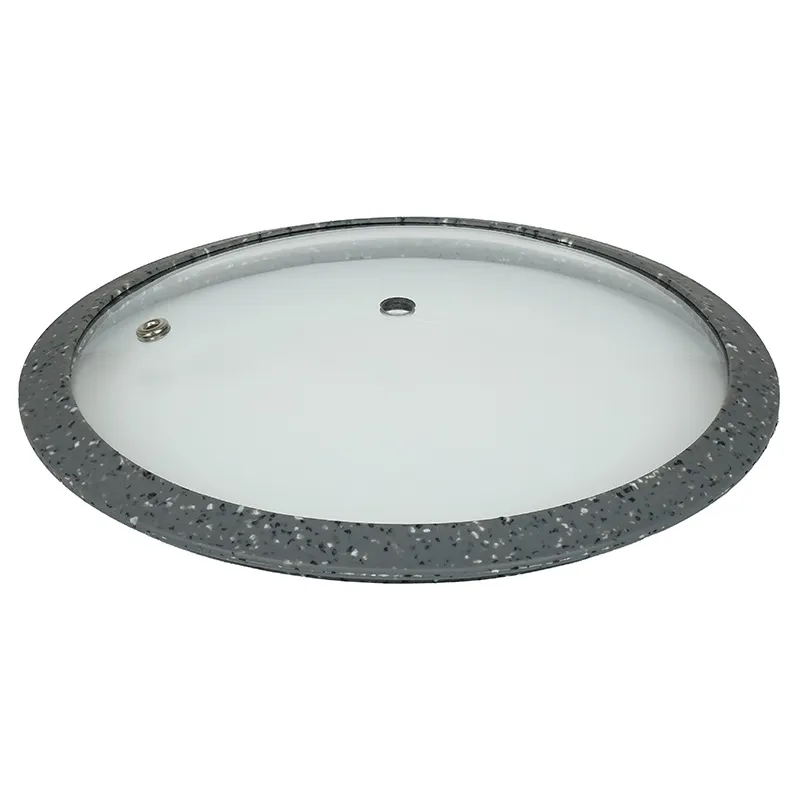
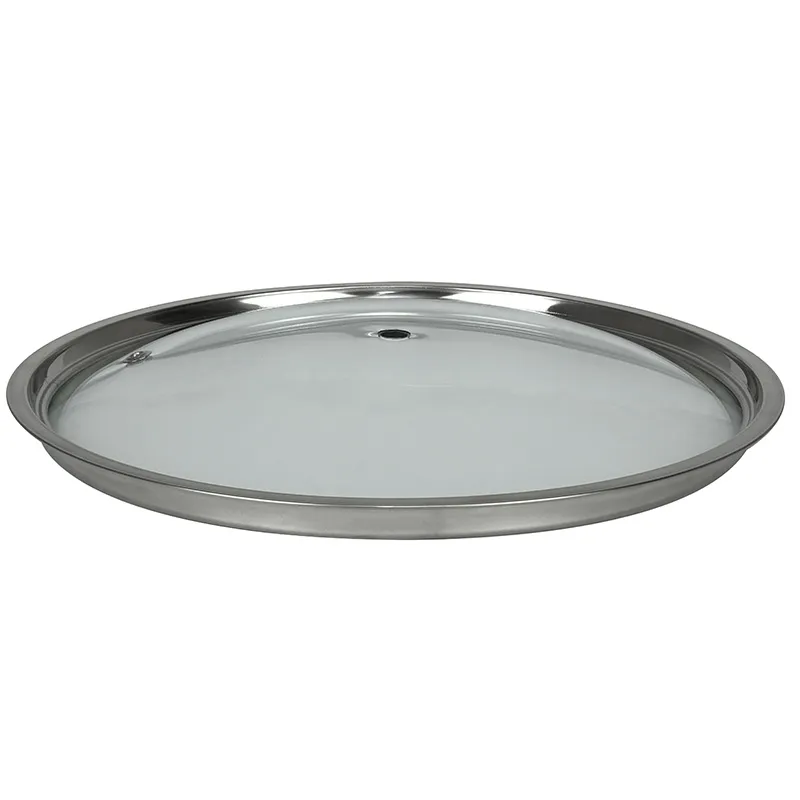


Related Search
Related Search- frying pan negirazi lid
- dome silicone girazi chivharo
- 5 gallon girazi chirongo chine chivharo chinopinda mhepo
- G mhando, T mhando, C mhando, Rectangle, Square girazi chivharo
- China girazi chivharo fekitari
- Z type tempered glass cover
- cookware lids
- silicone girazi lids mugadziri
- girazi chirongo chine acacia lid
- China tempered girazi chivharo fekitari


