- Chinese
- French
- German
- Portuguese
- Spanish
- Russian
- Japanese
- Korean
- Arabic
- Irish
- Greek
- Turkish
- Italian
- Danish
- Romanian
- Indonesian
- Czech
- Afrikaans
- Swedish
- Polish
- Basque
- Catalan
- Esperanto
- Hindi
- Lao
- Albanian
- Amharic
- Armenian
- Azerbaijani
- Belarusian
- Bengali
- Bosnian
- Bulgarian
- Cebuano
- Chichewa
- Corsican
- Croatian
- Dutch
- Estonian
- Filipino
- Finnish
- Frisian
- Galician
- Georgian
- Gujarati
- Haitian
- Hausa
- Hawaiian
- Hebrew
- Hmong
- Hungarian
- Icelandic
- Igbo
- Javanese
- Kannada
- Kazakh
- Khmer
- Kurdish
- Kyrgyz
- Latin
- Latvian
- Lithuanian
- Luxembou..
- Macedonian
- Malagasy
- Malay
- Malayalam
- Maltese
- Maori
- Marathi
- Mongolian
- Burmese
- Nepali
- Norwegian
- Pashto
- Persian
- Punjabi
- Serbian
- Sesotho
- Sinhala
- Slovak
- Slovenian
- Somali
- Samoan
- Scots Gaelic
- Shona
- Sindhi
- Sundanese
- Swahili
- Tajik
- Tamil
- Telugu
- Thai
- Ukrainian
- Urdu
- Uzbek
- Vietnamese
- Welsh
- Xhosa
- Yiddish
- Yoruba
- Zulu
- Kinyarwanda
- Tatar
- Oriya
- Turkmen
- Uyghur

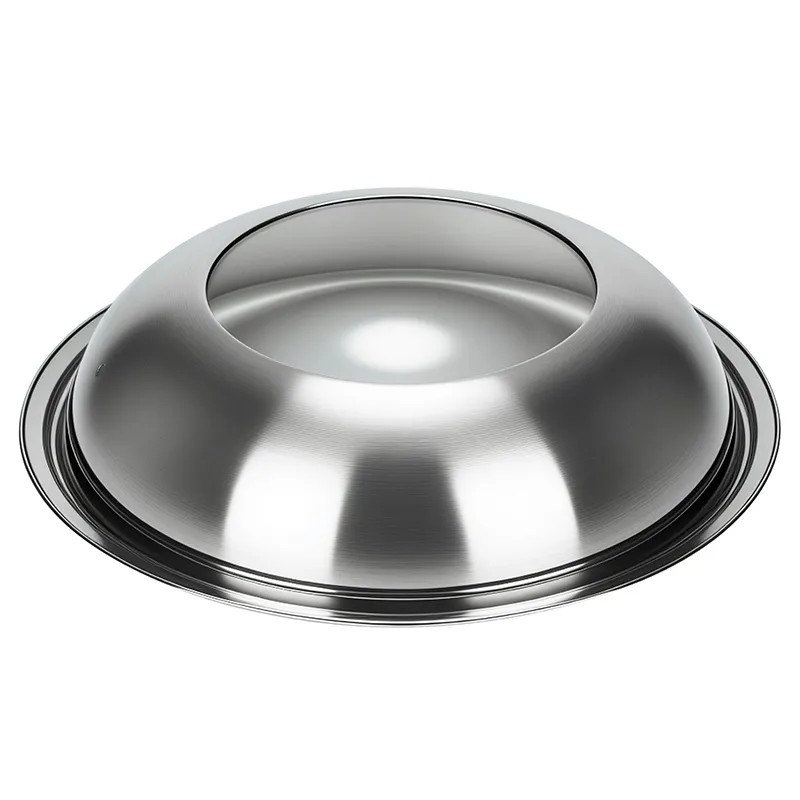
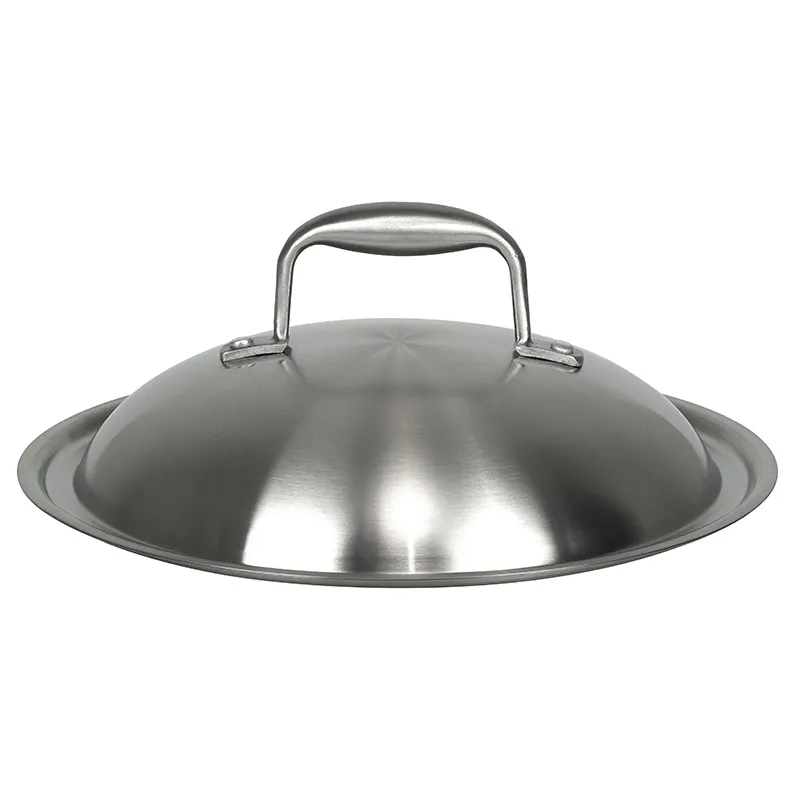
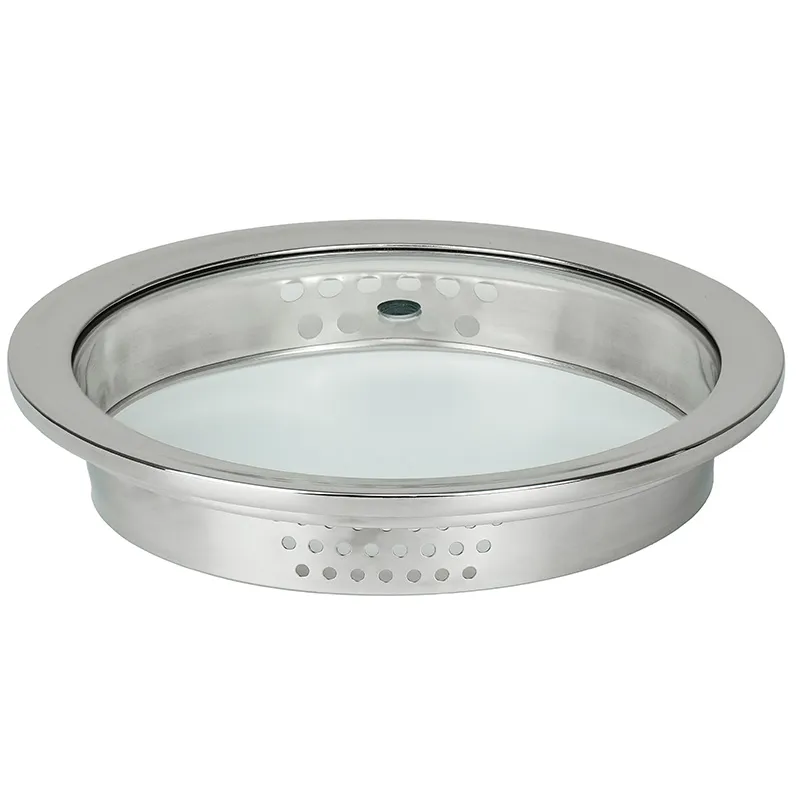
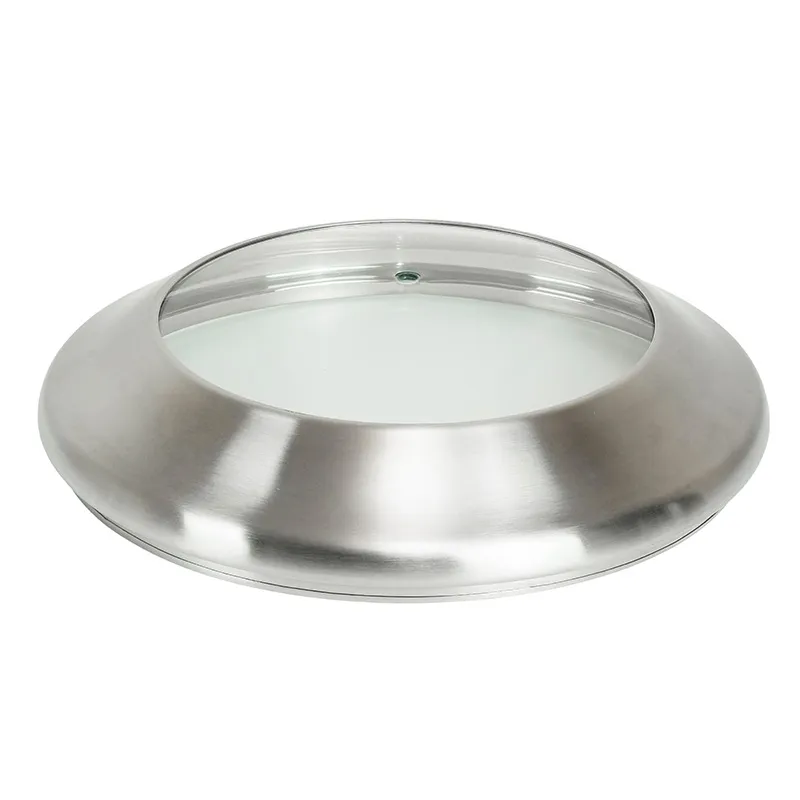
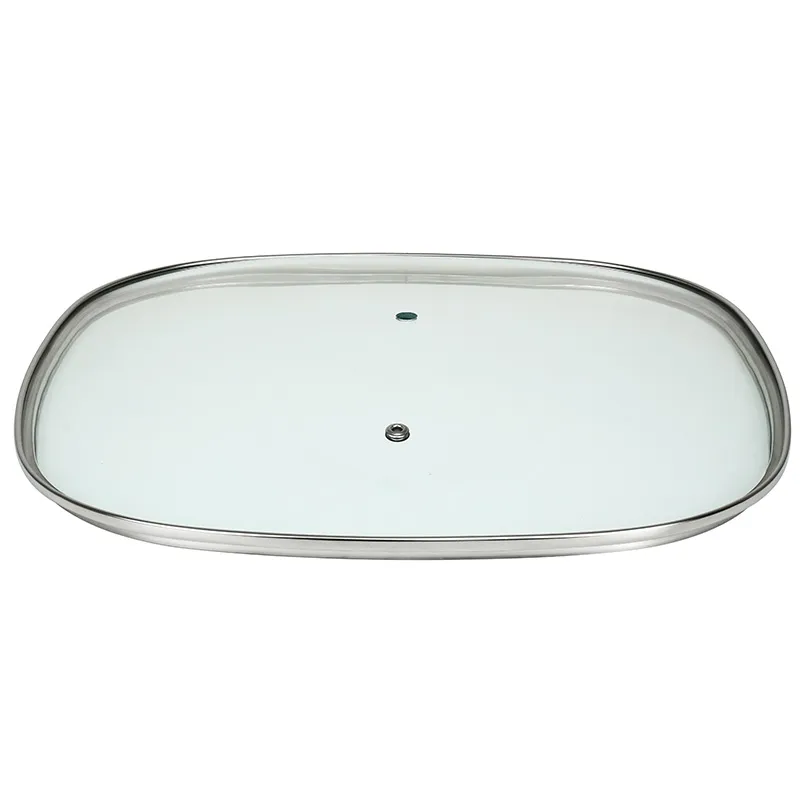
stainless lid
When most people hear 'stainless lid', they picture a simple, shiny top for a pot. But in the cookware trade, that term carries a lot more baggage—and often, a lot of misconceptions. The assumption is that if it's stainless, it's durable and problem-free. Having sourced and tested thousands of these for clients, I can tell you the reality is messier. The real debate isn't about stainless steel itself, but about what it's paired with, how it's finished, and frankly, how it fails in the hands of an actual user. Let's peel back the layers.
The Core Misunderstanding: Material vs. Assembly
The biggest pitfall is focusing solely on the 18/10 or 304-grade stainless steel. Yes, that's the baseline for corrosion resistance, but it's the least interesting part of the story. The critical point is the assembly. Is the handle riveted or welded? Is the knob attached with a screw or a bonded insert? I've seen lids where the steel is impeccable, but a poorly chosen plastic knob melts during a long braise, or a rivet loosens after a hundred dishwasher cycles. The lid isn't a monolithic piece; it's a system.
For instance, we worked with a European importer who insisted on a fully polished, mirror-finish stainless lid. Looked stunning in the box. The first batch came back with complaints of fingerprints and water spots that were impossible to remove without streaking. The finish was too perfect, too delicate for a kitchen workhorse. We had to pivot to a light brushed finish, which hid daily wear far better. It was a lesson in aesthetics versus utility.
This is where a manufacturer's philosophy shows. A company like EUR-ASIA COOKWARE CO.,LTD, which has a background in high-volume tempered glass lid production, often approaches stainless differently. Their expertise in precise glass-to-metal sealing for combination lids (glass center, stainless rim) gives them a leg up on tolerance control. They understand that a stainless lid isn't just a metal stamping; it's a component that must interface perfectly with a glass insert or a pot's rim. That manufacturing discipline, born from exporting millions of glass lids globally, translates into a more rigorous approach to the metalwork itself.
The Devil in the Details: Fit, Warping, and Steam
Let's talk about fit. A lid must sit flush. Not almost flush, but perfectly flush. A gap of even half a millimeter is a steam vent, which completely changes cooking dynamics. I've received samples where the lid looked true on a flat table, but when placed on a pot, it rocked. The cause? Often subtle warping from the stamping or tempering process, or an uneven roll on the rim. Detecting this requires a hands-on test with multiple pot bodies, not just a QC sheet.
Then there's the condensation management. A pure stainless steel lid will drip condensate in large, random droplets. For some applications, that's fine. But for slow simmering, those big droplets can disturb the food. Many high-end stainless lid designs now incorporate a pattern of raised dimples or a sloped interior dome to channel condensation to the edges, where it drips back into the pot more gently. It's a small feature that speaks volumes about the design's intent.
I recall a failure with a budget line. The lids were stamped, trimmed, and shipped. No secondary flattening process. In transit, or even just sitting in a warehouse, a percentage would develop a slight bow. Customers would get a 'wobbly' lid. The fix wasn't more expensive steel; it was adding a simple roller-leveling step post-stamping. It added cost, but it eliminated the majority of fit complaints. It's these unglamorous, behind-the-scenes steps that separate a reliable product from a problematic one.
The Combination Play: Glass and Stainless
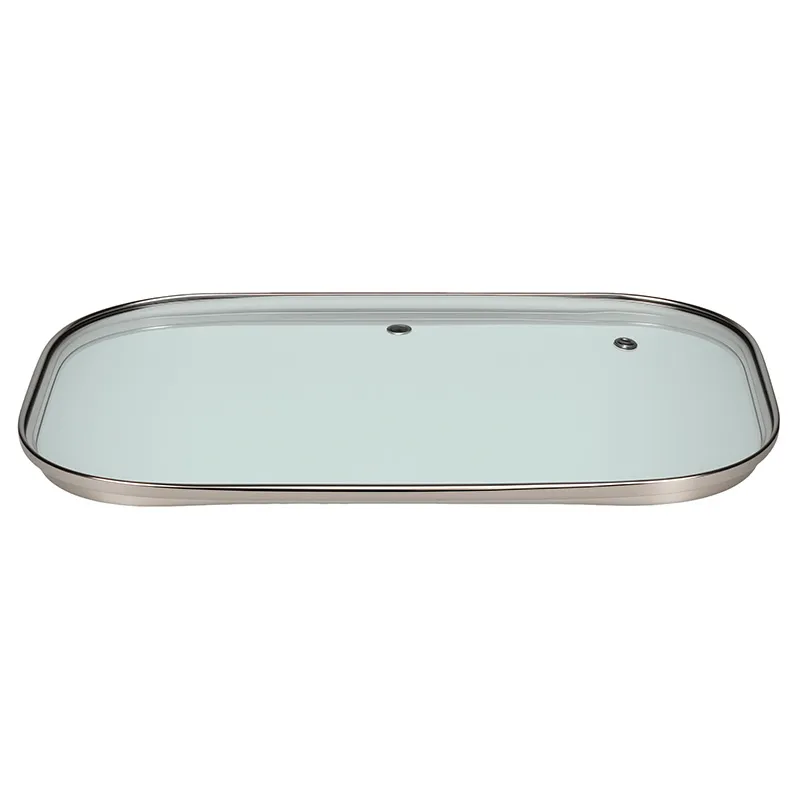
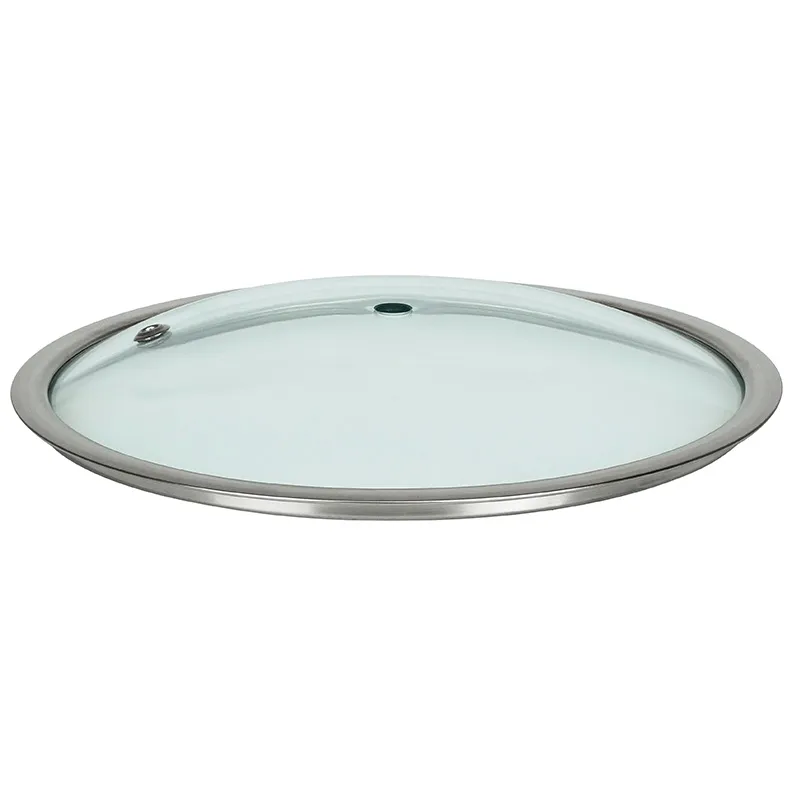
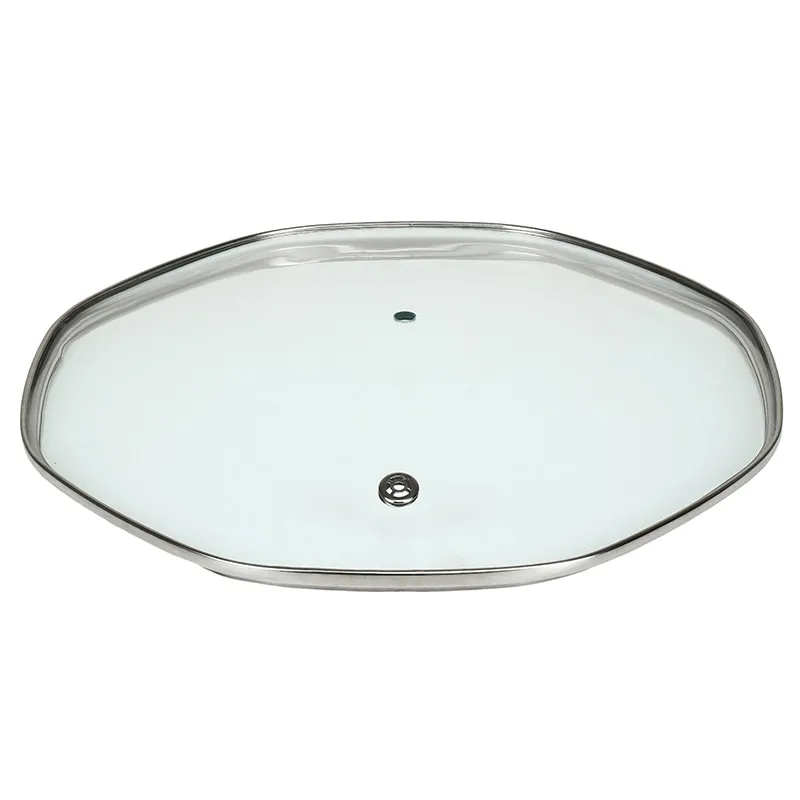
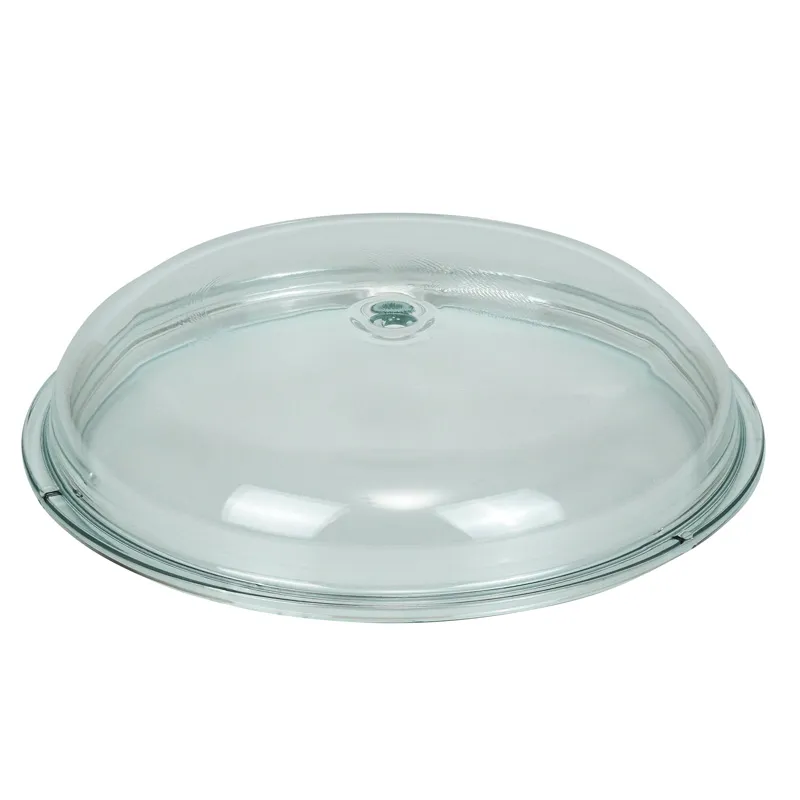
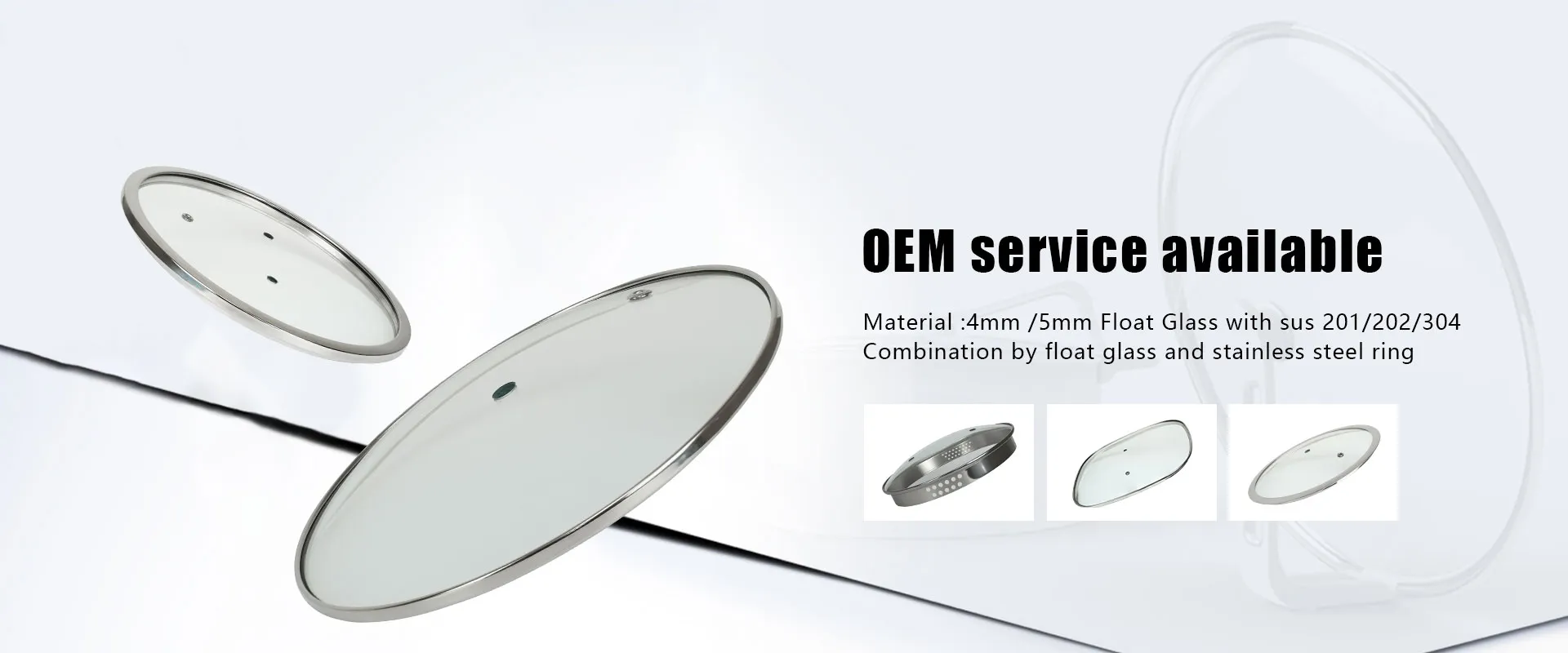
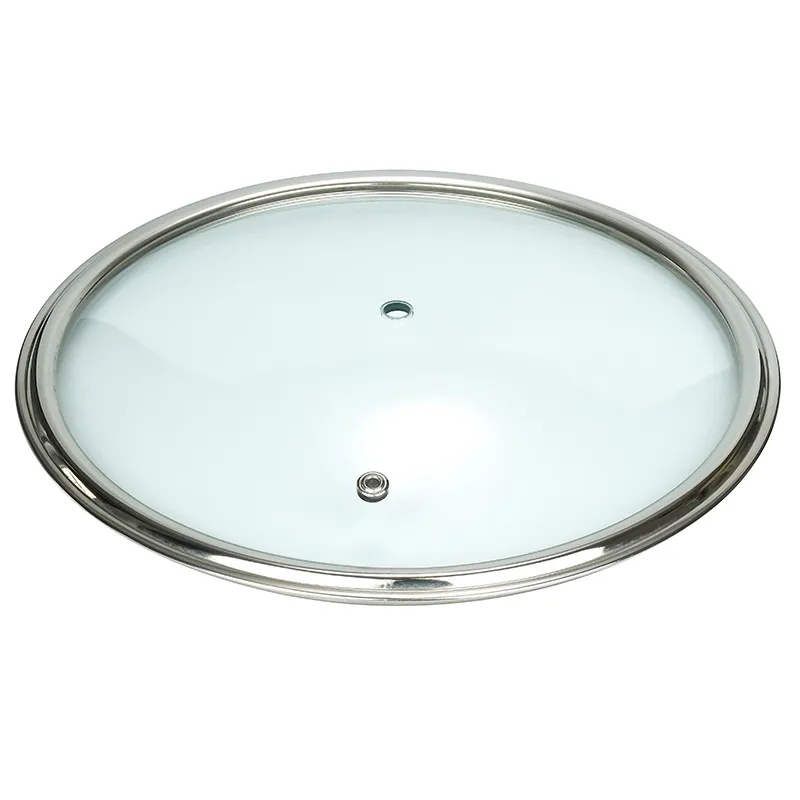
This is where the industry has largely moved for mid-to-high-end cookware. A stainless lid with a tempered glass center offers visibility. But marrying glass to metal is a headache. The thermal expansion rates are different. If the sealing gasket (usually silicone) is too hard, it cracks the glass under stress. If it's too soft, it leaks steam and eventually degrades. The metal rim must be formed to cradle the glass without pinching it.
EUR-ASIA COOKWARE CO.,LTD's core business is exactly this. Producing over 15 million tempered glass lids annually means they've likely solved the gasket chemistry and crimping pressure challenges on a massive scale. For a pure stainless lid supplier, adding a glass window is a complex new venture. For them, it's their bread and butter. When such a manufacturer also offers a full stainless version, you can bet the metal rim's construction on that lid benefits from the precision required for glass integration. The stainless border is often more robust, with a cleaner finish on the inner lip where it contacts the pot.
An anecdote: A client wanted a combination lid where the glass could be removed for easy cleaning. Sounded great. We prototyped a design with a stainless frame and a clip-in glass panel. In testing, the clips fatigued after repeated heat cycles, and the seal was never quite perfect. We abandoned it. Sometimes, the pursuit of modularity compromises the primary function: creating a sealed environment. The lesson was that permanent assembly, done right, is often superior for performance.
Finish and the Reality of Cleaning
Polished, brushed, sandblasted—each has trade-offs. A high polish shows every water spot, especially in hard water areas. A brushed finish hides spots but can trap grease in its microscopic grooves if not cleaned thoroughly. For commercial kitchens, a heavier, satin finish is common because it's the most forgiving. The choice isn't just cosmetic; it's a maintenance commitment.
Many premium brands now offer a 'cap' style lid, where only the top-facing surface is stainless, and the outer rim is a different material like brushed aluminum or even enameled steel. This is often done for cost and weight savings, but it complicates cleaning if food boils over and gets trapped at the seam. A true, solid stainless lid, while potentially heavier, offers uniformity in cleaning. You can scrub it aggressively without fear of damaging a clad layer.
I always advise clients to think about the dishwasher. While stainless is dishwasher-safe in principle, harsh detergent and intense heat can dull a polished finish over years. For a lid that's meant to last a decade or more, recommending hand wash for premium lines isn't elitism; it's about preserving appearance. This is a practical detail often omitted from spec sheets.
Sourcing and the Global Supply Reality
When you source a stainless lid, you're not just buying a product; you're buying a supply chain's capability. A manufacturer exporting 90% of its output, like EUR-ASIA to markets in Germany, Russia, Japan, and Brazil, is forced to adhere to a myriad of international standards—from EU food contact material regulations to specific retailer quality protocols. This external pressure creates a baseline of compliance that is invaluable.
Their production base in Shandong's High-tech Development Zone, with that scale of facility and workforce, suggests a focus on consistent, high-volume output. For a buyer, this means reliability in supply and uniformity across batches. The downside of such large-scale operations can sometimes be flexibility—getting a custom handle or an unusual size might be harder than with a smaller workshop. But for standard items, the process control is usually tighter.
Ultimately, the best stainless lid is one that disappears in use. It fits, it seals adequately for its purpose, it feels balanced in the hand, and it cleans up without fuss. It’s not the star of the kitchen, but a reliable supporting actor. The goal is to achieve that boring, effortless reliability, which is ironically the result of navigating a thousand exciting little failures and corrections in material, process, and design. That's what separates a commodity cover from a component you never have to think about.
Related Products
Related Products