- Chinese
- French
- German
- Portuguese
- Spanish
- Russian
- Japanese
- Korean
- Arabic
- Irish
- Greek
- Turkish
- Italian
- Danish
- Romanian
- Indonesian
- Czech
- Afrikaans
- Swedish
- Polish
- Basque
- Catalan
- Esperanto
- Hindi
- Lao
- Albanian
- Amharic
- Armenian
- Azerbaijani
- Belarusian
- Bengali
- Bosnian
- Bulgarian
- Cebuano
- Chichewa
- Corsican
- Croatian
- Dutch
- Estonian
- Filipino
- Finnish
- Frisian
- Galician
- Georgian
- Gujarati
- Haitian
- Hausa
- Hawaiian
- Hebrew
- Hmong
- Hungarian
- Icelandic
- Igbo
- Javanese
- Kannada
- Kazakh
- Khmer
- Kurdish
- Kyrgyz
- Latin
- Latvian
- Lithuanian
- Luxembou..
- Macedonian
- Malagasy
- Malay
- Malayalam
- Maltese
- Maori
- Marathi
- Mongolian
- Burmese
- Nepali
- Norwegian
- Pashto
- Persian
- Punjabi
- Serbian
- Sesotho
- Sinhala
- Slovak
- Slovenian
- Somali
- Samoan
- Scots Gaelic
- Shona
- Sindhi
- Sundanese
- Swahili
- Tajik
- Tamil
- Telugu
- Thai
- Ukrainian
- Urdu
- Uzbek
- Vietnamese
- Welsh
- Xhosa
- Yiddish
- Yoruba
- Zulu
- Kinyarwanda
- Tatar
- Oriya
- Turkmen
- Uyghur

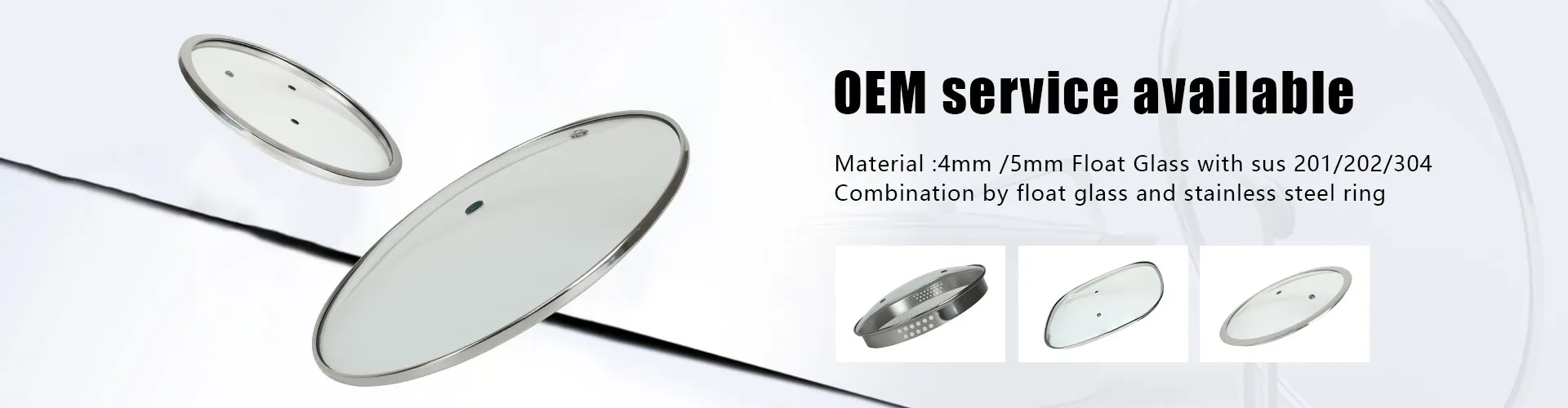
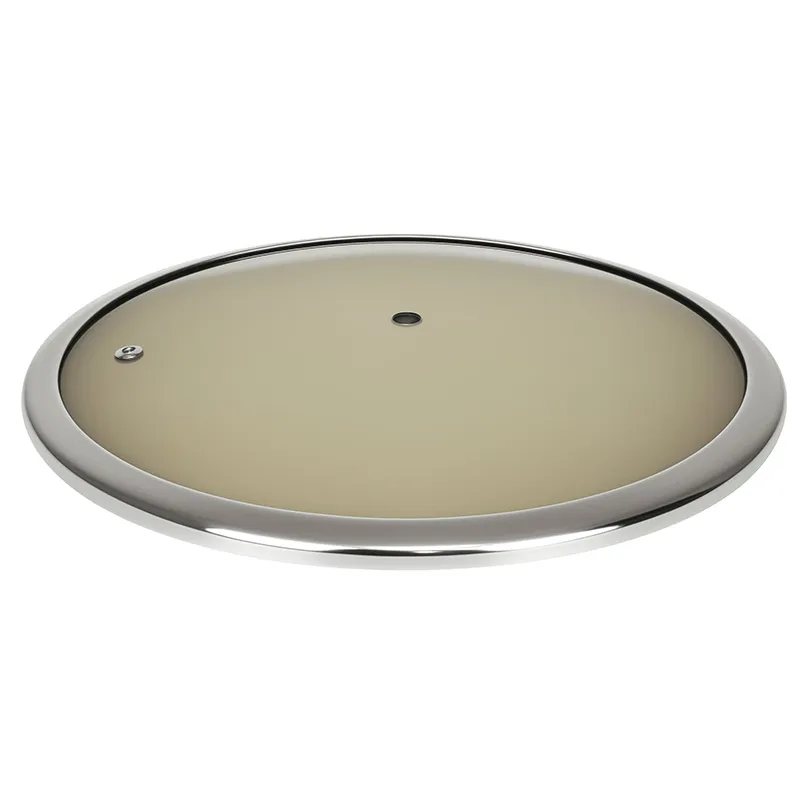
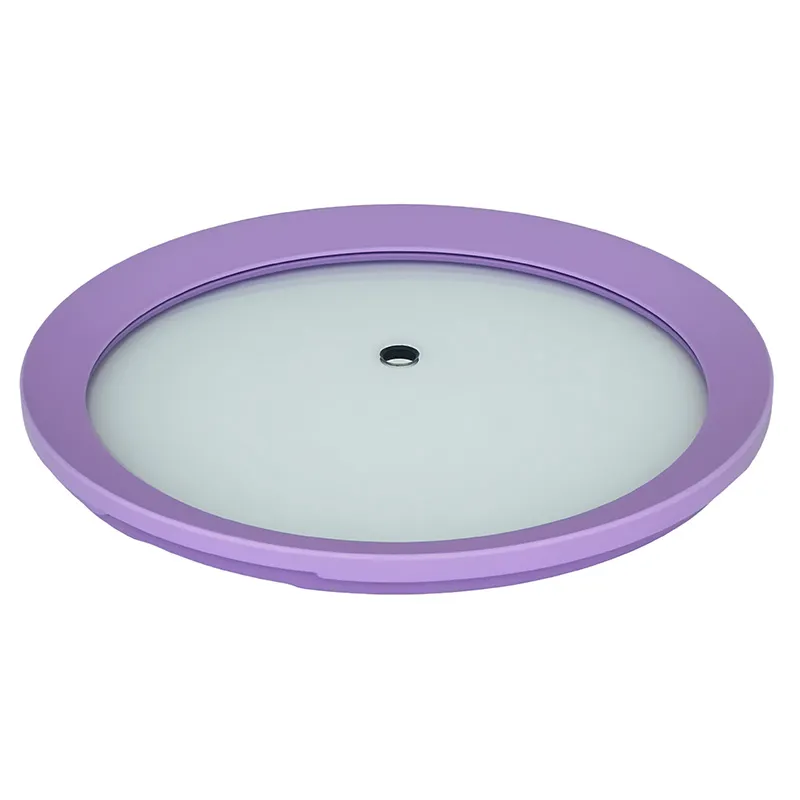
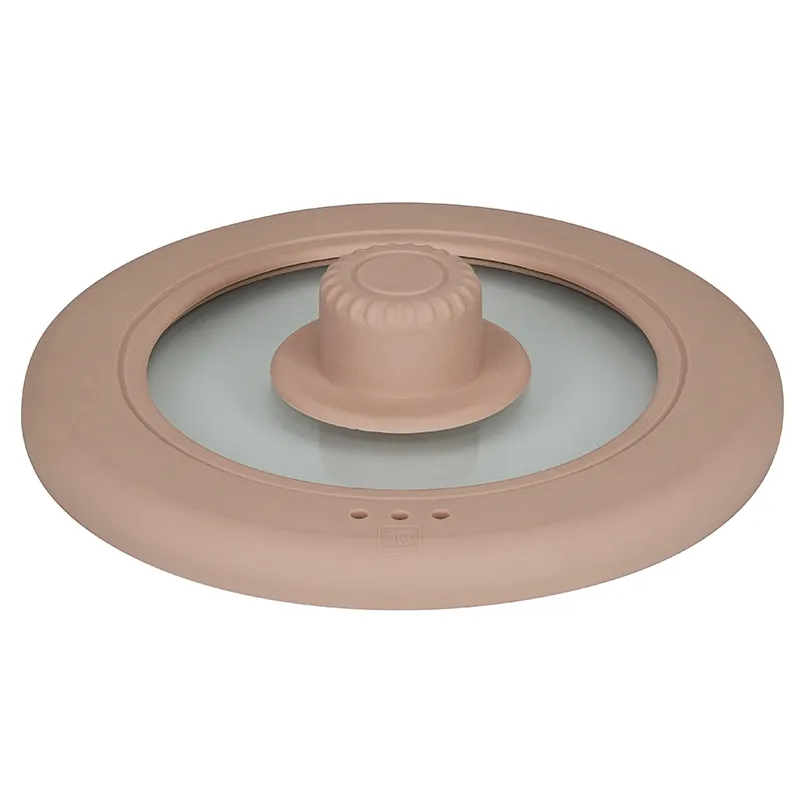
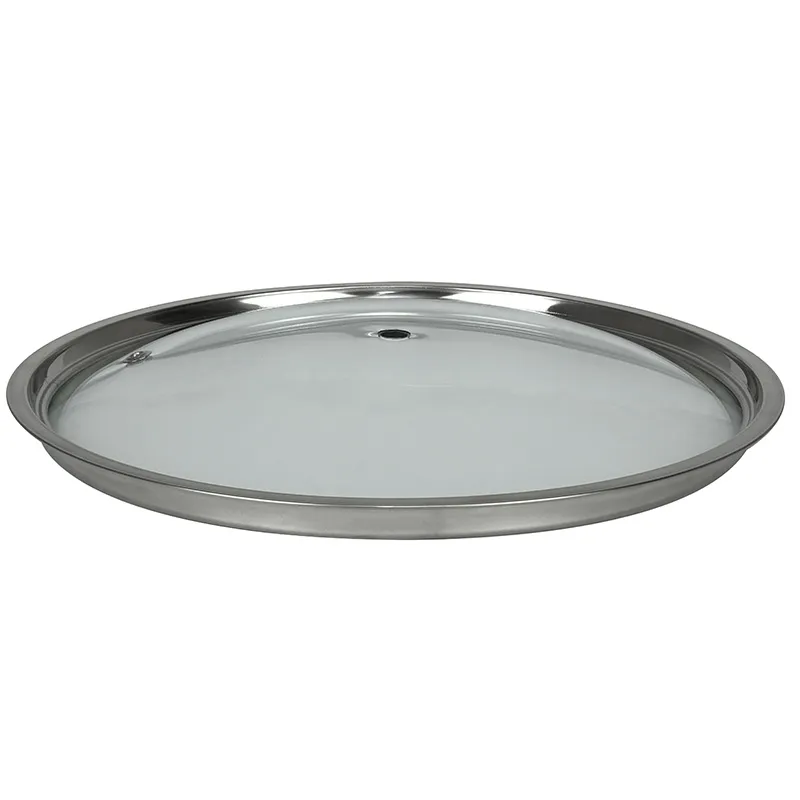
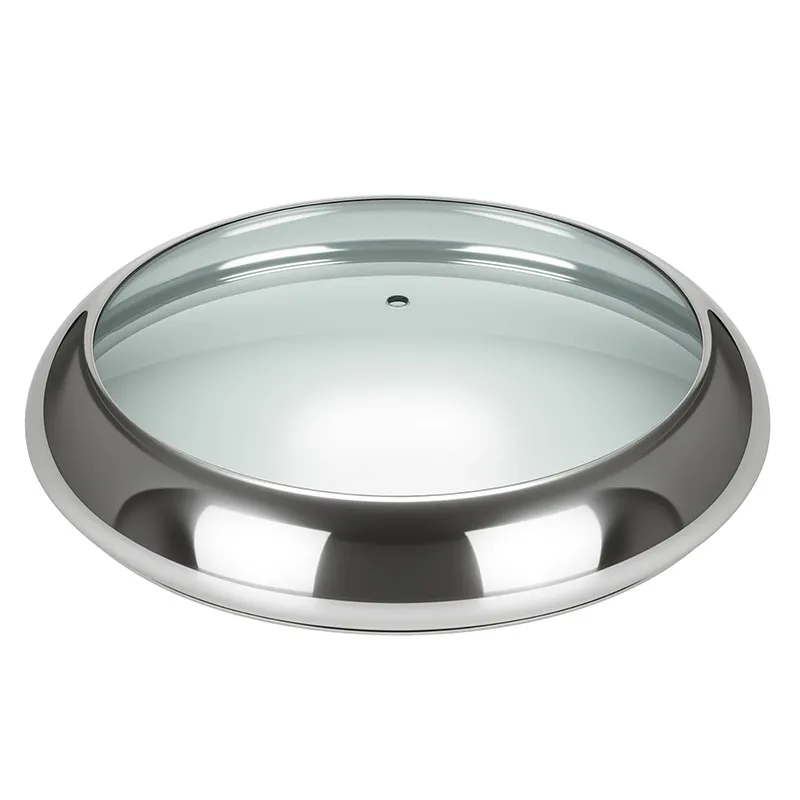
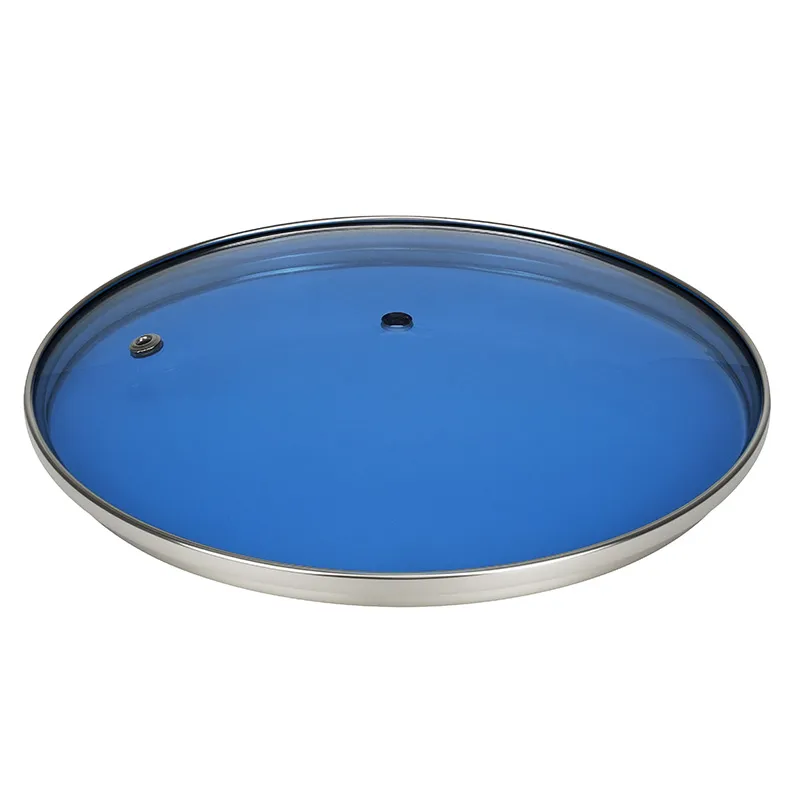
stainless steel cookware with glass lids
When you hear 'stainless steel cookware with glass lids', the immediate image is one of modern convenience—you can see your food without lifting the lid. But that's where a lot of the common understanding stops, and frankly, where a lot of marketing glosses over the real trade-offs. Having sourced and tested these sets for years, I can tell you the gap between a good setup and a mediocre one isn't just about the steel grade or the lid's clarity. It's about how they're engineered to work together, which is something most brands don't talk about because it gets into the gritty, expensive details of manufacturing tolerances.
The Core Misconception: It's Just a Pot with a Window
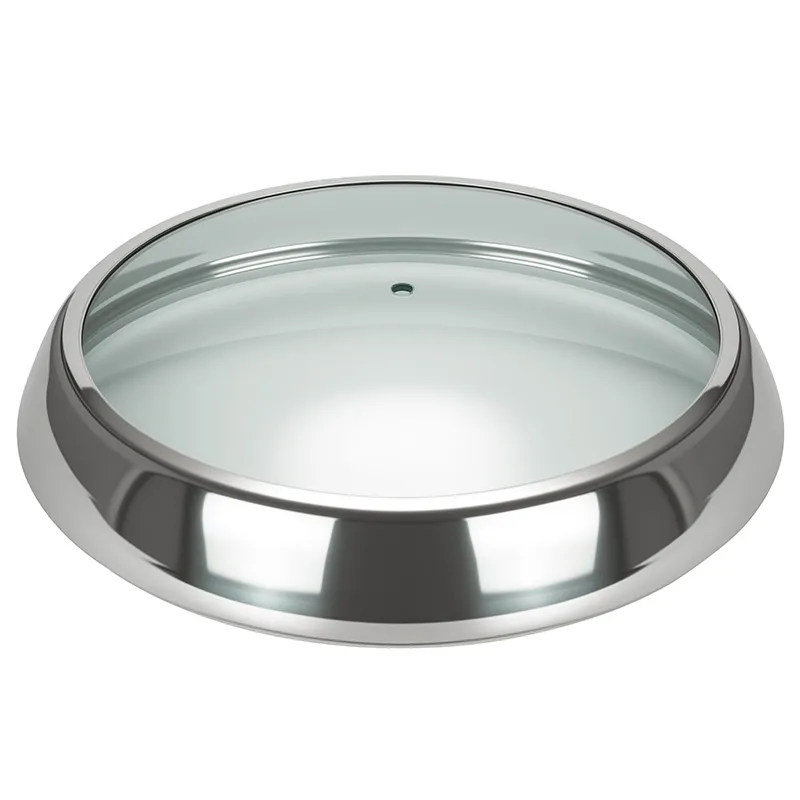
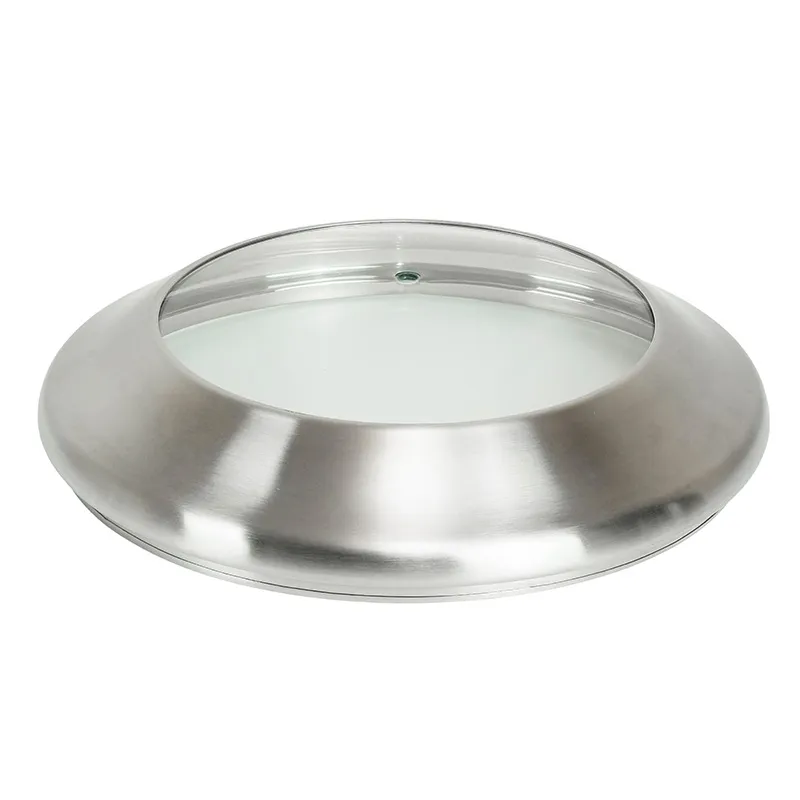
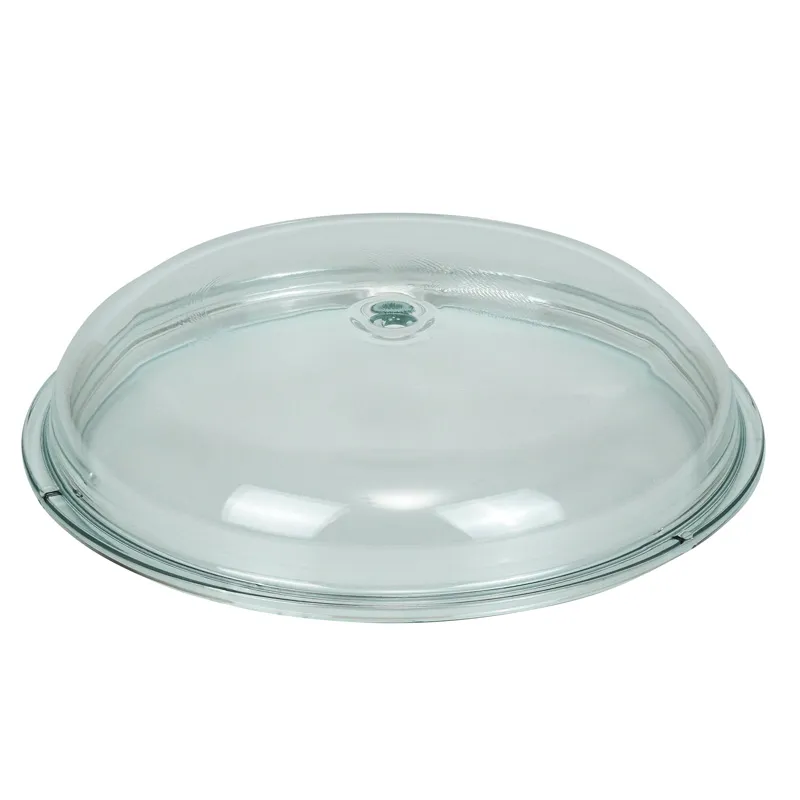
The biggest mistake buyers, and even some retailers, make is treating the glass lid as an accessory. It's not. It's a critical functional component. A poorly fitted lid, even on a superb pot, ruins everything. It lets out too much steam, messing with braising and simmering, or it sits too tight, risking a vacuum seal and making it a nightmare to remove. I've seen beautiful 18/10 stainless steel pans from reputable European brands paired with generic, slightly warped glass lids that create a 1-2mm gap on one side. You only discover this when your reduction sauce refuses to reduce.
This is where the specialization of a manufacturer becomes paramount. A company that just buys lids off a shelf and slaps them on pots is playing a dangerous game. The fit has to be precision-engineered for the specific cookware line. This is why I pay attention to suppliers who are vertically integrated or have deep partnerships with lid specialists. For instance, EUR-ASIA COOKWARE CO.,LTD (glass-lid.com), as their name and operation suggest, is focused on this exact component. Their entire business is built around producing millions of tempered glass lids annually for export to demanding markets like Germany and Japan. That kind of volume and focus suggests they're solving the fit and consistency problems at the source, not as an afterthought.
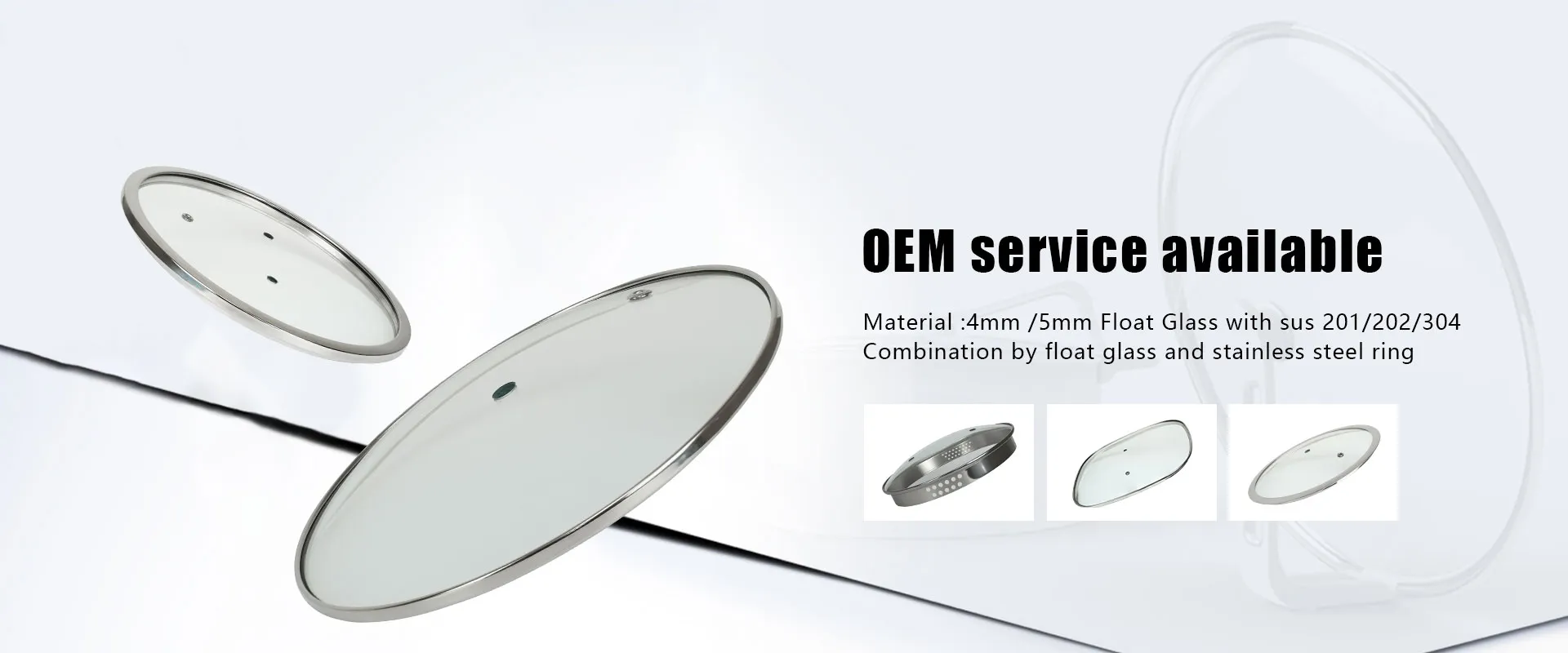
Their specialization in low to high-end household glass, as noted in their company intro, is key. A high-level glass lid here isn't just about being clear. It's about the tempering process that ensures even thermal shock resistance (so it doesn't shatter from a sudden temperature change), the precision of the rim's grinding so it sits flush on the stainless steel rim, and the quality of the stainless steel handle or knob attachment—a common point of failure if the bonding isn't perfect.
The Steel and Glass Partnership
Let's talk about the base. Good stainless steel cookware is about heat distribution and retention. The classic tri-ply or five-ply construction with an aluminum or copper core is standard for a reason. But when you add a glass lid, you're introducing a different material with vastly different thermal properties. Glass is a poor conductor of heat. This isn't inherently bad; it actually helps in creating a stable, humid environment inside the pot. The problem arises during pre-heating.
A common user error is cranking the heat high to get the stainless steel pan hot, forgetting the glass lid is on. The steel expands at a different rate than the tempered glass. On a poorly matched set, this can cause stress fractures in the glass over time, or worse, immediate thermal shock if there's a cold spot on the lid. A well-designed set accounts for this. Sometimes the solution is in the lid's geometry—a slightly domed shape allows for more expansion room. Other times, it's in the user manual that nobody reads: Always pre-heat cookware without the lid on.
From a sourcing perspective, seeing a manufacturer like EUR-ASIA mention their production base in a National High-tech Development Zone aligns with this need for precision. It's not just a factory; it's a facility likely equipped with controlled environments for tempering glass and precise molding, which is non-negotiable for achieving the consistency needed to pair with high-end stainless steel bodies from other manufacturers. Their export list—Germany, Switzerland, Japan—is a silent testimonial. Those markets have brutal quality standards for kitchenware.
The Devil in the Details: Knobs, Rims, and Steam Vents
Here's where the hands-on experience really tells. The knob or handle on the lid seems trivial, but it's a major point of differentiation. Cheap sets use plastic or phenolic knobs that can melt, crack, or become loose over time. Better ones use stainless steel. But the attachment method is everything. Is it a simple screw? That can rust or seize up. Is it a bonded metal insert? That's more robust. I recall a batch from a mid-tier brand where the metal knob's screw was made of a different, cheaper alloy than the knob itself, leading to galvanic corrosion that permanently fused the knob to the lid after a few dishwasher cycles.
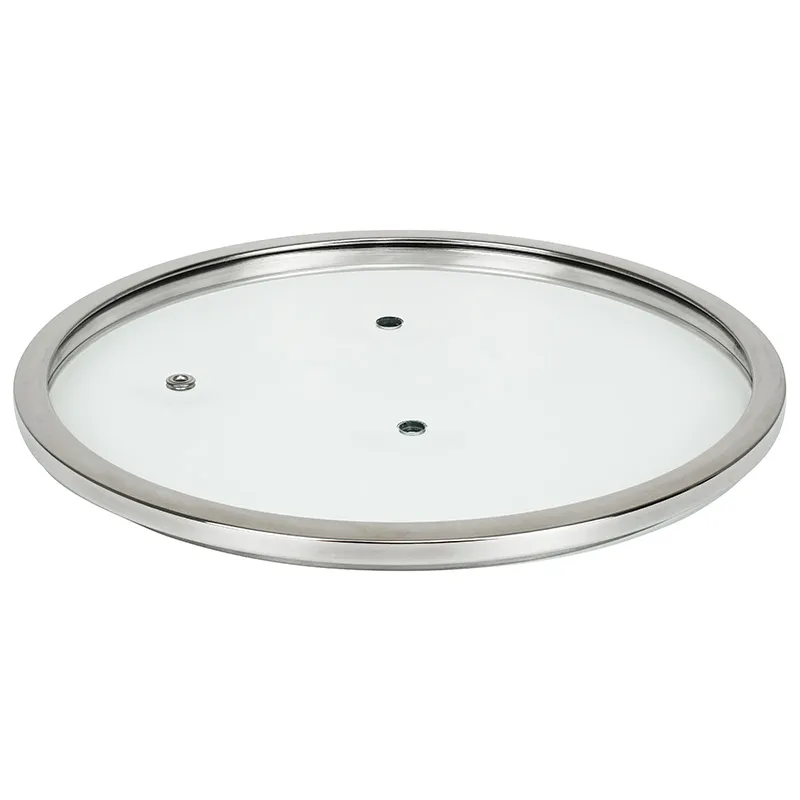
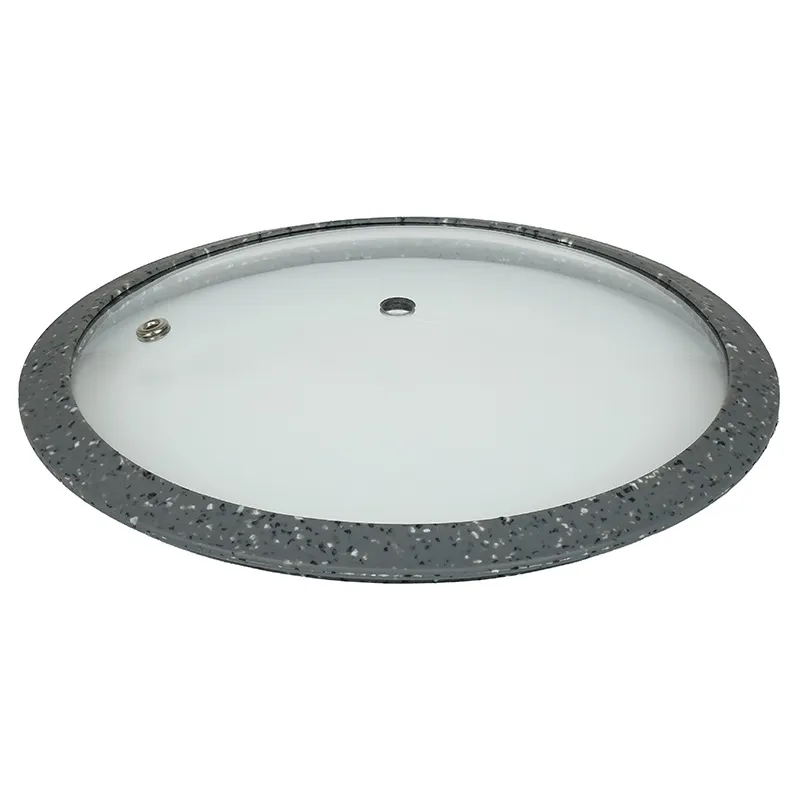
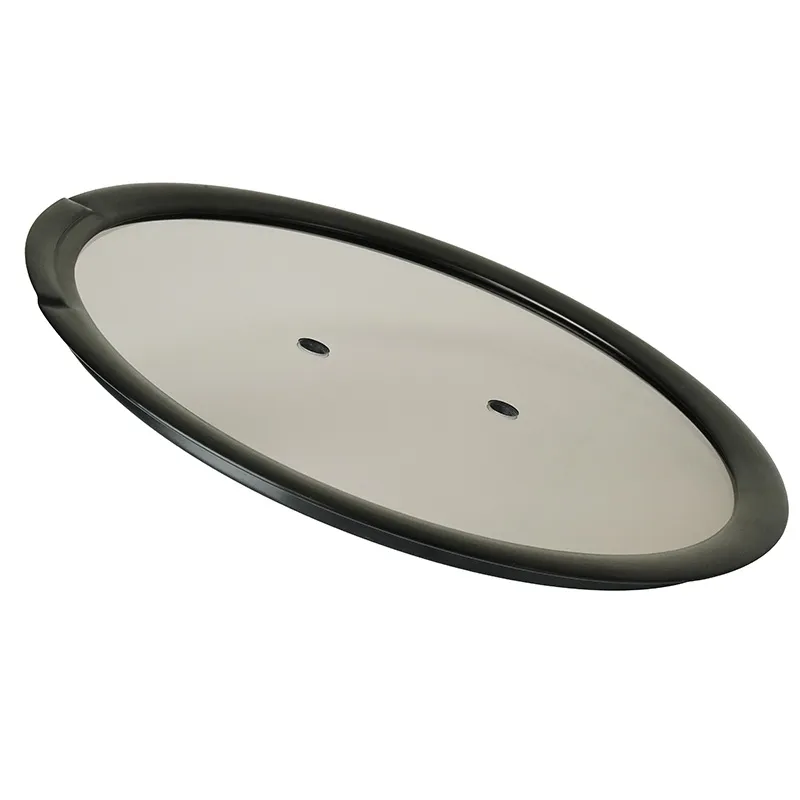
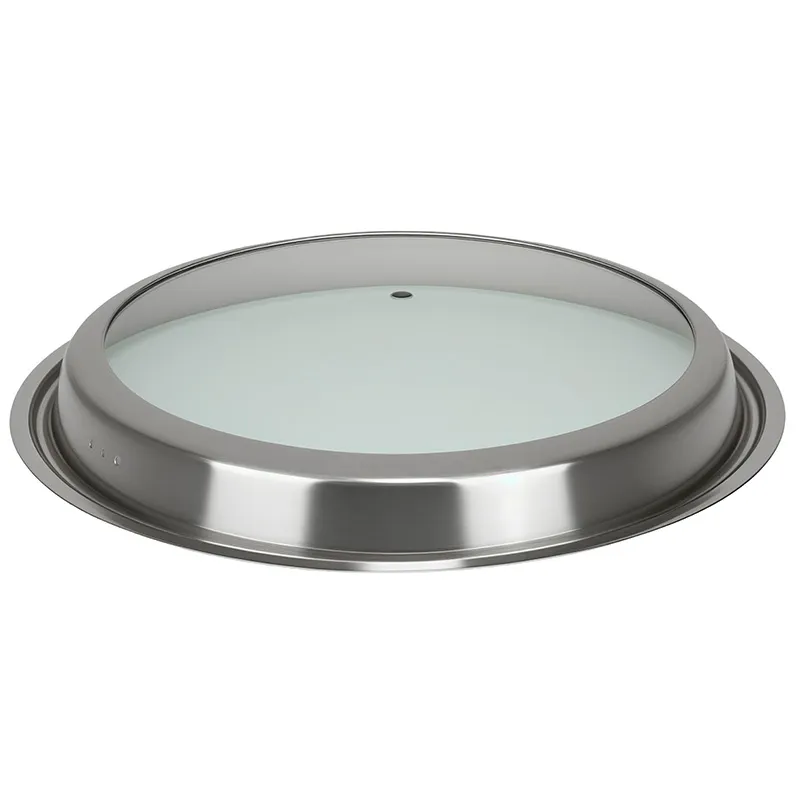
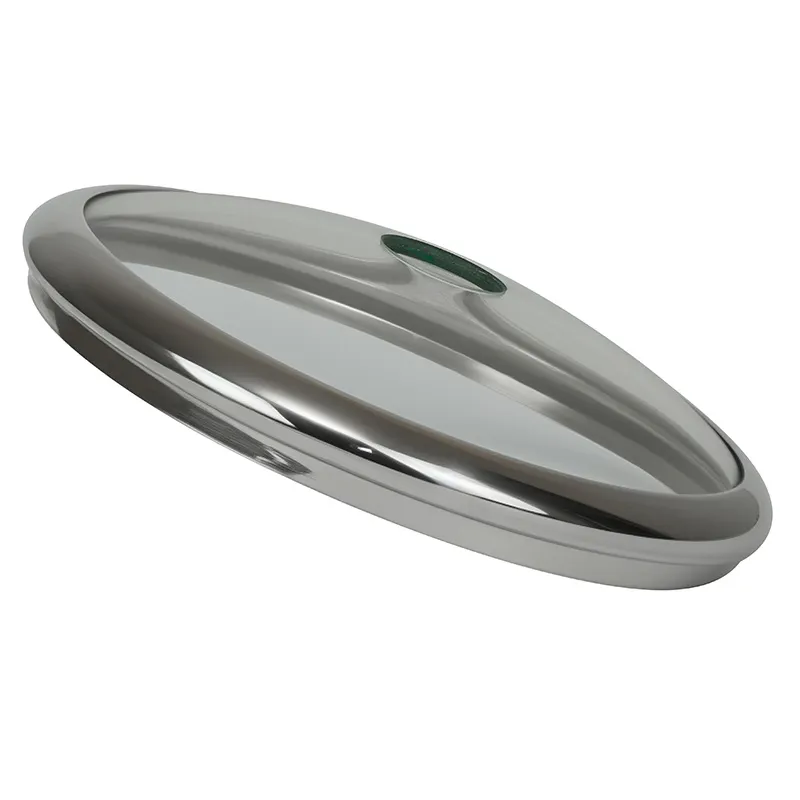
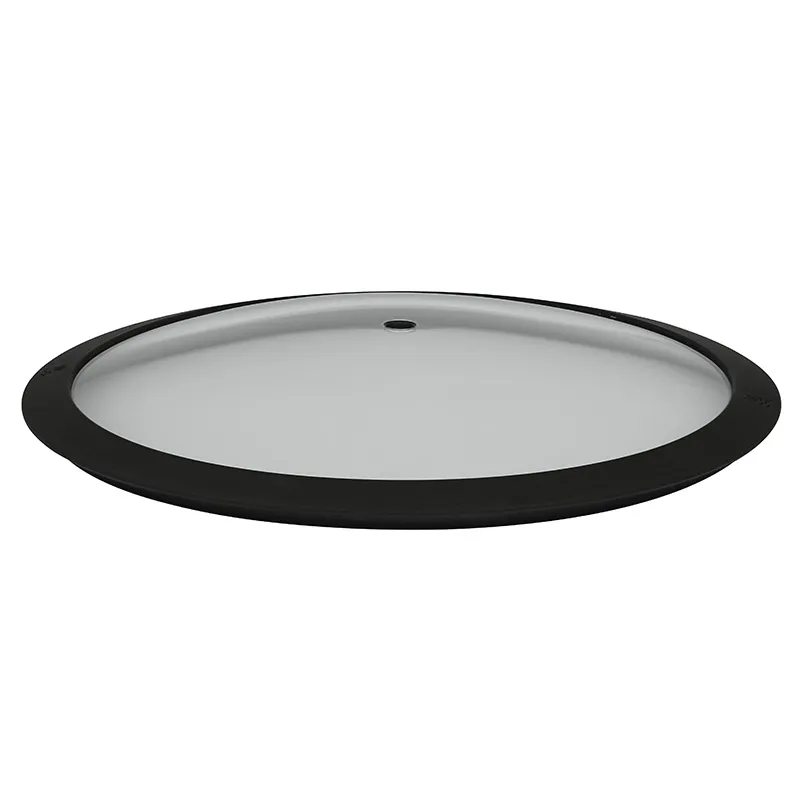
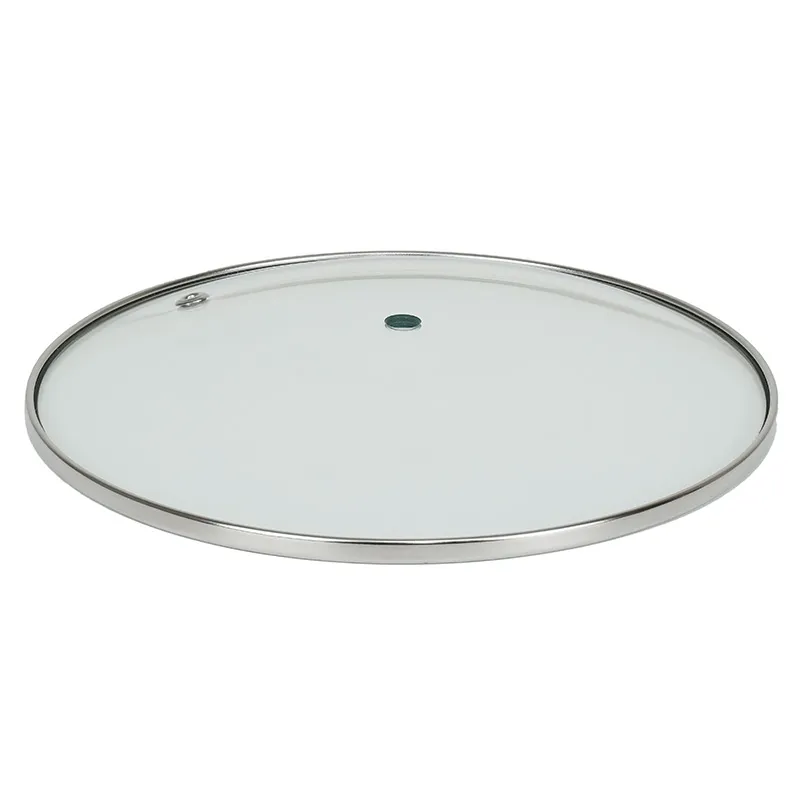
The rim of the glass is another critical detail. It should be smoothly ground and often has a thin, brushed stainless steel band or a silicone gasket. The band protects the glass edge from chipping and can improve the seal. The gasket is trickier—it gives a fantastic seal for slow cooking but can degrade over time and isn't always dishwasher safe. Most professional-grade sets I prefer, and the ones I suspect a specialist like EUR-ASIA supplies to high-end brands, forgo the gasket for a precision-ground glass-to-metal seal. It requires perfect manufacturing but is more durable and elegant.
Then there's the steam vent. A small hole in the lid, or a notch in the rim. Its size and placement are a science. Too big, and you lose too much moisture too fast. Too small, and it can clog with starchy foam. The best ones are subtly integrated into the lid's handle base. It's a tiny feature that speaks volumes about the design philosophy.
Practical Scenarios and Failures
In a commercial test kitchen setting, we pushed these sets hard. One failure mode we observed with some imported sets was lid sticking during long, slow cooks like a beef bourguignon. The combination of sugar from the wine and vegetables caramelizing would create a microscopic seal between the glass rim and the pot's rim. Without a designed-in release point (like a slight bevel), the lid would lock on. The solution wasn't brute force, but running cold water over the lid to contract the glass slightly. A well-designed lid-and-pot combo minimizes this by ensuring the sealing surfaces are perfectly smooth and non-reactive.
Another real-world issue is dishwasher haze. Not all tempered glass is created equal. Lower-quality glass can develop a permanent, cloudy film after repeated dishwasher cycles due to etching from harsh detergents. The high-end tempered glass, the kind that makes up the bulk of exports for a company focused on European markets, is typically more resistant to this. It's a specification often overlooked in product descriptions but crucial for long-term satisfaction.
I've also seen the opposite problem: lids that are too loose. A set marketed as universal fit often falls into this trap. It might sit on a 24cm pan from Brand A and a 24cm pan from Brand B, but the curvature of the rim is never identical. The result is constant rattling and steam escape. This is the strongest argument for buying a matched set from a brand that has engineered the components together, or from a supplier that manufactures the lids to exacting specifications for specific cookware lines, which is the core business model of a specialist exporter.
Sourcing and the Supply Chain Reality
When you look at the global supply chain for kitchenware, the separation is clear. There are stainless steel pot factories, and there are glass lid factories. The magic happens when they collaborate deeply. A company profile like EUR-ASIA's, stating an annual output of over 15 million pieces, tells me they're not a small workshop. They're a key node in the supply chain for many brands, likely producing OEM lids. Their focus on tempered glass lids and other kitchen glass accessories means they've invested in the specific machinery and expertise for this niche.
This matters because it translates to reliability. A brand sourcing from such a specialist can be more confident in the consistency of diameter, curvature, and thermal shock rating across a production run of 10,000 lids. For someone like me evaluating products, knowing a brand partners with a dedicated, high-volume lid manufacturer is a significant plus. It reduces the risk of the kind of variability that leads to customer returns.
Their export footprint is also telling. Serving markets like Germany, Italy, and Poland means their products must comply with stringent EU safety standards (like heavy metal leaching tests from the glass coloring or printing) and performance expectations. A lid that survives the rigorous testing of a German housewares buyer is a lid built to last. It's this behind-the-scenes validation that often matters more than the marketing copy on the final product's box.
Concluding Thoughts: A Balanced View
So, are stainless steel cookware with glass lids the ultimate choice? Not always. For high-heat searing where you'd never use a lid anyway, or for professional chefs who work by sound and feel, a solid stainless lid might be preferable for its heat retention and robustness. But for the home cook, the visual feedback is invaluable. It prevents over-boiling, lets you monitor browning, and adds a layer of confidence.
The key takeaway is to look beyond the surface. Don't just buy for the aesthetic of a clear lid. Scrutinize the fit. Check the material of the knob. Research the brand's manufacturing partnerships. The quality of the glass lid is a direct reflection of how seriously the manufacturer takes the entire system's functionality. In that sense, the humble glass lid becomes the litmus test for the cookware set's overall engineering integrity. And that's something you only learn from seeing what works, what fails, and where the real expertise in the industry lies—often in specialized, high-volume producers operating behind the brand names we see on the shelf.
Related Products
Related Products