- Chinese
- French
- German
- Portuguese
- Spanish
- Russian
- Japanese
- Korean
- Arabic
- Irish
- Greek
- Turkish
- Italian
- Danish
- Romanian
- Indonesian
- Czech
- Afrikaans
- Swedish
- Polish
- Basque
- Catalan
- Esperanto
- Hindi
- Lao
- Albanian
- Amharic
- Armenian
- Azerbaijani
- Belarusian
- Bengali
- Bosnian
- Bulgarian
- Cebuano
- Chichewa
- Corsican
- Croatian
- Dutch
- Estonian
- Filipino
- Finnish
- Frisian
- Galician
- Georgian
- Gujarati
- Haitian
- Hausa
- Hawaiian
- Hebrew
- Hmong
- Hungarian
- Icelandic
- Igbo
- Javanese
- Kannada
- Kazakh
- Khmer
- Kurdish
- Kyrgyz
- Latin
- Latvian
- Lithuanian
- Luxembou..
- Macedonian
- Malagasy
- Malay
- Malayalam
- Maltese
- Maori
- Marathi
- Mongolian
- Burmese
- Nepali
- Norwegian
- Pashto
- Persian
- Punjabi
- Serbian
- Sesotho
- Sinhala
- Slovak
- Slovenian
- Somali
- Samoan
- Scots Gaelic
- Shona
- Sindhi
- Sundanese
- Swahili
- Tajik
- Tamil
- Telugu
- Thai
- Ukrainian
- Urdu
- Uzbek
- Vietnamese
- Welsh
- Xhosa
- Yiddish
- Yoruba
- Zulu
- Kinyarwanda
- Tatar
- Oriya
- Turkmen
- Uyghur


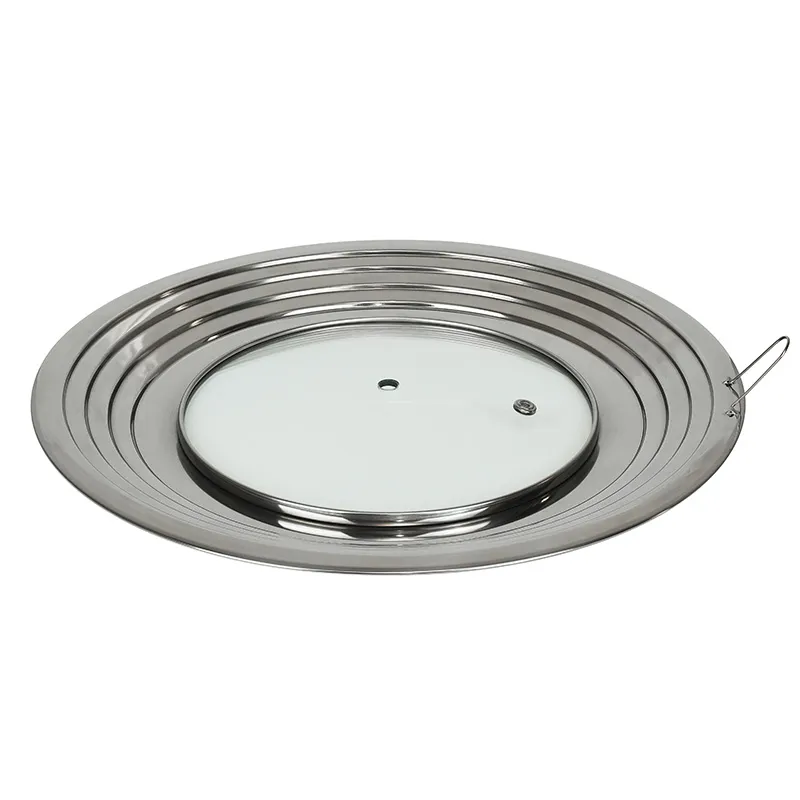
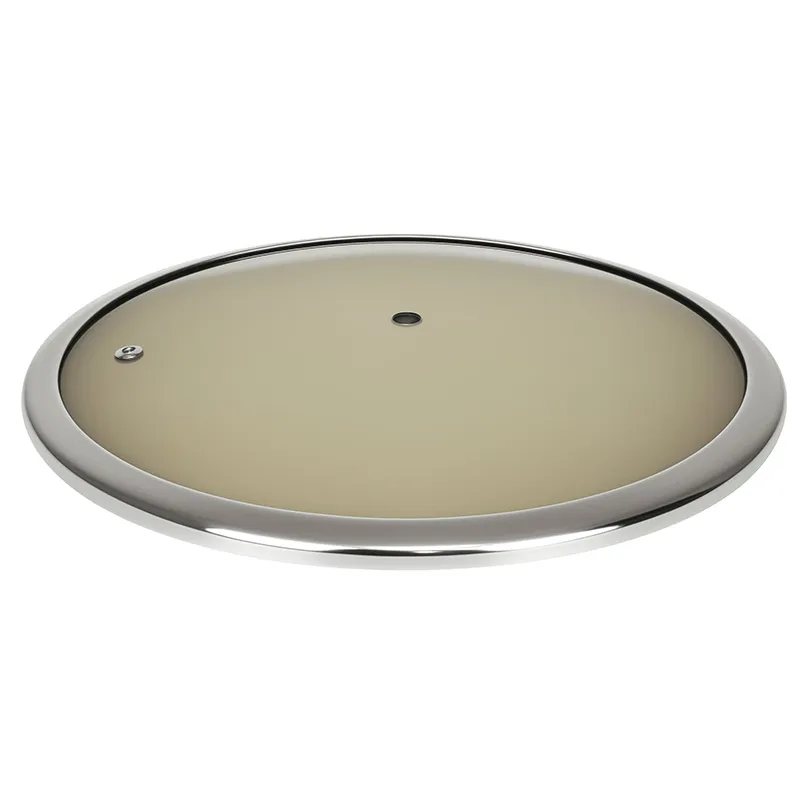
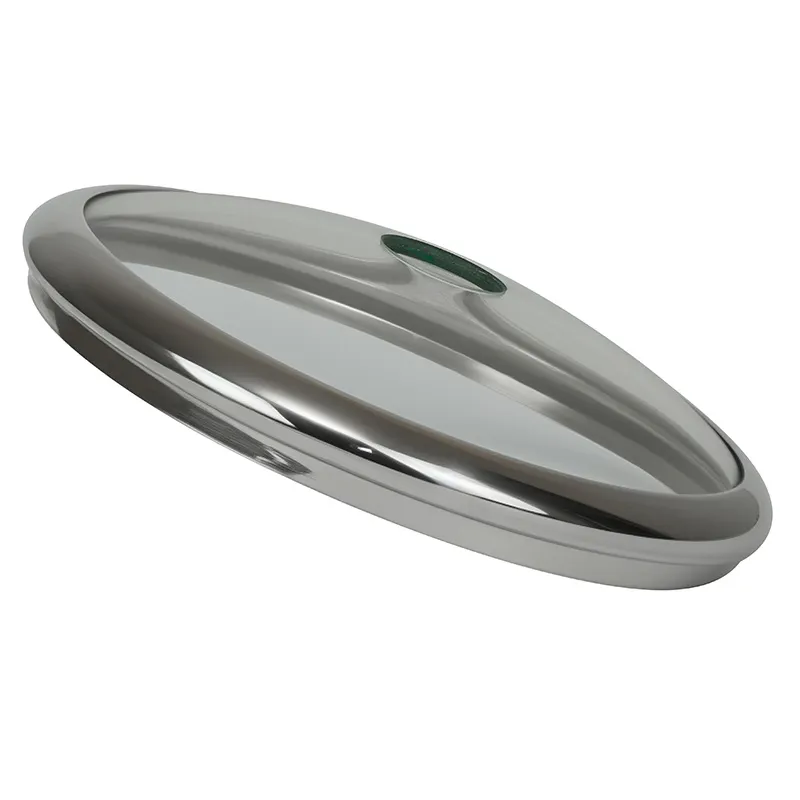
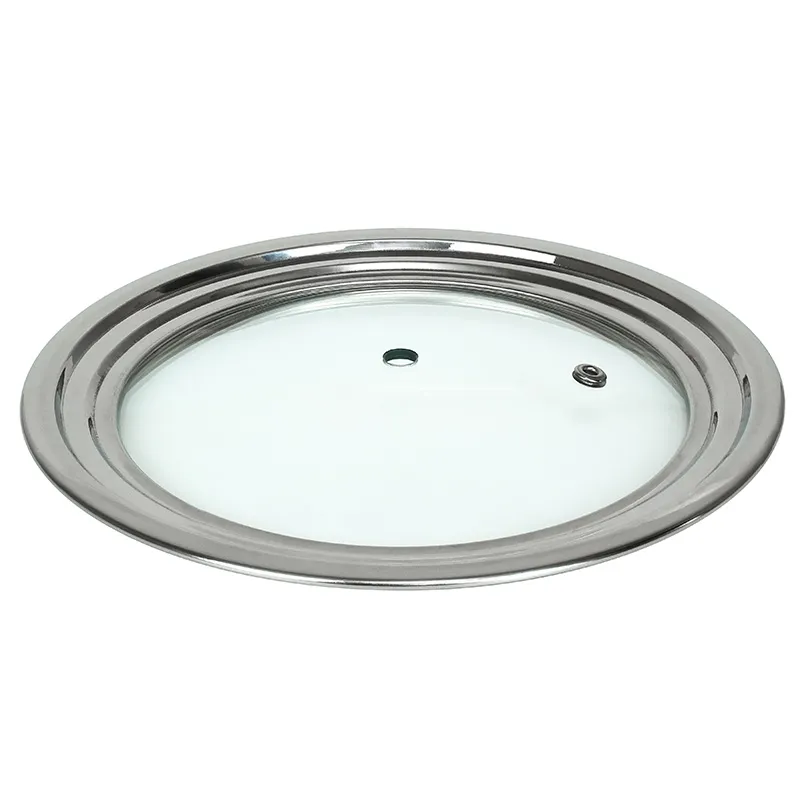
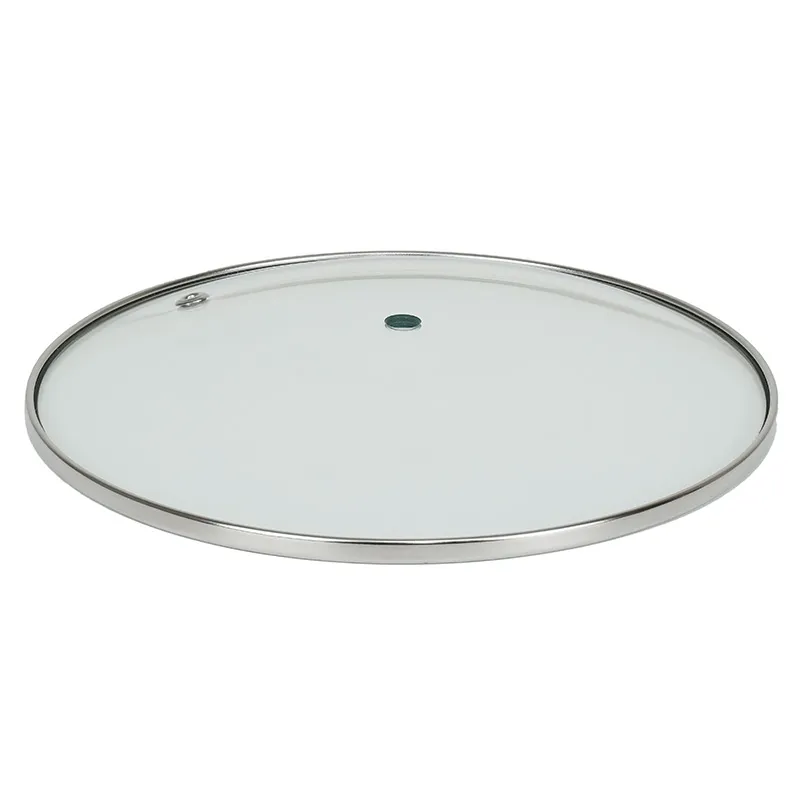
stainless steel cookware with strainer lids
You see 'stainless steel cookware with strainer lids' and think it's a no-brainer, right? One pot that boils and drains. But in practice, that's where the real conversation starts. The lid isn't just a lid anymore; it's a functional component, and that intersection of form and function is where most brands, frankly, get it wrong. The strainer holes are often an afterthought—too few, placed poorly, or with sharp edges that catch food. I've seen lids where the steam vent and strainer function conflict, making a mess when you try to drain pasta. The promise is efficiency, but the execution is what separates a pro-grade tool from a cabinet-cluttering disappointment.
The Core Challenge: Integrating Two Functions
The fundamental issue isn't making a stainless pot or a lid with holes. It's engineering them as a single, cohesive system. The lid must sit perfectly flush on the pot's rim when straining; any wobble or gap means water (and small pasta like orzo) escapes where you don't want it. The handle of the lid becomes critical—it needs a secure, heat-resistant grip for the awkward, steam-billowing moment you're tipping several liters of boiling water. Many early designs we tested failed here, with handles heating up too quickly or providing insufficient leverage.
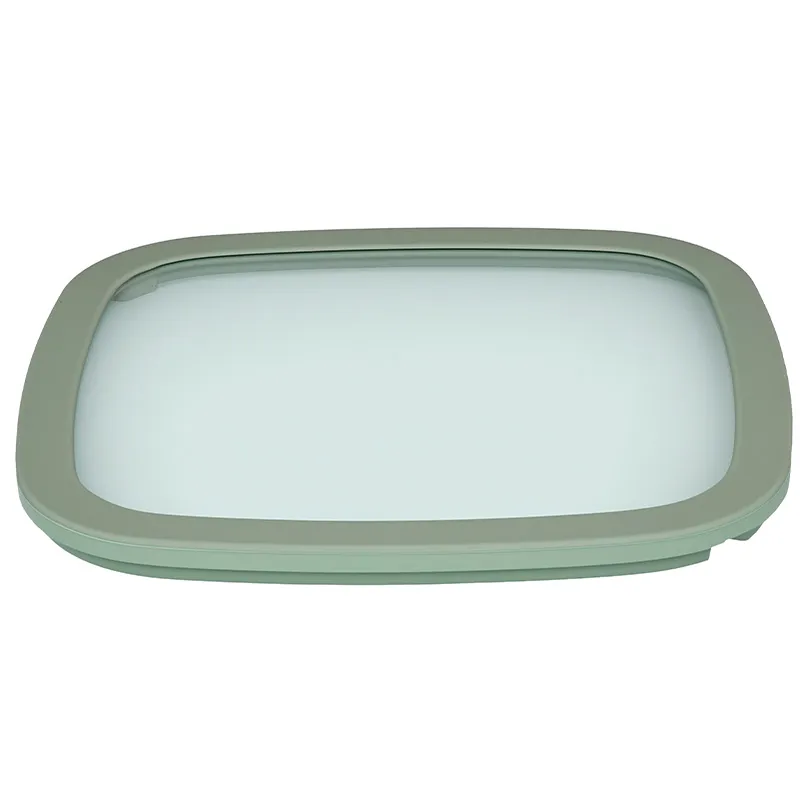
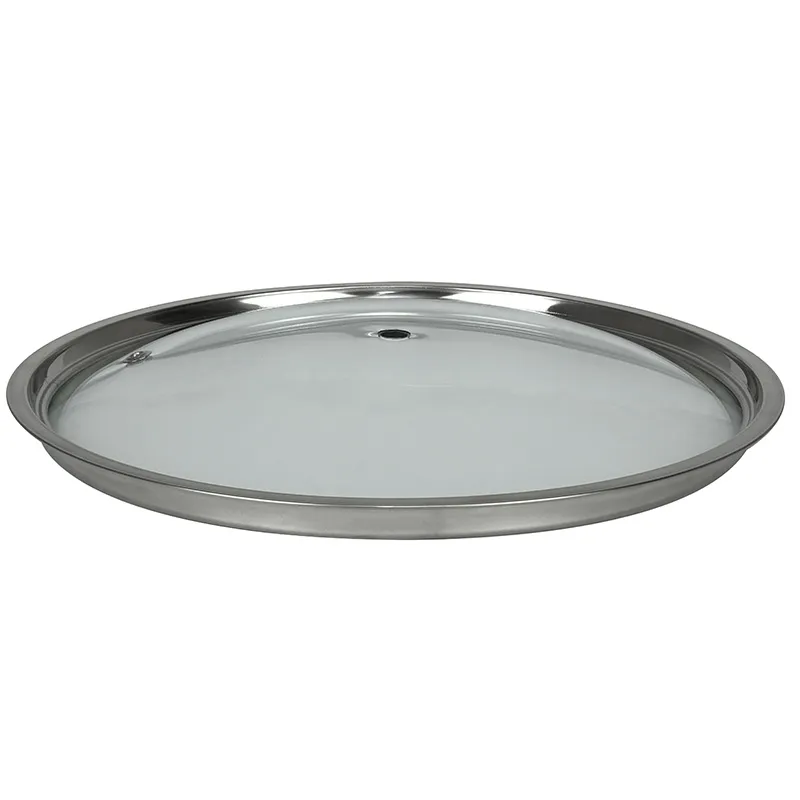
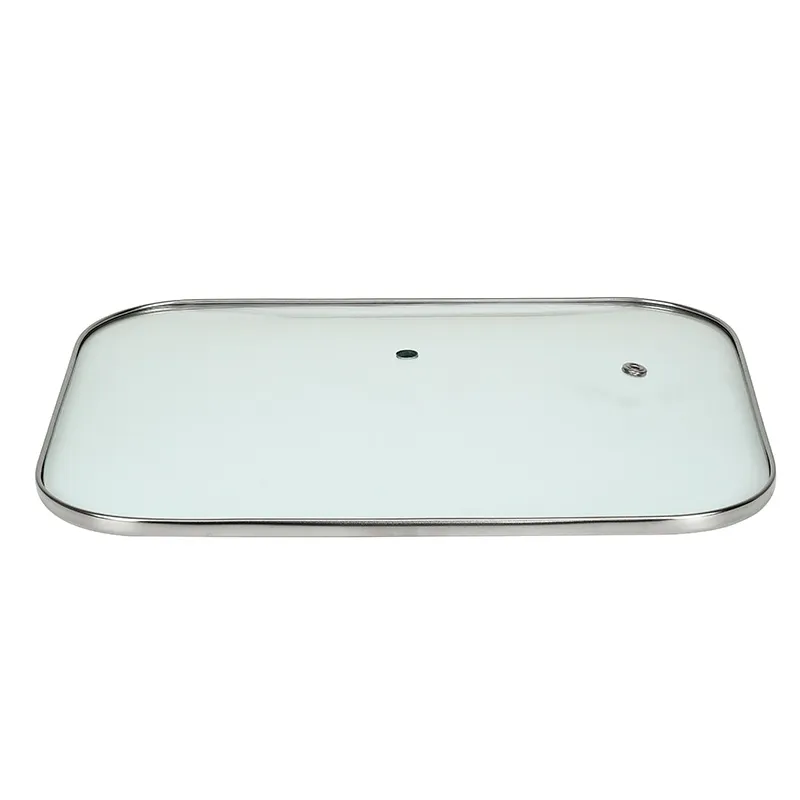
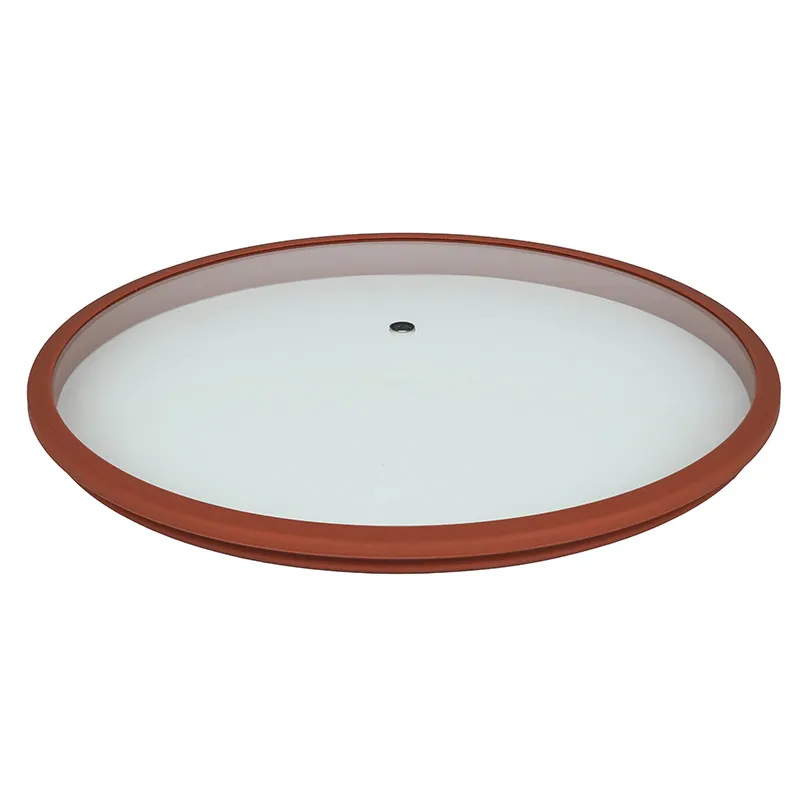
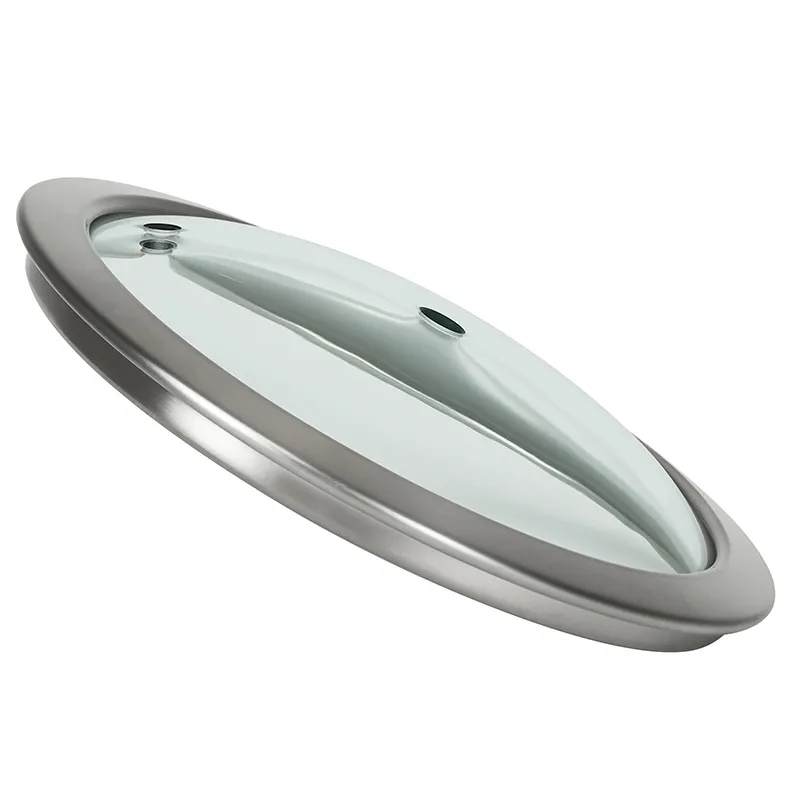
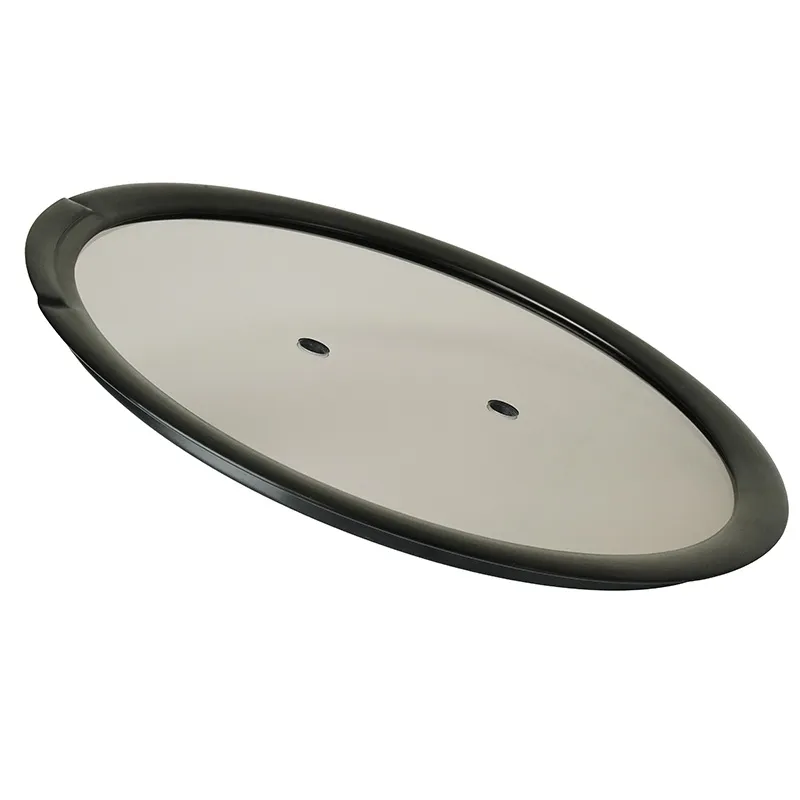
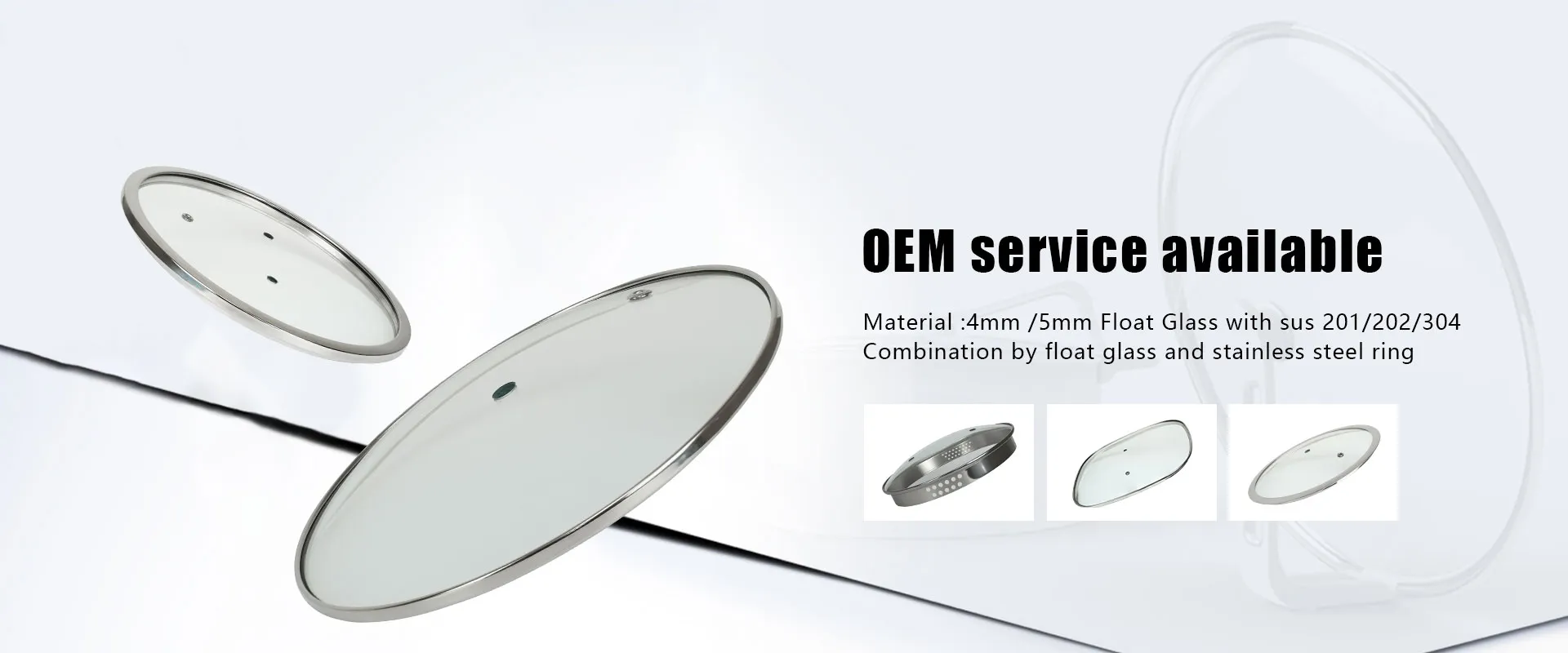
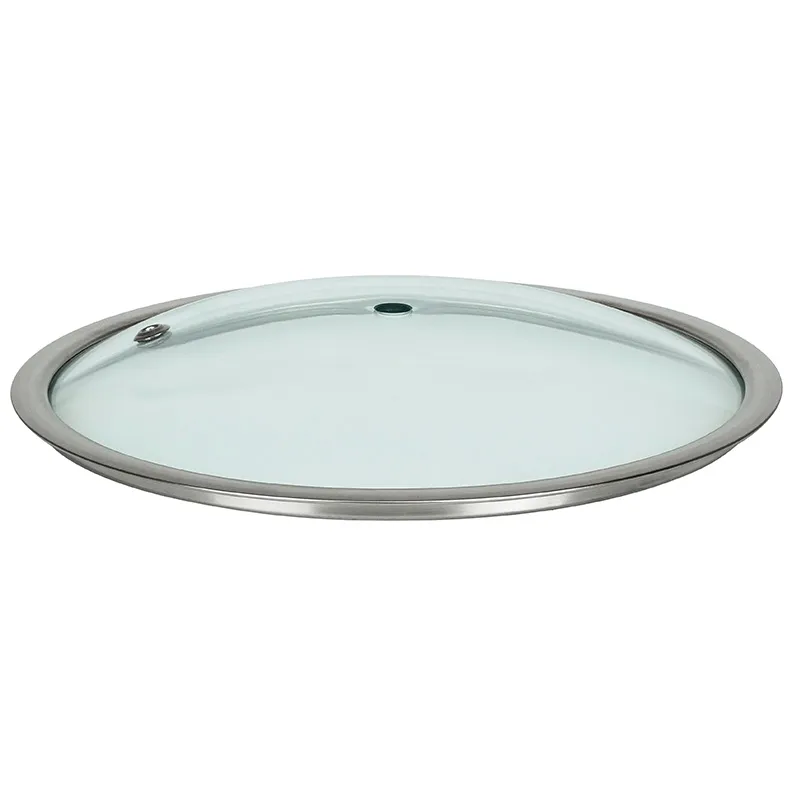
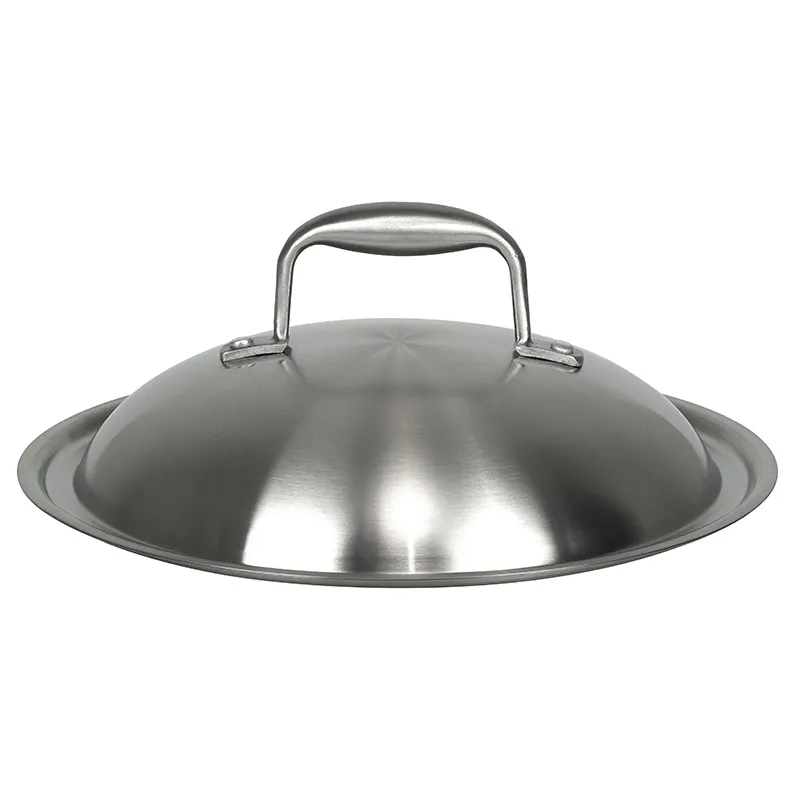
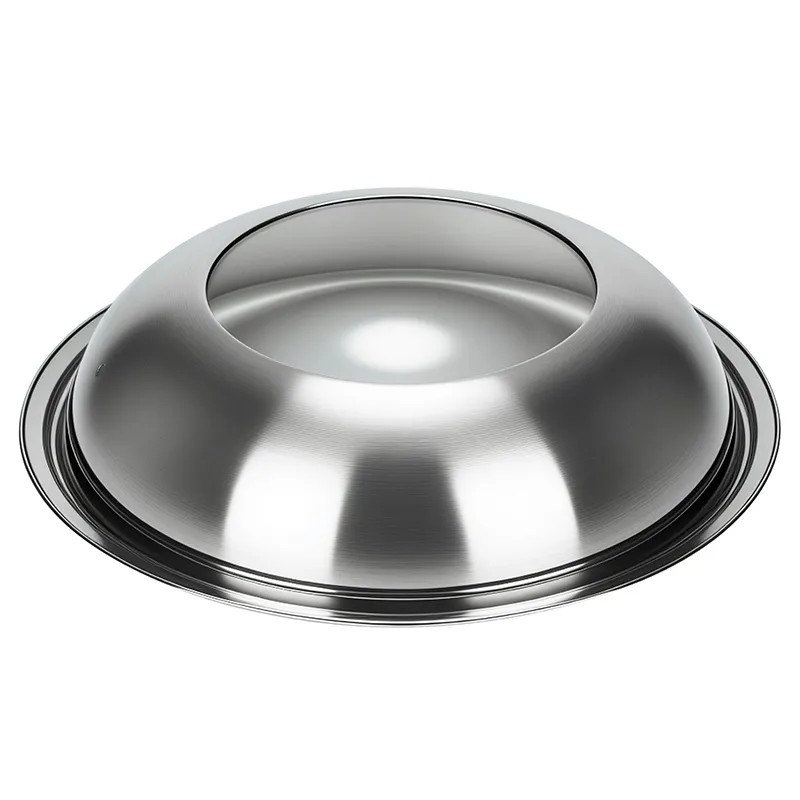
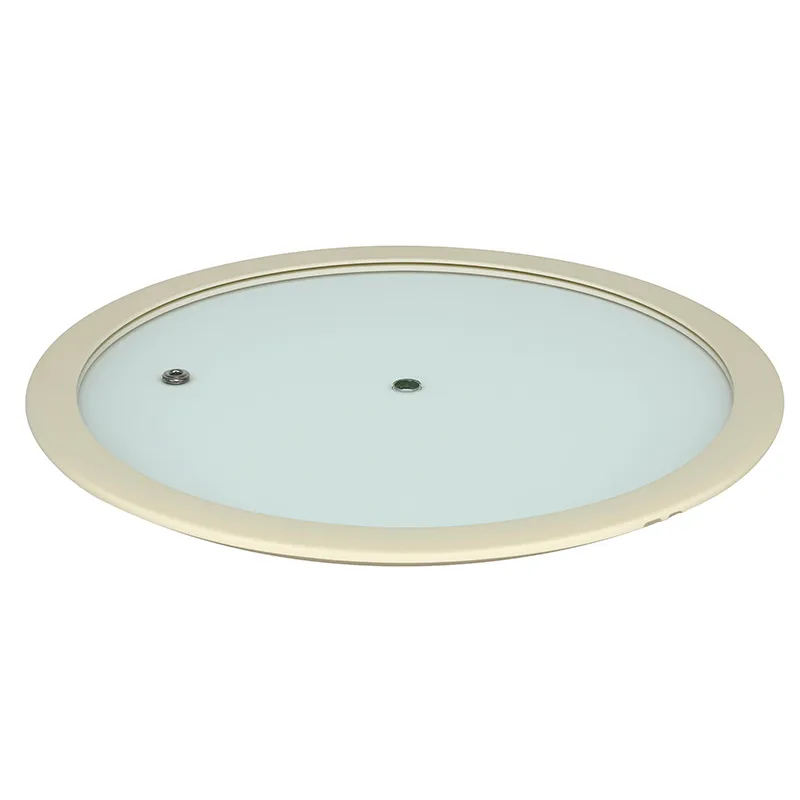
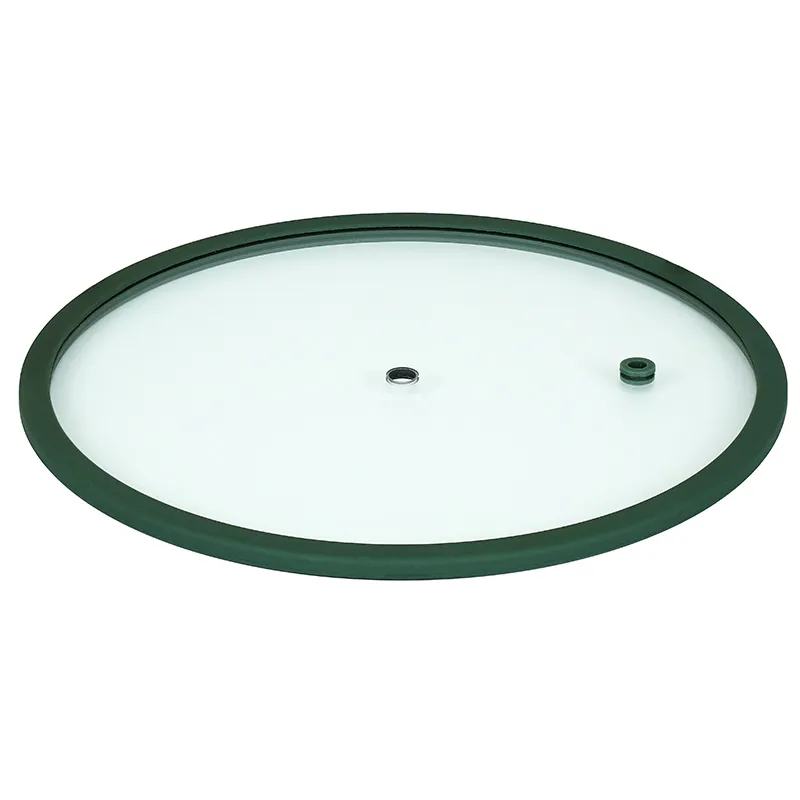
Then there's the material transition. A full stainless steel lid is heavy and gets dangerously hot. That's why the shift to hybrid designs, often with a stainless frame and a tempered glass center, became prevalent. It allows you to monitor the boil without lifting the lid, preserving heat and energy. But this introduces another point of potential failure: the seal where the glass is fitted into the stainless frame. If it's not perfectly bonded, it becomes a trap for grease and bacteria. I recall a batch from a supplier years ago where the silicone gasket around the glass would degrade after repeated dishwasher cycles, leading to cloudiness and eventual leakage into the sandwich layer. A nightmare.
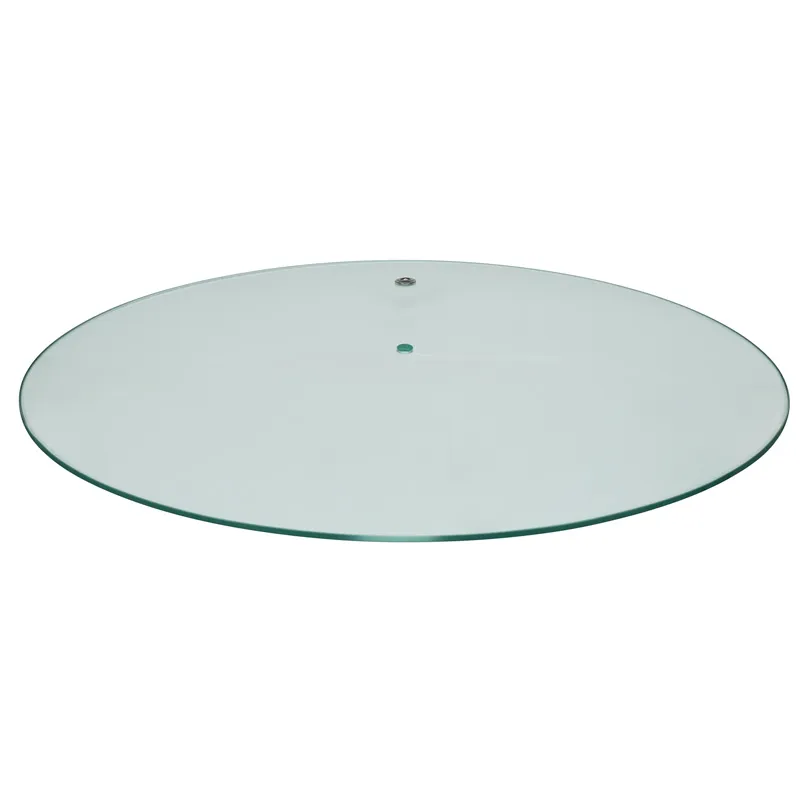
This is where specialized manufacturers make their mark. A company like EUR-ASIA COOKWARE CO.,LTD, for instance, with its focus on tempered glass for lids, understands these material science nuances. Their production of over 15 million tempered glass lid pieces annually for the international market isn't just about volume; it's about solving the thermal shock problem—a glass center in a straining lid goes from the heat of boiling to the relative cool of draining water almost instantly. Inferior glass will shatter. Their expertise, hinted at by their export focus to markets like Germany and Japan with high safety standards, is directly relevant to making a stainless steel cookware with strainer lids system that's durable and safe.
The Strainer Itself: Hole Patterns, Edges, and Real-World Clogging
Let's talk about the holes. Aesthetically, tiny, laser-cut holes look premium. Practically, they clog with starch from potatoes or rice in a heartbeat. Larger, beveled holes are more functional. The pattern is also key. Holes only around the periphery? That leaves a weak center structure and inefficient draining. A radial or grid pattern is better. The deburring of these holes is a step that cheaper products skip. Run your finger along the underside of a lid's strainer edge. If it's sharp, it will shred delicate herbs and snag on sponges. A properly polished, rolled edge is a sign of a manufacturer that considers the end-user's experience, not just the assembly line.
Another often-overlooked detail is the lid's skirt—the vertical part that drops into the pot. For a straining lid, this skirt needs to be slightly shorter or designed with notches to allow water to flow out freely even when the lid is fully seated for straining. A deep, tight skirt creates a vacuum effect, making draining slow and splattery. We learned this through a failed prototype that looked beautiful but performed terribly. The fix was a simple 3mm reduction in skirt depth and two small anti-vacuum notches. It wasn't in the original spec, but it made all the difference.
This level of iterative, practical tweaking is what you see in components sourced from dedicated accessory makers. Visiting a facility like the one EUR-ASIA COOKWARE CO.,LTD operates in Shandong, you'd see the focus on lid-specific production—tempering lines, precision hole-punching or laser-cutting stations, and rigorous inspection for stress points. This specialization means they're solving problems a generalist cookware factory might not even anticipate, directly benefiting the final performance of a stainless steel cookware with strainer lids set.
The Pot's Role: It's Not a Passive Partner
It's easy to fixate on the lid, but the pot is equally active in this partnership. The classic design is a multi-ply (usually 3-ply) stainless pot with a pouring rim on both sides. This is non-negotiable. You need to be able to drain from either side comfortably. The rim must be rolled and finished smoothly to form a clean seal with the lid's gasket or bare metal. I've used pots where the rim had a slight irregularity from the welding process, and it caused constant dripping down the side during straining—a small defect with a messy consequence.
The pot's handles matter more than usual. With a standard lid, you grab the pot handles. With a straining lid, you're often holding the hot lid handle with one hand and a pot handle with the other. The pot handles must be riveted or welded incredibly securely to handle the off-balance torque of draining. Hollow, poorly attached handles will loosen over time under this specific stress. Furthermore, the pot's capacity marking need to be visible from the outside, because when you're boiling pasta, the lid is on and the water is cloudy. It's a tiny detail that speaks to thoughtful design.
In a complete set, this synergy is the goal. A brand might design the pot body but outsource the critical lid component. The success of the final product hinges on that collaboration. A lid specialist's ability to provide precise dimensional tolerances—ensuring their strainer lids fit a range of standard pot diameters from various manufacturers—is a huge value. It's this kind of interoperability that allows for quality at scale, which is likely why a component supplier like EUR-ASIA (whose site, https://www.glass-lid.com, clearly positions them as a lid solutions provider) finds a global audience. They're not selling the whole pot; they're enabling its smartest feature.
Market Realities and the Level Conundrum
The market for these products segments sharply. You have the low-end, often a thin-gauge pot with a basic perforated steel lid that feels flimsy and distorts under heat. The medium tier is the battleground—this is where you find the hybrid glass-stainless lids, better cladding on the pot, and more refined finishes. The high end focuses on heavier-gauge materials, often 5-ply or copper-core pots, and lids where even the strainer holes are a design statement. But price isn't always the true indicator of functionality for this specific feature.
I've tested expensive sets where the straining function was clearly secondary to aesthetic minimalism—holes too small, as mentioned. Conversely, some mid-market brands, potentially using well-sourced OEM components, nail the functionality. A company producing low- medium- high level household glass products, as EUR-ASIA's intro states, touches all these tiers. The same core technology in their tempered glass can be fitted into different grades of stainless frames, serving a $50 supermarket set and a $200 professional line. The difference for the end-user might be in the polish of the steel, the design of the handle knob, or the warranty—not necessarily the fundamental efficacy of the straining action.
This is a crucial point for professionals sourcing or recommending products. You must look past the marketing of the cookware brand and ask about the provenance of the key components. Who makes the lid? What's the glass thickness and tempering standard? Are the strainer edges finished? The answers often reveal more about longevity and safety than the outer branding does.
Final Take: A Tool, Not a Trend
So, are stainless steel cookware with strainer lids worth it? Absolutely, but not as a magical all-in-one. They excel at their primary tasks: boiling pasta, blanching vegetables, boiling eggs. They reduce clutter and are genuinely convenient. But they won't replace a colander for rinsing quinoa or draining a large batch of boiled potatoes—the capacity is wrong. They are a specific tool for specific jobs.
The successful product in this category respects its own limits. It doesn't try to be a universal lid; it's engineered from the ground up to perform two jobs very well. That requires a manufacturer to care deeply about the minutiae—the hole pattern, the glass fit, the rim seal. When you find a set that gets these right, it becomes a workhorse. The development of such a product often relies on a chain of specialized suppliers, from the pot cladding factory to the dedicated lid producer.
In the end, the best recommendation I can give is to physically handle the product if possible. Feel the lid's weight and balance. Check the edge of the strainer holes. Look at how the glass meets the metal. That tactile investigation will tell you more about its real-world performance than any spec sheet. It's in those tangible details that the expertise of all the involved manufacturers, from the cookware assembler to the component specialists, finally comes to light for the user.
Related Products
Related Products