- Chinese
- French
- German
- Portuguese
- Spanish
- Russian
- Japanese
- Korean
- Arabic
- Irish
- Greek
- Turkish
- Italian
- Danish
- Romanian
- Indonesian
- Czech
- Afrikaans
- Swedish
- Polish
- Basque
- Catalan
- Esperanto
- Hindi
- Lao
- Albanian
- Amharic
- Armenian
- Azerbaijani
- Belarusian
- Bengali
- Bosnian
- Bulgarian
- Cebuano
- Chichewa
- Corsican
- Croatian
- Dutch
- Estonian
- Filipino
- Finnish
- Frisian
- Galician
- Georgian
- Gujarati
- Haitian
- Hausa
- Hawaiian
- Hebrew
- Hmong
- Hungarian
- Icelandic
- Igbo
- Javanese
- Kannada
- Kazakh
- Khmer
- Kurdish
- Kyrgyz
- Latin
- Latvian
- Lithuanian
- Luxembou..
- Macedonian
- Malagasy
- Malay
- Malayalam
- Maltese
- Maori
- Marathi
- Mongolian
- Burmese
- Nepali
- Norwegian
- Pashto
- Persian
- Punjabi
- Serbian
- Sesotho
- Sinhala
- Slovak
- Slovenian
- Somali
- Samoan
- Scots Gaelic
- Shona
- Sindhi
- Sundanese
- Swahili
- Tajik
- Tamil
- Telugu
- Thai
- Ukrainian
- Urdu
- Uzbek
- Vietnamese
- Welsh
- Xhosa
- Yiddish
- Yoruba
- Zulu
- Kinyarwanda
- Tatar
- Oriya
- Turkmen
- Uyghur


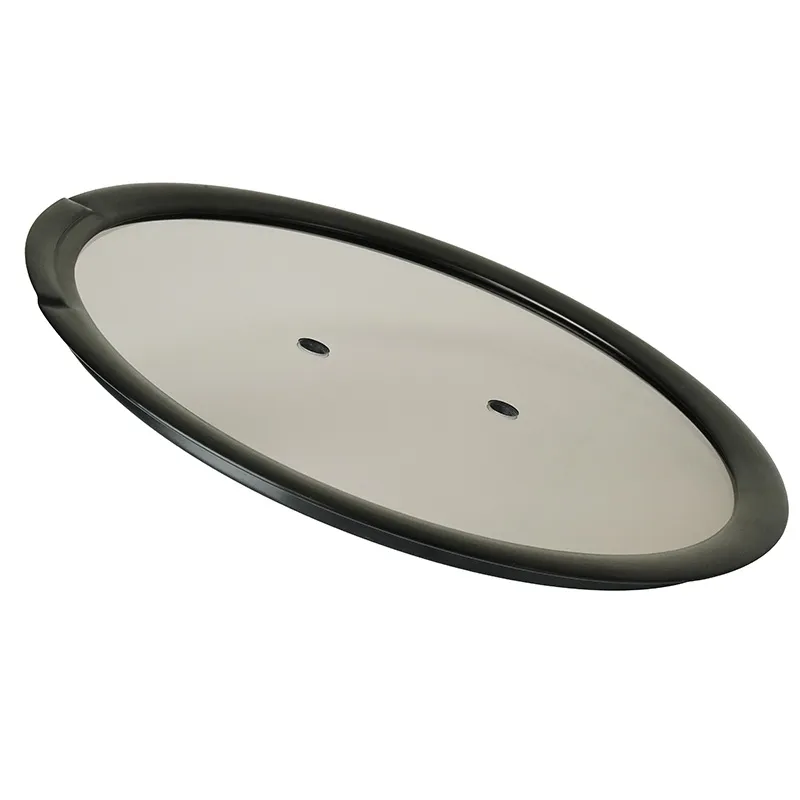
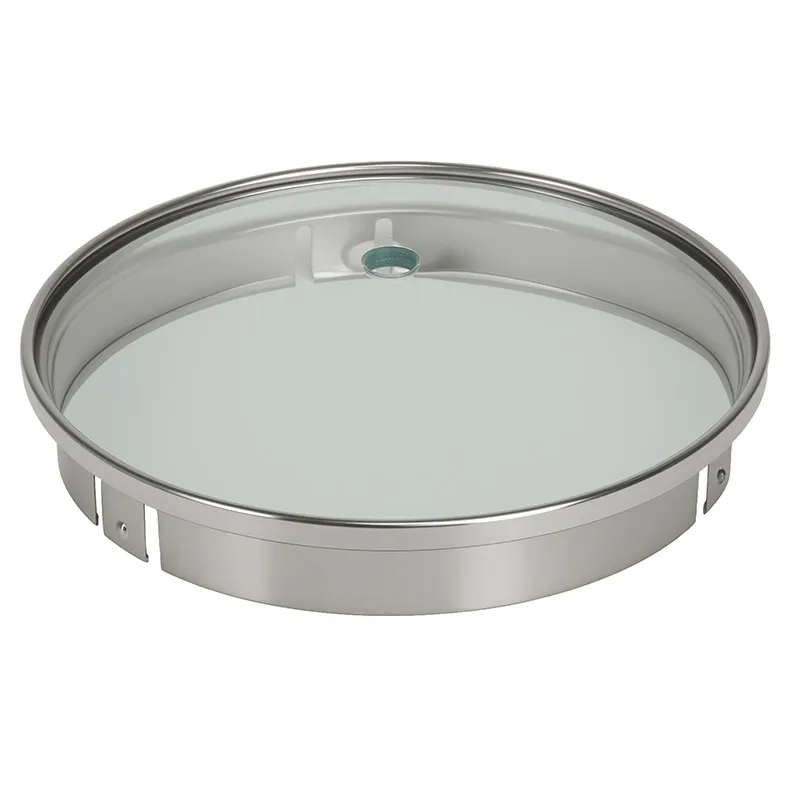
stainless steel glass with lid
When you hear 'stainless steel glass with lid', most people picture a trendy, Instagram-worthy water bottle. But in the trade, that phrase often points to something more specific and, frankly, more problematic: the hybrid drinkware where a stainless steel body meets a glass insert, all capped with a lid. It's a category that sounds premium but is riddled with design compromises. The market is flooded with units where the thermal shock resistance of the glass doesn't match the durability of the steel, or where the sealing mechanism on the lid creates a nightmare for cleaning. I've seen too many products where the 'innovation' is purely aesthetic, sacrificing function for a sleek look. Let's peel back the marketing layer.
The Core Incompatibility: Material Marriage Gone Wrong
The fundamental challenge is the marriage of two materials with wildly different physical behaviors. Stainless steel expands and contracts with temperature changes, but at a different rate than the glass liner it's supposed to protect. In cheaper constructions, this isn't even a tempered glass liner—it's often just a thin soda-lime glass sleeve. Pour boiling water into one of those, and the differential expansion can cause the glass to crack or, worse, shatter silently under pressure. I've had samples from clients fail spectacularly during thermal cycle tests, not immediately, but after 20-30 cycles, which is just past the typical consumer's return window. The failure point is almost always at the bottom curve or where the glass rim meets the steel lip.
Then there's the bonding agent. Food-grade silicone gaskets are the standard fix to cushion the glass inside the steel shell. But the quality of that silicone is everything. Low-grade silicone can leach odors, degrade with repeated dishwasher exposure, or simply compress over time, making the glass rattle. I recall a shipment for a mid-tier European retailer where we had a 15% return rate due to a 'plastic taste' reported by users. The culprit? The bonding silicone wasn't adequately cured and was off-gassing into the beverage. It was a costly lesson in vetting every component, not just the main materials.
The lid compounds these issues. A good lid needs to seal to the glass rim, not the steel. But if the glass top isn't ground perfectly flat and polished—a step many factories skip to save costs—you get leaks. You end up with a lid that either screws down too tight on an uneven surface, stressing the glass, or one that's loose and leaks. The quest for a one-handed, flip-top lid that actually seals on a glass surface is its own engineering rabbit hole.
Where It Actually Works: Lessons from OEM Realities
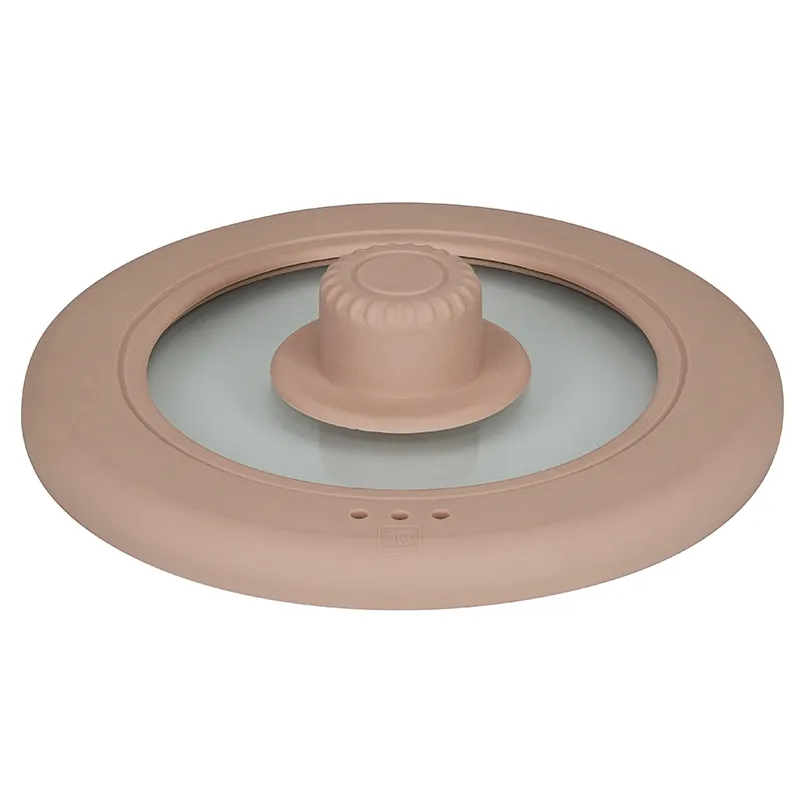
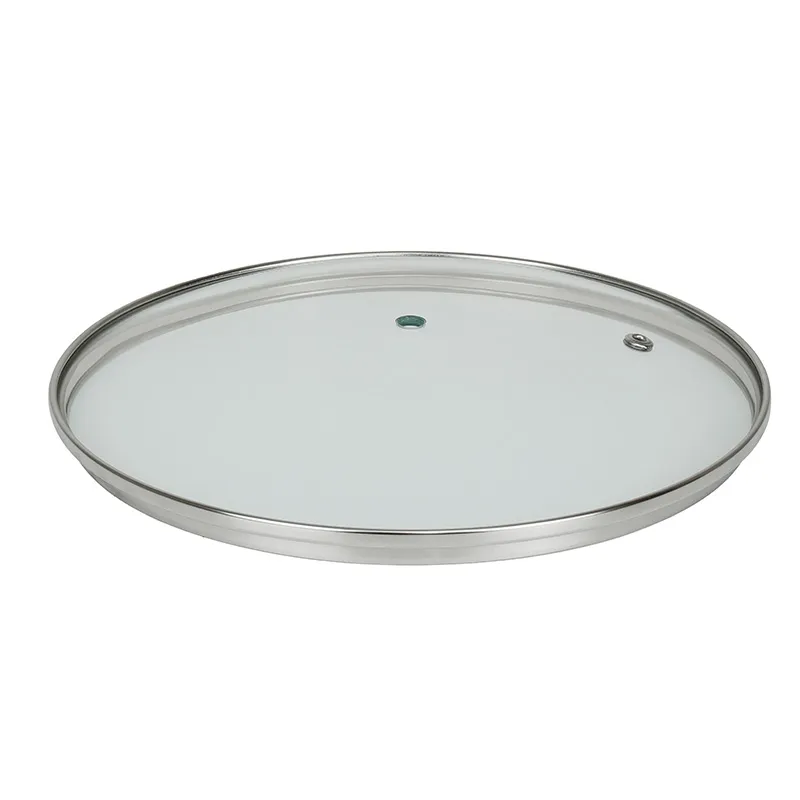
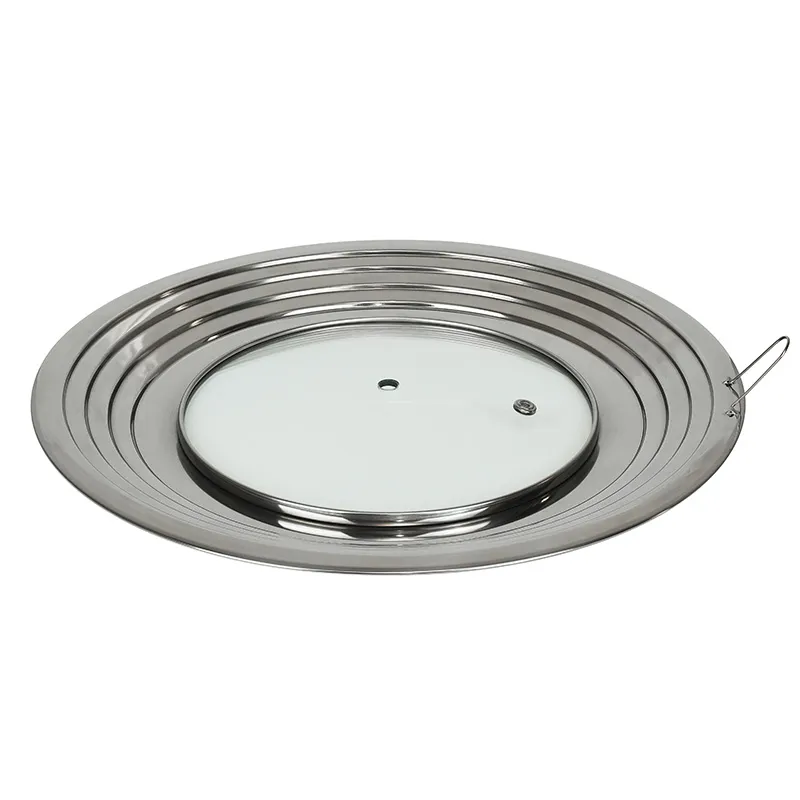
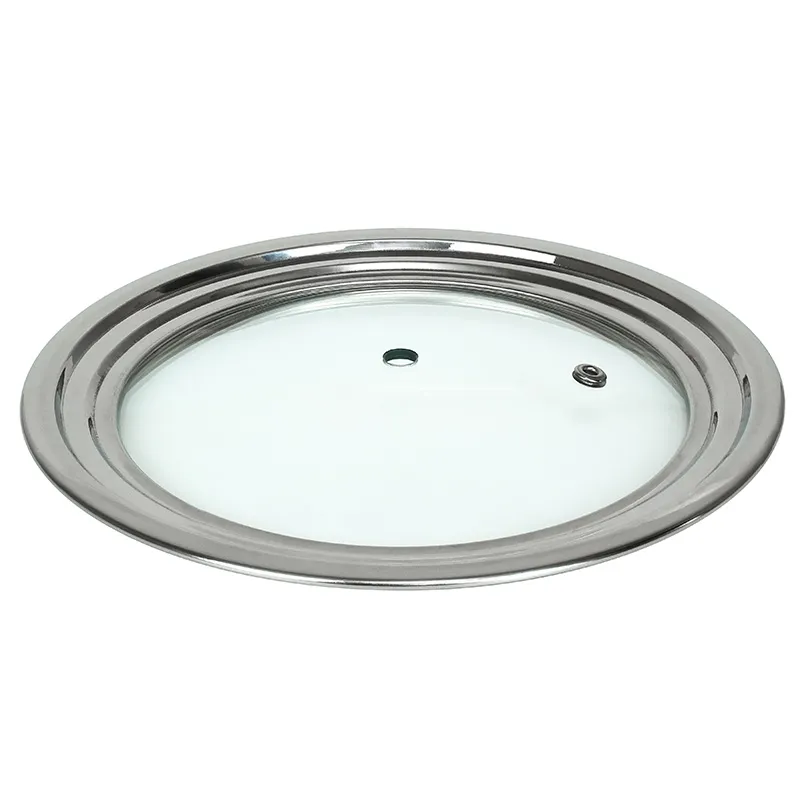
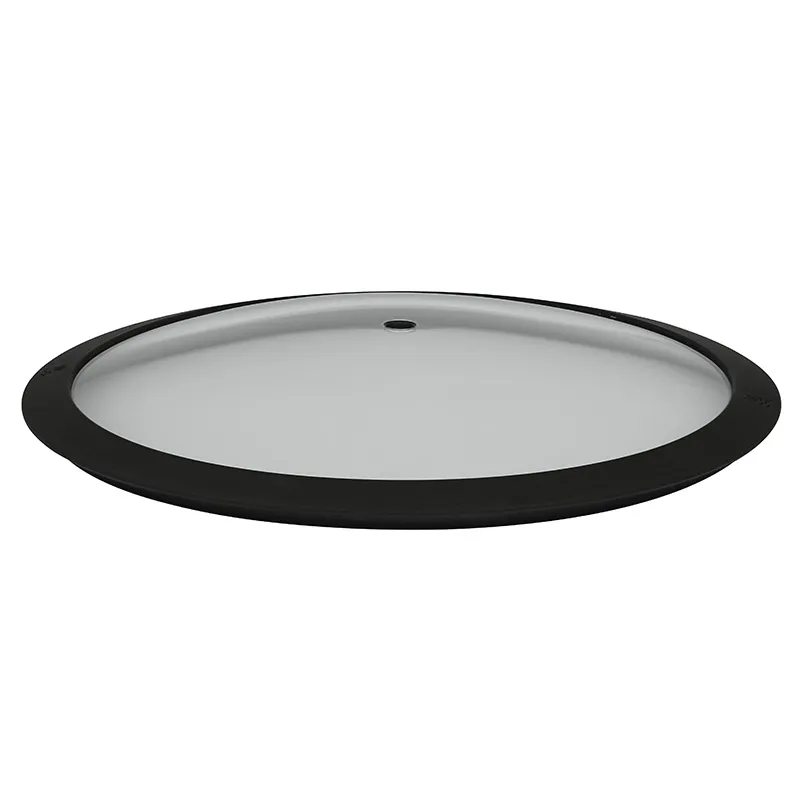
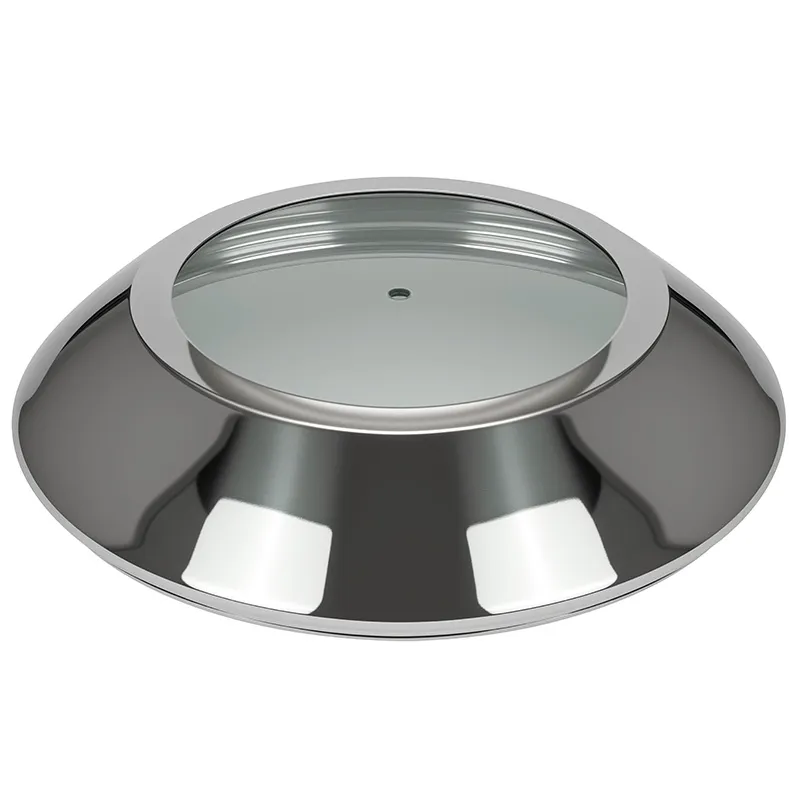
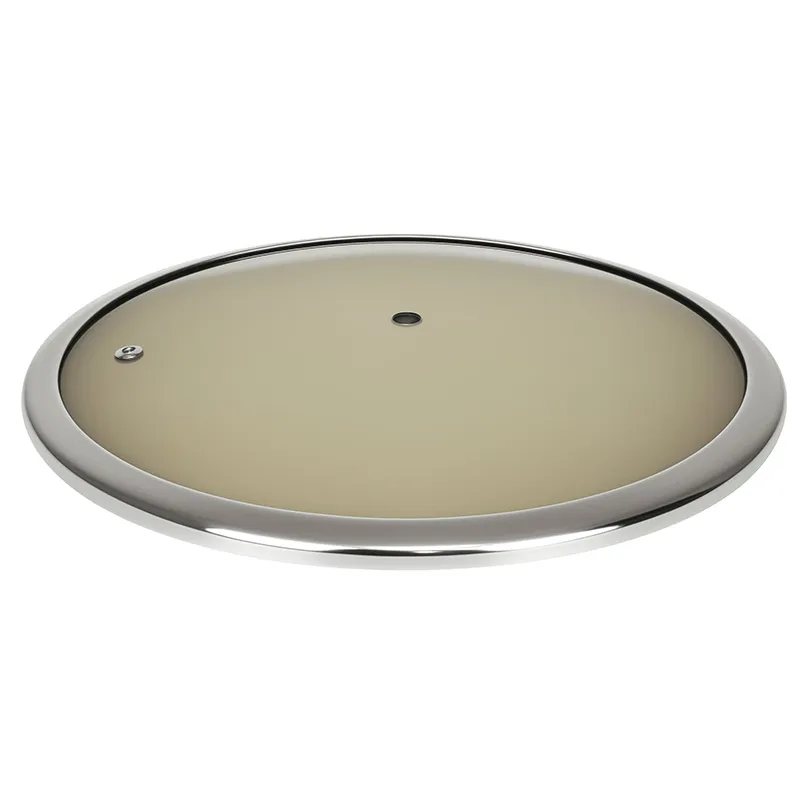
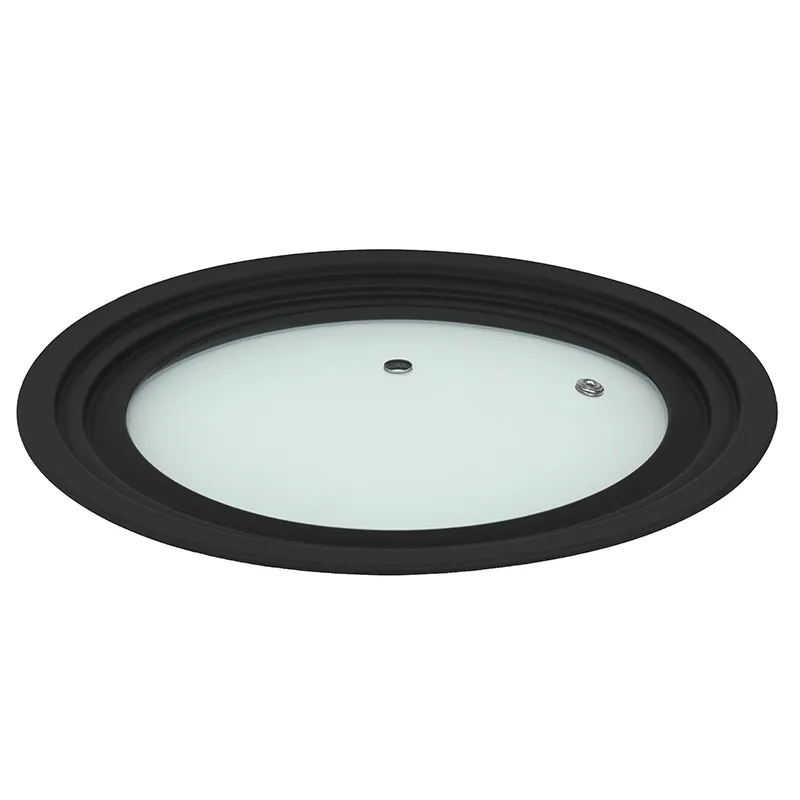
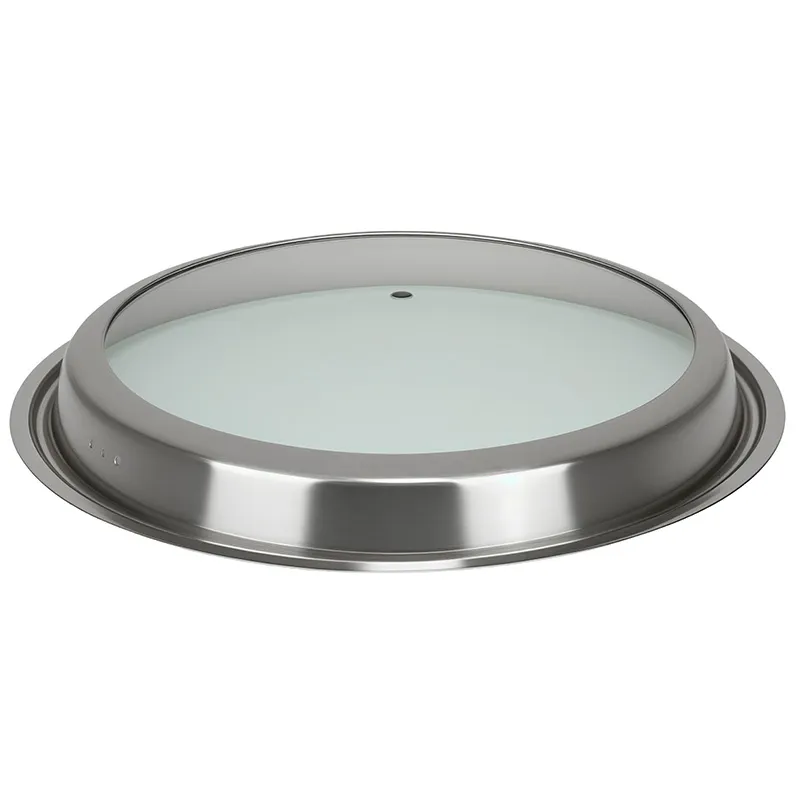
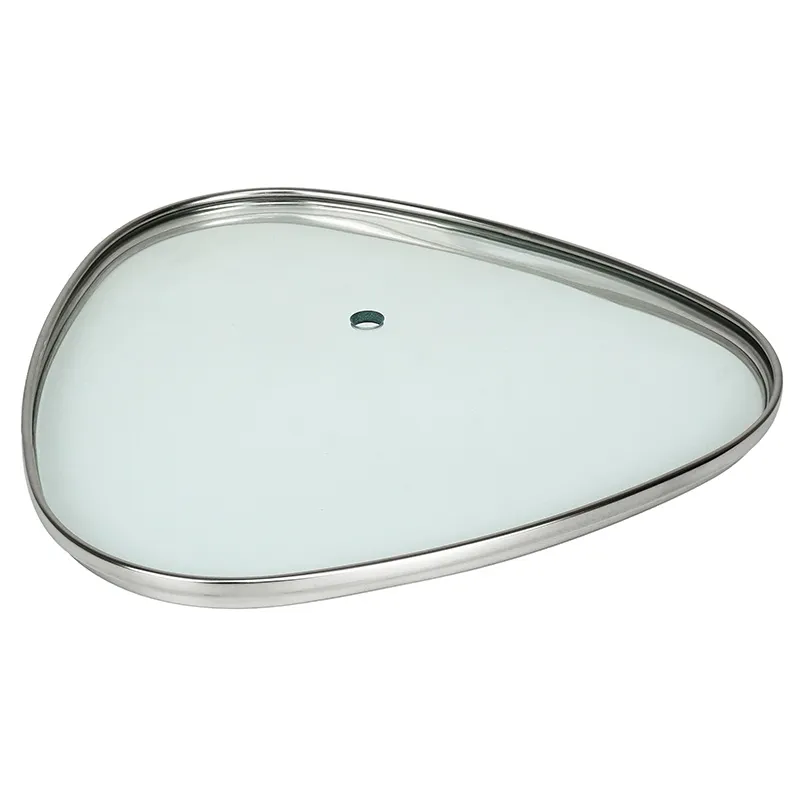
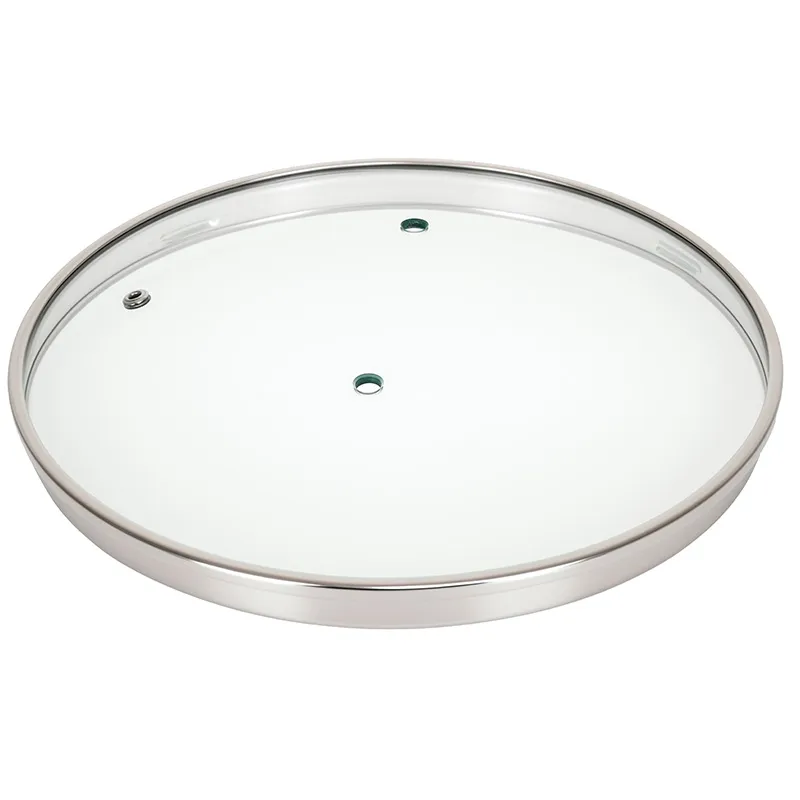
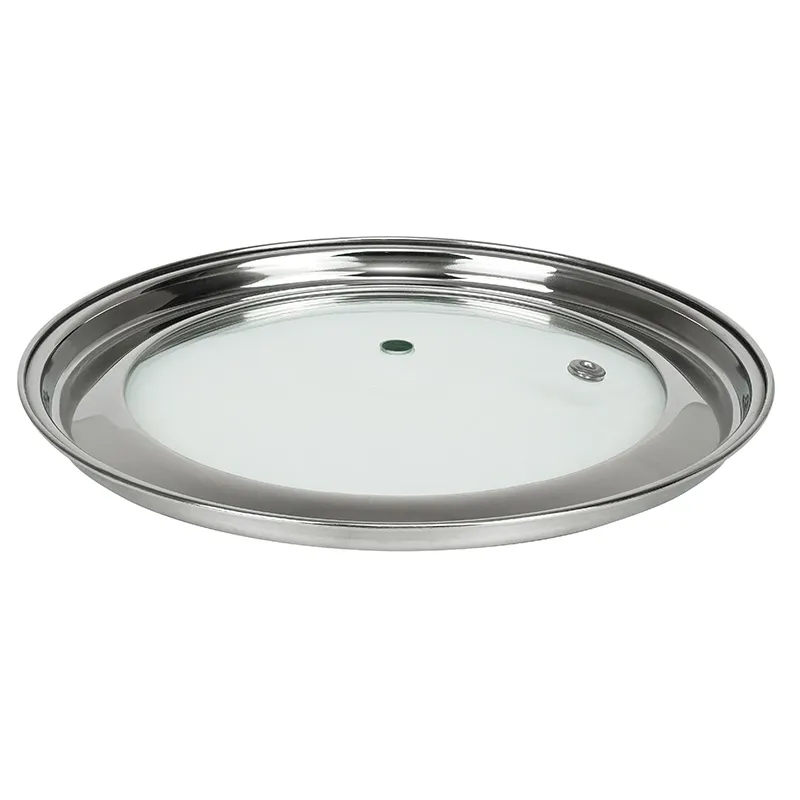
This is where talking to real manufacturers, not just distributors, is enlightening. Take a company like EUR-ASIA COOKWARE CO.,LTD. If you look at their operation at glass-lid.com, their core expertise isn't in these hybrid bottles; it's in mass-producing high-volume, precise tempered glass lid for cookware. That's a different world. They're making millions of lids that need to withstand direct stovetop heat and rapid temperature shifts. The tolerance and tempering level required for that are far beyond what's needed for a drinkware glass insert.
When a factory with this background approaches a stainless steel glass with lid project, their mindset is different. They understand glass stress points. They might advocate for a thicker, properly tempered glass liner, even if it adds weight and cost. Their instinct is to over-engineer the glass component for safety. I've seen their samples, and the glass quality is noticeably superior—the edges are smoother, the clarity is better, and the thermal shock rating is legit. But this creates friction with brands who want a lightweight, cheap final product. The brand wants a $15 retail price; the factory knows a safe, durable version costs $8 just to make. Something has to give, and it's usually the specification.
Their focus, as their site states, is on export to markets like Germany and Japan, where safety standards are non-negotiable. This experience is crucial. A German buyer will have a battery of tests for migration and thermal shock. A factory used to that scrutiny brings a valuable discipline to the more loosely regulated hybrid drinkware space. They're less likely to cut the wrong corners.
The Sealing Dilemma: Lid as Afterthought
Most product development starts with the vessel. The lid is an afterthought, and it shows. For a stainless steel glass with lid, the lid interface is a tri-material problem: the silicone seal, the plastic (usually PP or Tritan) lid body, and the glass rim. Achieving a watertight seal here requires a precision that's often absent. The vacuum seal trend made it worse—adding a push-button mechanism to a lid sealing on glass is asking for trouble unless the glass is machined to a perfect tolerance.
We tried a run with a magnetic slider lid. Looked great. Failed miserably. The magnet housing in the plastic lid created a weak point for cracks, and the sliding mechanism wore down the silicone gasket within months. User complaints were all about leaks and mold in the gasket channel. The fix was reverting to a simple screw-top with a wide, flat food-grade silicone ring. Boring, but reliable. Sometimes the oldest solutions are the best.
Case in Point: A Failed Premium Launch
A few years back, we worked with a startup wanting to launch the ultimate double-walled stainless steel glass with lid. The design was beautiful: a vacuum-insulated steel outer, a borosilicate glass inner, a bamboo lid. It was a disaster. The double-wall construction meant the glass liner was suspended, with minimal silicone support. During drop testing (from table height), the glass would break in 7 out of 10 units. The shock traveled through the steel and shattered the isolated glass interior. The bamboo lid warped with moisture. The project was scrapped after the first production batch, a six-figure loss. The lesson? Insulation and impact resistance are opposing goals in this design. You can't have both without significant bulk and cost.
This is where the specs from a company like EUR-ASIA COOKWARE CO.,LTD are telling. They highlight output volume—over 15 million pieces annually. That scale is for standardized, proven products like cookware lids. The hybrid drinkware market is faddish and fragmented. A high-volume factory thinks in terms of consistency and repeatability over thousands of units. The custom, complex nature of a high-end hybrid bottle is often at odds with that model, leading to quality control issues when such factories are pushed into this category.
Moving Forward: A Pragmatic Approach
So, is a good stainless steel glass with lid impossible? No. But it requires ruthless prioritization. Decide the primary function: Is it insulation? Then maybe forget the glass liner and go with a steel vacuum flask. Is it taste purity and aesthetics? Then use a thick, single-wall borosilicate glass with a simple protective silicone sleeve and a straightforward lid. Don't try to be everything.
For sourcing, engage with specialists for each component. Don't expect a glass lid factory to be a master of stainless steel forming, or vice-versa. The company profile of EUR-ASIA COOKWARE is a good example of focused competence. They're glass specialists. For a successful product, you'd likely source the glass insert or lid component from them, and the steel body from a metalware factory, then have a third party do the assembly. It's more complex logistically, but it ensures each part is made to its highest standard.
Finally, manage expectations. Educate the consumer that this is a careful product, not a rugged travel mug. It's for desk, car, or gentle daily use. The charm is in the feel of drinking from glass, with the slight security of a steel bumper. It's a niche product that got marketed as a mainstream essential, and that mismatch is where most of the problems are born. Keep it simple, source smartly, and be honest about its limits. That's how you get a product that doesn't end up in a landfill—or a returns department—within a year.
Related Products
Related Products