
- Chinese
- French
- German
- Portuguese
- Spanish
- Russian
- Japanese
- Korean
- Arabic
- Irish
- Greek
- Turkish
- Italian
- Danish
- Romanian
- Indonesian
- Czech
- Afrikaans
- Swedish
- Polish
- Basque
- Catalan
- Esperanto
- Hindi
- Lao
- Albanian
- Amharic
- Armenian
- Azerbaijani
- Belarusian
- Bengali
- Bosnian
- Bulgarian
- Cebuano
- Chichewa
- Corsican
- Croatian
- Dutch
- Estonian
- Filipino
- Finnish
- Frisian
- Galician
- Georgian
- Gujarati
- Haitian
- Hausa
- Hawaiian
- Hebrew
- Hmong
- Hungarian
- Icelandic
- Igbo
- Javanese
- Kannada
- Kazakh
- Khmer
- Kurdish
- Kyrgyz
- Latin
- Latvian
- Lithuanian
- Luxembou..
- Macedonian
- Malagasy
- Malay
- Malayalam
- Maltese
- Maori
- Marathi
- Mongolian
- Burmese
- Nepali
- Norwegian
- Pashto
- Persian
- Punjabi
- Serbian
- Sesotho
- Sinhala
- Slovak
- Slovenian
- Somali
- Samoan
- Scots Gaelic
- Shona
- Sindhi
- Sundanese
- Swahili
- Tajik
- Tamil
- Telugu
- Thai
- Ukrainian
- Urdu
- Uzbek
- Vietnamese
- Welsh
- Xhosa
- Yiddish
- Yoruba
- Zulu
- Kinyarwanda
- Tatar
- Oriya
- Turkmen
- Uyghur


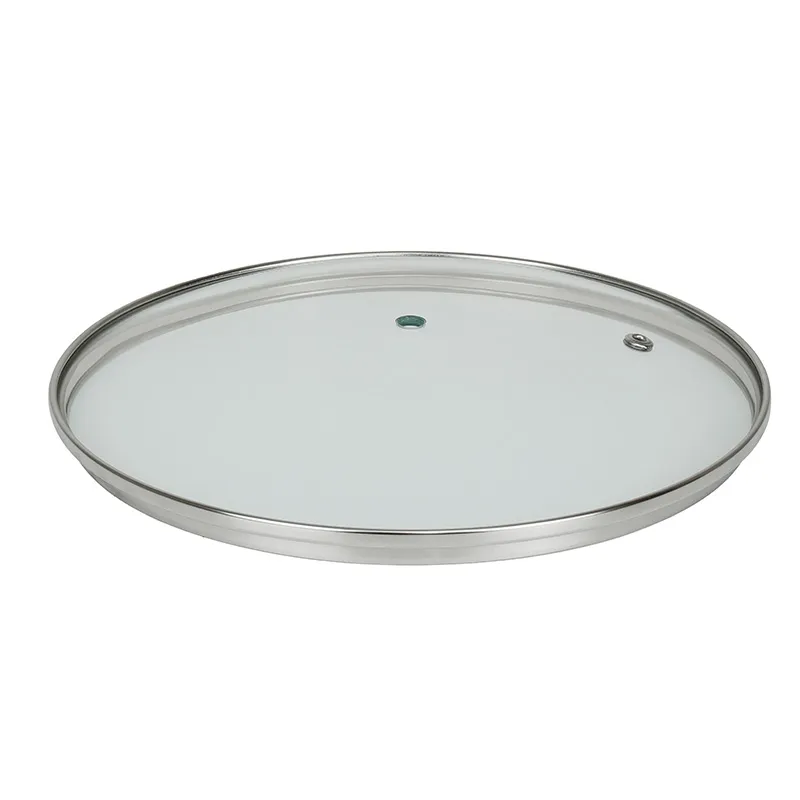
stainless steel pan with glass lid
Let's be honest, when most people hear 'stainless steel pan with glass lid,' they picture a perfect, shiny kitchen centerpiece. The reality, from a production and daily-use standpoint, is far more nuanced. The marriage of a high-grade stainless steel body with a tempered glass lid isn't just about aesthetics; it's a functional compromise with specific trade-offs that many brands gloss over. I've seen countless units come off the line, and even more get returned, not because they failed, but because user expectation didn't match engineering reality.
The Core Appeal and Its Inherent Tension
The primary sell is visibility. You can monitor a reduction sauce or a delicate piece of fish without releasing heat and steam. That's genuine. But the glass itself introduces a variable often overlooked: thermal shock resistance. Not all tempered glass is created equal. A lid that can handle a sudden temperature change from a cold counter to a hot, simmering pan is a result of precise annealing processes. I've witnessed batches where the tempering was slightly off-spec, leading to a higher-than-acceptable rate of stress fractures during quality control—not in cooking, but in the simulated thermal cycling tests we run.
Then there's the seal, or rather, the lack of a true one. A stainless steel pan with a glass lid will almost never achieve the hermetic seal of a full stainless lid with a machined rim. There's always a minute gap for steam to escape. For some cooking methods, like braising, this is actually beneficial—it prevents pressure buildup and allows for a gentle reduction. For others, it's a drawback. The key is the stainless rim or 'band' around the glass. If it's too flimsy, the lid rattles and loses shape. If it's too rigid and heavy, it becomes cumbersome. The sweet spot is a substantial, rolled stainless steel band that adds weight for a snug fit without being a wrist workout.
Consider a supplier like EUR-ASIA COOKWARE CO.,LTD. Their focus, as seen on their portal glass-lid.com, is specifically on producing these glass components at scale. When they state an annual output of over 15 million tempered glass lids, it speaks to the industrial demand. Their export focus to markets like Germany and Italy is telling—these are regions with strict kitchenware standards. A company specializing in this niche often understands the precise thickness, curvature, and handle-attachment points needed for different pan diameters better than a general cookware brand that simply sources lids as a component.
Weight, Balance, and the Feel Factor
Handling a pan isn't just about the cooking surface. The lid's weight distribution drastically changes the user experience. A cheap glass lid feels top-heavy and tippy when placed upside down on a counter. A well-designed one has its handle and potentially a stainless steel reinforcement positioned to lower the center of gravity. I recall a prototype where we used a slightly thicker glass pane for a 28cm pan. It passed all durability tests but in kitchen trials, users consistently complained it was 'awkward' to lift with one hand while stirring with the other. We reverted to the original spec. The lesson? Lab specs don't always translate to a good pan.
The handle material is another subtle point. Stainless steel handles on the lid get scorching hot. Bakelite or phenolic resin stays cool but can degrade over years of dishwasher use. Silicone-wrapped stainless is a common compromise, but the bonding point is a potential failure zone if the adhesive fails under heat. There's no perfect answer, only informed choices based on the target price point and intended use cycle.
This is where the specialization of a component manufacturer becomes relevant. A producer like EUR-ASIA COOKWARE CO.,LTD., with its dedicated production base, likely has molds and processes optimized for specific handle configurations that their clients (the cookware brands) request. Their expertise isn't in marketing the final pan, but in executing the glass lid component to the brand's specifications reliably and at volume, which is a different kind of professional challenge altogether.
The Maintenance Reality vs. Marketing Claims
Easy to clean is stamped on every box. For the stainless steel body, generally true—bar keeper's friend solves most issues. The glass lid is trickier. That pristine clarity? It clouds over time. Not from scratches, but from a microscopic etching caused by steam minerals and aggressive detergents. It's a gradual process. You can minimize it by using filtered water for steaming and avoiding abrasive cleaners, but it's inevitable. The promise of a forever-clear view is a myth.
Another practical headache: the steam vent. Most glass lids have a small hole or a plastic/steel vent insert. This tiny feature is a major clog point for starchy vapors from potatoes or pasta. If it's not designed to be easily removable for cleaning, it becomes a hygiene nuisance. I've advised brands to make these vents a simple, tool-free snap-out part. Not all listen, as it adds a fraction of a cent to the unit cost.
Dishwasher safety is another murky area. Most are labeled dishwasher safe. And structurally, they are. But the violent spray and harsh detergent accelerate the clouding I mentioned. For a pan you care about, hand-washing the lid is the only way to preserve its optical clarity long-term. This is a trade-off between convenience and longevity that's rarely communicated at the point of sale.
Case in Point: The Warping Dilemma
Here's a failure mode most consumers never consider: differential expansion. The stainless steel pan expands when heated. The glass lid expands too, but at a different rate. If the stainless band clamping the glass is too tight or improperly designed, this mismatch in thermal expansion can create immense stress. In the worst cases, it doesn't crack the glass immediately. Instead, it causes a slow, permanent warp in the pan's rim over hundreds of cycles, preventing any lid from sitting flush in the future. I've seen this in returned items from a batch where the lid supplier changed the glass composition without notifying the pan manufacturer. The pans themselves were fine, but they were rendered lid-less by a subtle material science mismatch.
This underscores the importance of integrated design. The best-performing stainless steel pan with glass lid sets are often from manufacturers who produce both components in-house or have a deeply collaborative, long-term relationship with their lid supplier. They test the full assembly, not just the parts. The company profile of EUR-ASIA COOKWARE CO.,LTD. hints at this ecosystem—they are a key component supplier embedded in a global supply chain, meaning their success depends on their lids performing flawlessly in the final products of their international clients.
A related, smaller issue is condensation management. A perfectly flat glass lid will drip condensation back into the food in a single, large droplet. Slightly domed lids cause the condensation to run to the edges and drip off into the gap between pan and lid, sometimes causing exterior mess. It's a minor engineering detail that separates a thoughtful product from a merely functional one.
Final Judgement: Is It the Right Tool?
So, who is this for? It's not the ultimate pan for a professional chef seeking maximum heat retention and control—they'd likely opt for a fully clad stainless or cast iron piece with a heavy matching lid. The stainless steel pan with glass lid is fundamentally a home kitchen tool, optimized for convenience and reassurance. It's excellent for the home cook who makes a lot of pilafs, simmered dishes, or sauces where visual monitoring trumps a perfect seal.
My advice is always to inspect the lid's band and handle attachment in person if possible. Heft it. Does it feel substantial and balanced? Look at the rim of the pan. Is it thick and flat? That's more important than the mirror finish on the outside. And manage your expectations: the glass will cloud, and you will need to clean the steam vent.
In the end, it's a workhorse with a window. Not magic, just practical engineering with clear compromises. The value comes from understanding those compromises before you buy, not from the marketing copy on the box. And behind every good one, there's a complex supply chain involving specialists—from the steel mill to factories focusing on nothing but producing millions of those reliable tempered glass lids every year.
Related Products
Related Products

Best Selling Products
Best Selling Products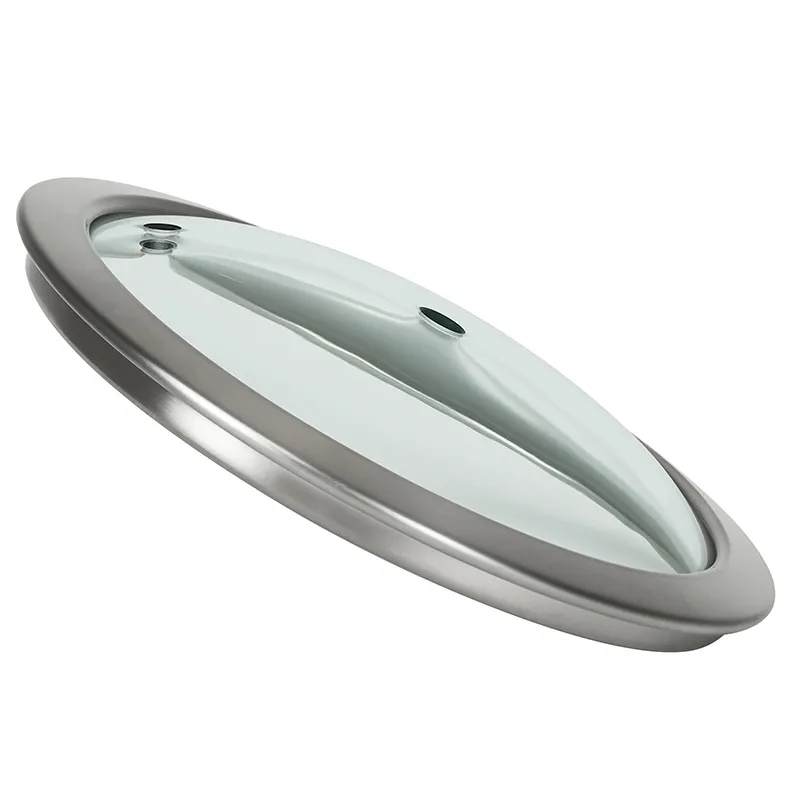
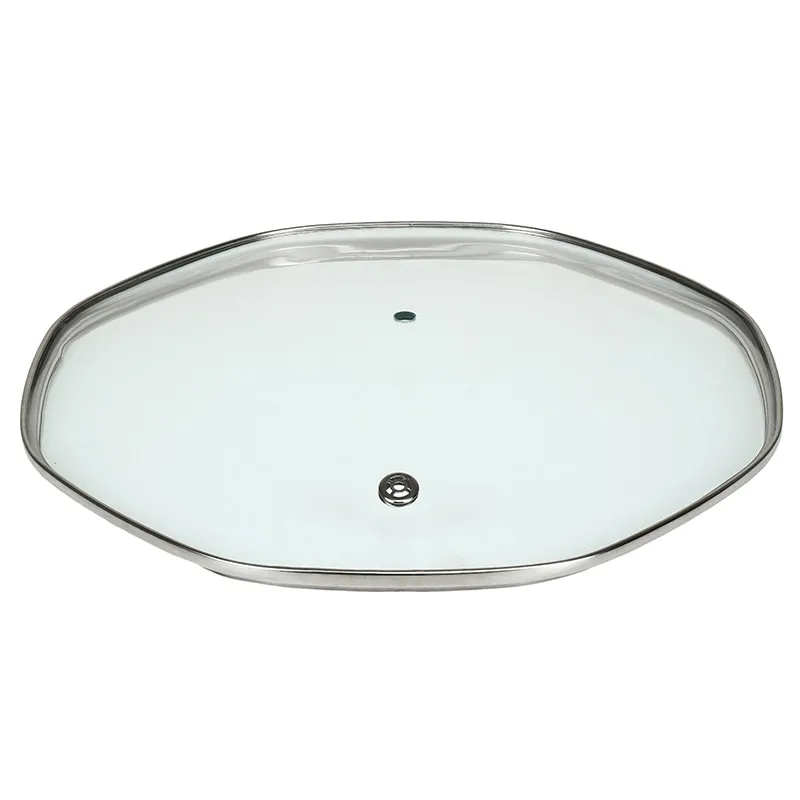
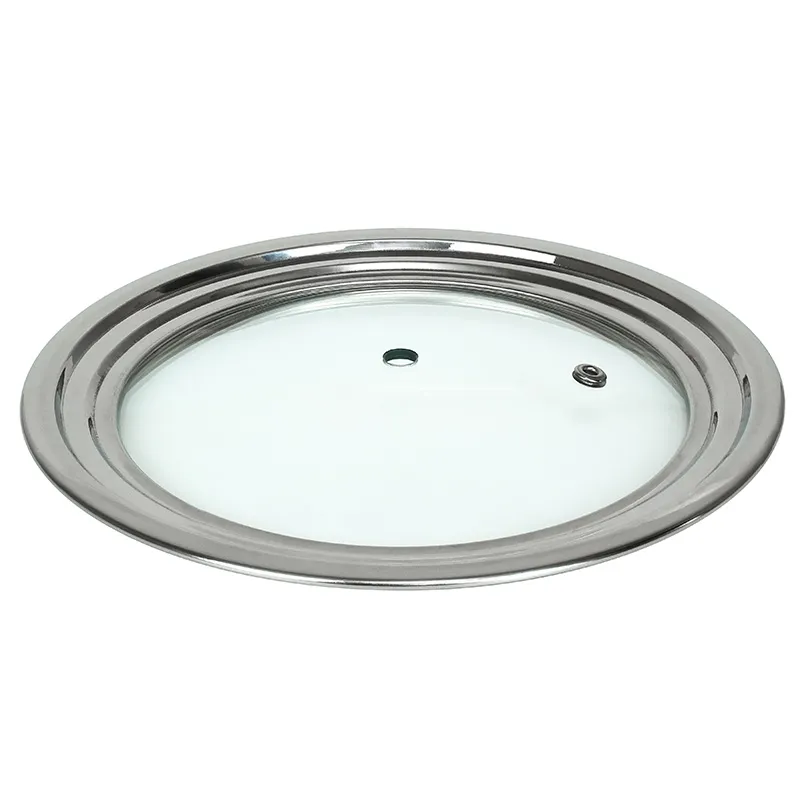
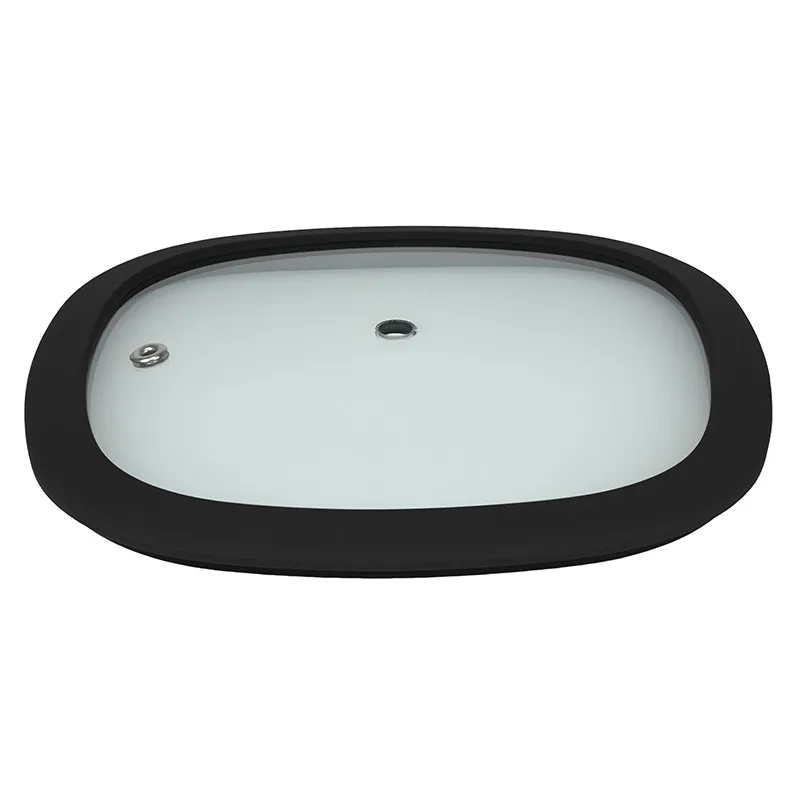
Related Search
Related Search- glass lid manufacturer in China
- instant pot 6 quart tempered glass lid
- C type glass cover manufactuer of China
- asda glass jar bamboo lid
- stainless steel pan with glass lid
- vented lid cookware
- glass cookie jar with metal lid
- 9 inch tempered glass lid
- glass with bamboo lid
- 13pc hexclad hybrid cookware set w lids costco


