- Chinese
- French
- German
- Portuguese
- Spanish
- Russian
- Japanese
- Korean
- Arabic
- Irish
- Greek
- Turkish
- Italian
- Danish
- Romanian
- Indonesian
- Czech
- Afrikaans
- Swedish
- Polish
- Basque
- Catalan
- Esperanto
- Hindi
- Lao
- Albanian
- Amharic
- Armenian
- Azerbaijani
- Belarusian
- Bengali
- Bosnian
- Bulgarian
- Cebuano
- Chichewa
- Corsican
- Croatian
- Dutch
- Estonian
- Filipino
- Finnish
- Frisian
- Galician
- Georgian
- Gujarati
- Haitian
- Hausa
- Hawaiian
- Hebrew
- Hmong
- Hungarian
- Icelandic
- Igbo
- Javanese
- Kannada
- Kazakh
- Khmer
- Kurdish
- Kyrgyz
- Latin
- Latvian
- Lithuanian
- Luxembou..
- Macedonian
- Malagasy
- Malay
- Malayalam
- Maltese
- Maori
- Marathi
- Mongolian
- Burmese
- Nepali
- Norwegian
- Pashto
- Persian
- Punjabi
- Serbian
- Sesotho
- Sinhala
- Slovak
- Slovenian
- Somali
- Samoan
- Scots Gaelic
- Shona
- Sindhi
- Sundanese
- Swahili
- Tajik
- Tamil
- Telugu
- Thai
- Ukrainian
- Urdu
- Uzbek
- Vietnamese
- Welsh
- Xhosa
- Yiddish
- Yoruba
- Zulu
- Kinyarwanda
- Tatar
- Oriya
- Turkmen
- Uyghur


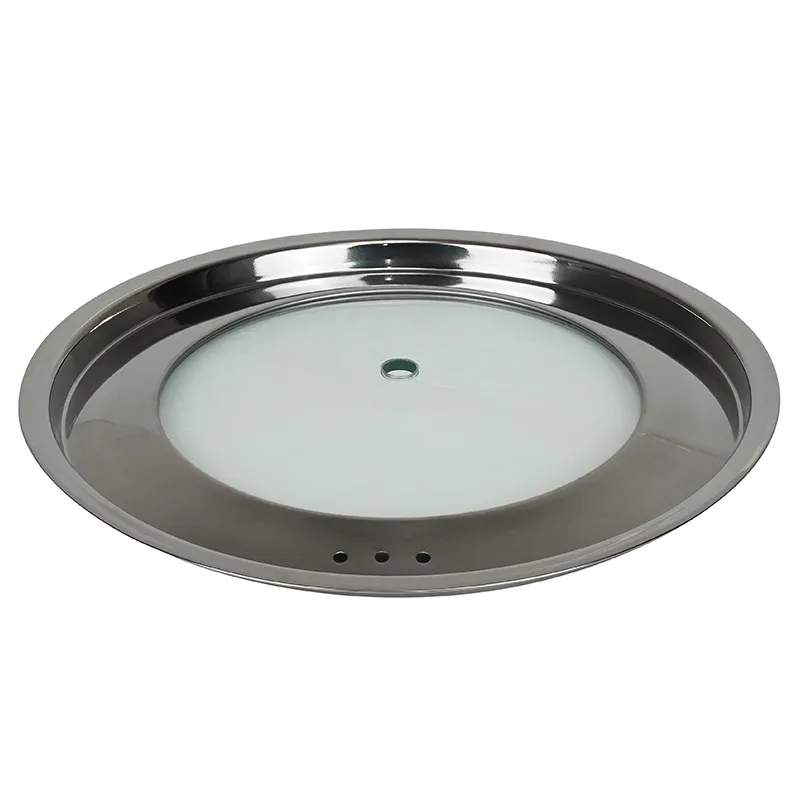
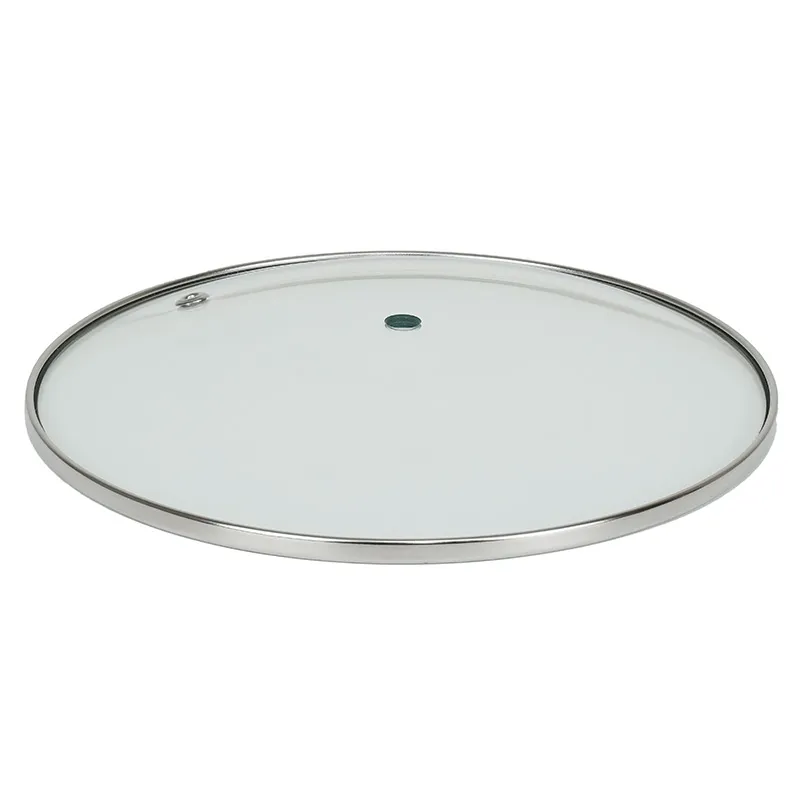
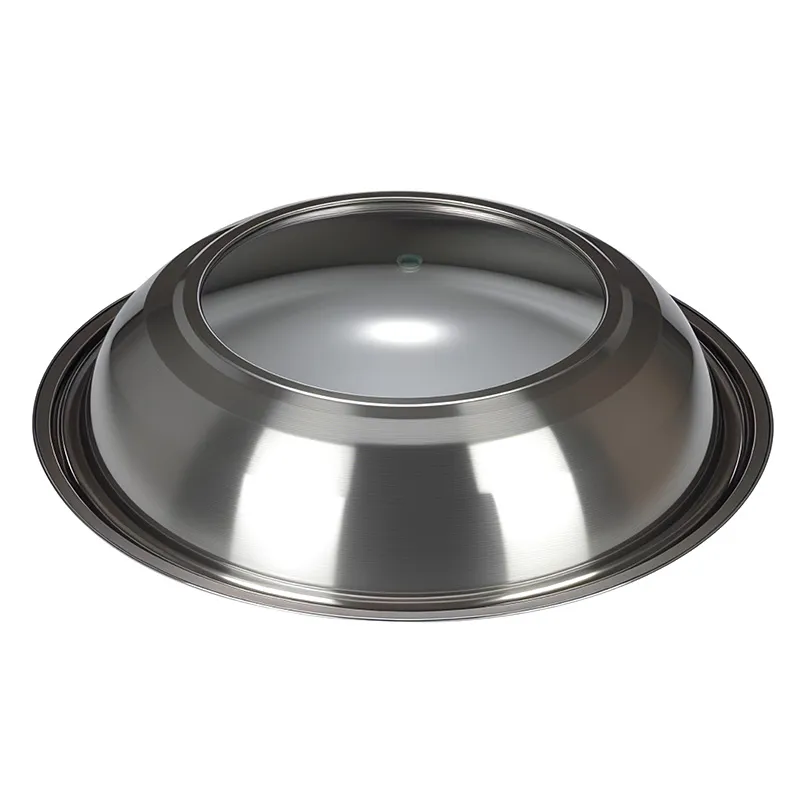
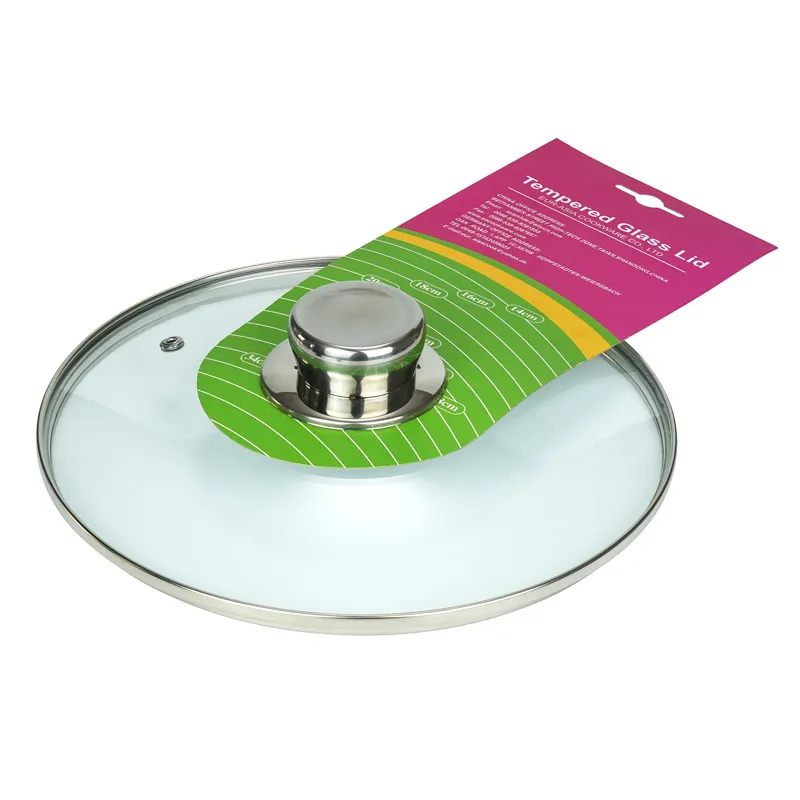
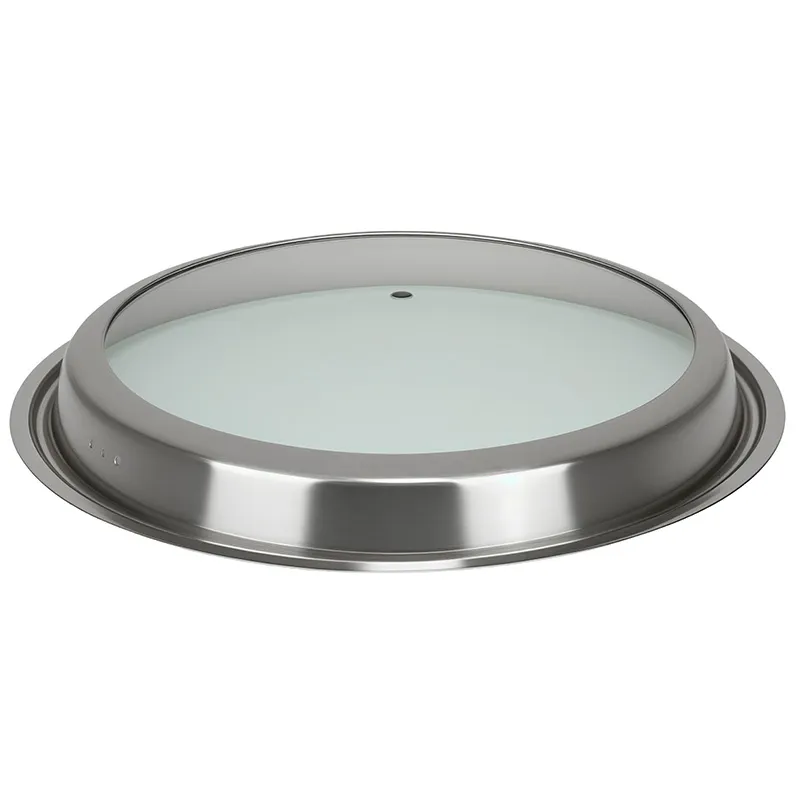
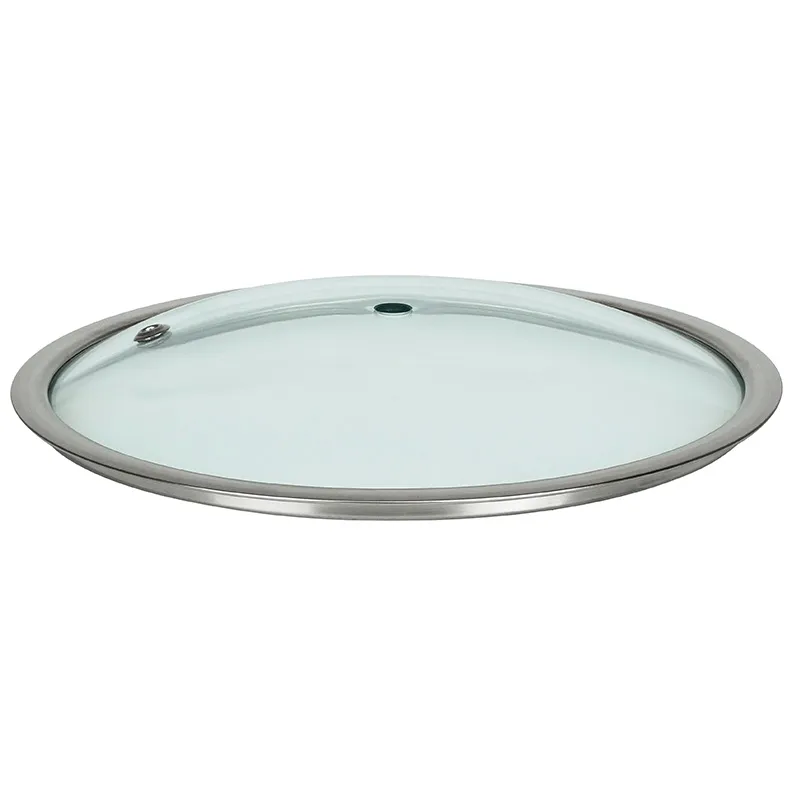
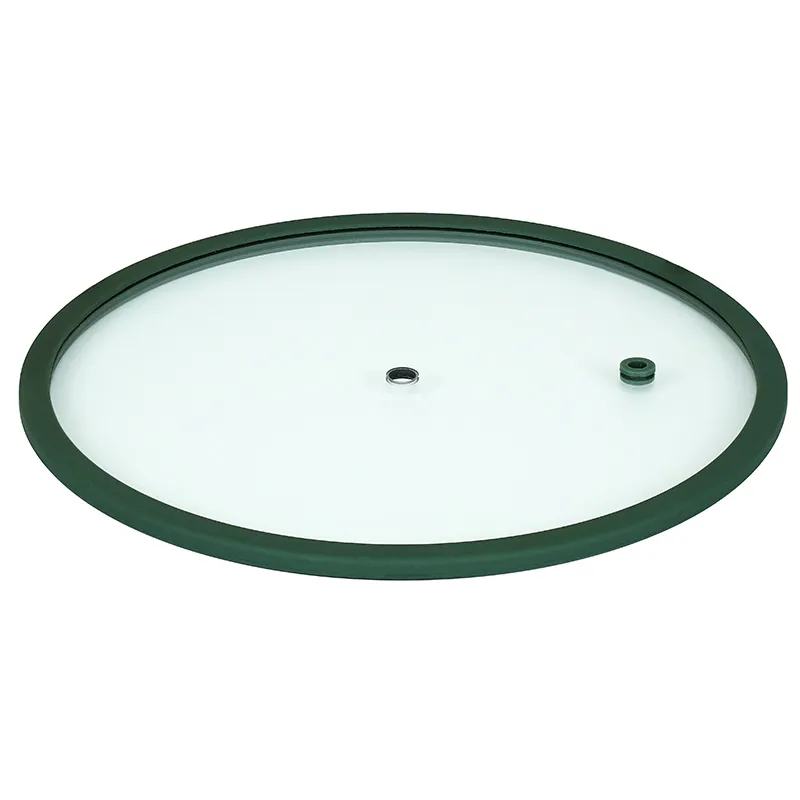
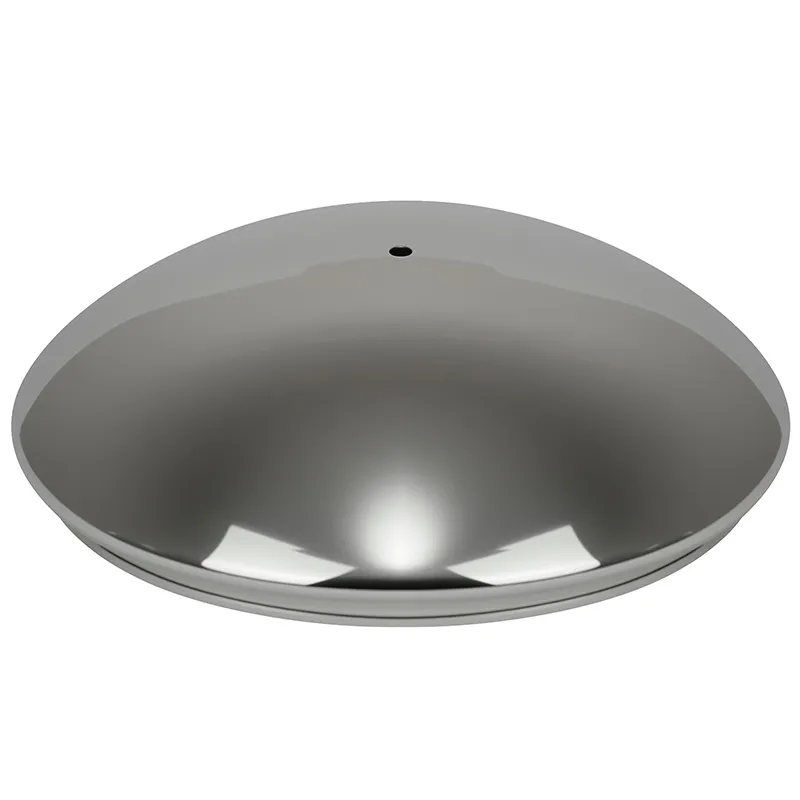
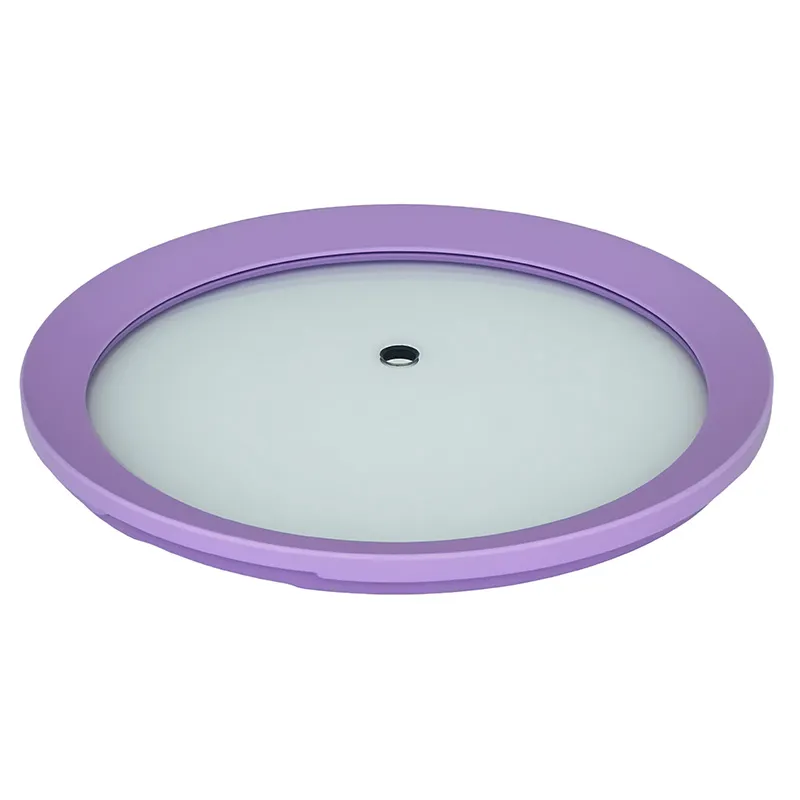
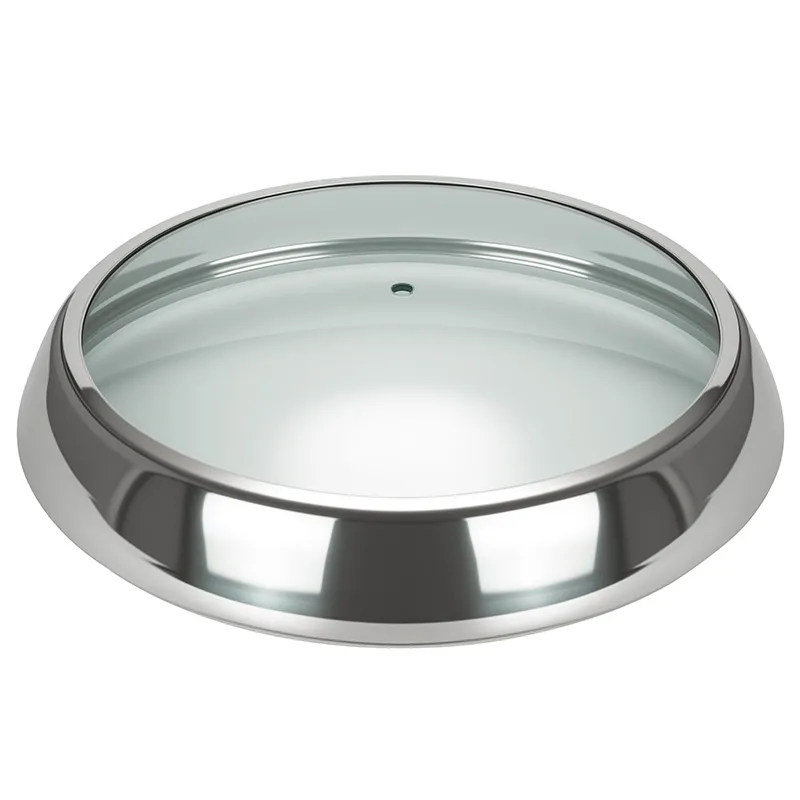
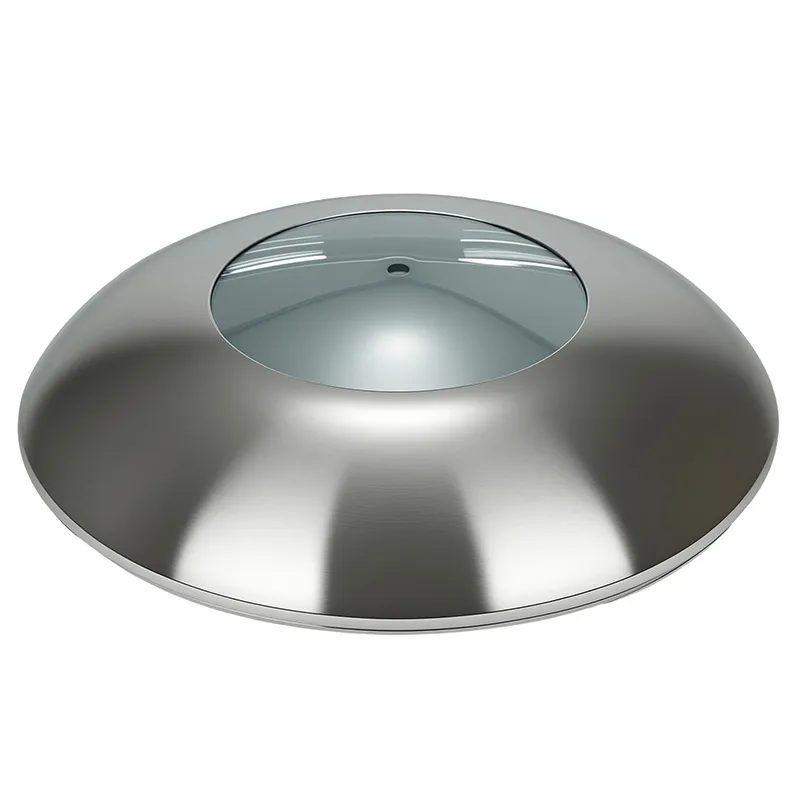
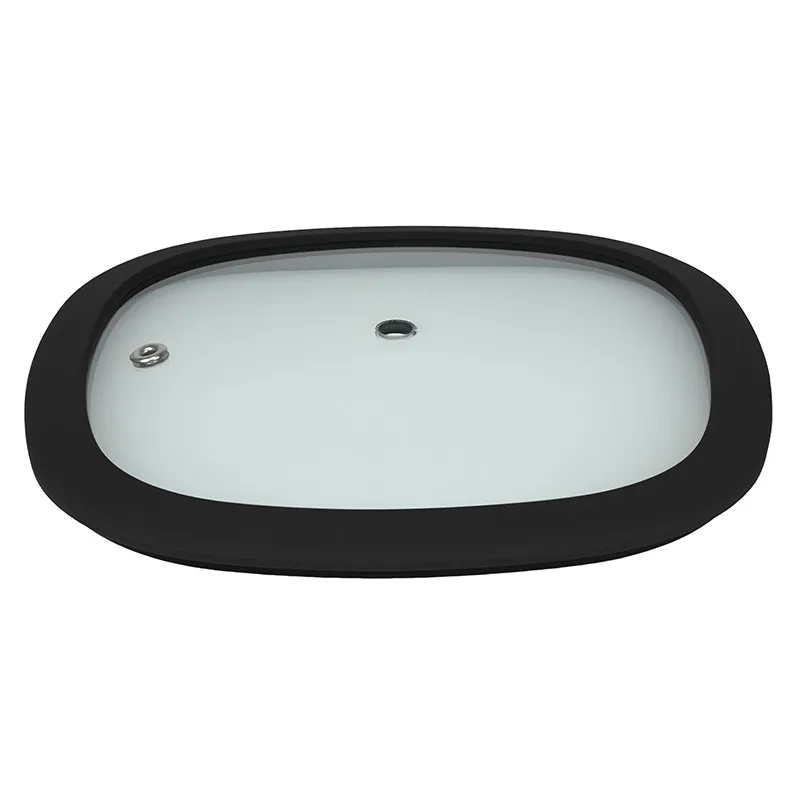
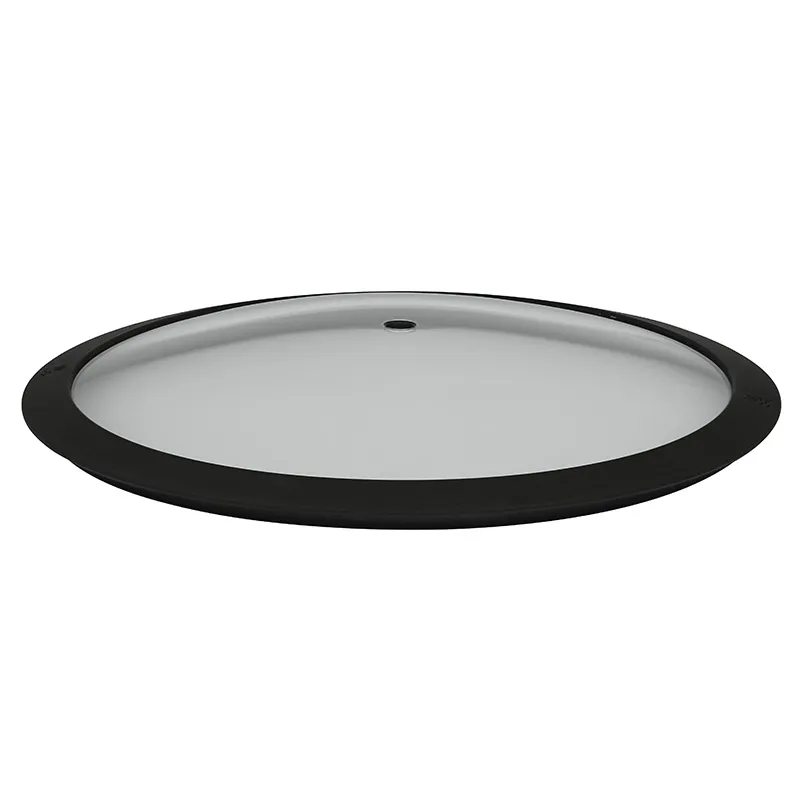
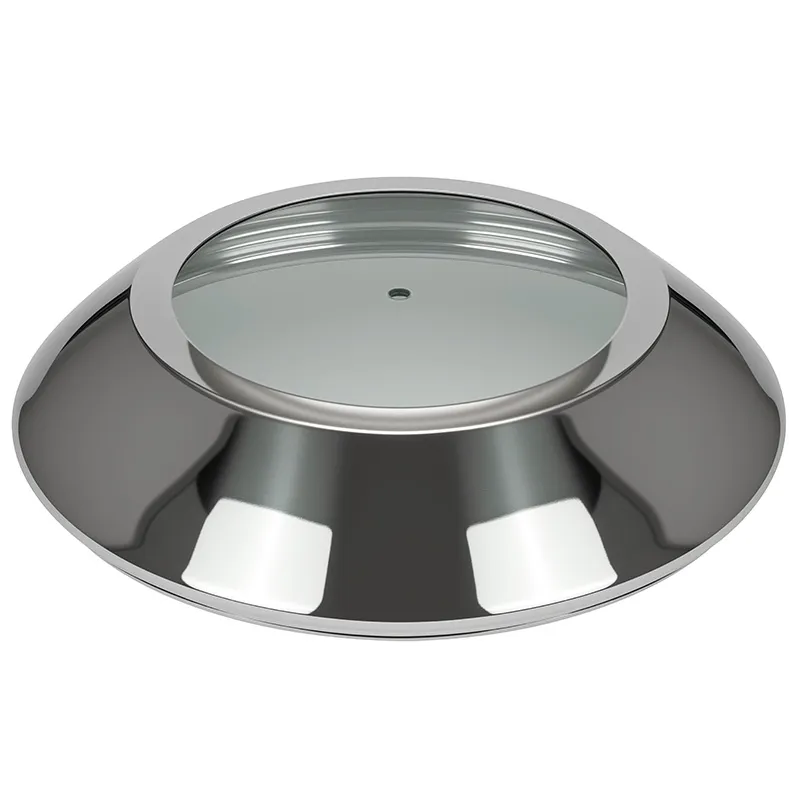
staub 4 qt cocotte glass lid
You see a lot of searches for 'staub 4 qt cocotte glass lid' and immediately, there's a common misconception: people often think it's a direct Staub-branded accessory. More often than not, they're looking for a compatible, high-quality tempered glass lid that fits their prized 4-quart cocotte. The reality in the cookware industry is that the original cast iron lid is fantastic for braising, but a glass lid? That's where third-party specialists come in, and that's where the real nuance lies.
The Compatibility Conundrum
Fitting a glass lid to a Staub cocotte isn't just about diameter. The 4-quart size, particularly, has subtle variations in rim design and curvature over different production years. A lid that sits flush on a 2020 model might have a slight wobble on a 2018 one. I've seen it firsthand. The key is the tempered glass thickness and the precision of the ground edge. Too thick, and it's heavy, negating the convenience; too thin, and thermal shock resistance plummets. A good supplier understands this tolerance game.
This is where companies with a dedicated production focus make a difference. For instance, a manufacturer like EUR-ASIA COOKWARE CO.,LTD (you can find their specifics at glass-lid.com) operates in this space. Their specialization in tempered glass lids for household cookware means they're set up to handle these precise specifications. Their production base in China's Shandong High-tech Zone, with an annual output in the millions, is geared towards solving exactly these compatibility puzzles for global markets.
I recall a batch we tested where the lids fit perfectly but created a slight vacuum seal, which isn't always desired for a glass lid used for monitoring. It was a lesson in vent hole placement and the minute gap needed between the glass and the pot's rim—details you only learn from physical testing, not just CAD drawings.
Material and Safety: Beyond Just Glass
When we say tempered glass lid, it's a specific grade. Borosilicate is often assumed, but for many high-volume, durable lids, it's high-quality soda-lime glass that's been precisely thermally tempered. The goal is to withstand a sudden temperature shift from a 400°F oven to a cool, wet countertop—or at least, to fail safely into small, blunt pieces if it does give way.
The export data from a company like EUR-ASIA COOKWARE is telling. Sending over 90% of their products to markets like Germany, France, and Japan means their quality control has to meet stringent EU and international safety standards. These aren't just decorative pieces; they're functional components that undergo drop tests, thermal shock cycles, and lead/cadmium release checks. A lid for a Staub cocotte, even if not OEM, is expected to perform at that level.
I've had failures, too. Early on, we sourced a lid where the tempering was uneven. It didn't shatter in the oven, but developed a hairline crack after a few dishwasher cycles. The issue traced back to uneven cooling in the tempering oven—a production flaw that a seasoned manufacturer with 15,000㎡ of facility space and proper QA processes is designed to catch.
The Practicality of the Glass Lid Swap
Why even bother with a glass lid for a Staub? The classic cast iron lid with its self-basting spikes is iconic. True. But in daily use, a home cook might be simmering a tomato sauce or steaming vegetables where visual monitoring is crucial. Lifting a heavy iron lid releases steam and heat. A glass lid offers that quick glance. It transforms the cocotte from a purely braising workhorse into a more versatile pot for everyday simmering and sautéing.
The handle is another detail. The best replacement lids have a stainless steel or heat-resistant phenolic knob that mirrors the oven-safe temperature rating of the glass itself (usually up to 400°F/200°C). A poorly attached handle is a glaring weak point. I prefer handles that are mechanically fastened with a nut and bolt, not just glued, for long-term oven safety.
Sourcing and the Supply Chain Reality
When you're looking for a staub 4 qt cocotte glass lid, you're often tapping into a global supply chain. A company producing 15 million pieces a year, like the one mentioned, isn't selling directly to consumers. They're the factory behind many white-label brands or supplying larger cookware distributors. This explains the variance in price and sometimes in quality you see online. The same base lid might get different packaging and a markup.
Their export focus to Europe also means the design sensibilities tend to be minimalist and functional—no overly decorative patterns, which suits the Staub's aesthetic. The challenge for smaller retailers (and thus for end consumers) is verifying the consistency of the source. One container might be perfect; the next might have issues with the silicone gasket on the rim, if it has one.
Final Thoughts: A Worthwhile Addition?
So, is a third-party glass lid for your Staub 4-qt worth it? From a pure functionality standpoint, yes, if you value visual monitoring. It extends the pot's utility. But you must manage expectations. It will not have the heft or the perfect, heritage finish of the original iron lid. It's a supplement, not a replacement.
The quality hinges entirely on the manufacturer's expertise in tempered glass and their understanding of cookware tolerances. Looking at a supplier's scale, export history, and specialization—like a firm focused solely on glass lids and kitchen glass—is a more reliable indicator than a flashy Amazon listing. The devil is in the details: the edge grind, the handle attachment, the tempering certificate.
In the end, it's a niche product that solves a specific need. It's not for everyone who owns a Staub, but for those who want that clarity—literally—in their cooking process, finding a well-made version from a competent producer makes all the difference. Just don't expect it to be a Staub. It's its own thing.
Related Products
Related Products