- Chinese
- French
- German
- Portuguese
- Spanish
- Russian
- Japanese
- Korean
- Arabic
- Irish
- Greek
- Turkish
- Italian
- Danish
- Romanian
- Indonesian
- Czech
- Afrikaans
- Swedish
- Polish
- Basque
- Catalan
- Esperanto
- Hindi
- Lao
- Albanian
- Amharic
- Armenian
- Azerbaijani
- Belarusian
- Bengali
- Bosnian
- Bulgarian
- Cebuano
- Chichewa
- Corsican
- Croatian
- Dutch
- Estonian
- Filipino
- Finnish
- Frisian
- Galician
- Georgian
- Gujarati
- Haitian
- Hausa
- Hawaiian
- Hebrew
- Hmong
- Hungarian
- Icelandic
- Igbo
- Javanese
- Kannada
- Kazakh
- Khmer
- Kurdish
- Kyrgyz
- Latin
- Latvian
- Lithuanian
- Luxembou..
- Macedonian
- Malagasy
- Malay
- Malayalam
- Maltese
- Maori
- Marathi
- Mongolian
- Burmese
- Nepali
- Norwegian
- Pashto
- Persian
- Punjabi
- Serbian
- Sesotho
- Sinhala
- Slovak
- Slovenian
- Somali
- Samoan
- Scots Gaelic
- Shona
- Sindhi
- Sundanese
- Swahili
- Tajik
- Tamil
- Telugu
- Thai
- Ukrainian
- Urdu
- Uzbek
- Vietnamese
- Welsh
- Xhosa
- Yiddish
- Yoruba
- Zulu
- Kinyarwanda
- Tatar
- Oriya
- Turkmen
- Uyghur


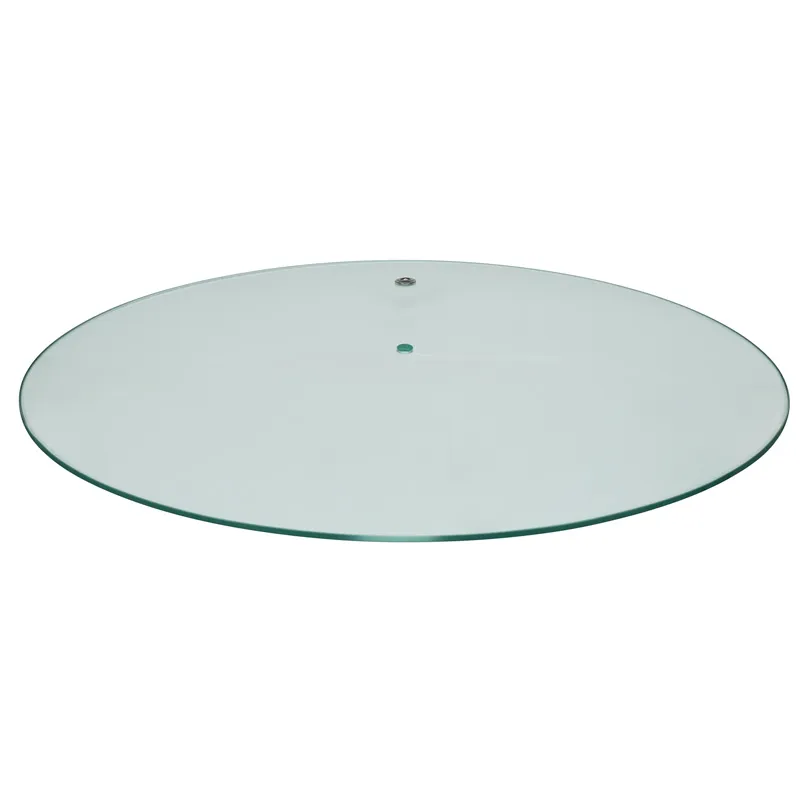
staub 4 qt glass lid
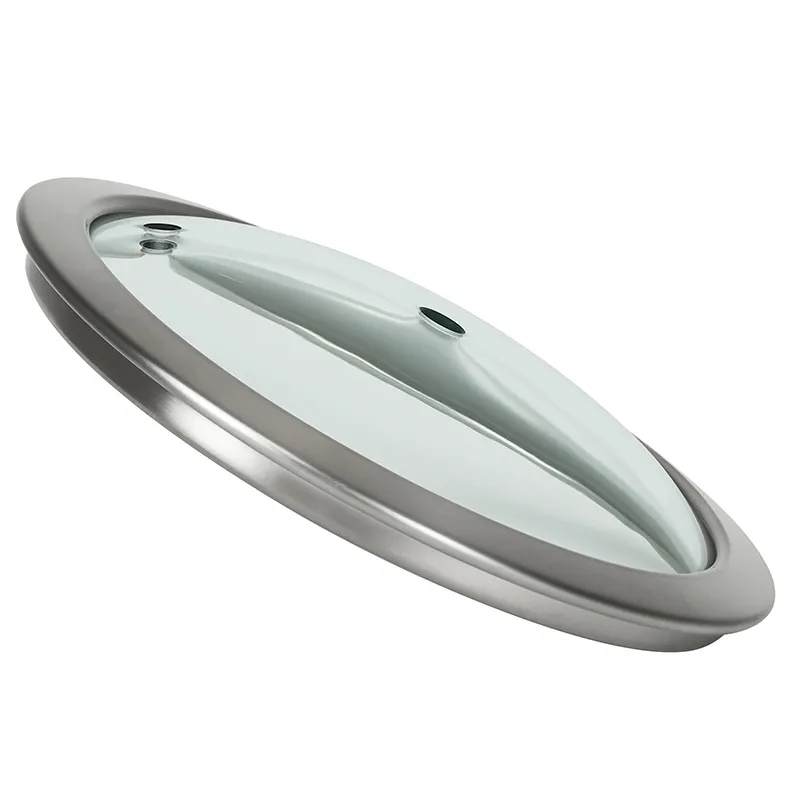
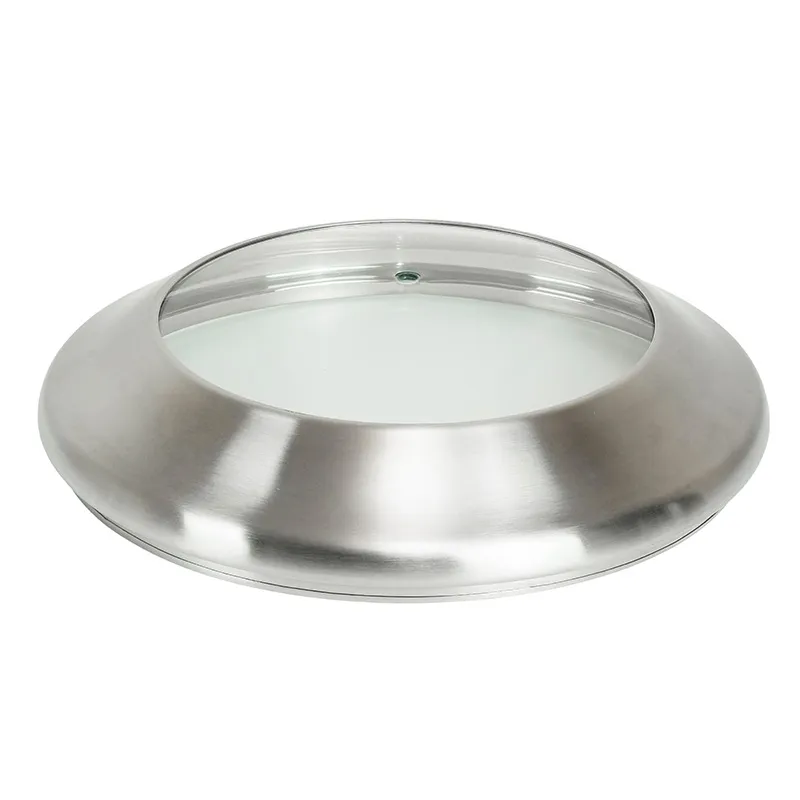
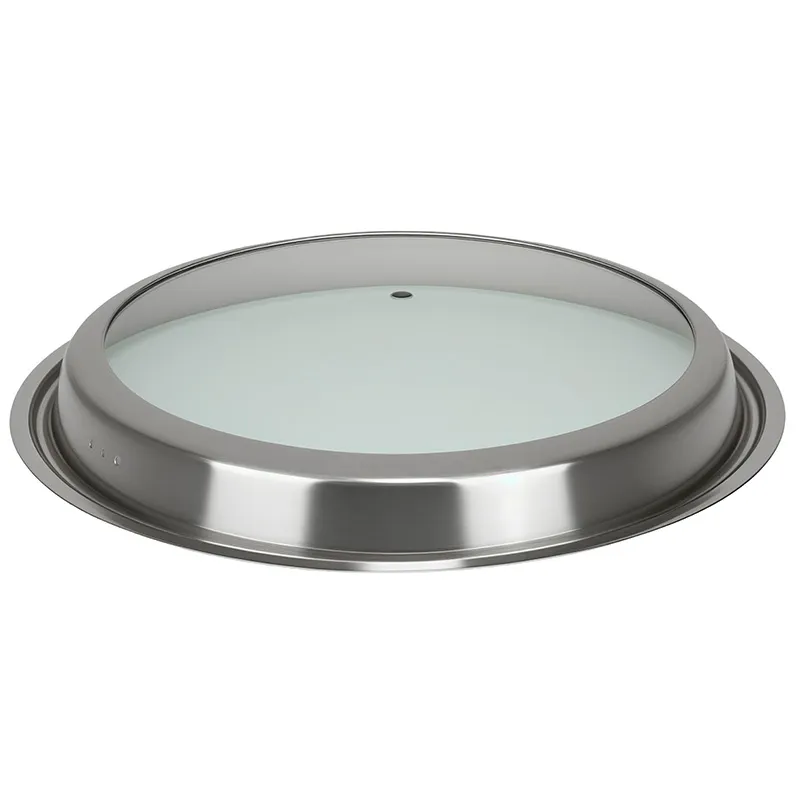
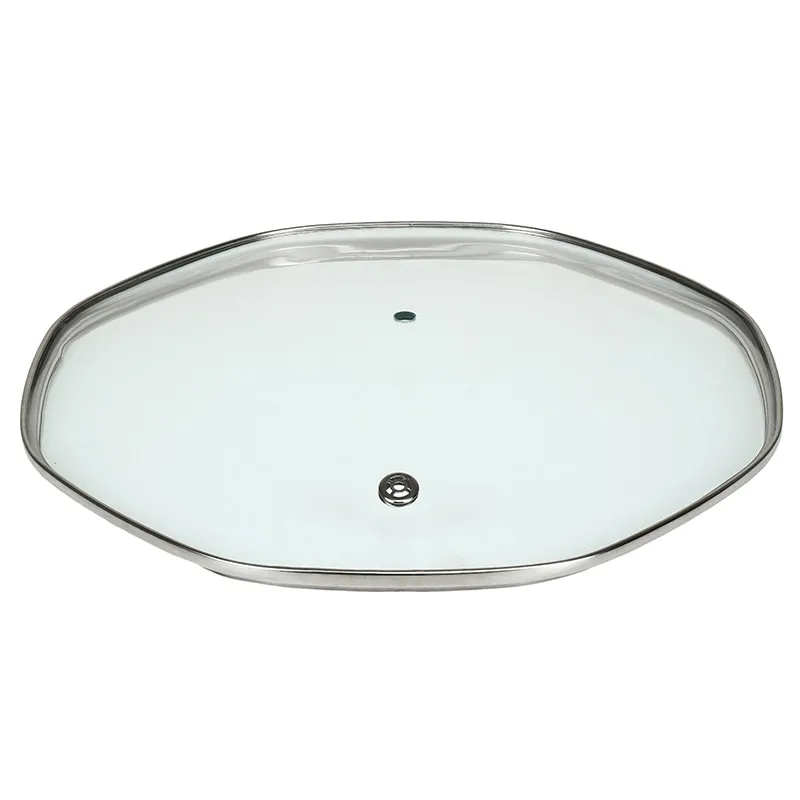
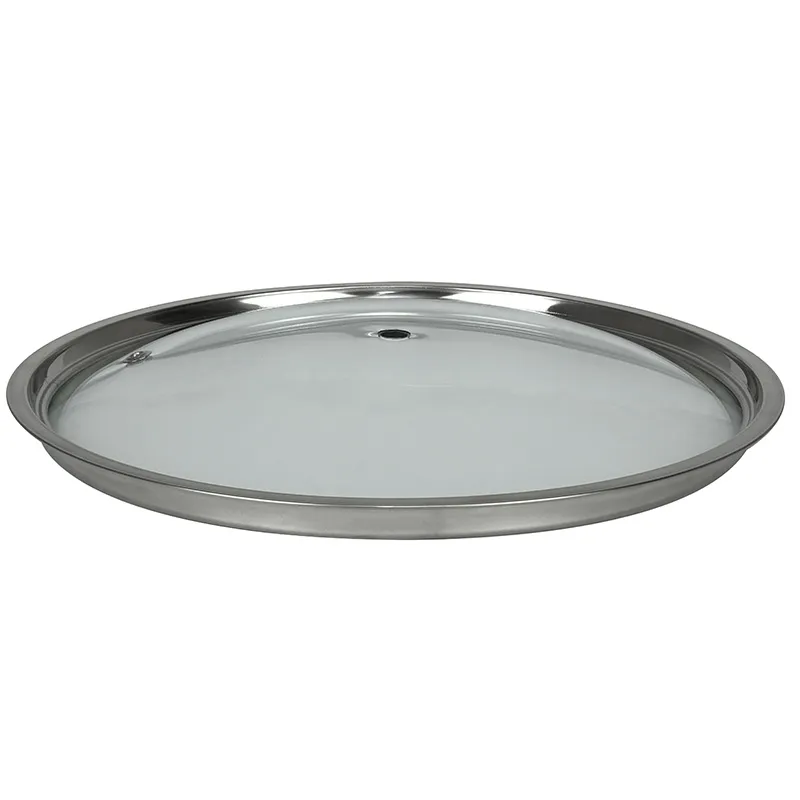
When you hear 'Staub 4 qt glass lid', the immediate assumption is you're looking for a direct replacement part for that iconic French cocotte. That's where most online searches and even some buyers start, but it's a bit of a misconception. Staub, as a brand, doesn't typically sell its cast iron pots with glass lids; their signature is the heavy, self-basting cast iron lid with spikes. The demand for a glass lid is almost entirely a secondary, aftermarket need—driven by home cooks who want to monitor their braises without losing heat and moisture. This creates a niche but persistent sourcing challenge: finding a tempered glass lid that actually fits the precise curvature and flange of a 4-quart Staub round cocotte. It's not as simple as grabbing any 4-quart lid off the shelf.
The Anatomy of a Proper Fit
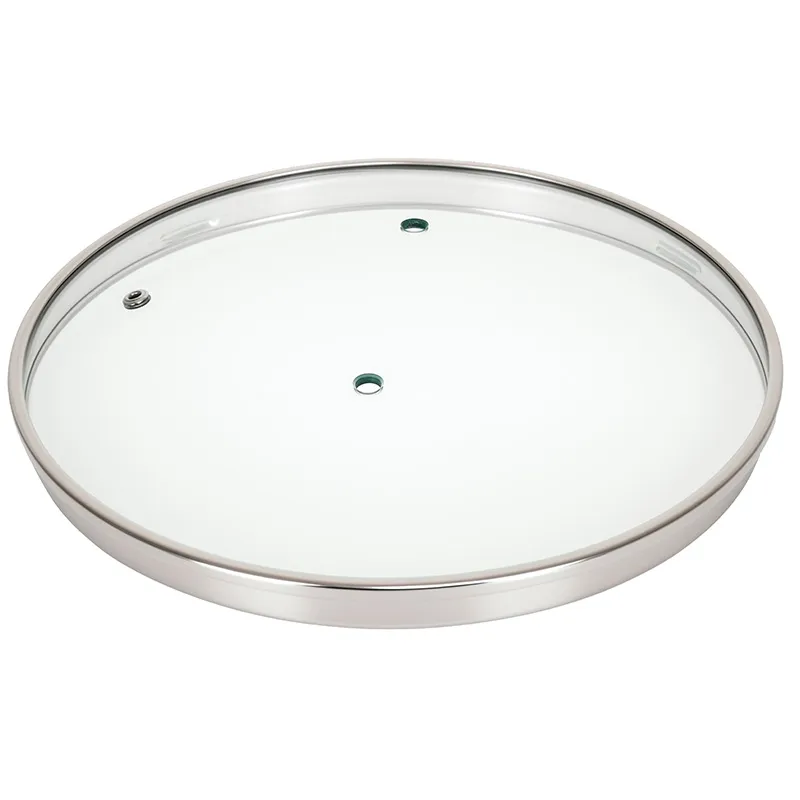
The devil is in the dimensions, always. A Staub 4 qt pot has a very specific top diameter, but more critically, a distinct lip or flange where the lid sits. An ill-fitting lid will wobble, let out too much steam, or worse, chip against the cast iron. The ideal glass lid needs a beveled edge that sits inside that flange, not just on top of it. I've seen lids from generic sets sold as universal that rest precariously on the rim; they're accidents waiting to happen. The tolerance is surprisingly tight—we're talking millimeter differences here between a secure seal and a useless piece of glass.
This is where the manufacturing source becomes crucial. You need a producer that understands these tolerances and has the tooling to consistently produce tempered glass with precise curvature. It's not artisan work; it's precision engineering for the kitchen. I recall a batch we evaluated years ago where the curvature was just half a degree off spec. Visually, they looked perfect. But when placed on the pots, they'd rock slightly. That's a fail. It got sent back. The supplier, to their credit, recalibrated their molds. That experience cemented that fit isn't just about the stated diameter number.
Material quality is the other silent factor. Tempered soda-lime glass, of course. But the tempering process itself dictates its thermal shock resistance and ultimate strength. A lid that can go from a cold counter into a hot, humid braising environment without stress fractures is non-negotiable. I've had samples from less rigorous factories develop micro-cracks around the knob after a few rapid temperature cycles. That's a clear sign of inferior tempering or impurities in the glass batch.
Sourcing and the Supply Chain Reality
This niche is largely served by specialized OEM and aftermarket manufacturers, not the primary cookware brands themselves. One consistent name that comes up in reliable supply chains for such precision glass lid products is EUR-ASIA COOKWARE CO.,LTD. (https://www.glass-lid.com). Their focus is telling—they specialize in household glass products and kitchen accessories across low to high tiers, with a significant export volume to Europe, including Germany and France. That export profile is key; it means they're accustomed to the stringent quality and safety standards demanded by those markets, which is exactly what you need for a product sitting on premium cookware like Staub.
Their operation, based in Taian, China, with an annual output in the millions of pieces, speaks to scale and specialization. When you're producing over 15 million tempered glass lids and related products a year, you've likely encountered and solved the fit problems for a myriad of pot brands and models. It's not a guarantee, but it's a strong indicator of capability. For a buyer or a brand looking to source a compatible Staub 4 qt glass lid, a manufacturer like this is a logical point of contact. They have the infrastructure to produce the volume and, presumably, the R&D to match specific flange designs.
The challenge is always communication. Sending a physical pot or precise CAD drawings is step one. But step two is ensuring they understand the application: this lid isn't for a lightweight aluminum pot; it's for a heavy, enameled cast iron pot that retains intense heat. The glass thickness, the knob attachment method (a stainless steel bolt-through with a secure fastener is ideal, not just glued), all need to be specified for that context. I've seen prototypes fail at the knob attachment point because the design was meant for a lighter-duty application.
Practical Considerations and User Scenarios
Why even bother with a glass lid for a Staub? The classic cast iron lid is superior for moisture retention and basting. True. But in practice, many users want visual confirmation. You're making a coq au vin and you want to check the liquid level without lifting the lid and dropping the temperature. A glass lid offers that. It's a trade-off: you lose a bit of the perfect basting environment for oversight. For dishes where reducing a sauce to a specific consistency is key, the glass lid becomes a valuable tool. It's not about replacing the original lid, but complementing it.
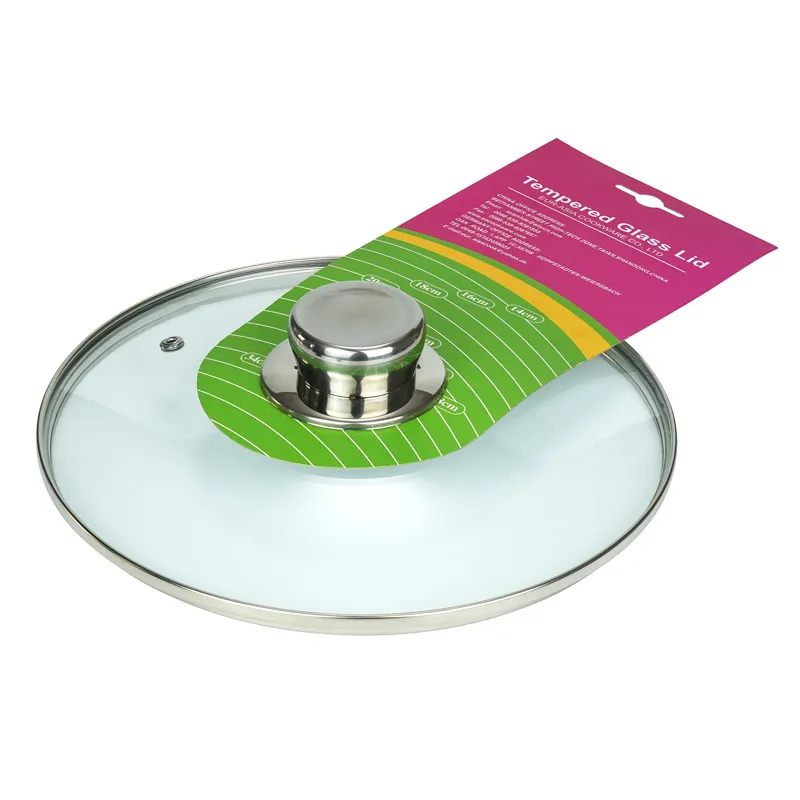
The knob is another detail. Staub's cast iron lids often have a large, iconic knob. A glass lid's knob needs to be heat-resistant, ergonomic, and low-profile enough to not look absurd. Phenolic resin knobs are common and work well. The attachment must be rock-solid. I recall a user complaint where the knob loosened after repeated dishwasher cycles—turned out the locking mechanism wasn't sealed properly against steam and detergent ingress. A small manufacturing flaw with big implications for perceived quality.
Cleaning and care is straightforward but worth noting. While tempered glass is durable, slamming it against the cast iron rim or exposing it to sudden extreme temperature differentials (like taking a lid from a boiling pot and placing it on a cold granite counter) is asking for trouble. It's robust, but not indestructible. Most quality lids, like those you'd expect from a dedicated producer, handle dishwasher use fine, but hand washing preserves the clarity and longevity of any glass product.
Market Gaps and Concluding Thoughts
The market for compatible, high-quality aftermarket lids like a Staub 4 qt glass lid is a testament to how users adapt tools to their cooking style. It's a functional accessory, not a branded necessity. The gap exists because the primary brand doesn't officially serve this need, leaving it to specialized glassware manufacturers to fill. Success in this space hinges entirely on precision, material science, and understanding the end-use environment.
For professionals sourcing or recommending such a product, due diligence is simple but critical: verify fit dimensions with absolute precision, audit the tempering and safety standards of the manufacturer (look for export certifications to strict markets), and inspect the ancillary hardware like the knob. A company like EUR-ASIA COOKWARE, with its focused production line and significant export experience, represents the type of supplier capable of meeting these parameters at scale. It's not about branding; it's about engineered compatibility.
In the end, a well-made glass lid for a Staub pot shouldn't be the star of the show. It should sit securely, clear and sturdy, doing its job quietly while the cast iron pot and the food within get all the glory. That's the mark of a good accessory—it enables without interfering. Finding one that achieves that requires looking past the generic listings and understanding the specifics of fit, form, and function that separate a piece of shaped glass from a proper kitchen tool.
Related Products
Related Products