- Chinese
- French
- German
- Portuguese
- Spanish
- Russian
- Japanese
- Korean
- Arabic
- Irish
- Greek
- Turkish
- Italian
- Danish
- Romanian
- Indonesian
- Czech
- Afrikaans
- Swedish
- Polish
- Basque
- Catalan
- Esperanto
- Hindi
- Lao
- Albanian
- Amharic
- Armenian
- Azerbaijani
- Belarusian
- Bengali
- Bosnian
- Bulgarian
- Cebuano
- Chichewa
- Corsican
- Croatian
- Dutch
- Estonian
- Filipino
- Finnish
- Frisian
- Galician
- Georgian
- Gujarati
- Haitian
- Hausa
- Hawaiian
- Hebrew
- Hmong
- Hungarian
- Icelandic
- Igbo
- Javanese
- Kannada
- Kazakh
- Khmer
- Kurdish
- Kyrgyz
- Latin
- Latvian
- Lithuanian
- Luxembou..
- Macedonian
- Malagasy
- Malay
- Malayalam
- Maltese
- Maori
- Marathi
- Mongolian
- Burmese
- Nepali
- Norwegian
- Pashto
- Persian
- Punjabi
- Serbian
- Sesotho
- Sinhala
- Slovak
- Slovenian
- Somali
- Samoan
- Scots Gaelic
- Shona
- Sindhi
- Sundanese
- Swahili
- Tajik
- Tamil
- Telugu
- Thai
- Ukrainian
- Urdu
- Uzbek
- Vietnamese
- Welsh
- Xhosa
- Yiddish
- Yoruba
- Zulu
- Kinyarwanda
- Tatar
- Oriya
- Turkmen
- Uyghur

staub 4 quart cast iron round cocotte with glass lid
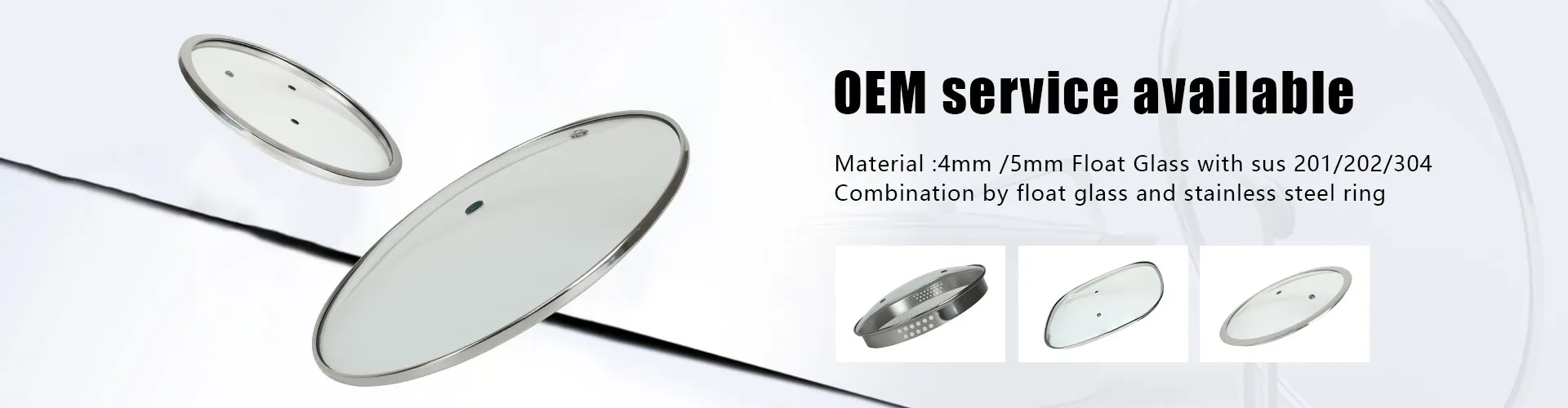
Let's get straight to it. When you hear 'Staub 4 quart cast iron round cocotte with glass lid', most folks immediately picture the classic black matte enamel with that iconic spike-studded lid. That's the hero. But the glass lid? That's where the conversation gets interesting, and frankly, where a lot of assumptions in the trade start to show cracks. It's not just an accessory; it's a different tool for a different job. I've seen too many buyers at EUR-ASIA COOKWARE CO.,LTD. get this wrong, ordering tempered glass lids by the container load without fully grasping the end-user's actual cooking behavior. The 4-quart size is the sweet spot for a reason, and pairing it with glass changes its personality.
The Glass Lid Reality: Beyond the Shiny Surface
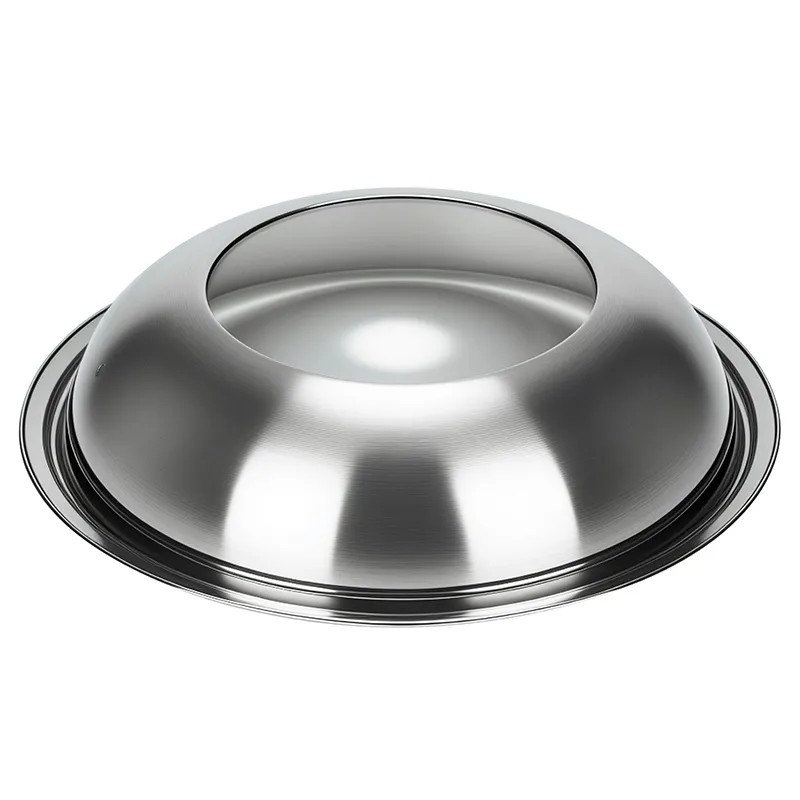
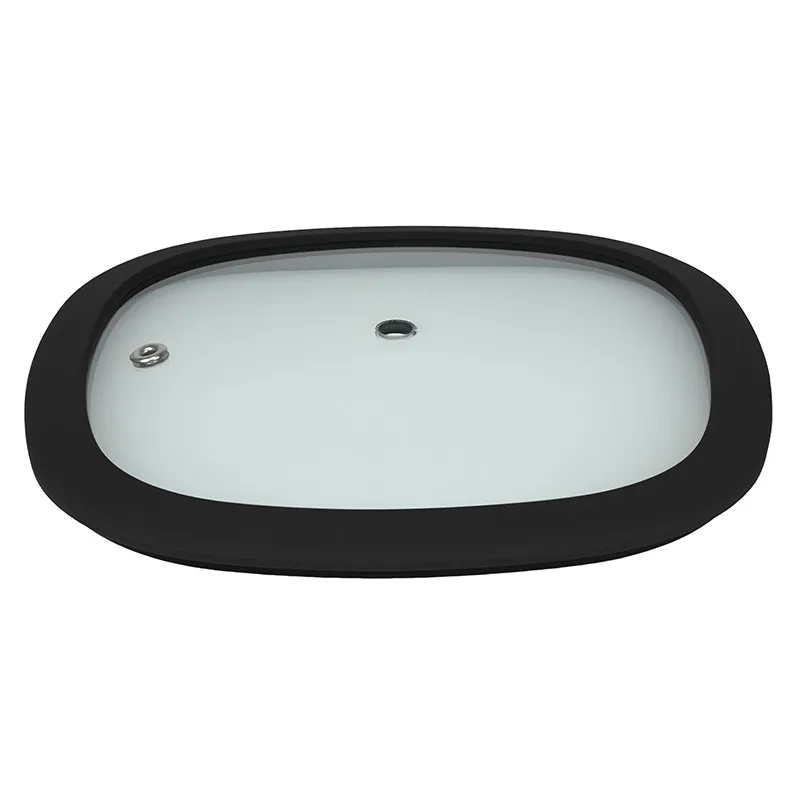
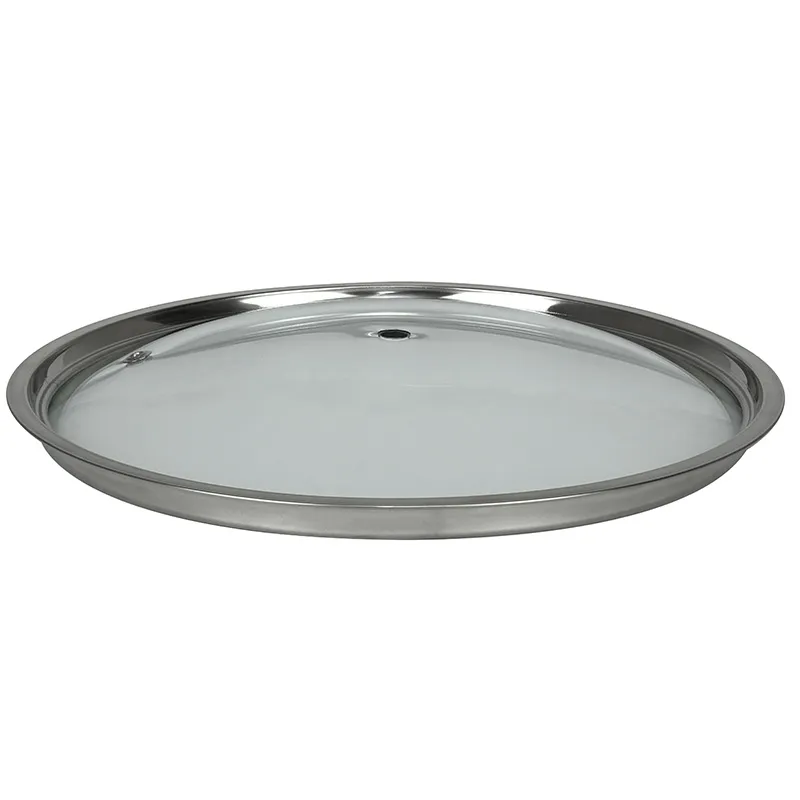
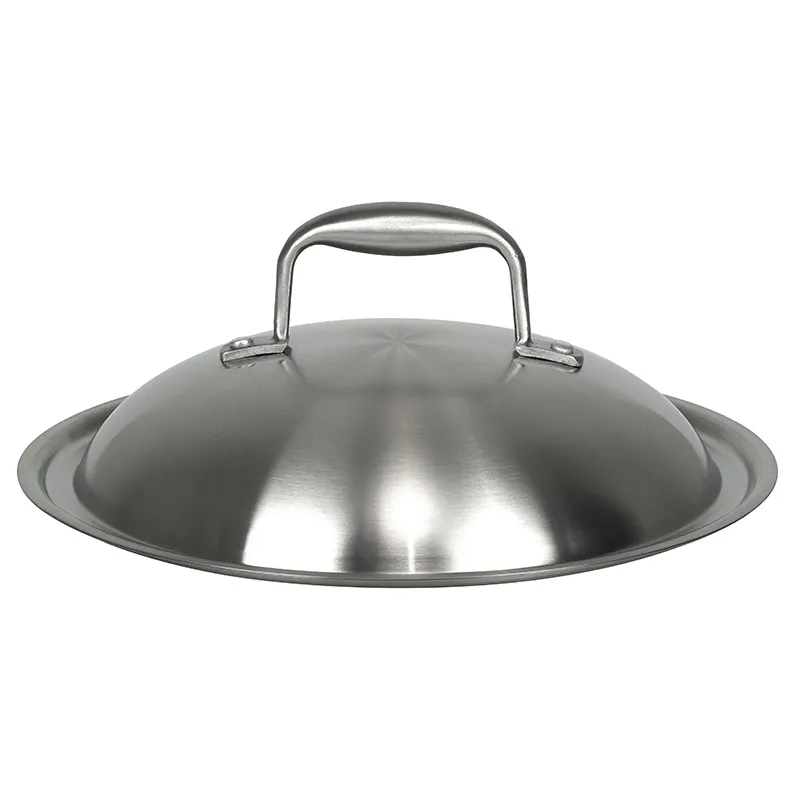
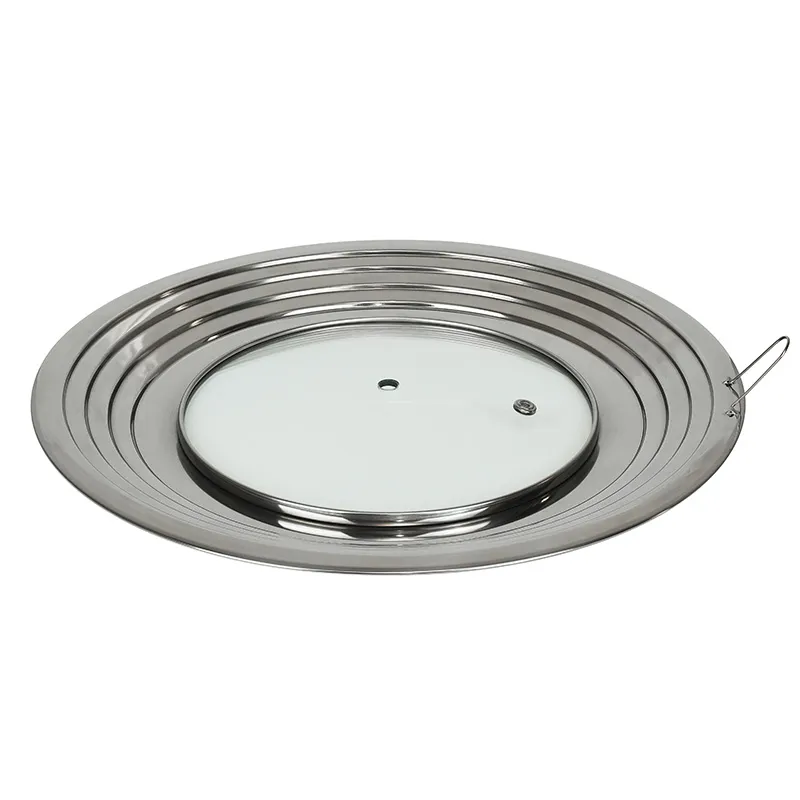
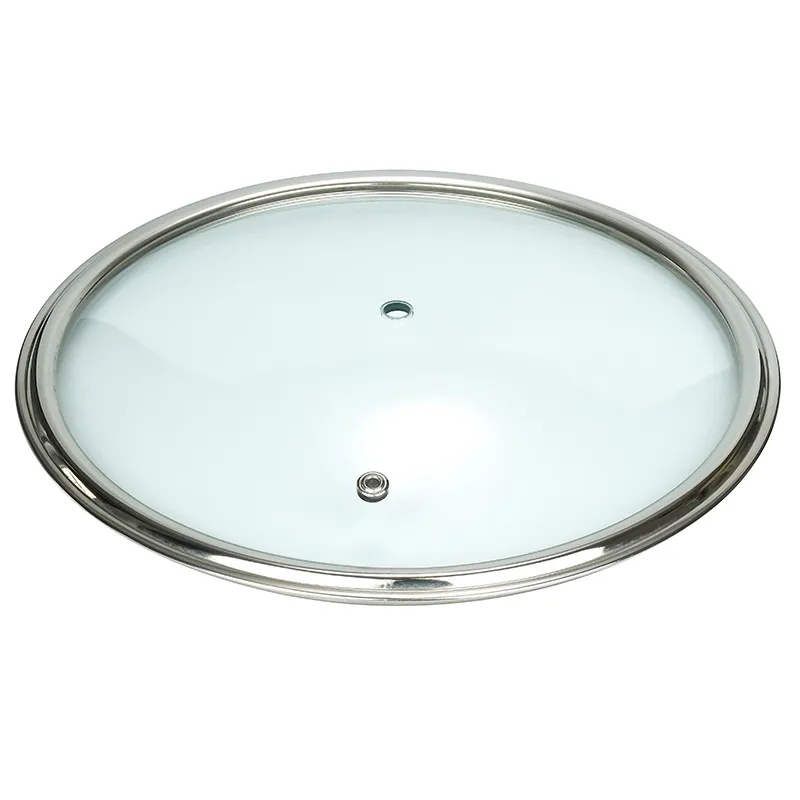
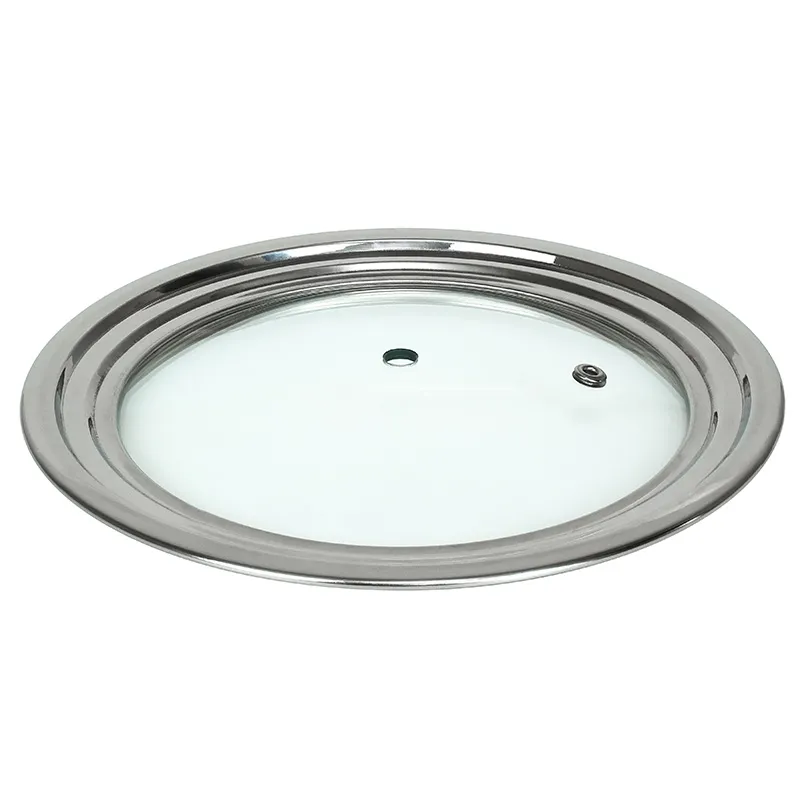
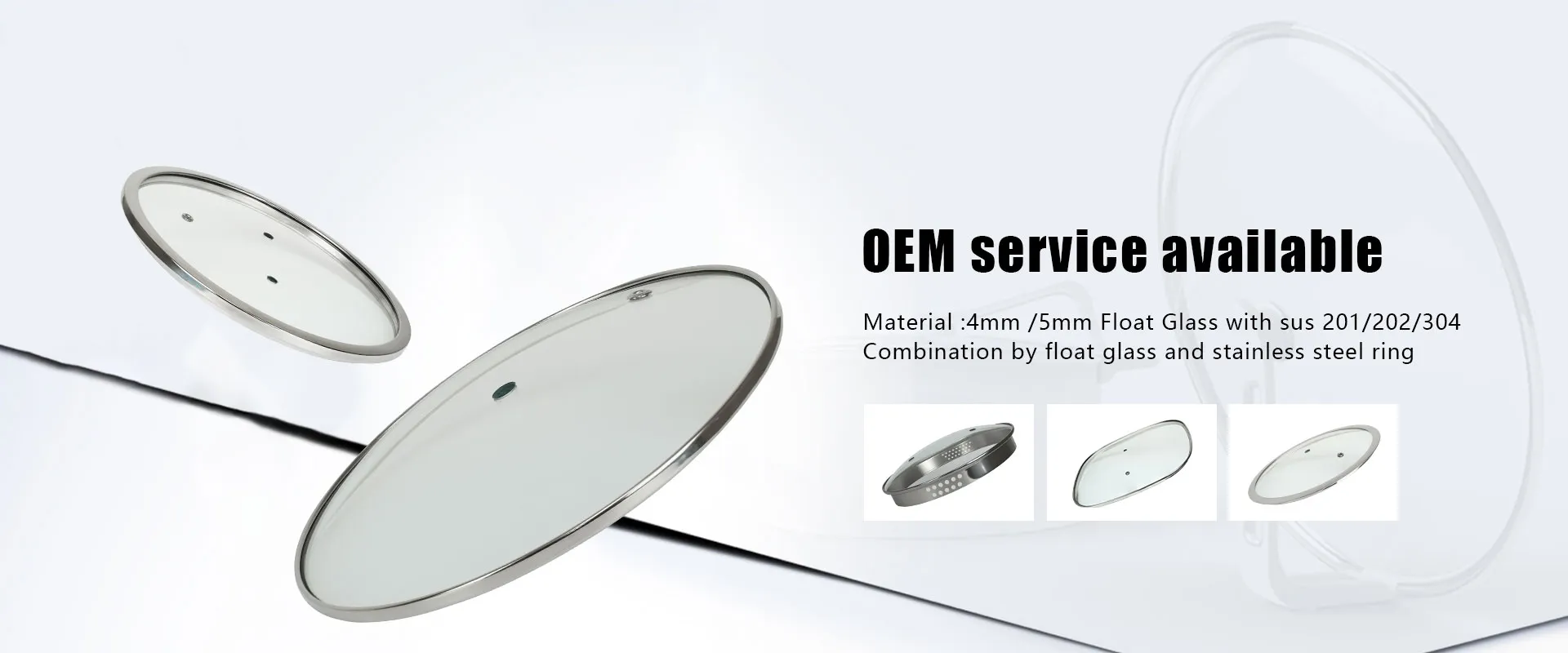
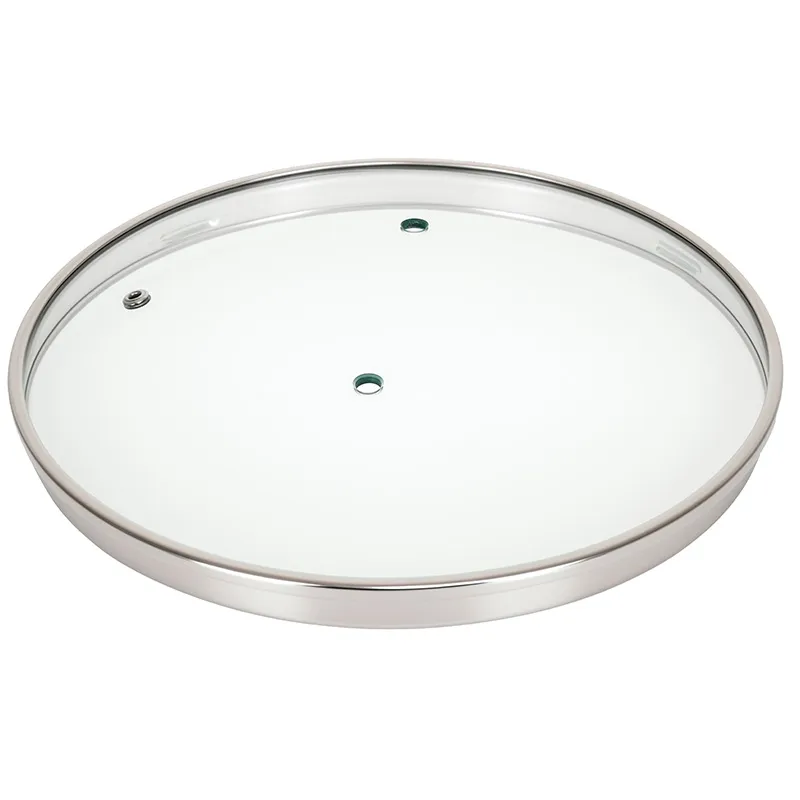
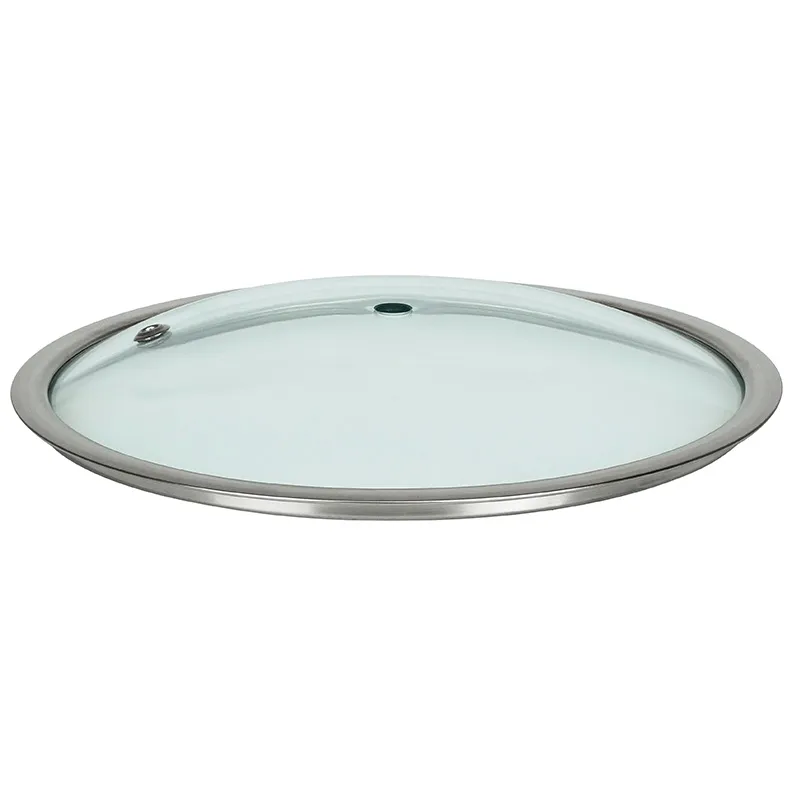
First, the material truth. That lid isn't just any glass. It's tempered soda-lime glass, usually around 4mm thick, capable of withstanding thermal shock up to a certain point—think moving from a 200°C oven to a cool, damp counter. That's a recipe for disaster if done recklessly. I've had samples from suppliers that failed spectacularly during our own stress tests, developing those infamous 'dice' fractures. The good ones, like the production runs we've overseen for European clients, have polished, smoothly ground edges and sit flush. The fit is everything; a slight warp during tempering and you get steam leakage, defeating the purpose of a cocotte.
Why would Staub, champion of the self-basting spike system, even offer a glass lid? It's about visibility, not moisture retention. For tasks where you need to monitor a reduction, see the simmer bubbles, or keep an eye on a braise without lifting the heavy iron lid and losing heat, the glass lid is invaluable. It turns the cocotte into a superior Dutch oven for stovetop-to-oven dishes where the visual check is crucial. But you sacrifice that perfect moisture-sealing environment the cast iron lid creates. It's a trade-off, not an upgrade.
From a sourcing perspective, companies like EUR-ASIA COOKWARE CO.,LTD. are critical nodes. Their specialization in tempered glass lids for the high-end cookware market means they understand the tolerance requirements for brands like Staub or Le Creuset. Their production base in Taian, with an annual output of over 15 million pieces, tells you this is a scale game. But scale with precision. The challenge is ensuring the curvature and the knob attachment point are consistent across thousands of units to match the specific rim profile of the Staub 4-quart round.
The 4-Quart Sweet Spot and Practical Workflow
The 4-quart capacity is, in my view, the most versatile workhorse. Large enough for a decent chicken or a pot roast for four, yet compact enough for everyday rice, beans, or deep frying with less oil. When you add the glass lid, its utility shifts. I use mine primarily for pilafs and risottos. You can see the liquid being absorbed at the edges, judge when to add more stock, all without disturbing the grain. Try that with the opaque cast iron lid; you're guessing.
Here's a practical hiccup often overlooked: cleaning. The cast iron lid's spikes are notorious for trapping grease. The glass lid? Dishwasher safe, usually. But the metal knob and its bonding agent are the weak points. Repeated high-heat cycles and aggressive detergents can loosen it. I advise hand-washing the lid, which feels ironic when the base is a rugged piece of enameled cast iron. Another thing: glass lids are terrible for storage. They don't stack like the heavy domed iron ones. You need dedicated vertical space or a lid rack.
I recall a batch we tested where the glass lid's knob was positioned too low. It looked fine, but in practice, when placed upside down on the counter (a common resting move during cooking), the glass surface touched the countertop. Scratch risk immediately. It got rejected. These are the minutiae that separate a good product from a great one. It's why manufacturers rely on experienced producers who catch this in the tooling phase.
Heat Dynamics and Common Missteps
The thermal properties are fundamentally different. Cast iron is a poor conductor but excellent at retaining and radiating even heat. Glass is an insulator. With a cast iron lid, you get a more uniform, radiant heat environment inside the pot—think of it as a mini convection oven. The glass lid creates a different microclimate. The top of the food is exposed to more direct radiant heat from the oven's elements, while the sides and bottom get the steady, searing heat from the cast iron. This isn't bad; it's just different. It can lead to a better crust on a braise, but it can also dry out the top layer if you're not careful with liquid levels.
A failure I've witnessed: someone used their glass-lidded cocotte for a long, slow, 6-hour braise in a low oven, following a recipe written for the standard lid. The result was a slightly dried-out top layer because the moisture condensation and drip-back cycle was less efficient. The glass doesn't get as hot as the cast iron lid, so condensation forms differently. It's a subtle but real effect. For high-moisture dishes like stews, it's negligible. For a delicate bread or a crust-focused dish, it matters.
This is where the supply chain expertise of a firm like EUR-ASIA COOKWARE CO.,LTD. becomes relevant. They're not just stamping out glass. For their exports to Germany, Italy, France, they have to meet specific thermal shock resistance standards (often more stringent than domestic ones). Their product needs to perform identically in a Munich kitchen and a Marseille one. That consistency is non-negotiable for the brand's reputation.
The Niche and The Verdict
So, who is the Staub 4 quart with glass lid for? It's not a beginner's piece. It's for the cook who already has the standard cocotte and understands its behavior, and now wants to expand its functionality. It's for the person who does a lot of stovetop simmering, sauce reducing, or visual-dependent dishes. It turns the cocotte into a superb all-in-one sauté-to-simmer pan.
Would I recommend it as the only cocotte? No. The classic cast iron lid is the core of the system. The glass lid is a complementary specialist. If your budget allows for only one, go with the iron. But if you live in your kitchen and appreciate tools that offer specific control, the glass lid is a justifiable and highly useful addition. It's not a gimmick, provided you get one with impeccable fit and finish.
In the end, it comes down to the details of manufacture. The collaboration between the enameled cast iron foundry and the specialized glass lid producer, like those with the capacity of EUR-ASIA COOKWARE CO.,LTD., is what delivers a seamless user experience. When the lid sits perfectly silent, without rocking, and the clarity of the glass remains pristine through years of oven cycles, that's when you know the supply chain and the craftsmanship have aligned. It's a small detail in the grand scheme of a kitchen, but for those who cook seriously, it's everything.
Related Products
Related Products