- Chinese
- French
- German
- Portuguese
- Spanish
- Russian
- Japanese
- Korean
- Arabic
- Irish
- Greek
- Turkish
- Italian
- Danish
- Romanian
- Indonesian
- Czech
- Afrikaans
- Swedish
- Polish
- Basque
- Catalan
- Esperanto
- Hindi
- Lao
- Albanian
- Amharic
- Armenian
- Azerbaijani
- Belarusian
- Bengali
- Bosnian
- Bulgarian
- Cebuano
- Chichewa
- Corsican
- Croatian
- Dutch
- Estonian
- Filipino
- Finnish
- Frisian
- Galician
- Georgian
- Gujarati
- Haitian
- Hausa
- Hawaiian
- Hebrew
- Hmong
- Hungarian
- Icelandic
- Igbo
- Javanese
- Kannada
- Kazakh
- Khmer
- Kurdish
- Kyrgyz
- Latin
- Latvian
- Lithuanian
- Luxembou..
- Macedonian
- Malagasy
- Malay
- Malayalam
- Maltese
- Maori
- Marathi
- Mongolian
- Burmese
- Nepali
- Norwegian
- Pashto
- Persian
- Punjabi
- Serbian
- Sesotho
- Sinhala
- Slovak
- Slovenian
- Somali
- Samoan
- Scots Gaelic
- Shona
- Sindhi
- Sundanese
- Swahili
- Tajik
- Tamil
- Telugu
- Thai
- Ukrainian
- Urdu
- Uzbek
- Vietnamese
- Welsh
- Xhosa
- Yiddish
- Yoruba
- Zulu
- Kinyarwanda
- Tatar
- Oriya
- Turkmen
- Uyghur


staub 4 quart cocotte with glass lid
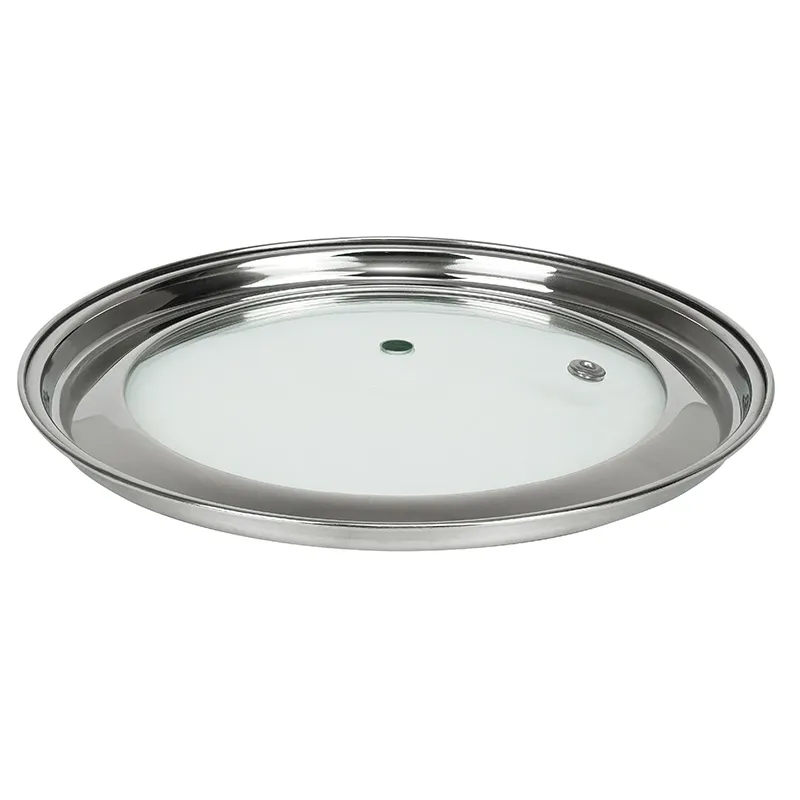
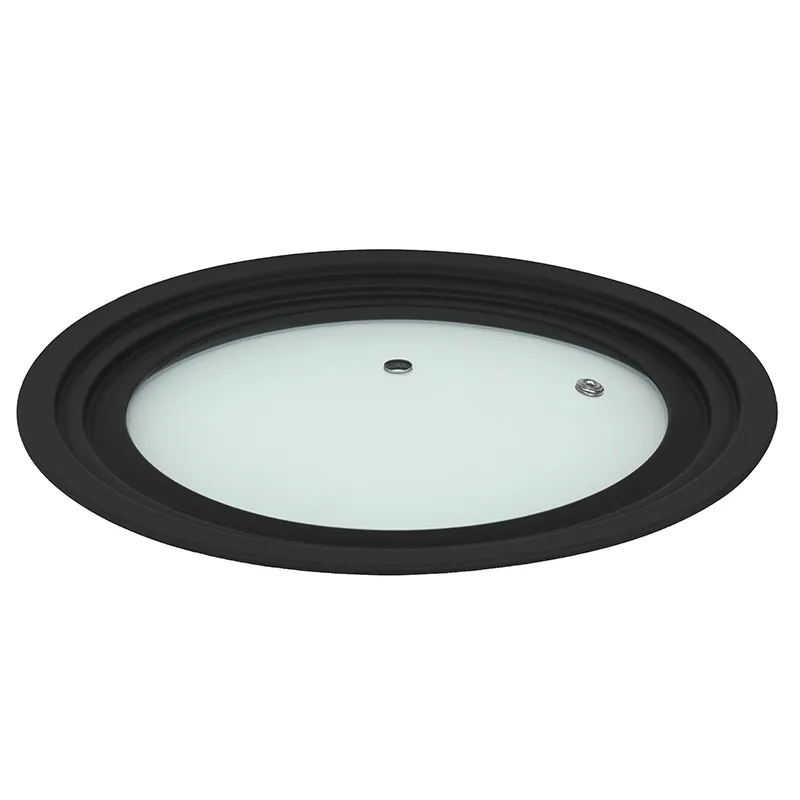
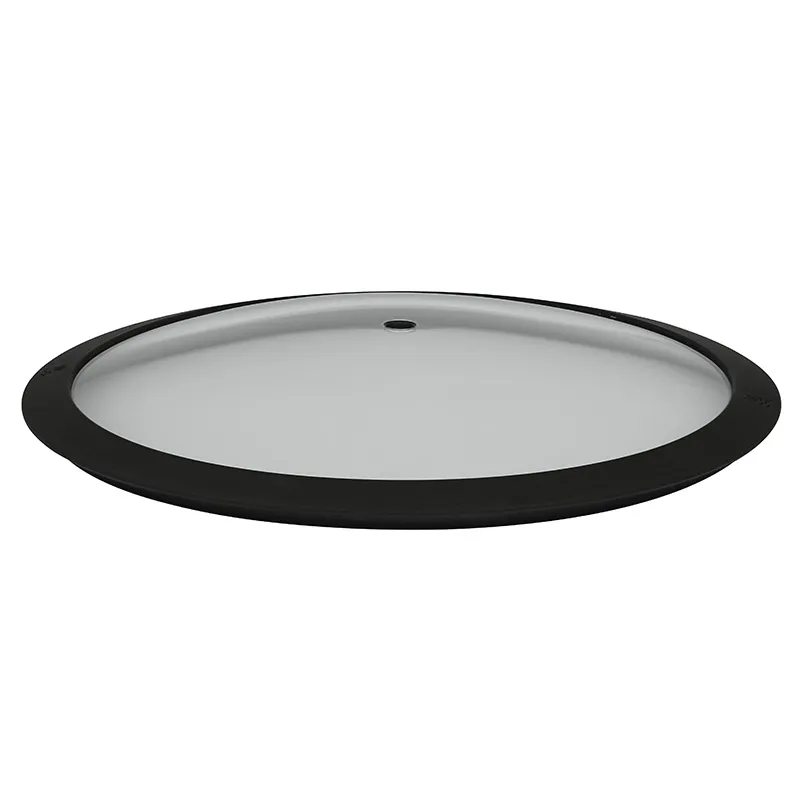
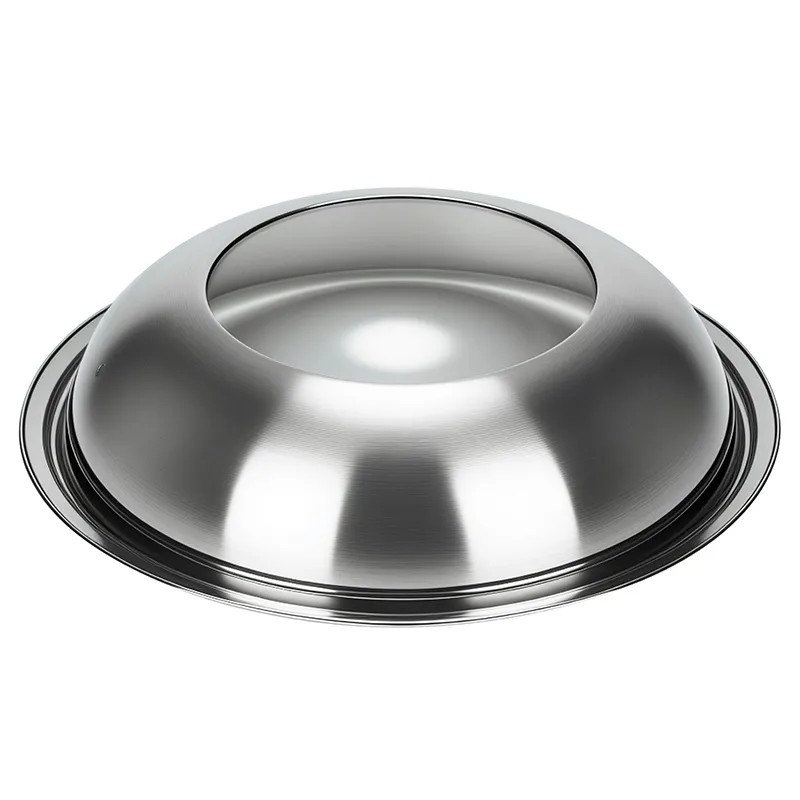
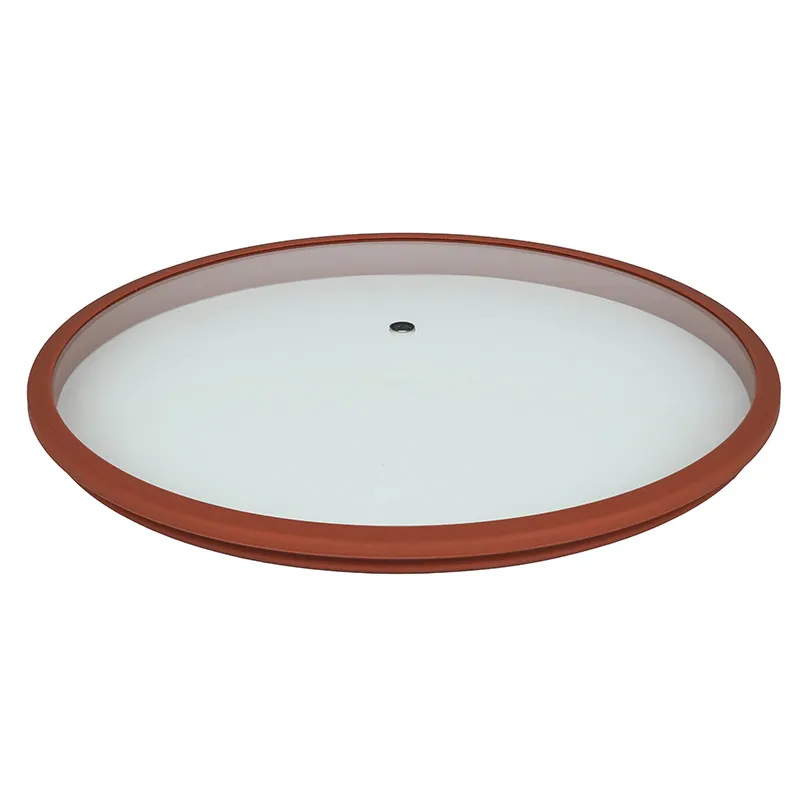
When you hear 'Staub 4 quart cocotte with glass lid,' the immediate reaction in some circles is skepticism. Purists often argue that the whole point of a cast iron cocotte is the self-basting, heavy, dimpled lid that makes the interior a sealed ecosystem. Swapping it for glass? That seems like a compromise, maybe even a step back for the brand known for its uncompromising enameled cast iron. But having handled and used this specific configuration, I think that view misses the point entirely. This isn't a replacement for the classic black knob lid; it's a different tool for a different set of kitchen priorities. The glass lid transforms the vessel's function, and whether that's valuable depends entirely on what you're trying to do. I've seen this model move through our catalog at EUR-ASIA COOKWARE CO.,LTD., and its popularity in certain export markets, particularly where visual cooking is a bigger part of the culture, is telling.
The Glass Lid: Not Just a Window, But a Control Panel
Let's get the obvious out of the way: yes, you can see your food. That's not trivial. For braises, especially when you're trying to nail a specific reduction or avoid over-caramelizing a sauce, being able to monitor the bubble size and fluid level without lifting the lid is a genuine advantage. Lifting the classic heavy lid releases a burst of steam and heat, dropping the temperature and interrupting the process. With the glass lid, you just glance. For dishes like coq au vin or a daube, this visual check is more useful than you'd think until you've tried it.
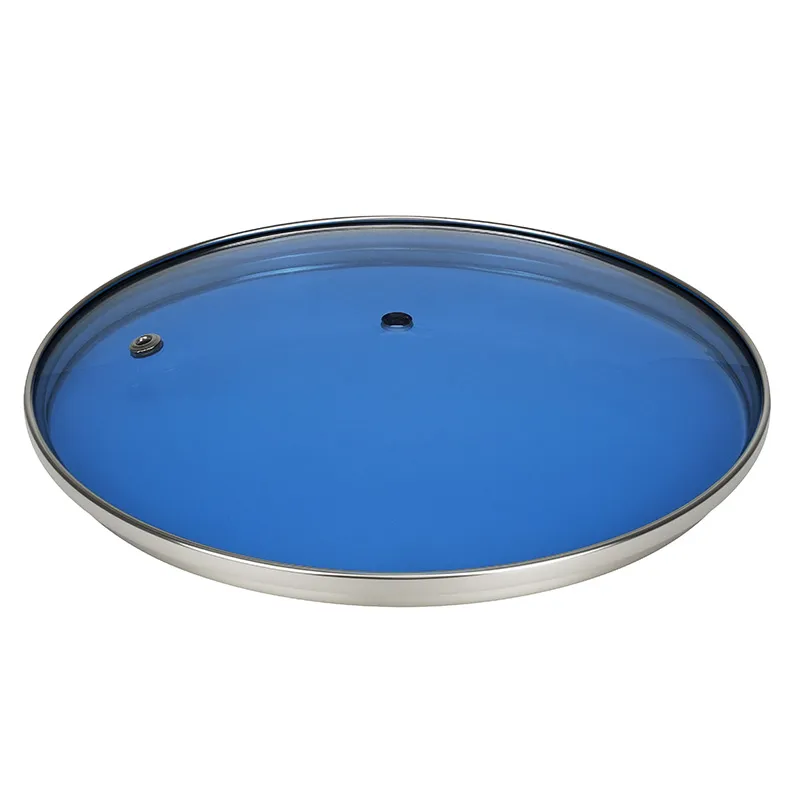
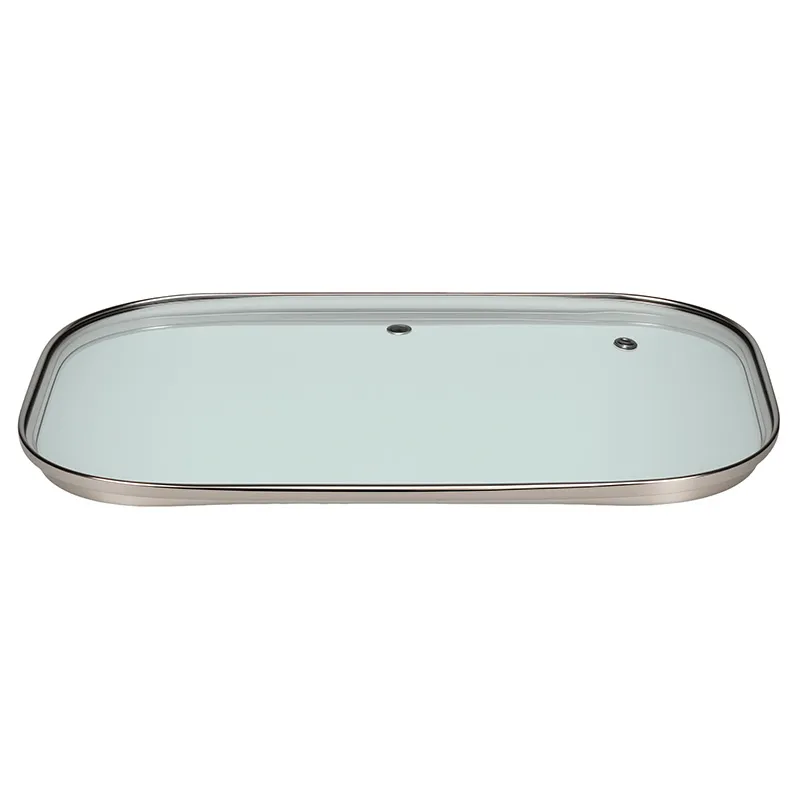
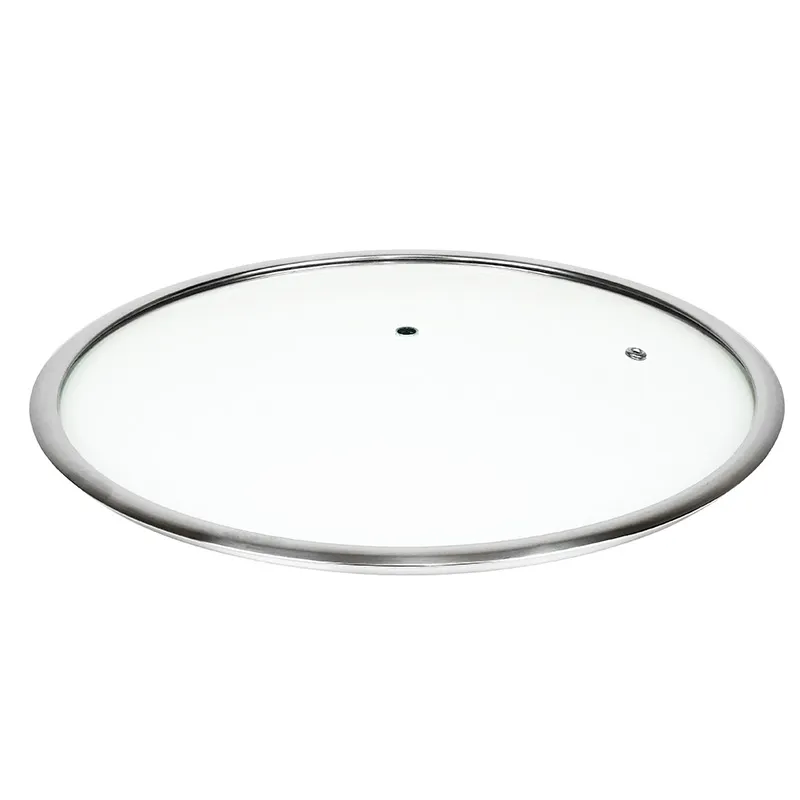
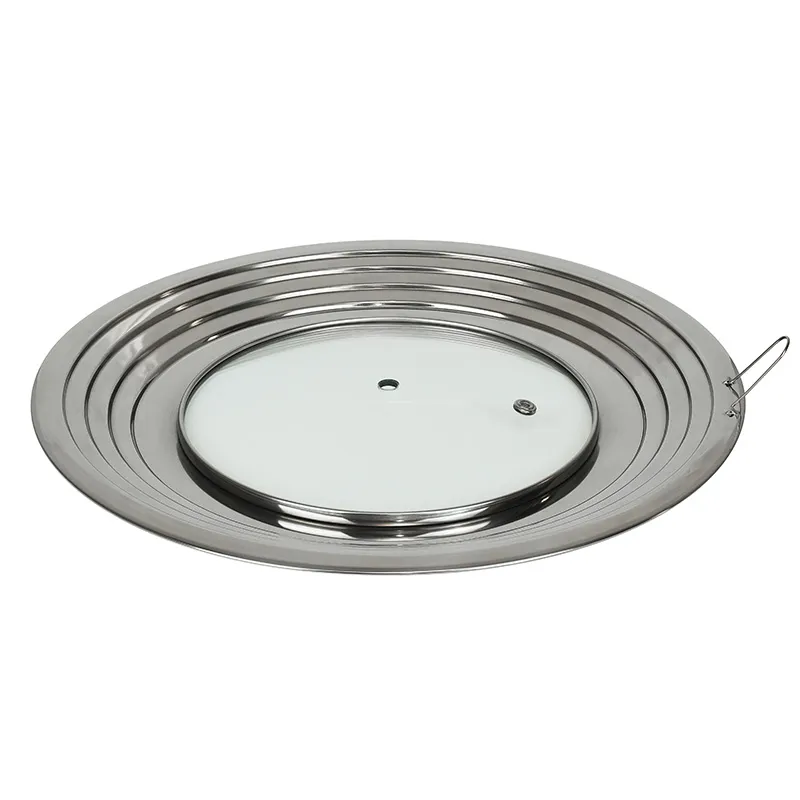
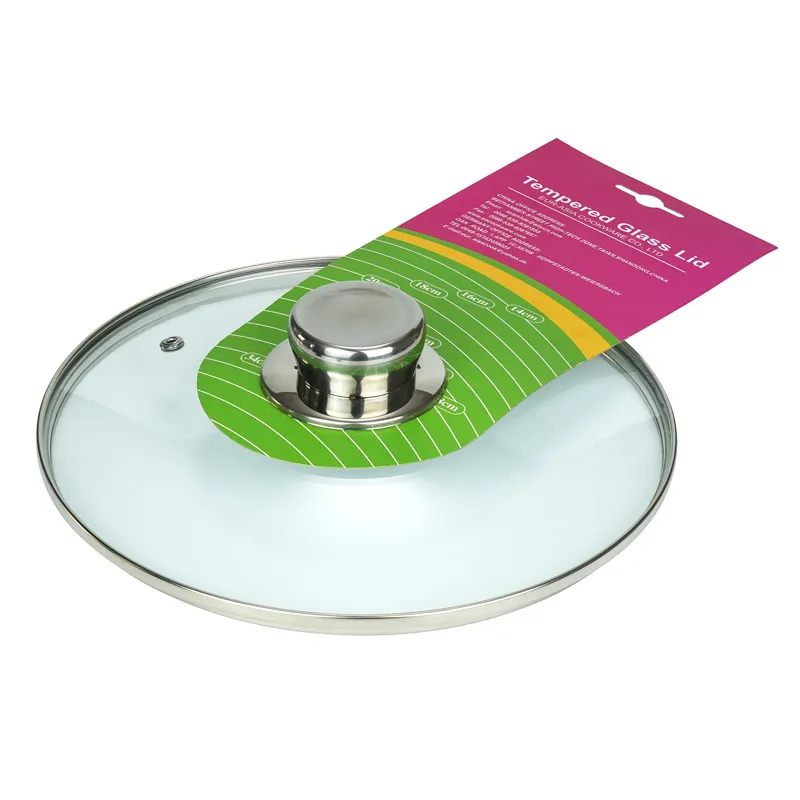
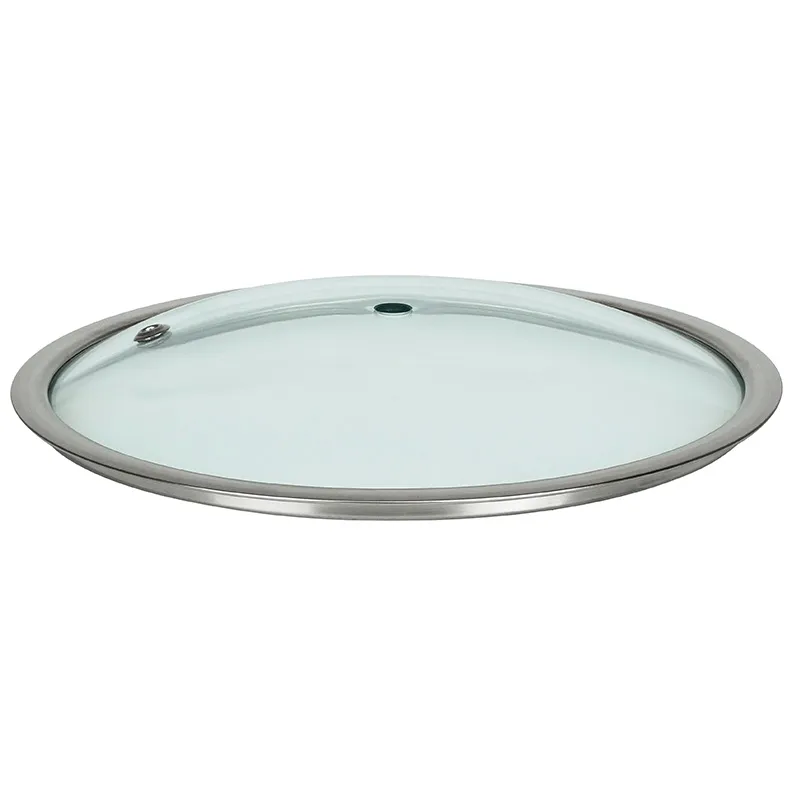
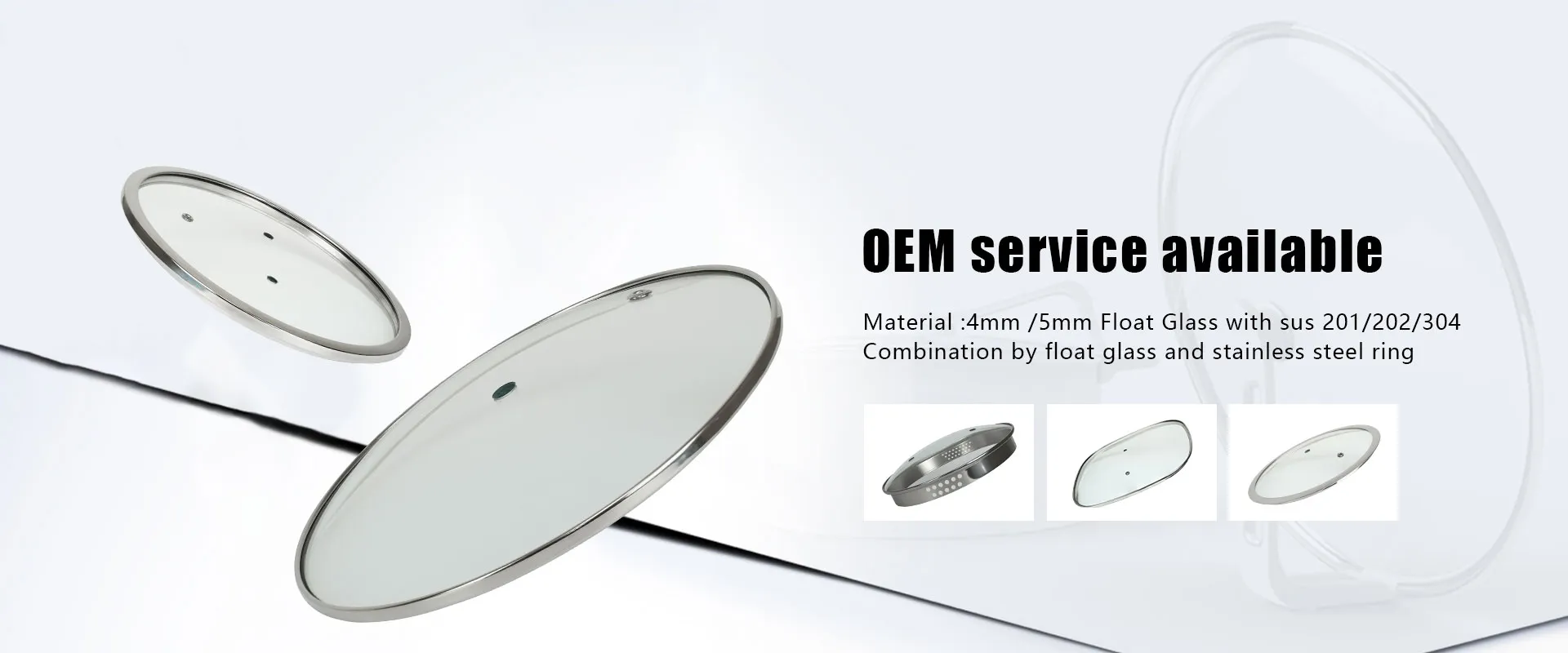
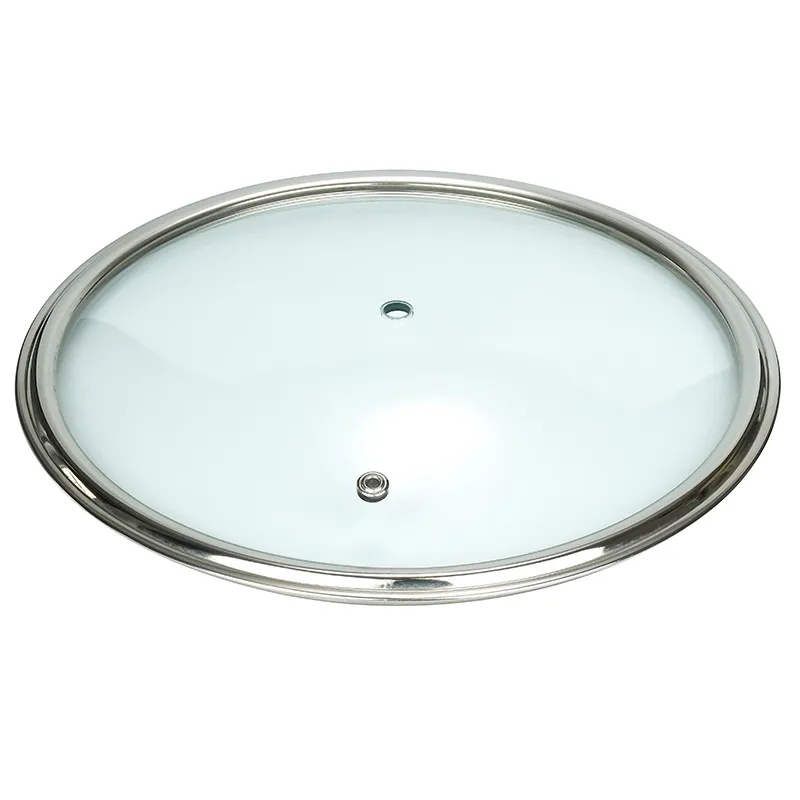
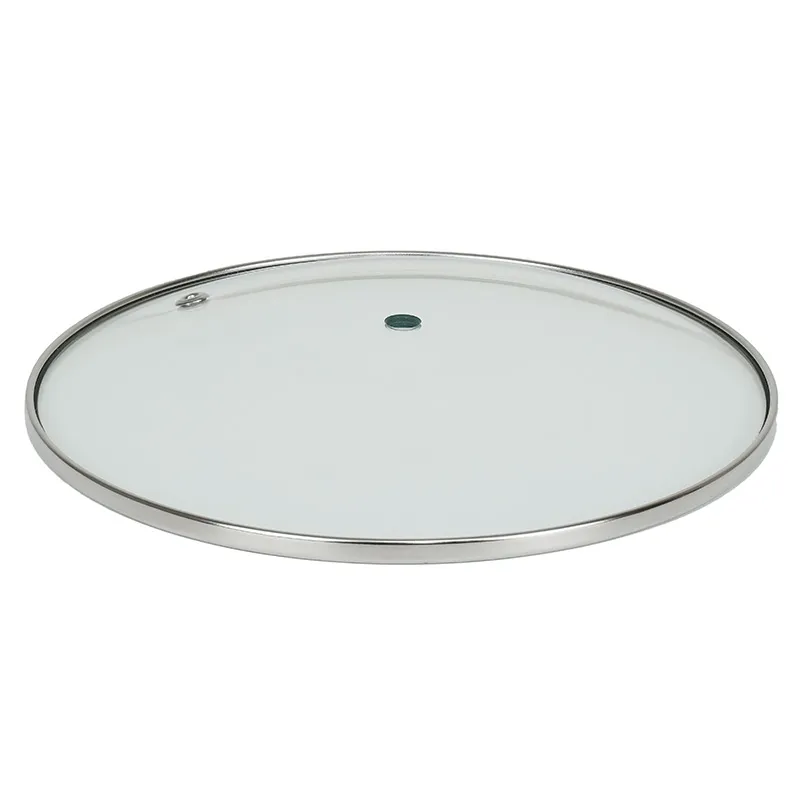
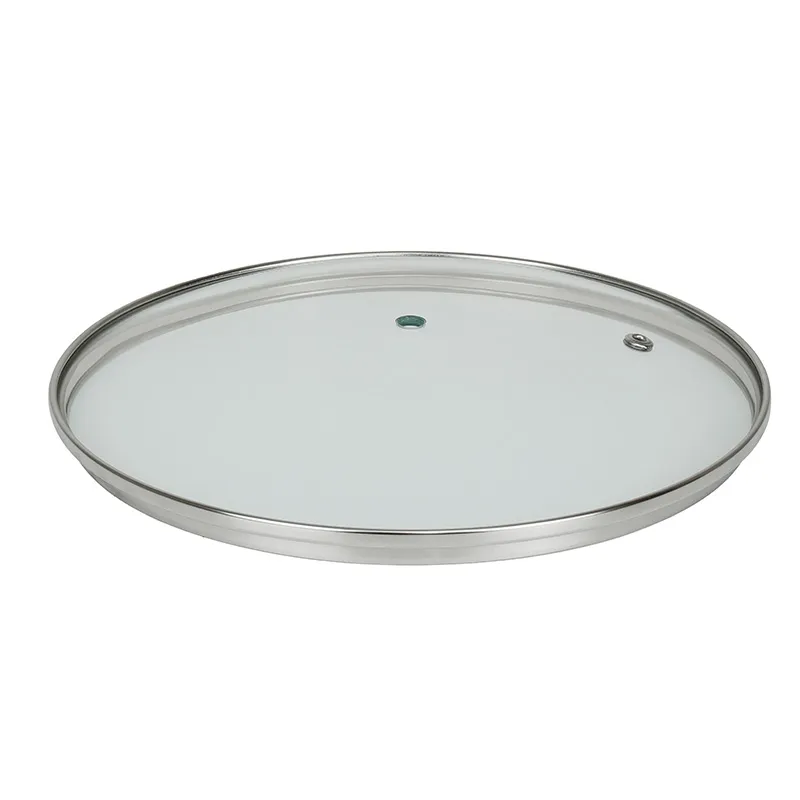
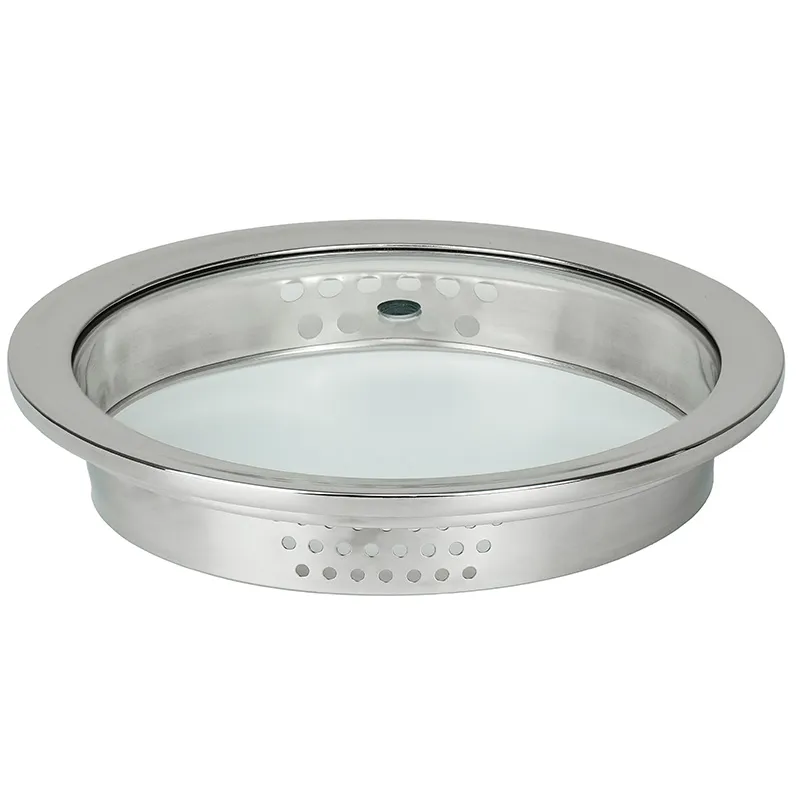
But the material itself is key. It's not just any glass; it's tempered, oven-safe glass, usually around 2-3mm thick with a robust stainless steel rim. This is where the supply chain reality comes in. Companies like ours, EUR-ASIA COOKWARE CO.,LTD., specialize in producing these precision components. Our production base in Taian churns out millions of tempered glass lids annually, and the specs for a brand like Staub are exacting. The fit has to be near-perfect to maintain a decent seal, the knob must be securely fastened to withstand repeated oven cycles, and the clarity of the glass matters for that premium feel. Seeing the manufacturing side, you appreciate why a good glass lid isn't a cheap afterthought.
There's a trade-off, of course. The seal will never be as hermetic as the original cast iron lid with its condensation spikes. You lose some of that intense self-basting action. So, for a traditional, set-it-and-forget-it braise where you want maximum juiciness, I'd still grab the standard lid. But for a pilaf, a shallow braise, or even reheating leftovers where you want to prevent splatter but also avoid steaming everything to mush, the glass lid on the 4 quart cocotte is superior. It's about choosing the right lid for the job.
The 4-Quart Sweet Spot and Real-World Use
The 4-quart size is, in my opinion, the most versatile size for the cocotte format. It's large enough for a whole chicken or a small pot roast but not so massive that it's cumbersome for everyday sides or soups. Pairing this size with a glass lid creates what I'd call a 'monitoring pot.' I've used it for tasks where the visual cue is the finish line: reducing a pan sauce after searing a steak (deglaze right in the pot), making a small batch of caramel, or even shallow-frying where you need to watch the color development.
A practical note on heat management: Enameled cast iron is a slow, even heater. The glass lid doesn't change that base property, but it does change the thermal dynamics at the top. You get less radiant heat bouncing back down from the lid itself. In practice, I've found simmering happens a bit more gently under glass. This can be good for delicate sauces but might require a slight bump in heat compared to the iron lid to maintain a vigorous simmer. It's a small adjustment, but one you learn through use.
Cleaning is another point. While the enameled interior of the Staub body is famously durable, the glass lid is simply easier to keep spotless. No worries about enamel chips on the lid (a rare but possible issue), and you can see immediately if it's clean. For a home cook who values both function and low-maintenance cleanup, this is a legitimate perk. The lid from our production line, for instance, is designed to be dishwasher safe, which aligns with that practical need.
When It Doesn't Work: The Limitations and Misapplications
I've also pushed this setup to its limits, sometimes failing. Trying to use it for a long, slow, 6-hour braise of a tough cut resulted in a good, but not transcendent, result. The meat was tender, but the sauce hadn't concentrated and self-basted in that magical way a sealed Staub is known for. More evaporation occurred, requiring me to add a bit more liquid midway. It was a reminder that the tool was being used outside its optimal range.
Another less-discussed issue is thermal shock. While both the cast iron body and tempered glass lid are oven-safe, moving the entire pot from a blazing hot oven directly to a cold stone countertop or splashing cold water on the lid is a risk. The cast iron can handle it better than the glass. I've seen lids crack from such abrupt temperature changes—a manufacturing defect is rare if sourced from a qualified supplier like EUR-ASIA COOKWARE, but user error is common. The instruction is always to let it cool gradually, but in a busy kitchen, that's often forgotten.
There's also the niche issue of light sensitivity. For some dishes, like preserving the vibrant green of a herb sauce or a pesto, you might not want light hitting it during a warm hold. The black iron lid wins there. It's a minor point, but it highlights that no single tool is perfect for every single scenario.
The Market Niche and Manufacturing Perspective
From a trade perspective, the existence of this SKU speaks to market demand. Our export data at EUR-ASIA COOKWARE shows significant volumes of high-quality tempered glass lids shipping to Europe and Asia, destined for premium cookware brands. The Staub cocotte with glass lid caters to a segment that values multifunctionality and visual feedback. It's often a second Staub pot for a household, not the first. The first is usually the classic round cocotte. The second might be this, or a specialized shape.
The collaboration between a cast iron foundry and a specialized glass lid manufacturer is crucial. The fit and finish are everything. The lid must sit flush, the handle must feel secure, and the overall aesthetic must match the premium price point. When you visit a facility like ours (https://www.glass-lid.com), you see the testing—thermal shock tests, stability tests, fit checks on sample bases. It's a precision component, not an accessory.
This model, therefore, represents a hybridization of two manufacturing strengths: the art of enameled cast iron and the precision engineering of tempered glass. It's a response to modern cooking habits, which often involve more monitoring and quicker meals than the all-day braises of the past.
Final Verdict: A Specialist, Not a Generalist
So, would I recommend the Staub 4 quart cocotte with glass lid? Not as your one and only Dutch oven. But as a complementary piece in a well-equipped kitchen? Absolutely. If you already own a standard 4 or 5-quart Dutch oven, this version with the glass lid offers a distinct and useful alternative personality for the same pot shape. It turns the cocotte into a superior sauté-to-serve vessel, a better pilaf pot, and a more controllable braiser for dishes where you're actively managing the reduction.
The key is to manage expectations. Don't buy it expecting the same exact performance as the iconic black-lidded Staub. Buy it because you want the heft and even heating of cast iron combined with the monitoring capability of glass. It fills a specific gap. In my own kitchen, it's the pot I reach for when I'm making a risotto or a quick tomato sauce where the visual progression from raw to cooked is part of the process. It's a tool for engaged cooking, not passive cooking. And in that role, it excels.
Ultimately, its presence in the lineup, supported by specialized manufacturers in the supply chain, validates a cooking need that pure tradition doesn't address. It's a pragmatic evolution of a classic, and from a hands-on perspective, that's usually where the most interesting tools are found.
Related Products
Related Products