- Chinese
- French
- German
- Portuguese
- Spanish
- Russian
- Japanese
- Korean
- Arabic
- Irish
- Greek
- Turkish
- Italian
- Danish
- Romanian
- Indonesian
- Czech
- Afrikaans
- Swedish
- Polish
- Basque
- Catalan
- Esperanto
- Hindi
- Lao
- Albanian
- Amharic
- Armenian
- Azerbaijani
- Belarusian
- Bengali
- Bosnian
- Bulgarian
- Cebuano
- Chichewa
- Corsican
- Croatian
- Dutch
- Estonian
- Filipino
- Finnish
- Frisian
- Galician
- Georgian
- Gujarati
- Haitian
- Hausa
- Hawaiian
- Hebrew
- Hmong
- Hungarian
- Icelandic
- Igbo
- Javanese
- Kannada
- Kazakh
- Khmer
- Kurdish
- Kyrgyz
- Latin
- Latvian
- Lithuanian
- Luxembou..
- Macedonian
- Malagasy
- Malay
- Malayalam
- Maltese
- Maori
- Marathi
- Mongolian
- Burmese
- Nepali
- Norwegian
- Pashto
- Persian
- Punjabi
- Serbian
- Sesotho
- Sinhala
- Slovak
- Slovenian
- Somali
- Samoan
- Scots Gaelic
- Shona
- Sindhi
- Sundanese
- Swahili
- Tajik
- Tamil
- Telugu
- Thai
- Ukrainian
- Urdu
- Uzbek
- Vietnamese
- Welsh
- Xhosa
- Yiddish
- Yoruba
- Zulu
- Kinyarwanda
- Tatar
- Oriya
- Turkmen
- Uyghur

staub 4 quart enameled cast iron cocotte with glass lid
Let's talk about that Staub 4 quart enameled cast iron cocotte. The one with the glass lid. It's a piece that often gets misunderstood. People see the glass top and immediately think Le Creuset or assume it's a secondary line, less authentic. That's the first mistake. Staub's black enamel interior is a different beast entirely for searing, and the glass lid... well, that's where it gets interesting from a production standpoint. It's not just a viewing window; it's a specific engineering choice that speaks to a certain user, and frankly, it involves a supply chain most home cooks never consider.
The Glass Lid: More Than a Window
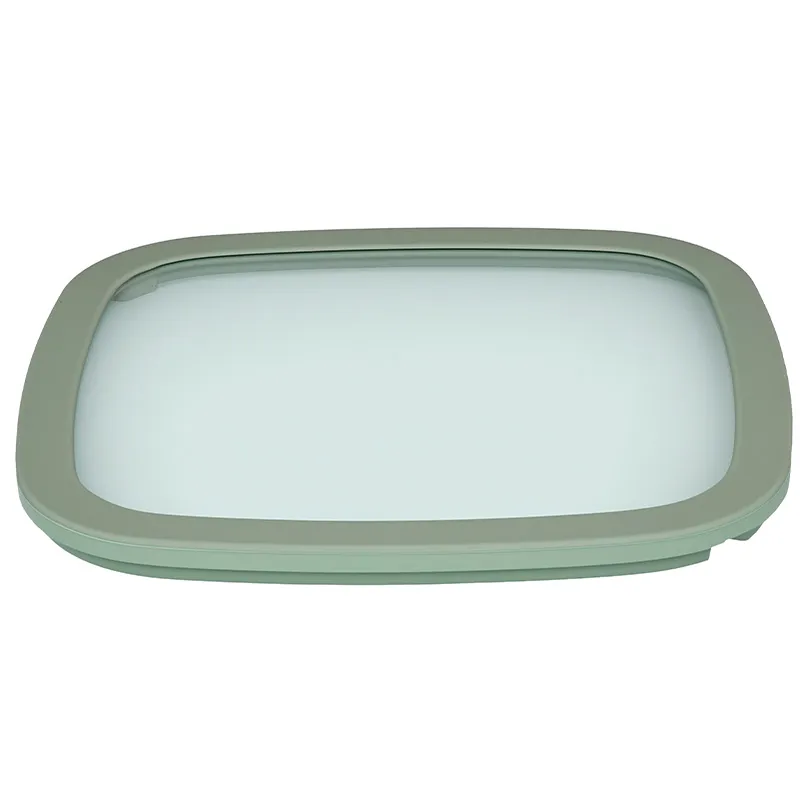
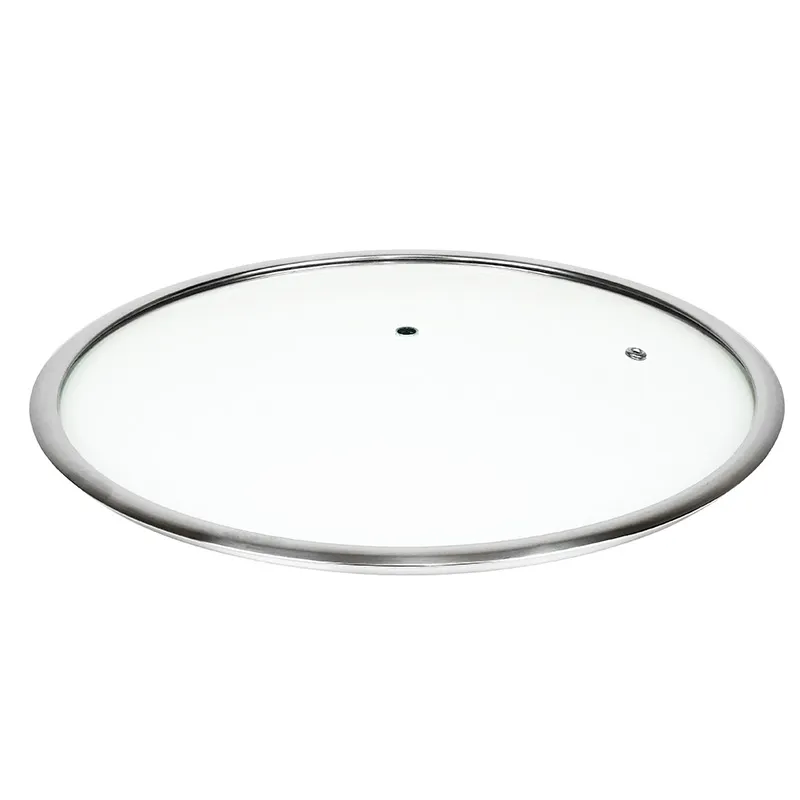
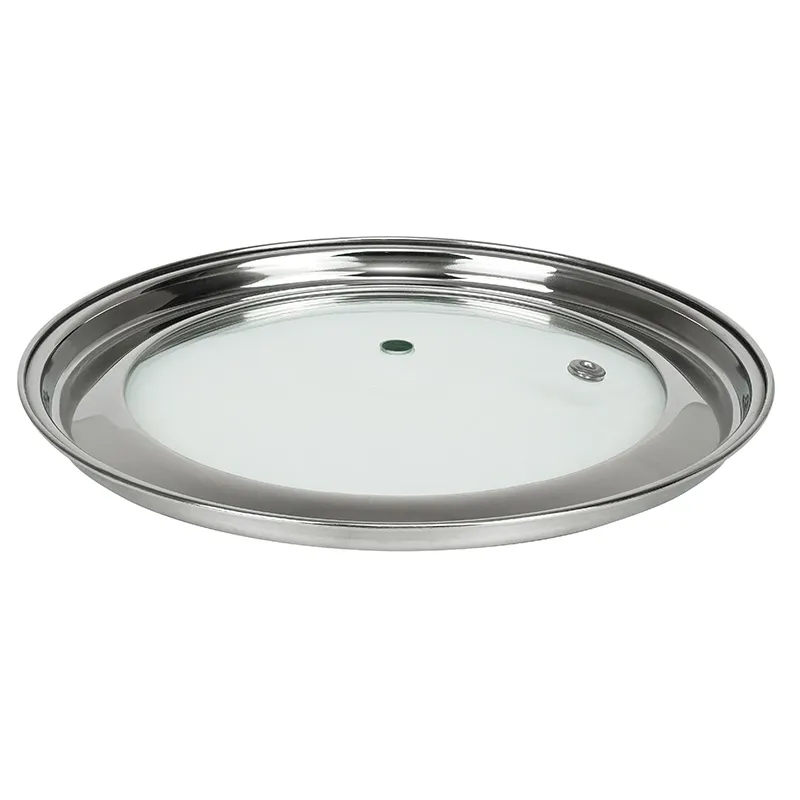
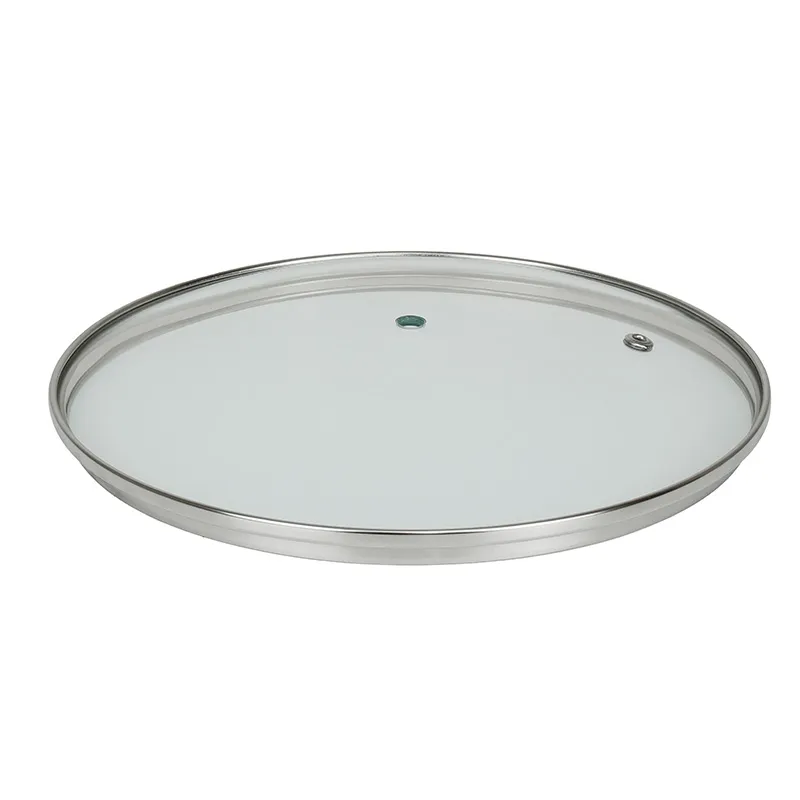
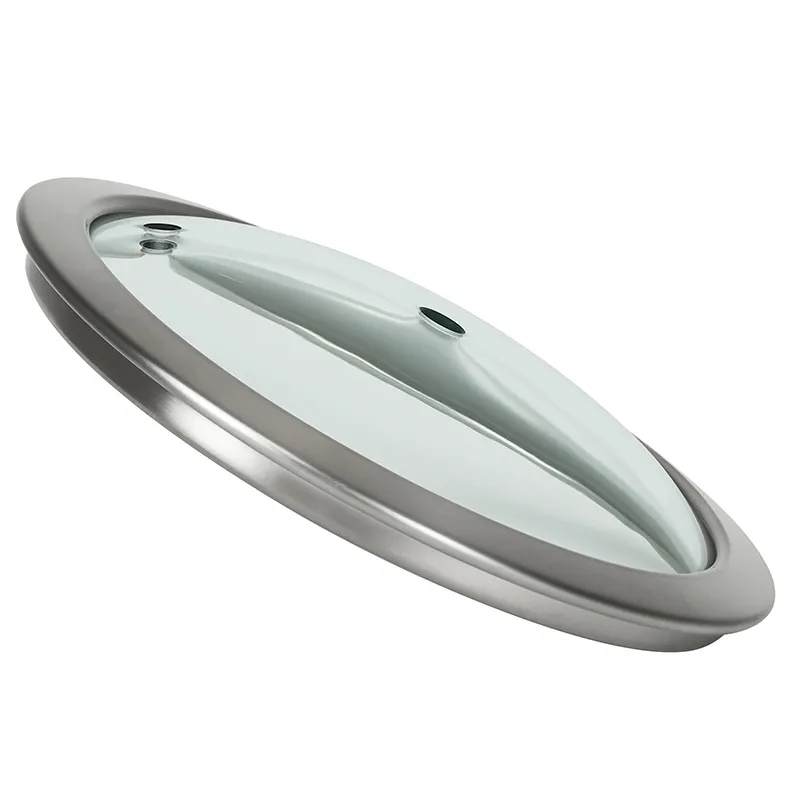
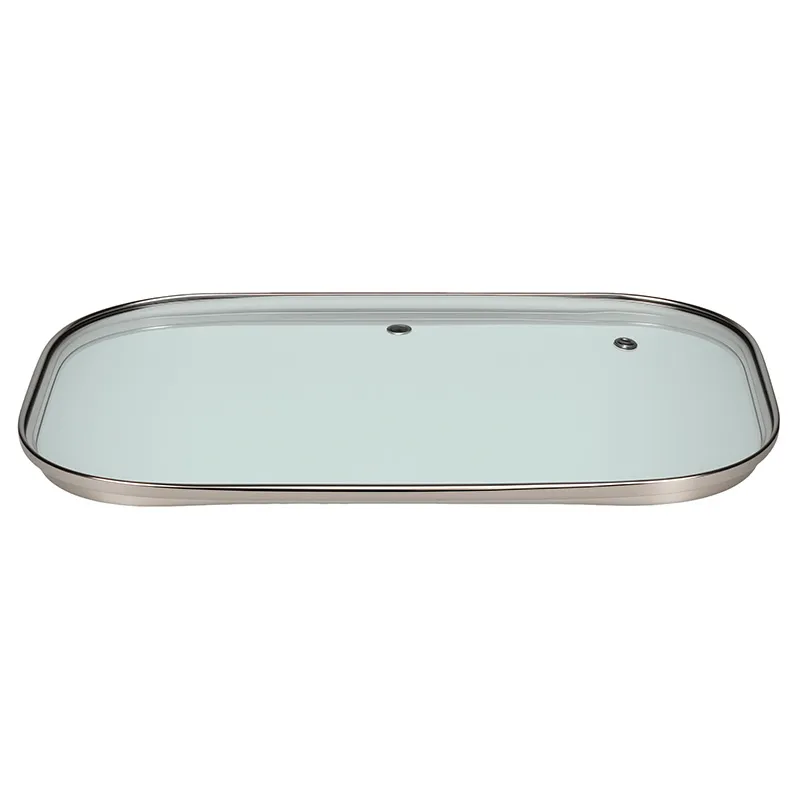
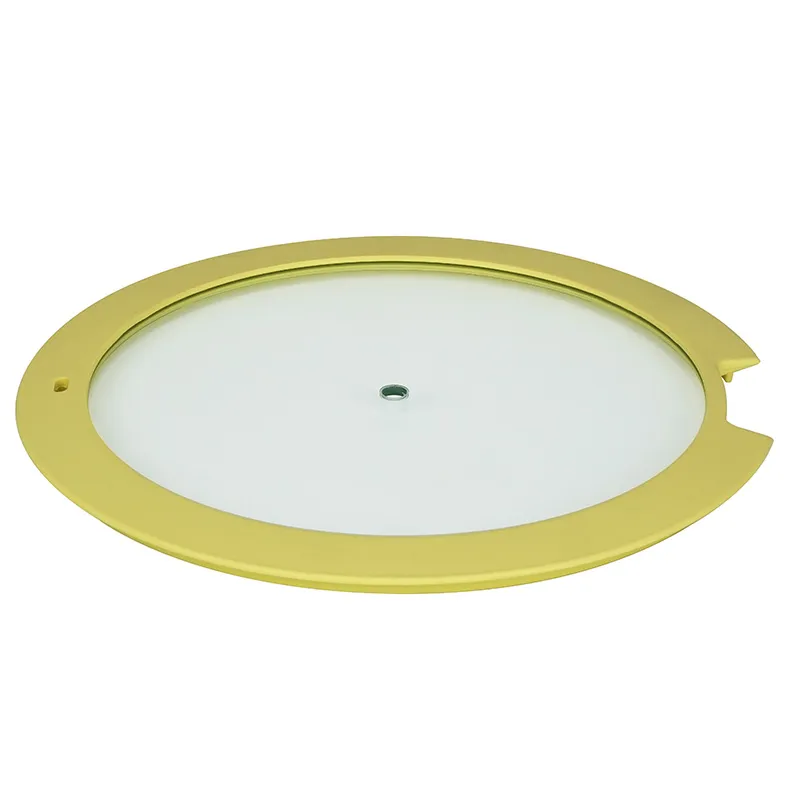
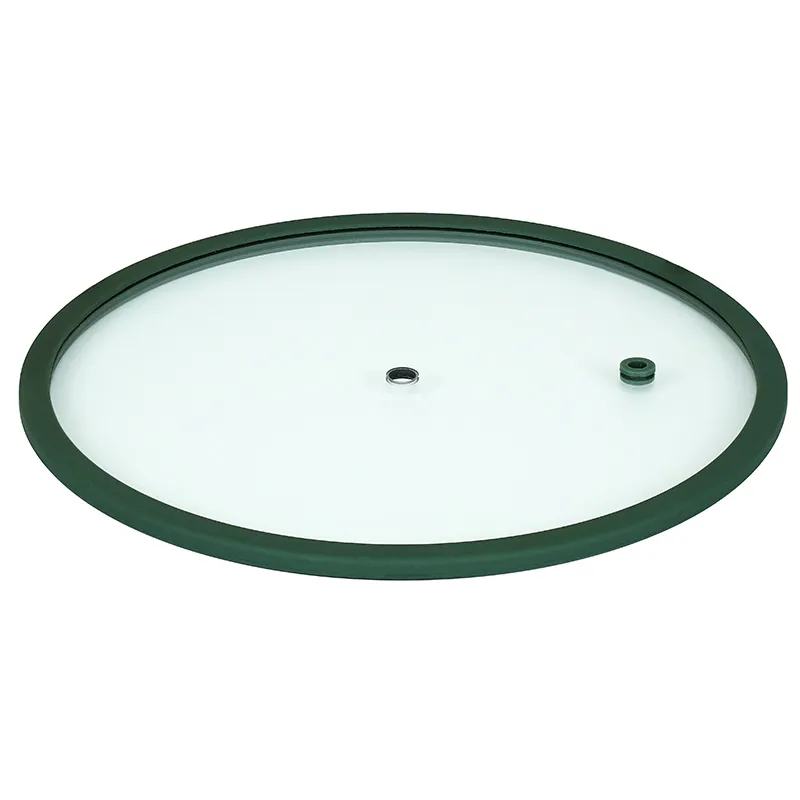
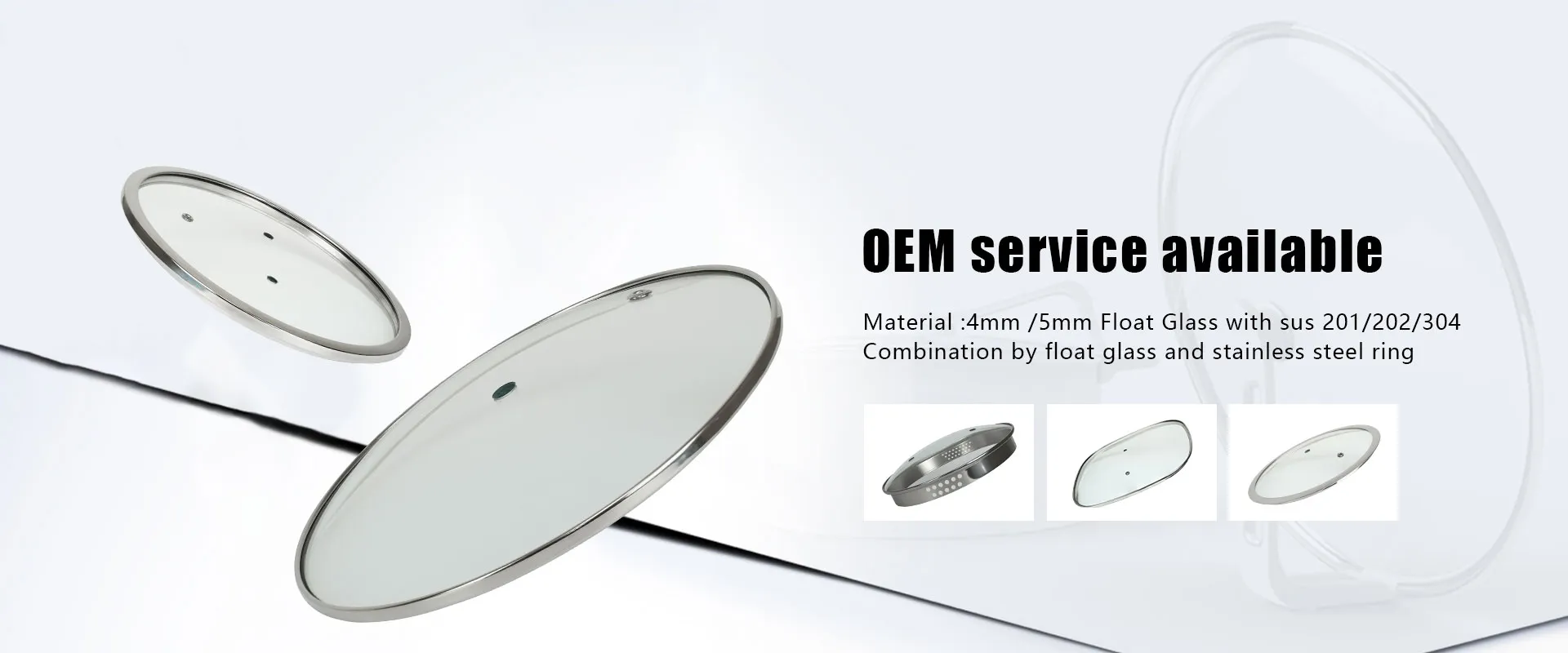
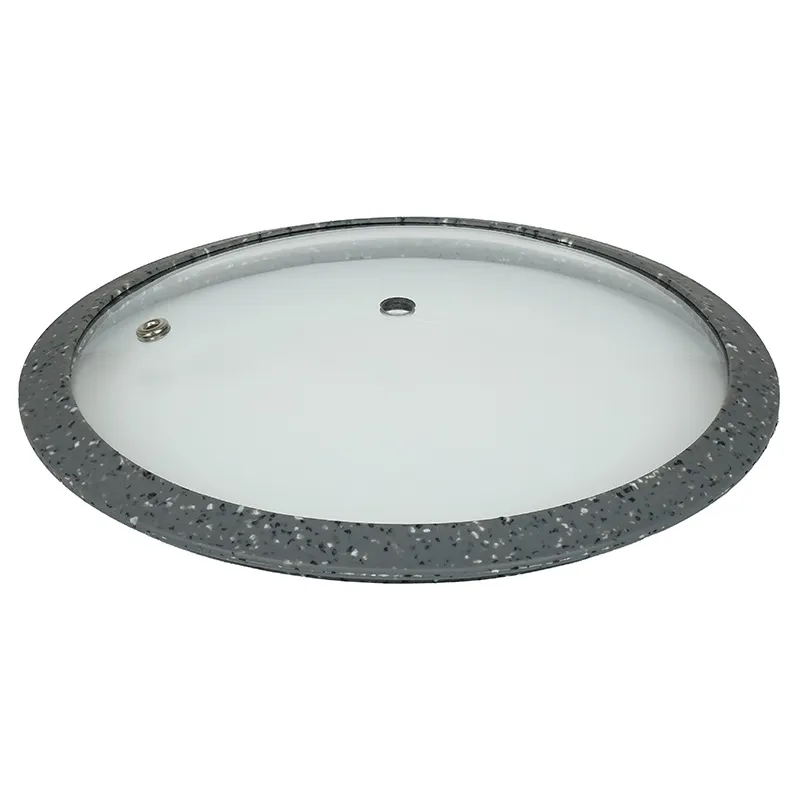
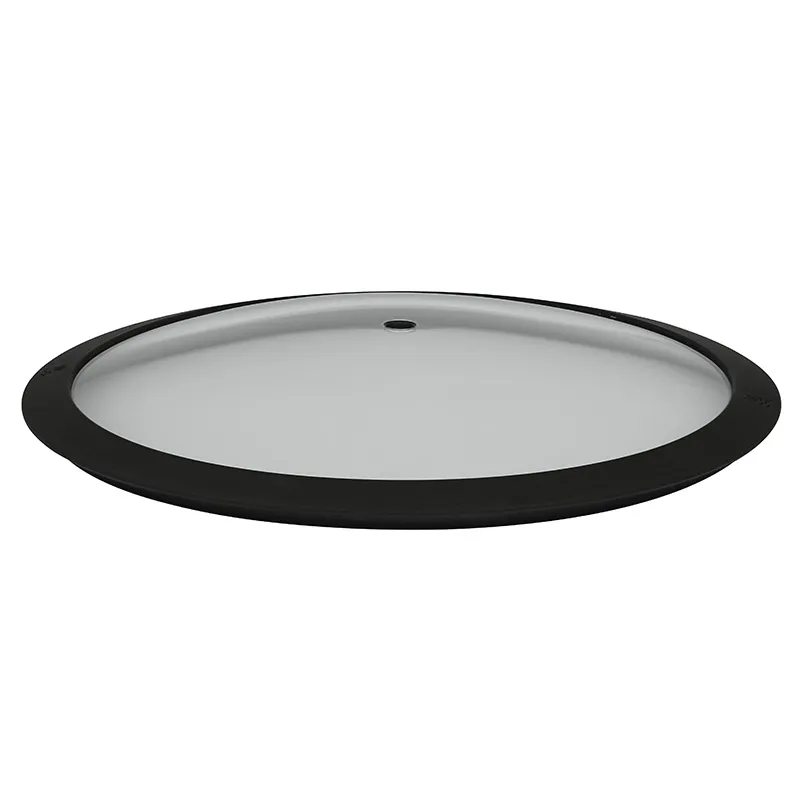
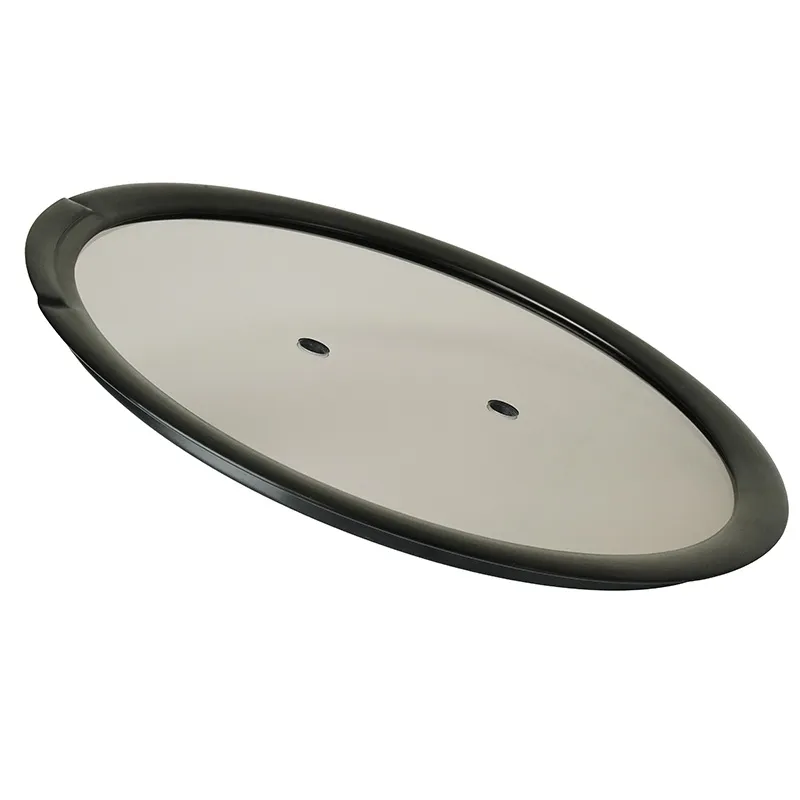
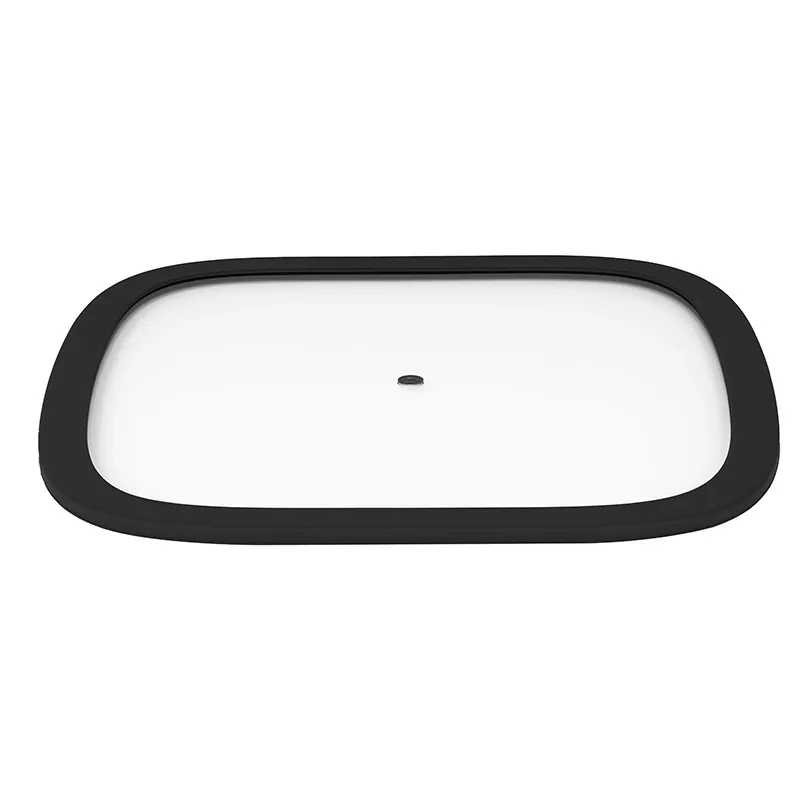
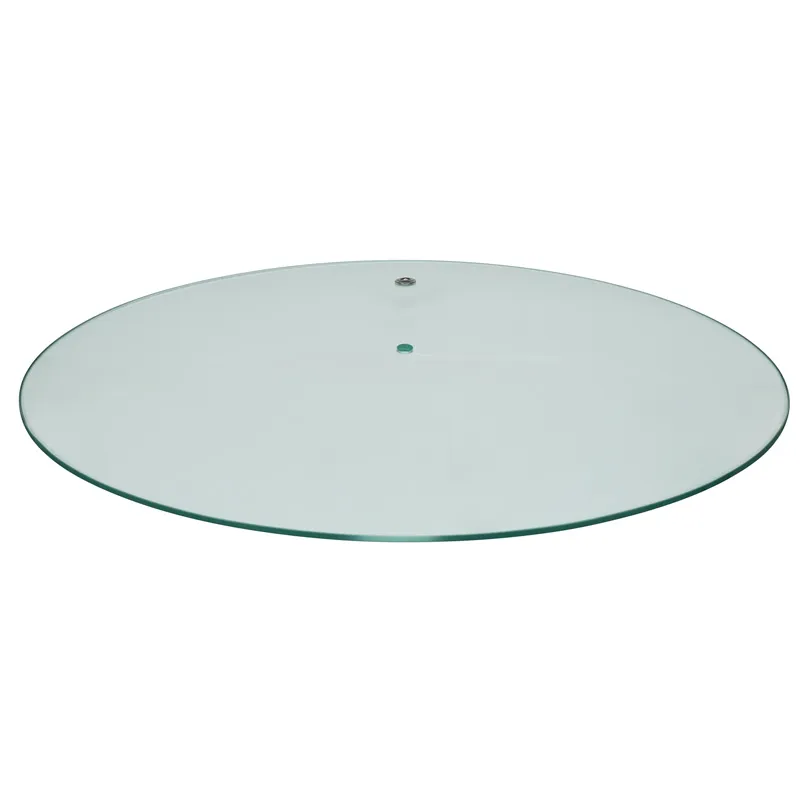
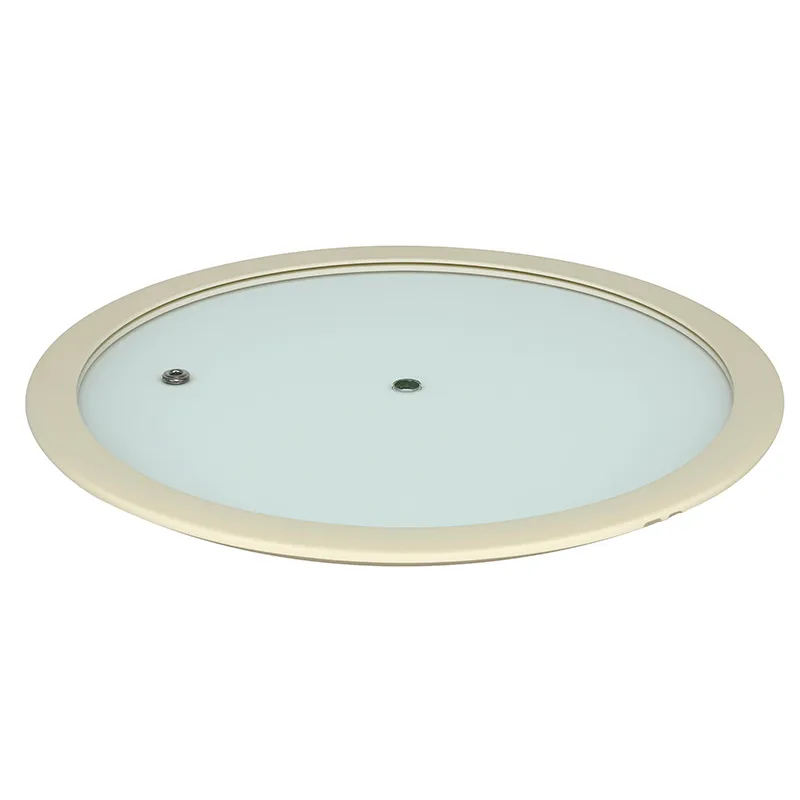
When you lift that lid, the heft and clarity of the glass tell a story. This isn't cheap soda-lime glass. It's tempered, likely around 4mm thick, with a polished edge that fits snugly into the cast iron rim. The knob is usually phenolic resin, rated for high heat. The real test is thermal shock. You go from a 400°F oven to a cool, wet countertop. A poorly made lid spiders instantly. I've seen it happen with off-brand replacements. The one that comes with the genuine Staub unit is built to handle that stress cycle repeatedly. It's a component, not an afterthought.
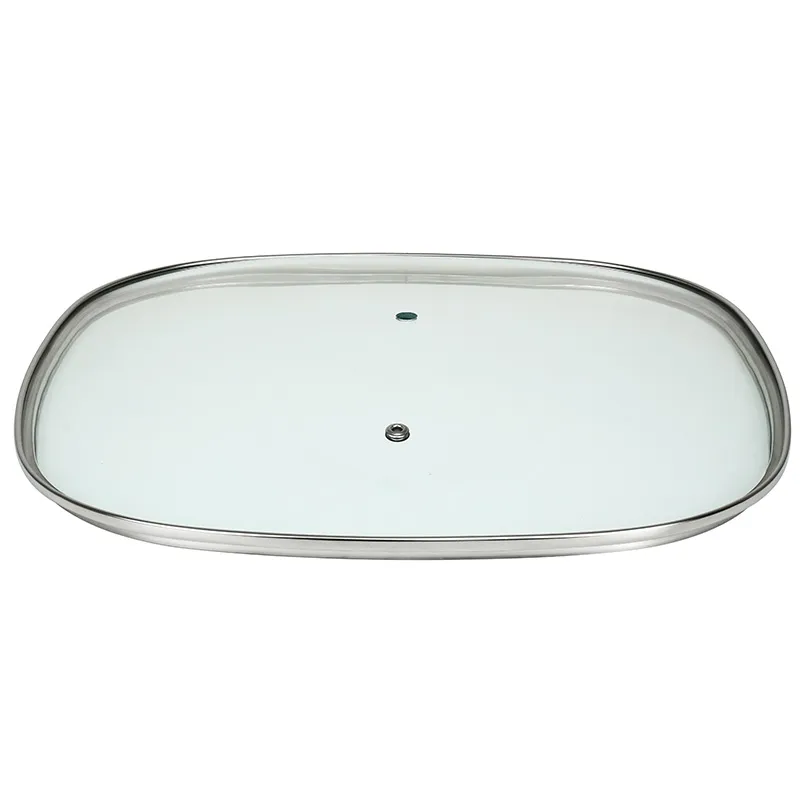
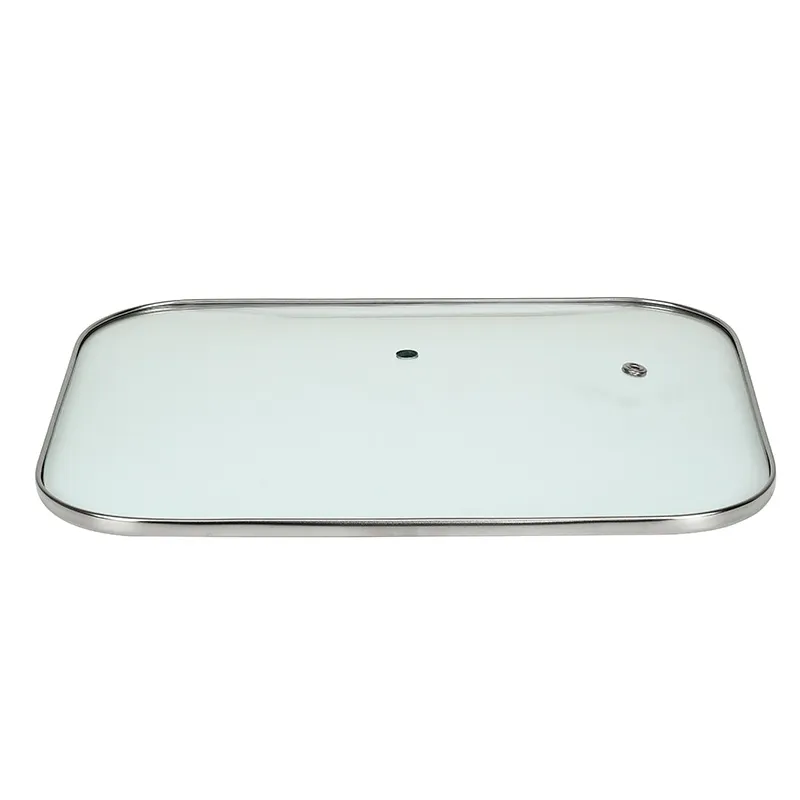
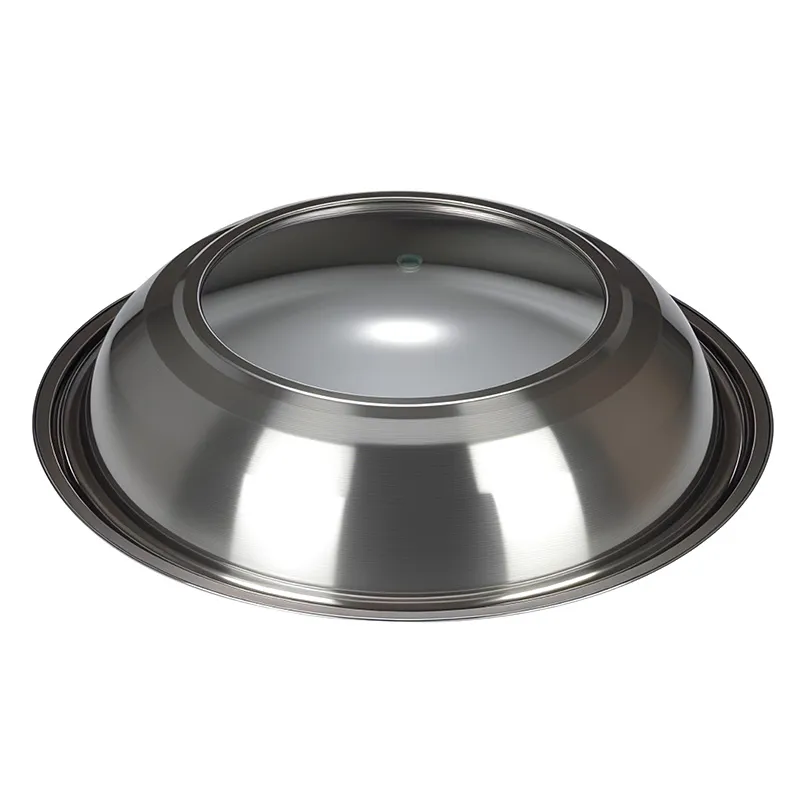
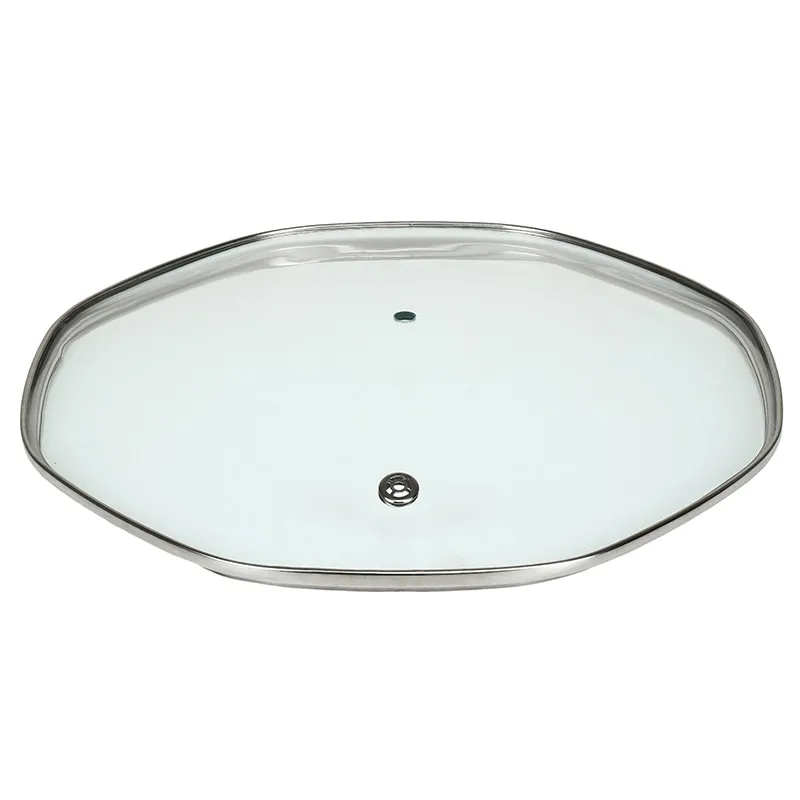
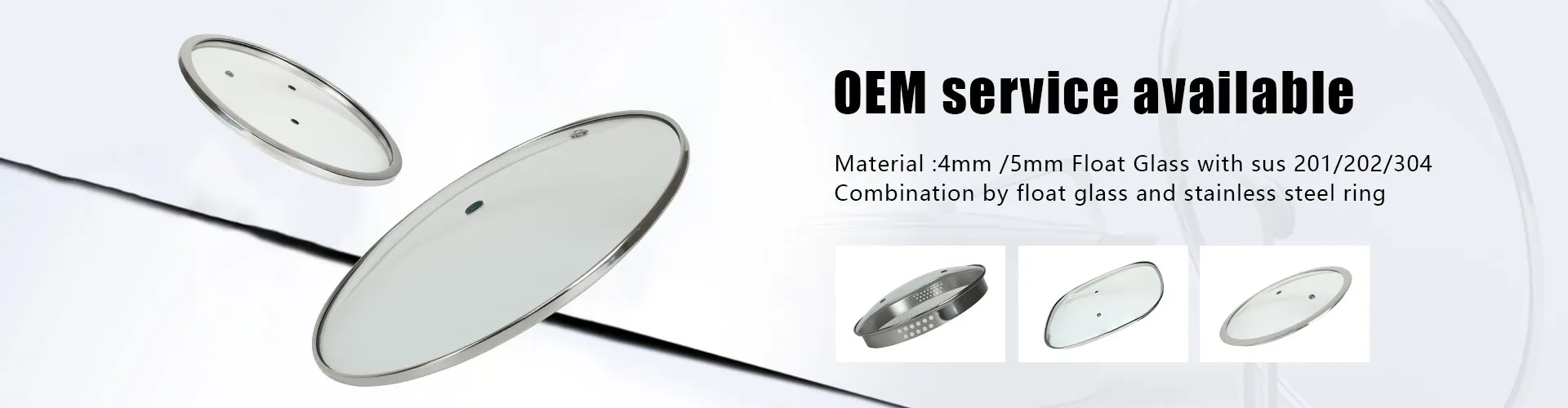
This is where companies like EUR-ASIA COOKWARE CO.,LTD come into the picture for the broader market. You visit a site like https://www.glass-lid.com and you see the scale. They're not making the final Staub product, but they specialize in producing millions of tempered glass lids annually. Their focus on exporting to Germany, Italy, France—countries with stringent kitchenware standards—tells you about the quality tier they operate in. When a major brand sources a component, they're often tapping into specialized manufacturers like this, who have the capacity for high-volume, precision-tempered glass. It's a reminder that even a simple lid is a globally sourced piece of engineering.
The fit is critical. The lid on the 4 quart cocotte has a specific curvature. It's not perfectly flat. It's domed slightly to create a condensation channel, so moisture drips back down onto the food, the famous Staub self-basting system. The glass version achieves this while letting you monitor a braise without releasing steam. It's a trade-off. The traditional heavy cast iron lid might offer marginally better moisture retention, but the glass offers control. For a home cook doing a coq au vin, seeing when the liquid has reduced to a glaze without lifting the lid is a genuine advantage.
Enamel and Heat: The Core of the Pot
Forget the lid for a second. The body is where Staub stakes its reputation. The matte black enamel interior is rougher than the satin finish of competitors. This isn't a flaw. That texture provides nucleation sites for browning. Proteins release easier than you'd think, and it develops a fantastic fond. I've used it for everything from searing duck breasts (which it does brilliantly) to slow-cooking beans. The 4-quart size is the workhorse. Big enough for a small chicken or a family-sized stew, but not so massive it's cumbersome on the stovetop.
The exterior enamel is another point. The classic colors are chip-resistant, but I've seen chipping around the rim from careless utensil use or knocking against another pot in the sink. It's durable, but not indestructible. The common advice to avoid metal utensils is valid, but the real killer is rapid temperature changes. Going from a blazing hot burner directly into a sink of cold water is a surefire way to compromise the enamel's bond to the cast iron. Always let it cool down naturally. Always.
Heat distribution is where cast iron shines, but it's not perfectly even. It holds heat incredibly well, so once the entire pot is hot, it maintains a steady, even temperature. However, on an electric coil stove, you might get a slight hotspot directly over the coil. On gas or induction, it's superb. The weight is substantial—this is not a pot you whip out for a quick sauce. It's for committed cooking. That heft is part of its performance; it's a heat battery.
The Practical User Experience and Common Pitfalls
So you have the pot, you're using it. The glass lid is clean, the enamel is seasoned (figuratively). Here's where practical quirks appear. Cleaning the glass lid is straightforward—it's dishwasher safe, but hand washing preserves the clarity longer. Hard water spots can be a nuisance. The rim of the pot, where the enamel meets the bare cast iron on the very edge, can rust if it's not thoroughly dried. I've made that mistake. After washing, a quick towel dry, especially around that top rim, is non-negotiable.
Another pitfall is assuming it's only for wet cooking. It's a fantastic shallow fryer or even for baking bread. The enclosed environment with the glass lid lets you monitor oven spring during the first part of bread baking before you remove the lid for crust formation. It's versatile. But the size—4 quarts—is key. It's deep enough for frying without dangerous splatter but wide enough for browning multiple pieces of meat in a batch.
Storage is a pain. It's heavy, it takes up space. You don't stack things on top of it because of the knob on the lid. This is a pot that demands a dedicated spot in the cabinet. For a professional kitchen, it's a specialty piece. For a home kitchen, it's an investment and a statement. You build your cooking around it, not the other way around.
Component Sourcing and Industry Context
Stepping back, the existence of a specialized lid maker like EUR-ASIA COOKWARE CO.,LTD highlights a key aspect of the cookware industry: vertical integration is rare. Brands design and assemble, but components like tempered glass lids, knobs, and even specific enamel formulas are often sourced. Their production base in Shandong, with an annual output exceeding 15 million pieces, caters to a global market. When they list exports to Germany, Switzerland, Japan—markets known for demanding quality—it underscores the level of precision required for a simple-seeming part.
This matters because when you're buying a Staub enameled cast iron cocotte, you're buying into a supply chain. The cast iron might be poured in France, the enamel applied there, but the glass lid could very well come from a high-tech facility in Asia that meets European safety and quality standards. It's a global product. The fact that EUR-ASIA's product description emphasizes tempered glass for kitchenware aligns perfectly with the needs of a high-heat application like a Dutch oven lid.
This doesn't diminish the product. It reinforces that quality is about specification and oversight. A brand like Staub sets the specs for thickness, thermal shock resistance, and fit. The manufacturer executes. Seeing the scale at glass-lid.com—90 employees, 15,000㎡ building—you understand this is industrial manufacturing, not artisan glassblowing. The consistency required for 15 million lids a year is what ensures your single lid performs reliably every time.
Final Weigh-In: Is the Glass Lid Version the One to Get?
It depends. Purists will always argue for the full cast iron lid. It's arguably slightly better for the most humid, long braises. But for probably 80% of users, the glass lid version offers a tangible benefit: visual feedback. For roasts, for monitoring liquid reduction, for avoiding the temptation to peek (because you can see without peeking), it's superior. The performance penalty is negligible for nearly all home applications.
The 4 quart size with this configuration is, in my view, the most practical entry point into high-end enameled cast iron. It's versatile, manageable, and the glass lid adds a layer of usability that beginners and experienced cooks alike will appreciate. It bridges the gap between a purely traditional tool and modern kitchen ergonomics.
So, is it worth it? If you cook regularly, if you value tools that perform multiple functions exceptionally well, and if you understand its care requirements—yes, absolutely. Just remember it's a system: the French design, the cast iron body, and yes, the high-spec tempered glass lid that might have traveled from a production line half a world away before it became part of your kitchen's arsenal. That's the reality of modern cookware at this level.
Related Products
Related Products