- Chinese
- French
- German
- Portuguese
- Spanish
- Russian
- Japanese
- Korean
- Arabic
- Irish
- Greek
- Turkish
- Italian
- Danish
- Romanian
- Indonesian
- Czech
- Afrikaans
- Swedish
- Polish
- Basque
- Catalan
- Esperanto
- Hindi
- Lao
- Albanian
- Amharic
- Armenian
- Azerbaijani
- Belarusian
- Bengali
- Bosnian
- Bulgarian
- Cebuano
- Chichewa
- Corsican
- Croatian
- Dutch
- Estonian
- Filipino
- Finnish
- Frisian
- Galician
- Georgian
- Gujarati
- Haitian
- Hausa
- Hawaiian
- Hebrew
- Hmong
- Hungarian
- Icelandic
- Igbo
- Javanese
- Kannada
- Kazakh
- Khmer
- Kurdish
- Kyrgyz
- Latin
- Latvian
- Lithuanian
- Luxembou..
- Macedonian
- Malagasy
- Malay
- Malayalam
- Maltese
- Maori
- Marathi
- Mongolian
- Burmese
- Nepali
- Norwegian
- Pashto
- Persian
- Punjabi
- Serbian
- Sesotho
- Sinhala
- Slovak
- Slovenian
- Somali
- Samoan
- Scots Gaelic
- Shona
- Sindhi
- Sundanese
- Swahili
- Tajik
- Tamil
- Telugu
- Thai
- Ukrainian
- Urdu
- Uzbek
- Vietnamese
- Welsh
- Xhosa
- Yiddish
- Yoruba
- Zulu
- Kinyarwanda
- Tatar
- Oriya
- Turkmen
- Uyghur

staub cast iron 4 qt round cocotte with glass lid
When you hear 'staub cast iron 4 qt round cocotte with glass lid', most people picture a pristine, enameled French oven on a stylish kitchen shelf. That's the marketing dream. But having been on the production side of things for years, specifically with companies like EUR-ASIA COOKWARE CO.,LTD. that supply components globally, I see it differently. The real story isn't just the iconic black matte enamel or the self-basting spikes; it's in the integration of parts, like that specific glass lid, which often gets overlooked as a simple accessory when it's actually a critical engineering component. Many assume a lid is just a lid, but the shift from a heavy cast iron lid to a tempered glass one changes the entire user dynamic and manufacturing chain.
Deconstructing the Complete Product
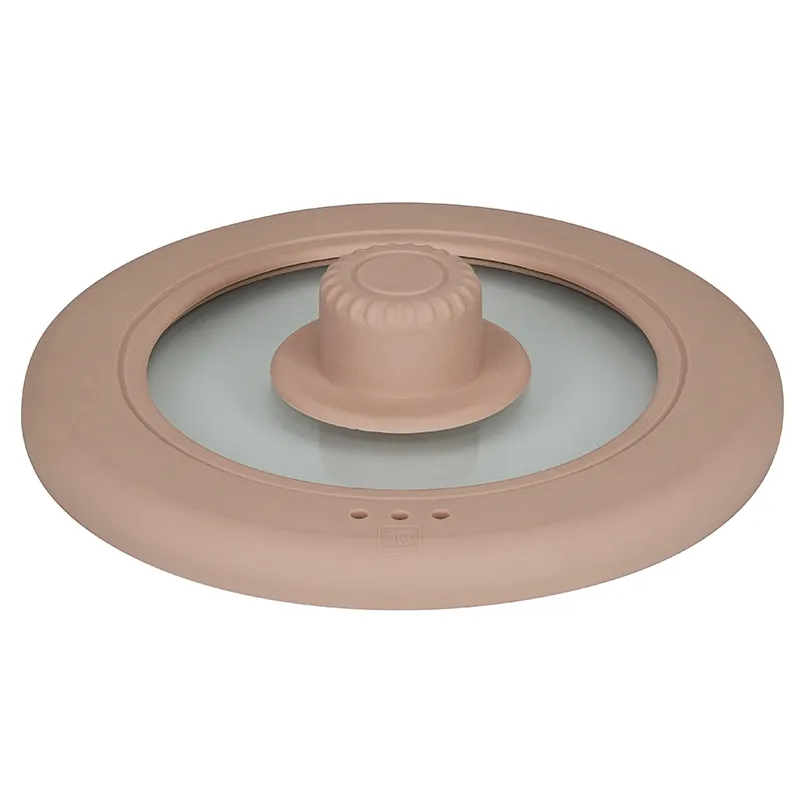
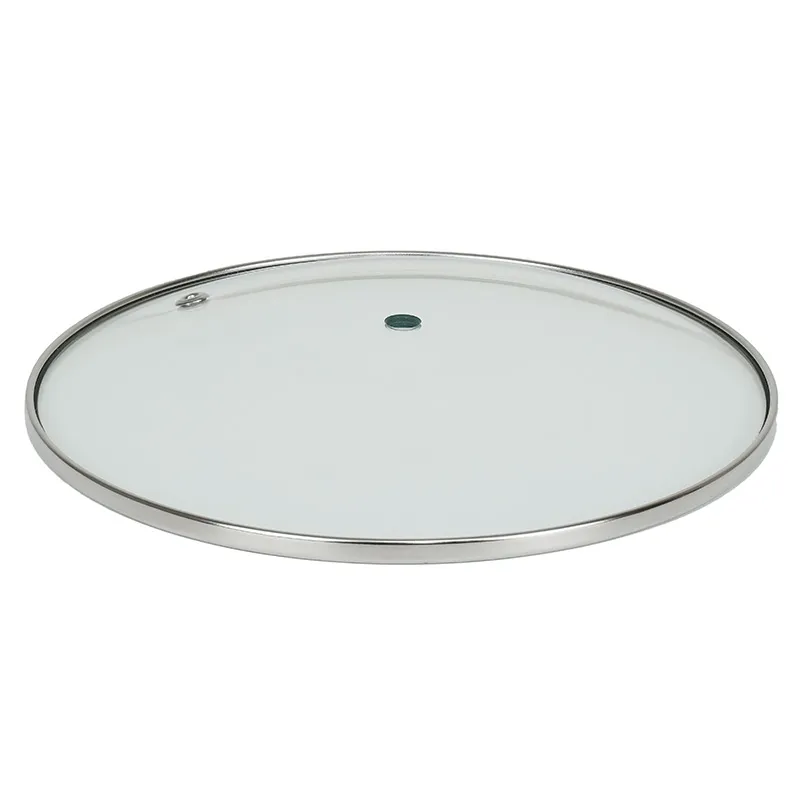
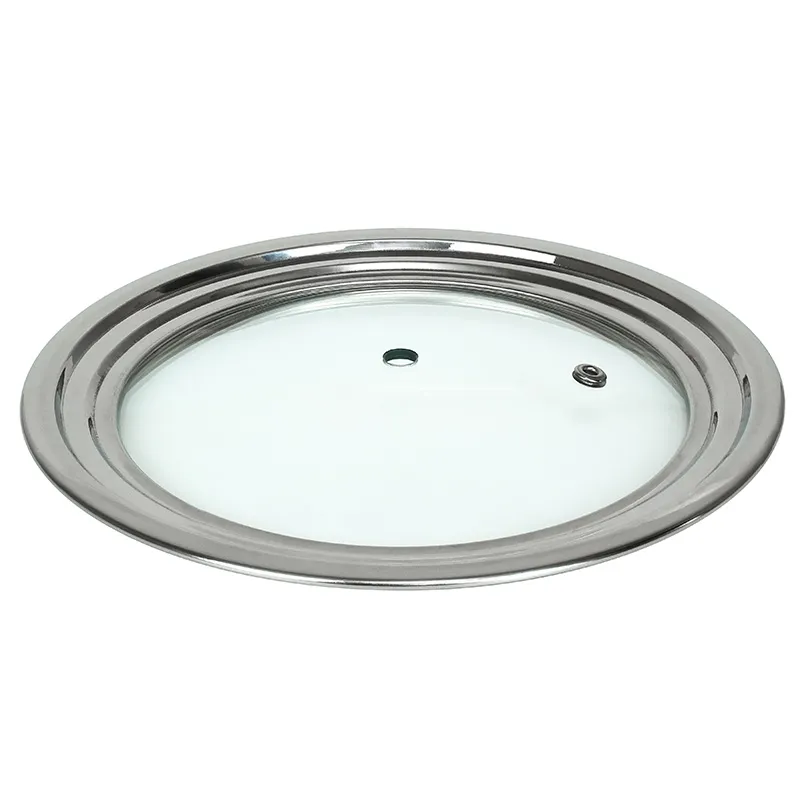
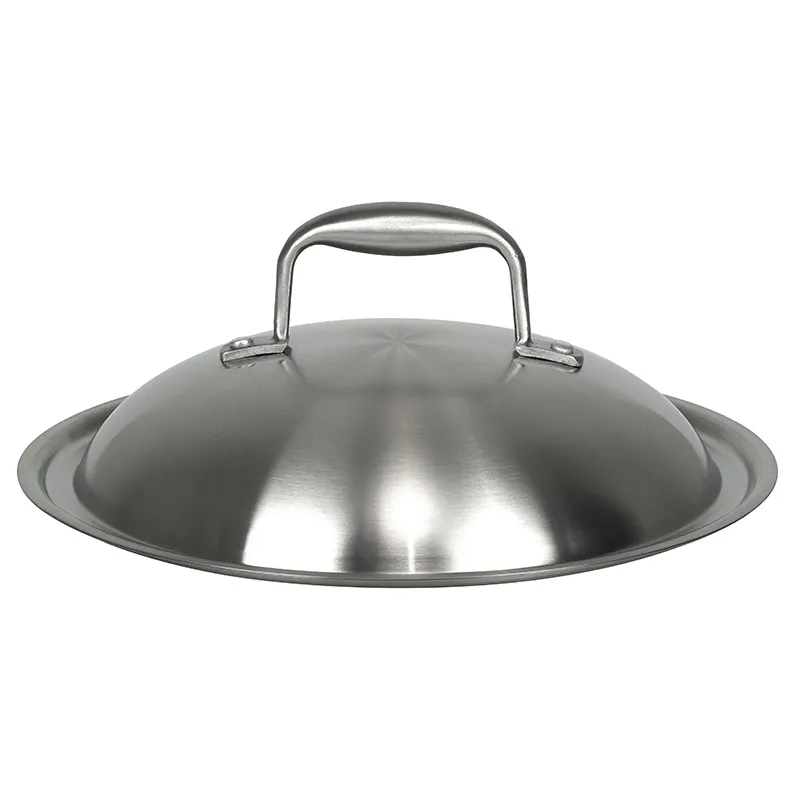
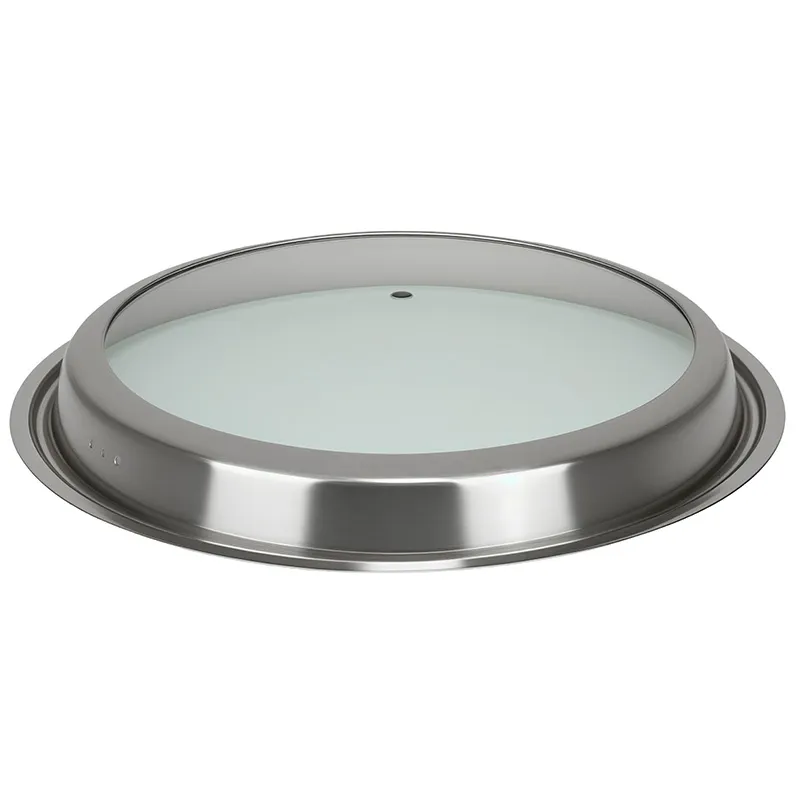
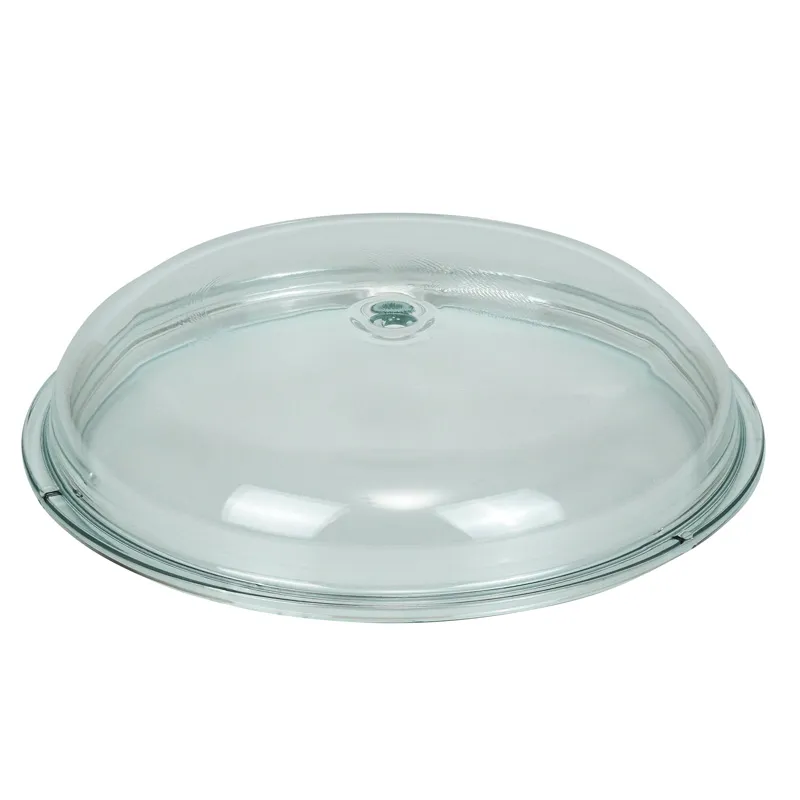
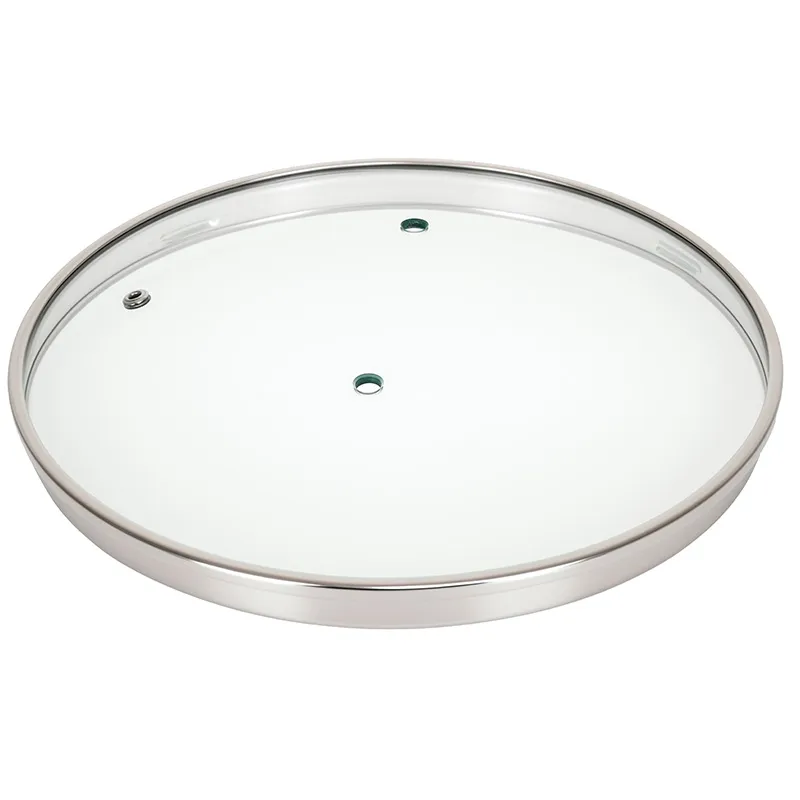
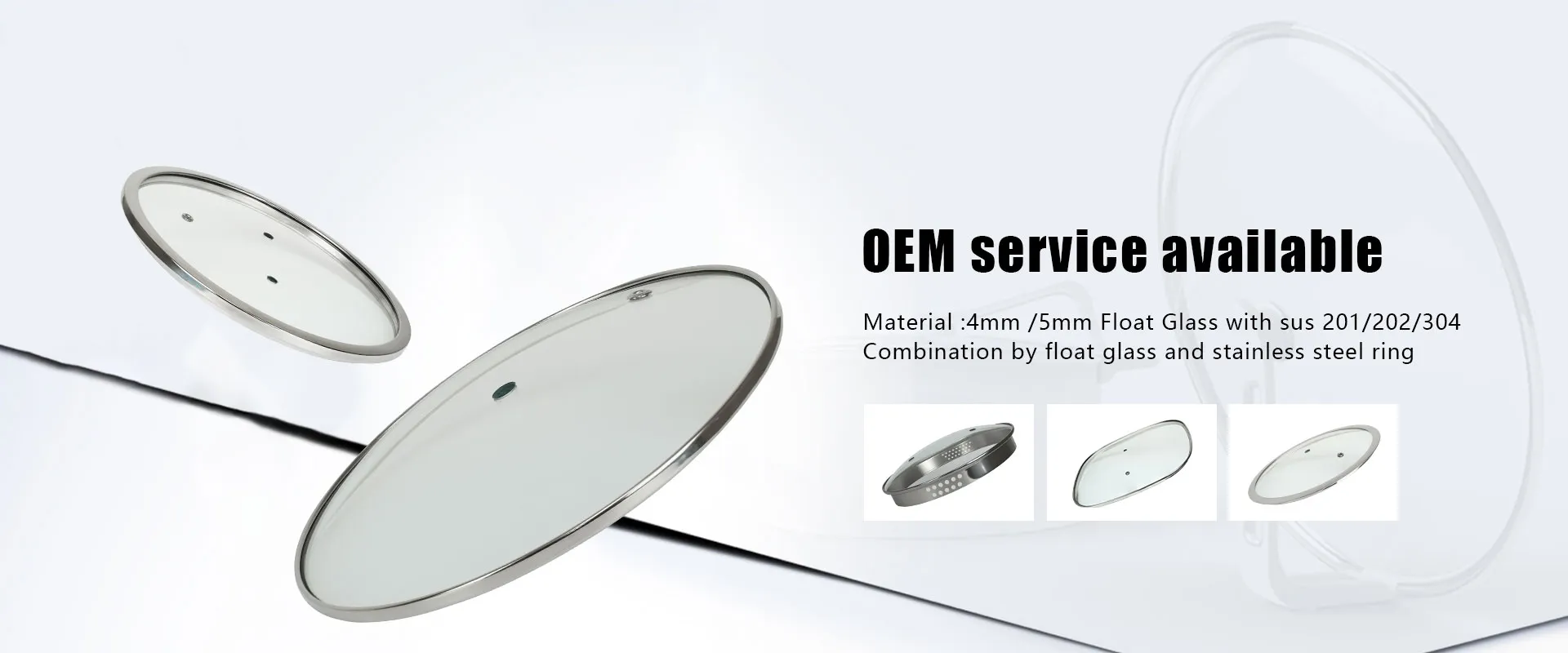
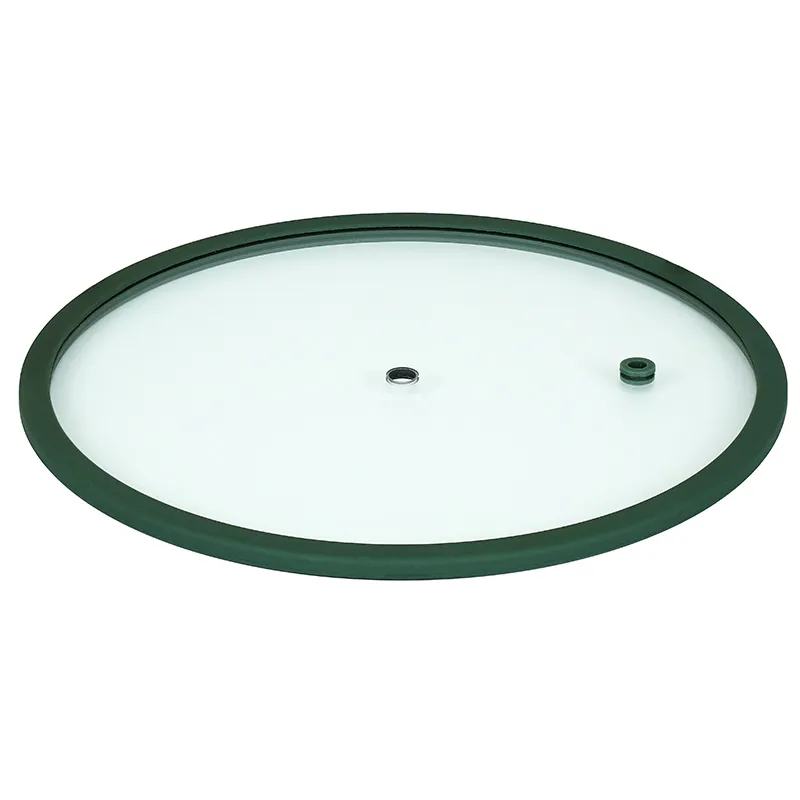
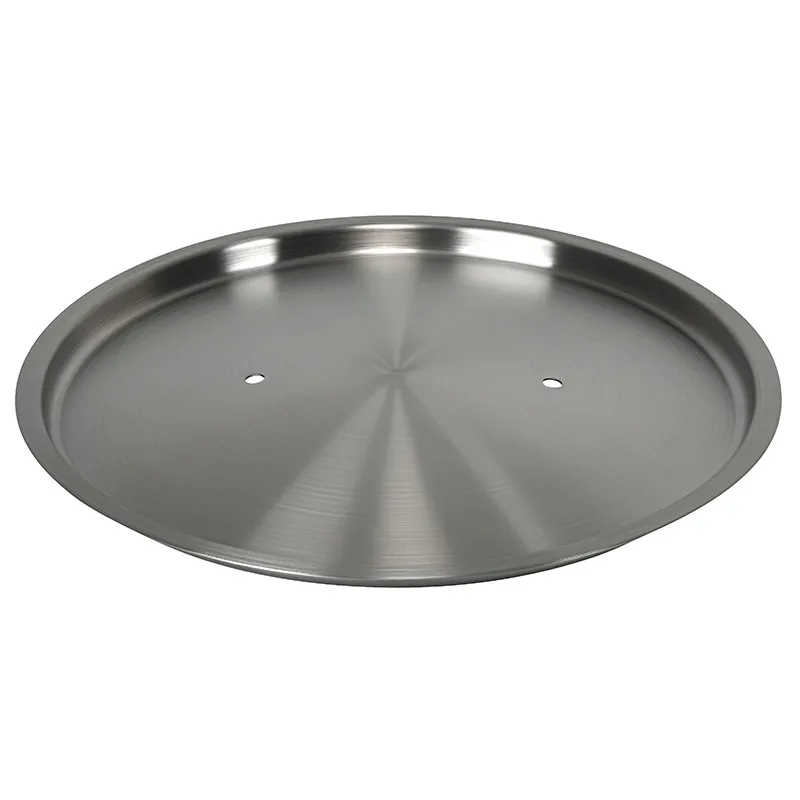
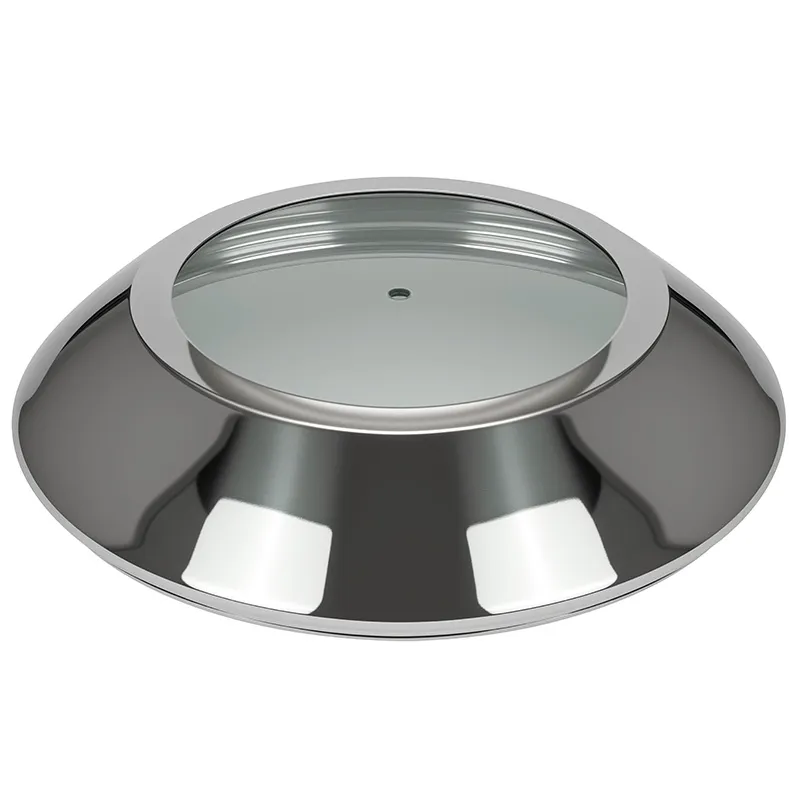
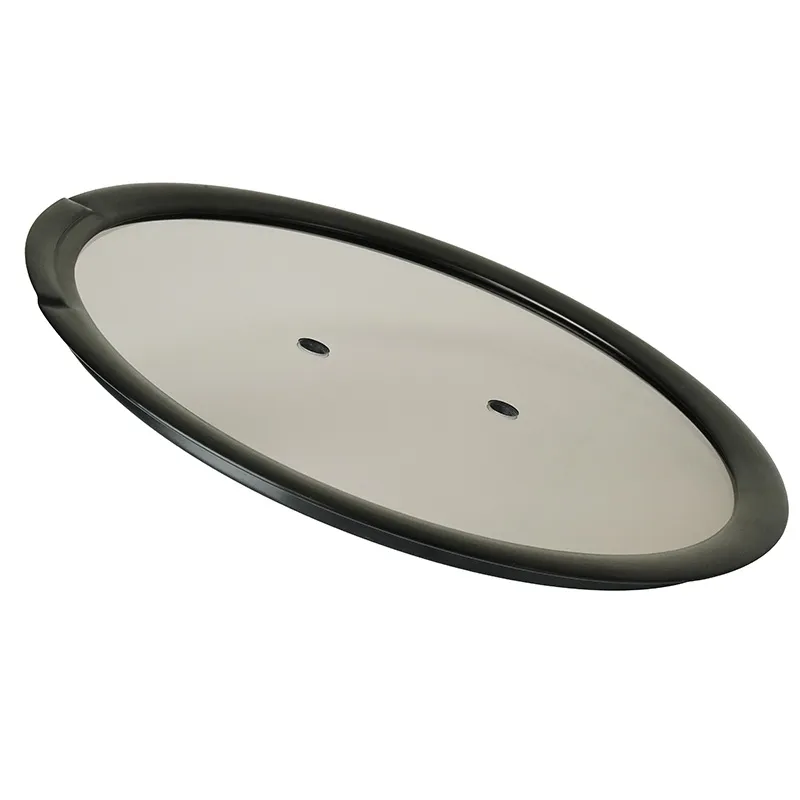
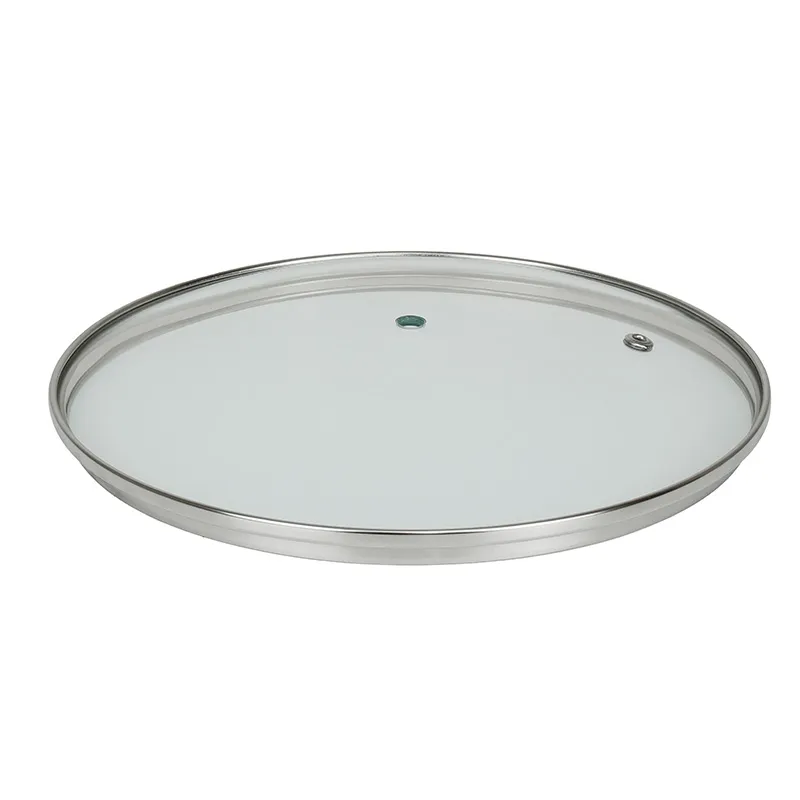
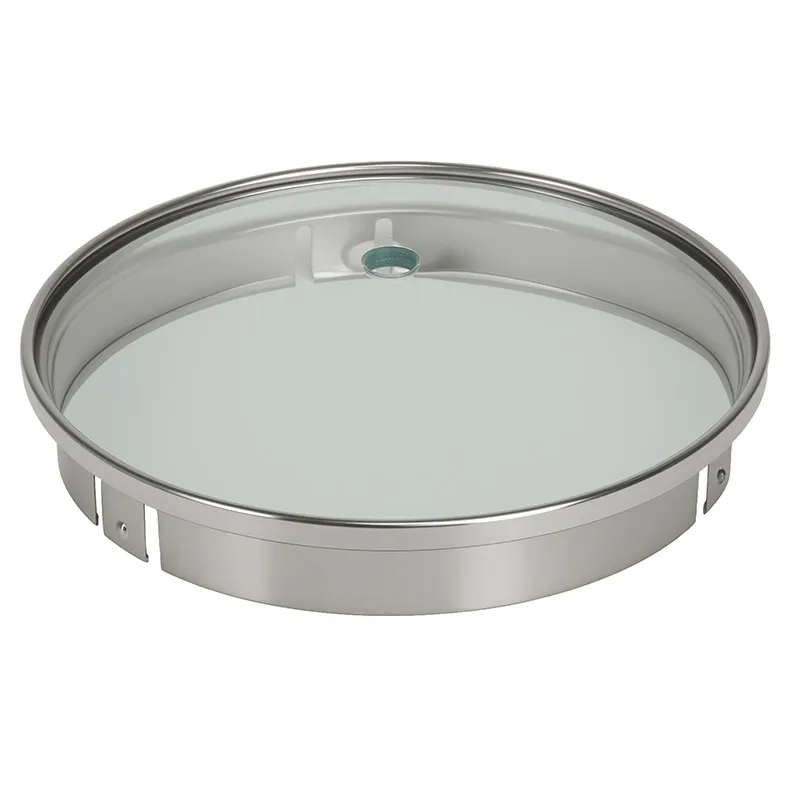
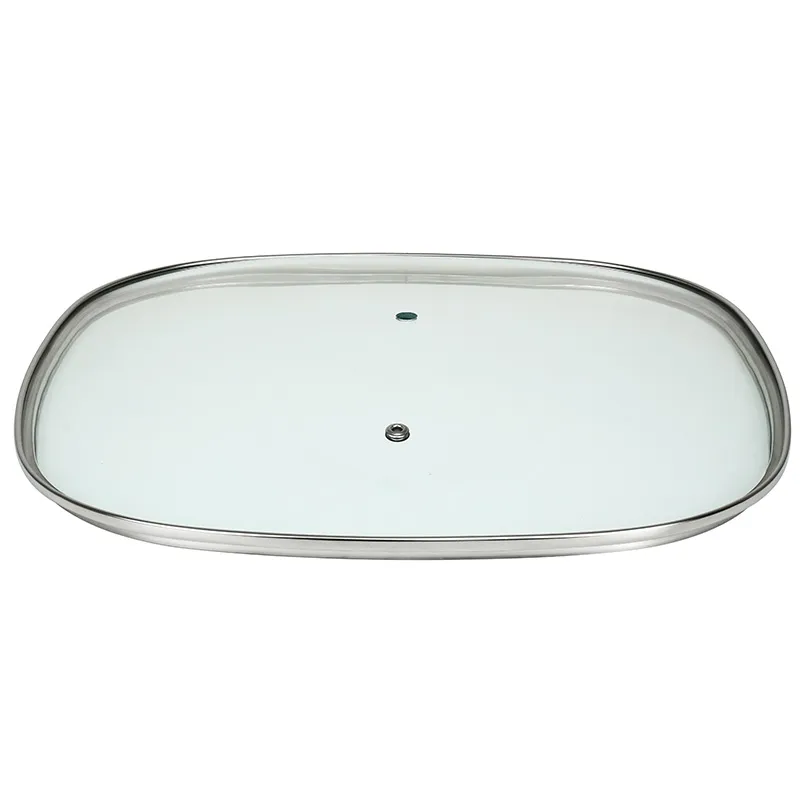
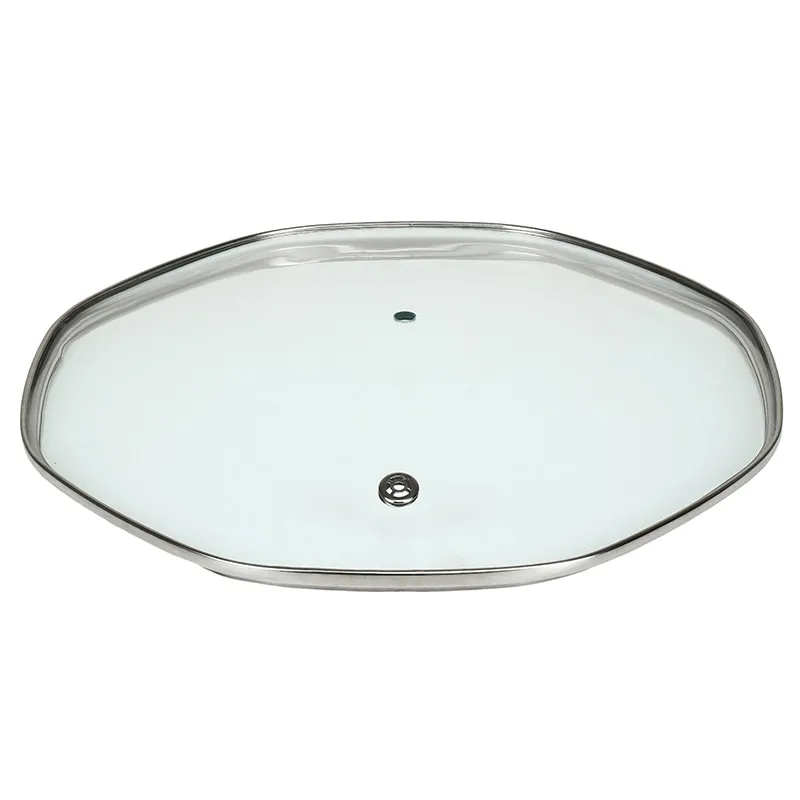
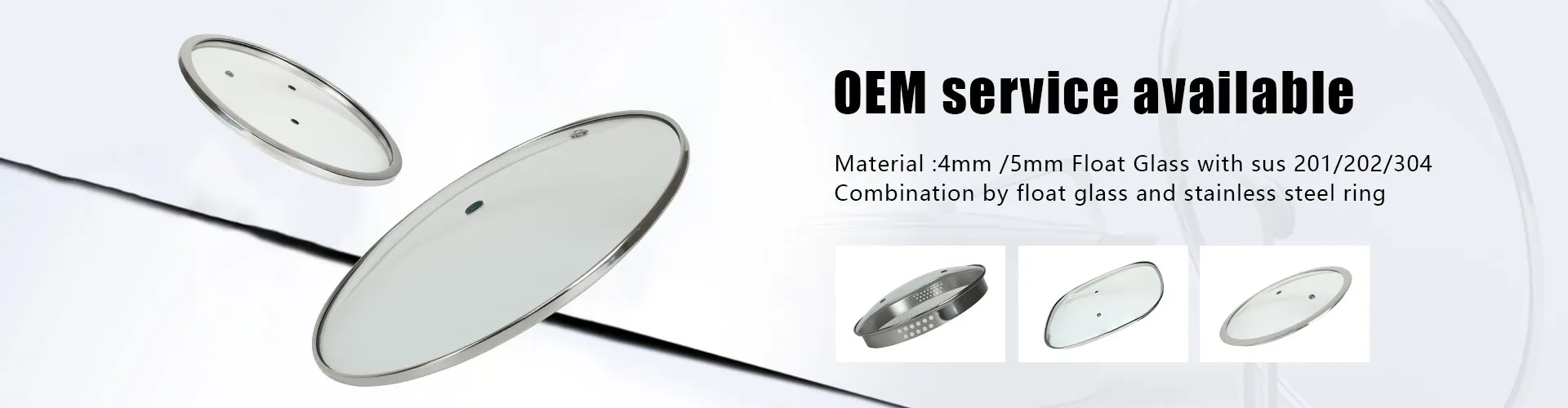
Let's talk about that lid. Staub's standard offering is a heavy, domed cast iron lid. The version with a glass lid is a variant, often appealing to those who want visual control during braising or baking. From a sourcing perspective, a brand like Staub doesn't make its own glass. They source it from specialized manufacturers. This is where a company profile like EUR-ASIA COOKWARE CO.,LTD. becomes relevant. With a production base in Taian City, Shandong, and an annual output of over 15 million tempered glass lids, they're exactly the type of industrial partner a major cookware brand might engage for such a component. Their export footprint to Germany, France, and Japan aligns with the markets where Staub is strong. So, when you hold that staub cast iron 4 qt round cocotte, you're likely holding a truly global product: French design, possibly Chinese-manufactured glass, assembled for a global market.
The fit is everything. A generic glass lid from a home goods store will not sit correctly on the precision-toleranced rim of a Staub cocotte. The seal is paramount for moisture retention. The lid from a specialized producer is engineered to match the curvature and weight distribution. I've seen samples where the glass is slightly too convex, causing a rocking motion, or the stainless steel rim isn't finished smoothly, leading to potential chipping. The product page at https://www.glass-lid.com would detail their capabilities in producing these low- medium- high level lids, which in industry terms means they can handle the specific thermal shock resistance and clarity standards required for a premium brand's accessory.
Why does this matter to the home cook? Because the performance difference is tangible. That sealed environment created by a well-fitted lid—whether cast iron or glass—is what turns tough cuts into fall-apart masterpieces. The glass version offers a cheat code: you can see the browning, the bubble size, the reduction level without releasing precious steam and heat. It's a concession to convenience without a total sacrifice of function, a hybrid approach that reflects modern cooking habits.
The Manufacturing Reality and Common Pitfalls
Working with tempered glass for cookware isn't like making a window pane. The thermal shock resistance needed for a lid that will go from a cool countertop to a 450°F oven repeatedly is a specific grade of borosilicate or similarly engineered glass. The tempering process has to be flawless. I recall a batch for a different client where the stress patterns weren't uniform, leading to spontaneous breakage during cooling tests. It's a loss at an industrial scale. A supplier like EUR-ASIA COOKWARE CO.,LTD. mentions an output of 15 million pieces; that scale implies a rigorous quality control process to avoid such catastrophic, and expensive, failures.
Another pitfall is the handle. The knob on a Staub glass lid is typically stainless steel and must be firmly attached to withstand oven temperatures and repeated grabbing with a wet towel. The bonding agent and mechanical fixation are crucial. A weak point here turns a functional lid into a dangerous one. From the factory floor, this is a separate assembly line process—attaching metal to glass reliably is its own specialty.
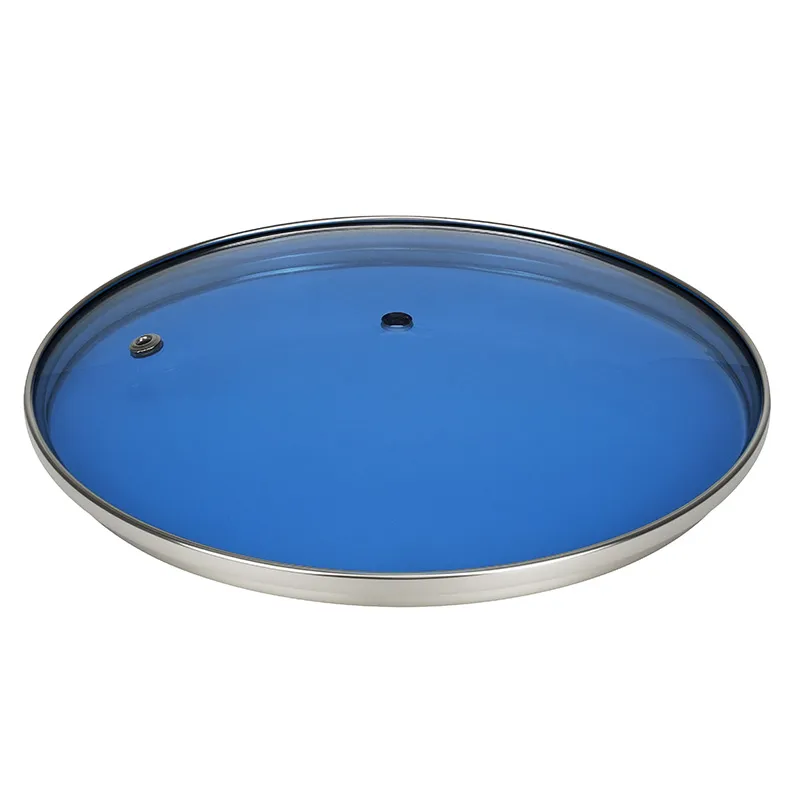
There's also the color and clarity of the glass. For a high-end product, it must be exceptionally clear, with minimal green tint (a byproduct of iron content in the sand). It should also resist clouding from steam and oils over time. This is where the high level specification from a manufacturer's portfolio really gets tested. A cloudy lid after six months of use is a failure in material selection or surface treatment.
The 4-Quart Size: A Sweet Spot with Compromises
The 4 qt round cocotte size is interesting. It's arguably the most versatile for a 2-4 person household. Large enough for a small chicken or a decent batch of stew, but not so massive that it's unwieldy or discourages use on a weekday. However, when you pair it with a glass lid, you change its weight profile significantly. The classic cast iron lid adds substantial top-down pressure, which can be beneficial for sealing. The glass lid lightens the overall load when moving it, which is a practical benefit, but purists might argue it slightly alters the cooking physics. In my experience, the difference in a long braise is minimal if the seal is good; the mass of the cast iron base does most of the heat retention work.
This size also dictates the lid's dimensions and, consequently, its production cost. A larger surface area of tempered glass is more prone to imperfections and requires larger, more expensive sheets of raw material. The 4-quart lid hits a cost-effectiveness sweet spot for manufacturers, which might be why it's a commonly offered variant. It's a balance of market demand, material yield, and functional utility.
I've advised smaller brands looking to create similar products. The first mistake is often trying to source a lid that fits most 4-quart round ovens. That's a recipe for returns. The diameter, the curvature of the dome, the width of the rim—all must be exact. It's not a commodity item; it's a precision component. This is why major brands work with established suppliers, and why a company with the export volume and geographic reach of EUR-ASIA COOKWARE would be a logical partner in such a supply chain.
Practical Use and Long-Term Considerations
In the kitchen, this combination shines for dishes where visual feedback is key. Think of reducing a pan sauce, making a risotto, or monitoring the crust on a no-knead bread baked in the cocotte. You lift the lid far less, which maintains a stable temperature. The downside? Glass is more fragile. You can't crank the heat as recklessly as with all-cast-iron, and thermal shock from placing a hot lid on a cold marble countertop is a real risk. It demands a bit more mindfulness.
Cleaning is another factor. Enameled cast iron can generally handle abrasive cleansers if needed, but the glass lid often requires gentler care to avoid scratching. The view is a trade-off for maintenance. Over years, the glass may show fine scratches from utensils or cleaning. It's a wear item in a way the pot body is not.
Would I recommend it? For the cook who values control and lighter handling, absolutely. The staub cast iron 4 qt round cocotte with glass lid is a thoughtful hybrid. But it's vital to understand it as a system of expertly made parts. The pot's legendary heat retention and the lid's precise fit and clarity are the result of specialized manufacturing, likely involving separate expert entities—one for the iconic pot, and another, perhaps a firm like the one behind https://www.glass-lid.com, for the high-performance glass component that makes the variant unique. It's this behind-the-scenes synergy that turns a good idea into a reliable kitchen workhorse.
Final Thoughts on Value and Origin
At the end of the day, the premium you pay for a branded cocotte with a glass lid isn't just for the name. It's for the R&D in the enamel formulation, the quality control on the iron casting, and the specification and testing of the glass component to withstand the thermal demands. When you see Made in France on the pot, it speaks to final assembly and enamel application. The lid's origin could be different, and that's not a mark against quality—it's a reality of global specialized manufacturing. A company producing millions of lids annually for export to Europe has to meet those markets' stringent standards.
The key takeaway for any serious user is to see the product as a sum of its parts. Appreciate the heavy-gauge cast iron body for what it is, and the glass lid as a high-tech accessory that enables a different cooking experience. Neither is inherently superior; they serve different purposes. The combined version offers a compelling middle ground.
So, if you're considering this specific model, my advice from the practical side is this: check the fit of the lid out of the box. Look for clarity and a robust, firmly attached handle. Understand its care requirements. And recognize that its existence is a nod to how modern cookware is made—through global networks of specialization, where a factory in Shandong producing for a brand in Alsace is just part of delivering a tool that ends up making a great Sunday stew in a kitchen anywhere in the world.
Related Products
Related Products