- Chinese
- French
- German
- Portuguese
- Spanish
- Russian
- Japanese
- Korean
- Arabic
- Irish
- Greek
- Turkish
- Italian
- Danish
- Romanian
- Indonesian
- Czech
- Afrikaans
- Swedish
- Polish
- Basque
- Catalan
- Esperanto
- Hindi
- Lao
- Albanian
- Amharic
- Armenian
- Azerbaijani
- Belarusian
- Bengali
- Bosnian
- Bulgarian
- Cebuano
- Chichewa
- Corsican
- Croatian
- Dutch
- Estonian
- Filipino
- Finnish
- Frisian
- Galician
- Georgian
- Gujarati
- Haitian
- Hausa
- Hawaiian
- Hebrew
- Hmong
- Hungarian
- Icelandic
- Igbo
- Javanese
- Kannada
- Kazakh
- Khmer
- Kurdish
- Kyrgyz
- Latin
- Latvian
- Lithuanian
- Luxembou..
- Macedonian
- Malagasy
- Malay
- Malayalam
- Maltese
- Maori
- Marathi
- Mongolian
- Burmese
- Nepali
- Norwegian
- Pashto
- Persian
- Punjabi
- Serbian
- Sesotho
- Sinhala
- Slovak
- Slovenian
- Somali
- Samoan
- Scots Gaelic
- Shona
- Sindhi
- Sundanese
- Swahili
- Tajik
- Tamil
- Telugu
- Thai
- Ukrainian
- Urdu
- Uzbek
- Vietnamese
- Welsh
- Xhosa
- Yiddish
- Yoruba
- Zulu
- Kinyarwanda
- Tatar
- Oriya
- Turkmen
- Uyghur


staub cast iron cocotte with glass lid 4 qt
You see 'Staub cast iron cocotte with glass lid 4 qt' and your first thought might be, Wait, doesn't Staub come with those iconic, self-basting, dimpled black lids? That's the common hang-up. The heavy, tight-sealing cast iron lid is part of the brand's DNA for braising. So why a glass lid? It's not a replacement, but a parallel tool. In my years sourcing and testing for the trade, I've seen this specific configuration pop up more in European catalogs and from specialty retailers. It answers a different need: the need to see. The 4-quart size is the sweet spot for everyday use, and pairing it with a tempered glass lid transforms it from a purely slow-cook vessel into a more versatile, all-in-one pot for tasks where visual monitoring is key. It's a nuance that often gets lost in the broader 'Dutch oven' conversation.
The Glass Lid: Not an Afterthought, But a Strategic Component
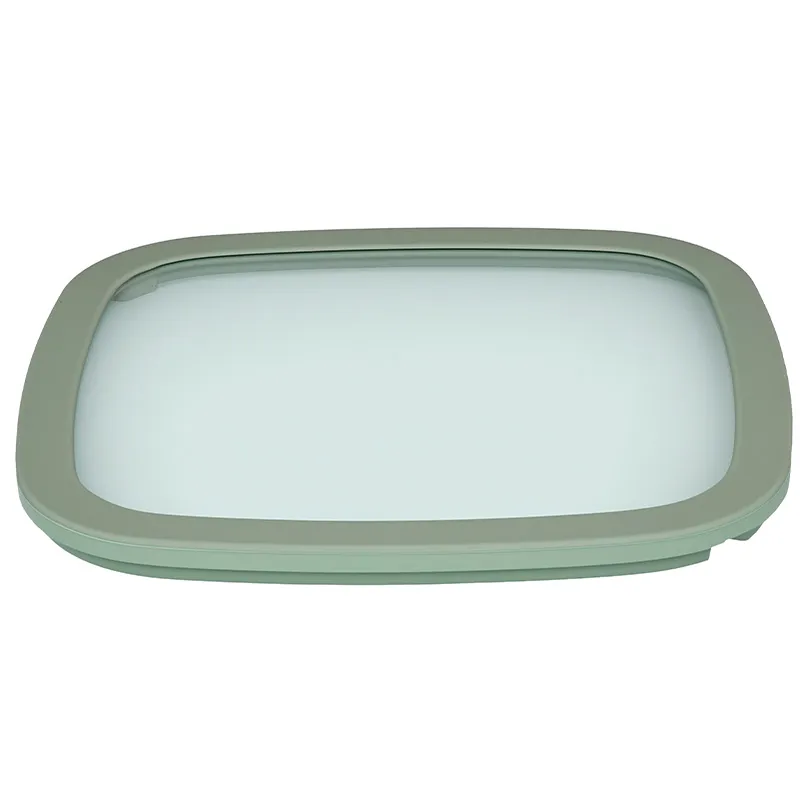
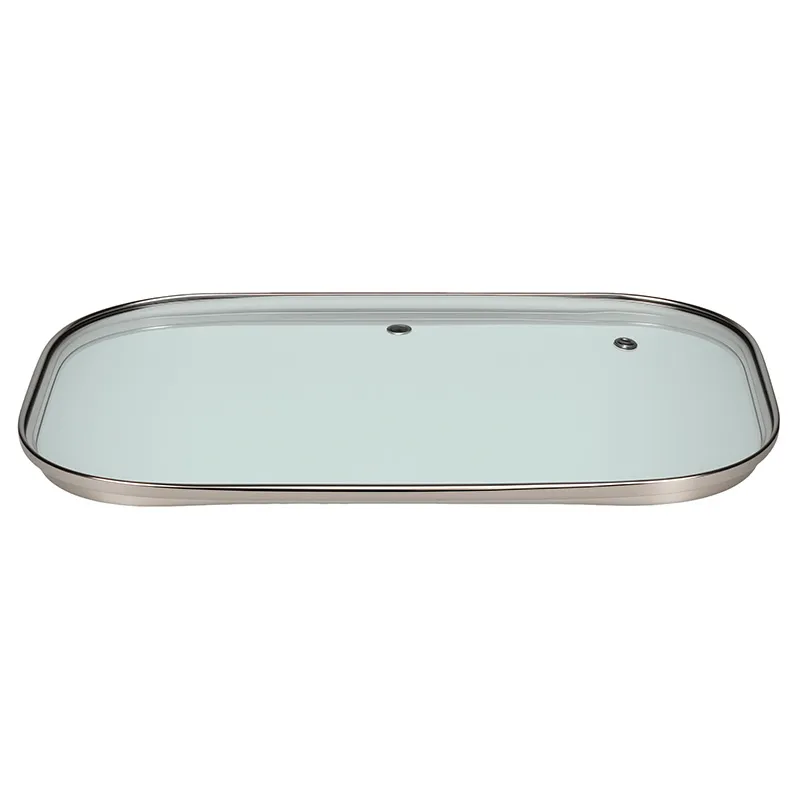
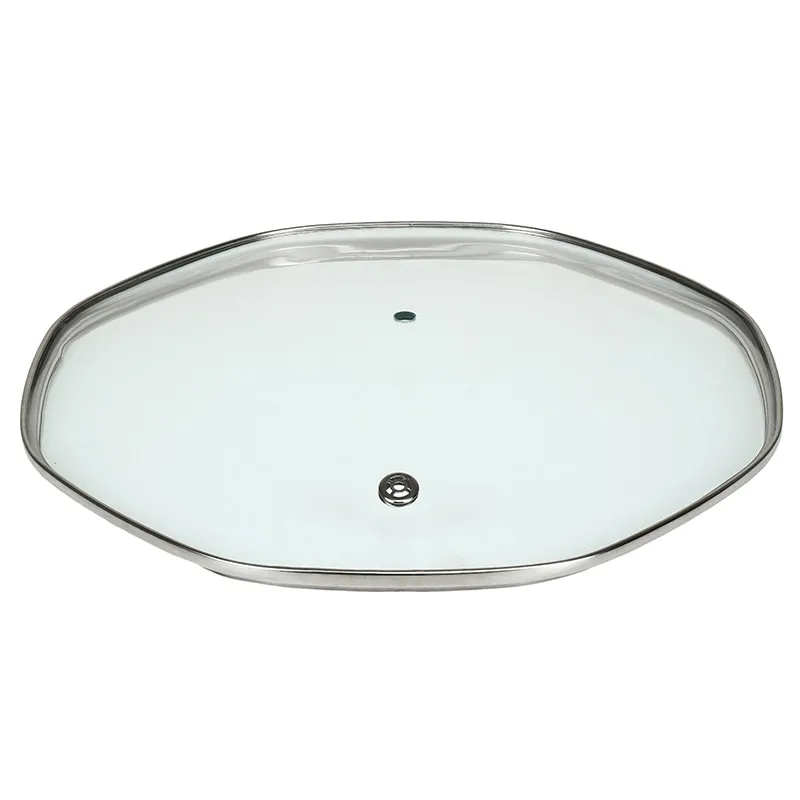
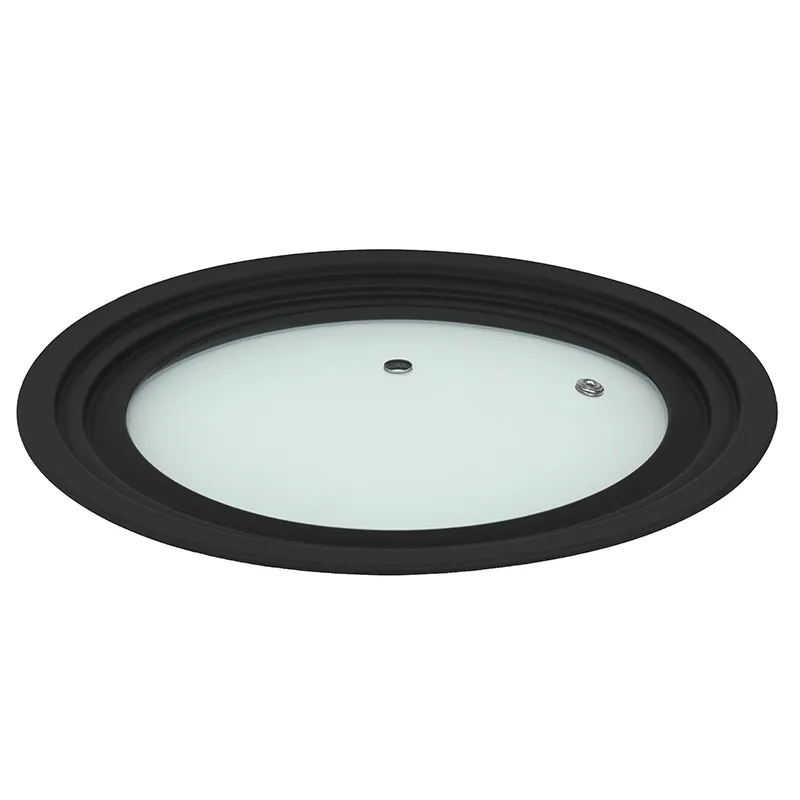
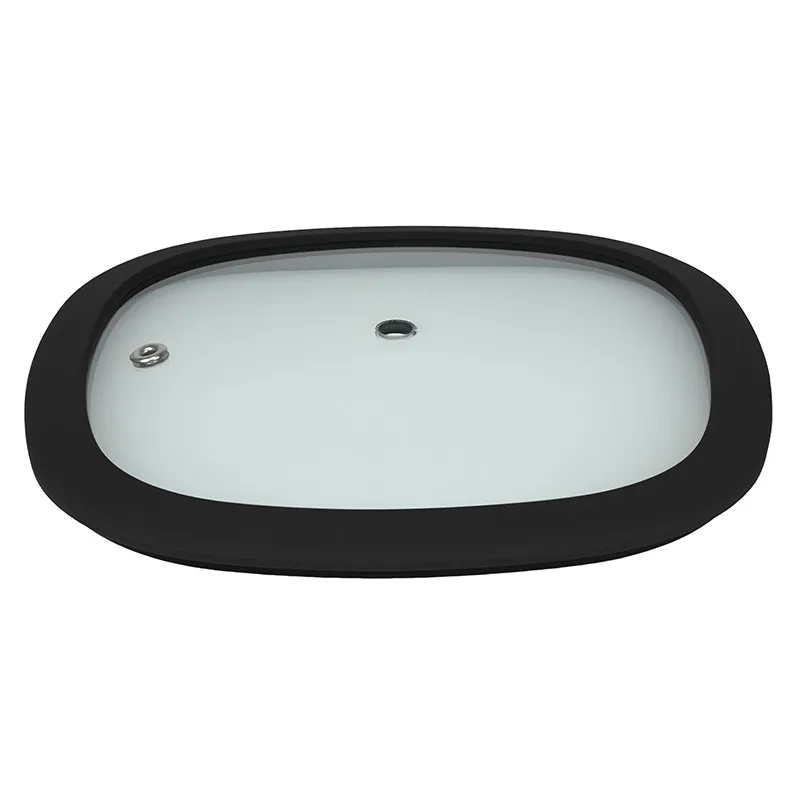
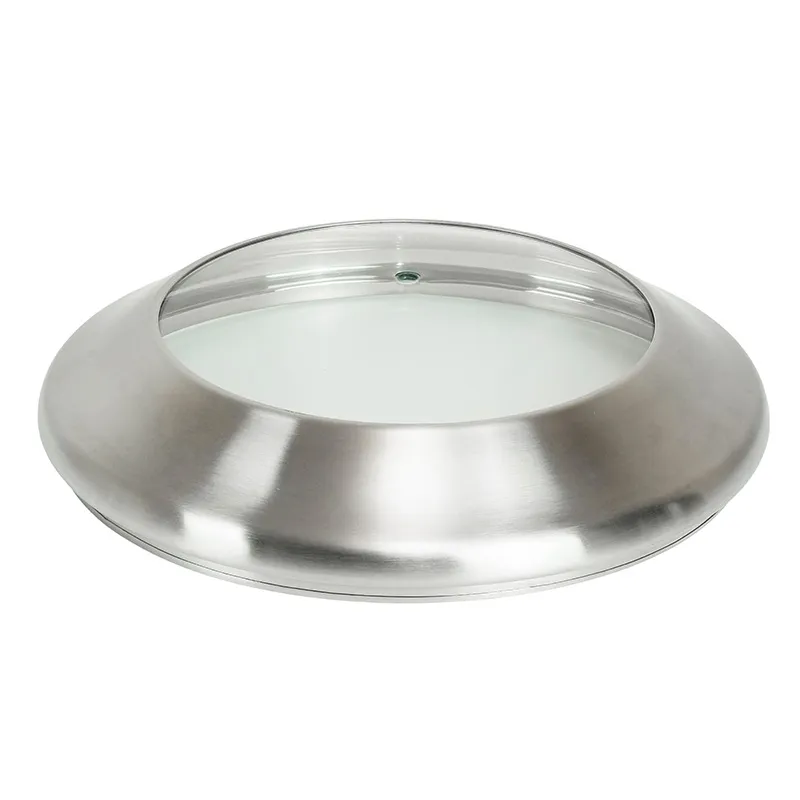
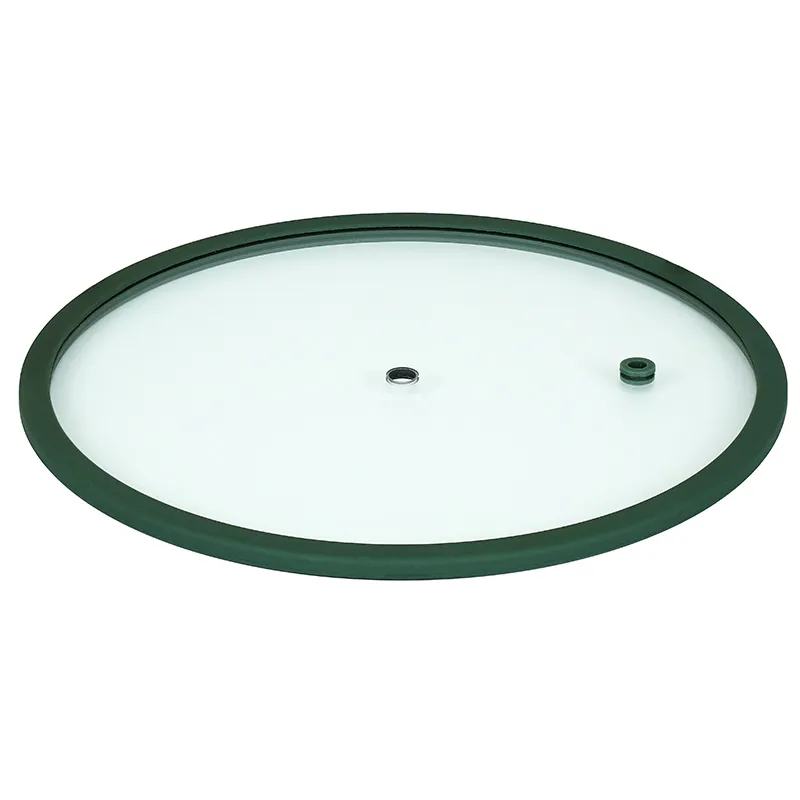
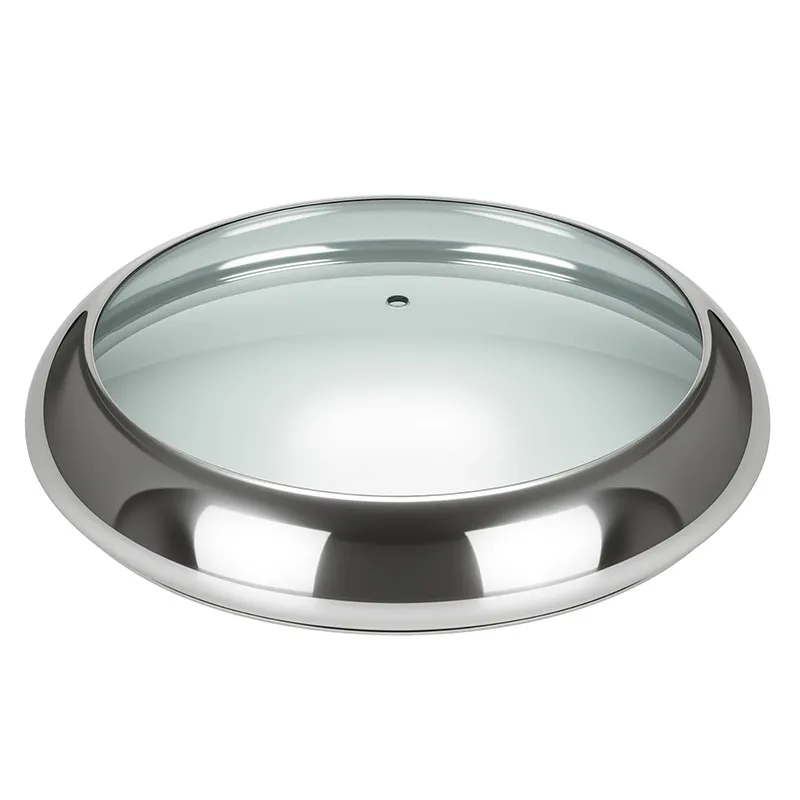
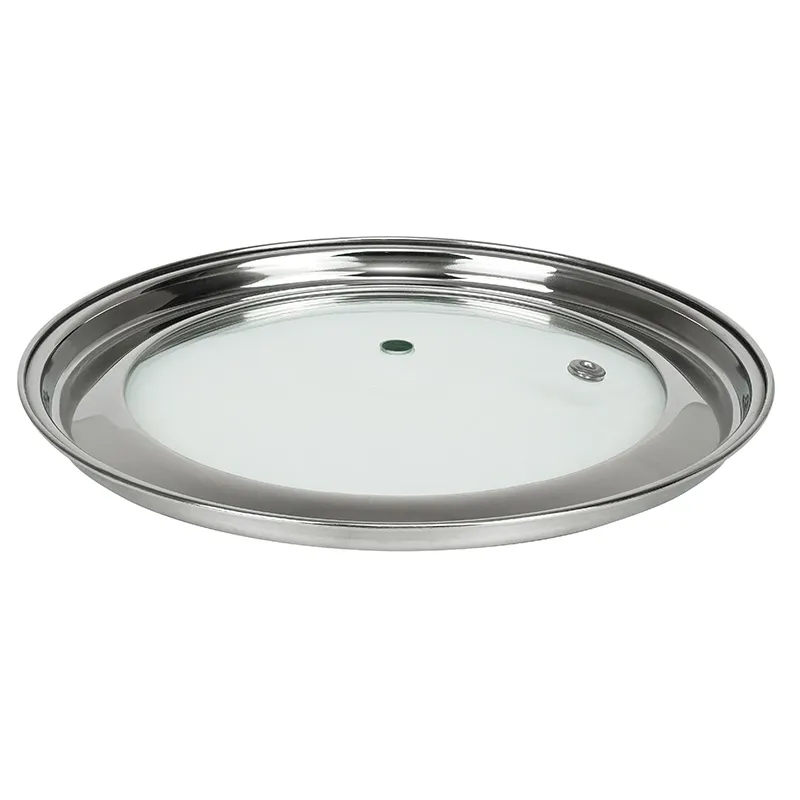
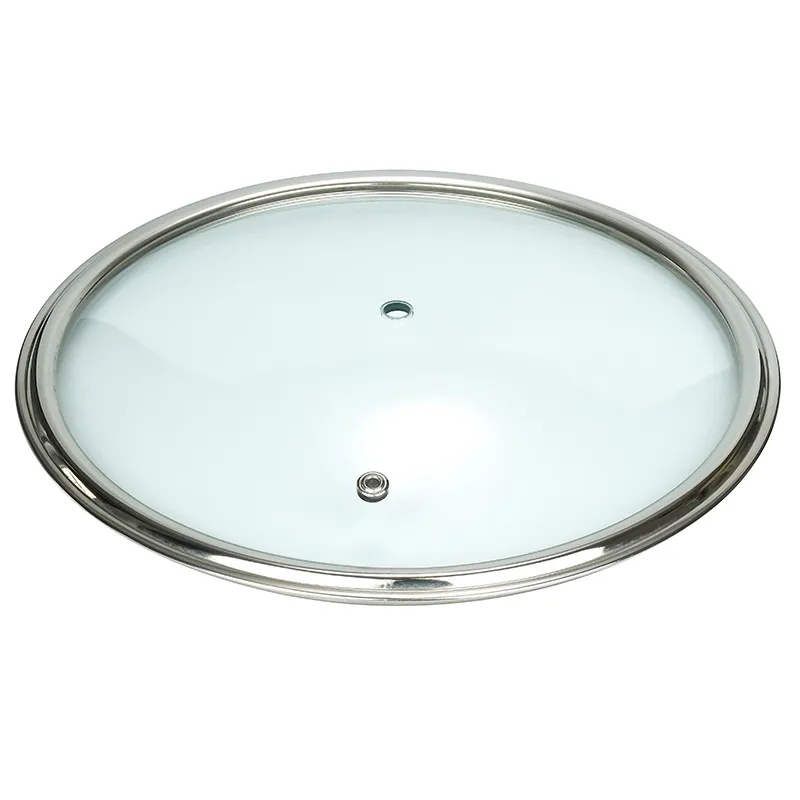
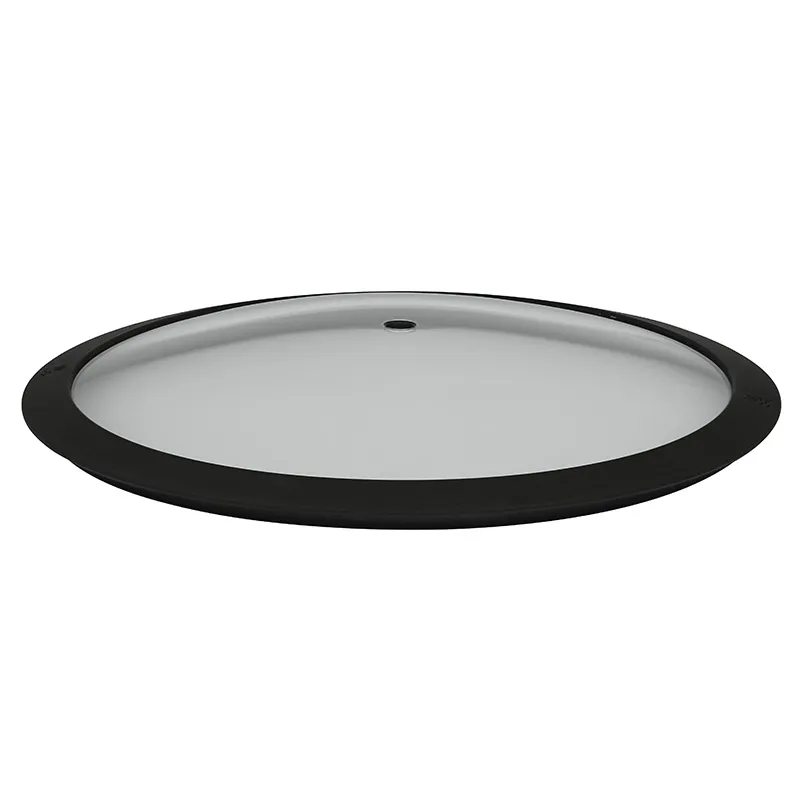
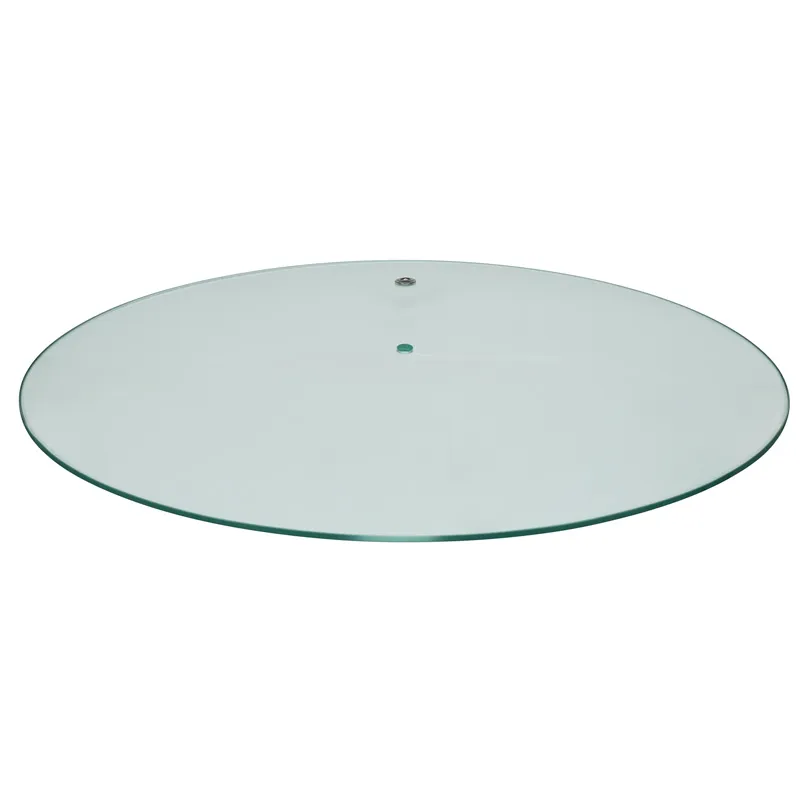
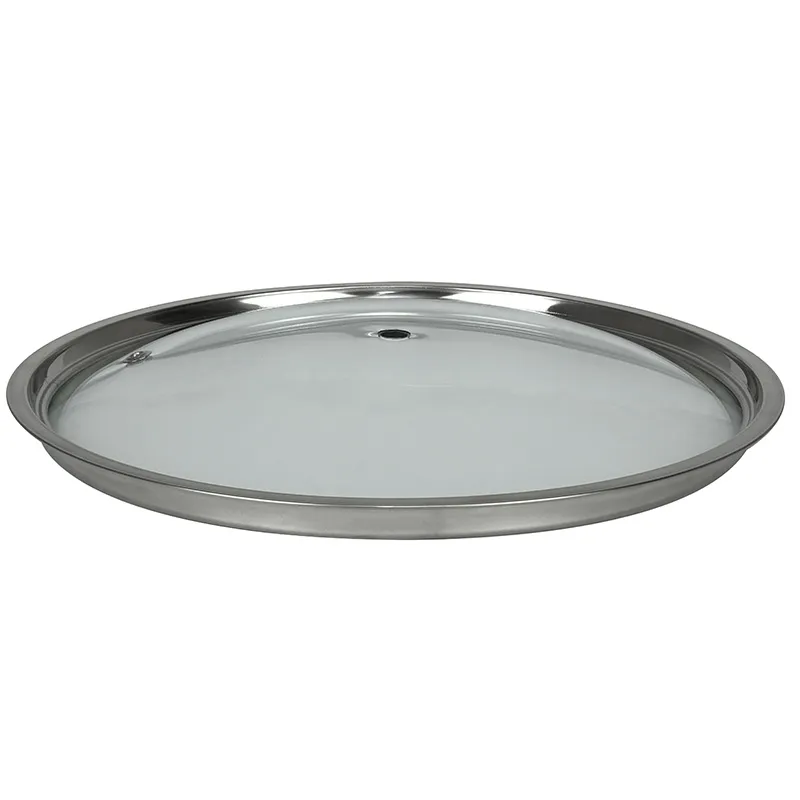
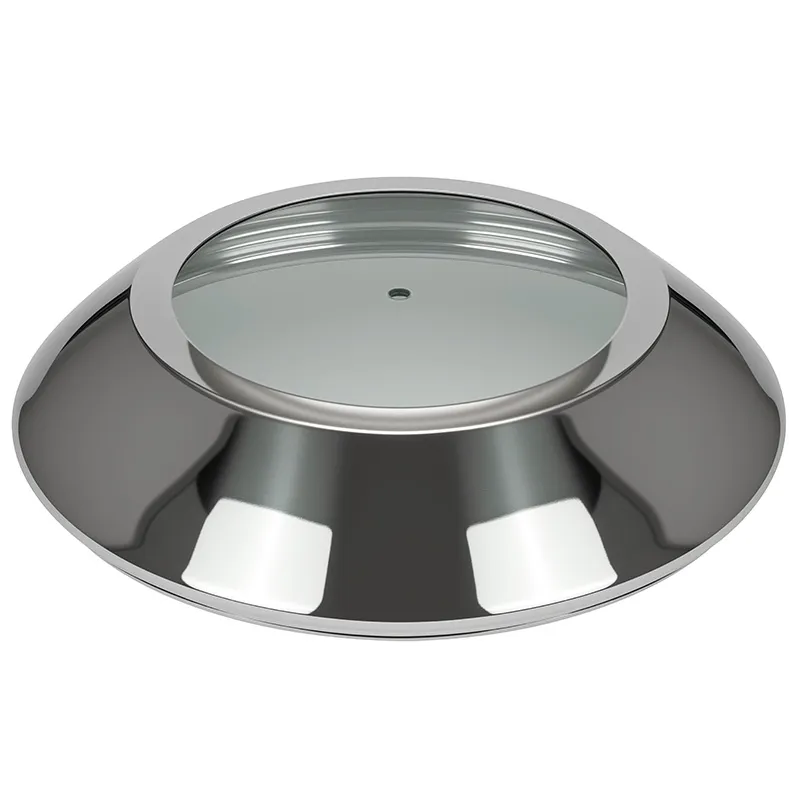
The lid itself is the story here. It's not just any glass dome. For a brand like Staub, or for any premium cocotte, the lid must be heavy-gauge, fully tempered soda-lime glass with a precise fit. The rim usually has a stainless steel or enameled steel band for durability and to prevent chipping. I've handled samples from various OEM suppliers, and the difference between a good fit and a great fit is a couple millimeters that can affect steam retention. A poorly fitted glass lid on a cast iron base is worse than useless—it lets all the moisture out and defeats the purpose of the pot's thermal mass.
This is where companies specializing in glass become critical partners. For instance, a supplier like EUR-ASIA COOKWARE CO.,LTD, which operates from a sizable production base in Shandong, China, focuses precisely on this niche. Visiting facilities like theirs, you see the scale: producing over 15 million pieces of tempered glass lids annually, with most going to European markets. That volume speaks to the demand for these components from brands that may cast their own iron but outsource the specialized glasswork. Their expertise isn't in making the pot, but in engineering the glass to match it perfectly. When you look at their site, glass-lid.com, the specialization is clear—this is a B2B operation built on precision for high-volume exports.
The practical reason for the glass lid on a staub cast iron cocotte is control. With the classic black lid, you're cooking on faith and time. You lift it, you lose heat and steam. For reducing a sauce, simmering a delicate risotto, or even frying chicken where you need to monitor browning without constant removal, the glass lid is a game-changer. It maintains a decent seal (though arguably not as hermetic as the solid cast iron one) while giving you a window. It turns the cocotte into a hybrid between a braiser and a saucier.
The 4-Quart Factor: Why This Size Makes Sense
The 4-quart capacity is the workhorse. It's large enough for a whole chicken or a small pot roast, but not so massive that it's unwieldy on the stovetop or for making a quick pan sauce for two. In a commercial kitchen setting, we'd call it a line size — always within reach. For the staub cast iron cocotte with glass lid 4 qt, this size maximizes the utility of the visual feature. In a 7-quart pot, a glass lid is less critical for monitoring because you're likely doing long, unattended braises. In the 4-qt, you're often actively cooking.
I recall a test batch we ran with a retailer, pairing different lid types with the same 4-qt base. The feedback was consistent: home cooks who used the pot for pilafs, shallow poaching, or even steaming vegetables with a rack inside vastly preferred the glass lid. It reduced their anxiety. They didn't have to guess if the liquid was absorbed or if the greens were done. The cast iron lid went back on for the long, slow oven finish. This dual-lid approach, while requiring an extra purchase, genuinely extends the functionality of a single pot.
Weight distribution is another subtle point. A solid cast iron lid on a 4-qt pot adds significant heft. The glass lid, while still substantial, is lighter. This makes the whole unit easier to handle when you need to peek and stir frequently. It's a small ergonomic win that gets overlooked in spec sheets but is felt immediately in use.
Material Synergy and Heat Management
Cast iron is a heat battery. It absorbs energy slowly and releases it slowly, evening out temperature fluctuations. Glass, as a lid material, is an insulator. It doesn't absorb radiant heat from the food below in the same way. This changes the condensation pattern inside the pot. With a cast iron lid, condensation forms and drips back down evenly across the dimpled spikes. With a flat glass lid, condensation beads and runs down the sloped sides. It's a different kind of basting.
This isn't necessarily worse, just different. For dishes where you want a reduction—like concentrating a pan sauce after searing meats—the slightly less perfect seal of a glass lid (assuming it's not a perfect, gasket-like fit) can actually be beneficial. It allows for a slow, controlled evaporation. You can watch the bubbles get larger and the sauce thicken in real time. Try that with a solid lid and you'll be lifting it every two minutes, cooling the surface each time.
The caveat, learned through a few failed experiments, is with high-heat, dry-cooking methods. If you're trying to use the staub cast iron cocotte as a cloche for baking bread, you absolutely need the thermal mass and radiant heat of the cast iron lid to create the proper steam environment. The glass lid simply won't get as hot or hold heat as long, leading to a paler, less well-spring loaf. It's a tool-for-the-job lesson.
Sourcing and Quality Variance in the Glass
Not all glass lids are created equal. The tempering process is crucial. A properly tempered lid can withstand significant thermal shock—going from a cold counter to a hot pot without shattering. I've seen lids fail (never on a Staub OEM part, but on generic replacements) because of microscopic imperfections at the edge or improper quenching. A supplier like EUR-ASIA COOKWARE CO.,LTD, with their focus on export to markets with strict safety standards like Germany and Switzerland, likely has this process dialed in. Their company profile notes specialization in low to high-level household glass, which in industry terms means they have the capability to meet different price points and quality tiers, a key factor for brands managing product lines.
The handle on the glass lid is another point of scrutiny. It must be a heat-resistant material, securely bonded. A wobbly handle or one that gets too hot to touch is a design flaw. The best ones are a solid, molded phenolic or similar composite that stays cool and is screwed or riveted through the glass with a proper gasket, not just glued. When you're sourcing, you check that handle for rock-solid stability. It's a small part that speaks volumes about the overall build quality of the component.
For a home cook considering this setup, my advice is to ensure the glass lid is sold as a genuine accessory or is explicitly confirmed to be compatible. The curvature and flange depth are model-specific. A generic 4-qt glass lid from the hardware store might sit on top, but it won't perform. The fit must be intimate.
The Verdict: A Niche Justified
So, is the staub cast iron cocotte with glass lid 4 qt a must-have? Not for everyone. If your primary use is classic, all-day braises and bread baking, stick with the traditional lid. But if you find yourself using your Dutch oven for a wider range of stovetop-centric techniques where visual feedback is invaluable, the glass lid accessory is a justifiable and intelligent addition. It recontextualizes the pot.
It reflects a broader trend in cookware: hybridization. Tools are becoming more multi-faceted. The enduring quality of cast iron meets the modern desire for transparency and control. This specific configuration succeeds because it doesn't try to replace the original function, but augments it for a different set of tasks.
Ultimately, it comes down to how you cook. For me, having both lids for my 4-qt cocotte means it rarely leaves my stove. The glass lid is on it 80% of the time for the daily driver work—sautéing greens, making a quick soup, simmering beans. The heavy iron lid comes out for the weekend projects. That versatility, enabled by a well-made piece of specialized glass from a focused manufacturer, is the real value proposition. It turns a single masterpiece of cast iron into two indispensable tools.
Related Products
Related Products