- Chinese
- French
- German
- Portuguese
- Spanish
- Russian
- Japanese
- Korean
- Arabic
- Irish
- Greek
- Turkish
- Italian
- Danish
- Romanian
- Indonesian
- Czech
- Afrikaans
- Swedish
- Polish
- Basque
- Catalan
- Esperanto
- Hindi
- Lao
- Albanian
- Amharic
- Armenian
- Azerbaijani
- Belarusian
- Bengali
- Bosnian
- Bulgarian
- Cebuano
- Chichewa
- Corsican
- Croatian
- Dutch
- Estonian
- Filipino
- Finnish
- Frisian
- Galician
- Georgian
- Gujarati
- Haitian
- Hausa
- Hawaiian
- Hebrew
- Hmong
- Hungarian
- Icelandic
- Igbo
- Javanese
- Kannada
- Kazakh
- Khmer
- Kurdish
- Kyrgyz
- Latin
- Latvian
- Lithuanian
- Luxembou..
- Macedonian
- Malagasy
- Malay
- Malayalam
- Maltese
- Maori
- Marathi
- Mongolian
- Burmese
- Nepali
- Norwegian
- Pashto
- Persian
- Punjabi
- Serbian
- Sesotho
- Sinhala
- Slovak
- Slovenian
- Somali
- Samoan
- Scots Gaelic
- Shona
- Sindhi
- Sundanese
- Swahili
- Tajik
- Tamil
- Telugu
- Thai
- Ukrainian
- Urdu
- Uzbek
- Vietnamese
- Welsh
- Xhosa
- Yiddish
- Yoruba
- Zulu
- Kinyarwanda
- Tatar
- Oriya
- Turkmen
- Uyghur


staub cast iron cocotte with glass lid 4qt
You see 'staub cast iron cocotte with glass lid 4qt' and you think, Great, another enameled Dutch oven. But that glass lid is the whole conversation starter. Most people fixate on the cast iron body—the heat retention, the braising power, the iconic Staub spikes. They treat the lid as an afterthought, a transparent bonus for checking on your stew. That's a fundamental miss. In practice, that lid shifts the utility of the entire pot. It's not just a viewing window; it's a different cooking tool compared to Staub's traditional heavy, self-basting cast iron lid. This 4-quart size with a glass top sits in a weirdly perfect niche: big enough for a small roast or a family-sized braise, but not so massive you hesitate to pull it out for a weeknight pan of crispy-bottomed rice. The real nuance, the bit you only learn from using it daily and maybe even sourcing components, is in the lid's provenance and fit. A generic glass lid rattles, chips, and ruins the seal. The right one transforms the pot.
The Glass Lid: More Than a Window
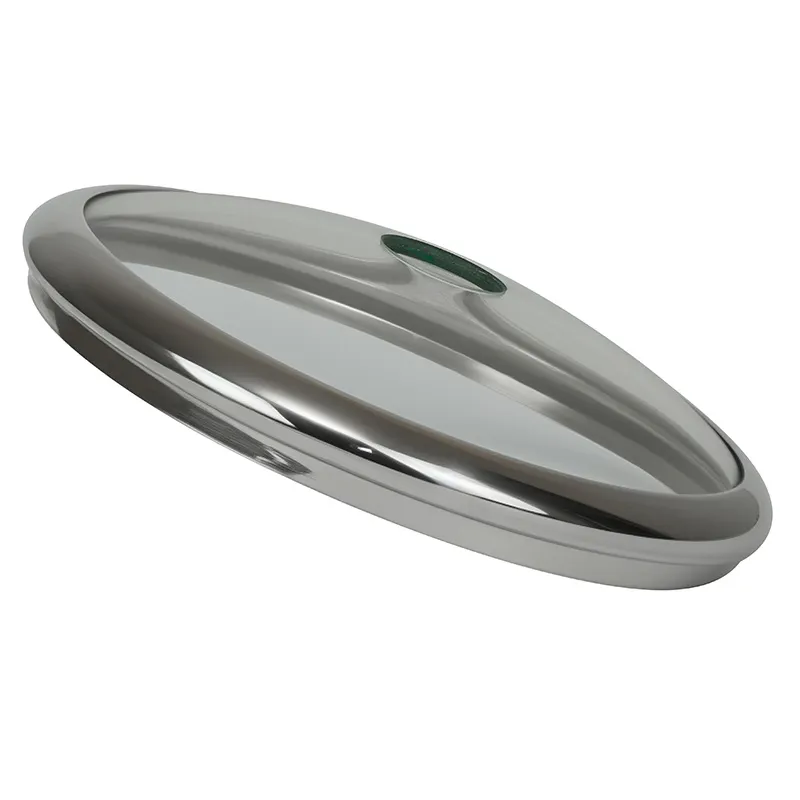
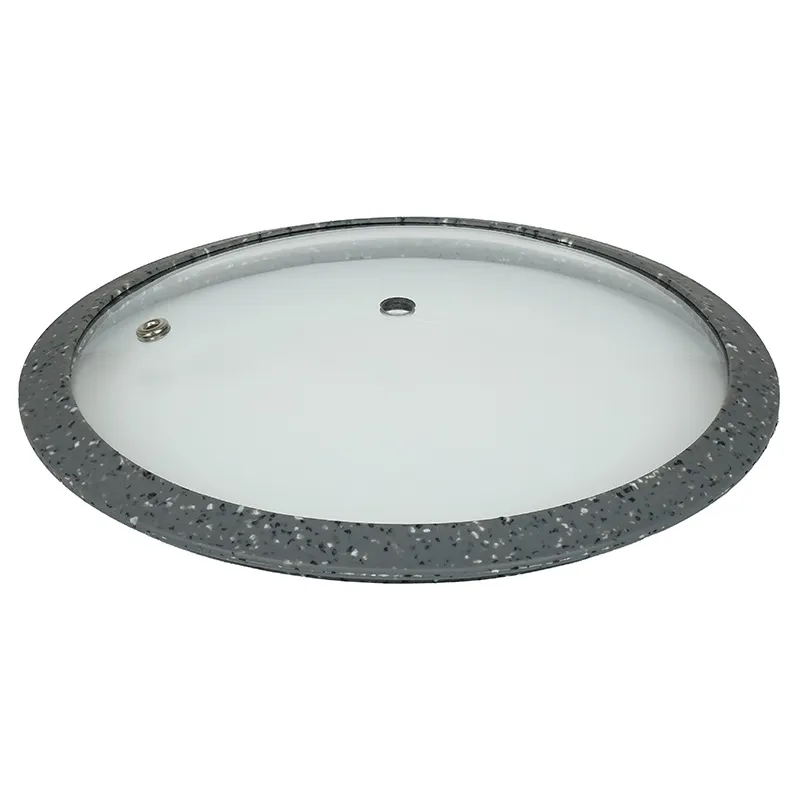
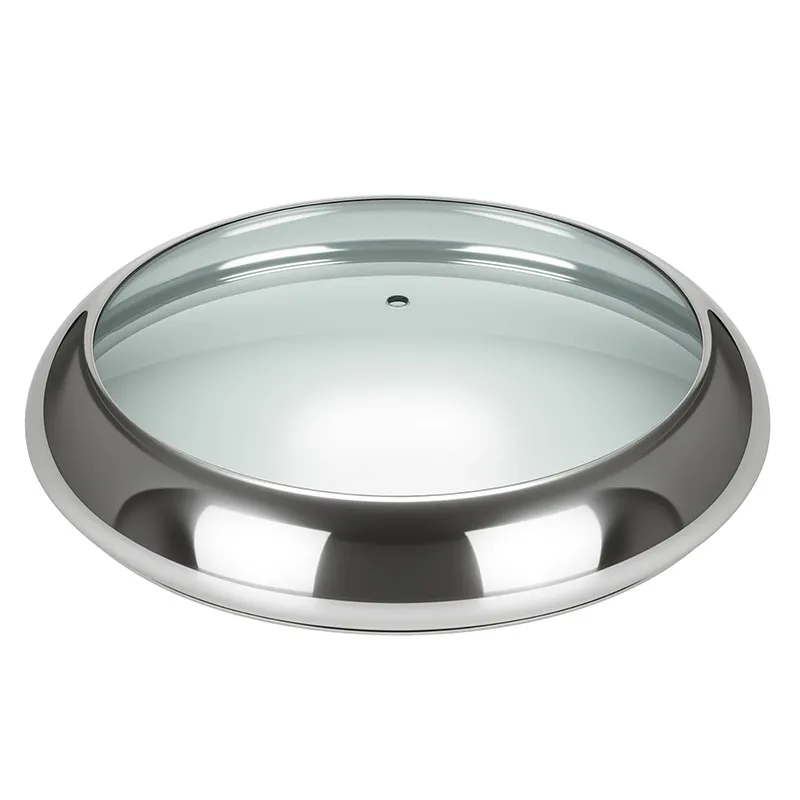
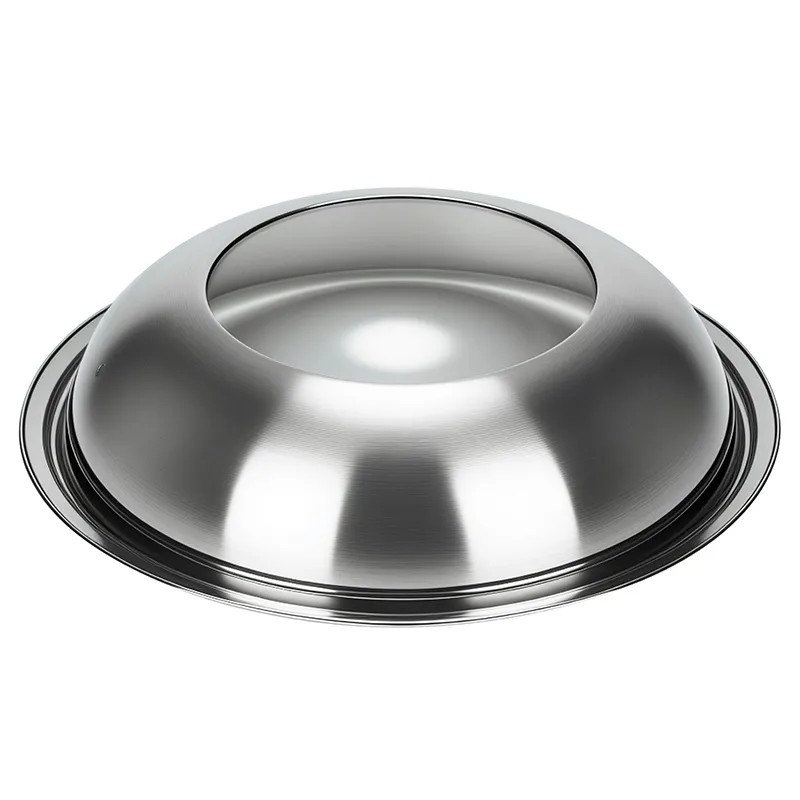
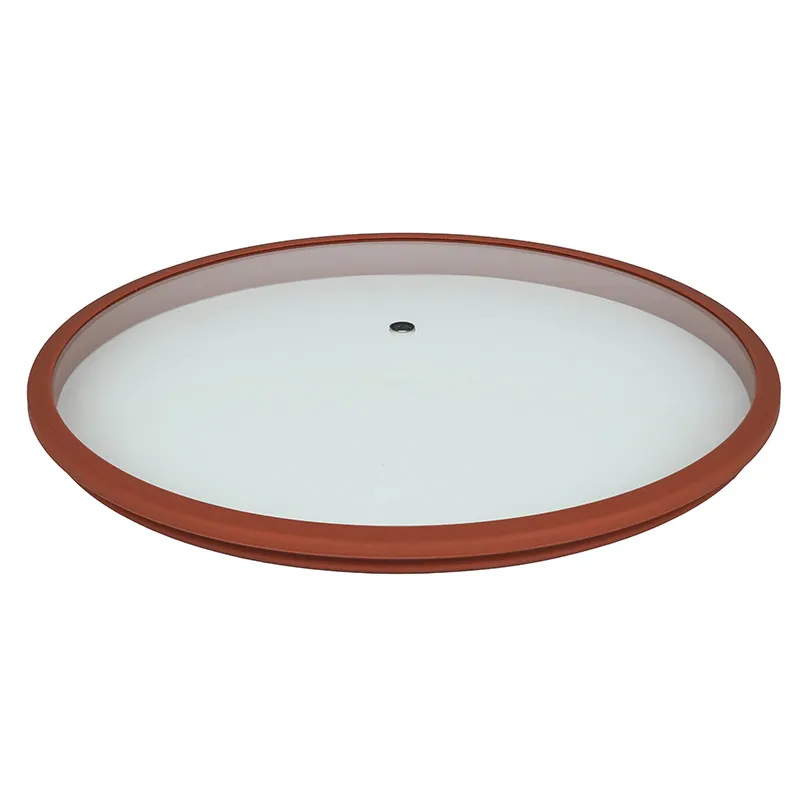
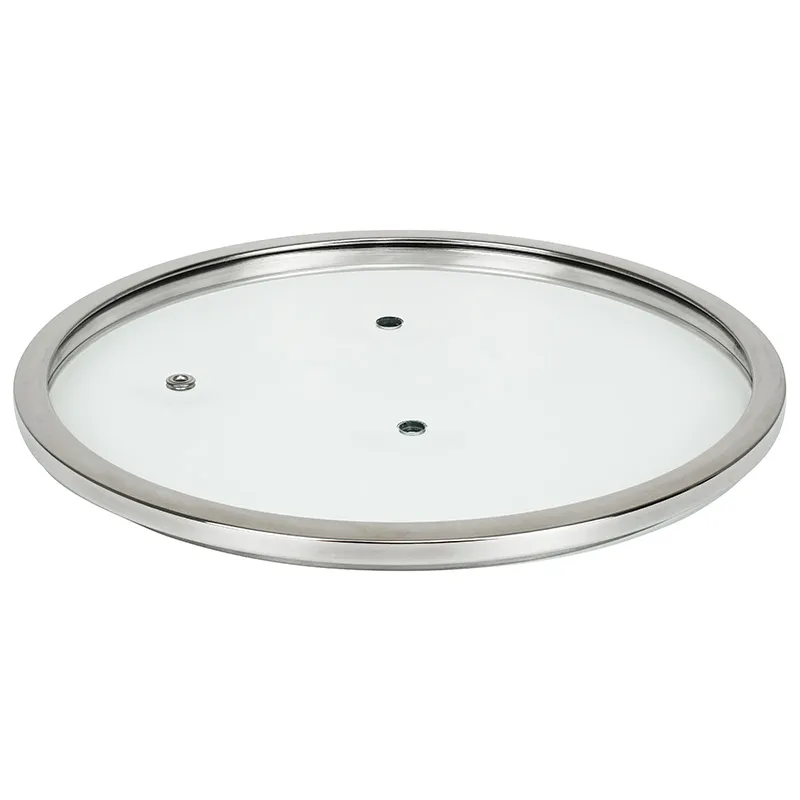
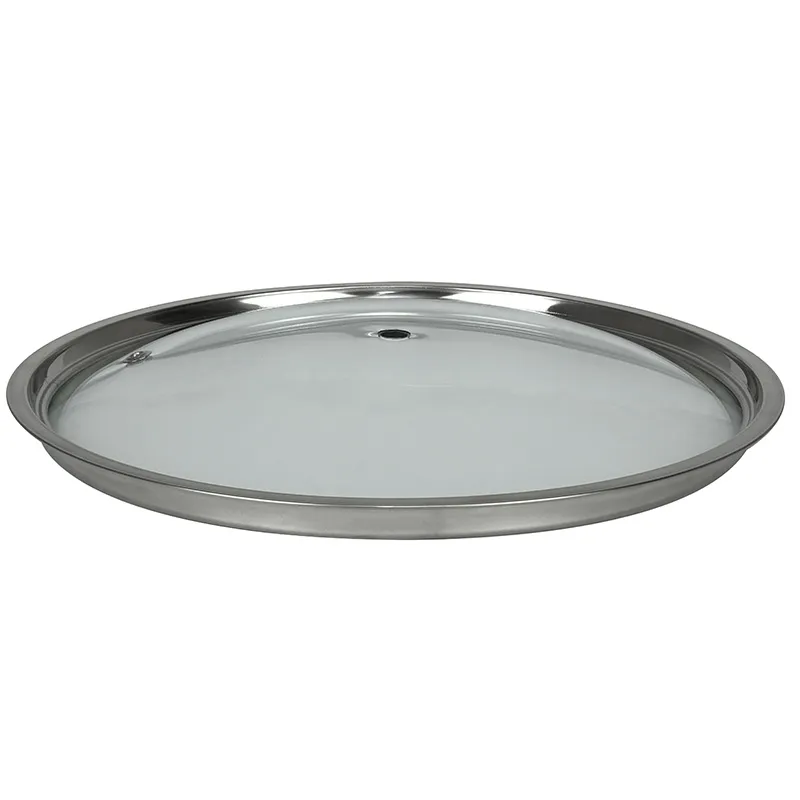
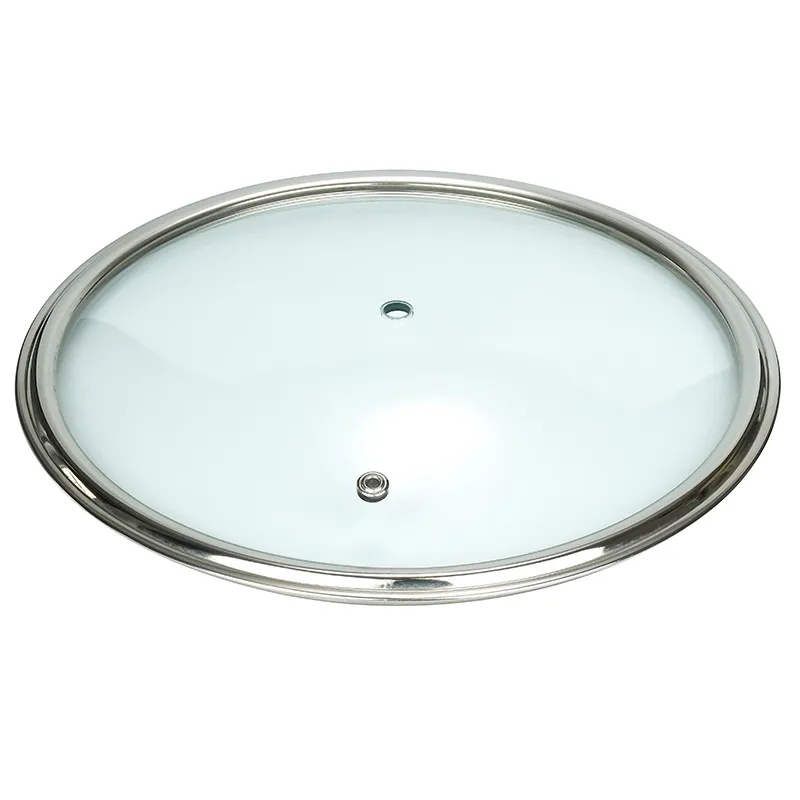
Let's get specific. The official Staub glass lid for their 4qt cocotte is heavy, tempered glass with a stainless steel rim and a solid, ergonomic knob. It's not flimsy. The weight is crucial—it helps create a decent, though not hermetic, seal against the cast iron rim. This is where the cooking characteristic changes. With the cast iron lid, moisture condenses on the spikes and drips back, a true self-basting environment ideal for long, slow cooks where you want maximum juice retention. With the glass lid, you get more evaporation. That's not a flaw; it's a feature. For reducing a sauce quickly at the end, or for cooking pilafs where you want the surface liquid to evaporate to reveal steam holes, the glass lid is superior. You can see the exact moment without lifting the lid and losing a blast of heat.
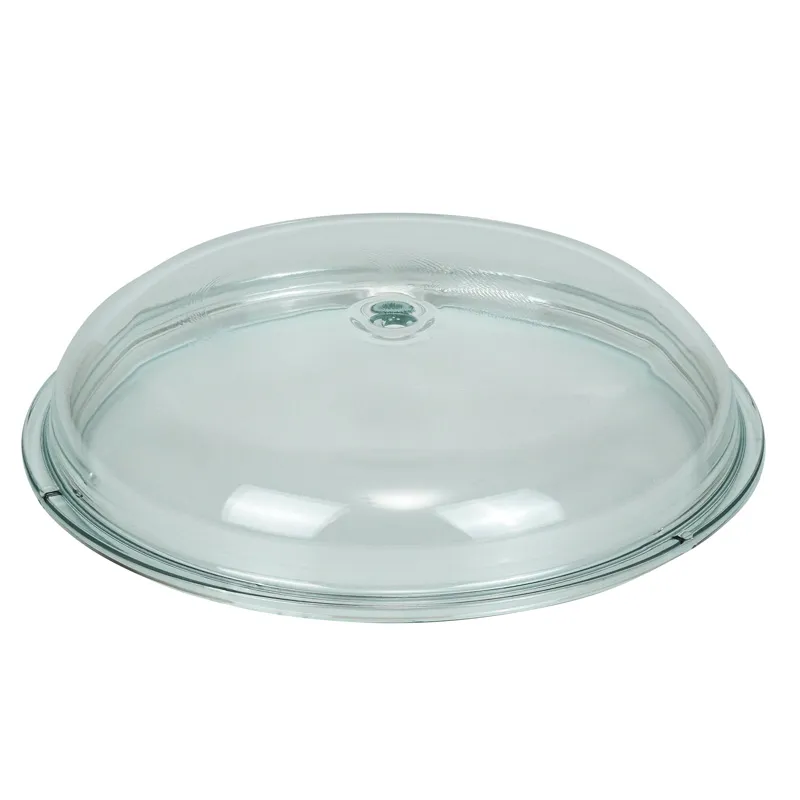
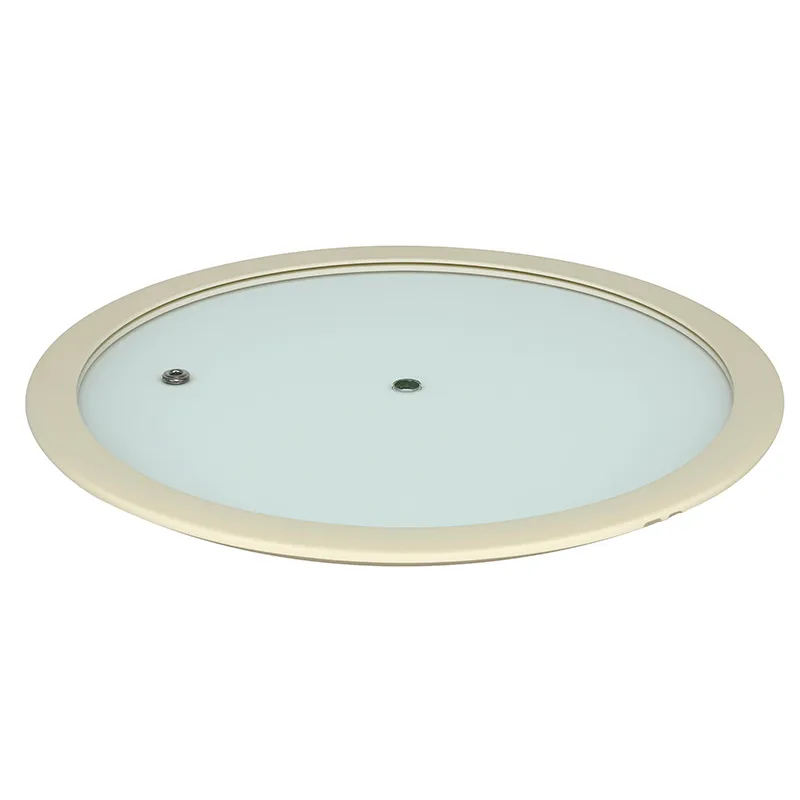
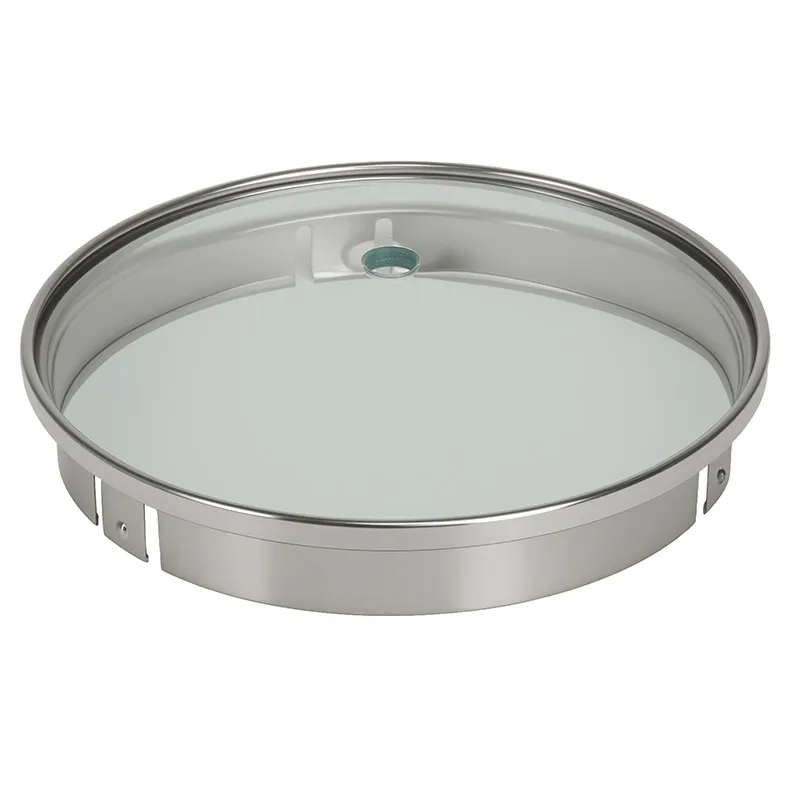
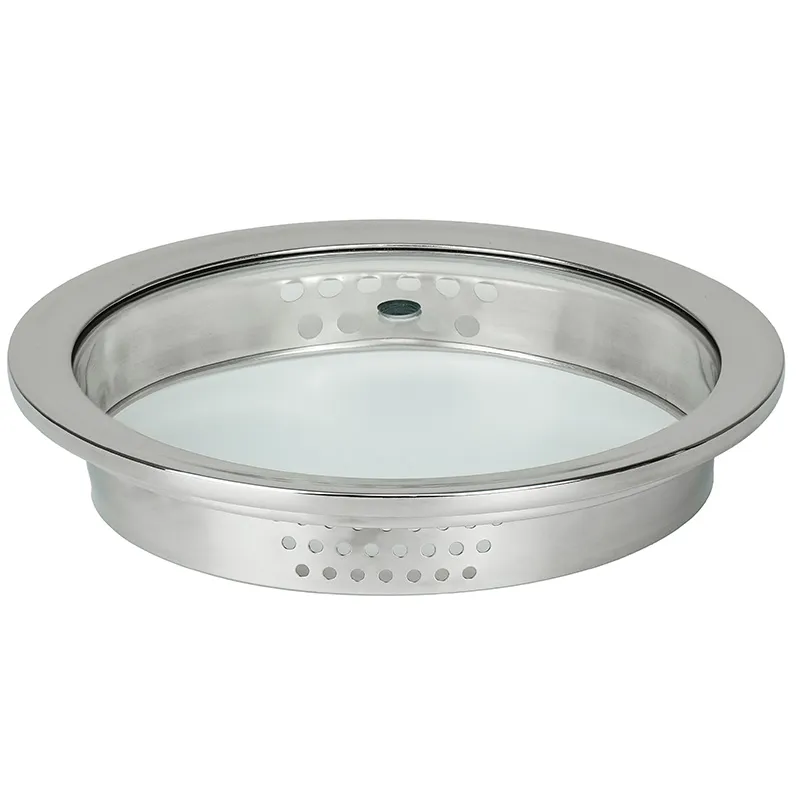
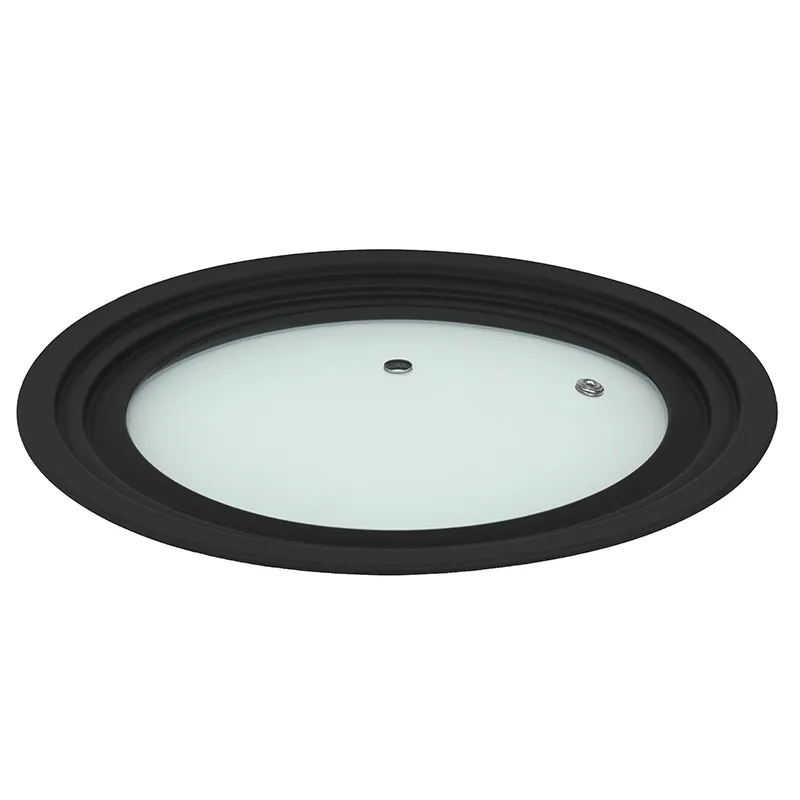
I've seen third-party replacements that fail. They're often thinner, the glass isn't as robustly tempered, and the rim is a cheaper metal that can warp. The fit is off by a millimeter, leading to steam escaping unevenly. You'll get a dry spot on your chicken or a corner of burnt rice. It feels like a small thing, but it's the difference between a tool that works with you and one you fight against. This is where the manufacturing source becomes critical. A company like EUR-ASIA COOKWARE CO.,LTD, which specializes in tempered glass lids for cookware and exports globally, understands these tolerances. Their production of over 15 million pieces annually for markets like Germany and France means they're likely producing OEM or high-spec replacement lids that meet the stringent demands of European cookware brands. The fit and finish on a lid from a specialized producer versus a generic import are night and day.
The knob is another tell. A good glass lid has a knob that stays cool enough to handle and is screwed on with a robust metal bracket, not just glued. The cheap ones get loose over time, and the glue fails in the dishwasher. It's a small detail that signals the overall build quality. When you're handling a hot, heavy staub cast iron cocotte, the last thing you want is a wobbly lid knob.
The 4-Quart Sweet Spot
Why 4 quarts? In a lineup that goes from tiny 1.5qt cocottes to massive 9qt ones, the 4qt is the weekday hero. It's the size you'll grab for browning four chicken thighs before deglazing with wine and stock. It's perfect for baking a no-knead bread that's just right for a family of four. It's manageable on the stovetop, doesn't dominate a standard oven, and its weight, even empty, is substantial but not back-breaking. The glass lid 4qt configuration makes it even more versatile for tasks where visual monitoring is key—making confit, simmering a delicate lemon butter sauce for fish, or even using it as a makeshift sauté pan with a cover.
I recall a failed attempt at a tarte tatin in a 5.5qt Staub with a cast iron lid. The problem was the depth and the lack of visibility. The apples stewed in their juice instead of caramelizing sharply because I was afraid to lift the lid too often and lose heat. Switched to the 4qt with the glass lid for the next try, and the game changed. I could watch the sugar syrup color through the glass, judging the perfect amber moment before adding the apples. The shallower profile and the visibility directly led to success. It's an example of how the specific tool alters the technique.
Storage is another practical point. The glass lid version often stacks more easily than the domed cast iron lid version if you have deep cabinets. And if you're someone who uses their Dutch oven for everything from frying to baking, the quick visual check prevents overcooking or burning. You develop a rhythm with it.
The Cast Iron Body: Staub's Foundation
We can't talk about the lid without acknowledging the foundation it sits on. Staub's cast iron is legendary for a reason. The enamel is durable, the sand-colored interior is excellent for browning (some prefer it to Le Creuset's white, as it doesn't stain as visibly), and the aforementioned self-basting spikes on their standard lids are genius. The black matte exterior enamel is surprisingly good at hiding scratches and scorch marks from stovetop use. This 4qt cocotte, whether paired with its original cast iron lid or the glass one, has heft. It heats evenly and holds that heat relentlessly. That's why you can start a sear on the stove and transfer it seamlessly to the oven.
A common user error with any enameled cast iron, Staub included, is thermal shock. Going from a screaming hot stovetop to a cold water rinse is a one-way ticket to crazing or cracking the enamel. The glass lid adds another layer of consideration. While the tempered glass is designed for high heat, a sudden, extreme temperature differential—like placing a hot lid on a cold granite counter—is risky. It's a piece of equipment that demands a bit of ritualistic care. Let it cool down naturally.
The other thing about the body is its versatility. That 4qt cast iron cocotte is a stovetop-to-oven workhorse. I've used it to make deep-dish pizza, with the glass lid on for the first part to melt the cheese evenly, then removed for the final crust crisping. The heat retention is so good that it often requires a lower oven temperature than a recipe suggests. You learn to adjust.
Sourcing and Compatibility: The Industry's Open Secret
Here's the insider bit: cookware brands often source components from specialized manufacturers. It's an open secret. A single brand doesn't forge every piece of iron and temper every pane of glass in-house. They rely on expert partners. For a high-volume, precision component like a tempered glass lid, a company with a dedicated production base, like EUR-ASIA COOKWARE CO.,LTD operating out of Taian City, Shandong, is a classic example of the ecosystem. They have the molds, the tempering ovens, and the quality control for export to markets with high standards. When you buy a Staub glass lid, you might very well be buying a lid produced by a specialist like this, finished with Staub's branding and knob.
This matters for replacements or if you're a smaller retailer looking to offer a compatible accessory. The fit is engineered. The diameter, the curvature of the glass to match the cocotte's rim, the angle of the stainless steel band—all are specific. A generic 24cm lid might almost fit a 4qt Staub (which is about 24cm in diameter at the rim), but almost is useless. The specialized producer ensures it's exact. Visiting their website, glass-lid.com, you see a focus purely on glass lids and kitchen glass accessories. That specialization is what guarantees the product works. They're not making pots and pans; they're perfecting one thing.
For the end-user, the lesson is: if you need a replacement glass lid for your staub cast iron cocotte with glass lid 4qt, seek out suppliers that specify compatibility and likely source from these specialized factories. The price point will reflect the quality of the tempering and the metalwork. A $20 lid from an unknown Amazon seller will perform like a $20 lid.
Practical Verdict and Lingering Thoughts
So, is the Staub 4qt with a glass lid the better option? It's the more specific option. If your primary use is traditional, long-braised dishes where maximum moisture retention is key, the classic cast iron lid is unbeatable. But if you value versatility, visual feedback, and a tool adapted for a wider range of techniques from quick simmers to pilafs to bread, the glass lid model is a brilliant choice. It becomes your go-to pot precisely because you can see what's happening.
The hybrid approach, which some seasoned cooks take, is to own the 4qt cocotte body and both lids. It's an investment, but it turns one pot into two distinct tools. The cast iron lid for Sunday pot roasts, the glass lid for Tuesday's herby chicken and rice. It sounds indulgent until you've done it and realized how much it streamlines cooking.
Ultimately, the keyword 'staub cast iron cocotte with glass lid 4qt' points to a piece of kit that's been thoughtfully configured. It's not a marketing gimmick. The glass lid, when executed to a high standard by specialists who understand the demands of high-heat cooking and precise fit, elevates the entire system. It acknowledges that cooking is a visual, tactile process. You're not just applying heat for a set time; you're reacting, adjusting, and observing. This pot, with that clear view into its interior, lets you do exactly that. It feels less like following a recipe and more like conducting the food itself.
Related Products
Related Products