- Chinese
- French
- German
- Portuguese
- Spanish
- Russian
- Japanese
- Korean
- Arabic
- Irish
- Greek
- Turkish
- Italian
- Danish
- Romanian
- Indonesian
- Czech
- Afrikaans
- Swedish
- Polish
- Basque
- Catalan
- Esperanto
- Hindi
- Lao
- Albanian
- Amharic
- Armenian
- Azerbaijani
- Belarusian
- Bengali
- Bosnian
- Bulgarian
- Cebuano
- Chichewa
- Corsican
- Croatian
- Dutch
- Estonian
- Filipino
- Finnish
- Frisian
- Galician
- Georgian
- Gujarati
- Haitian
- Hausa
- Hawaiian
- Hebrew
- Hmong
- Hungarian
- Icelandic
- Igbo
- Javanese
- Kannada
- Kazakh
- Khmer
- Kurdish
- Kyrgyz
- Latin
- Latvian
- Lithuanian
- Luxembou..
- Macedonian
- Malagasy
- Malay
- Malayalam
- Maltese
- Maori
- Marathi
- Mongolian
- Burmese
- Nepali
- Norwegian
- Pashto
- Persian
- Punjabi
- Serbian
- Sesotho
- Sinhala
- Slovak
- Slovenian
- Somali
- Samoan
- Scots Gaelic
- Shona
- Sindhi
- Sundanese
- Swahili
- Tajik
- Tamil
- Telugu
- Thai
- Ukrainian
- Urdu
- Uzbek
- Vietnamese
- Welsh
- Xhosa
- Yiddish
- Yoruba
- Zulu
- Kinyarwanda
- Tatar
- Oriya
- Turkmen
- Uyghur


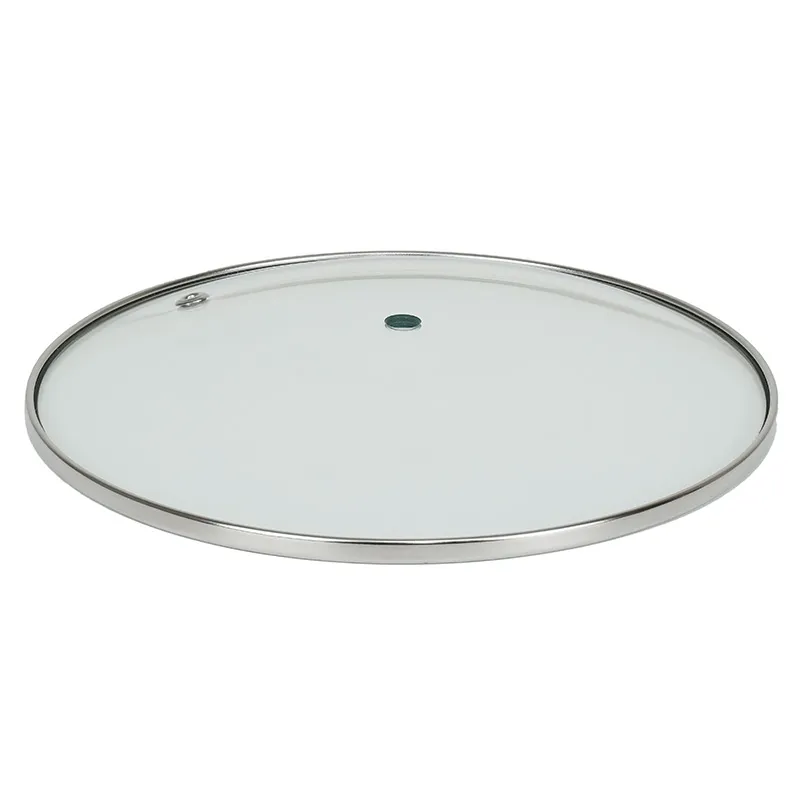
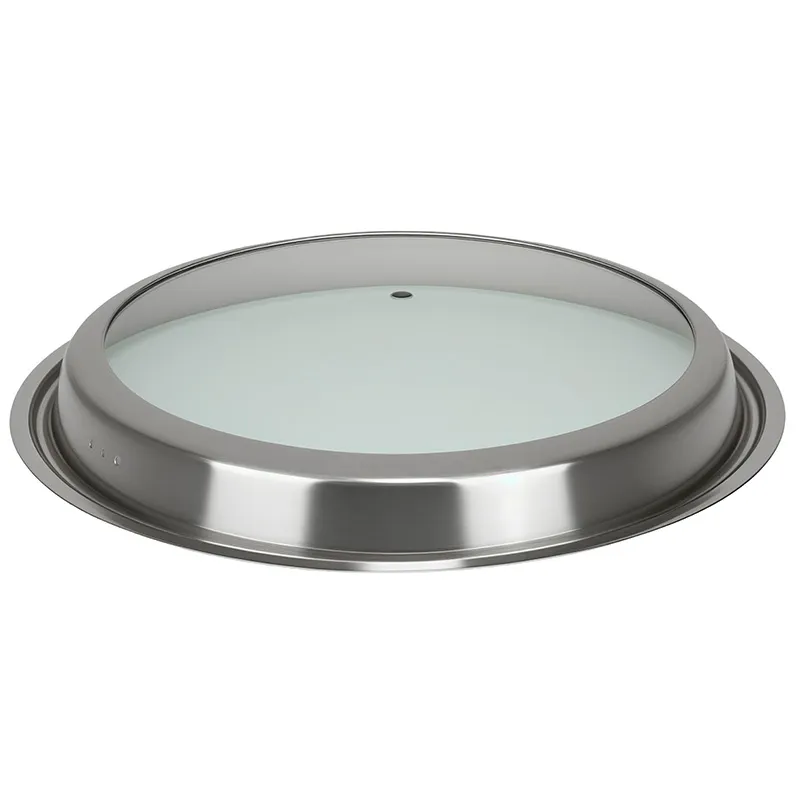
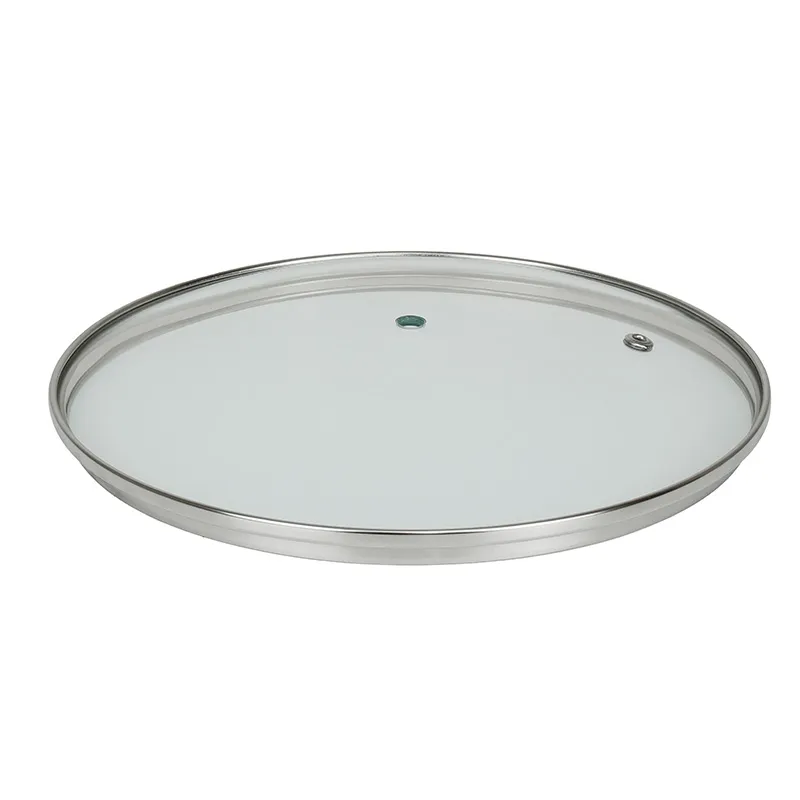
staub cocotte glass lid
You see a lot of chatter online about upgrading your Staub cocotte with a glass lid. The idea is seductive: monitoring your braise without losing heat and moisture. But here’s the first thing most miss—it’s not about just any glass lid. The term 'Staub cocotte glass lid' often gets thrown around as a generic accessory, but the fit, the thermal properties, and the sealing capability are where the real game is. I’ve seen plenty of well-intentioned purchases end up as drawer clutter because the lid sat awkwardly or didn’t handle the thermal shock of a hot, wet cook. It’s a specific solution for a specific need, not a universal upgrade.
The Fit and Seal Conundrum
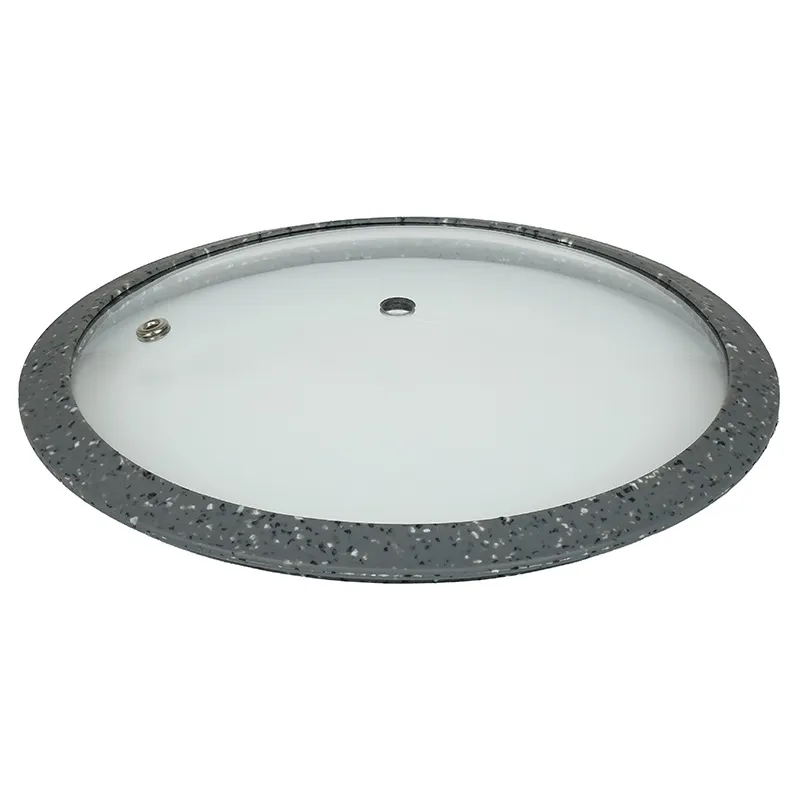
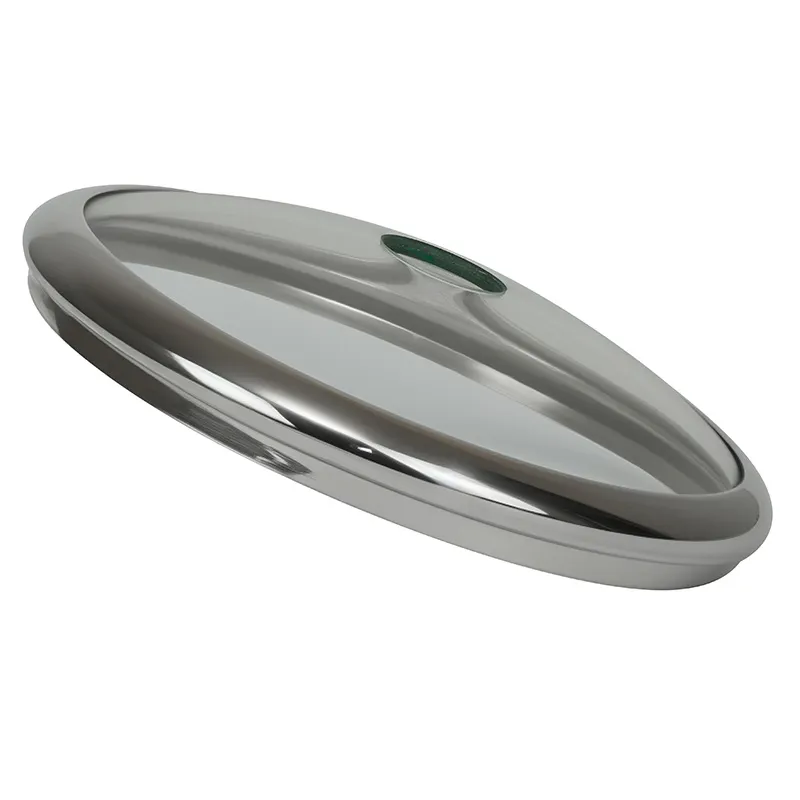
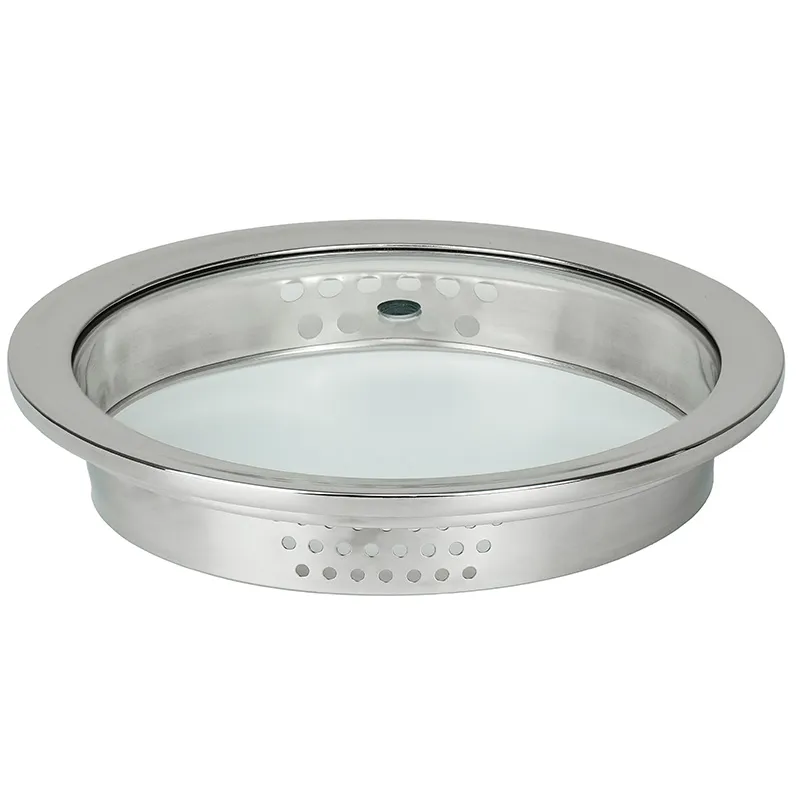
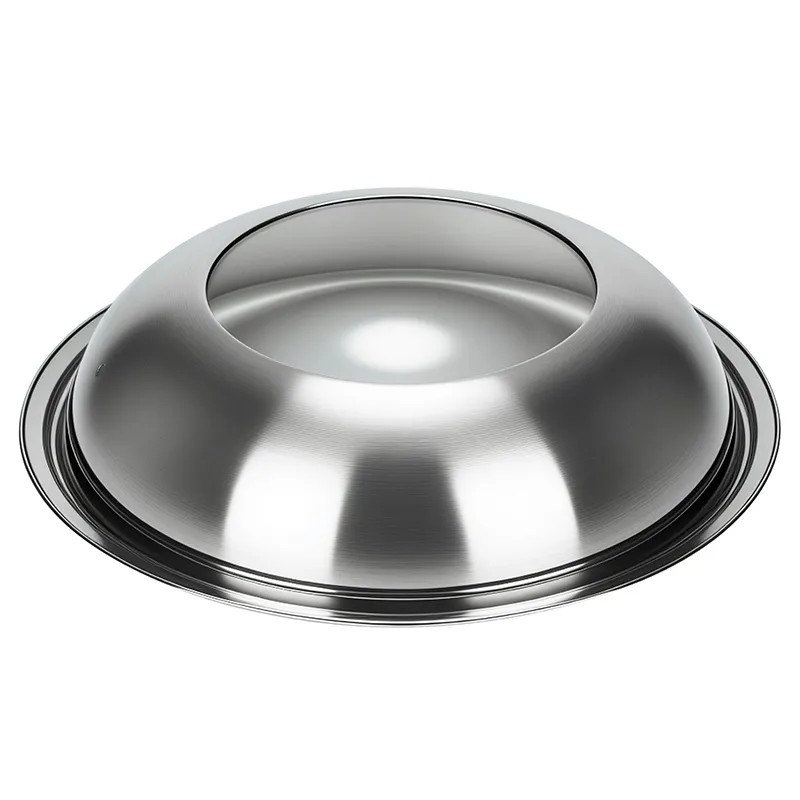
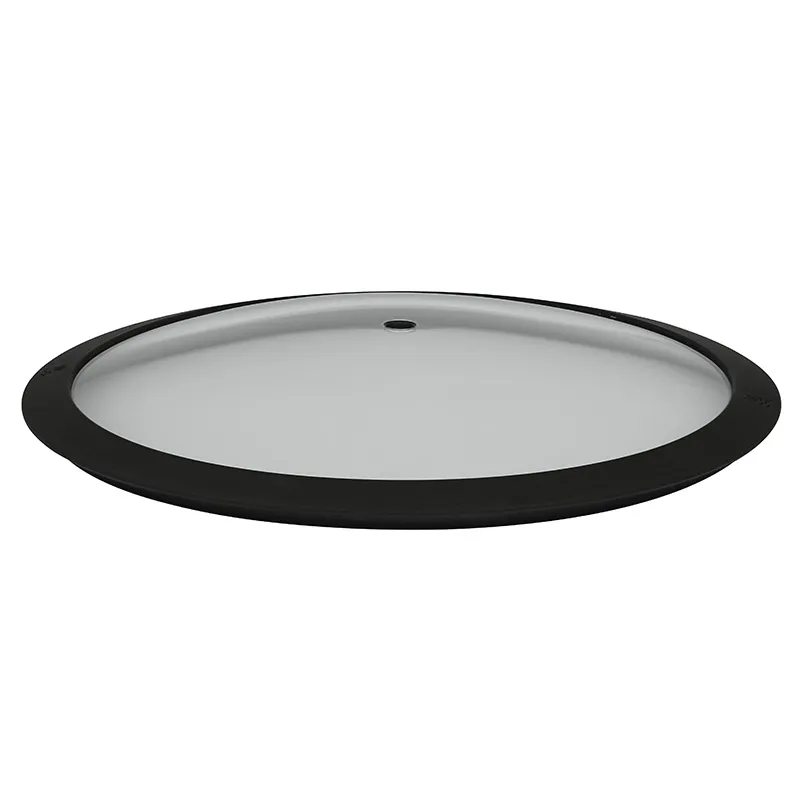
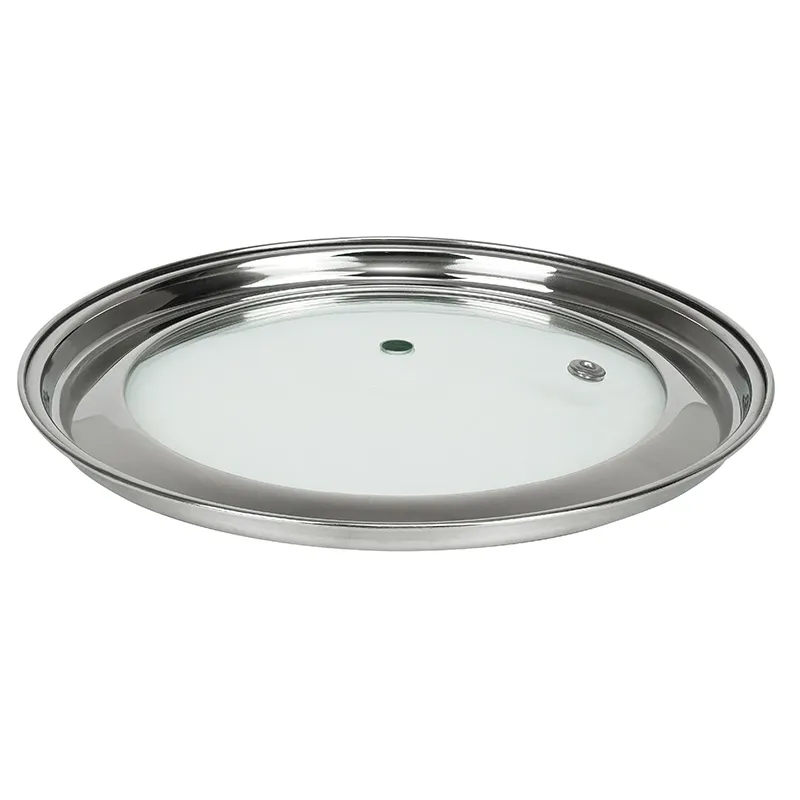
Staub’s cast iron lids are heavy, with those iconic self-basting spikes. They create a near-hermetic seal. A glass replacement, if it’s going to work, must mimic that fit. The rim curvature is critical. I’ve handled lids from various suppliers where the glass sits on the rim rather than in it, leaving a visible gap. That gap is a highway for steam escape, defeating the purpose of a Dutch oven’s moist cooking environment. You can’t just measure the top diameter; you need the inner flange profile. Companies that specialize in this, like EUR-ASIA COOKWARE CO.,LTD, understand this nuance. Their production focus on tempered glass lids for premium cookware means they often engineer for these precise tolerances, something a generic glassware company wouldn’t grasp.
Then there’s the handle. The original cast iron lid handle is designed for high heat. A glass lid’s handle, usually stainless steel or phenolic, must withstand the same oven temperatures—often up to 400°F or more. I recall a batch from a few years back where the adhesive under the handle knob began to discour and smell at sustained temperatures around 375°F. It was a failure in material specification. The lesson? The lid isn’t just the glass; it’s the entire assembly. A reliable manufacturer’s specs will always list the continuous use oven-safe temperature, not just a peak.
Why does this matter for the home cook? Imagine you’re doing a long braise. You lift the heavy iron lid once to check, and a burst of steam escapes, dropping the temperature. With a proper-fitting glass lid, you get a visual cue—is the liquid at a slow simmer or a rapid boil? Are the vegetables on top submerged?—without breaking the seal. It changes the dynamic of the cook from guesswork to observation. But only if the seal is right.
Material Science: Tempered Glass Under Pressure
Let’s talk about the glass itself. It has to be borosilicate or soda-lime that’s properly tempered. The annealing process is everything. I’ve had samples shatter during thermal shock testing—pouring cool liquid onto a hot lid surface. That’s a real risk in a kitchen. Properly tempered glass should handle a delta-T of at least 120°C. This is where a company’s production scale and expertise show. A facility like the one described for EUR-ASIA COOKWARE, with an annual output in the millions of pieces, likely has automated tempering ovens and rigorous quality control (QC) checks for stress patterns. Their mention of exporting over 90% to European markets like Germany and France is a tacit indicator of meeting stringent safety and quality standards required there.
Thickness is another subtle point. Too thin, and it feels flimsy, risks breaking, and doesn’t have the mass to sit securely. Too thick, and it becomes excessively heavy and changes the heat dynamics. The sweet spot for a 24-28cm cocotte lid seems to be around 4mm tempered. It provides enough heft and durability without being cumbersome. You can feel this quality when you pick it up.
A practical note: condensation patterns. A high-quality tempered glass lid will show relatively even condensation. Lower quality glass with internal stresses or imperfections can cause erratic beading, where water droplets form in odd patterns and may drip unevenly back into the food. It’s a small thing, but it affects basting. I’ve pointed this out to suppliers before as a QC issue.
The Supplier Landscape and Practical Sourcing
When brands like Staub don’t officially offer a glass lid for every model, the aftermarket fills the gap. This is where specialized manufacturers come in. Looking at a company profile like EUR-ASIA’s (glass-lid.com), their specialization in “low- medium- high level household glass products” is key. It means they likely have tiers. A lid for a high-end cocotte would fall into their high-level category, requiring better materials, finer edge grinding, and more precise fitting. Their location in a National High-tech Development Zone in Shandong isn’t just an address; it often implies access to better manufacturing tech and logistics for export.
Sourcing these isn’t about finding the cheapest option. It’s about finding the one that has the molds or CNC patterns for specific cookware brands. A general “24cm round lid” won’t cut it. You need a supplier that understands the SKU is for “Staub Round Cocotte, 24cm, Model xxxx.” Their client list, hinting at exports to Germany, Italy, France—countries with strong cookware cultures—suggests they are used to dealing with these precise specifications.
From a business perspective, the challenge is inventory. Carrying a glass lid for every possible Staub size is a inventory nightmare. That’s why many retailers only stock the most popular sizes (like 24cm and 28cm). The niche sizes often require a direct order from a manufacturer with flexible production lines, which a larger-scale operation like the one described could potentially accommodate.
In the Kitchen: Real-World Use and Limitations
So, you’ve got a well-fitted, properly tempered glass lid. How does it perform? For wet cooking—braises, stews, soups—it’s brilliant. The visual feedback is invaluable. I’ve adjusted heat levels based solely on seeing the bubble size through the glass, preventing a boil-over or a stall. However, it’s not a perfect 1:1 replacement. For bread baking, where you want maximum heat retention and steam creation in the first phase, the cast iron lid is still superior. Glass, even tempered, has different insulating properties. Some heat radiates through.
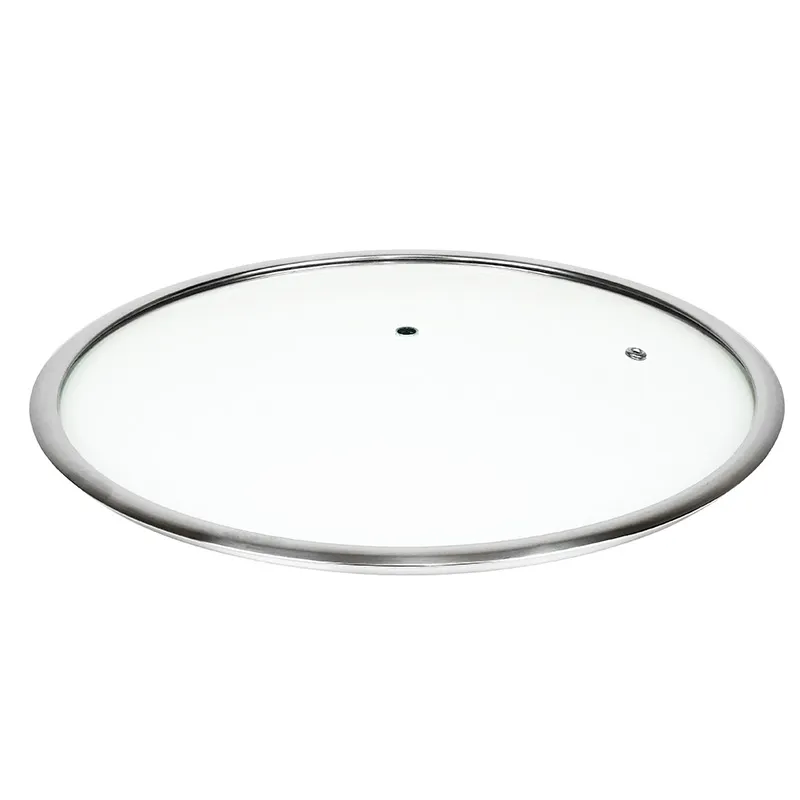
Another practical hiccup: cleaning. Those self-basting spikes on the Staub iron lid are notorious for trapping grease. A smooth glass lid is far easier to clean. But, the metal rim and handle assembly can have crevices. Look for a design where the stainless steel rim is rolled over the glass edge smoothly, without a gap that can trap grime.
There’s also the aesthetic. A clear lid on the vibrant, colored enamel of a Staub pot looks modern and functional. It appeals to the cook who values process. But it does change the classic, heavy-duty look of the pot. It’s a trade-off. Some purists will never swap their original lid, and that’s fine. This is a tool for a specific type of user—the visual cook, the curious simmer-watcher.
Concluding Thoughts: A Niche, Well-Executed
The Staub cocotte glass lid isn’t a necessity. It’s a refinement. Its value is entirely dependent on the quality of its execution: the precision of the fit, the safety of the tempering, the durability of the assembly. When done right, it transforms the cooking experience for certain dishes. When done poorly, it’s a frustrating, potentially dangerous gimmick.
The existence of dedicated manufacturers focusing on this niche, like EUR-ASIA COOKWARE CO.,LTD, underscores that there’s a legitimate, sustained demand driven by practical kitchen needs, not just a passing trend. Their scale and export focus suggest they’re solving the complex problems of fit and safety at a production level that smaller workshops can’t.
If you’re considering one, my advice is to scrutinize the specifications: exact model compatibility, continuous oven-safe temperature, glass thickness, and rim construction. Don’t buy on diameter alone. The right lid feels solid, sits flush, and becomes a transparent window into your cooking process, not just a piece of glass on top of a pot. It’s a small accessory that, when engineered with understanding, earns its keep in a serious kitchen.
Related Products
Related Products