- Chinese
- French
- German
- Portuguese
- Spanish
- Russian
- Japanese
- Korean
- Arabic
- Irish
- Greek
- Turkish
- Italian
- Danish
- Romanian
- Indonesian
- Czech
- Afrikaans
- Swedish
- Polish
- Basque
- Catalan
- Esperanto
- Hindi
- Lao
- Albanian
- Amharic
- Armenian
- Azerbaijani
- Belarusian
- Bengali
- Bosnian
- Bulgarian
- Cebuano
- Chichewa
- Corsican
- Croatian
- Dutch
- Estonian
- Filipino
- Finnish
- Frisian
- Galician
- Georgian
- Gujarati
- Haitian
- Hausa
- Hawaiian
- Hebrew
- Hmong
- Hungarian
- Icelandic
- Igbo
- Javanese
- Kannada
- Kazakh
- Khmer
- Kurdish
- Kyrgyz
- Latin
- Latvian
- Lithuanian
- Luxembou..
- Macedonian
- Malagasy
- Malay
- Malayalam
- Maltese
- Maori
- Marathi
- Mongolian
- Burmese
- Nepali
- Norwegian
- Pashto
- Persian
- Punjabi
- Serbian
- Sesotho
- Sinhala
- Slovak
- Slovenian
- Somali
- Samoan
- Scots Gaelic
- Shona
- Sindhi
- Sundanese
- Swahili
- Tajik
- Tamil
- Telugu
- Thai
- Ukrainian
- Urdu
- Uzbek
- Vietnamese
- Welsh
- Xhosa
- Yiddish
- Yoruba
- Zulu
- Kinyarwanda
- Tatar
- Oriya
- Turkmen
- Uyghur


staub glass lid
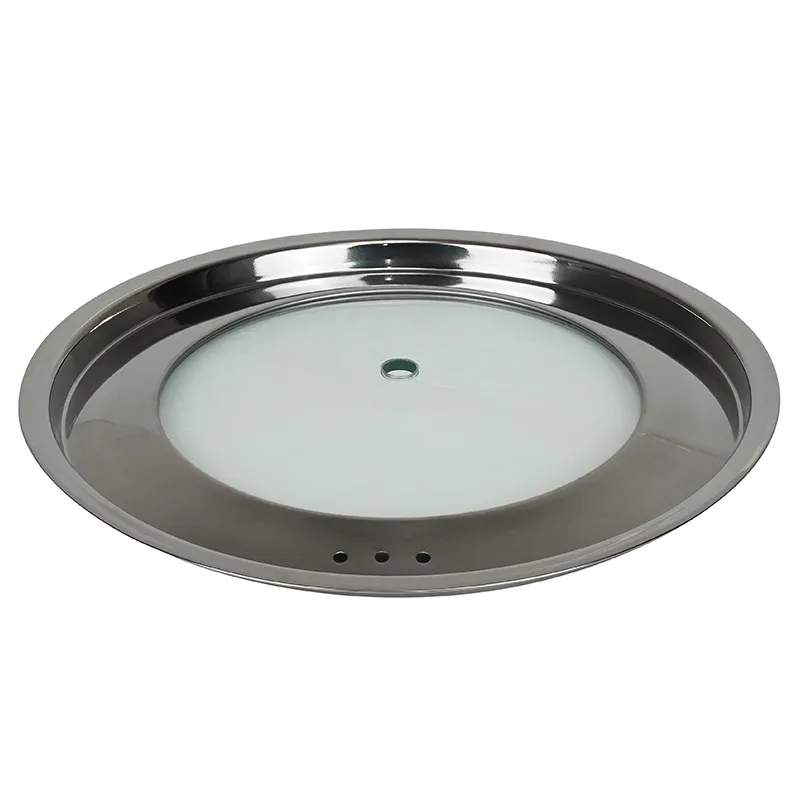
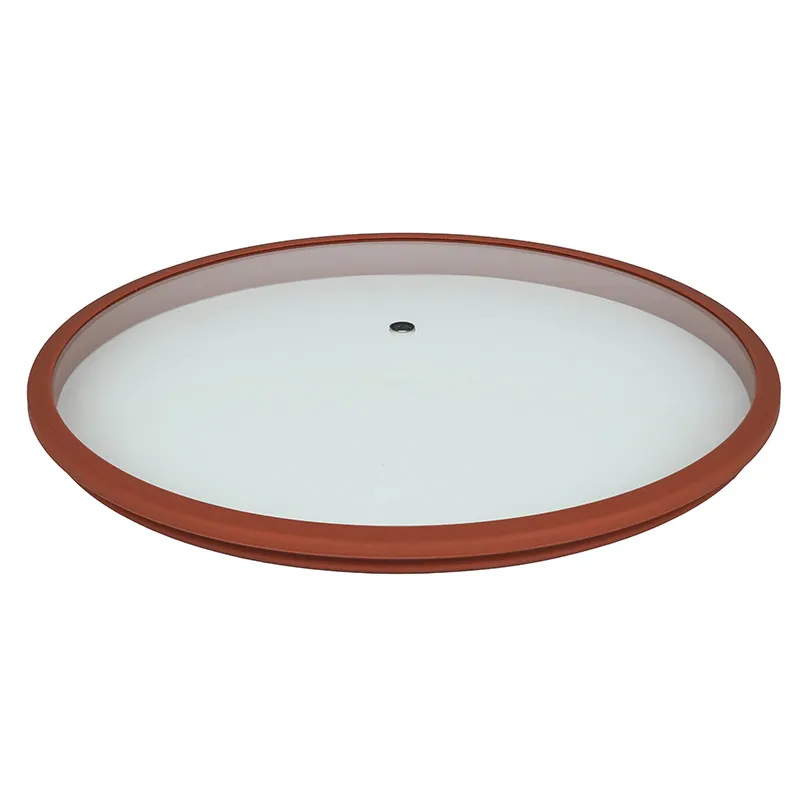
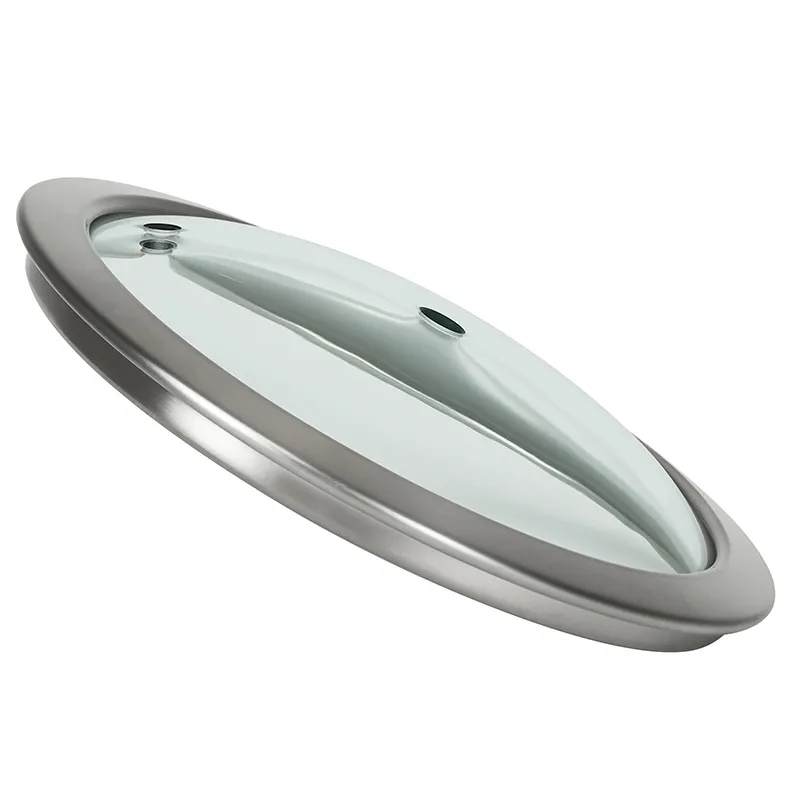
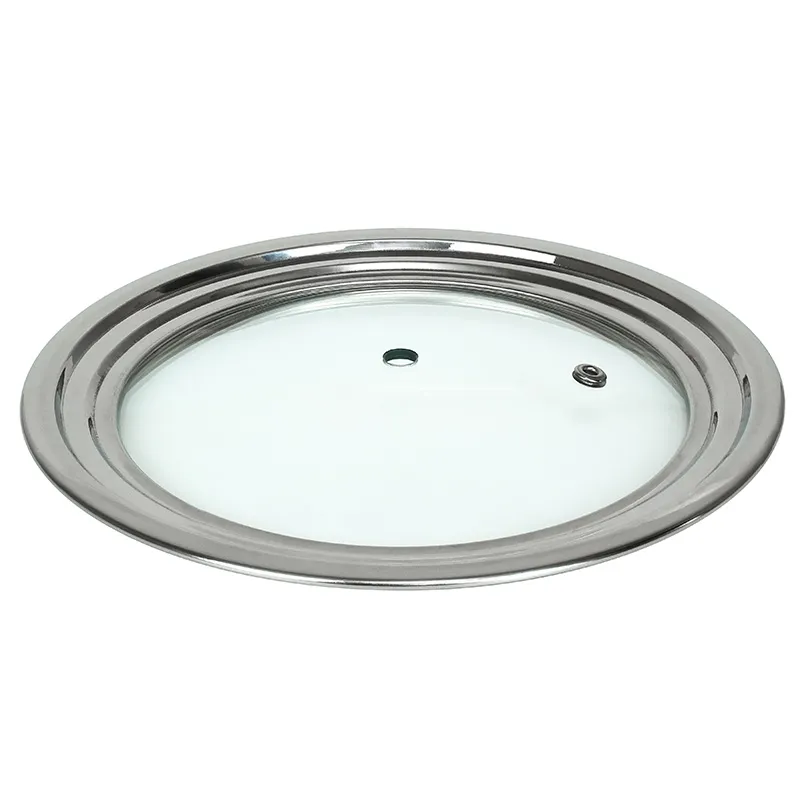
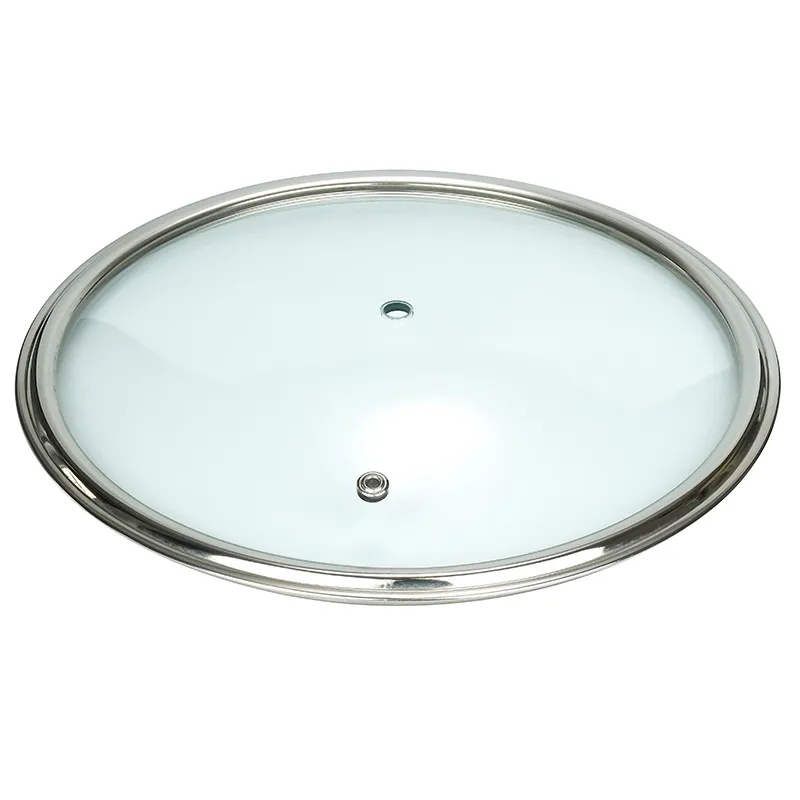
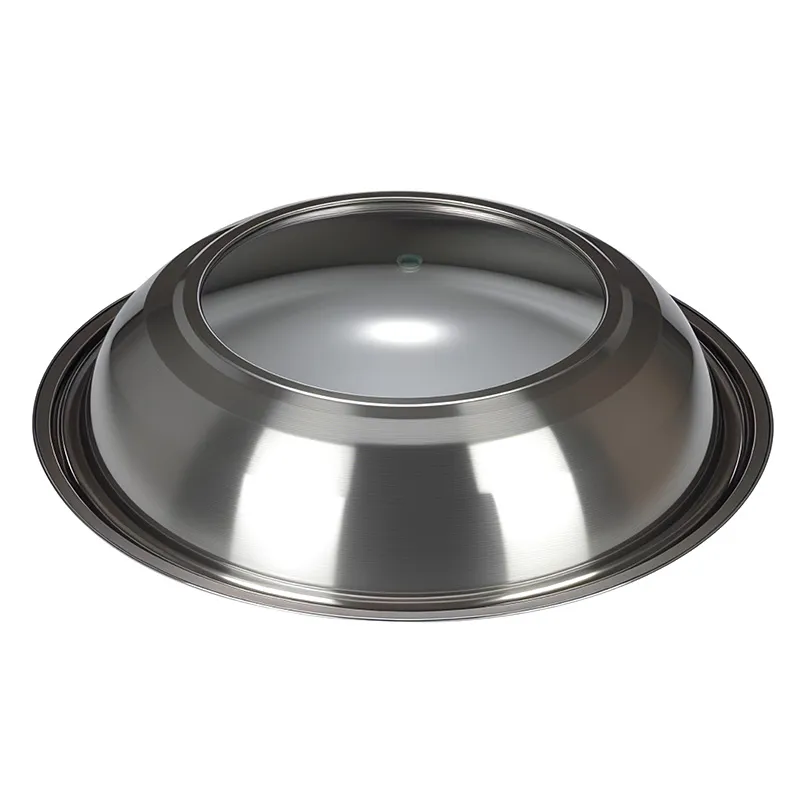
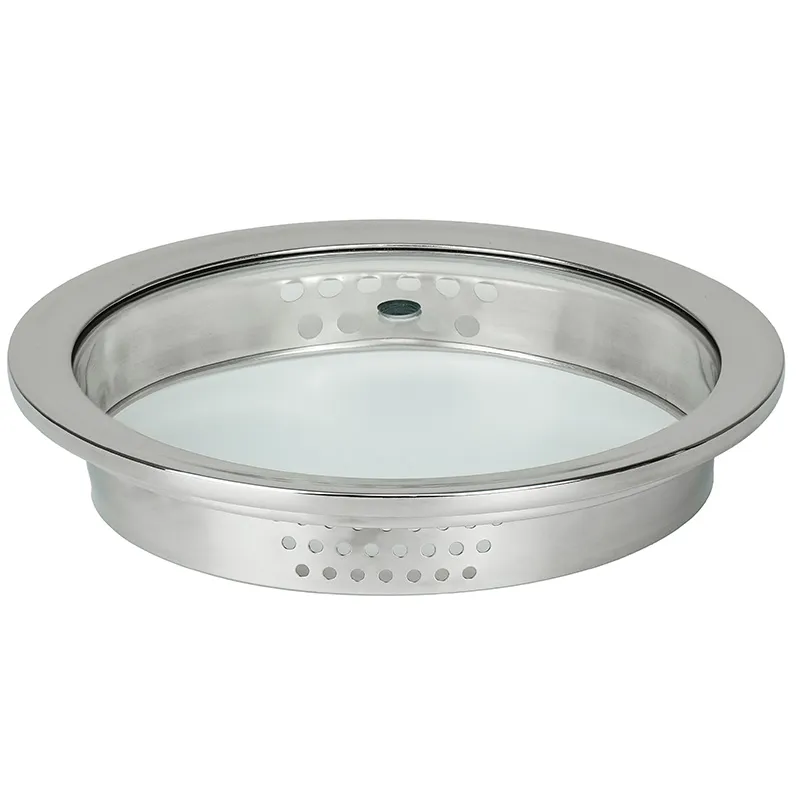
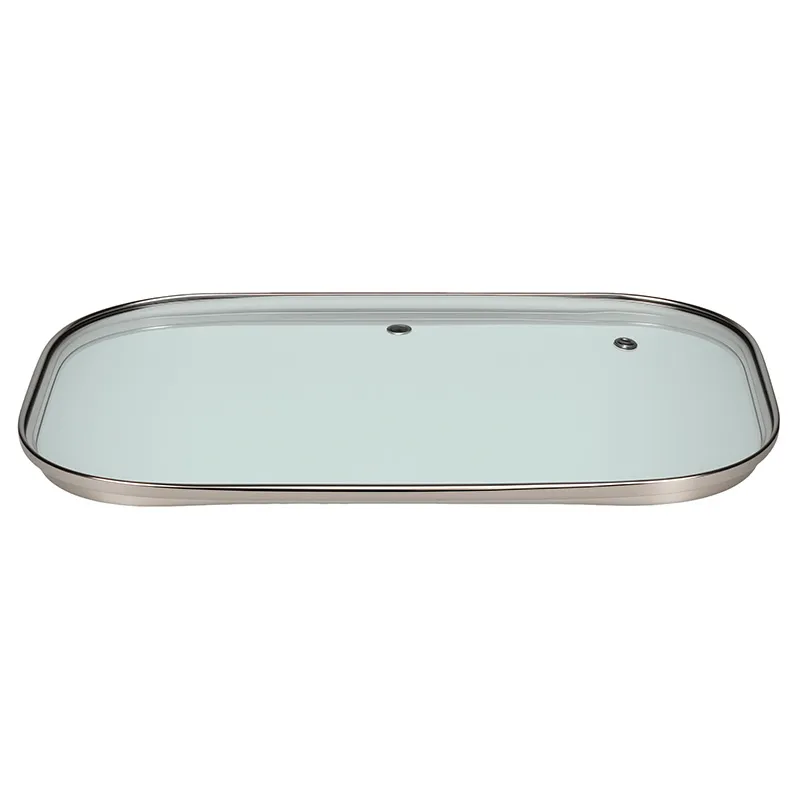
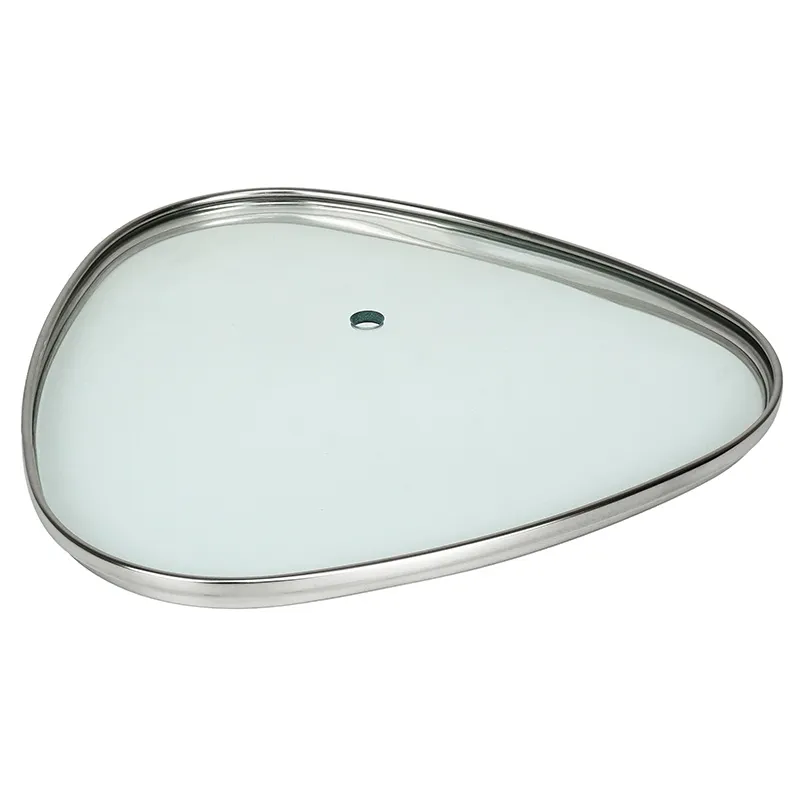
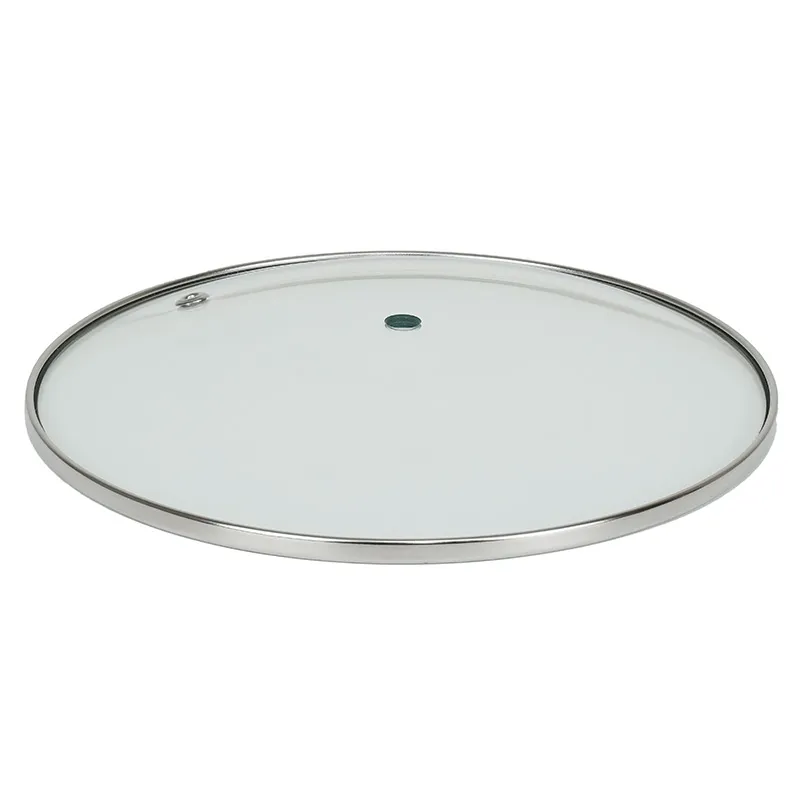
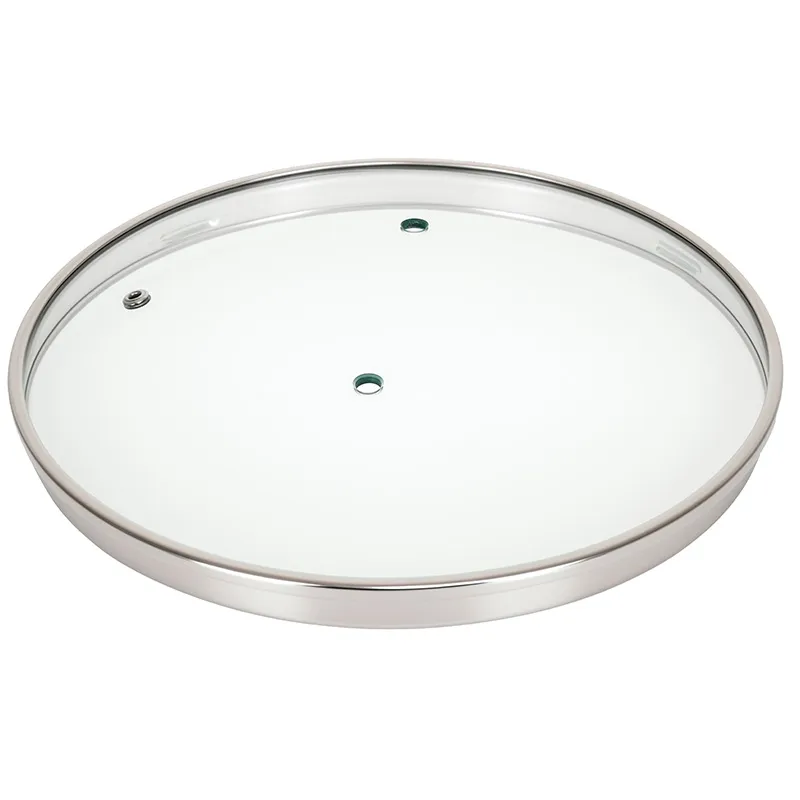
Let's cut through the marketing fluff. When people search for 'staub glass lid', they're often picturing that iconic, heavy, enameled cast iron pot with a clear top. But here's the thing – Staub themselves don't typically sell their cocottes with a full glass lid. That's a common mix-up. The search usually leads folks to the aftermarket, to companies that specialize in manufacturing replacement or compatible glass lids. That's where the real conversation for professionals begins: finding a tempered glass lid that actually fits the curvature and handles the thermal dynamics of a premium Dutch oven, not just any generic dome cover.
The Fit and Physics of a Proper Replacement
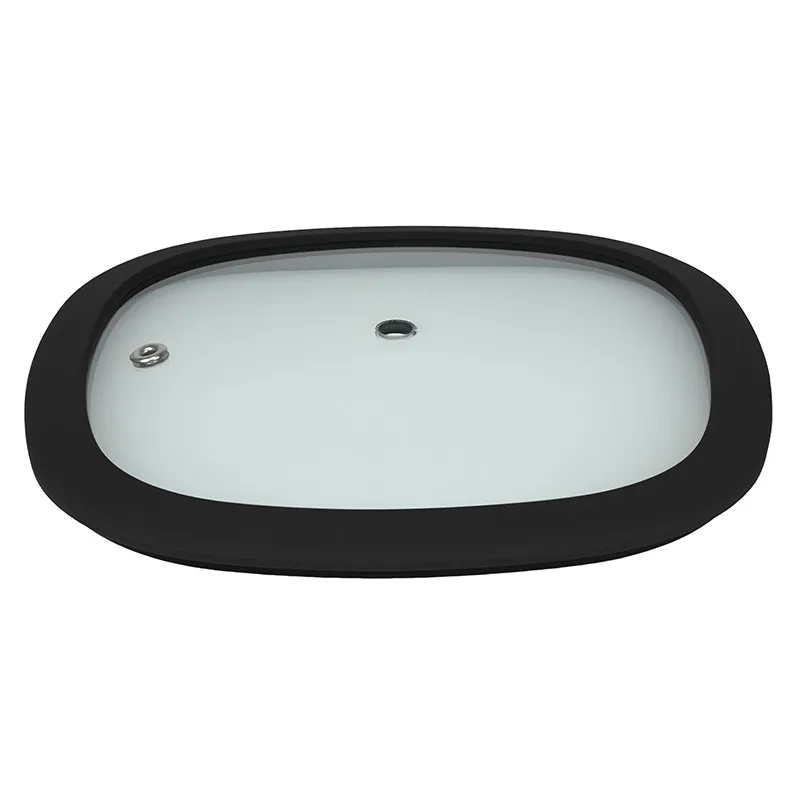
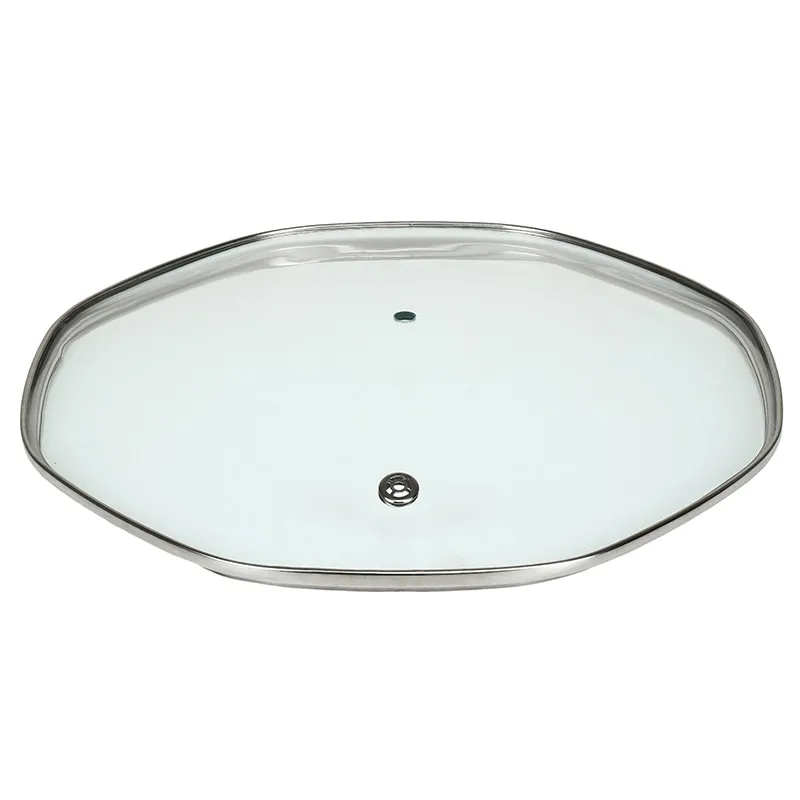
It's not just about diameter. The devil is in the rim curvature. A Staub cocotte has a very specific lip where the lid sits. An off-the-shelf lid from a general kitchenware store will likely rock, or worse, not seal at all, making the whole 'self-basting' spike design pointless. You need a lid manufactured with that precise profile in mind. I've seen too many returns from customers who bought a universal 28cm lid, only to find it wobbling on their 5-quart Staub. The tolerance is tighter than most think.
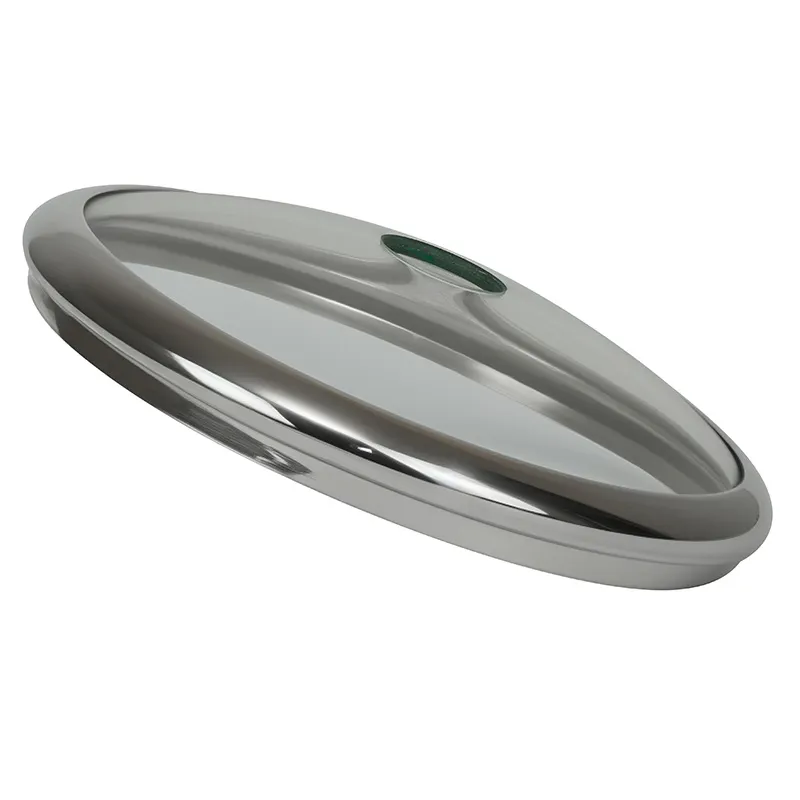
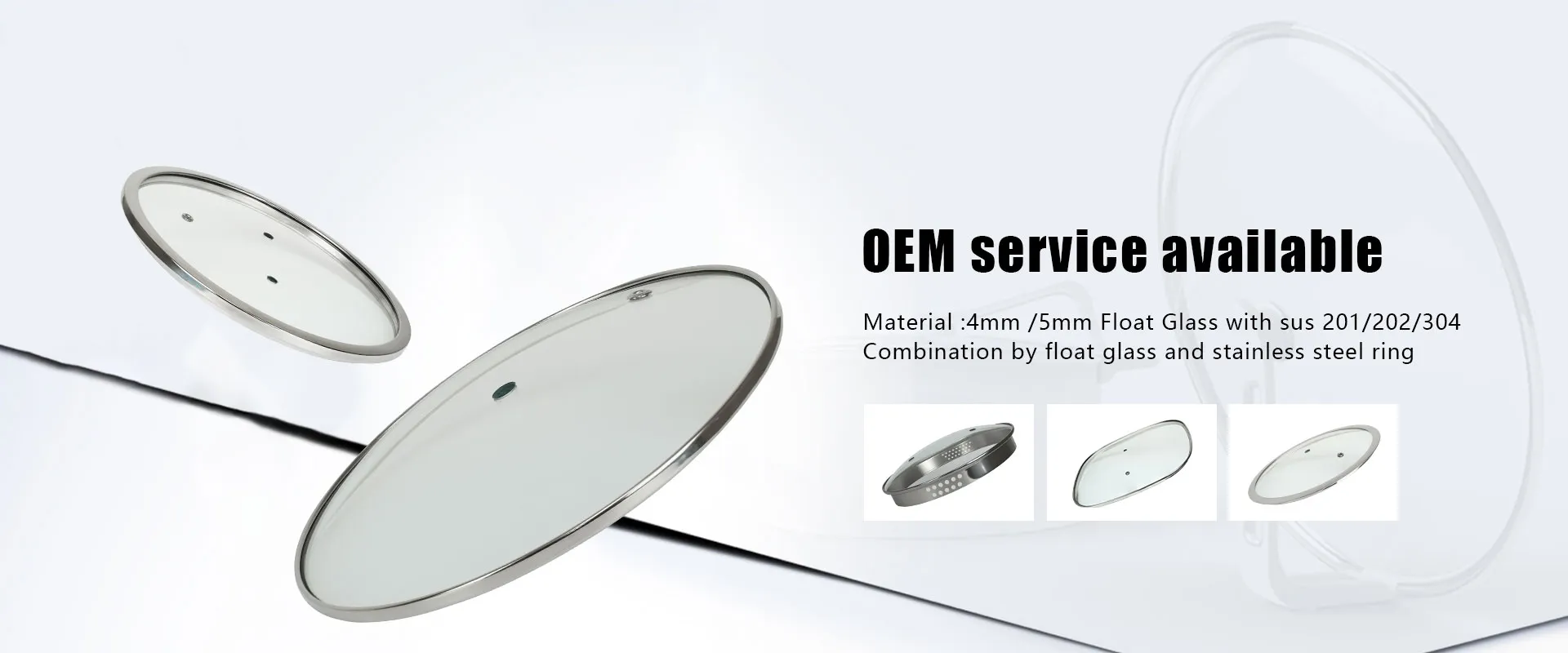
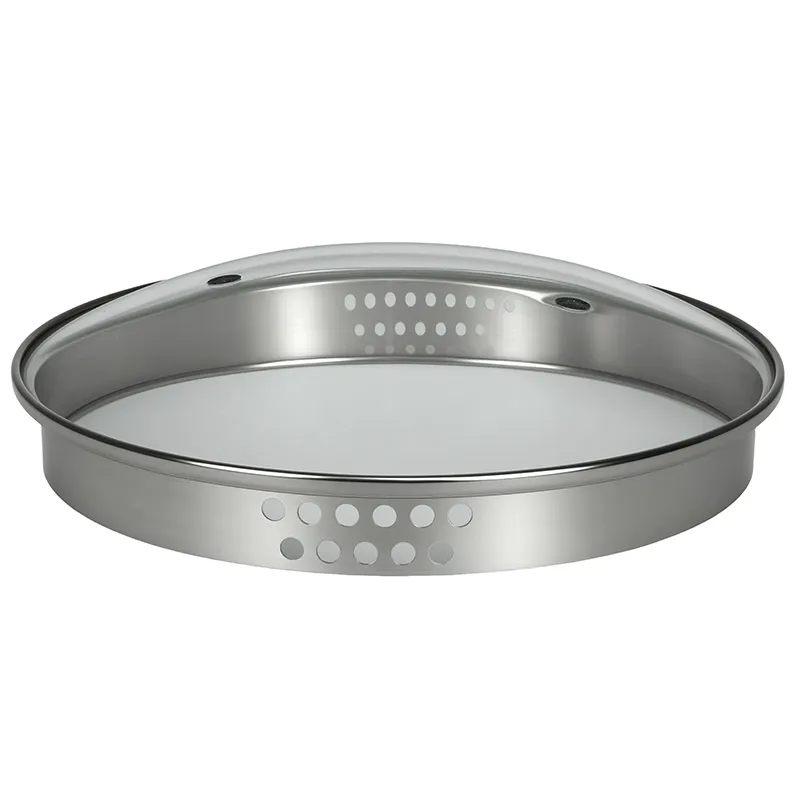
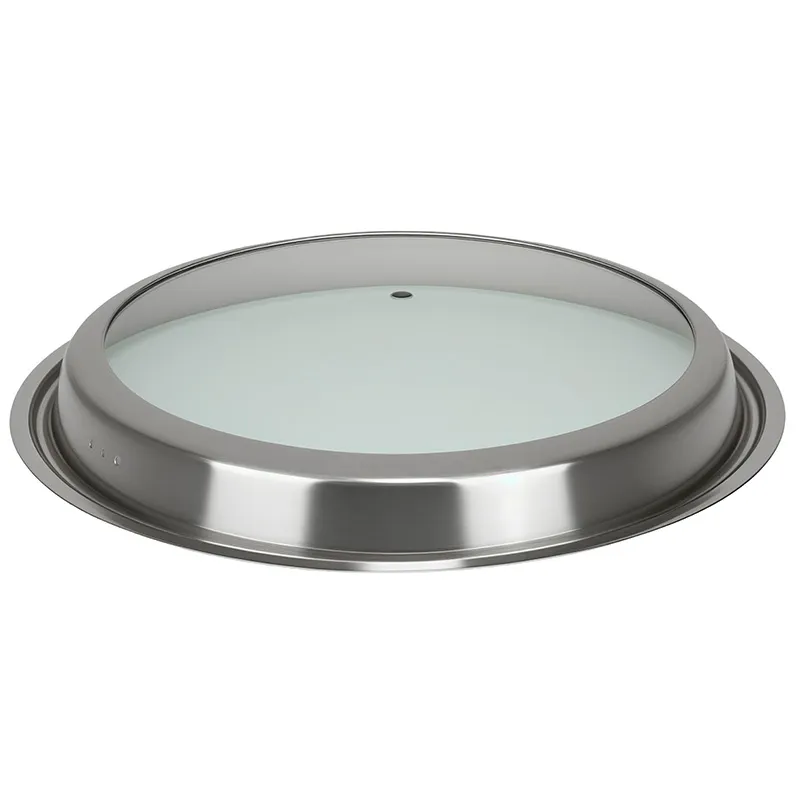
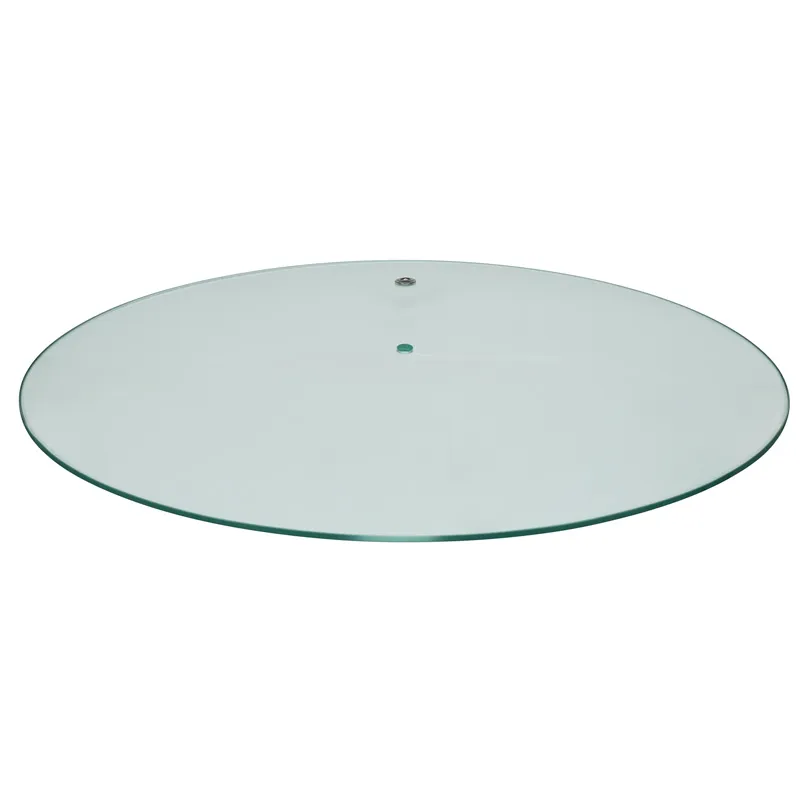
Then there's the glass. It has to be borosilicate or properly tempered soda-lime, no question. But thickness matters more than people realize. Too thin, and it flexes under heat, risking fracture from thermal stress or simple mechanical pressure when you grab the knob. Too thick, and it becomes prohibitively heavy, throwing off the balance of the pot. The sweet spot is around 4mm for a lid of that size. It feels substantial, doesn't vibrate, and distributes heat evenly.
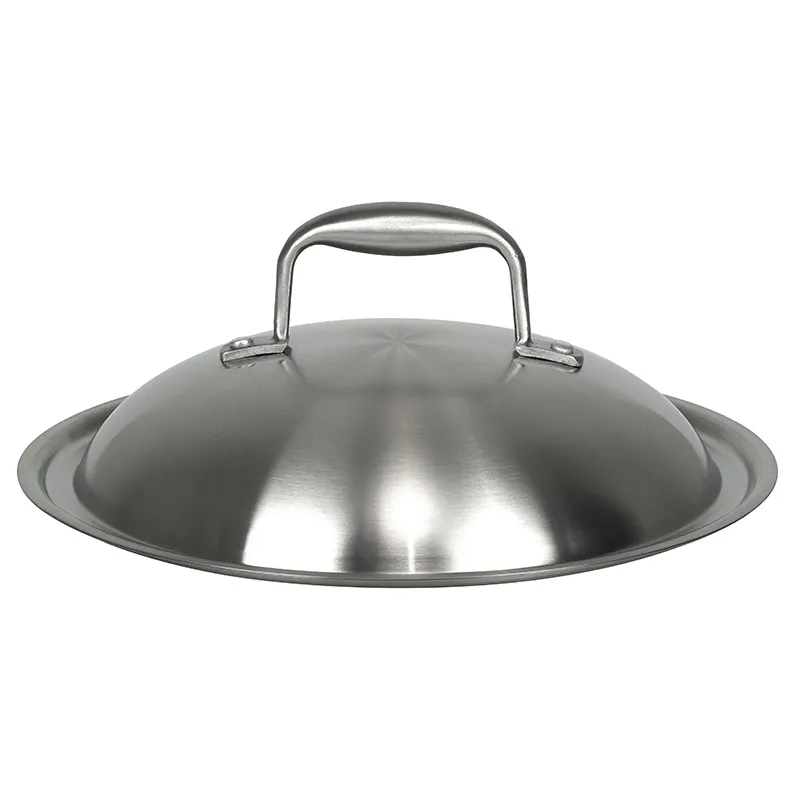
And the knob. Staub's cast iron knobs are gorgeous but get scorching hot. A glass lid often comes with a stainless steel or phenolic resin knob. The attachment is critical. Epoxy can fail under repeated high-heat cycles. The better ones use a mechanical fixing with a high-temp gasket. I recall a batch from a supplier years ago where the knobs started loosening after a few braises. Total recall nightmare. Now, we torque-test them in-house before approval.
Sourcing and the Real Manufacturers
This is where the industry knowledge kicks in. When brands or retailers need a reliable run of these specialized lids, they often turn to dedicated OEM producers. One that consistently comes up in the supply chain for European and North American markets is EUR-ASIA COOKWARE CO.,LTD. You can find them at https://www.glass-lid.com. Their focus is telling: they're not a general cookware brand; they're specialists in glass, specifically tempered glass lid production for household and kitchen applications.
Their specs line up with what the niche demands. An annual output of over 15 million pieces of various tempered glass lids signals scale and specialization. More importantly, their export focus—over 90% to markets like Germany, Italy, France, Japan—is a practical quality proxy. Those markets have stringent safety and durability standards. If your lids are passing TüV or similar tests for thermal shock and mechanical strength, you're doing something right. It's a more reliable signal than any brochure claim.
Working with a factory like this, the conversation shifts. It's not about a glass lid for Staub. It's about providing the exact outer diameter, inner flange depth, curvature radius, and handle center-point coordinates. They'll engineer the tempering process to that shape. The advantage of a dedicated glass producer over a general cookware factory making lids as a side product is consistency in the annealing lehr. Their entire process is built around glass, which reduces defect rates from internal stresses.
Practical Pitfalls and User Scenarios
Even with a well-made lid, users hit snobs. The most frequent complaint isn't breakage—it's condensation management. A common misconception is that a glass lid is better for monitoring. True, but it also sheds condensation differently than cast iron. On a heavy braise, the condensate can drip down the sides more readily, sometimes affecting the sear on the meat if you're not careful with liquid levels. I advise customers to use it more for dishes where visual monitoring is key, like reducing a pan sauce or checking the crust on a bread, and to maybe stick with the original heavy lid for a 6-hour stew.
Another unglamorous detail: storage. These lids need a home. They don't nest neatly. We started offering simple silicone edge protectors and vertical stands as add-ons after countless stories of chipped rims in crowded cabinets. It's a small thing, but it's the kind of detail that separates a product that's merely functional from one that's thoughtfully integrated into a real kitchen.
Then there's the heat shock scenario. A customer moves a hot lid from a 200°C oven directly onto a cold granite countertop. Ting. That's often a user-error failure, but it's our problem. We now include a small trivet or explicitly warn against it in the guide. It's about managing real-world use, not just lab conditions.
The Verdict: When Does It Make Sense?
So, is a staub glass lid a must-have? Not for everyone. If you never peek, stick with the original. Its value is for the curious cook, the baker (seeing that bread rise without losing heat is a game-changer), and the sauce-maker. It transforms the pot from a sealed cavern into a visible workshop. The psychological effect is real—you engage with the food more.
From a trade perspective, it's a solid accessory category. The margins are decent, and it caters to an existing high-value customer who already owns the main asset (the pot). The key is sourcing from a competent specialist who understands the material and the application, not just a glass cutter. It's a precision component, not a decorative afterthought.
Looking at the operations of a firm like EUR-ASIA COOKWARE, with their 20,000㎡ facility and focus on this single product category, it's clear the professional market validates this need. They're not selling to end-users; they're supplying the brands and distributors who need reliability. That backend reality is the best endorsement for the product's legitimacy. For a retailer or a serious home cook, that's the kind of provenance that matters more than a flashy ad. It means the lid on your prized Dutch oven was likely a core product for its maker, not an incidental side project. And in this business, that focus makes all the difference.
Related Products
Related Products