- Chinese
- French
- German
- Portuguese
- Spanish
- Russian
- Japanese
- Korean
- Arabic
- Irish
- Greek
- Turkish
- Italian
- Danish
- Romanian
- Indonesian
- Czech
- Afrikaans
- Swedish
- Polish
- Basque
- Catalan
- Esperanto
- Hindi
- Lao
- Albanian
- Amharic
- Armenian
- Azerbaijani
- Belarusian
- Bengali
- Bosnian
- Bulgarian
- Cebuano
- Chichewa
- Corsican
- Croatian
- Dutch
- Estonian
- Filipino
- Finnish
- Frisian
- Galician
- Georgian
- Gujarati
- Haitian
- Hausa
- Hawaiian
- Hebrew
- Hmong
- Hungarian
- Icelandic
- Igbo
- Javanese
- Kannada
- Kazakh
- Khmer
- Kurdish
- Kyrgyz
- Latin
- Latvian
- Lithuanian
- Luxembou..
- Macedonian
- Malagasy
- Malay
- Malayalam
- Maltese
- Maori
- Marathi
- Mongolian
- Burmese
- Nepali
- Norwegian
- Pashto
- Persian
- Punjabi
- Serbian
- Sesotho
- Sinhala
- Slovak
- Slovenian
- Somali
- Samoan
- Scots Gaelic
- Shona
- Sindhi
- Sundanese
- Swahili
- Tajik
- Tamil
- Telugu
- Thai
- Ukrainian
- Urdu
- Uzbek
- Vietnamese
- Welsh
- Xhosa
- Yiddish
- Yoruba
- Zulu
- Kinyarwanda
- Tatar
- Oriya
- Turkmen
- Uyghur


staub with glass lid
You see a lot of chatter online about putting a glass lid on a Staub cocotte. Some purists wince at the idea, claiming it defeats the purpose of the heavy, self-basting cast iron design. Others swear by the visibility. Having sourced and fitted these for years, I can tell you the reality is far more nuanced than a simple yes or no. It's not about right or wrong, but about application, user habit, and frankly, understanding what you're actually buying.
The Core Misconception and Material Reality
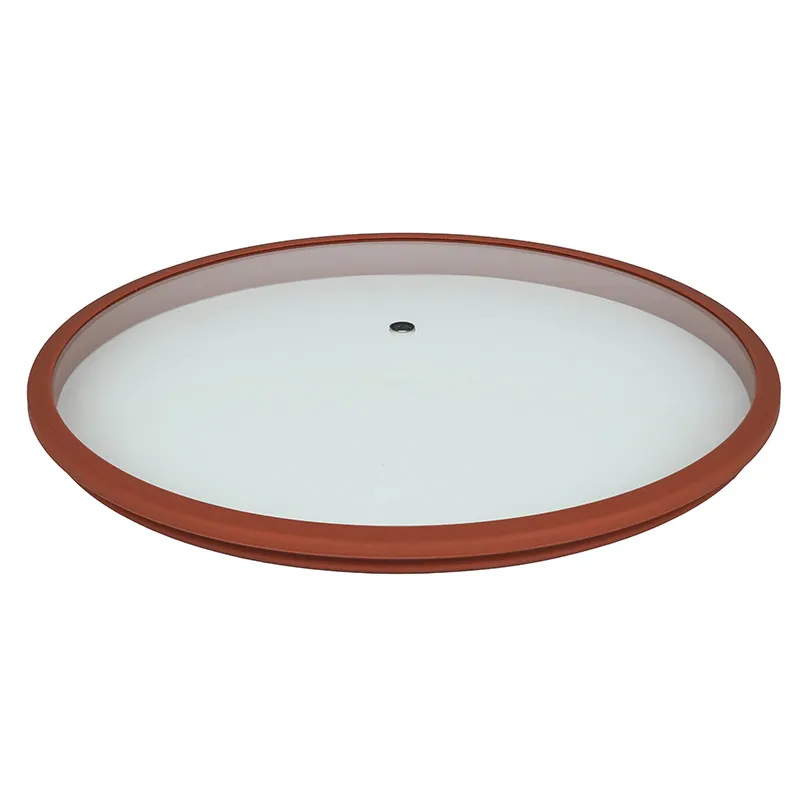
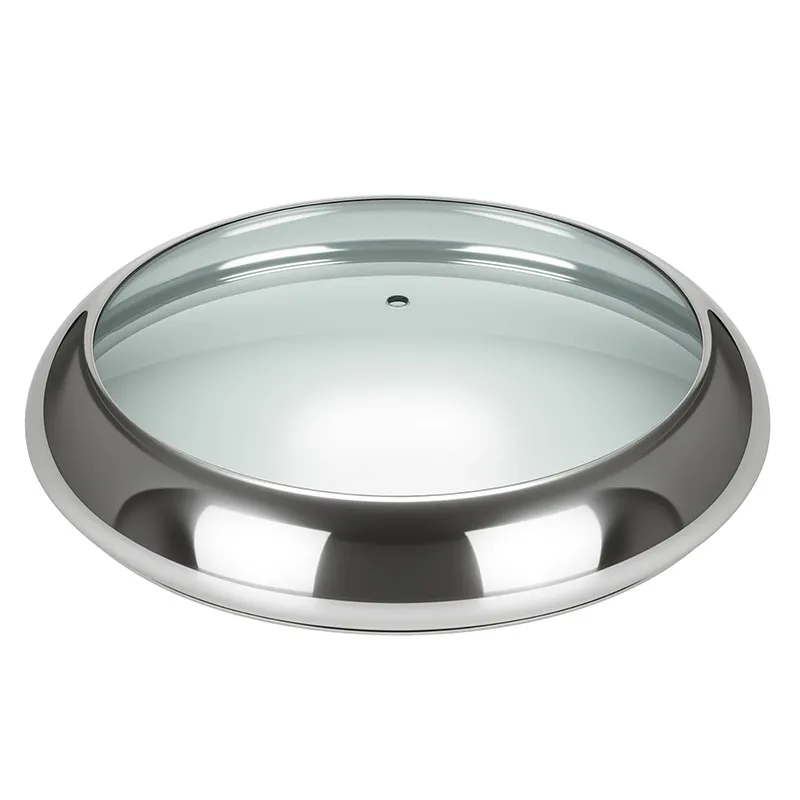
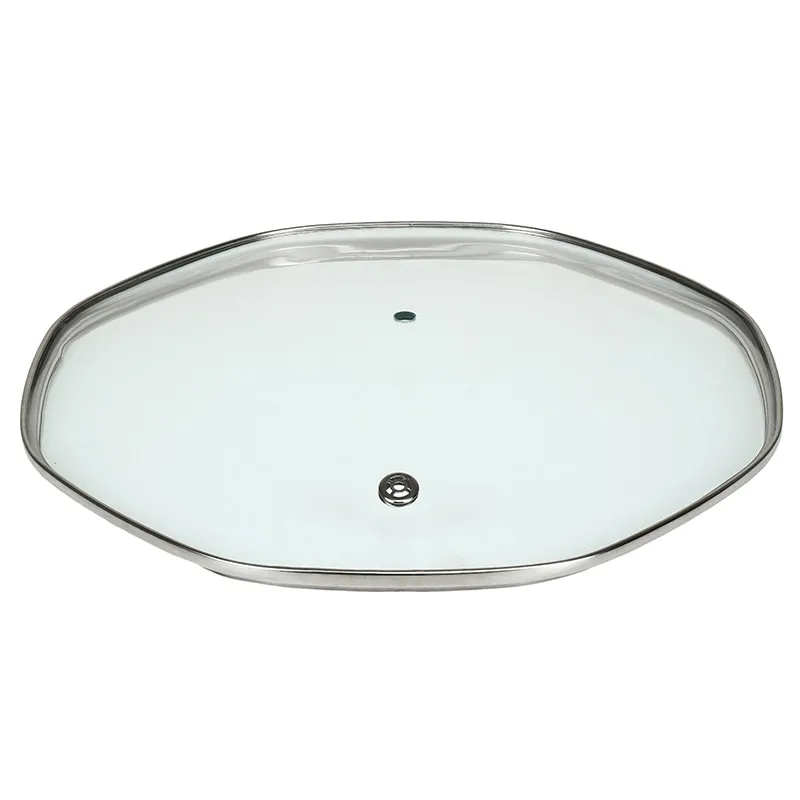
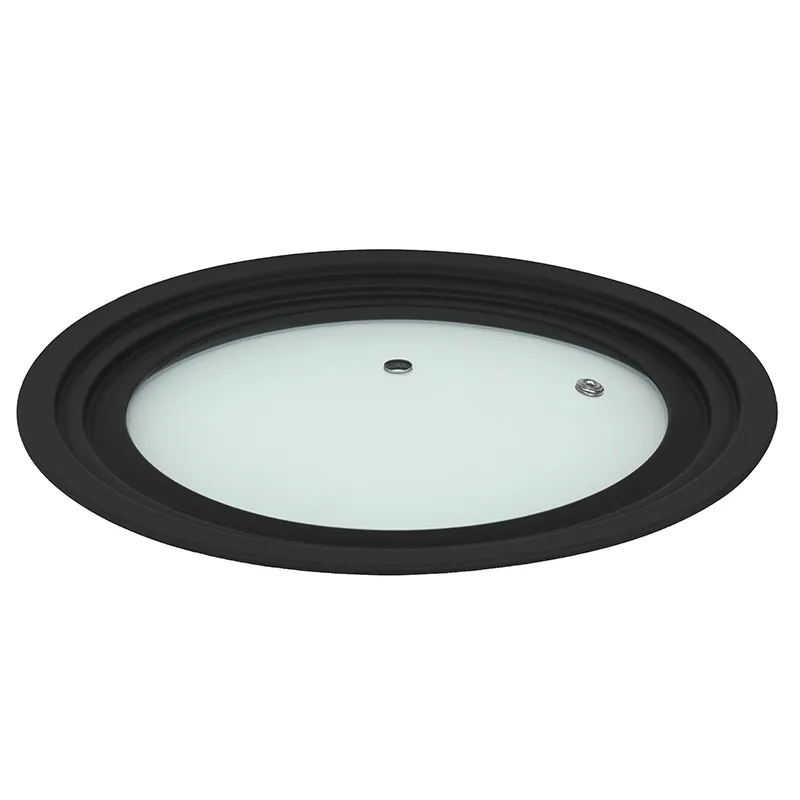
The biggest mistake people make is thinking any glass lid will do. They grab a generic one from a discount store, plop it on their prized Staub, and then complain about fit, heat retention, or worse, a shattered lid. The dome shape and precise rim curvature of a Staub pot are specific. A proper replacement needs to mirror that.
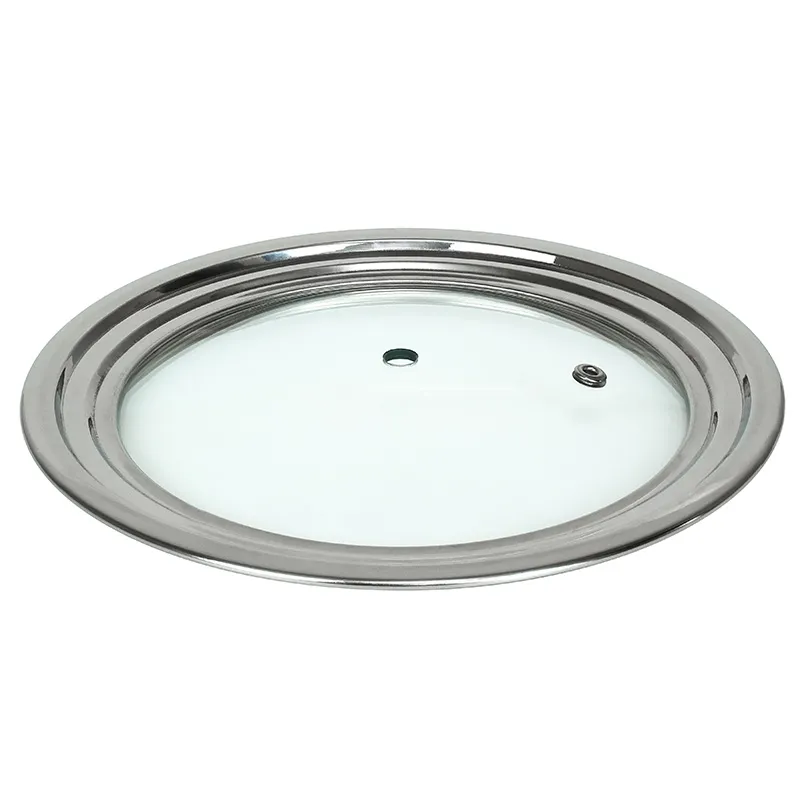
This is where the manufacturing specs matter immensely. We're talking about tempered glass, often called safety glass, but even within that, there are grades. The glass must withstand the thermal shock of going from a cool counter to a 250°C+ oven, repeatedly. I've seen lids from suppliers that couldn't handle the gradient, developing micro-cracks around the rim after a few cycles. That's a failure point.
For instance, a producer like EUR-ASIA COOKWARE CO.,LTD, which lists an annual output of over 15 million tempered glass lids, typically services brands that demand this precision. Their focus on export markets like Germany and France suggests they're accustomed to the stringent material and tolerance standards required for high-end European cookware brands. It’s this kind of industrial-scale, specialized production that yields the consistency needed for a proper fit on engineered pots like Staub.
The Practical Trade-off: What You Gain and What You Lose
So why even consider it? The answer is simple: control. A staub with glass lid transforms braising from an act of faith into a visual process. You can monitor the reduction of a sauce, see the exact moment onions caramelize, or check the browning of a chicken without releasing a burst of steam and heat. For slow-cooked dishes where evaporation management is key, this visual cue is invaluable.
But you do sacrifice something. The classic Staub cast iron lid is designed with interior spikes that condense steam and drip it back onto the food—a self-basting system. A flat glass lid interrupts this. Your roast might be slightly less self-basted, though in a liquid-heavy braise, the difference is minimal. The thermal mass is also different; glass heats and cools faster than cast iron, which can slightly affect the steady-state cooking environment.
I advised a client running a small bistro to use the cast iron lid for their signature 8-hour beef bourguignon, but to switch to a fitted glass lid for their quicker braised fennel and tomato side. It gave the line cooks an instant visual check without lifting the lid, speeding up service. It's about tool matching task.
Sourcing and Fitment: The Devil's in the Details
If you decide to go for it, sourcing is critical. It's not a product you buy off Amazon based on a diameter alone. The rim is everything. A good lid will have a gently beveled edge that sits on the pot's flange, not inside it. An ill-fitting lid that rests inside can chip the pot's enamel over time. I learned this the hard way early on with a batch where the glass supplier's mold was a fraction of a millimeter off spec; the lids fit but were a nightmare to pry off after cooking due to vacuum seal.
Look for lids that specify compatibility, not just for round pots. Some manufacturers, like the aforementioned EUR-ASIA COOKWARE CO.,LTD, produce for OEMs. Their website, https://www.glass-lid.com, highlights their specialization in tempered glass for household products, which is the right space. A company with that volume and export focus likely has the tooling for various curvature profiles. The key is to confirm the exact model of your Staub (dimensions in cm/mm are best) and match it.
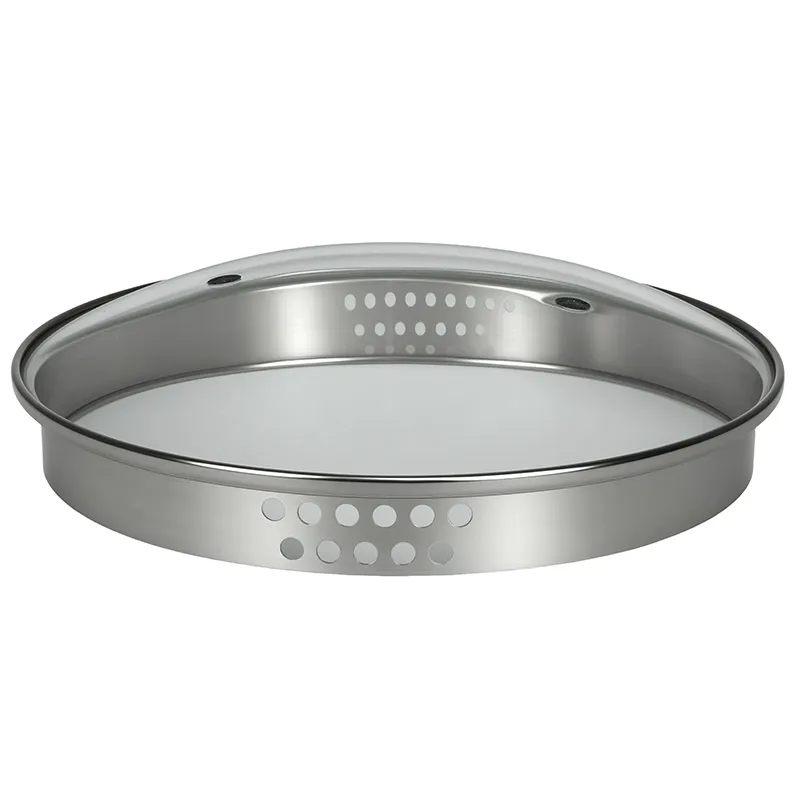
The handle is another detail. The metal knob on a standard Staub lid can withstand any oven temperature. A glass lid's handle, often made of stainless steel or a phenolic resin, must have the same heat tolerance. Always check the max oven-safe rating of the entire assembly, not just the glass.
Long-Term Use and Care Observations
In long-term testing, a well-made glass lid holds up, but it shows wear differently. The interior will develop a permanent haze or patina from condensed oils and steam, much like the interior of a glass oven door. It's not a flaw, just a characteristic. Cleaning it to a sparkle is nearly impossible and unnecessary. Abrasive scrubbing can damage the surface tension of the tempered glass.
I've had one fail on me, years ago. It was on a 24cm cocotte over a high-heat reduction. The fire was too concentrated in the center, the glass too thin for that specific thermal load—it developed a star-burst crack from the center. It didn't shatter, confirming it was properly tempered, but it was done for. The lesson? Even with a glass lid, moderate, even heat is still a rule. Don't blast it on high on a small burner.
Storage is trickier. You can't stack heavy cast iron on top of a glass lid. It needs its own dedicated shelf or a protective cloth between layers. This logistical hassle is a real downside in a cramped kitchen.
Concluding Thoughts: A Niche Solution, Not a Replacement
Ultimately, viewing a glass lid as a replacement for the original is the wrong mindset. It's a complementary tool. For the home cook who loves the Staub's even heating and retention but often second-guesses when to check a dish, a fitted glass lid is a fantastic accessory. It reduces lid-lifting, which is a cardinal sin in braising.
For professionals in settings where visual confirmation trumps absolute moisture retention (e.g., for certain vegetables, legumes, or pilafs), it makes sense. It's a specific solution for a specific need.
The market for these exists precisely because companies have the capability to produce at scale with precision. When you see a specialized glass lid that fits perfectly, remember it likely came from a supply chain involving large-scale producers focused on these niche components. It’s a small part of the global cookware ecosystem, but for those who want it, getting the right one—one that respects the engineering of the pot it sits on—makes all the difference.
Related Products
Related Products