- Chinese
- French
- German
- Portuguese
- Spanish
- Russian
- Japanese
- Korean
- Arabic
- Irish
- Greek
- Turkish
- Italian
- Danish
- Romanian
- Indonesian
- Czech
- Afrikaans
- Swedish
- Polish
- Basque
- Catalan
- Esperanto
- Hindi
- Lao
- Albanian
- Amharic
- Armenian
- Azerbaijani
- Belarusian
- Bengali
- Bosnian
- Bulgarian
- Cebuano
- Chichewa
- Corsican
- Croatian
- Dutch
- Estonian
- Filipino
- Finnish
- Frisian
- Galician
- Georgian
- Gujarati
- Haitian
- Hausa
- Hawaiian
- Hebrew
- Hmong
- Hungarian
- Icelandic
- Igbo
- Javanese
- Kannada
- Kazakh
- Khmer
- Kurdish
- Kyrgyz
- Latin
- Latvian
- Lithuanian
- Luxembou..
- Macedonian
- Malagasy
- Malay
- Malayalam
- Maltese
- Maori
- Marathi
- Mongolian
- Burmese
- Nepali
- Norwegian
- Pashto
- Persian
- Punjabi
- Serbian
- Sesotho
- Sinhala
- Slovak
- Slovenian
- Somali
- Samoan
- Scots Gaelic
- Shona
- Sindhi
- Sundanese
- Swahili
- Tajik
- Tamil
- Telugu
- Thai
- Ukrainian
- Urdu
- Uzbek
- Vietnamese
- Welsh
- Xhosa
- Yiddish
- Yoruba
- Zulu
- Kinyarwanda
- Tatar
- Oriya
- Turkmen
- Uyghur


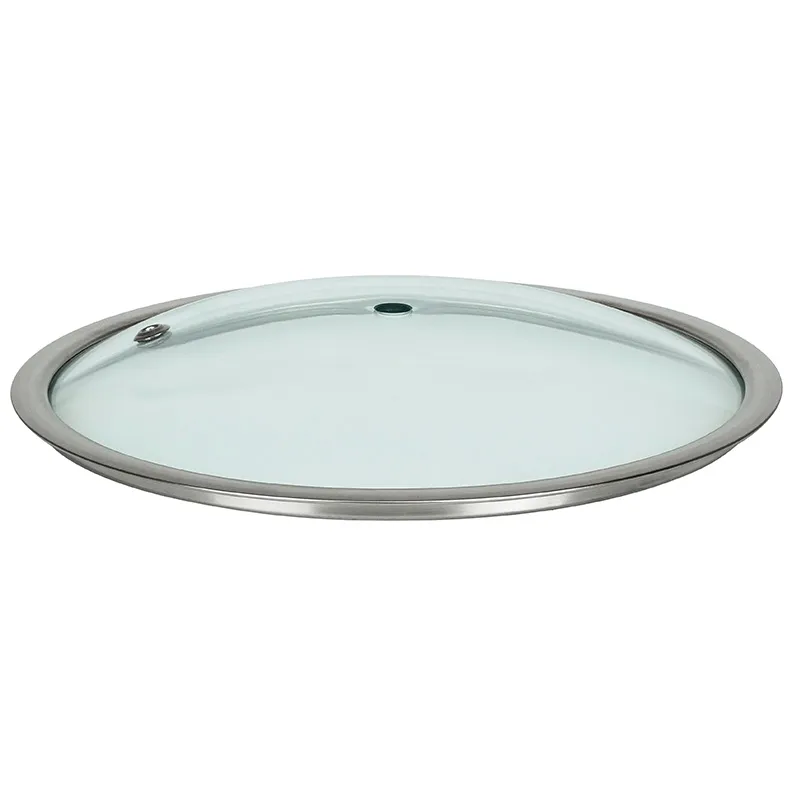
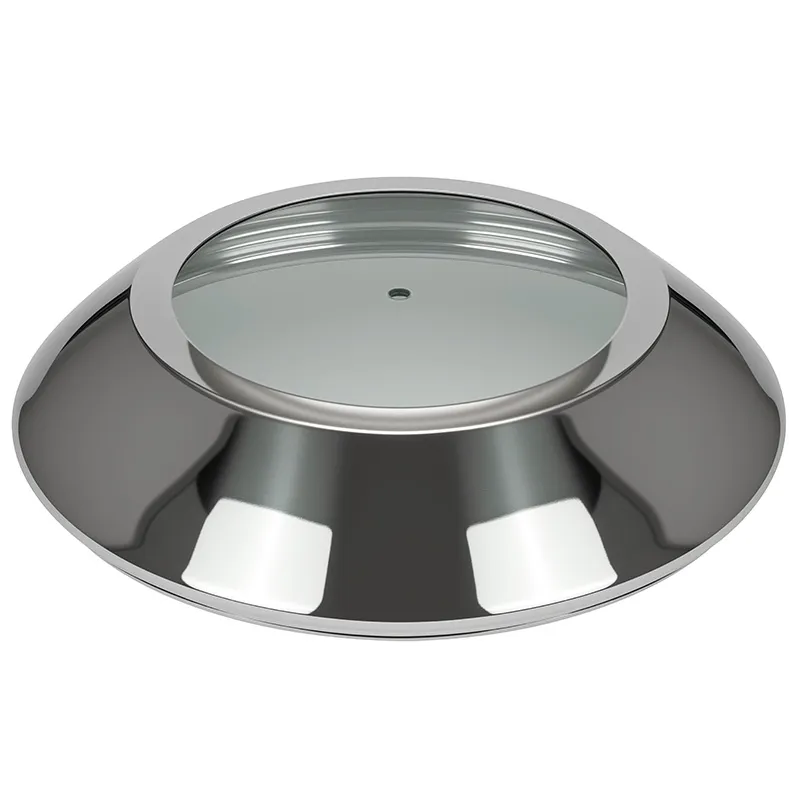
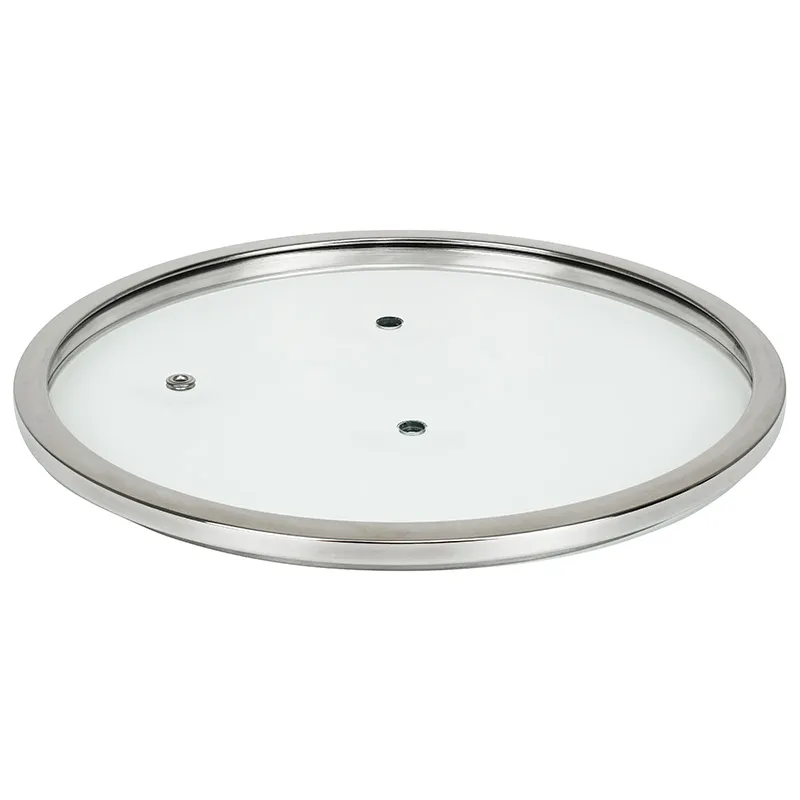
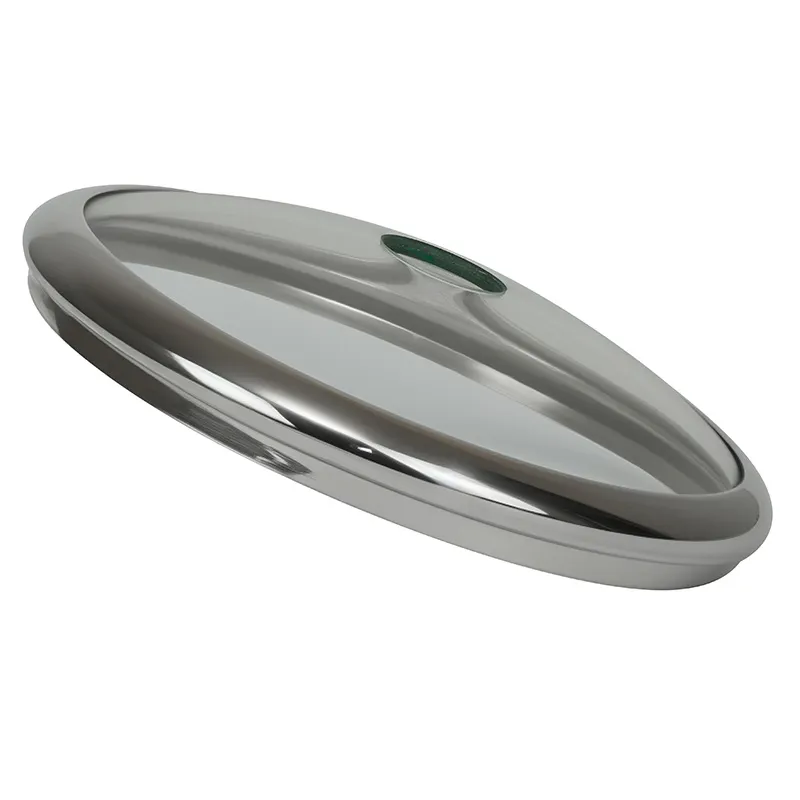
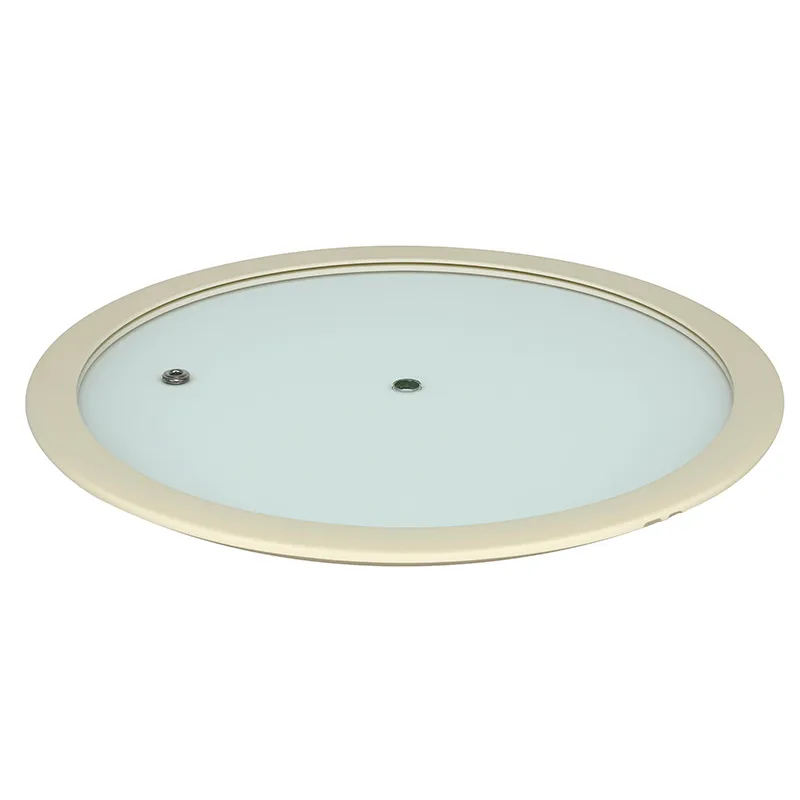
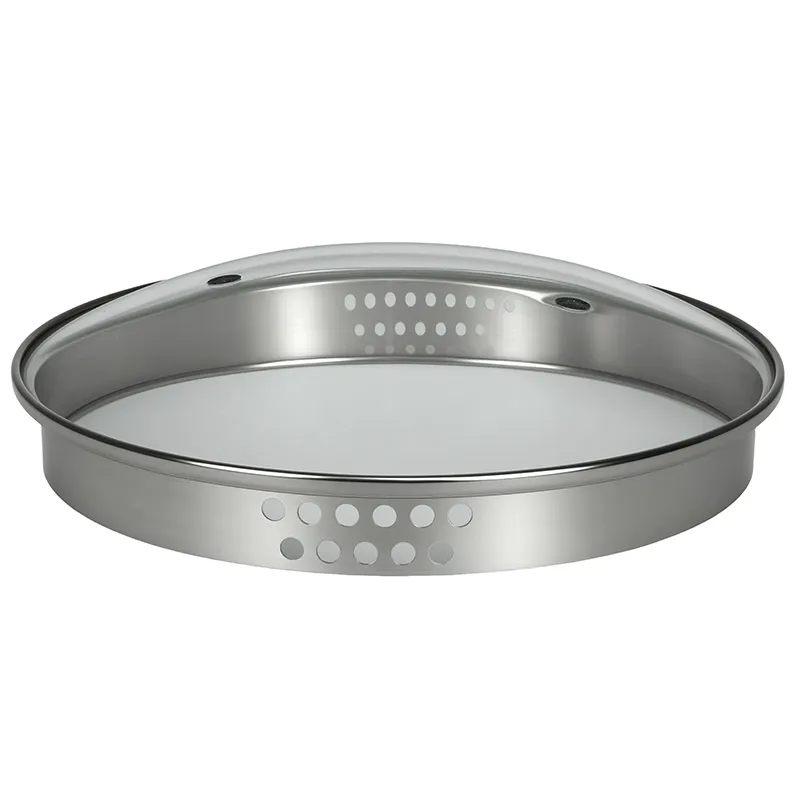
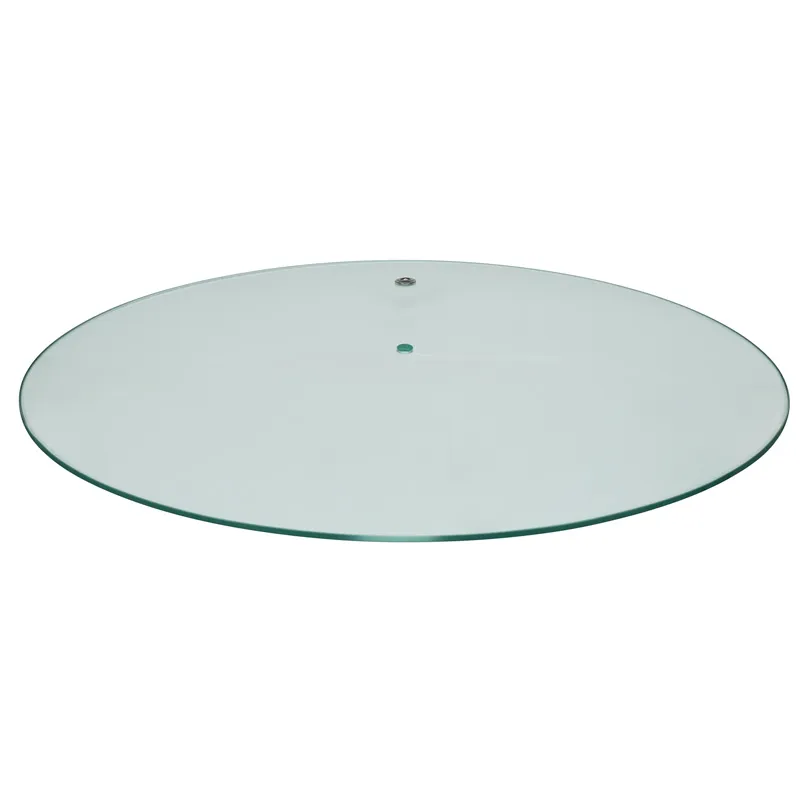
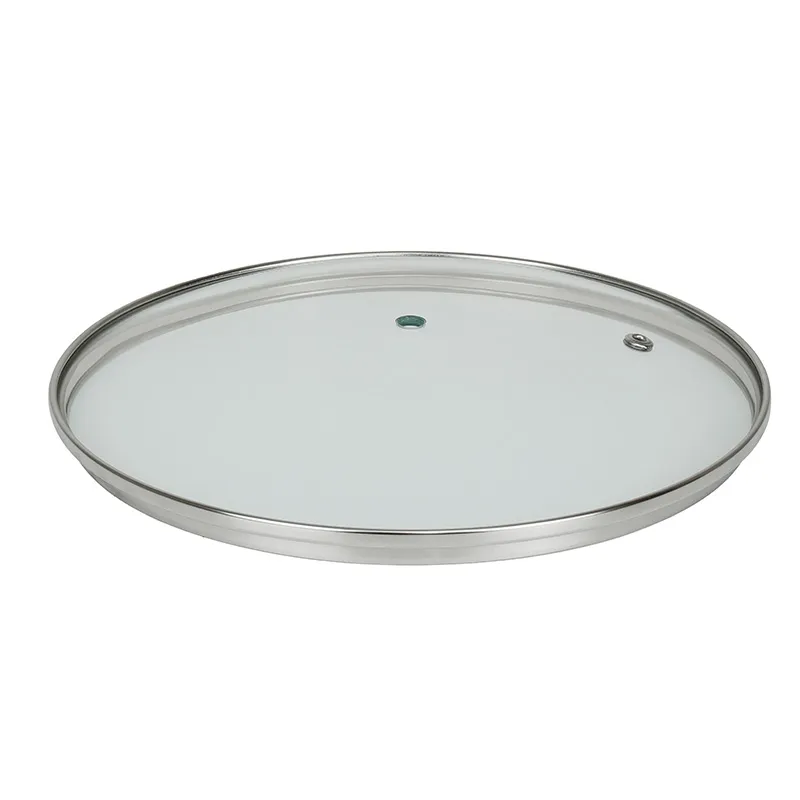
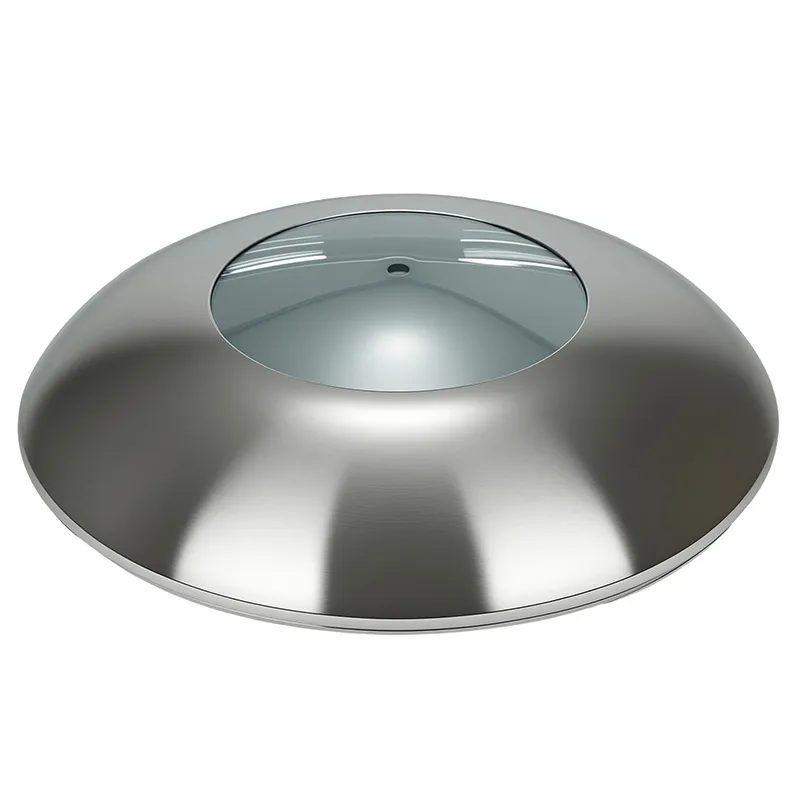
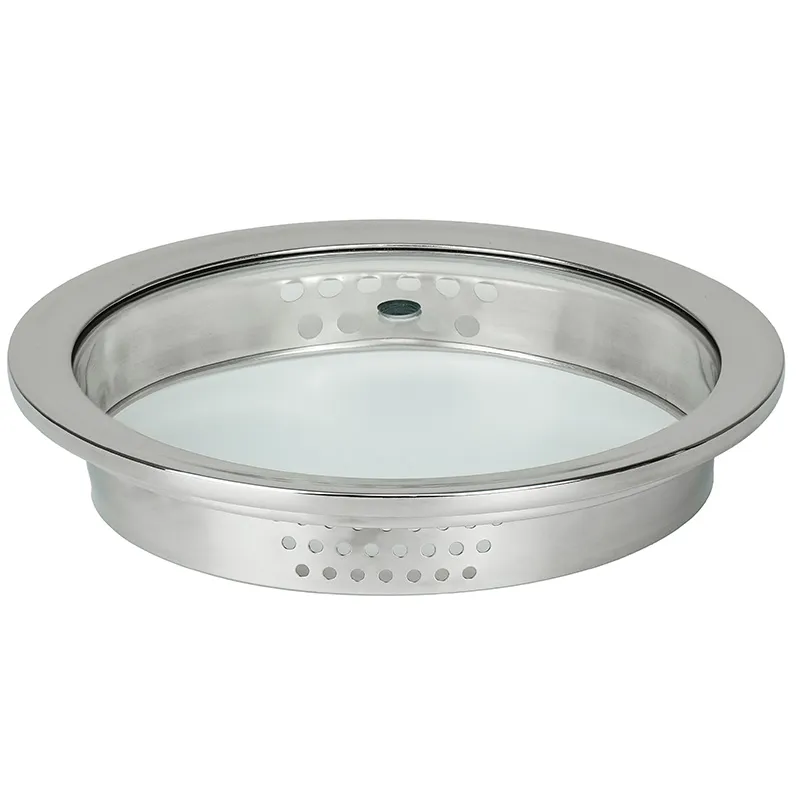
steel glass with lid
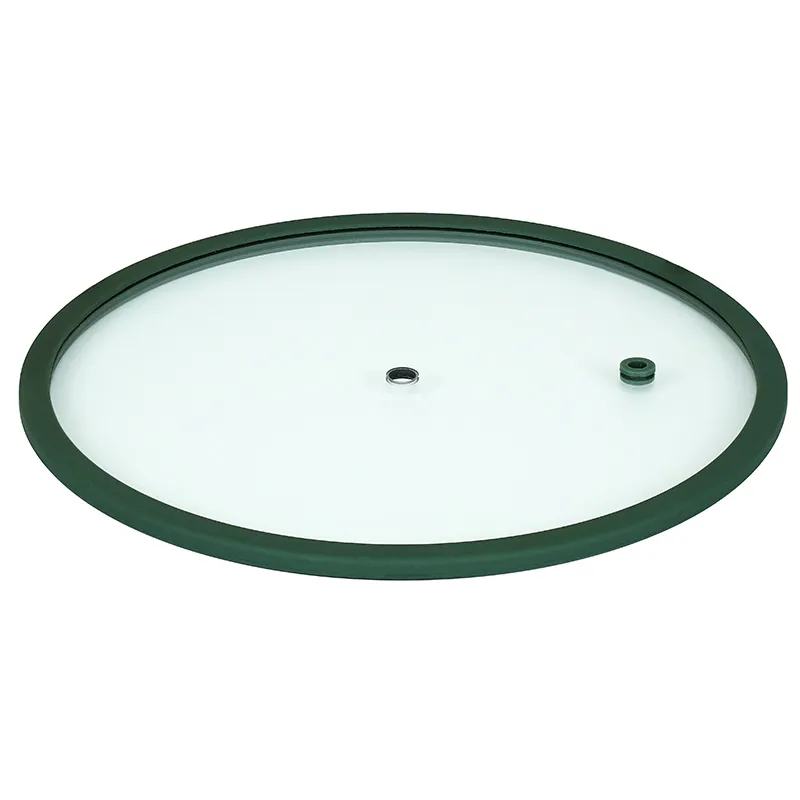
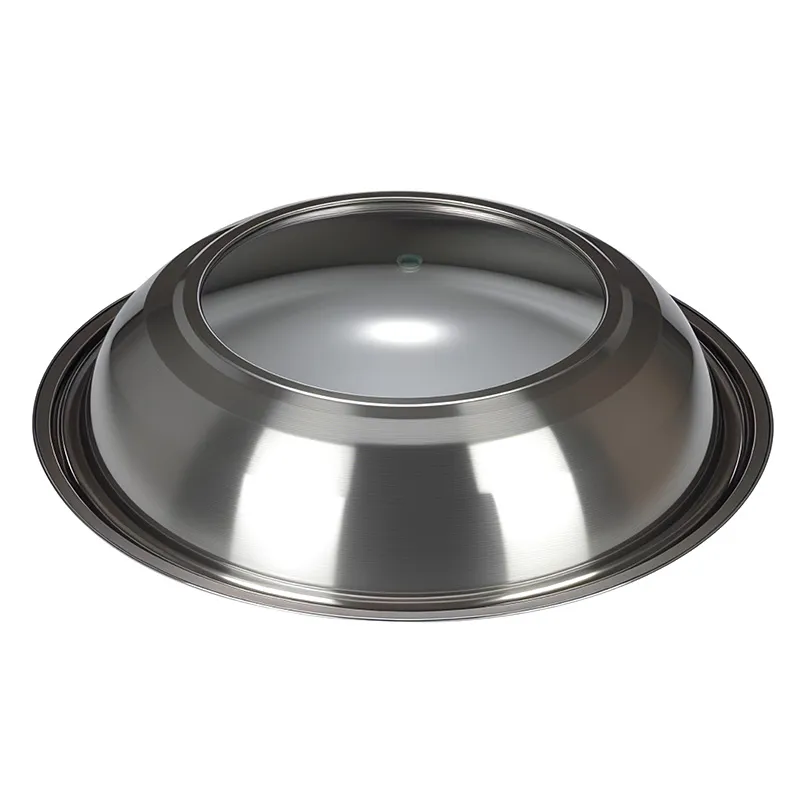
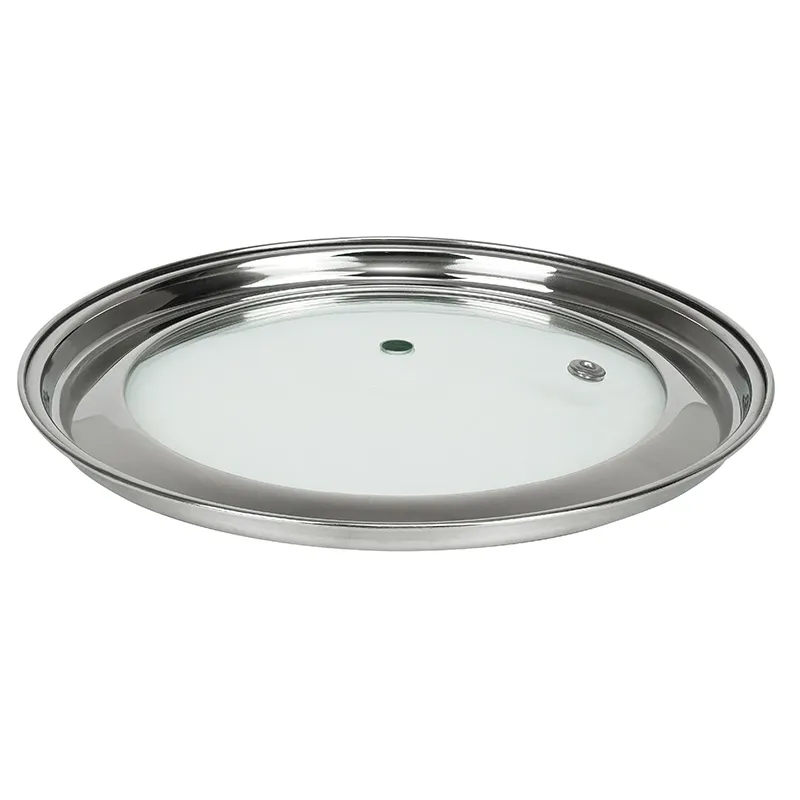
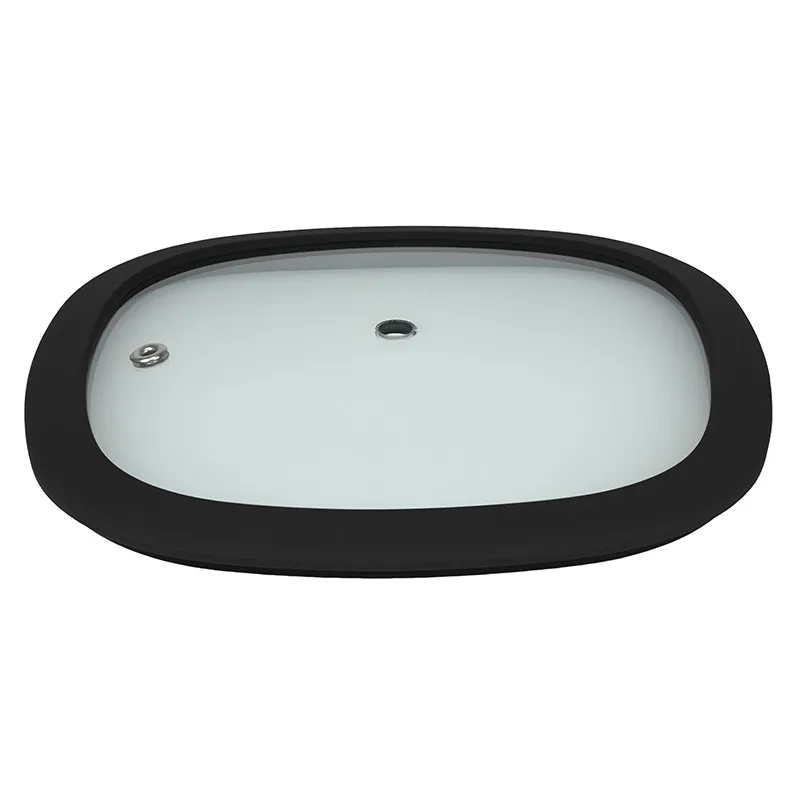
When you hear 'steel glass with lid', most people picture a generic insulated tumbler. That's the first misconception. In the trade, especially when dealing with manufacturers like EUR-ASIA COOKWARE CO.,LTD., the term often bridges two worlds: durable drinkware and high-heat compatible kitchenware. It's not just about keeping coffee hot; it's about a product that can go from freezer to microwave, built around a tempered glass lid that's often the engineering focal point, not the steel body.
The Core: It's Really About the Lid
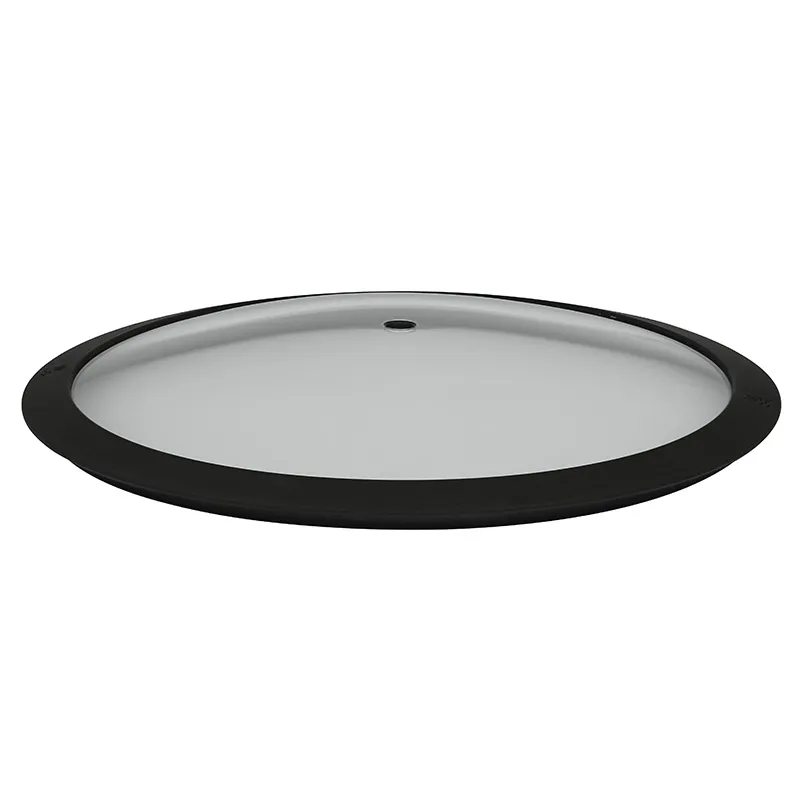
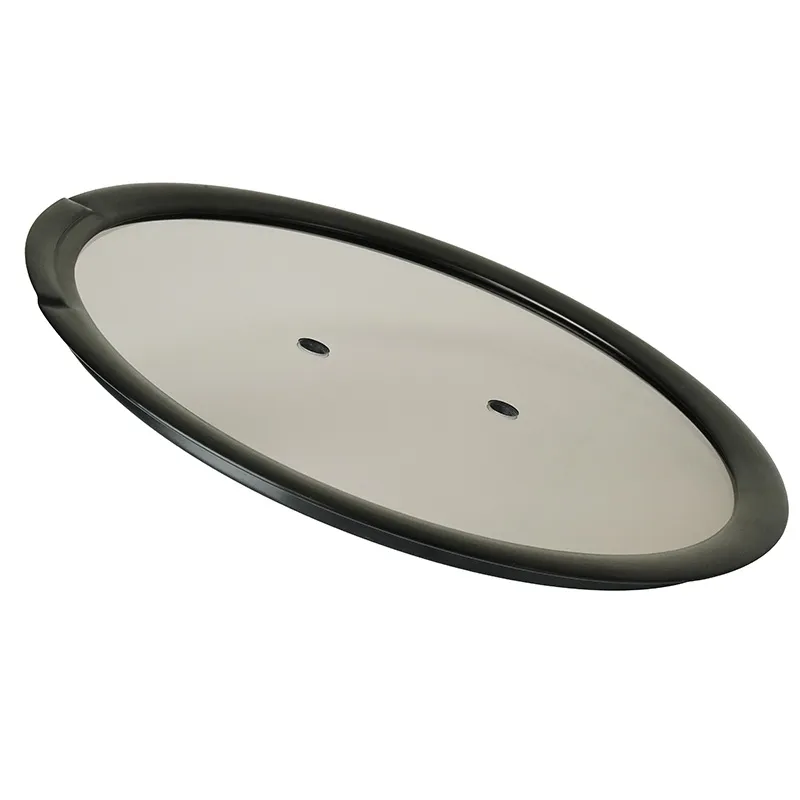
My initial focus was always on the steel—the gauge, the finish, the double-wall vacuum. But after visiting factories and seeing production lines, the lid is where most projects succeed or fail. A steel glass with lid is only as good as its seal and its safety. The glass component, particularly for kitchen-centric applications, is critical. I recall a batch where the lid's glass, supposedly tempered, developed micro-cracks after rapid temperature changes. The steel vessel was perfect, but the failure rate on lids was 15%. That's a logistics nightmare.
This is where specialization matters. A company like EUR-ASIA COOKWARE, with its stated focus on household glass and an annual output of over 15 million tempered glass lids, understands this scale. Their production base in Taian isn't just making lids; they're producing the component that defines product safety and user experience for dozens of OEM brands worldwide. When they talk about low, medium, and high-level products, the differentiation often starts with the lid's glass quality and the precision of its fit to the steel rim.
The tolerance for the silicone gasket channel on the steel rim, for instance, needs to be within 0.5mm. Any wider, and the seal is weak; any tighter, and the glass lid becomes impossibly hard to snap on. It sounds simple, but achieving this consistently across millions of units is what separates a catalog supplier from a real partner. Their export footprint—to Germany, Japan, Brazil—tells you they're dealing with markets that have stringent import compliance checks on these very points.
Material Intersection: Glass Meets Steel
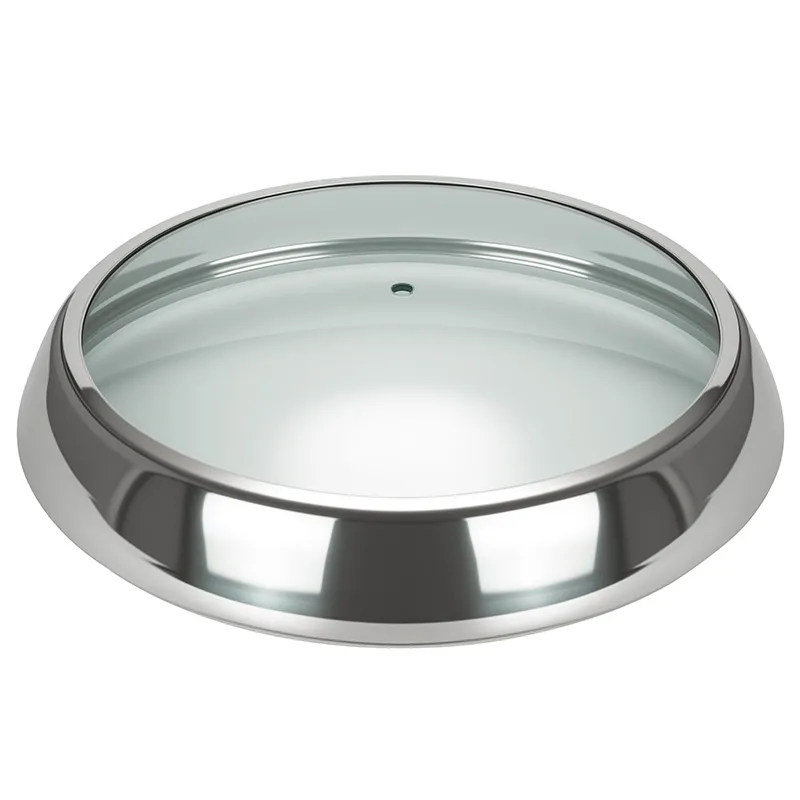
You can't just slap any tempered glass onto a stainless steel body. The coefficient of thermal expansion differs. In a product designed for hot beverages or, say, microwave reheating (where the lid might be on but not sealed), both materials expand at different rates. The design must accommodate this flex without breaking the seal or stressing the glass. I've seen designs where the glass is clamped in a stainless steel frame, which solves one problem but introduces another: potential corrosion at the clamp points if the steel grade isn't right.
EUR-ASIA's background in kitchen accessories suggests they've navigated this. A lid for a cookware pot faces more extreme thermal cycling than a travel mug. That expertise likely filters down to their drinkware-compatible steel glass with lid products. The high level in their description probably references using borosilicate or similarly high-resistance glass for the lid, even if the main body is standard stainless. It's a cost-driven but critical choice.
Another practical detail: the lid's tab or knob. If it's plastic, it needs to withstand dishwasher heat without deforming. If it's stainless, it needs to be bonded or mechanically fastened in a way that doesn't create a heat bridge, making it too hot to touch. It's a small part, but I've had customers reject entire shipments because the lid knob became loose after 50 dishwasher cycles. The failure wasn't in the main components but in a secondary assembly process.
Function Dictates Form: The User's Unseen Problems
The market is flooded with lookalike products. The real test is in daily, often abusive, use. A common flaw in many steel glass with lid designs is the drinking aperture. If the lid is a sip-through type with a slide opening, the stainless steel slide piece can wear down the plastic or glass guide over time, leading to a sloppy fit. Alternatively, a flip-top lid with a plastic hinge will be the first point of mechanical failure.
Thinking about EUR-ASIA's export markets gives clues. German buyers might prioritize a perfect, drip-free seal and cleanability. South Korean or Japanese buyers might prioritize compact design and a precise, quiet open/close mechanism. A one-size-fits-all product rarely works. This is likely why their product range is segmented into levels. A low level product might use a simpler, push-on lid for the budget big-box retailer. A high level line might feature a magnetic lock or a rotary seal mechanism for specialty brands.
Then there's the issue of condensation. A double-wall steel glass keeps drinks hot but can cause massive condensation on the outside. If the lid isn't part of that insulating system—if it's just a single layer of glass or thin plastic—it becomes a cold spot where condensation forms and drips. It's a minor annoyance that users notice immediately. Solving it might involve a double-wall lid, which is complex and expensive, or a specially treated surface on the underside of the glass.
Logistics and the Reality of Scale
With an output of 15 million pieces annually, as EUR-ASIA states, efficiency isn't optional. For a steel glass with lid, packaging is a huge cost driver. The lid and glass are often packaged separately to prevent transit damage, requiring final assembly at the destination country. This adds cost. Some innovators try to ship them assembled with a custom foam mold, but that increases package volume and shipping fees.
Their location in Shandong's High-tech Development Zone is strategic. It's near ports and has a supply chain for both glass and stainless steel. This allows for tighter control over the two main material flows. A delay in glass lid production doesn't necessarily halt the steel body production, allowing for some buffer in the manufacturing schedule. This logistical nuance is something you only appreciate after managing a supply chain that's been disrupted.
Furthermore, an output that large suggests heavy automation. For glass tempering and cutting, this is standard. But the final assembly—placing the silicone gasket, inserting the glass into its frame (if it has one), attaching the knob—might still be manual or semi-automated. The consistency of this final human touch point is where quality audits happen. A visit to their 15,000㎡ facility would likely show this critical junction in the production line.
Beyond the Tumbler: The Kitchenware Crossover
The term glass lid immediately connects to cookware. EUR-ASIA's core business. This expertise directly informs their drinkware products. A tempered glass lid for a saucepot must withstand direct flame (if designed for it) or intense radiant heat from an electric hob. The safety standards here are exponentially higher than for a coffee cup lid.
This high-heat safety culture likely trickles down. They probably test their drinkware glass lid products for thermal shock beyond the typical use case—pouring boiling water directly onto a cold lid, for example. This results in a more robust, albeit possibly more expensive, component. For a brand looking to market a premium, indestructible travel mug, sourcing lids from a cookware specialist like EUR-ASIA could be a smart, if non-obvious, move.
It also opens up hybrid product categories. Think of a steel glass with lid that's explicitly marketed for both travel and kitchen use—like a container you can drink from, microwave with the lid on, and store in the fridge. The unity of the product hinges on the lid's versatility. The steel body is almost a passive component. This is where the company's dual identity in household glass products and other kitchen accessories becomes a tangible advantage in product development, not just a line in a company profile.
So, when evaluating a steel glass with lid, don't just look at the stainless steel specs or the vacuum insulation rating. Pick it up. Study the lid. How is the glass held? What's the seal like? Feel the weight of the mechanism. That component, often sourced from a high-volume specialist manufacturer operating in the background, is what truly defines the product's lifespan and user satisfaction. The rest is just a container.
Related Products
Related Products