- Chinese
- French
- German
- Portuguese
- Spanish
- Russian
- Japanese
- Korean
- Arabic
- Irish
- Greek
- Turkish
- Italian
- Danish
- Romanian
- Indonesian
- Czech
- Afrikaans
- Swedish
- Polish
- Basque
- Catalan
- Esperanto
- Hindi
- Lao
- Albanian
- Amharic
- Armenian
- Azerbaijani
- Belarusian
- Bengali
- Bosnian
- Bulgarian
- Cebuano
- Chichewa
- Corsican
- Croatian
- Dutch
- Estonian
- Filipino
- Finnish
- Frisian
- Galician
- Georgian
- Gujarati
- Haitian
- Hausa
- Hawaiian
- Hebrew
- Hmong
- Hungarian
- Icelandic
- Igbo
- Javanese
- Kannada
- Kazakh
- Khmer
- Kurdish
- Kyrgyz
- Latin
- Latvian
- Lithuanian
- Luxembou..
- Macedonian
- Malagasy
- Malay
- Malayalam
- Maltese
- Maori
- Marathi
- Mongolian
- Burmese
- Nepali
- Norwegian
- Pashto
- Persian
- Punjabi
- Serbian
- Sesotho
- Sinhala
- Slovak
- Slovenian
- Somali
- Samoan
- Scots Gaelic
- Shona
- Sindhi
- Sundanese
- Swahili
- Tajik
- Tamil
- Telugu
- Thai
- Ukrainian
- Urdu
- Uzbek
- Vietnamese
- Welsh
- Xhosa
- Yiddish
- Yoruba
- Zulu
- Kinyarwanda
- Tatar
- Oriya
- Turkmen
- Uyghur


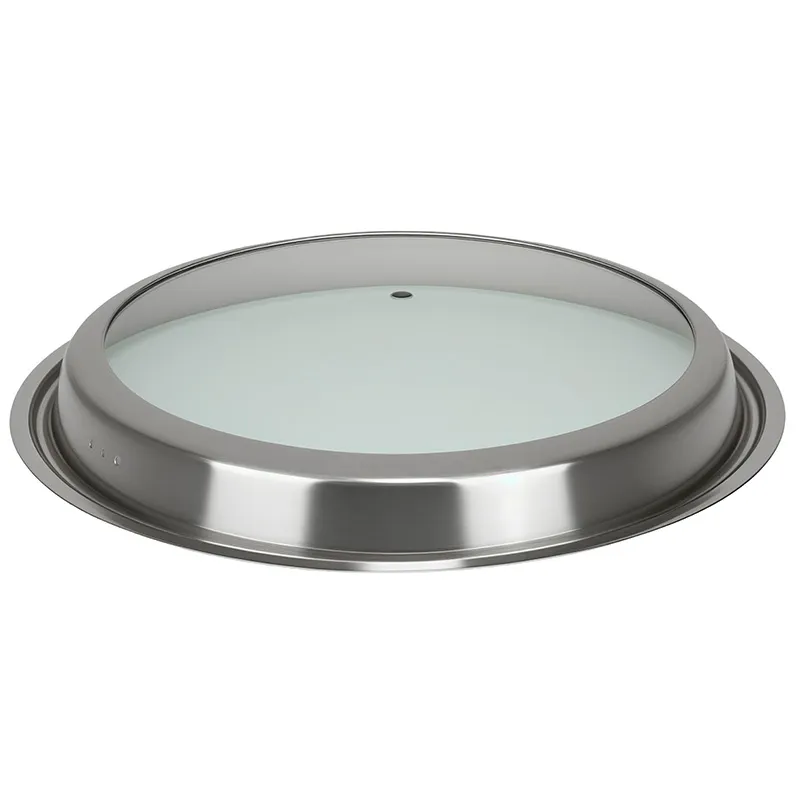
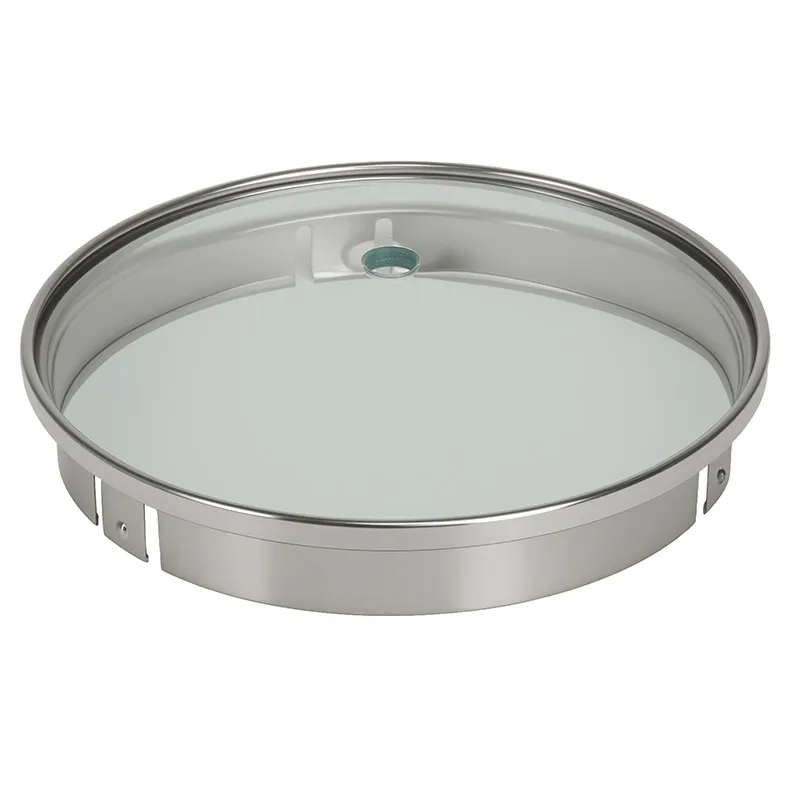
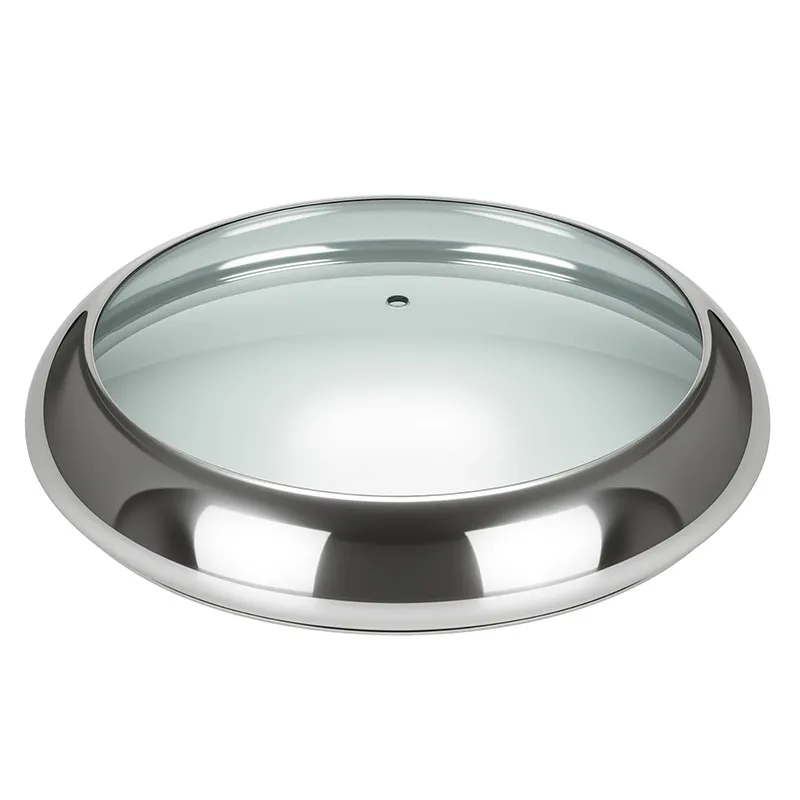
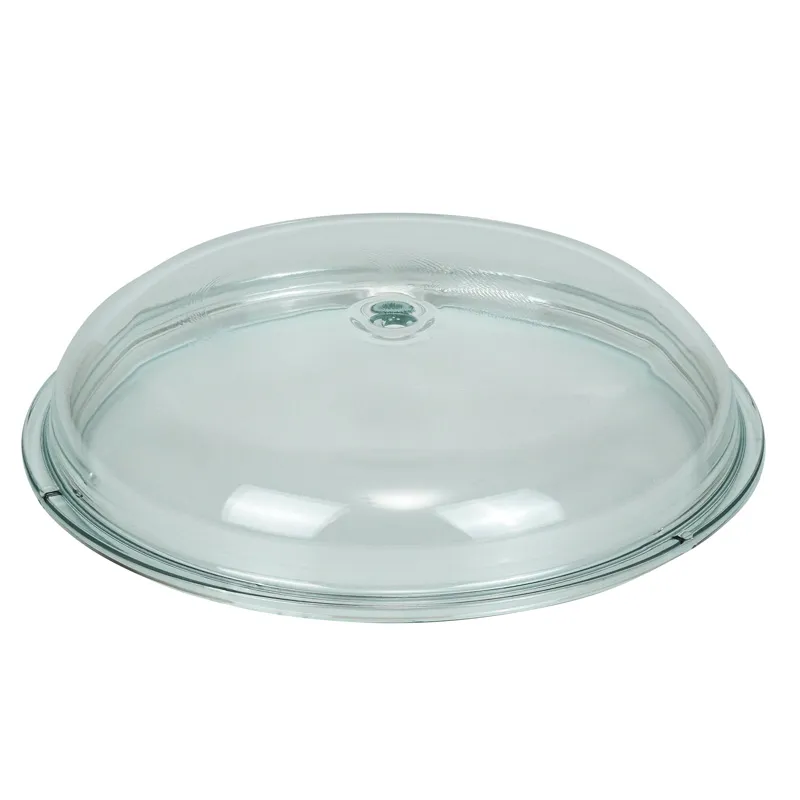
steel glass with lid and straw
When you hear 'steel glass with lid and straw', most people picture a trendy, indestructible water bottle. That's the marketing image, anyway. In reality, the term often glosses over the critical interplay between the glass, the lid assembly, and the straw's functionality. I've seen too many designs where the lid's gasket fails after a few thermal cycles, or the straw's diameter is just wrong, making it a chore to sip anything thicker than water. The real challenge isn't making a steel-encased glass; it's engineering a system where all three components—vessel, seal, and conduit—work seamlessly under daily duress.
The Core Misconception: It's Just a Cup
The biggest mistake, from both consumers and some newcomers in manufacturing, is treating this as a simple composite product. You can't just source a nice steel glass, a generic plastic lid, and a straw, then slap them together. The thermal expansion rates of borosilicate glass (the good stuff) and 304/316 stainless steel are different. If the steel sleeve is too tight, you risk stressing the glass during hot fills; too loose, and it feels cheap, rattles, and compromises insulation. The fit has to be a calculated tolerance, not a guess.
I recall a batch from a few years back where the lid thread pitch was off by a fraction. It seemed minor, but it meant users had to overtighten to seal, which wore down the silicone ring prematurely. Leaks everywhere. The straws for that model were also a standard 10mm width, which clogged instantly with smoothie pulp. We learned the hard way that the straw needs a wider bore or a dedicated cleaning brush must be included. These are the details that separate a product that gets used for years from one that gets abandoned in a cabinet.
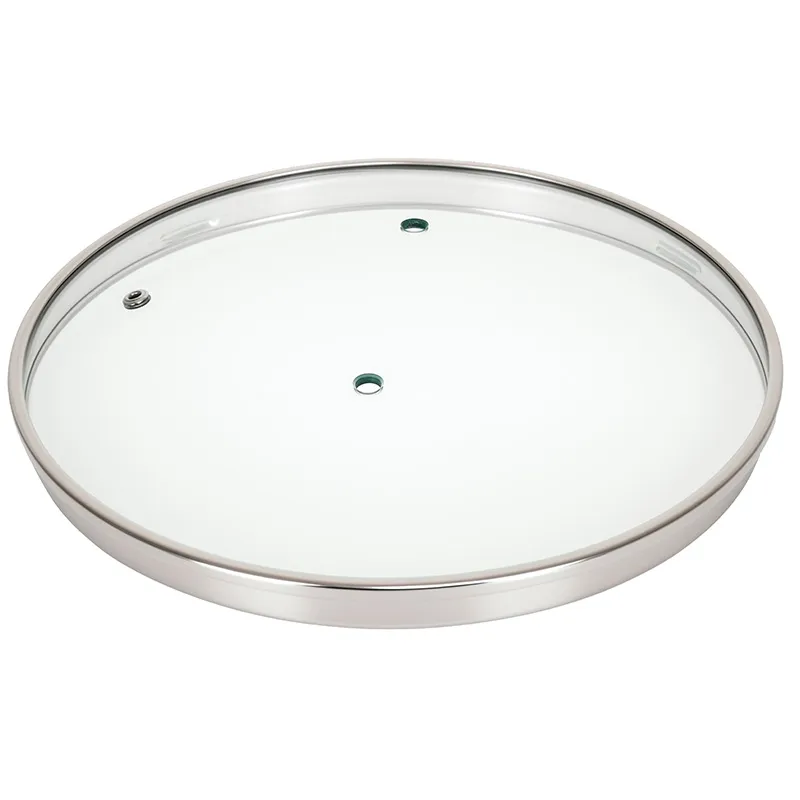
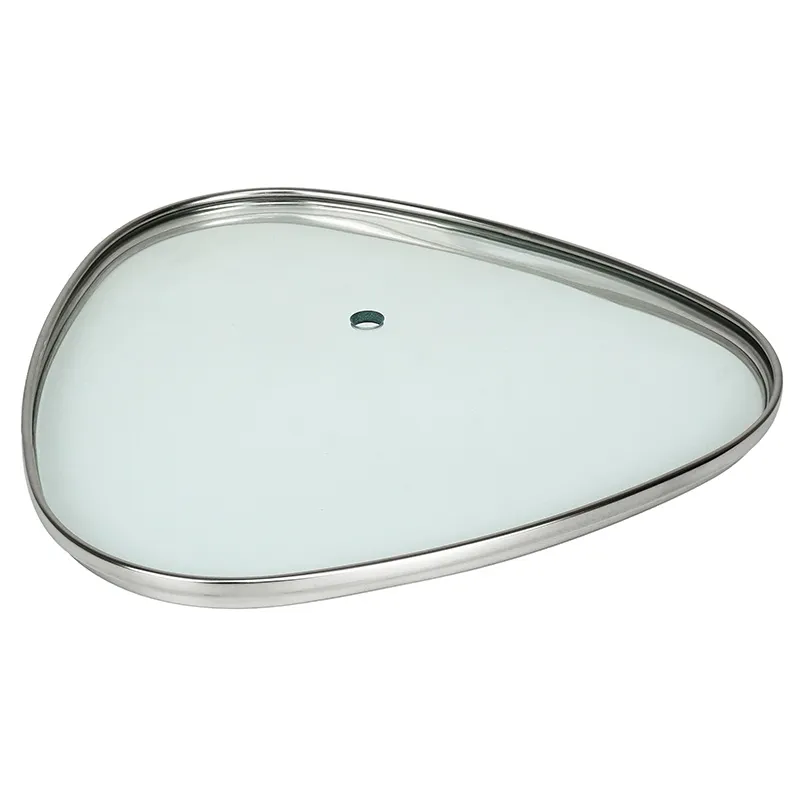
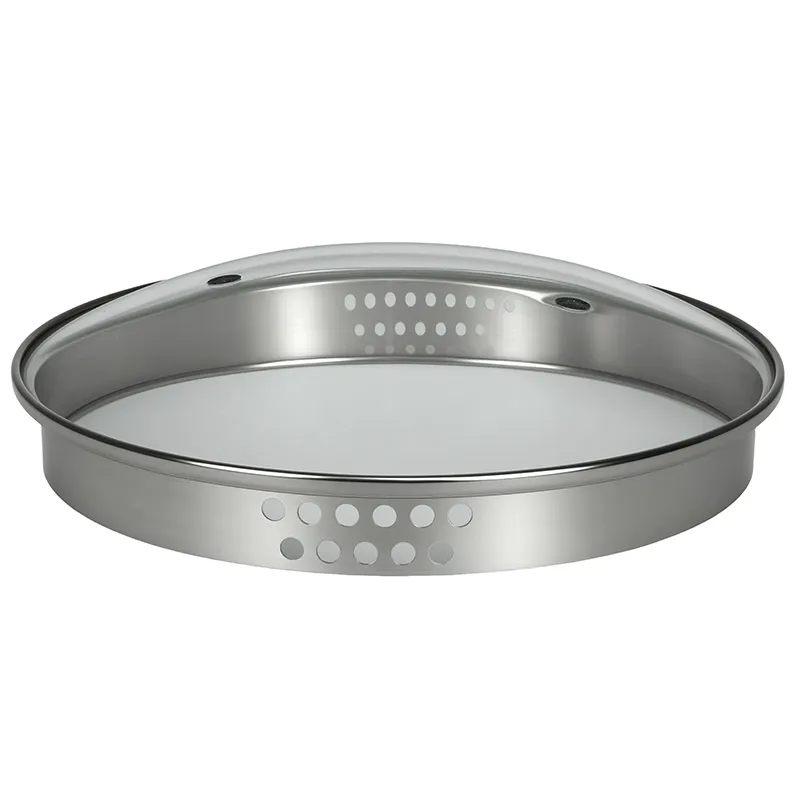
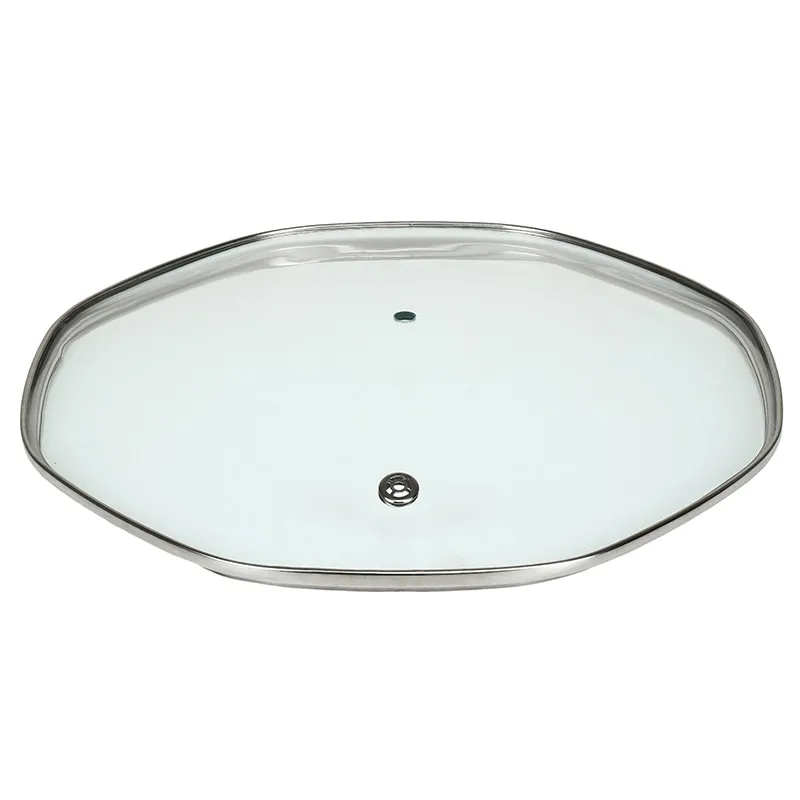
This is where partnering with a specialist matters. A company like EUR-ASIA COOKWARE CO.,LTD, for instance, with their deep focus on glass and lid production, understands these material dialogues intrinsically. Their expertise in tempered glass lids translates directly into understanding how a lid must interface with a glass rim, whether it's for a cookpot or a drinking vessel. That knowledge is transferable and crucial.
The Lid: The Unsung Hero of Functionality
If the glass is the body, the lid is the brain. A good lid does three things: seals perfectly, accommodates the straw cleanly, and is durable. The most common failure point is the seal. A simple O-ring might work for cold drinks, but for hot beverages, you need food-grade silicone that can handle repeated expansion and contraction without taking a set. I've tested lids that leaked after just a month of daily coffee use because the silicone lost its elasticity.
The straw port design is another nuance. A poorly designed port is hard to clean, leading to mold—a total deal-breaker. The best designs have a smooth, wide opening or even a removable silicone grommet around the straw. It adds a part, yes, but it guarantees cleanability. Also, the lid's material: using Tritan or high-grade PP over cheaper plastics is a tangible quality difference. It resists staining from coffee or tea and doesn't retain odors.
Looking at a manufacturer's portfolio tells you a lot. Browsing glass-lid.com, you see EUR-ASIA COOKWARE CO.,LTD isn't a general merchandiser. They're focused on glass and sealing solutions. Their experience producing millions of tempered glass lids annually for the European market suggests a mastery over the precise molding and tempering processes that ensure a lid sits flat and seals true—a fundamental requirement before you even add a straw hole.
The Straw Itself: Material and Usability Trade-offs
The straw seems trivial, but it's the primary user interface. Silicone straws are soft and safe but can be annoying to clean and may collapse. Hard plastic or metal straws are durable but can be unpleasant thermally (too hot/cold on lips) and pose a minor safety concern if someone stumbles. We've moved towards food-grade stainless steel straws with a silicone tip as a decent compromise. The key is the inner diameter and wall thickness.
A thick wall feels premium but reduces flow. A thin wall might dent. For a true multi-use steel glass with lid and straw, the straw needs to handle everything from ice water to a thick protein shake. That often means a diameter of 12mm or more. And you must include a brush. Every time. Assuming users have one is a mistake. We once shipped a premium batch without brushes, assuming it was standard, and the customer service complaints were solely about straw cleaning.
Integration is key. Does the straw fit snugly in the lid's port? Can it be completely removed for cleaning? Is there a notch or hook on the lid to store the straw when the lid is on but you're drinking directly? These small UX decisions come from real-world use, not CAD software alone.
Case in Point: Learning from a Supply Chain
Several years ago, we were sourcing components separately: glasses from one factory, lids from another, straws from a third. The assembly was a nightmare of quality mismatches. The lids from a generic supplier never quite fit the glass rims perfectly, leading to a 15% leak rate in testing. It was a costly lesson in the value of integrated manufacturing.
This is why the model of a company like EUR-ASIA COOKWARE CO.,LTD. is relevant. As their site states, they specialize in household glass products and kitchen accessories from low to high levels, with a massive export footprint to demanding markets like Germany and Japan. This isn't a generic factory. A production base covering 20,000㎡ and an output of over 15 million tempered glass lids and related products annually indicates specialization and scale. For a product like our topic, having the glass and its primary seal (the lid) engineered and produced in one controlled environment is a massive advantage. It ensures the primary interface—where the glass meets the lid—is fundamentally sound.
Their export focus to Europe also implies adherence to stricter material and safety standards (like EU FDA norms), which directly informs the quality of materials you'd want for the lid's plastic and sealing ring. It's a proxy for reliability.
Practical Considerations and Market Reality
So, who is this product really for? The marketing targets the fitness and eco-conscious crowd, but practically, its best users are people who consume both hot and cold beverages on the go and are tired of disposable cups. The insulation claim is tricky. A single-wall steel sleeve offers some thermal protection for hands but isn't a vacuum insulator. Managing expectations is part of the game.
Durability is a double-edged sword. The tempered glass is shock-resistant but not shatterproof. I've seen them survive drops onto carpet but crack on concrete. The steel sleeve mainly protects against impacts and adds rigidity. The real longevity test is on the lid mechanism and the straw. Will the flip-top hinge last 10,000 opens? Will the straw bend or degrade?
In the end, a successful steel glass with lid and straw isn't defined by a keyword search. It's defined by the silent engineering in the lid's thread, the choice of glass tempering formula, the straw's food-grade certification, and the assembly precision. It's a product category where the sum is entirely dependent on its parts working in unseen harmony. Finding partners who understand the core components—like a specialist in glass and lid systems—is often half the battle won before the first prototype is even made.
Related Products
Related Products