- Chinese
- French
- German
- Portuguese
- Spanish
- Russian
- Japanese
- Korean
- Arabic
- Irish
- Greek
- Turkish
- Italian
- Danish
- Romanian
- Indonesian
- Czech
- Afrikaans
- Swedish
- Polish
- Basque
- Catalan
- Esperanto
- Hindi
- Lao
- Albanian
- Amharic
- Armenian
- Azerbaijani
- Belarusian
- Bengali
- Bosnian
- Bulgarian
- Cebuano
- Chichewa
- Corsican
- Croatian
- Dutch
- Estonian
- Filipino
- Finnish
- Frisian
- Galician
- Georgian
- Gujarati
- Haitian
- Hausa
- Hawaiian
- Hebrew
- Hmong
- Hungarian
- Icelandic
- Igbo
- Javanese
- Kannada
- Kazakh
- Khmer
- Kurdish
- Kyrgyz
- Latin
- Latvian
- Lithuanian
- Luxembou..
- Macedonian
- Malagasy
- Malay
- Malayalam
- Maltese
- Maori
- Marathi
- Mongolian
- Burmese
- Nepali
- Norwegian
- Pashto
- Persian
- Punjabi
- Serbian
- Sesotho
- Sinhala
- Slovak
- Slovenian
- Somali
- Samoan
- Scots Gaelic
- Shona
- Sindhi
- Sundanese
- Swahili
- Tajik
- Tamil
- Telugu
- Thai
- Ukrainian
- Urdu
- Uzbek
- Vietnamese
- Welsh
- Xhosa
- Yiddish
- Yoruba
- Zulu
- Kinyarwanda
- Tatar
- Oriya
- Turkmen
- Uyghur


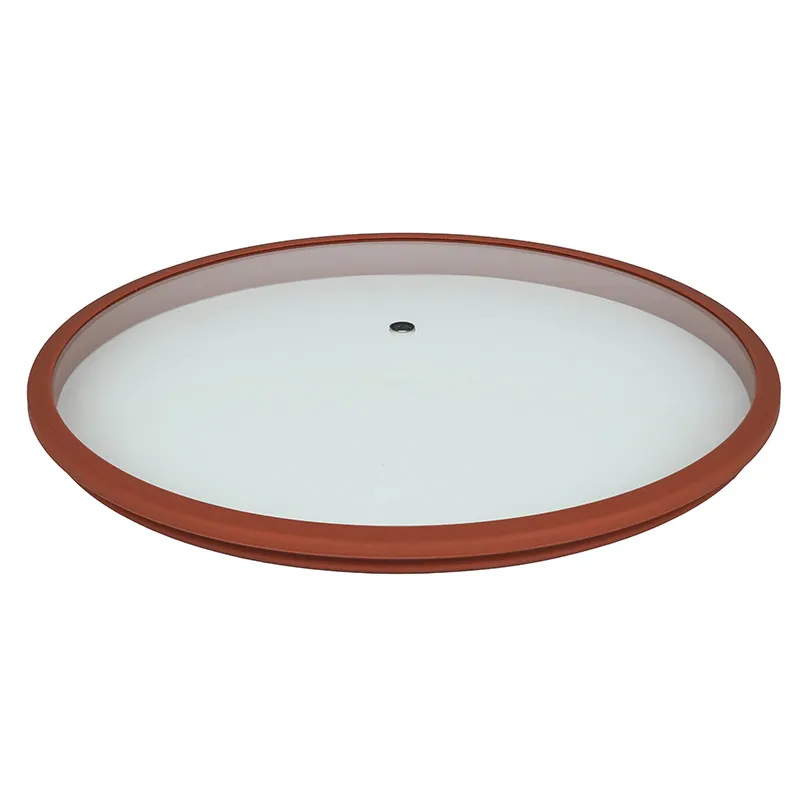
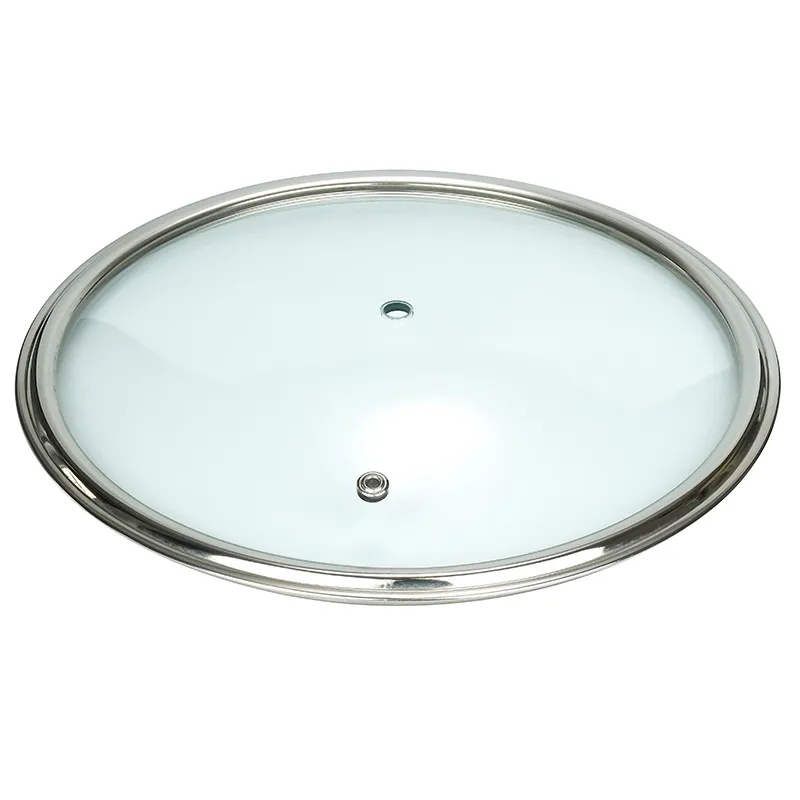
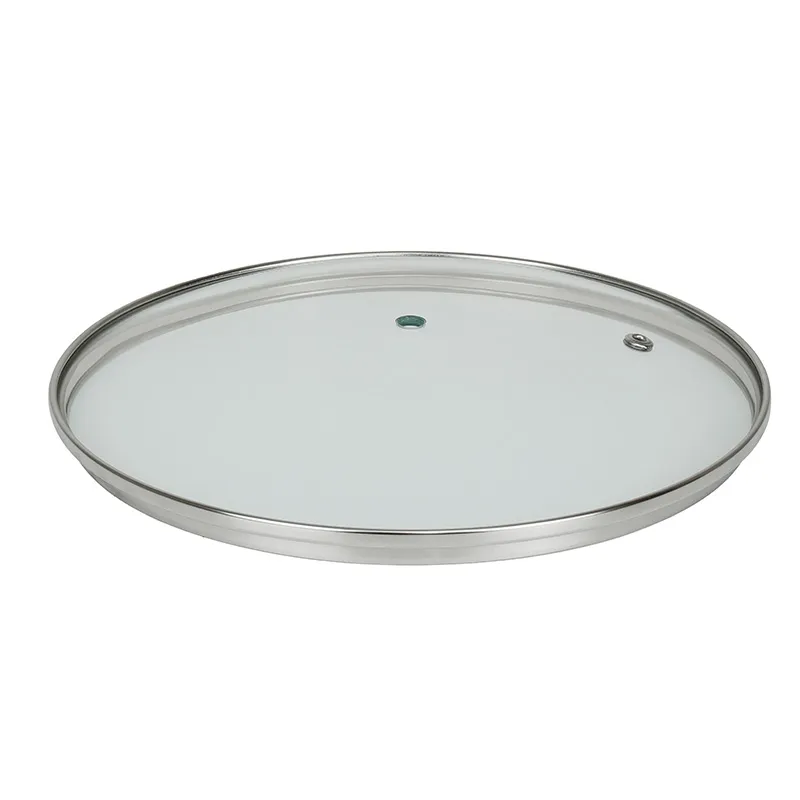
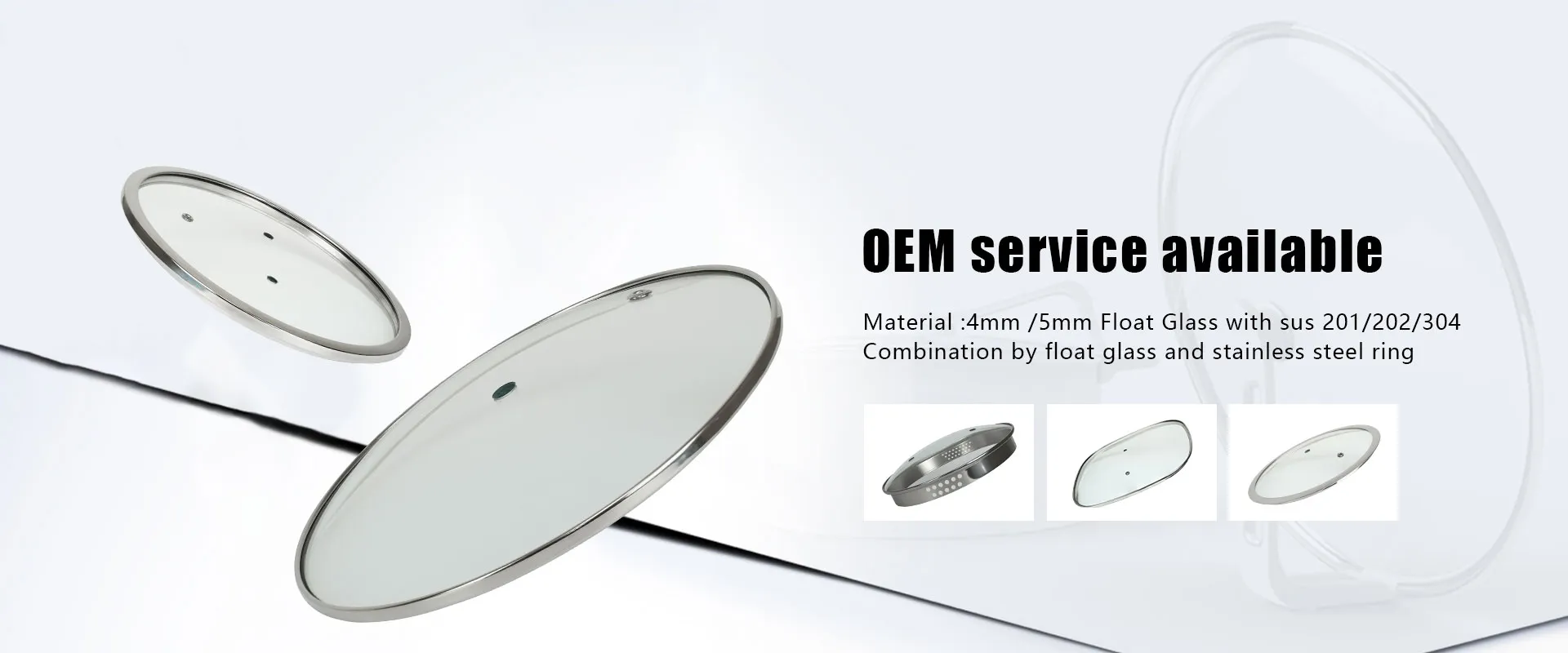
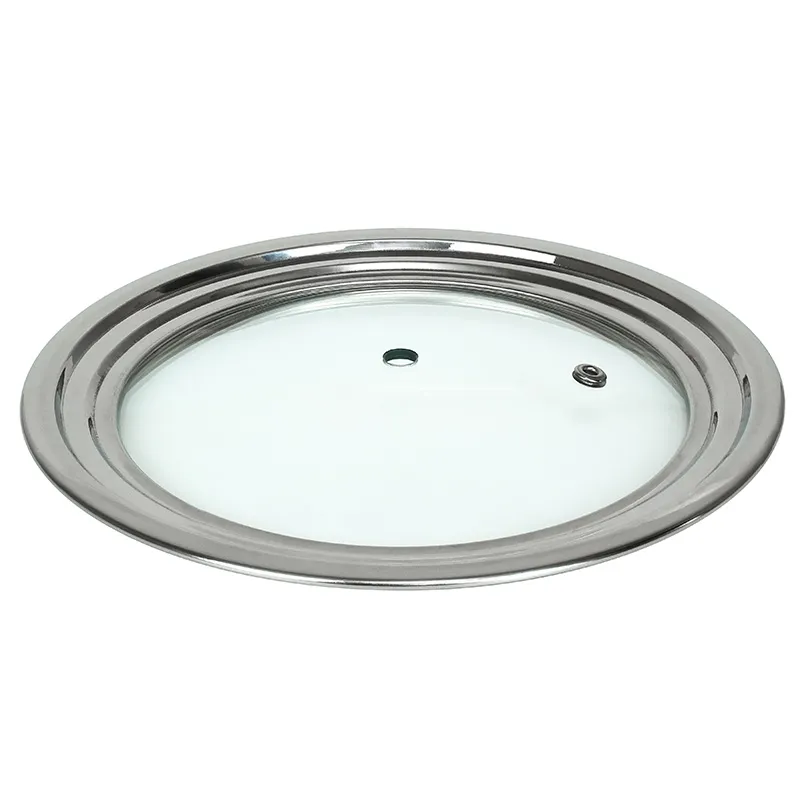
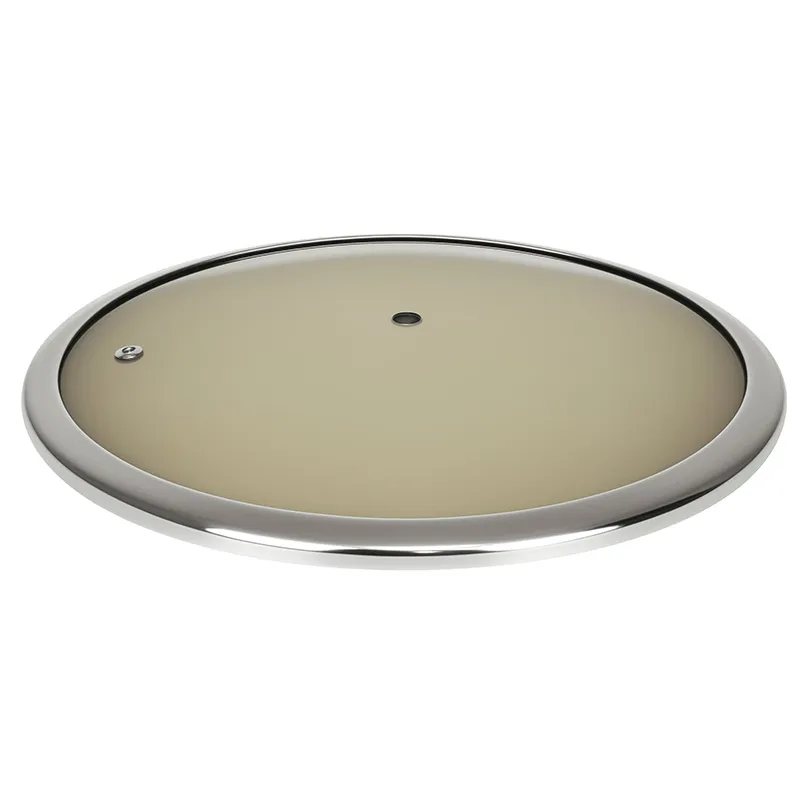
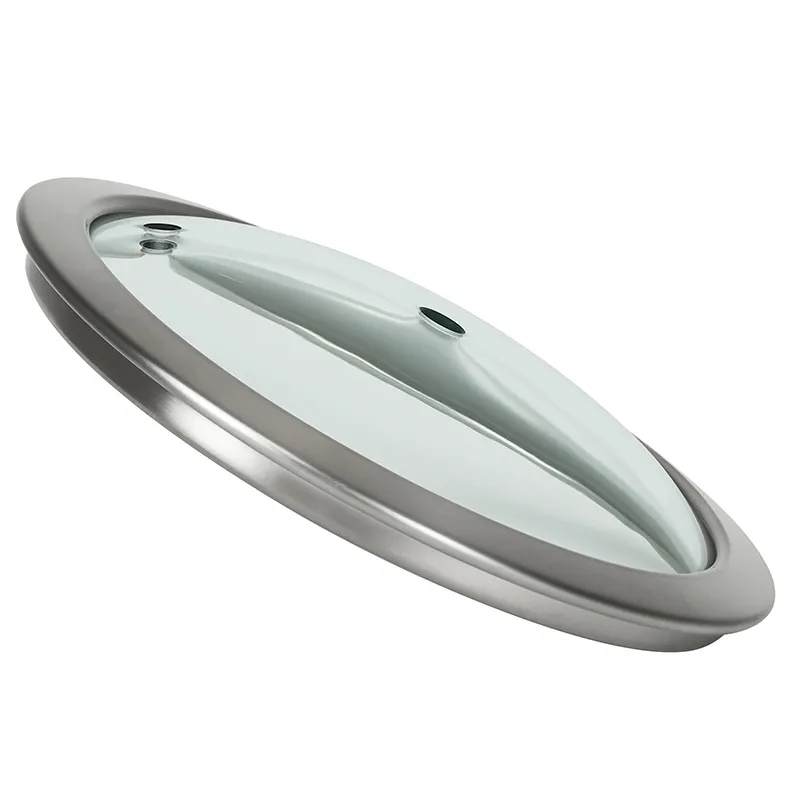
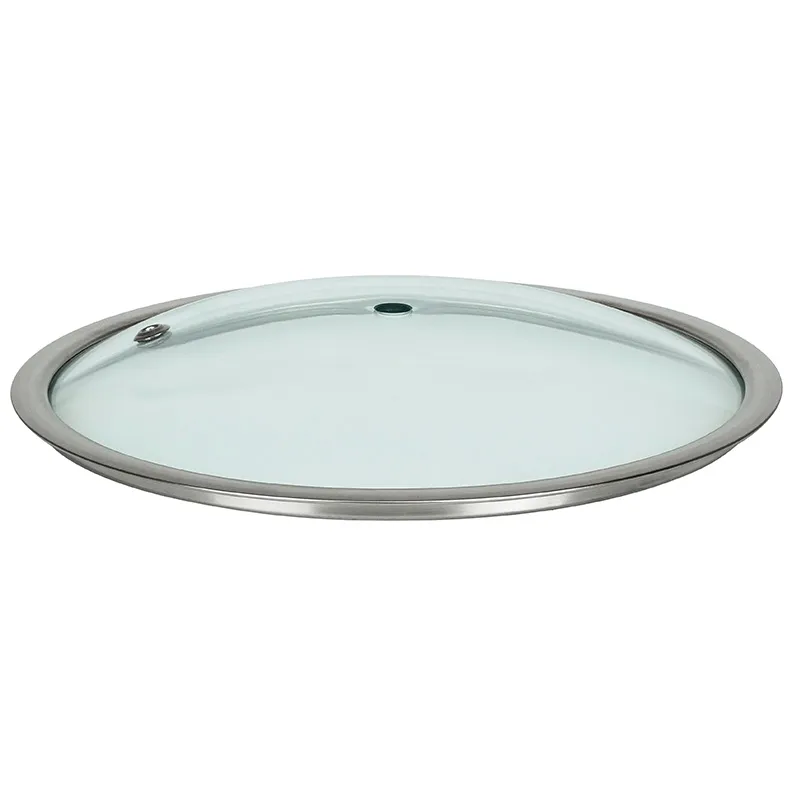
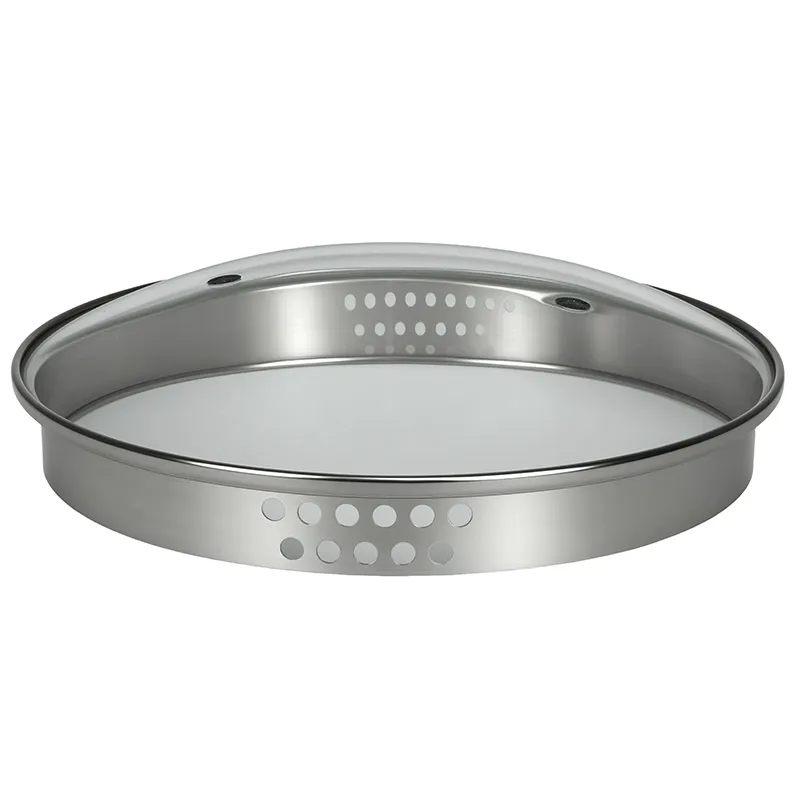
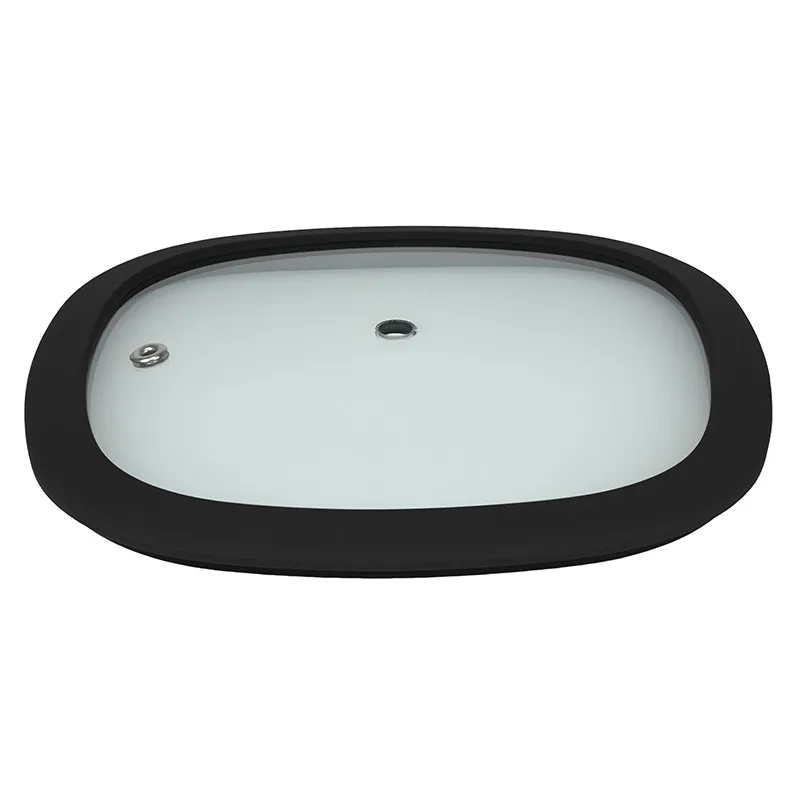
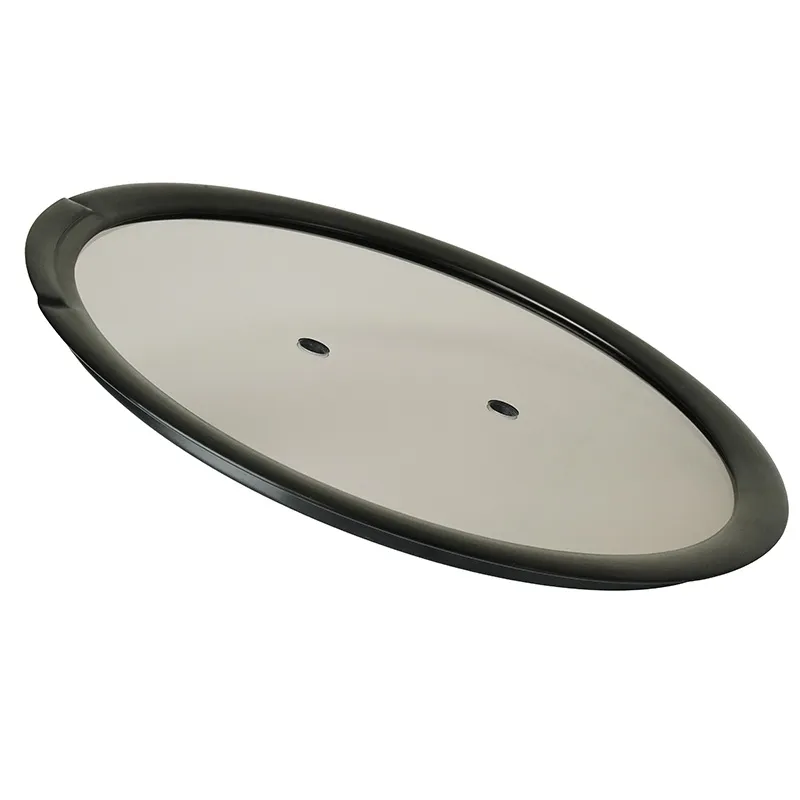
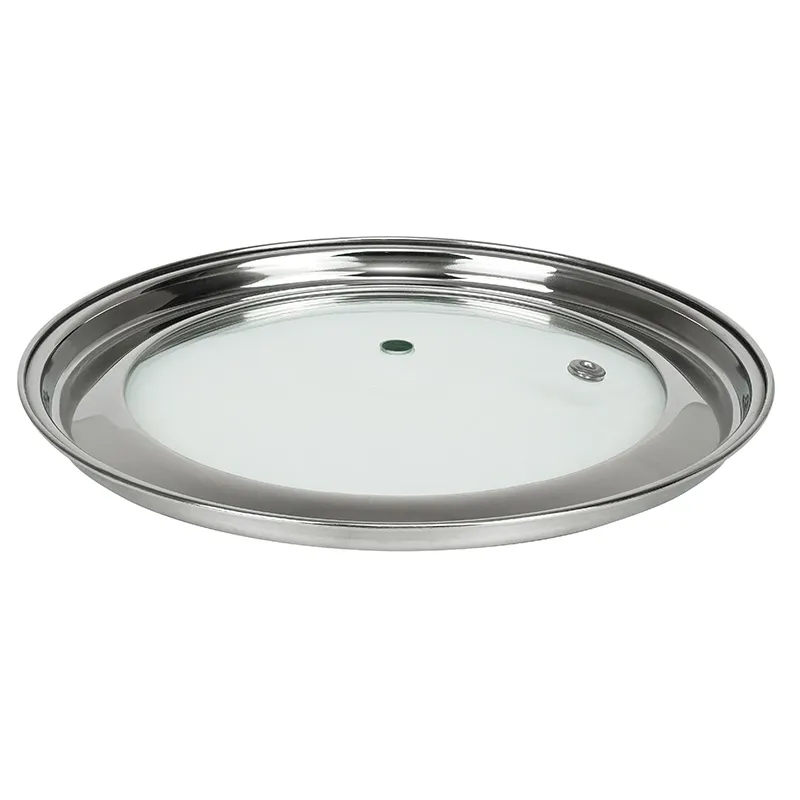
T glass lid
You hear 'T glass lid' and immediately think 'tempered glass lid,' which is right, but that's where the oversimplification starts. In the trade, the 'T' often gets conflated with just the tempering process itself. The reality is messier. It's the entire spec: the type of glass, the curvature, the edgework, the tempering level (often measured in surface compression), and crucially, the fit. A lot of importers, especially those new to sourcing kitchenware, fixate on the material being tempered and assume that's the finish line. The real work begins after that checkbox is ticked.
The Fit is the First Failure Point
I've seen containers of lids land at a distributor's warehouse, only for them to find a 2mm gap when placed on the designated pot. That's a total loss. The issue rarely stems from the pot's dimensions, which are usually stamped steel and consistent. It's in the lid's bending radius. For a T glass lid, the glass is heated and slumped over a mold. If that mold is even half a degree off in its arc, or if the cooling process introduces subtle warping, the lid won't sit flush. It'll rock. We learned this the hard way with an early order for a European retailer. The lids passed every impact test but failed the simplest one: the spin test on a countertop. A perfect lid shouldn't wobble.
This is where a manufacturer's experience shows. A company like EUR-ASIA COOKWARE CO.,LTD, which lists an annual output in the tens of millions, has likely iterated through thousands of mold designs. Their production base in Taian would have a library of molds for different series—French tops, German casseroles, universal fit. The key is their ability to match the mold to the customer's provided CAD or sample, and then maintain that tolerance across 500,000 units. It's not glamorous work, it's precision tooling.
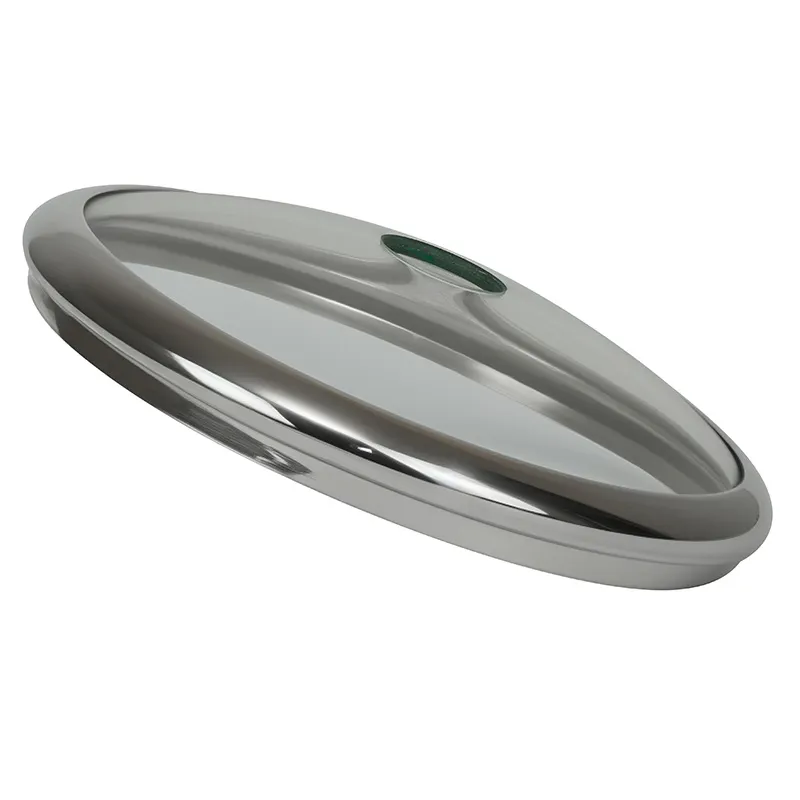
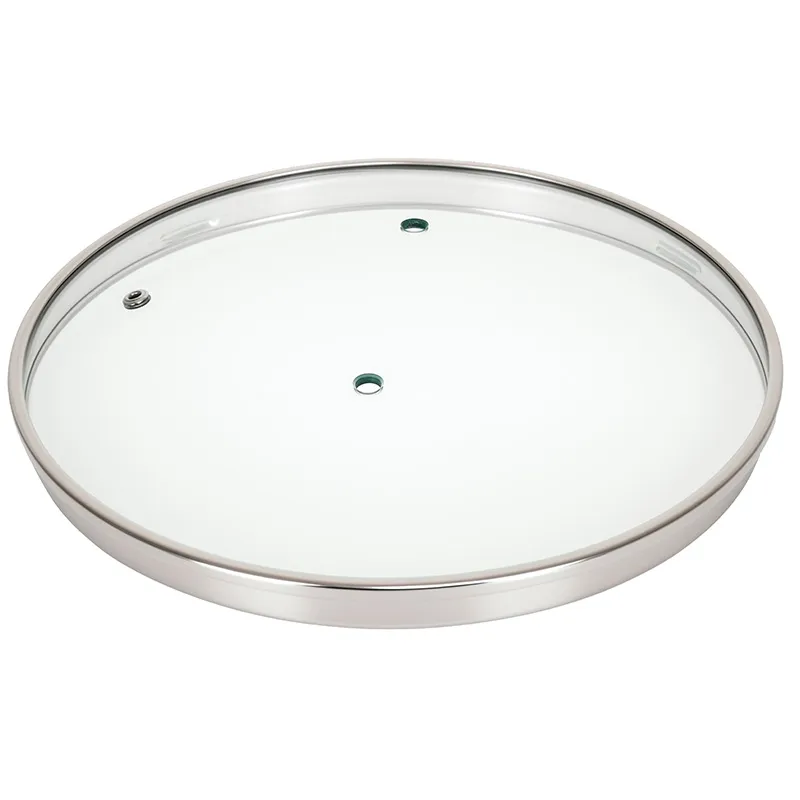
You also have to consider the rim. Is it a ground and polished flat edge, or is it encapsulated in a stainless steel band? The band adds cost but solves two problems: it masks minor edge imperfections from tempering, and it provides a more consistent sealing surface. For a pure tempered glass lid without a band, the edge finishing needs to be impeccable. Any micro-chips or uneven grinding become stress concentrators, points where thermal shock or a minor impact can cause a crack to propagate.
Tempering Isn't a Binary State
Is it tempered? is a yes/no question. How well is it tempered? is the professional's question. The industry standard for lid glass is typically around 90-100 MPa of surface compression. You can't eyeball this. It requires a polariscope or a surface stress meter. A common cost-cutting move by some factories is to under-temper or use thinner glass to begin with. The lid will still pass a basic drop test from a low height, but it will have significantly less resistance to thermal shock—think moving from a freezer to a hot stovetop. That's where you get spontaneous, dramatic failures.
I recall a batch from a different supplier years ago where the lids would shatter simply from being placed on a boiling pot. The diagnosis wasn't contamination (the classic nickel sulfide inclusion), but inconsistent heating in the tempering furnace. The edges reached temperature, but the center didn't, creating internal stress zones. The entire shipment was recalled. It's a reminder that high output, like the 15 million pieces cited by EUR-ASIA, demands furnace calibration and quality control that can keep pace. A high volume isn't a red flag; it's a potential indicator of process maturity, provided the QC is there.
The other nuance is the heat source rating. A lid for an electric ceramic hob faces different thermal dynamics than one for gas or induction. Induction is the trickiest, as the heat is generated in the pot itself and transferred to the lid. The glass isn't directly excited by the magnetic field, but the rapid and localized heating of the pot can create steep thermal gradients across the lid surface. The tempering must account for that.
The Unseen Component: The Knob
It seems trivial, but the handle or knob is the component the user interacts with most. Its failure is the most visible. For a T glass lid, the knob attachment is a critical engineering point. There are three main types: screw-through with a metal plate and nut on the interior (the strongest, but requires an internal metal disc), bonded (epoxy or silicone), and over-molded (where plastic is molded directly onto a pre-drilled glass hole).
The screw-through method is the gold standard for durability, especially for oven-safe lids. However, drilling a hole in tempered glass is a specialized operation done before the final tempering. The hole must be perfectly smooth, chamfered, and aligned. Any flaw becomes a fracture point during the tempering quench. A bonded knob is cheaper and faster, but the bond's integrity over repeated dishwasher cycles and thermal cycling is a question mark. I've seen bonds fail not by the knob popping off, but by slowly rotating, which is just as frustrating for the end-user.
When evaluating a manufacturer, ask about their knob attachment process and their test protocols for it. Do they do torque tests? Thermal cycle tests? A serious producer will have data on the shear strength of their bonds or the torque specification for their screws.
Logistics and the Fragile Reality
Producing a perfect lid is only half the battle. Getting it to the customer intact is the other. Glass, even tempered, is fragile goods. The packaging is non-negotiable. Molded pulp inserts, individual corrugated sleeves, partitioned master cartons—this all adds cost but prevents catastrophic loss. I've opened a container where the master cartons were simply stacked, without proper interlocking or dunnage. The vibration during shipping turned the lower layers into glass gravel.
A manufacturer's experience in export, like EUR-ASIA's mention of over 90% products going to markets like Germany, Italy, and Japan, is a positive signal. It means they're accustomed to the longer supply chains, the stricter packaging requirements (often dictated by the retailers themselves), and the compliance paperwork for those regions. They understand that a lid isn't just a product; it's a product that must survive a multimodal journey.
This also ties into labeling, barcoding, and carton markings. A professional operation will have this down to a system, reducing headaches at the destination port. It's a detail, but in bulk logistics, details are everything.
Beyond the Lid: The Ecosystem
Finally, a tempered glass lid rarely exists in a vacuum. It's part of a cookware set or sold as an accessory. This means color matching (if there's a printed pattern or silk-screen), consistency across sizes (24cm, 28cm, etc.), and inventory synchronization with the pot/body production. If you're sourcing lids alone, you are at the mercy of the pot manufacturer's dimensions. If you're sourcing a full set, the lid manufacturer needs to either produce the pots or have an extremely tight partnership with someone who does.
The description of EUR-ASIA COOKWARE CO.,LTD includes other kitchen accessories, which suggests they might operate in this ecosystem model. It's an advantage. It means they're thinking about the lid not as an isolated component, but as part of a functional kitchen tool. They might be more attuned to trends in handle ergonomics, the aesthetics of glass clarity (low-iron glass for a clearer view is a premium upgrade), or integrating steam vent holes in designs that don't compromise strength.
In the end, a T glass lid is a deceptively simple product. Getting it right is a exercise in materials science, mechanical engineering, precision manufacturing, and supply chain management. The best ones are the ones you never think about—they just fit, they stay clear, they survive the dishwasher for years, and the knob never loosens. That's the quiet goal. It's not about making a lid that's indestructible (no glass is), but one whose failure points have been so thoroughly considered and mitigated that it simply... endures. And that's what separates a commodity from a component.
Related Products
Related Products