- Chinese
- French
- German
- Portuguese
- Spanish
- Russian
- Japanese
- Korean
- Arabic
- Irish
- Greek
- Turkish
- Italian
- Danish
- Romanian
- Indonesian
- Czech
- Afrikaans
- Swedish
- Polish
- Basque
- Catalan
- Esperanto
- Hindi
- Lao
- Albanian
- Amharic
- Armenian
- Azerbaijani
- Belarusian
- Bengali
- Bosnian
- Bulgarian
- Cebuano
- Chichewa
- Corsican
- Croatian
- Dutch
- Estonian
- Filipino
- Finnish
- Frisian
- Galician
- Georgian
- Gujarati
- Haitian
- Hausa
- Hawaiian
- Hebrew
- Hmong
- Hungarian
- Icelandic
- Igbo
- Javanese
- Kannada
- Kazakh
- Khmer
- Kurdish
- Kyrgyz
- Latin
- Latvian
- Lithuanian
- Luxembou..
- Macedonian
- Malagasy
- Malay
- Malayalam
- Maltese
- Maori
- Marathi
- Mongolian
- Burmese
- Nepali
- Norwegian
- Pashto
- Persian
- Punjabi
- Serbian
- Sesotho
- Sinhala
- Slovak
- Slovenian
- Somali
- Samoan
- Scots Gaelic
- Shona
- Sindhi
- Sundanese
- Swahili
- Tajik
- Tamil
- Telugu
- Thai
- Ukrainian
- Urdu
- Uzbek
- Vietnamese
- Welsh
- Xhosa
- Yiddish
- Yoruba
- Zulu
- Kinyarwanda
- Tatar
- Oriya
- Turkmen
- Uyghur


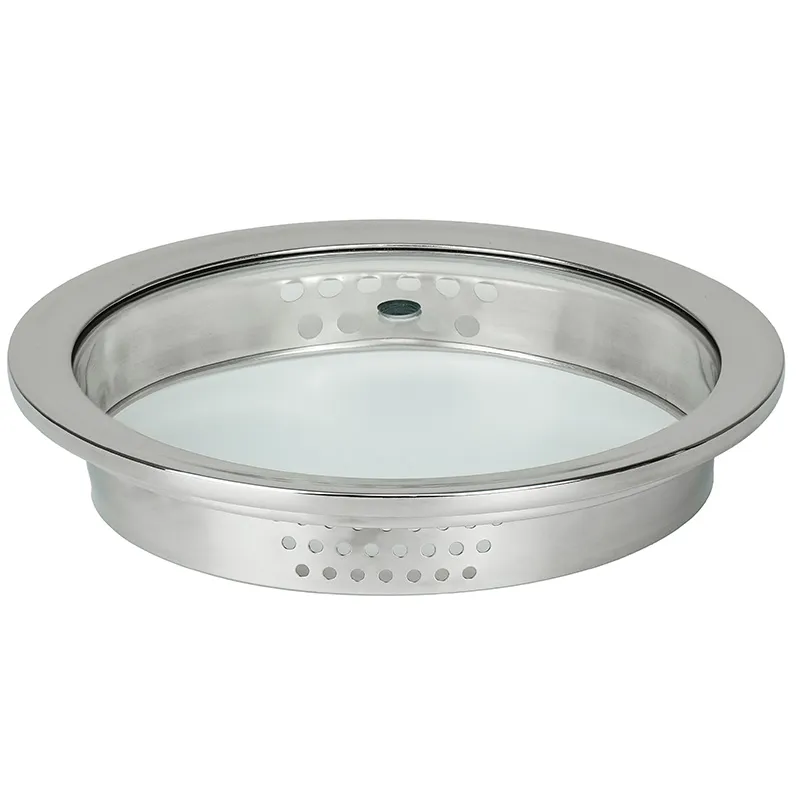
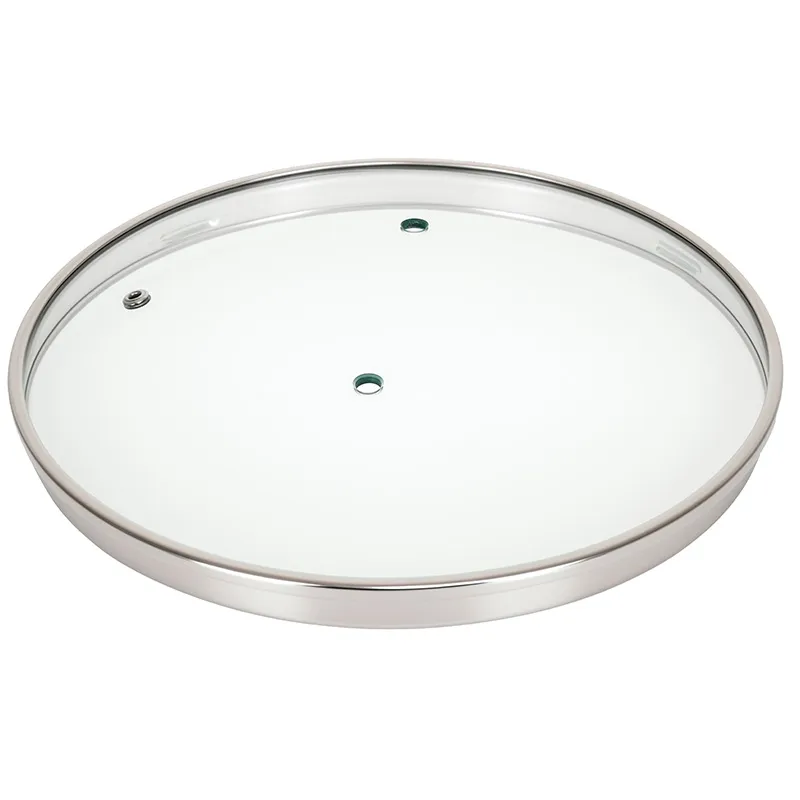
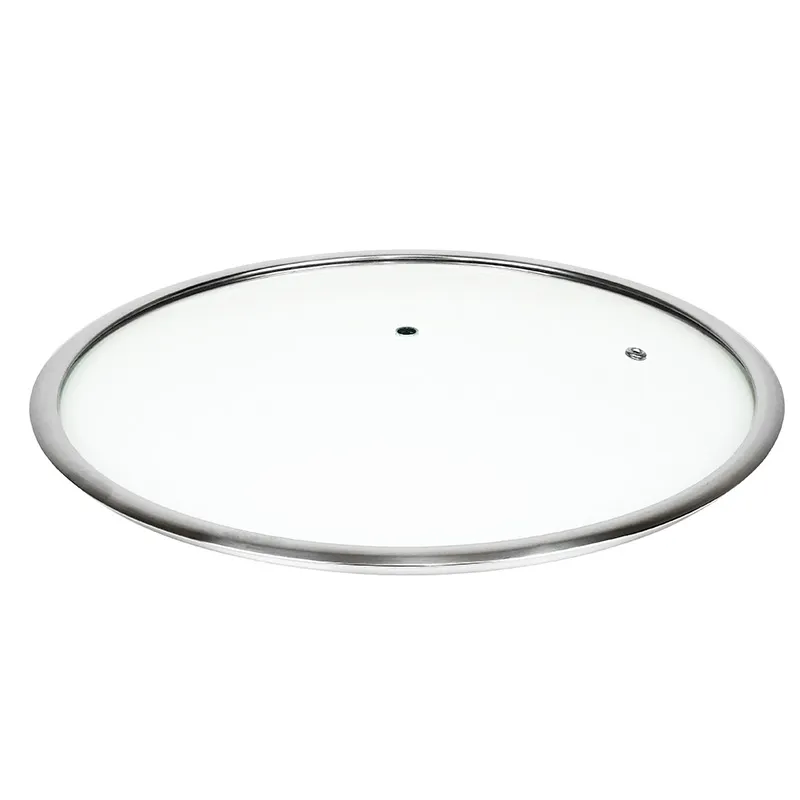
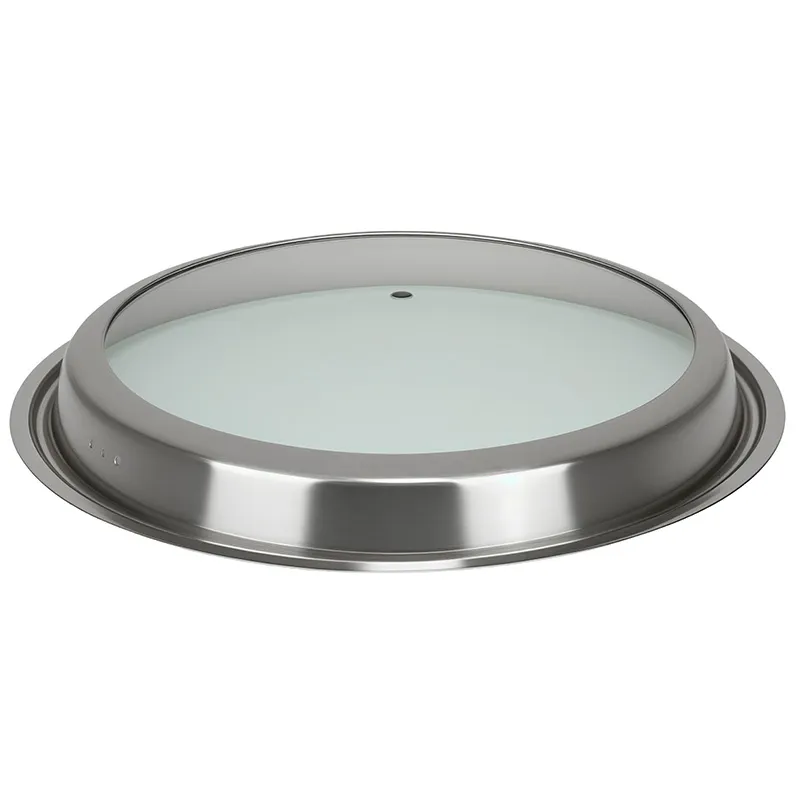
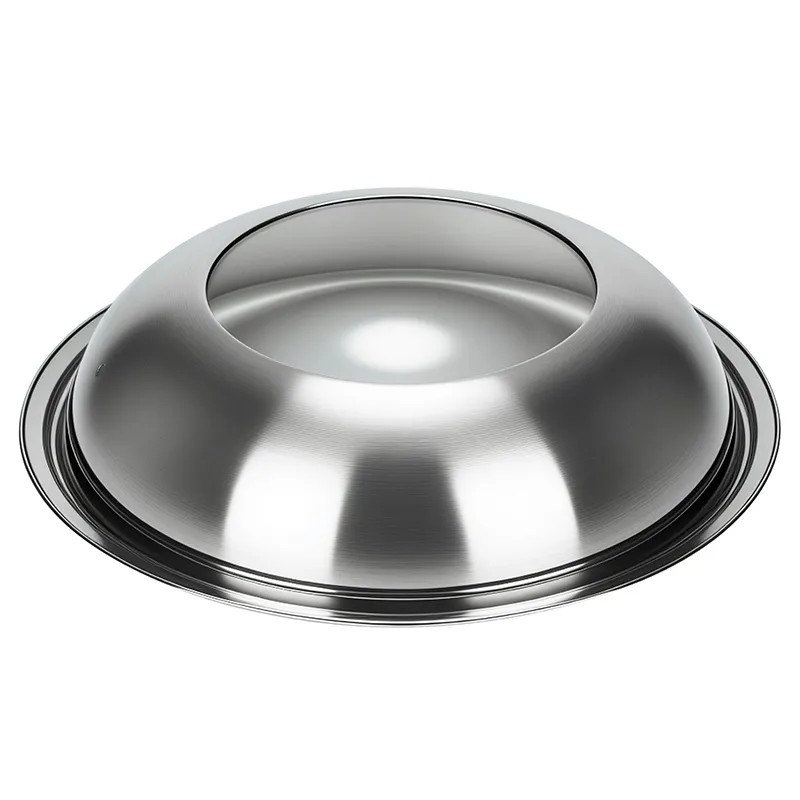
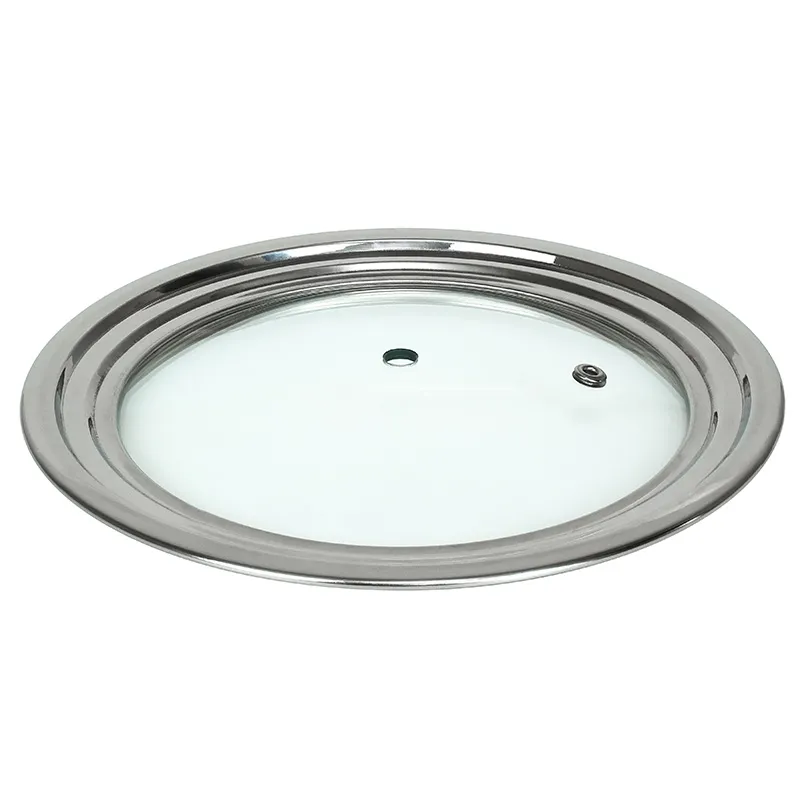
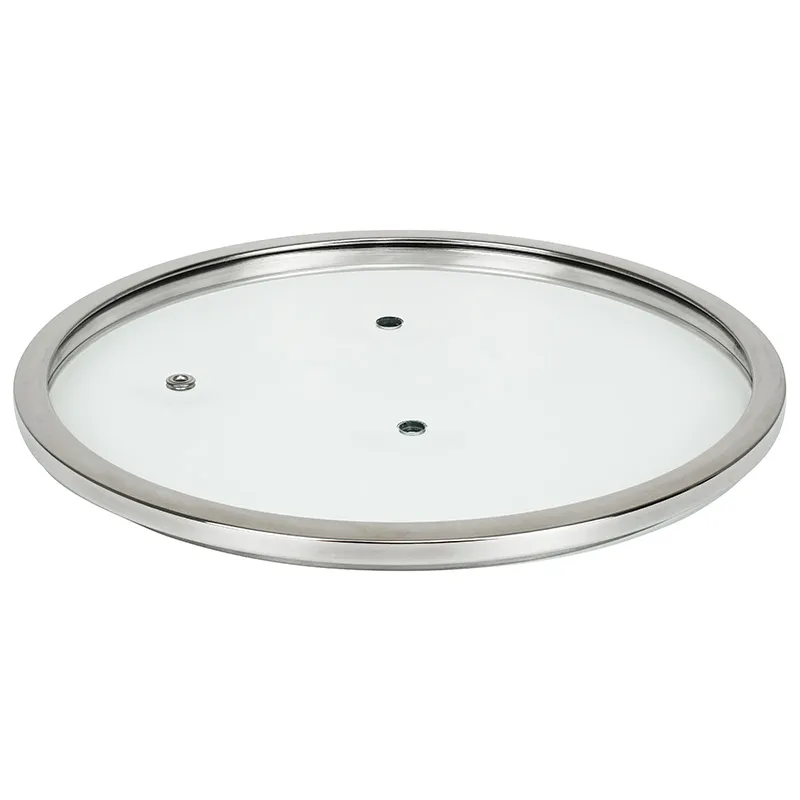
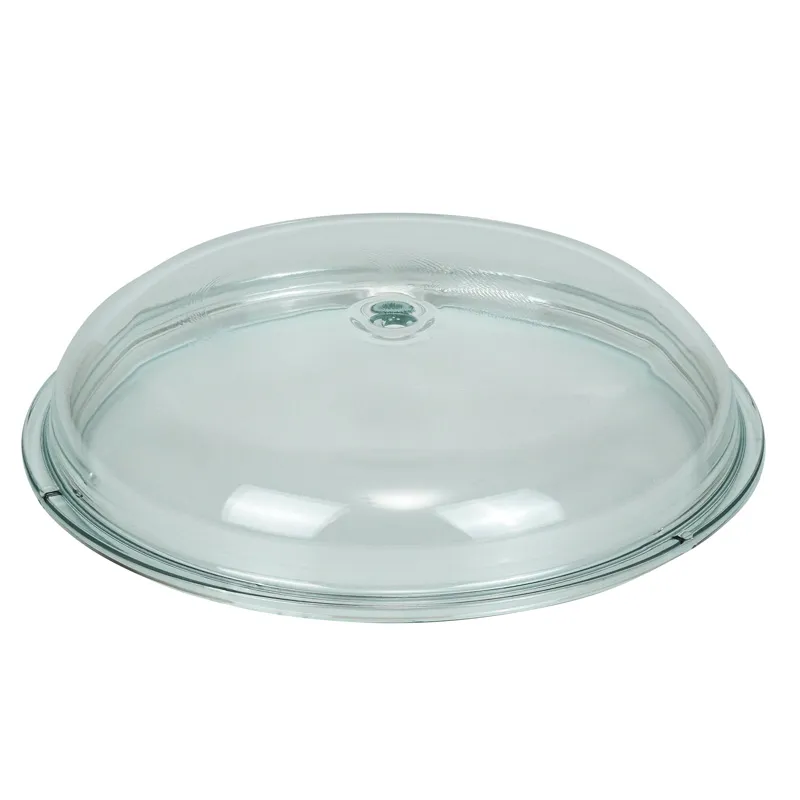
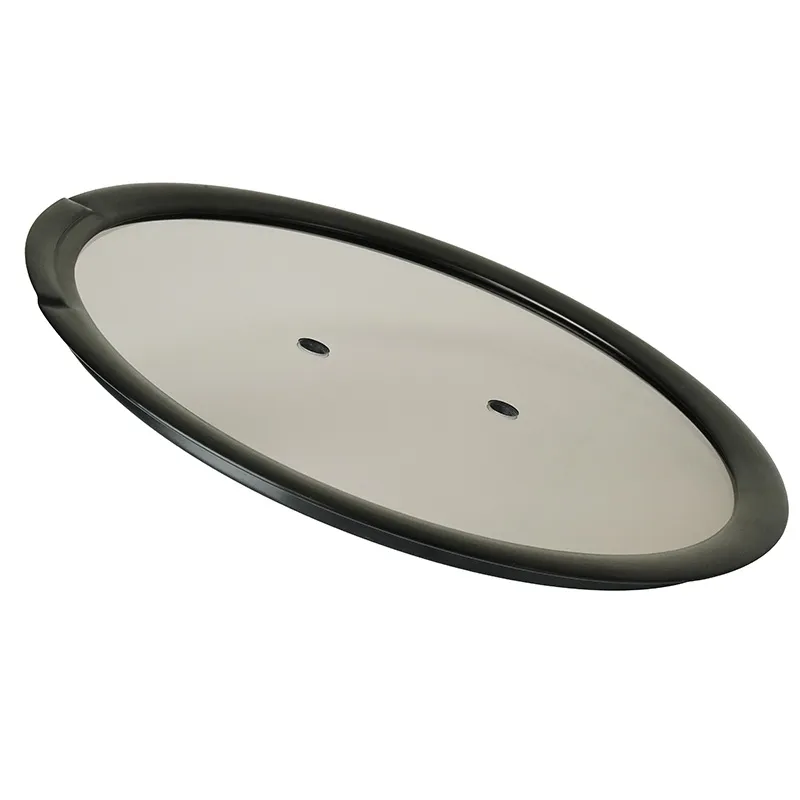
T type glass cover
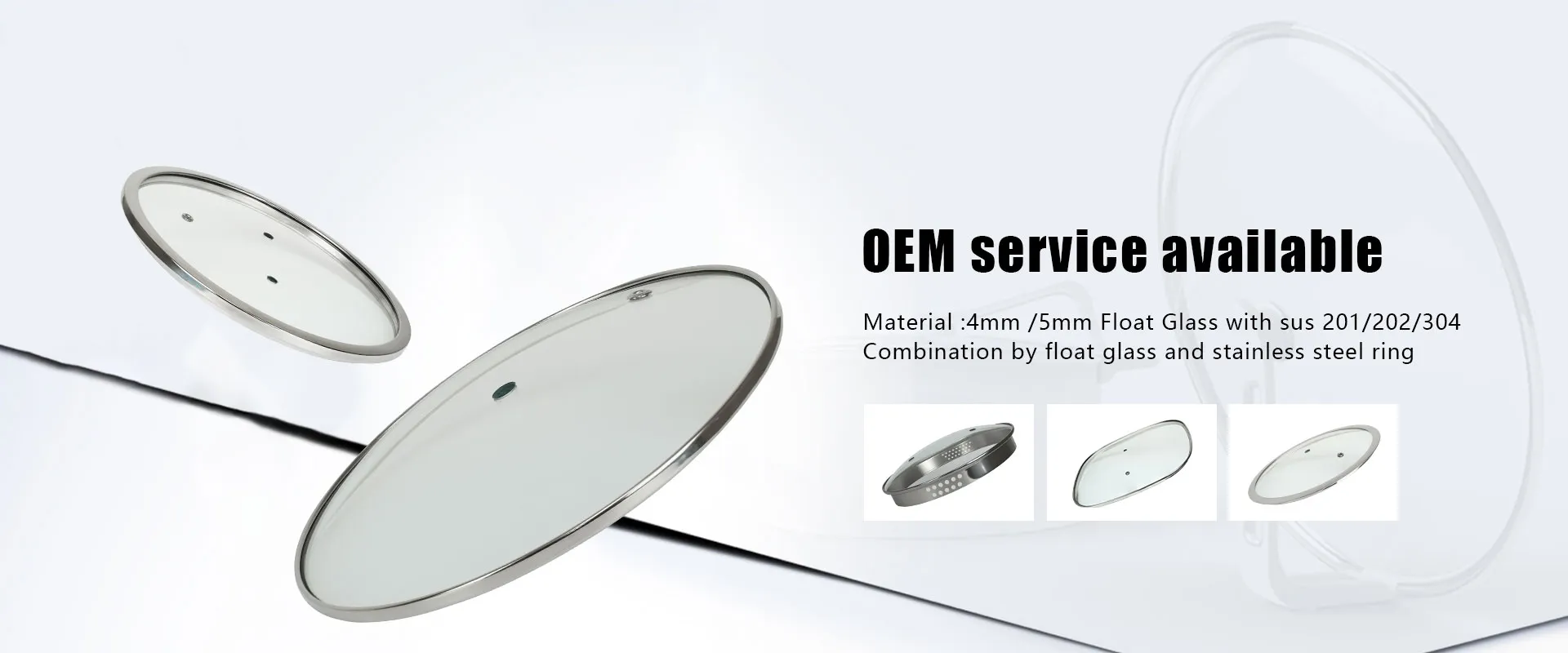
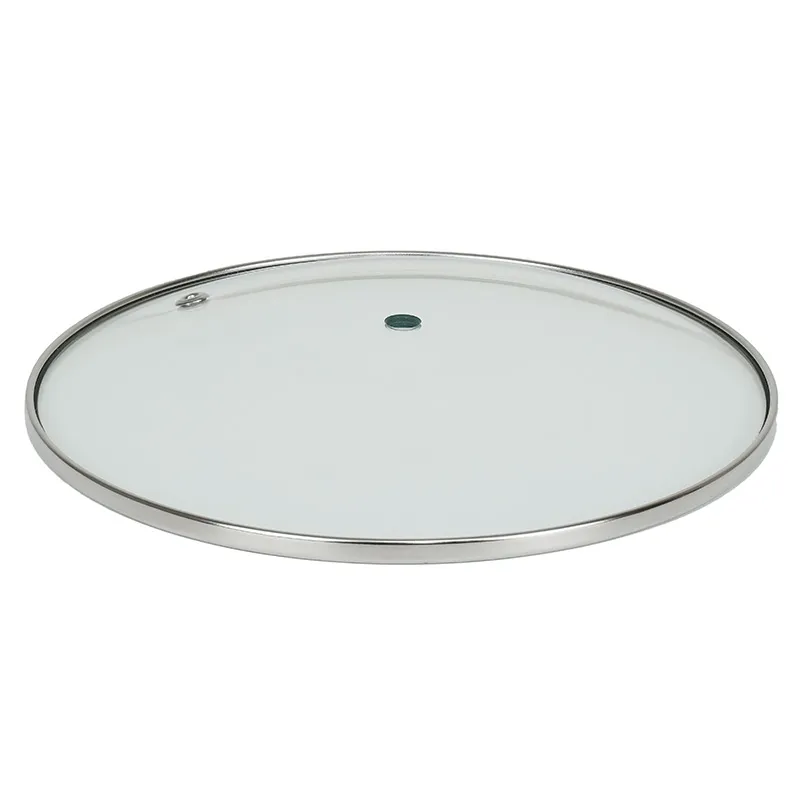
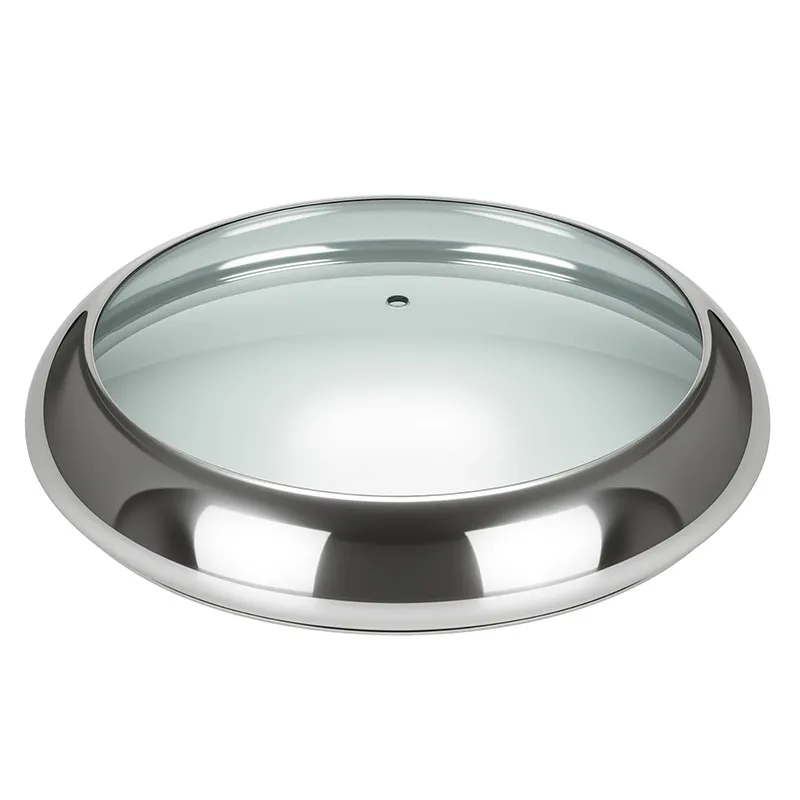
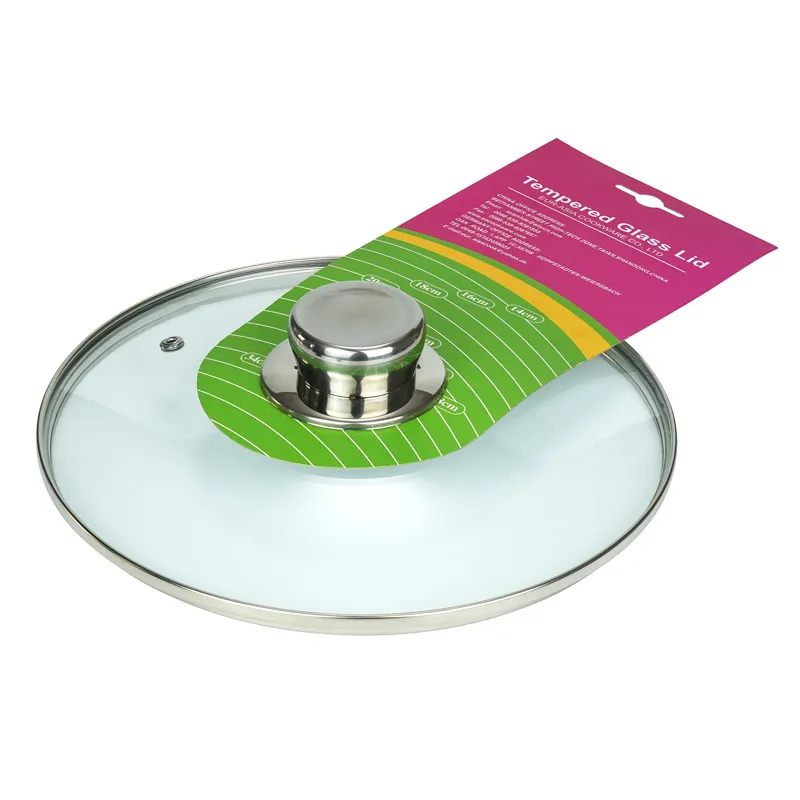
When most people in the trade hear 'T type glass cover', they immediately picture that generic, slightly domed tempered glass lid with a basic plastic knob. That's the commodity item. But the real nuance—and where the value and headaches lie—is in the specifics of the T type glass cover as a functional component within a complete cookware system. It's not just a piece of glass; it's an interface between heat, steam, user, and pot. Many buyers, even some seasoned ones, get fixated on price per piece from a catalog, overlooking critical details like the thermal shock resistance rating, the sealing geometry of that 'T' edge, or the compatibility of the handle material with high-heat oven use. That's where you see the split between a product that gets returned and one that becomes a repeat order staple.
The Anatomy of a Reliable T-Type Cover
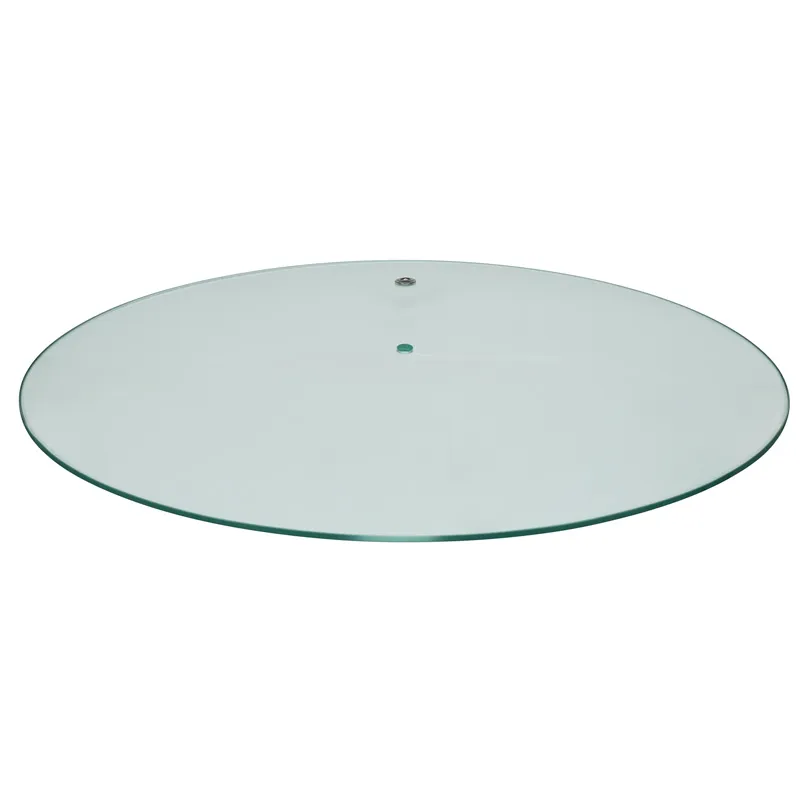
Let's break down what we're actually talking about. The 'T' refers to the cross-sectional shape of the rim. It's not just a flat edge; it's designed to sit into the pot's rim channel, creating a better seal for moisture retention than a simple overlay lid. But here's the first pitfall: the tolerance on that T-edge. If the glass thickness or the grinding isn't consistent, you get a wobbly fit. I've seen batches where the lid rocks on a perfectly flat surface—a sure sign the grinding process was off. The glass itself is tempered, of course, but the grade of the raw glass sheet matters immensely. Soda-lime is standard, but for high-end lines demanding superior thermal shock performance (think going from a 500°F oven to a cold granite counter), you start looking at borosilicate formulas. The cost jump is significant, and not every application needs it, but knowing when to specify it is key.
The handle assembly is its own world of failure points. The classic is a stainless steel or phenolic knob riveted or screwed onto a metal bracket that's glued to the glass. The adhesive is the weak link. Cheap epoxy fails under repeated thermal cycling—it yellows, cracks, and the handle loosens. A proper high-temp silicone adhesive, applied in a controlled environment, is non-negotiable for durability. Then there's the bracket design itself. A flat plate offers less bonding surface area than a dished or formed one. It's a small detail on a spec sheet, but it's the difference between a handle that lasts years and one that pops off in a year. Companies that get this right, like EUR-ASIA COOKWARE CO.,LTD, often have their own in-house adhesion testing rigs—simple jigs that cycle lids between hot and cold baths to simulate years of use in a week.
Speaking of EUR-ASIA COOKWARE, their focus on volume production for the European market means they've had to solve these problems at scale. Their production base in Taian, with that 15,000㎡ facility, isn't just about outputting 15 million pieces; it's about consistency across those millions. When you're shipping to Germany and Denmark, where consumers read the fine print on oven-safe ratings, you can't afford batch-level variances. Their process control on the grinding and tempering for their T type glass cover lines is what allows them to hit the precise thickness and stress profiles needed for that reliable fit and shock resistance.
Thermal Shock: The Real-World Test
Spec sheets love to tout numbers like 'thermal shock resistance ΔT 300°C'. In the lab, that's a precise test. In a kitchen, it's chaotic. It's not just about oven-to-counter. It's about a lid sitting on a boiling pot, where one side is getting blasted by steam at 100°C and the top is cooled by ambient air. Or worse, someone adding cold water to a hot pot and splashing the lid. The stress is uneven and unpredictable. We learned this the hard way on an early project. We sourced lids that passed the standard lab test but had a high rate of field failure. The culprit? The tempering process created an uneven stress layer. The edges were stronger than the center. Under localized cooling (like a splash), the center would micro-crack, creating a weak point that later failed catastrophically.
The fix was twofold: reviewing the tempering furnace's airflow uniformity and adjusting the heating/cooling curves. It's a black art, really. The technicians at the factory tweak it based on the thickness and size of the glass blank. There's no one perfect setting. This is where a supplier's experience shows. A factory just churning out basic products might not have the process depth to diagnose and adjust for these edge cases. A specialist, on the other hand, builds up a library of parameters for different product codes. Visiting EUR-ASIA COOKWARE's site, you see this in their tiered product lines—low, medium, high level—which isn't just marketing fluff. It often correlates to different tempering protocols and quality checkpoints for the glass cover.
Another practical note on thermal performance: the lid's fit affects the cookware's efficiency. A poorly sealing T-type lid lets too much steam escape, forcing higher burner settings to maintain a simmer. A well-fitted one creates a slight pressure, cooking food more evenly and quickly. It's a small thing that impacts the performance of the entire pot set. When we audit a lid, we do a simple steam test with a pot of boiling water and a gap gauge. It's not high-tech, but it tells you more about real-world performance than a data sheet.
The Global Supply Chain: From Taian to Turin
Managing the logistics for a fragile, relatively low-value item like a glass lid is a headache. The packaging is as important as the product. Standard corrugated cartons with paper dividers work for domestic shipping, but for export to Brazil or Japan, you need humidity-resistant materials and packaging that can withstand weeks in a container and rough handling at ports. I've seen entire pallets arrive with 30% breakage because the interior dividers were too flimsy. The cost of the lid is less than the cost of shipping it; a breakage wipes out the margin instantly.
EUR-ASIA COOKWARE's export focus (over 90% of output) means their packaging is battle-tested. They typically use molded pulp trays or rigid EPS foam inserts that cradle each lid individually, preventing contact and shock transmission. It adds cost, but it's essential for their business model. Their website, https://www.glass-lid.com, reflects this B2B, export-oriented approach—it's straightforward, product-focused, with clear specifications meant for procurement managers and product developers who need to integrate these components.
Lead times are another critical factor. Glass production is continuous, but customizations—logo etching, specific handle colors, unique diameters—require production runs. A reliable supplier will be transparent about their production schedule. The 20000㎡ facility in Shandong's High-tech Development Zone isn't just about space; it's about having integrated production from raw glass cutting to tempering, grinding, assembly, and packaging under one roof. This vertical integration is what allows for control over lead times and quality, especially for the medium to high-level products where the T type glass cover might have specific optical clarity requirements or custom edge work.
Failures and Lessons: The Handle Debacle
I'll share a specific failure that was illuminating. We were working on a line of oven-safe casseroles that needed lids safe to 220°C. We specified a phenolic handle, a common choice. The initial samples were fine. But in mass production, we started getting reports of handles cracking or warping after a few oven cycles. It turned out the phenolic resin formula used by the handle supplier had a lower heat deflection temperature than claimed. The lid glass was perfectly fine, but the accessory failed.
The lesson was brutal: you must qualify every component, not just the glass. We had to source a new handle, re-test the adhesion with the new material, and re-qualify the entire assembly. It set the project back months. Now, our spec sheets include not just the glass properties but the exact material data sheets for the handle, adhesive, and even the rivets. For a company like EUR-ASIA COOKWARE, which produces a wide range of kitchen accessories, this component-level expertise is crucial. They likely have approved vendor lists for these ancillary parts, which stabilizes the final product quality.
This also touches on the 'low-medium-high level' classification. A low-level lid might use a standard phenolic knob and basic adhesive. A high-level one for the European market might use a stainless steel handle, mechanically fastened (not just glued) with a high-temp silicone gasket, and undergo individual leak-testing. The price difference isn't arbitrary; it's built on these material and process costs.
Looking Ahead: Trends and Niche Demands
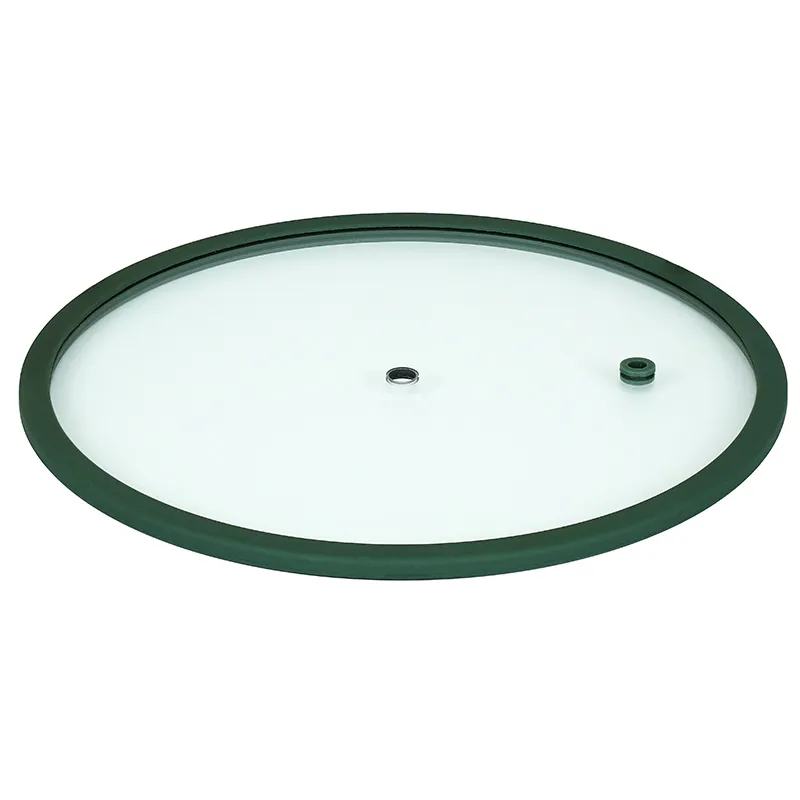
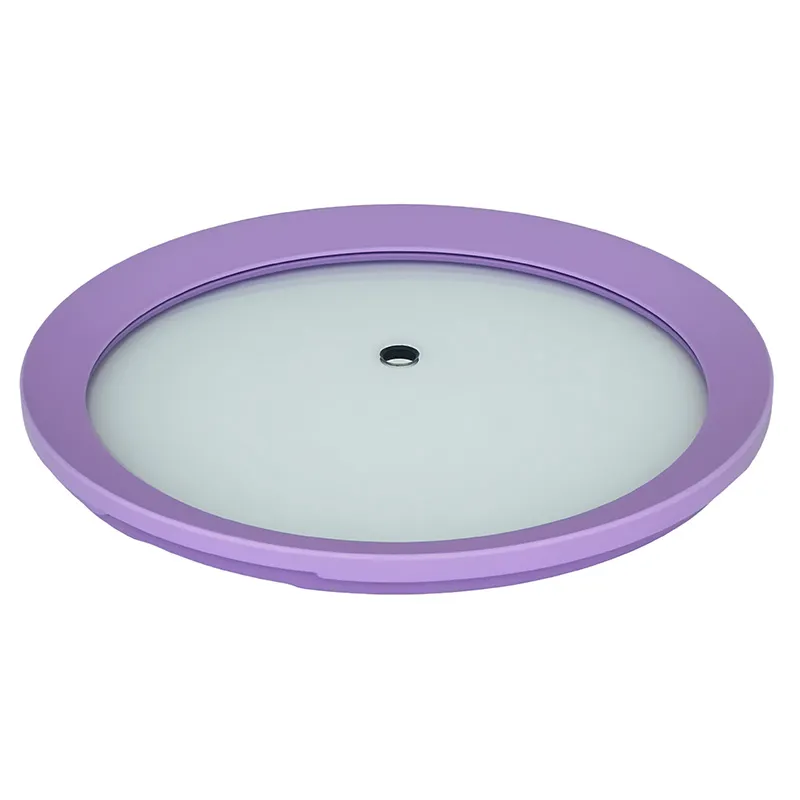
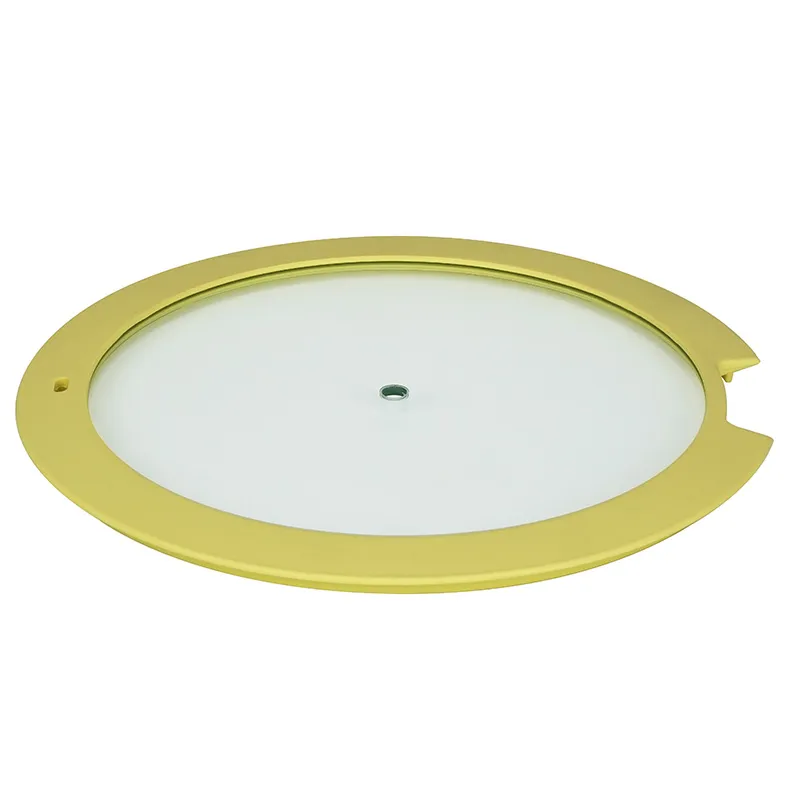
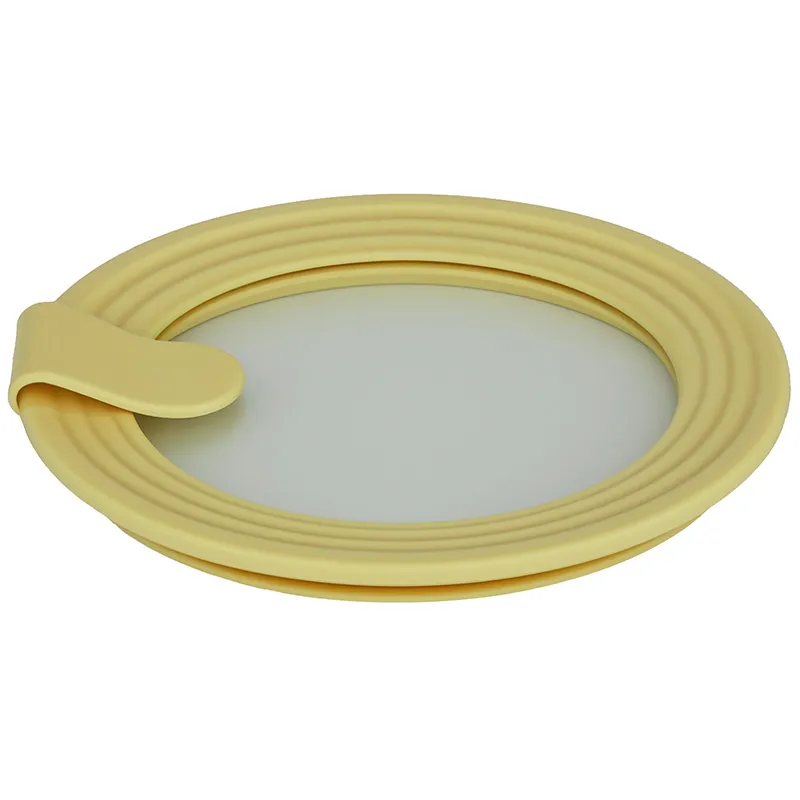
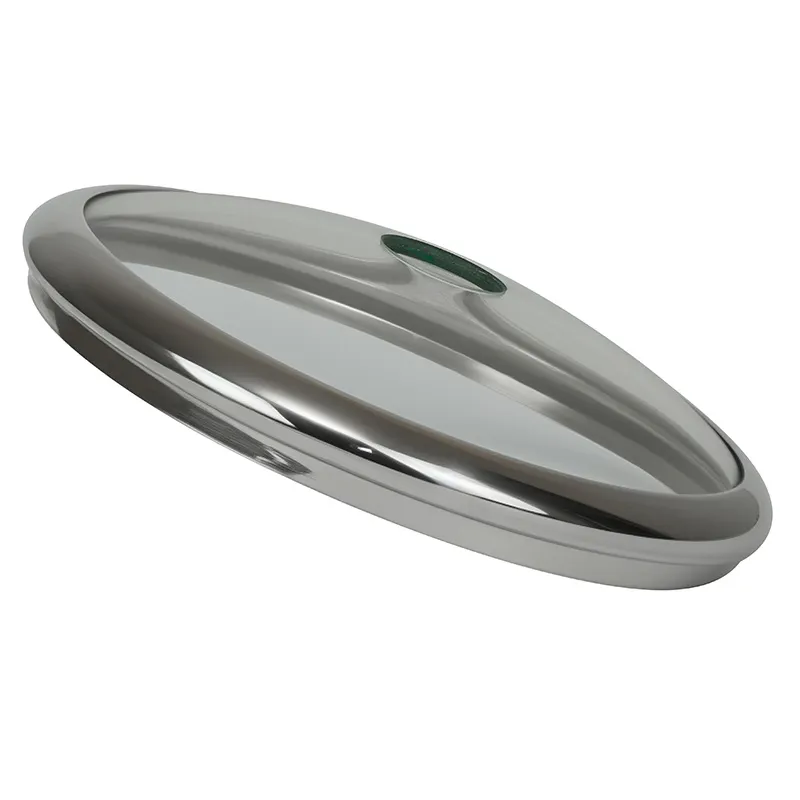
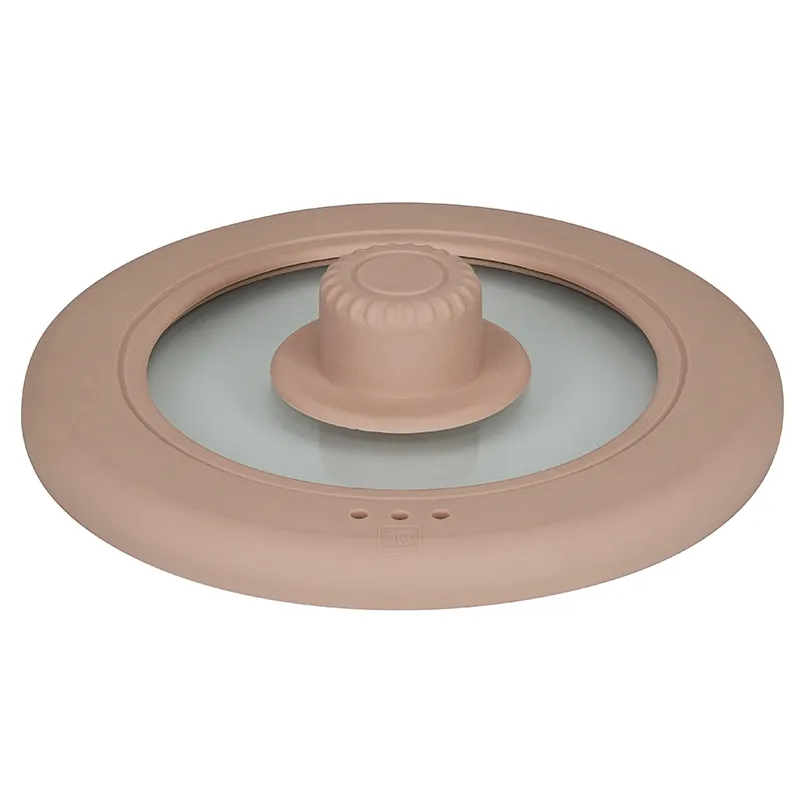
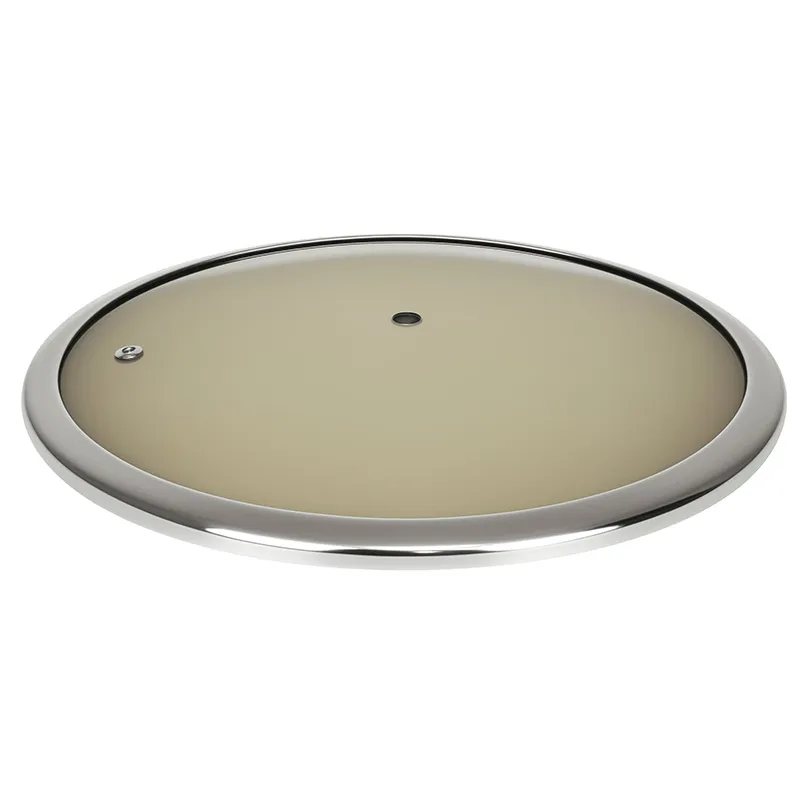
The market isn't static. The generic T type glass cover is becoming a baseline expectation. The value-add is moving into smarter design. We're seeing more interest in lids with integrated steam vents or silicone sealing rings built into the T-channel for absolute liquid-tight sealing (great for portable cooking pots). Another trend is aesthetic: colored glass (using sprayed-on, heat-resistant coatings) or satin-etched finishes to hide fingerprints.
There's also a push for lighter weight without sacrificing strength, which involves working with thinner, but more expertly tempered, glass. This is a high-wire act for production. It requires even better control over the raw glass quality and the tempering process. Not every factory can do it consistently. It's the kind of capability that separates a true specialist from a general glass goods manufacturer.
Finally, sustainability pressures are creeping in. Recyclability of the assembly (separating glass, metal, and plastic) is a question we're starting to get from European clients. A lid with a purely stainless steel handle and minimal adhesive is easier to disassemble and recycle than one with a complex plastic composite knob. This isn't a major driver yet for most, but it's on the horizon. Suppliers who are already thinking about material choices and assembly methods for end-of-life will have an edge. For a volume exporter serving eco-conscious markets in Europe, this forward-thinking is part of maintaining that 90%+ export share. It's no longer just about making a lid that doesn't break; it's about making one that fits into a broader product lifecycle story.
Related Products
Related Products