- Chinese
- French
- German
- Portuguese
- Spanish
- Russian
- Japanese
- Korean
- Arabic
- Irish
- Greek
- Turkish
- Italian
- Danish
- Romanian
- Indonesian
- Czech
- Afrikaans
- Swedish
- Polish
- Basque
- Catalan
- Esperanto
- Hindi
- Lao
- Albanian
- Amharic
- Armenian
- Azerbaijani
- Belarusian
- Bengali
- Bosnian
- Bulgarian
- Cebuano
- Chichewa
- Corsican
- Croatian
- Dutch
- Estonian
- Filipino
- Finnish
- Frisian
- Galician
- Georgian
- Gujarati
- Haitian
- Hausa
- Hawaiian
- Hebrew
- Hmong
- Hungarian
- Icelandic
- Igbo
- Javanese
- Kannada
- Kazakh
- Khmer
- Kurdish
- Kyrgyz
- Latin
- Latvian
- Lithuanian
- Luxembou..
- Macedonian
- Malagasy
- Malay
- Malayalam
- Maltese
- Maori
- Marathi
- Mongolian
- Burmese
- Nepali
- Norwegian
- Pashto
- Persian
- Punjabi
- Serbian
- Sesotho
- Sinhala
- Slovak
- Slovenian
- Somali
- Samoan
- Scots Gaelic
- Shona
- Sindhi
- Sundanese
- Swahili
- Tajik
- Tamil
- Telugu
- Thai
- Ukrainian
- Urdu
- Uzbek
- Vietnamese
- Welsh
- Xhosa
- Yiddish
- Yoruba
- Zulu
- Kinyarwanda
- Tatar
- Oriya
- Turkmen
- Uyghur


T type glass lid manufacturer
When you hear 'T type glass lid manufacturer,' a lot of folks immediately picture a factory just stamping out identical pieces of glass. That's the first misconception. It's not about the glass alone; it's about the interface—that 'T' shape is everything, dictating fit, function, and frankly, whether a cookware line succeeds or gets bogged down in returns. My own early assumptions were corrected the hard way, thinking thickness was the primary concern. It's not. It's the precision of the rim's undercut and the tempering process for that specific geometry.
The Core of the 'T': More Than Just a Shape
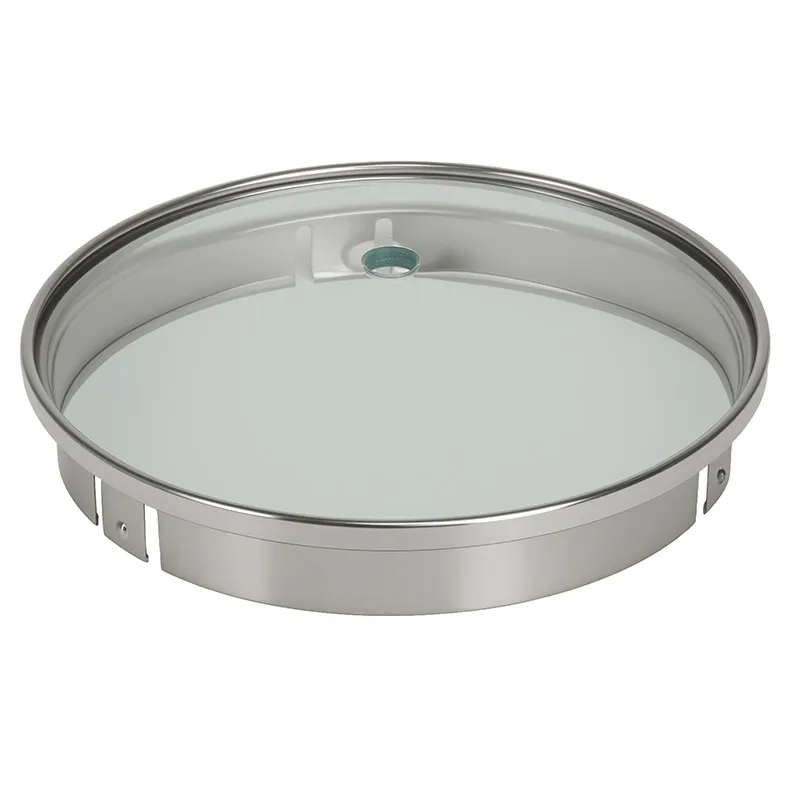
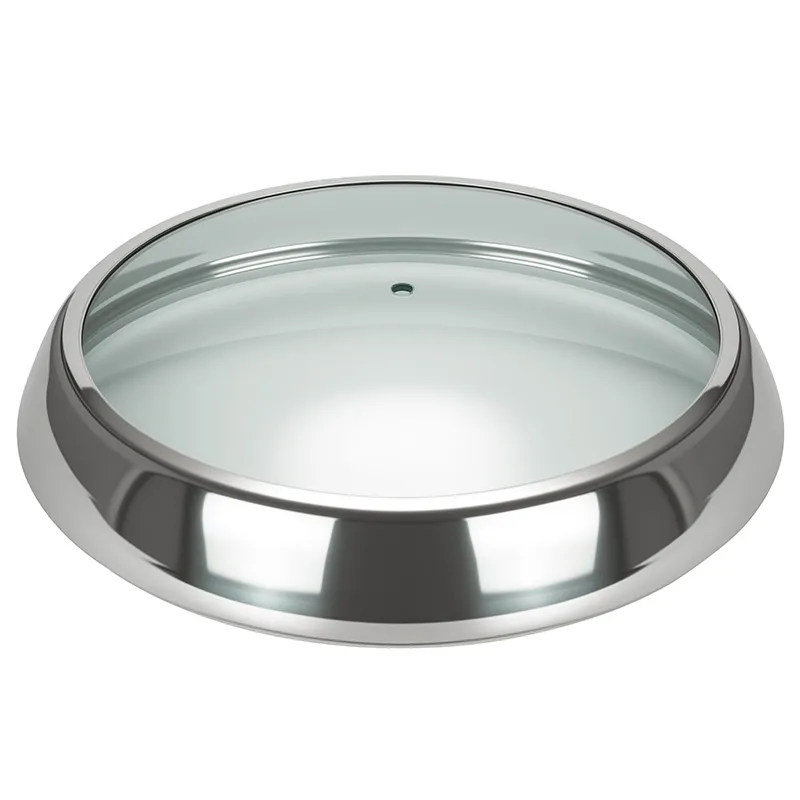
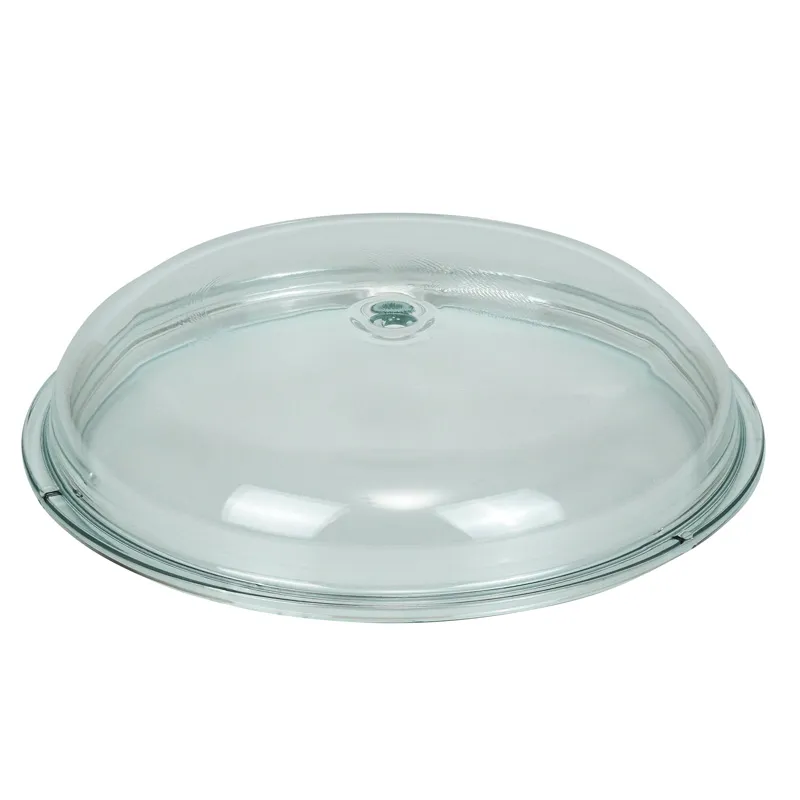
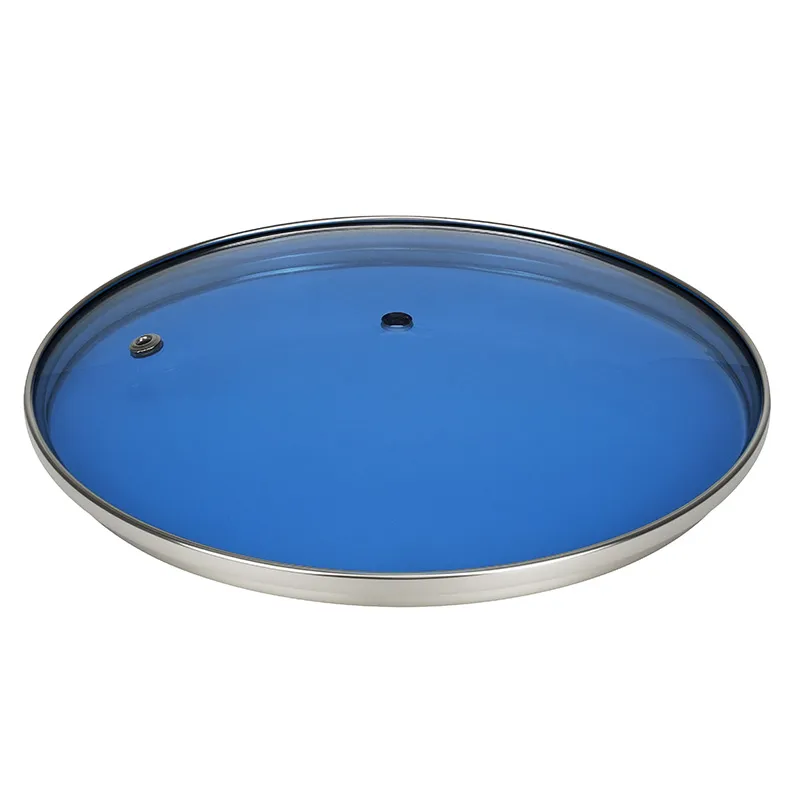
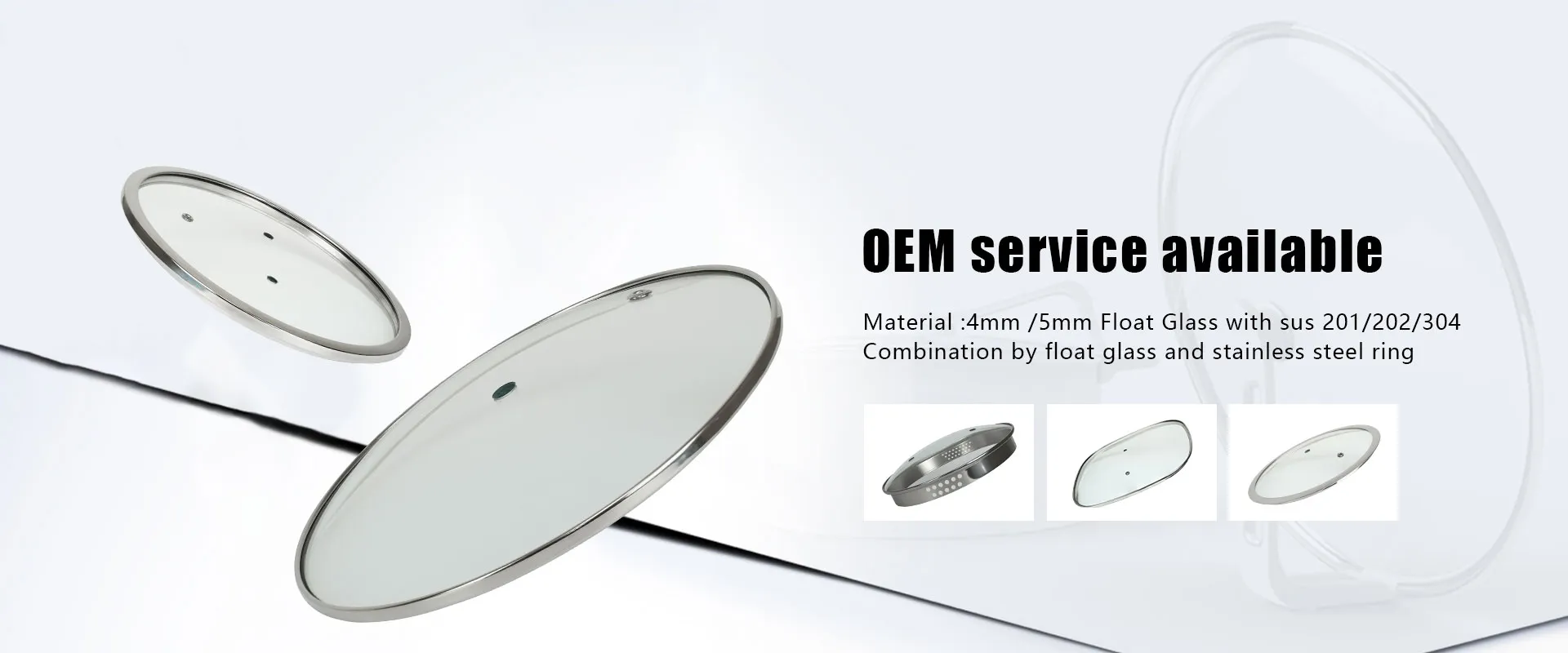
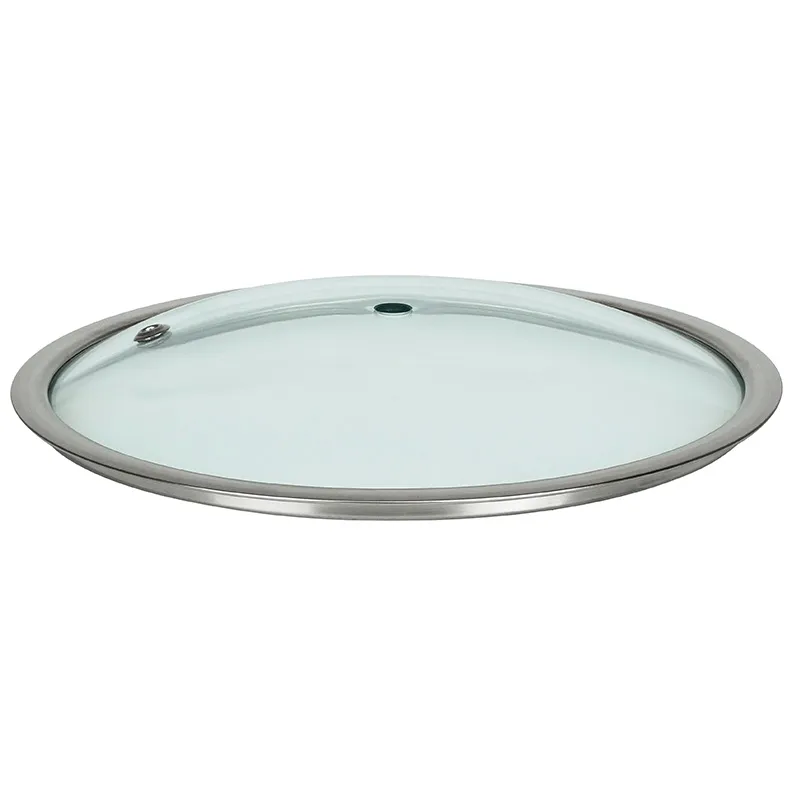
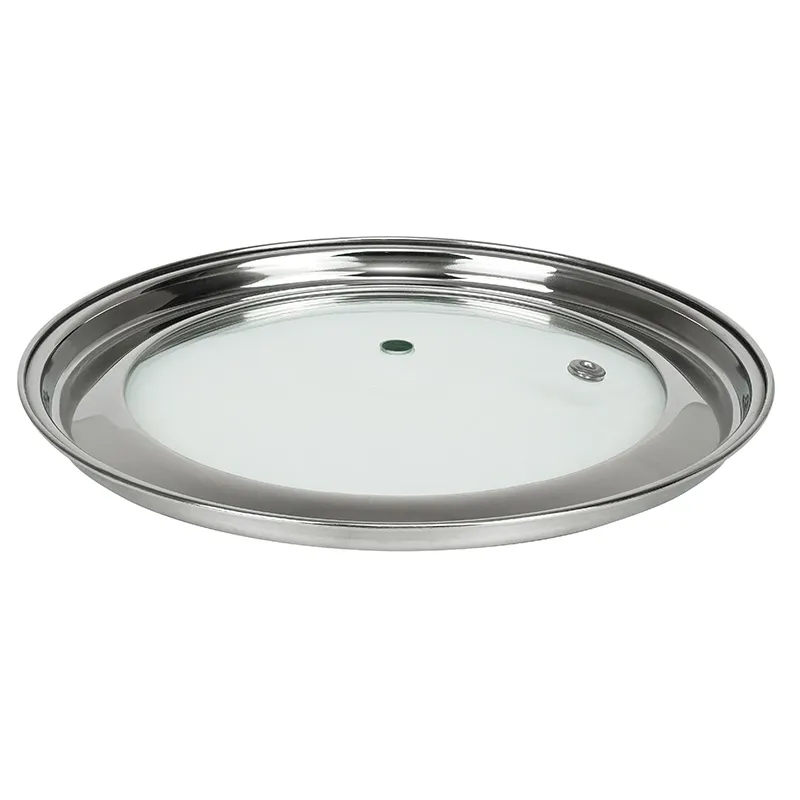
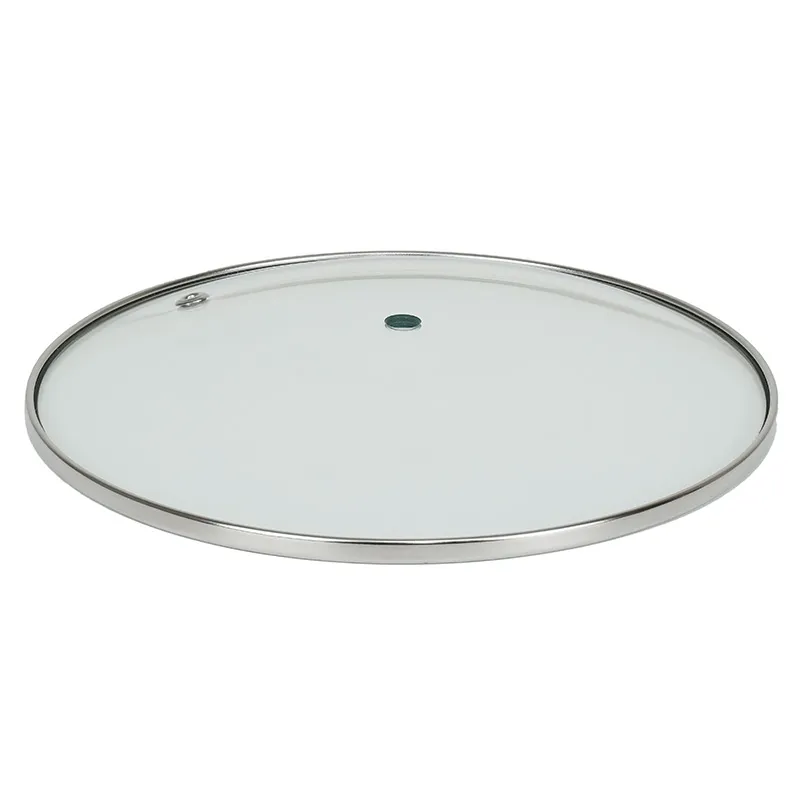
The 'T' refers to the profile of the lid's rim—a horizontal flange that sits inside the pot's rim, creating a kind of interlock. This isn't just for aesthetics. A proper T type glass lid creates a better seal than a flat-overlap lid, reducing steam escape and improving energy efficiency during cooking. But here's the catch: if the dimensional tolerance on that horizontal flange is off by even half a millimeter, you get a wobbly lid or one that's impossibly tight. I've seen entire shipments held up at customs because the lids simply wouldn't sit flush on the sample pots provided by the European buyer. The issue traced back to the mold design for the glass edge before tempering.
This is where a manufacturer's experience shows. A company like EUR-ASIA COOKWARE CO.,LTD (you can find their specifics at glass-lid.com) has built a process around this. Their specialization in low to high-level household glass products means they've likely iterated through these tolerance issues across different markets. A production base covering 20,000㎡ with an output of over 15 million pieces annually isn't just scale; it's a data bank of what dimensions work for which cookware brands in Germany versus South Korea. The rim design for a heavy-duty cast iron casserole lid differs subtly from one for a thin stainless steel stockpot.
Material choice is another layer. It's soda-lime glass, of course, but the quality of the raw glass panel before cutting matters immensely for final clarity and the absence of microscopic bubbles or seeds. A lower-quality base glass can lead to a higher breakage rate during the tempering process, especially at the stress points of the 'T' junction. You learn to ask for the raw material spec sheets, not just the finished product certificate.
Tempering: Where the Real Risk Lies
Tempering is the non-negotiable step for safety, but for T-type lids, it's a high-stakes operation. The glass is cut, drilled (for a handle or steam vent), and the edges are seamed. Then it goes into the furnace. The uneven thickness of the 'T' profile—thick at the rim, thinner at the dome—heats and cools at different rates. If the furnace temperature curve or the air-quenching process isn't calibrated perfectly for that specific weight and shape, you get stress marks, warping, or worse, spontaneous breakage later.
I recall a project where we were pushing for a faster cycle time to meet a cost target. The manufacturer adjusted the quenching fans. The lids came out passing the basic impact tests, but six months later in a dry European kitchen, we started getting reports of lids 'exploding' when placed on a cool granite countertop straight from the dishwasher. Thermal shock failure. The residual stress pattern from the rushed tempering was unstable. We had to recall the batch. The T type glass lid manufacturer we worked with—not EUR-ASIA, a different one at the time—absorbed the cost but the brand damage was ours. It taught me that a manufacturer's stability in process is worth every cent.
Looking at EUR-ASIA's setup, with over 90% export to markets like Germany and Switzerland known for stringent quality controls, it implies their tempering lines are dialed in. These markets don't tolerate such failures. Their annual capacity of 15 million pieces suggests a highly automated, consistent tempering process, which is critical for the complex T type glass lid profile. Consistency in high volume is often harder than making a few perfect samples.
Logistics of a Fragile Component
Manufacturing is only half the battle. Packaging and logistics for a tempered glass lid are a nightmare waiting to happen. They can't be stacked flat without proper separators, or you risk surface scratches (called scuffs in the trade) that make them look used. The 'T' rim is particularly vulnerable to chipping during bulk handling if the packaging isn't designed to suspend the lid and protect the edges.
We once used a recycled cardboard partition that was a fraction of a millimeter thinner than specified. During a long sea freight to Brazil, the container experienced typical vibration. The result was a 12% breakage rate upon arrival—all edge chips at the rim, rendering them unsellable. The loss ate the entire profit margin of that order. Now, I insist on seeing and testing the packaging prototype, performing a simple drop test from table height. A serious manufacturer will have this down to a science. EUR-ASIA's export volume across continents suggests they've solved this puzzle, likely with custom foam or molded pulp inserts that cradle the specific lid shape.
Another detail is the handle attachment. Whether it's stainless steel, phenolic resin, or silicone, the bonding method—adhesive or mechanical clamp—must withstand oven temperatures, dishwasher cycles, and the torque of a user lifting it. The hole-drilling in the glass during production must be absolutely clean; any micro-cracks from drilling will propagate under heat stress. It's a small component that causes the majority of customer complaints if it fails.
The Market Driver: Matching the Cookware
You don't just order a 24cm T type glass lid. You order it for a specific cookware series. The inner diameter of the pot's rim, the angle of its sidewall, even the finish (brushed vs. polished stainless) can affect the final fit. The best manufacturers work from the cookware sample or precise CAD drawings. The worst assume a standard dimension.
EUR-ASIA's business model, supplying a global clientele, forces them to be adaptable. A lid for a Polish casserole brand will have different aesthetic requirements (maybe a more pronounced knob) than a minimalist design for the Japanese market. Their product range covering low- medium- high level products is key. It means they have the engineering capability to work with a budget brand on a functional lid and a premium brand on a lid with beveled edges and a custom logo etching, all based on the same core T-type principle. This flexibility is what separates a true partner from a basic supplier.
Failure to understand this is a common pitfall. Sourcing a lid based solely on price from a generic glass factory often leads to a close enough fit that retailers and end-users will notice immediately. The lid spins, it rattles, steam pours out the side. It kills the perceived quality of an otherwise good pot. The manufacturer's role is to be the expert in translating the pot's design into a perfectly mated glass component.
Final Thoughts: The Unseen Expertise
So when evaluating a T type glass lid manufacturer, you look past the shiny catalog. You ask about their tempering curve for a new mold. You request a dimensional report for the last three production runs of a similar item. You discuss their packaging SOP for sea freight. You see if they ask you for the pot sample first.
The profile of a company like EUR-ASIA COOKWARE CO.,LTD, with its dedicated production base and focus on export to quality-conscious markets, checks a lot of these boxes implicitly. Their longevity and scale (glass-lid.com details their 15,000㎡ building and 90+ employees) suggest they've navigated these technical and logistical challenges successfully. They're not just selling glass; they're selling a precision-engineered interface for cookware. That's the real business of a T-type lid manufacturer. It's a niche where the details in the process—the ones you only learn from mistakes and iteration—make all the difference between a component that's merely adequate and one that genuinely adds value to the final product. The good ones make it look easy, but it's anything but.
Related Products
Related Products