- Chinese
- French
- German
- Portuguese
- Spanish
- Russian
- Japanese
- Korean
- Arabic
- Irish
- Greek
- Turkish
- Italian
- Danish
- Romanian
- Indonesian
- Czech
- Afrikaans
- Swedish
- Polish
- Basque
- Catalan
- Esperanto
- Hindi
- Lao
- Albanian
- Amharic
- Armenian
- Azerbaijani
- Belarusian
- Bengali
- Bosnian
- Bulgarian
- Cebuano
- Chichewa
- Corsican
- Croatian
- Dutch
- Estonian
- Filipino
- Finnish
- Frisian
- Galician
- Georgian
- Gujarati
- Haitian
- Hausa
- Hawaiian
- Hebrew
- Hmong
- Hungarian
- Icelandic
- Igbo
- Javanese
- Kannada
- Kazakh
- Khmer
- Kurdish
- Kyrgyz
- Latin
- Latvian
- Lithuanian
- Luxembou..
- Macedonian
- Malagasy
- Malay
- Malayalam
- Maltese
- Maori
- Marathi
- Mongolian
- Burmese
- Nepali
- Norwegian
- Pashto
- Persian
- Punjabi
- Serbian
- Sesotho
- Sinhala
- Slovak
- Slovenian
- Somali
- Samoan
- Scots Gaelic
- Shona
- Sindhi
- Sundanese
- Swahili
- Tajik
- Tamil
- Telugu
- Thai
- Ukrainian
- Urdu
- Uzbek
- Vietnamese
- Welsh
- Xhosa
- Yiddish
- Yoruba
- Zulu
- Kinyarwanda
- Tatar
- Oriya
- Turkmen
- Uyghur


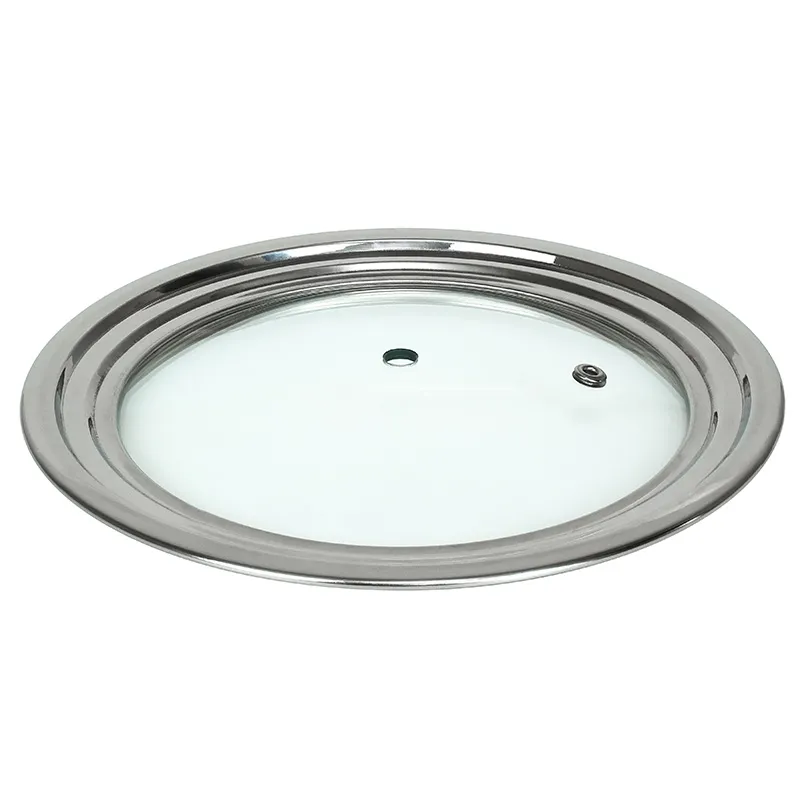
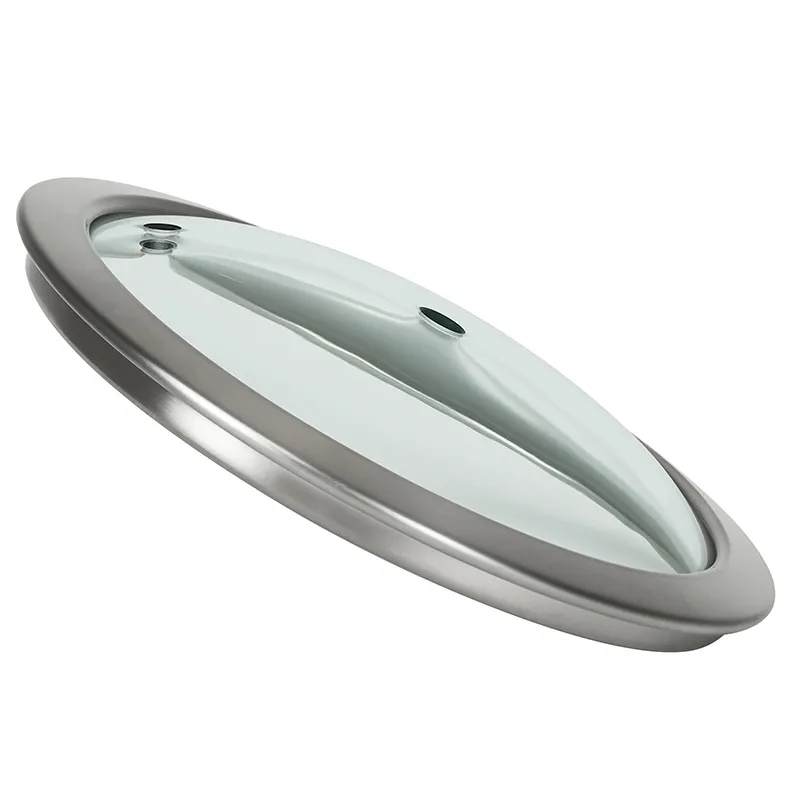
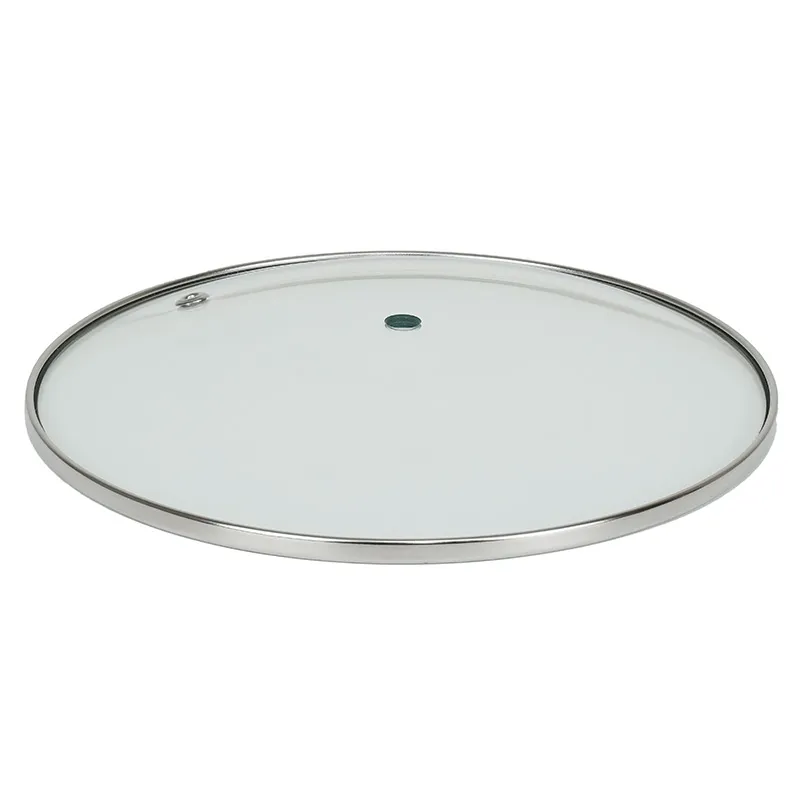
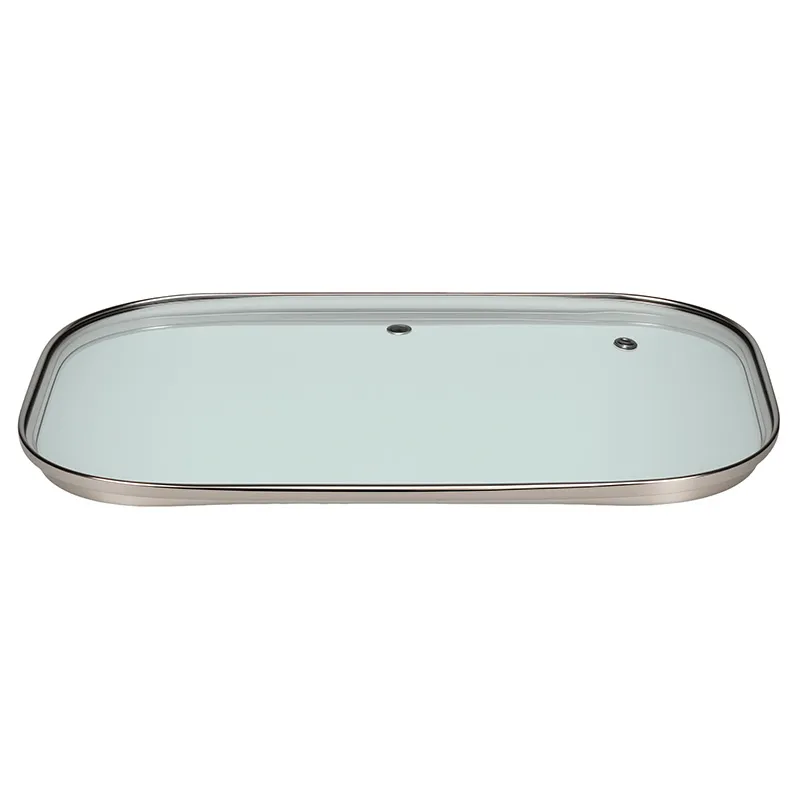
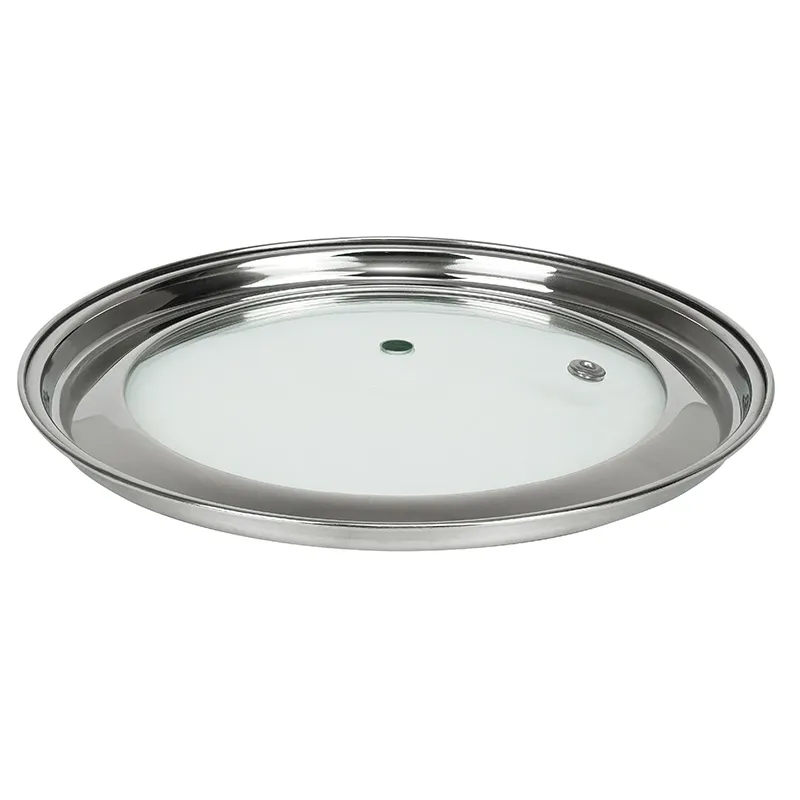
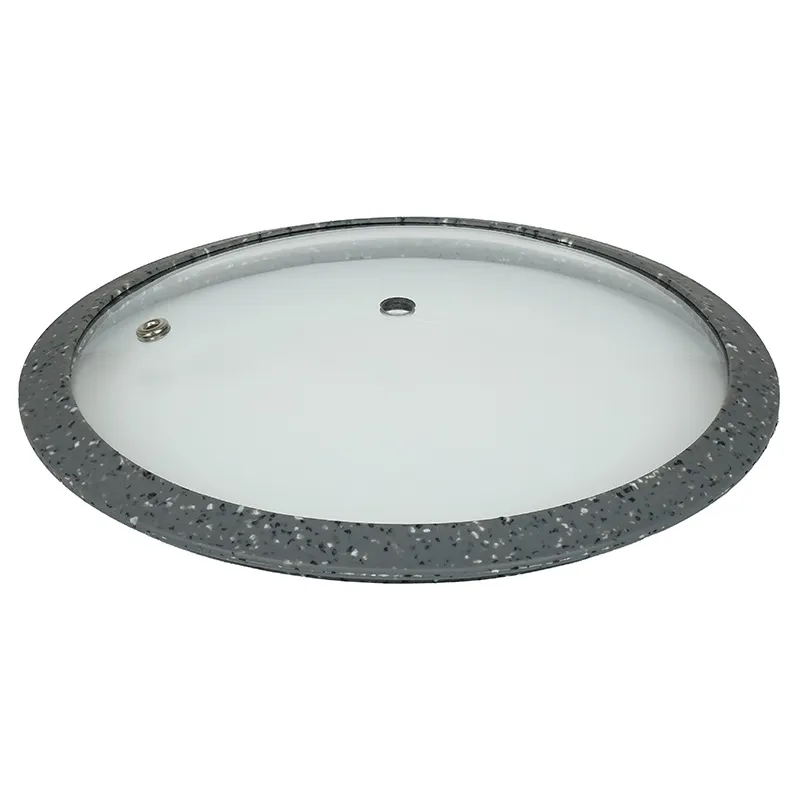
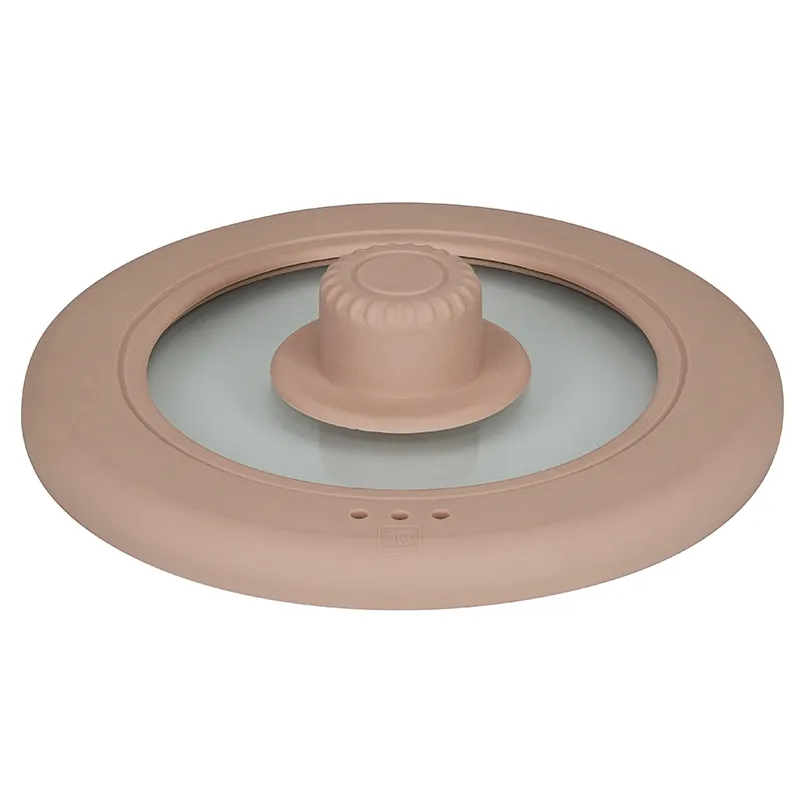
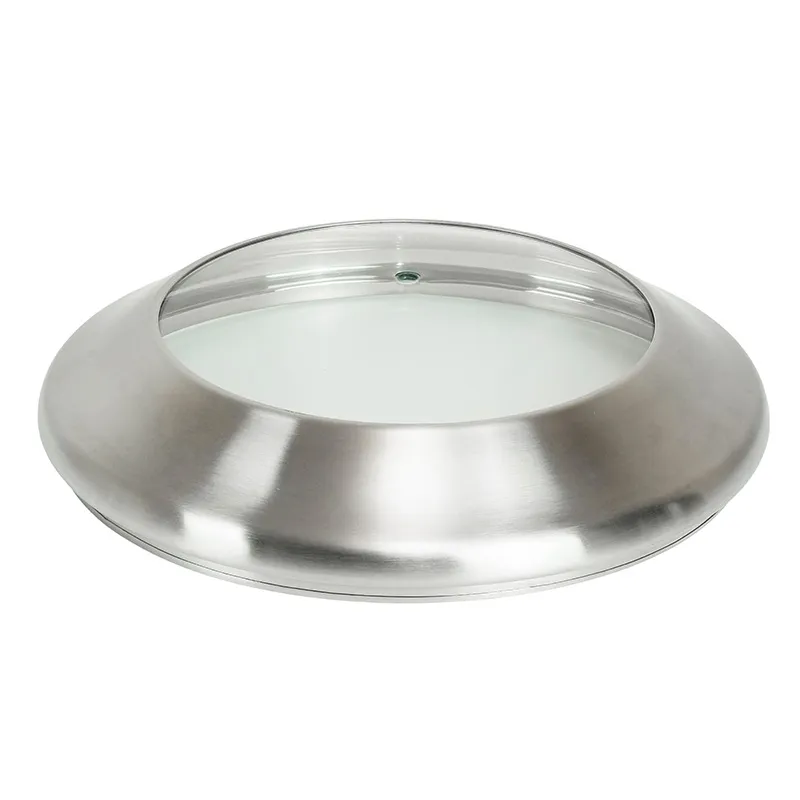
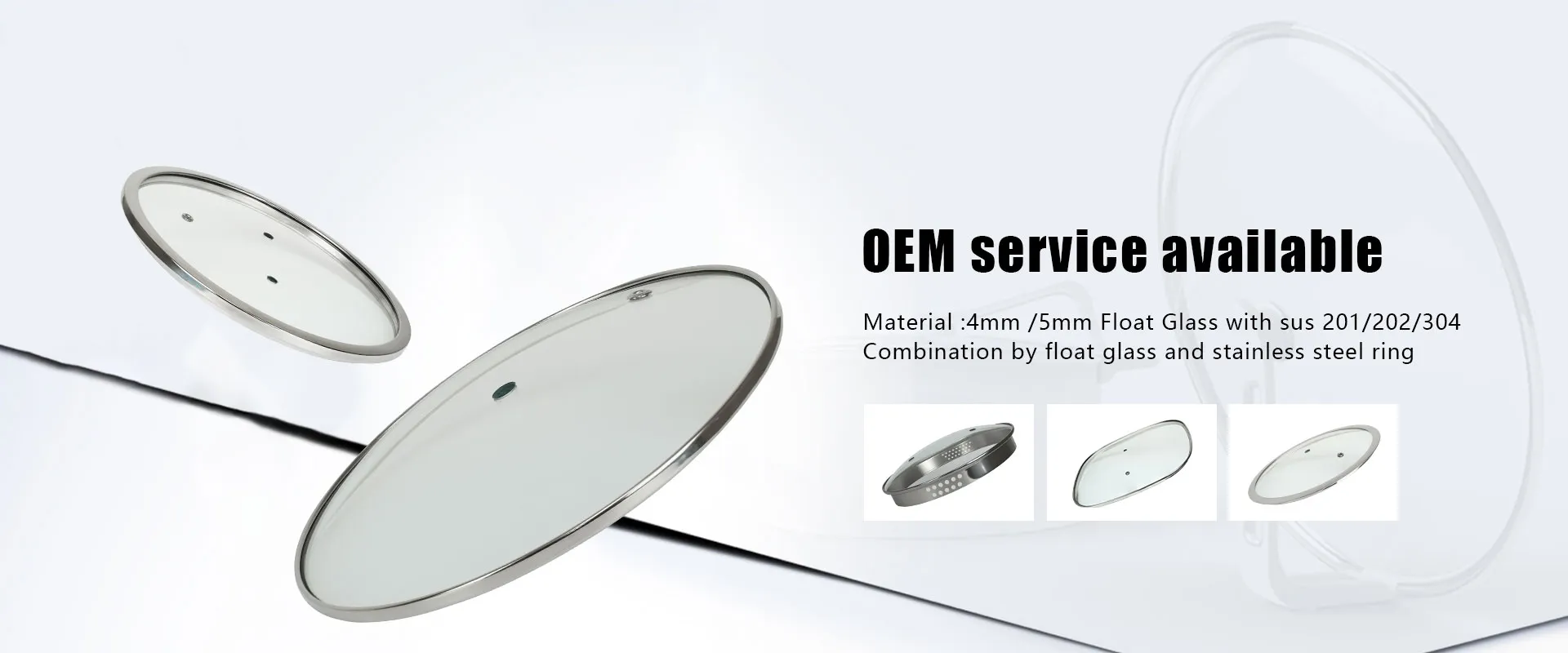
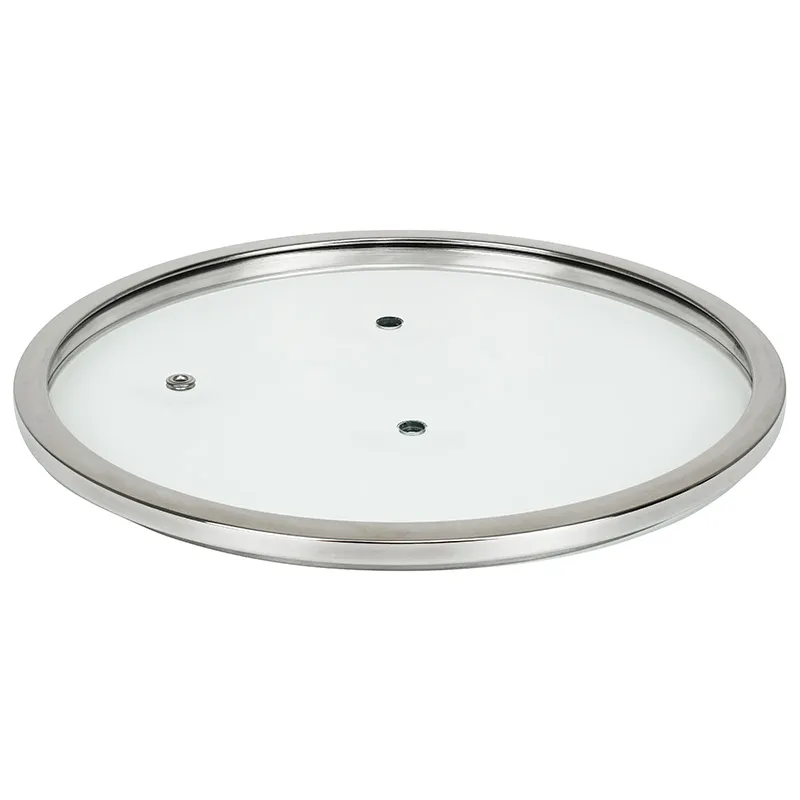
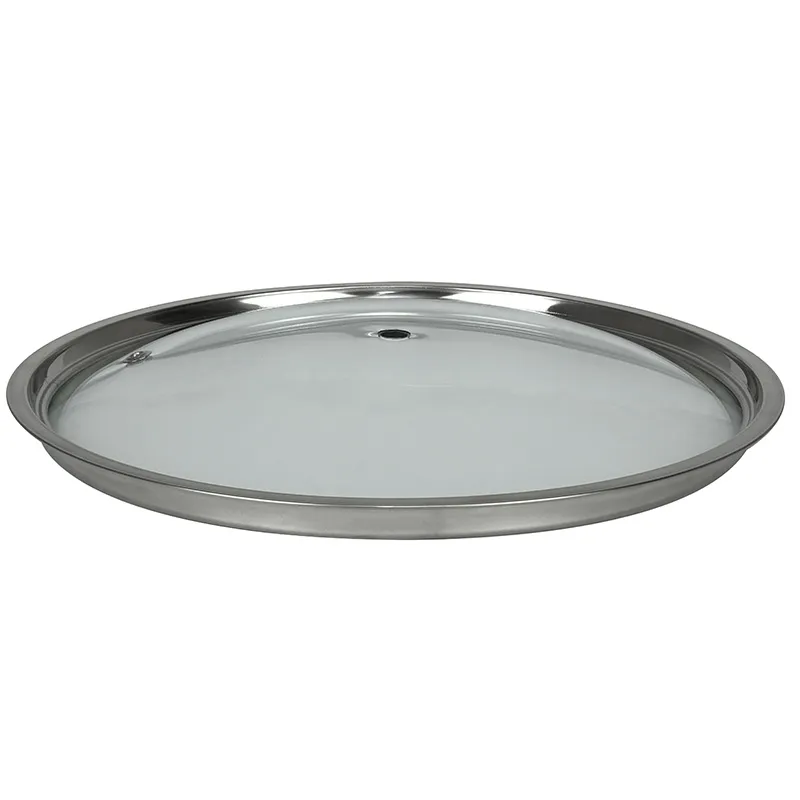
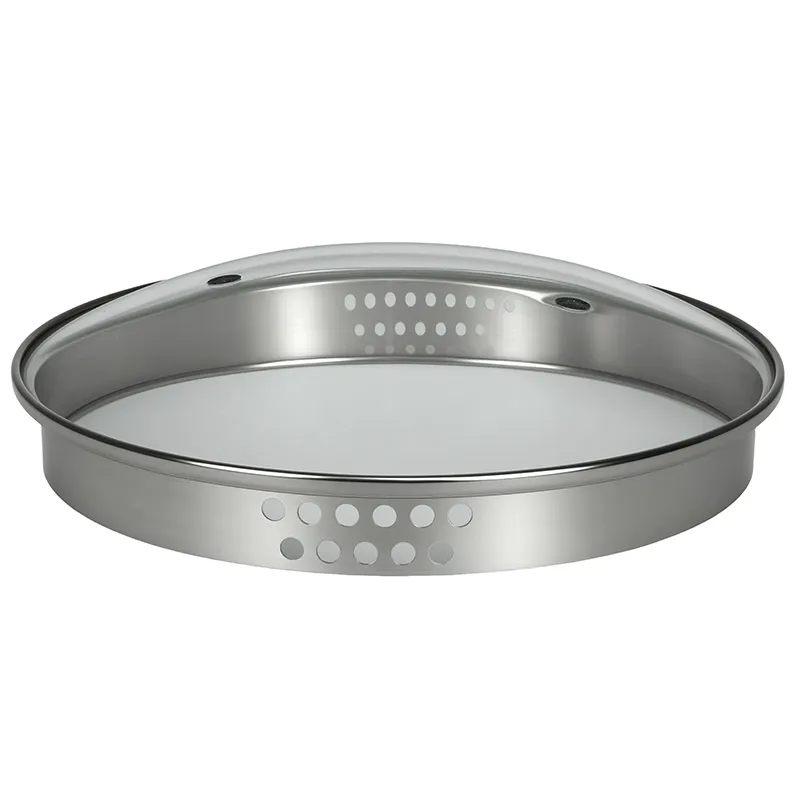
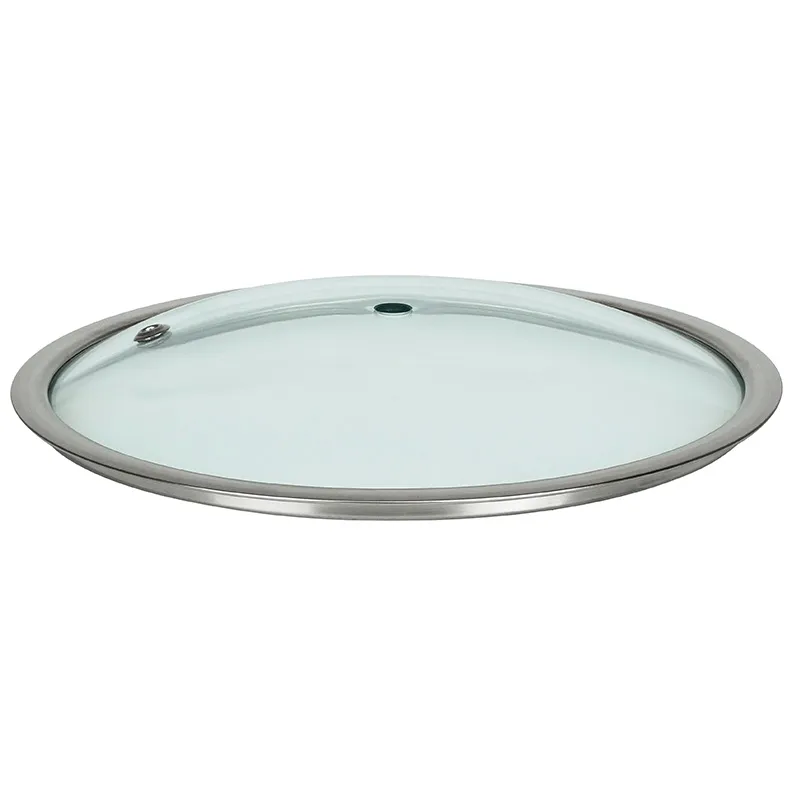
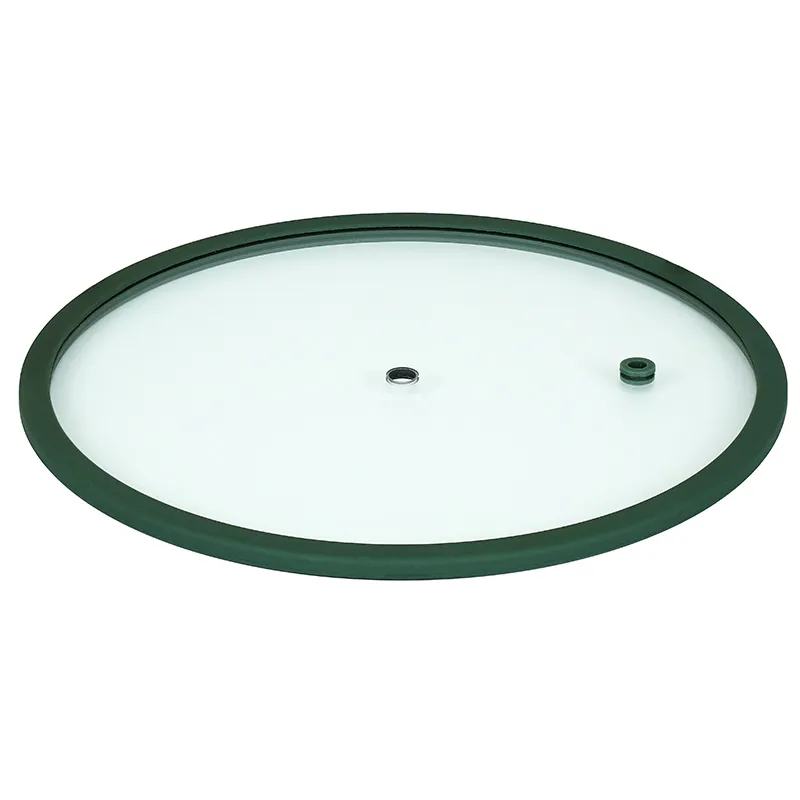
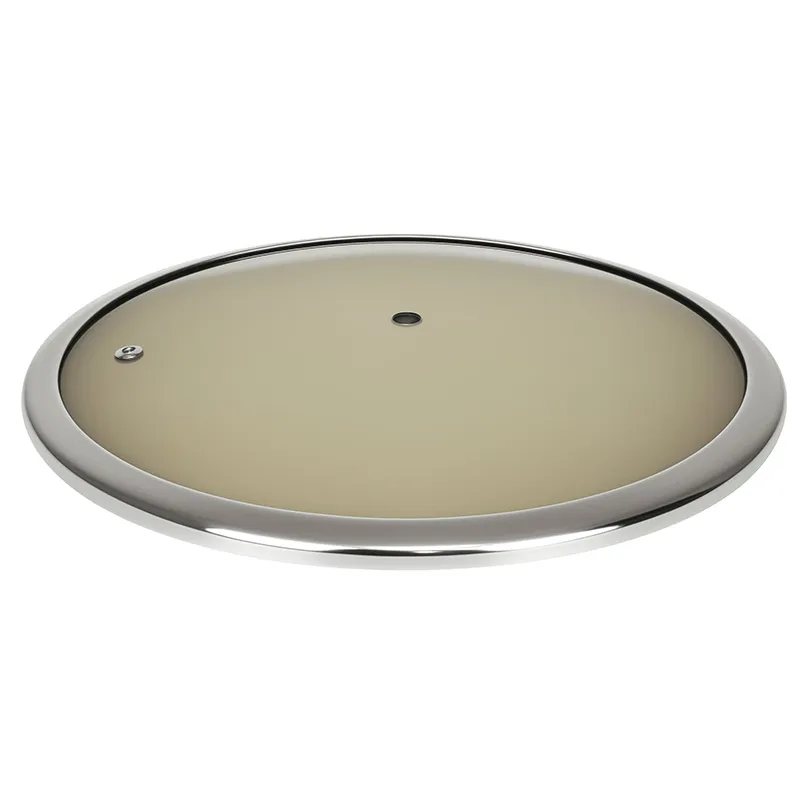
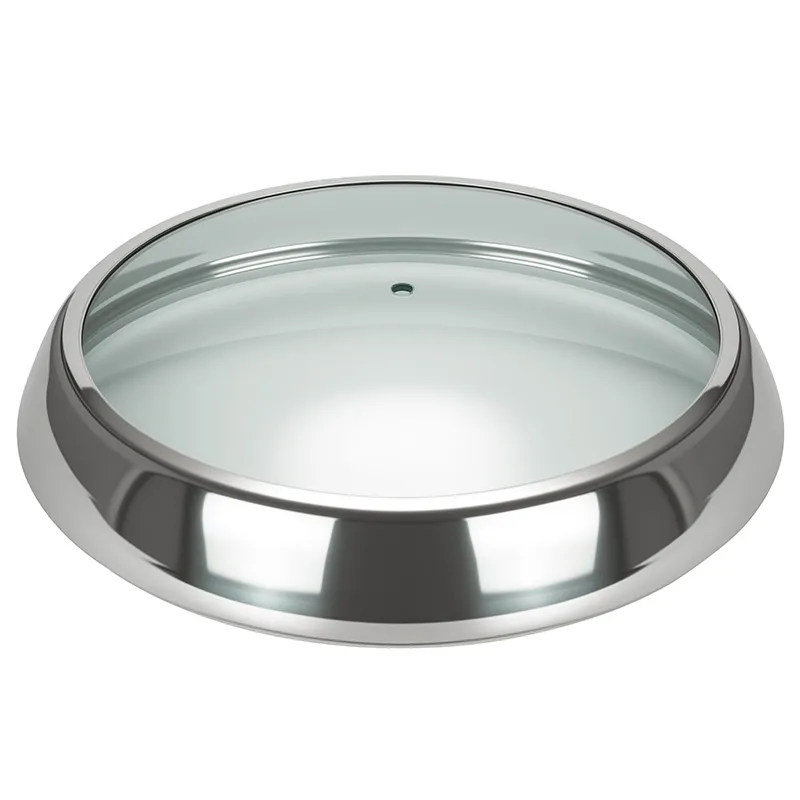
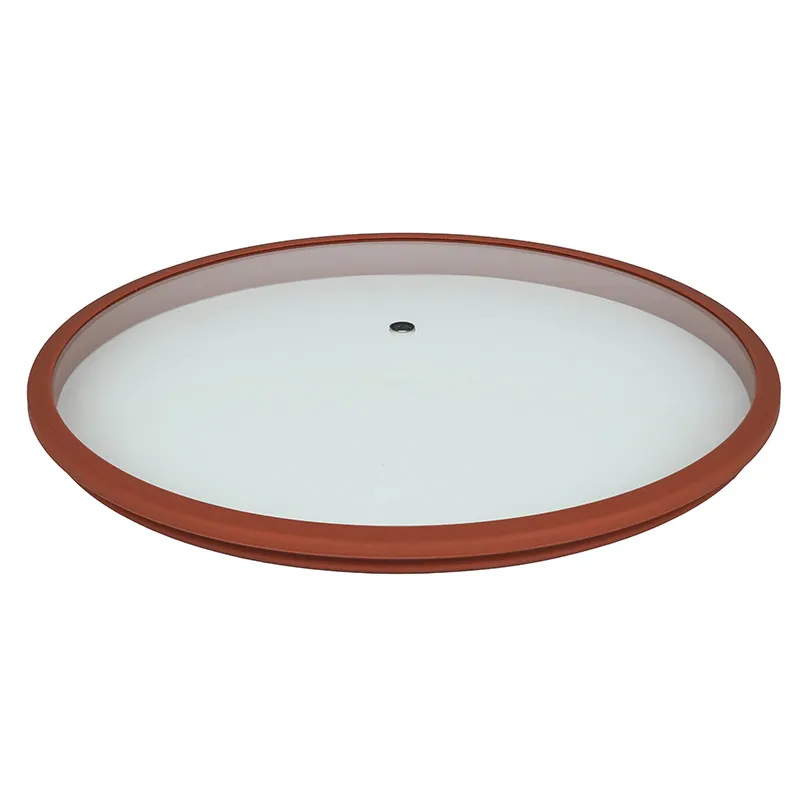
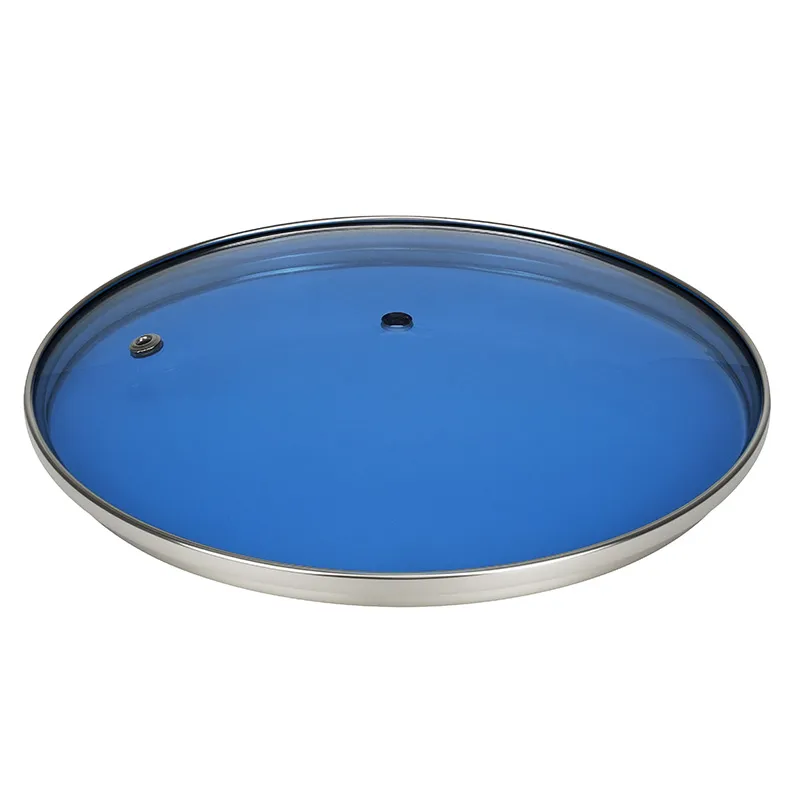
T type tempered glass lid
Look, when most people hear 'T type tempered glass lid', they picture a simple clear cover. The reality in production is messier—it's about managing thermal shock resistance, sealing geometry, and that critical balance between clarity and strength. Many assume any tempered glass will do, but the 'T' profile, that specific downward flange design, is where the real engineering headaches and solutions live.
The 'T' Profile Isn't Just a Shape
It defines function. The vertical leg of the T creates the sealing surface against the pot rim. Get the angle or height wrong by even half a millimeter, and you lose the steam seal. I've seen batches where the tempering process caused a slight curvature in that flange—nothing visible to the naked eye—but it rendered a whole shipment useless for pressure retention. The customer wasn't happy. That's when you learn that quality control isn't just about checking for cracks; it's about measuring the profile under heat-soaked conditions.
This is where a manufacturer's setup matters. A company like EUR-ASIA COOKWARE CO.,LTD, with their focus on volume export, has to nail this consistency. Their production base in Taian likely has jigs and annealing ovens calibrated specifically for these profiles. It's not glamorous work, but it's what separates a lid that lasts years from one that fails on the third use.
The material choice for the rim gasket that mates with the T type tempered glass lid is another rabbit hole. Silicone is standard, but its durometer (hardness) has to match the glass's rigidity. Too soft, and the lid wobbles; too hard, and the glass takes all the stress from impacts. We learned this through returns—lids arriving with micro-fractures at the flange edge, not from impact in transit, but from stress during clamping with an incompatible gasket.
Tempering: The Core of the 'Tempered' Claim
Here's a common industry pitfall: equating hardness with thermal shock resistance. Tempering increases mechanical strength, yes, but for a lid, the key is its ability to handle sudden temperature differentials—from a freezer to a hot stove, for instance. The quenching process in tempering has to be exceptionally uniform for a T-shaped piece. Any uneven cooling creates internal stress points that become failure zones.
I recall a project where we pushed for faster quenching to increase output. Big mistake. The yield rate dropped because the complex geometry of the T flange cooled at different rates than the flat panel. We ended up with a higher percentage of lids that would spontaneously fracture days after production, having passed initial inspection. It was a costly lesson in not rushing physics.
Visiting facilities, you see the difference. A line pumping out 15 million pieces annually, like the one at EUR-ASIA's site, has likely dialed in this process through painful trial and error. Their export focus to markets like Germany and Japan implies brutal quality standards on this very point. A lid that can't survive a rapid chill-test won't even get past the sampling stage for those clients.
The Sealing Mechanism - More Than Just Glass
The lid itself is only half the system. The interaction with the cookware body is everything. The T design often incorporates a stainless steel or reinforced nylon carrier ring that the glass is bonded into. This bond is another failure point. The adhesive must withstand repeated heating cycles and cleaning chemicals without degrading or discoloring.
We experimented with a few UV-cured adhesives that promised faster curing times. They held mechanically but yellowed noticeably after a few oven cycles, which made the product look cheap and old. For a high-transparency product like a glass lid, aesthetics are functional. You can't have a pristine tempered glass lid framed by a yellowing ring. We reverted to a slower, heat-resistant epoxy. Speed isn't always king.
This is why full-system testing is non-negotiable. A lid might test perfectly alone but fail when mounted on its intended pot due to differential expansion rates between the glass, adhesive, and carrier ring. The specs on glass-lid.com likely don't mention this minutiae, but I guarantee their engineering team has spent weeks on this compatibility matrix.
Logistics and the Fragile 'T'
Packaging for a T-type lid is a specialized nightmare. You can't just wrap it in bubble wrap. The protruding flange is vulnerable. It needs suspended, rigid support that contacts the flat central panel, not the edges. I've seen entire pallets arrive where the packaging allowed the flanges to bear weight, resulting in a symphony of cracks at the base of the 'T'.
For a company exporting over 90% of its output globally, as EUR-ASIA does, the packaging cost per unit is a significant line item. But it's a cost you can't cut. The investment in molded pulp or rigid EPS foam inserts that cradle the lid correctly is what ensures those millions of pieces arrive in Brazil or Poland intact. It's a silent but critical part of the product spec.
Even within the factory, handling is key. Automated lines are great, but the transfer points from tempering to inspection to packaging are where most handling chips occur. A small nick on the sealing edge of the flange can compromise performance. It's one of those things you only learn to look for after a few customer complaints about slight steam leaks.
Market Specifics and the Export Reality
You don't produce 15 million pieces for fun. That volume speaks to a deep understanding of diverse market demands. A lid for the German market might prioritize a ultra-flat, minimalist profile and a specific handle attachment standard. The same base T type glass lid for South Korea might need a different handle shape and a slightly smaller diameter to match local cookware commonalities.
This isn't just about swapping handles. It can affect the glass blank size and the tempering mold. It's a logistical puzzle. A manufacturer serving this many countries isn't just a glass cutter; they're a solution provider for global brands who need regional variations. Their website, https://www.glass-lid.com, probably functions more as a credential portal for B2B clients than a retail site, which makes sense given their described business model.
The mention of low, medium, and high-level products in their intro is telling. The 'T' type design is a constant, but the execution varies. A low-level lid might use thinner glass, a simpler tempering cycle, and a basic gasket. The high-level one for, say, Switzerland, will have thicker glass, possibly an anti-spatter coating on the underside, and a precision-machined flange. The geometry is the same, but the material science and tolerances are worlds apart.
Wrapping It Up - The Unseen Engineering
So, when you look at a T type tempered glass lid, you're not just looking at a piece of glass. You're looking at the result of solved problems: thermal stress management, geometric sealing, material compatibility, and global logistics for a fragile object. The companies that do it well, at scale, like the one referenced here, have baked those solutions into their process through experience—and undoubtedly, through past failures.
The next time you lift one off a pot, note the heft, the clarity, and the snug fit. That's not accident. It's the product of getting a hundred small details right, from the tempering oven in Shandong to the packaging line, all focused on making that simple 'T' shape perform reliably, day after day, in kitchens halfway around the world.
It's a niche product, but its success is a lesson in applied manufacturing. The glass is just the most visible part.
Related Products
Related Products