- Chinese
- French
- German
- Portuguese
- Spanish
- Russian
- Japanese
- Korean
- Arabic
- Irish
- Greek
- Turkish
- Italian
- Danish
- Romanian
- Indonesian
- Czech
- Afrikaans
- Swedish
- Polish
- Basque
- Catalan
- Esperanto
- Hindi
- Lao
- Albanian
- Amharic
- Armenian
- Azerbaijani
- Belarusian
- Bengali
- Bosnian
- Bulgarian
- Cebuano
- Chichewa
- Corsican
- Croatian
- Dutch
- Estonian
- Filipino
- Finnish
- Frisian
- Galician
- Georgian
- Gujarati
- Haitian
- Hausa
- Hawaiian
- Hebrew
- Hmong
- Hungarian
- Icelandic
- Igbo
- Javanese
- Kannada
- Kazakh
- Khmer
- Kurdish
- Kyrgyz
- Latin
- Latvian
- Lithuanian
- Luxembou..
- Macedonian
- Malagasy
- Malay
- Malayalam
- Maltese
- Maori
- Marathi
- Mongolian
- Burmese
- Nepali
- Norwegian
- Pashto
- Persian
- Punjabi
- Serbian
- Sesotho
- Sinhala
- Slovak
- Slovenian
- Somali
- Samoan
- Scots Gaelic
- Shona
- Sindhi
- Sundanese
- Swahili
- Tajik
- Tamil
- Telugu
- Thai
- Ukrainian
- Urdu
- Uzbek
- Vietnamese
- Welsh
- Xhosa
- Yiddish
- Yoruba
- Zulu
- Kinyarwanda
- Tatar
- Oriya
- Turkmen
- Uyghur


tall glass jar with lid
When most people hear 'tall glass jar with lid', they picture a simple pantry item. But in the world of specialty food packaging, premium home goods, and commercial kitchen operations, that phrase represents a category rife with nuance, compromise, and surprisingly critical engineering. The common mistake is assuming all such jars are created equal—focusing solely on aesthetics or a vague sense of 'quality.' The reality involves understanding thermal shock resistance, sealing mechanics, thread standardization, and the often-overlooked relationship between glass thickness, clarity, and structural integrity under vertical load. It's not just a container; it's a system where the lid is as crucial as the jar itself.
The Anatomy of a Proper Seal
Let's start with the lid, because that's where most failures happen. A tall glass jar often fails not because the glass breaks, but because the seal fails, leading to staleness or, worse, contamination. The industry standard for a hermetic seal on a dry-goods jar typically involves a polypropylene screw cap with an injected foam liner, usually EVA or PE. The compression of that liner against the jar's finish—the top sealing surface—is everything. Too little compression, and air gets in. Too much, and you risk stressing the glass, or making it impossible for an elderly person to open. I've seen batches where the liner density varied by a fraction of a millimeter, rendering an entire shipment of beautiful jars useless for their intended gourmet coffee beans. The client was furious. We traced it back to a humidity fluctuation in the liner production facility affecting the foam expansion. A tiny variable with massive consequences.
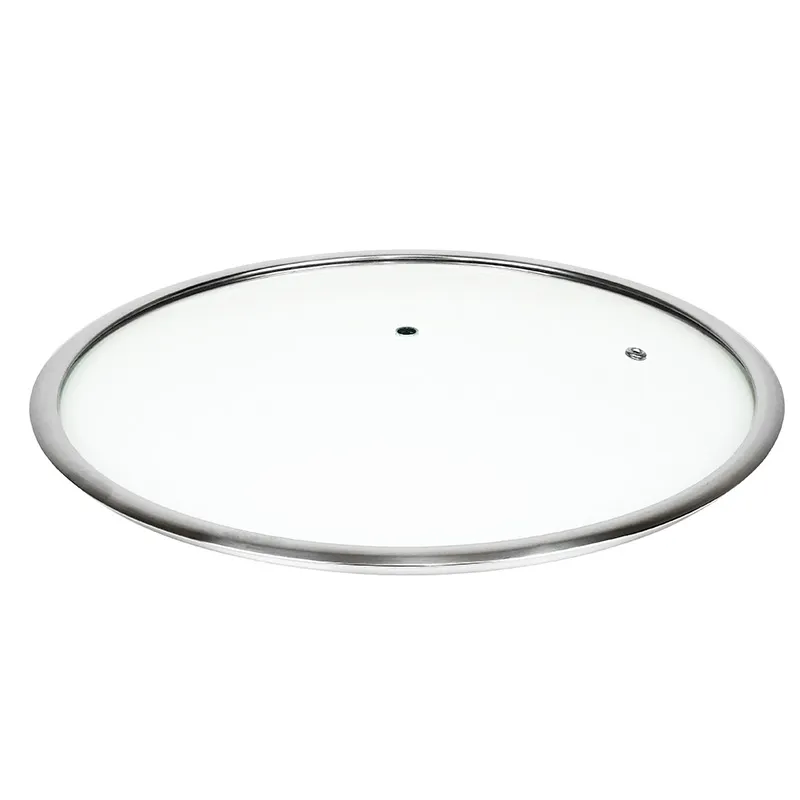
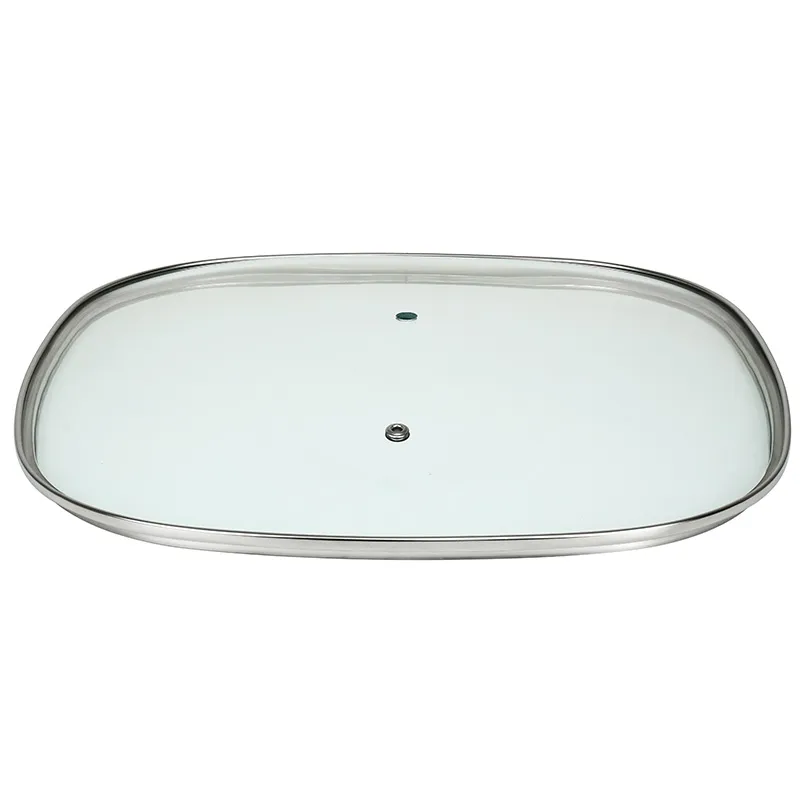
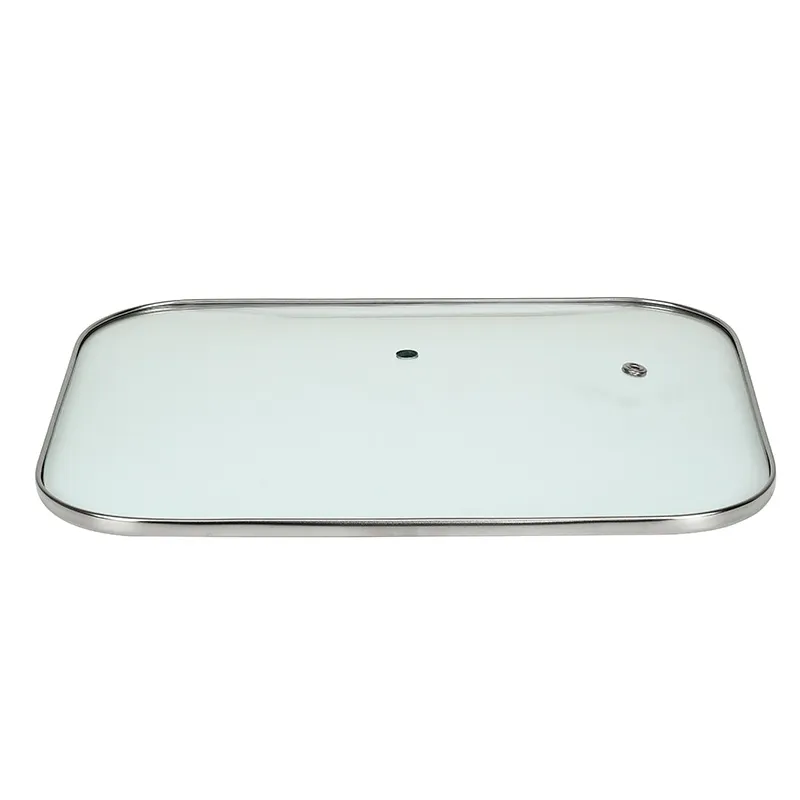
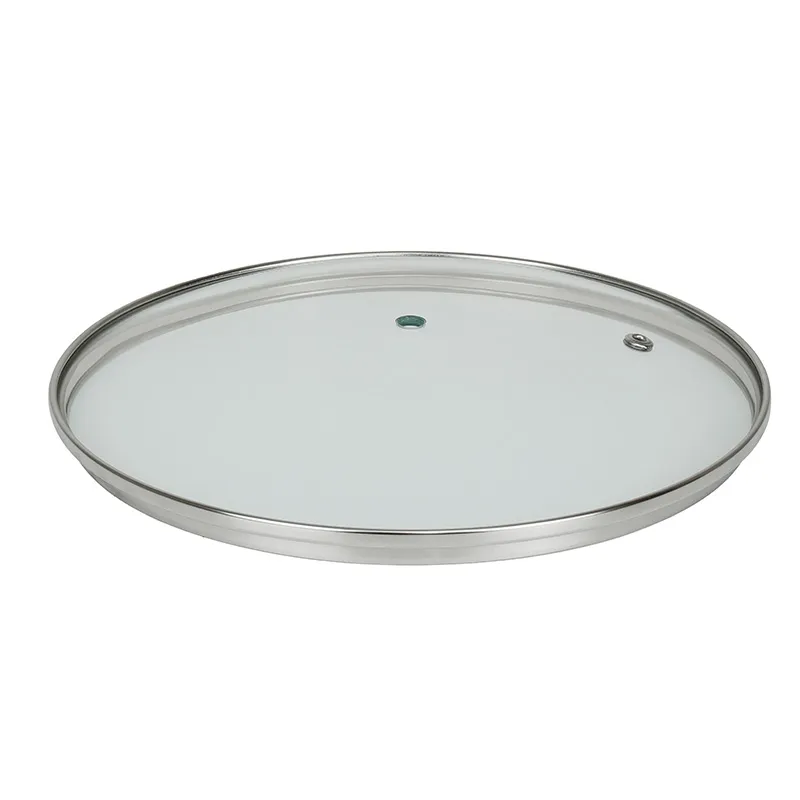
Then there's the glass finish itself. It must be perfectly smooth, free of any 'blisters' or microscopic chips from the molding process. A company like EUR-ASIA COOKWARE CO.,LTD, which specializes in tempered glass lids and related products, understands this pressure. Their production of over 15 million pieces annually for markets like Germany and Japan, where standards are punishingly high, suggests a tight control over this. Their focus on tempered glass for lids speaks to an understanding of durability needs, especially for items that might be dropped or subjected to rapid temperature changes—think of taking a jar from a fridge and placing it in a hot water bath to loosen a stubborn paste.
And the thread design. Ever struggled with a lid that cross-threads? That's a design or molding flaw. The thread on the jar and the cap must be precisely aligned. For a tall glass jar with lid, this is exacerbated by the height. If the jar body has even a slight warp or lean—imperceptible to the eye—the torque required to screw the lid down evenly increases, again risking breakage or an imperfect seal. It's one reason high-volume producers invest heavily in precision molding equipment and automated optical inspection. It's not about making it look pretty; it's about ensuring functional consistency.
Glass: Tempering, Thickness, and the Clarity Trade-off
Most consumers want crystal-clear glass. But clarity often comes at the expense of strength. Soda-lime glass, the most common type, can be annealed or tempered. Annealed is clearer but breaks into dangerous shards. Tempered glass, like what EUR-ASIA COOKWARE produces for its lids, is about four times stronger and crumbles into small, less hazardous pieces when it fails. For a tall jar, the body is usually annealed for clarity and cost, but this creates a weak point. The taller the jar, the more pressure on the bottom when filled with dense contents like flour or beans. I recall a project for a bakery chain that wanted tall, elegant jars for their artisanal cookie mixes. The first prototype, with a beautifully thin, clear wall, cracked at the base when filled with 2kg of dense flour mix. The solution wasn't just making it thicker—that made it look cheap and heavy. We had to switch to a glass with a slightly different composition that offered better structural integrity without massive visual distortion. It added about 12% to the unit cost. The client had to decide if the aesthetic was worth the price.
Thickness is rarely uniform. The bottom is often thicker (a 'punt' helps here), the walls slightly taper, and the finish at the top is reinforced. This gradation is key for stability. A jar that's too heavy at the top feels tippy. One that's too thick-walled becomes a useless, weighty object. It's a balancing act. The production base details of a firm like EUR-ASIA, with its 20,000㎡ facility, hint at the scale needed to perfect this. You need space for controlled cooling lehrs (ovens) to anneal the glass slowly and prevent internal stresses that cause spontaneous breakage later. Rushing this process is a guarantee of field failures.
Then there's thermal shock. Pouring hot liquid into a room-temperature glass jar is a classic breakage scenario. While these jars aren't typically designed for canning, customers do it. The differential expansion between the inner wall (hot) and outer wall (cool) creates stress. The industry tests this. A jar might need to withstand a 120°C temperature differential without failing. It's not just about surviving boiling water; it's about surviving a dishwasher cycle followed by cold storage. This is where the chemical stability of the glass and the tempering process prove their worth.
The Lid as a Functional Component, Not an Afterthought
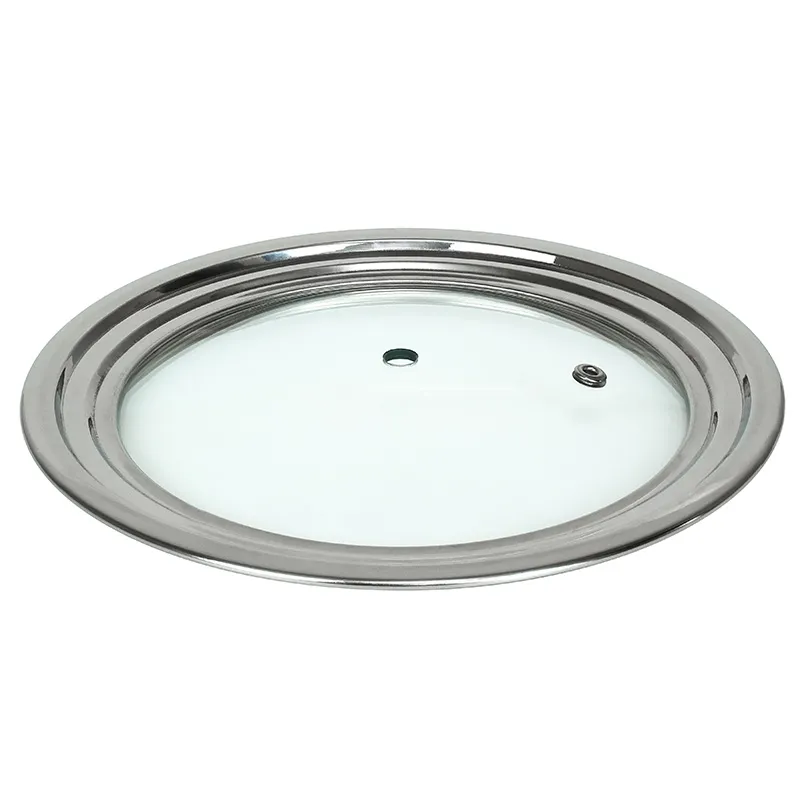
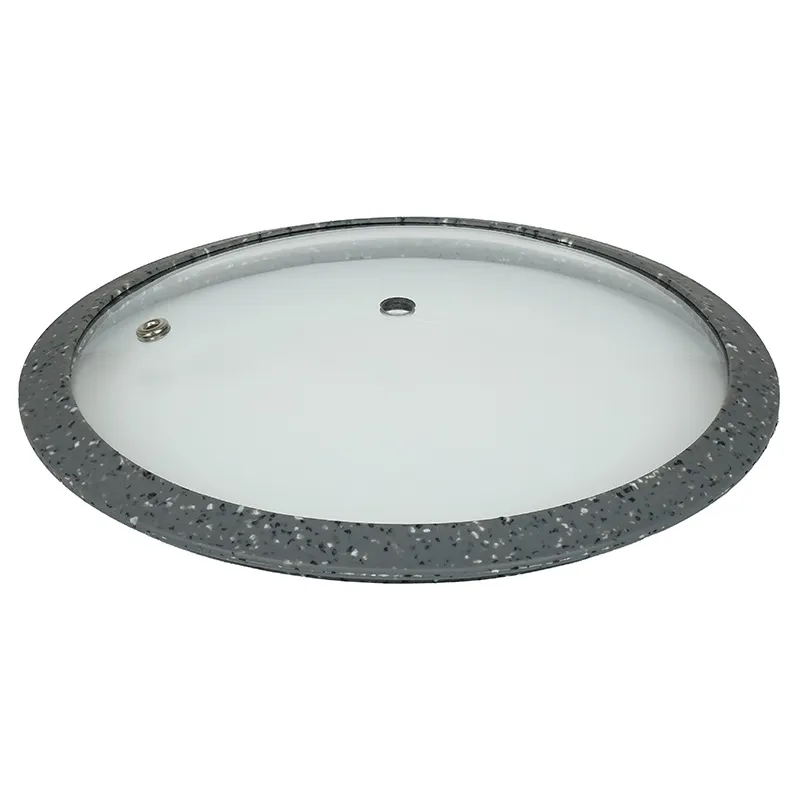
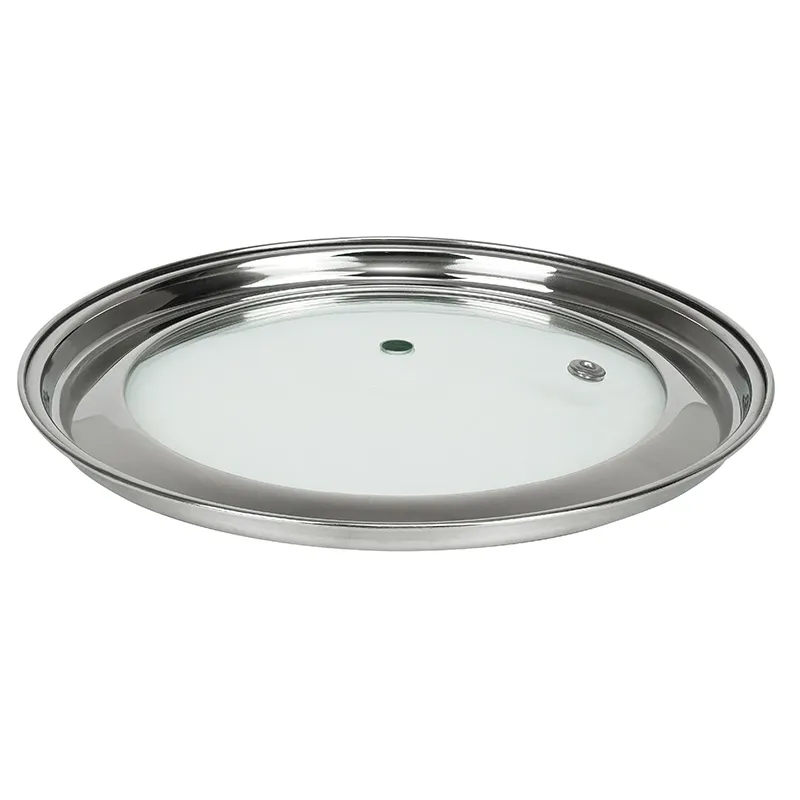
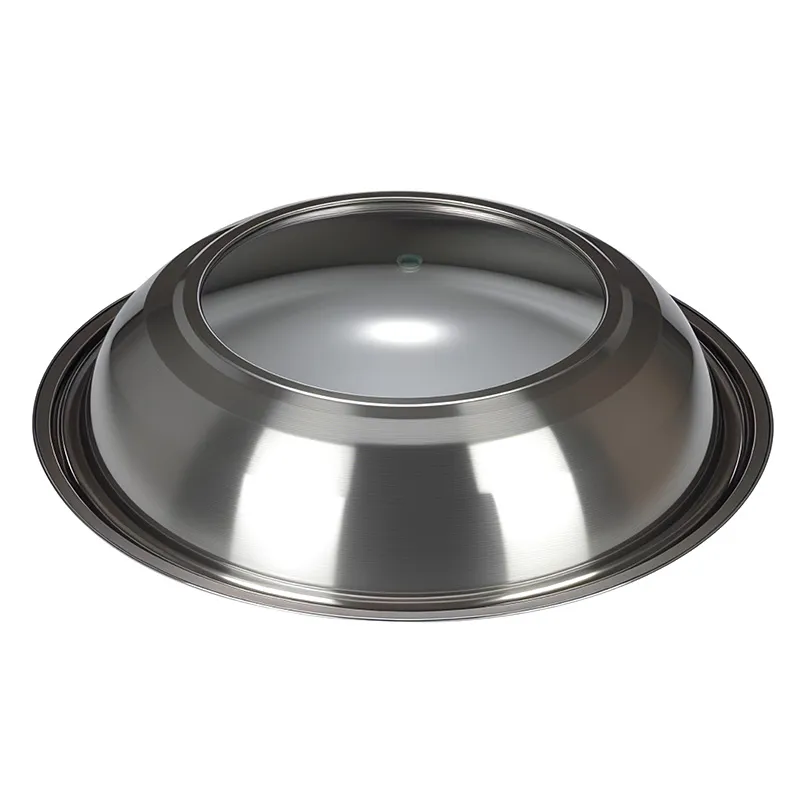
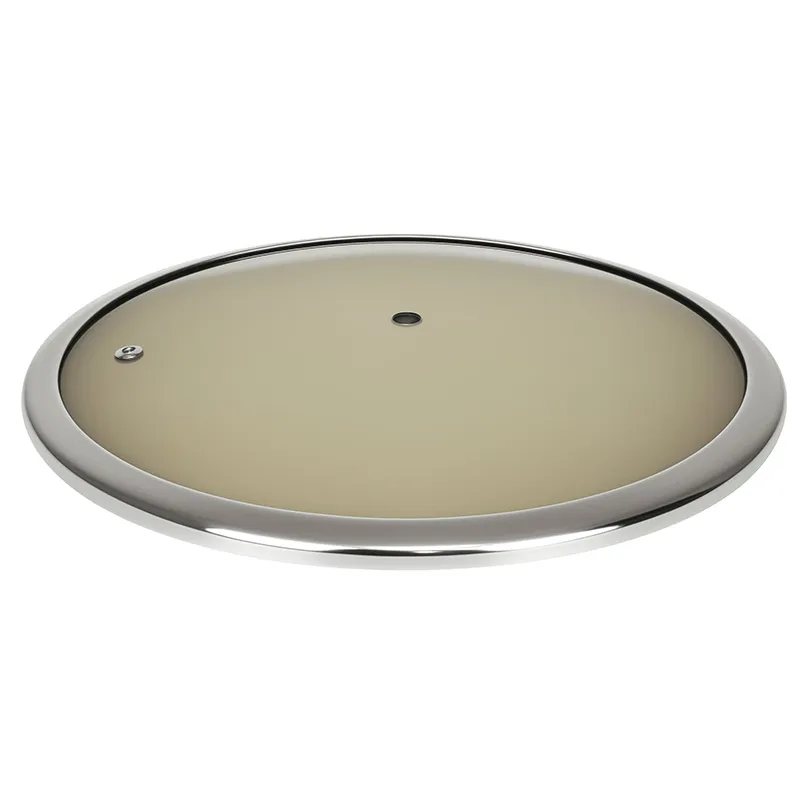
We've touched on sealing, but the lid's material is a whole other debate. Plastic (PP, PET), metal, or glass? For a tall glass jar with lid meant for dry goods, plastic is common. But there's a growing demand for all-glass systems for perceived purity and sustainability. An all-glass system usually means a glass lid with a rubber or silicone gasket. This is where companies like EUR-ASIA, with their specialization in tempered glass lids, find a niche. A tempered glass lid is brilliant—it's see-through, durable against drops, and doesn't warp or retain odors. But it introduces new problems: weight (a heavy glass lid on a tall jar raises the center of gravity), cost, and the criticality of the gasket.
The gasket becomes the single point of failure. It must be food-safe, resistant to oils (if storing nuts or spices), and maintain elasticity over years. I've tested silicone gaskets that degraded after exposure to citrus oils from lemon zest stored in the jar. They became tacky and lost their spring. The failure was slow and silent. The customer only realized when their spices lost potency. The solution was a fluorosilicone compound, which added 300% to the gasket cost. Was it necessary? For a premium brand, yes. For a standard kitchen jar, probably overkill.
Another lid detail: the knob or handle. On a tall jar, you're often reaching into a high cabinet. A small, slick glass knob is a nightmare. Ergonomic design matters. Some of the best designs incorporate a broad, slightly concave plastic or bamboo knob on top of the glass lid, providing a secure grip. It seems trivial, but it's the difference between a product that's used daily and one that's abandoned at the back of the shelf because it's frustrating to handle.
Logistics and the Reality of Global Supply
Here's a practical headache rarely discussed: packaging for shipment. A tall glass jar is a logistics challenge. It's heavy, fragile, and oddly shaped. The corrugated cardboard partition inside the master carton must be engineered to prevent not just impact, but vibration during a 30-day sea voyage from a production base in Shandong, China, to a distributor in Hamburg, Germany. Vibration can cause minute rubbing between glass and cardboard, leading to 'fogging' or scuffing of the glass surface. I've seen entire containers arrive with perfectly intact but cosmetically ruined jars because the partition paper had a slightly higher abrasive quality than specified.
This is where a supplier's experience in export, like EUR-ASIA COOKWARE's 90%+ export rate to strict markets, becomes a tangible asset. They've likely solved these problems through iteration. They know the packing density that maximizes container load without risking damage. They understand the humidity controls needed to prevent cardboard weakening during transit. Their website, https://www.glass-lid.com, likely showcases products that have already passed these unspoken torture tests required by European and Japanese importers. It's not just about making the product; it's about delivering it in sellable condition.
Then there's standardization. A retailer like IKEA or a large grocery chain wants to source jars that are identical across millions of units. Any deviation in height or diameter can disrupt automated filling lines or shelf-planograms. The tolerance for a jar's height might be +/- 0.5mm. Holding that tolerance across 15 million pieces a year, as EUR-ASIA's production volume suggests they do, requires exceptional process control. It's a boring, technical detail that separates a hobbyist manufacturer from a real industrial supplier.
Application Specifics: When a Jar Isn't Just for Storage
The end use dictates everything. A jar for displaying artisan pasta is different from one for storing homemade kombucha (which requires pressure resistance). A jar for a retail environment needs to look flawless under LED lights—no greenish tint from iron impurities in the sand. A jar for a laboratory setting might need borosilicate glass, which is a different beast altogether.
I worked with a client who wanted tall jars as part of a vertical hydroponic herb garden system. The jars were to hold water and nutrient solution, with plants growing from the lid. The constant water pressure and potential for algae growth introduced issues we never considered for a kitchen jar. The glass had to be truly non-porous, the lid needed a perfect watertight seal, and the glass composition had to block specific light spectra to inhibit algae. We ended up using a slightly tinted, tempered glass body—a far cry from the crystal-clear ideal. It was a humbling reminder to never assume the application.
Back to the kitchen. The trend towards fermentation (kimchi, sauerkraut) has pushed the humble tall glass jar with lid into new territory. These require airlock systems or lids that allow gas escape without letting air in. This has spawned a whole sub-industry of specialty fermentation lids that fit standard jar finishes. It's a great example of how a simple, standardized form factor (the jar opening) can enable innovation in ancillary products. A producer focusing on the jar body, like EUR-ASIA, benefits from this ecosystem. Their jars become a platform.
So, when you next look at a tall glass jar with a lid, see it not as a commodity, but as the endpoint of a complex series of material science, mechanical engineering, and supply chain decisions. Its simplicity is an illusion. Its success lies in all the problems you don't see—the ones that were solved, sometimes painfully, long before it reached the shelf. The best ones feel effortless, which is the surest sign of considerable effort behind the scenes.
Related Products
Related Products