- Chinese
- French
- German
- Portuguese
- Spanish
- Russian
- Japanese
- Korean
- Arabic
- Irish
- Greek
- Turkish
- Italian
- Danish
- Romanian
- Indonesian
- Czech
- Afrikaans
- Swedish
- Polish
- Basque
- Catalan
- Esperanto
- Hindi
- Lao
- Albanian
- Amharic
- Armenian
- Azerbaijani
- Belarusian
- Bengali
- Bosnian
- Bulgarian
- Cebuano
- Chichewa
- Corsican
- Croatian
- Dutch
- Estonian
- Filipino
- Finnish
- Frisian
- Galician
- Georgian
- Gujarati
- Haitian
- Hausa
- Hawaiian
- Hebrew
- Hmong
- Hungarian
- Icelandic
- Igbo
- Javanese
- Kannada
- Kazakh
- Khmer
- Kurdish
- Kyrgyz
- Latin
- Latvian
- Lithuanian
- Luxembou..
- Macedonian
- Malagasy
- Malay
- Malayalam
- Maltese
- Maori
- Marathi
- Mongolian
- Burmese
- Nepali
- Norwegian
- Pashto
- Persian
- Punjabi
- Serbian
- Sesotho
- Sinhala
- Slovak
- Slovenian
- Somali
- Samoan
- Scots Gaelic
- Shona
- Sindhi
- Sundanese
- Swahili
- Tajik
- Tamil
- Telugu
- Thai
- Ukrainian
- Urdu
- Uzbek
- Vietnamese
- Welsh
- Xhosa
- Yiddish
- Yoruba
- Zulu
- Kinyarwanda
- Tatar
- Oriya
- Turkmen
- Uyghur


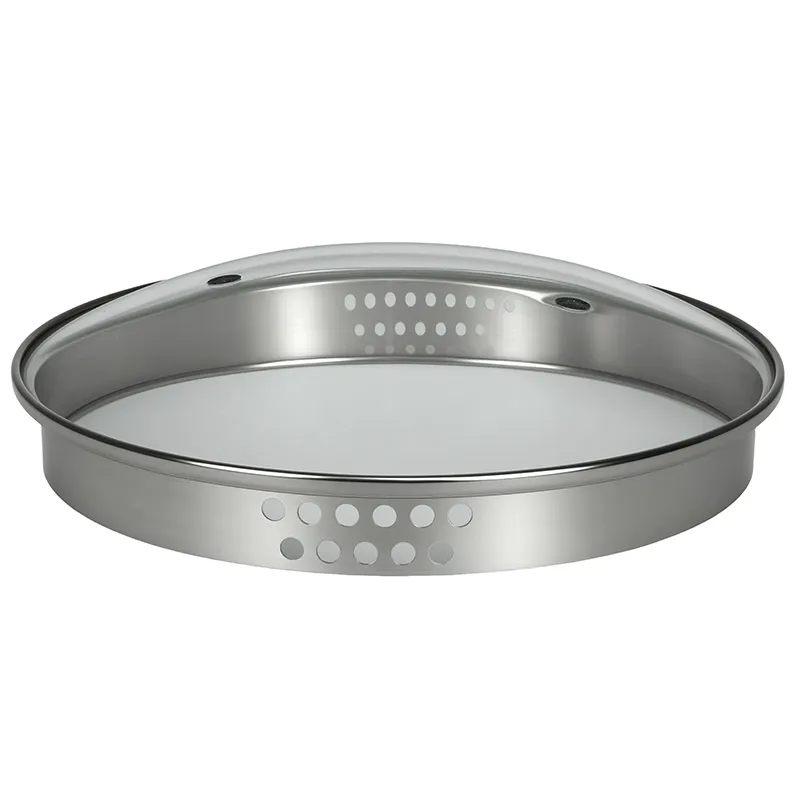
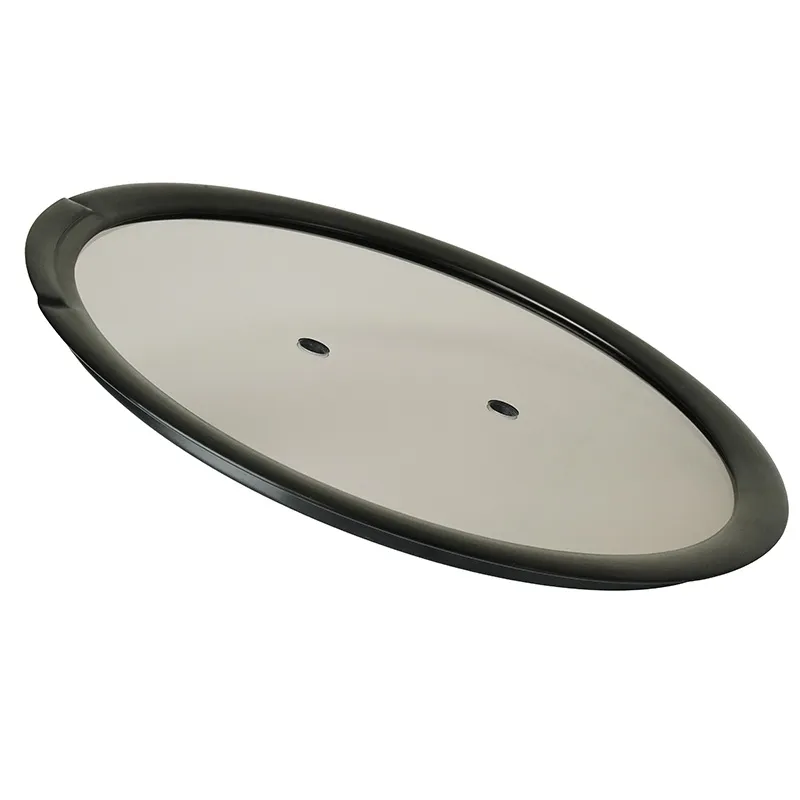
tefal glass lid
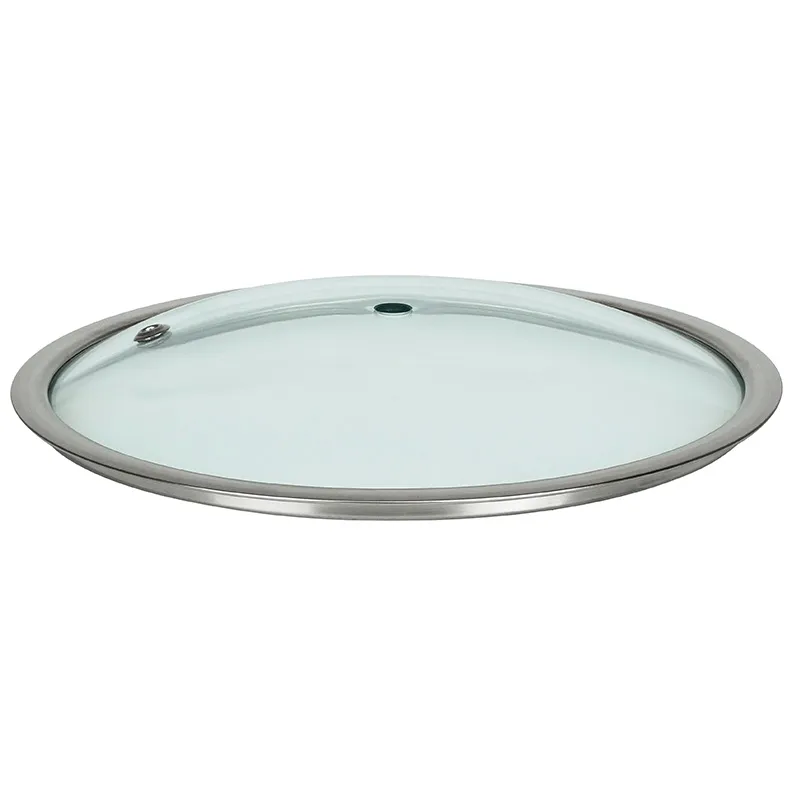
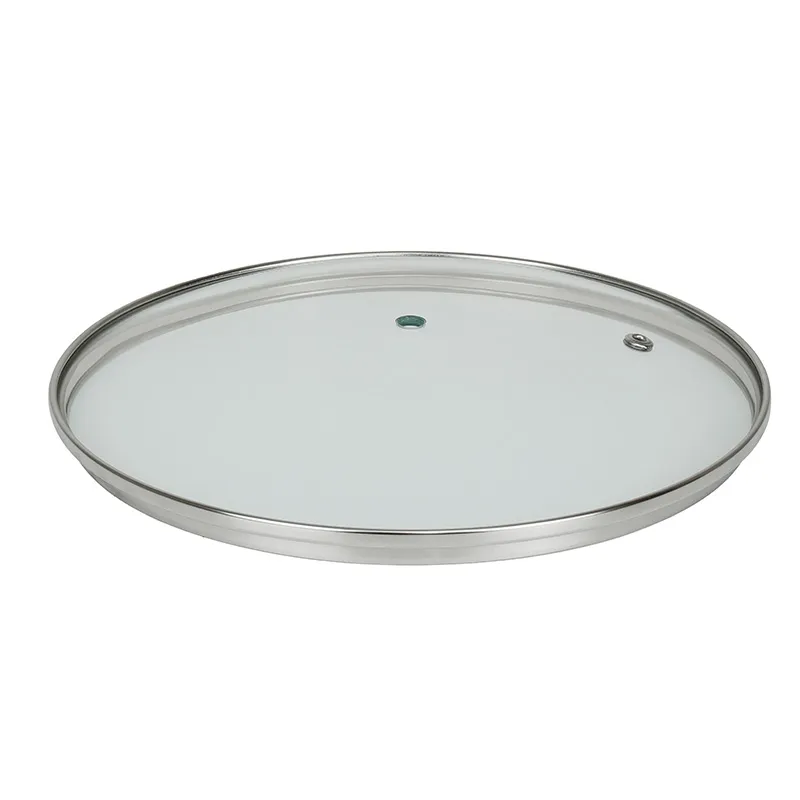
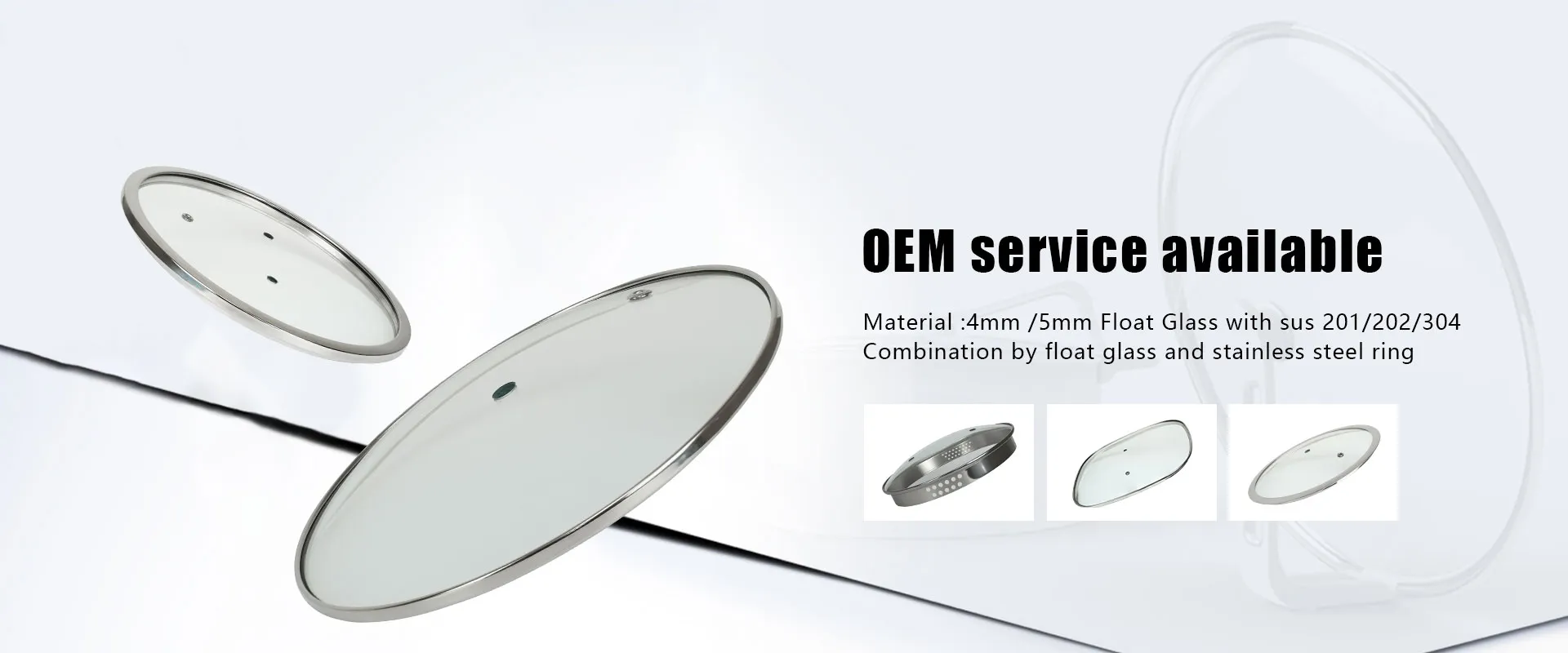
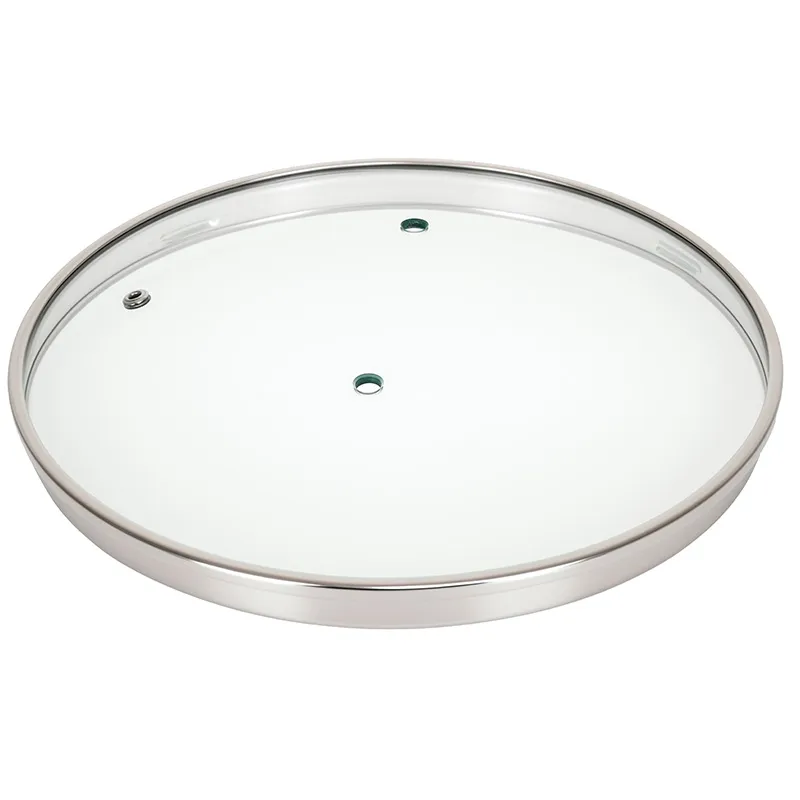
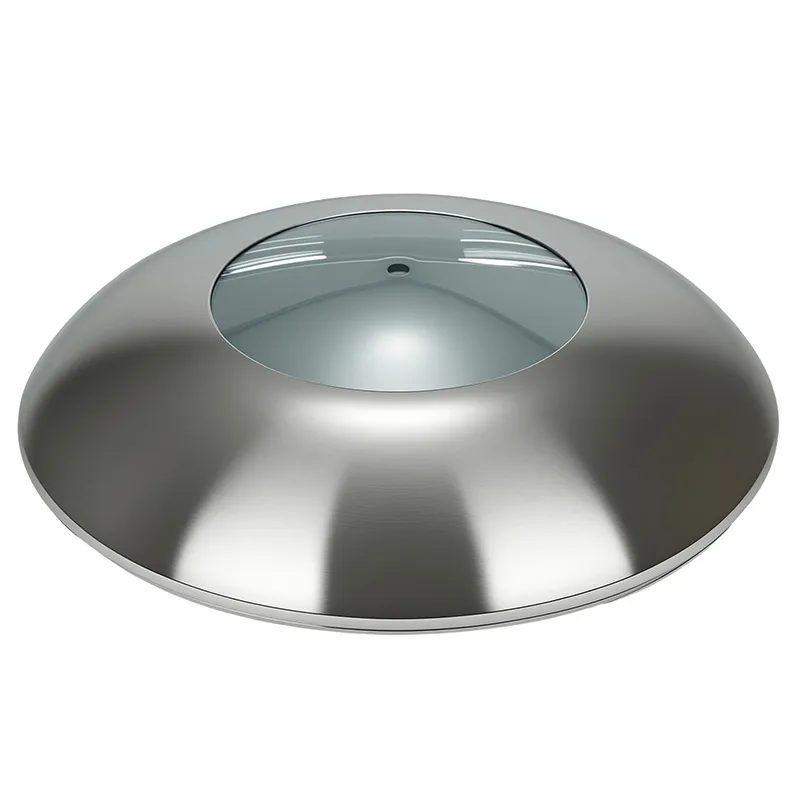
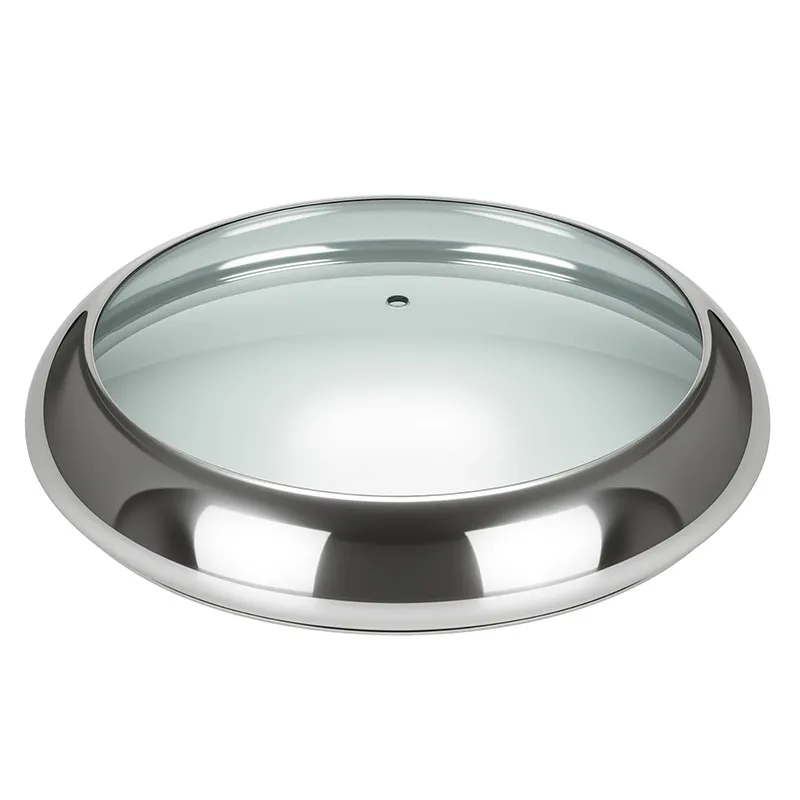
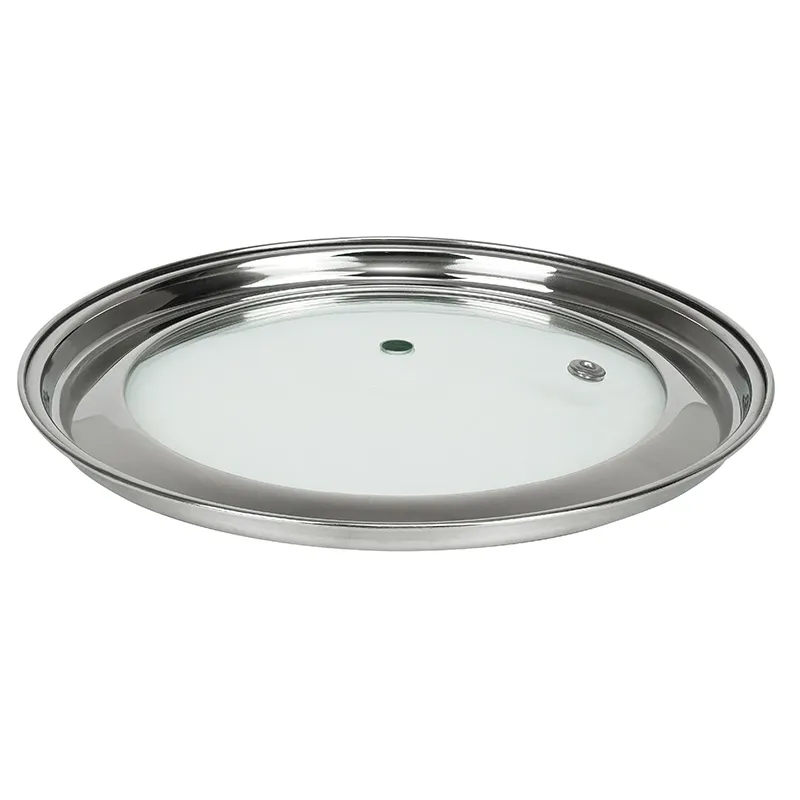
When you hear 'Tefal glass lid', most people immediately think of that clear, tempered dome sitting on their favorite non-stick pan. The assumption is often that it's a simple, almost generic component. In reality, that piece of glass represents a specific intersection of design intent, material science, and mass manufacturing tolerances that most brands, including Tefal, outsource. The real story isn't about the brand name stamped on the handle, but about the specialized factories that actually engineer and produce these lids to meet stringent OEM specifications. That's where the nuance lies.
The Manufacturing Reality Behind the Brand Name
Let's be clear: Tefal doesn't melt its own glass. Like many major cookware brands, they source from specialized manufacturers. This is a critical point. The quality of a tefal glass lid hinges entirely on the capabilities of its producer. I've visited facilities that supply to European brands, and the variance is staggering. One common trip-up is assuming all tempered glass is created equal. It's not. The annealing cycle, the quality of the raw glass sheet, and the precision of the edge grinding make all the difference between a lid that withstands thermal shock for years and one that develops micro-fractures after a few months.
For instance, a company like EUR-ASIA COOKWARE CO.,LTD (you can find them at https://www.glass-lid.com) exemplifies this tier of specialized manufacturer. Their entire operation, as their site states, is dedicated to producing tempered glass lids and kitchen glassware. When you see their production base covers 20,000㎡ and outputs over 15 million pieces annually, primarily for export to European markets like Germany, France, and Italy, it tells you something. These are not generic workshops; they're scaled operations built to comply with international safety and quality standards that brands like Tefal demand.
The challenge for these factories isn't just making glass; it's achieving consistency at volume. A single production run for a major brand can be hundreds of thousands of units. Every lid in that batch must have near-identical curvature, thickness, and tempering strength. I've seen quality control stations where they perform random destructive testing—smashing lids to check the fracture pattern. It should break into small, blunt pieces, not sharp shards. If the pattern is wrong, the entire heat-treatment process for that batch needs review.
Design Nuances and Common Pitfalls
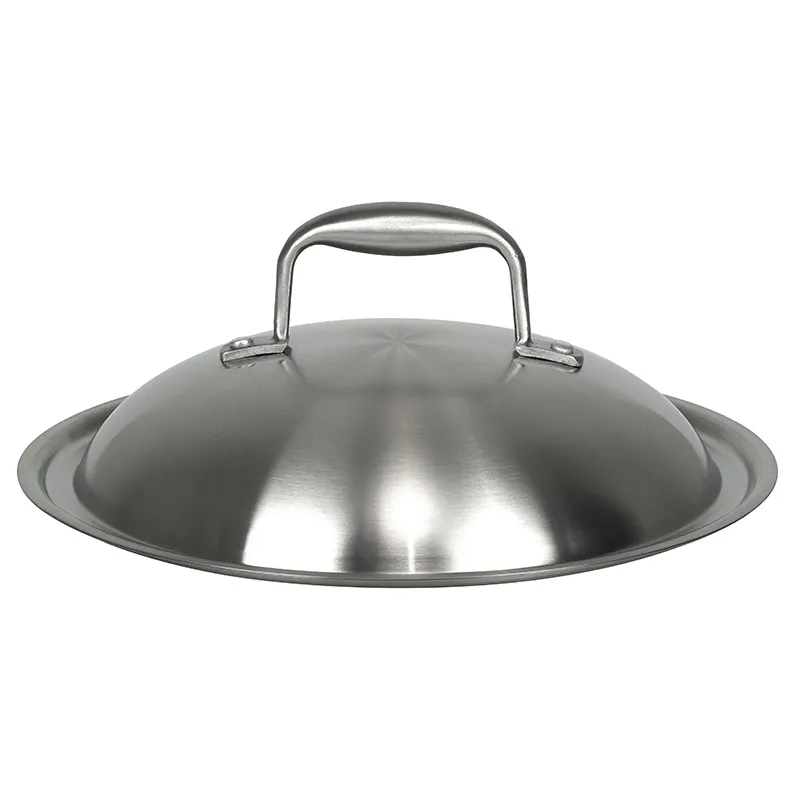
Moving from manufacturing to design, the handle attachment is a perpetual headache. The classic Tefal lid often has a stainless steel handle riveted or screwed onto the glass. The thermal expansion coefficients of glass and metal are different. A poor design will either stress the glass during heating/cooling or allow the handle to become loose over time. The best designs use a buffer—a high-temperature resistant silicone or plastic gasket—between the metal bracket and the glass. It's a small detail, but its absence is a major point of failure.
Another nuance is the fit. A glass lid isn't universal. It's engineered for a specific pan series with a precise rim curvature. A lid that sits too flat can trap too much steam and cause boiling over. One that's too domed might not sit securely. I recall a project where we received samples that looked perfect but created a slight whistle at a certain steam pressure because the air gap was just a millimeter off spec. It took weeks of back-and-forth with the engineering team at the factory to tweak the mold.
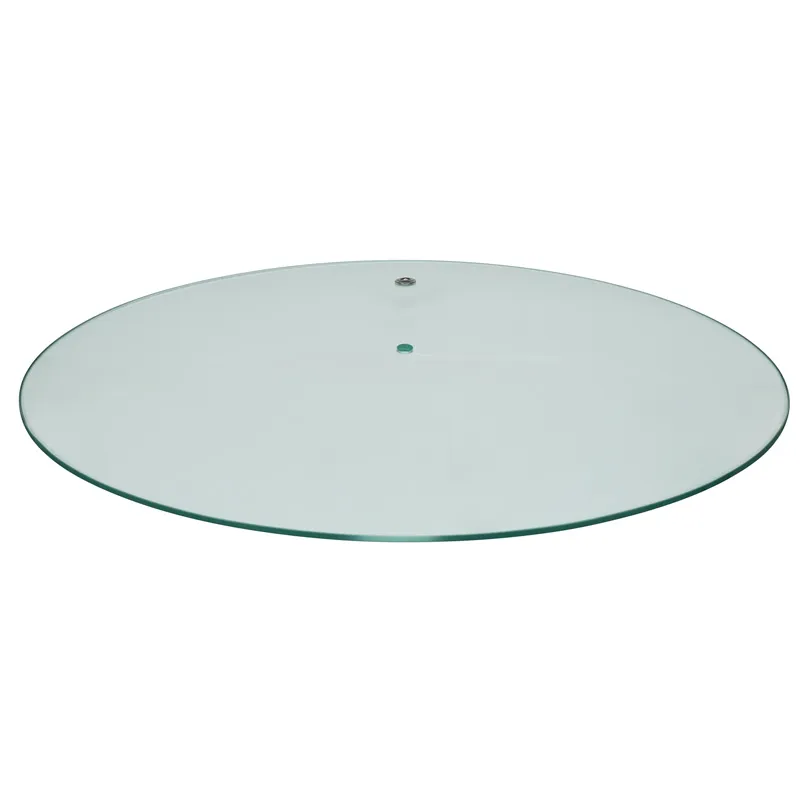
Then there's the glass itself. Tempered is the baseline. But some manufacturers for higher-end lines use a cleaner, low-iron glass formula. It has a crisper, more transparent look compared to the slight greenish tint of standard soda-lime glass. It's a cosmetic upgrade, but it matters for premium positioning. Most consumers wouldn't know to ask, but they'd notice the difference side-by-side.
On-Site Insights and Supply Chain Dynamics
Visiting a production base like the one EUR-ASIA COOKWARE operates in Shandong's High-tech Development Zone changes your perspective. You see the process: large sheets of cut glass moving on conveyor belts through furnaces, the rapid quenching for tempering, the robotic arms for handling. The scale—90+ employees, 15,000㎡ of building space—is dedicated to a surprisingly narrow product range. This specialization is key. They're not making drinking glasses and vases on the same line; the machinery and expertise are focused on tempered glass lid production.
Their export focus, with over 90% of products going to Europe and other mature markets, is a strong indicator of capability. The German LFGB or French DGCCRF compliance isn't optional; it's a hard requirement. It dictates everything from the heavy metal content in any painted rims to the safety of the handle materials. A factory serving this market has its chemical lab and compliance documentation in order. This backend rigor is what allows a brand like Tefal to put its name on the product with confidence.
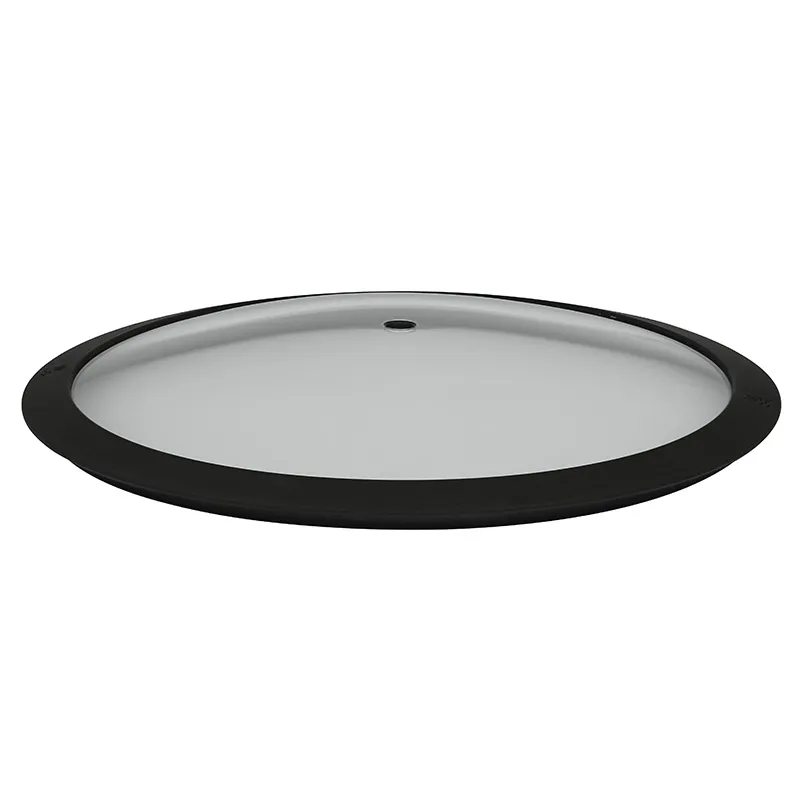
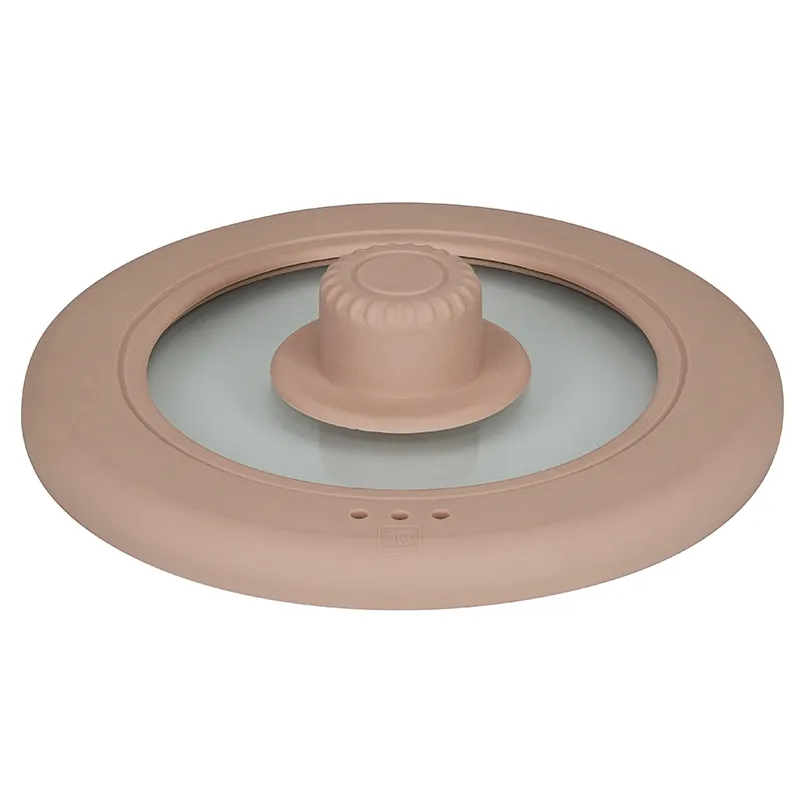
The relationship is symbiotic. The brand provides the design specification and volume. The factory provides the engineering for manufacturability, the material sourcing, and the quality assurance framework. From the factory's viewpoint, a lid for Tefal, a lid for a German discounter, and a lid for a Brazilian retailer are all different projects with different cost and specification points. The core technology is similar, but the execution details—the gauge of the stainless steel handle, the precision of the silicone seal, the packaging—are tailored.
Practical Failures and User-End Observations
In the field, failures are instructive. The most common issue I've encountered isn't catastrophic breakage, but gradual degradation. A lid that starts to develop a cloudy film after repeated dishwasher cycles. This often points to the quality of the glass surface or the durability of any applied edge coating. Cheap lids use a paint for the smooth edge that degrades. Better ones use a fired-on ceramic coating or more sophisticated polishing.
Another real-world problem is heat resistance mismatch. A user might take a lid from a simmering pot and place it on a cold granite countertop. That's a severe thermal shock. Good tempering should handle it. But I've seen cases where a batch, likely due to a rushed tempering cycle, developed spider-web cracks from such an event. The factory's response to such a field failure is telling. A robust supplier will analyze the returned pieces, trace them back to the production lot, and audit their process data.
There's also the issue of replacement. Consumers rarely think about it until they need one. The fact that specialized producers exist means the aftermarket and replacement part business is viable. A company focused on glass lid production can often supply direct replacements if you have the model number or dimensions, bypassing the need to buy a whole new pan set from the original brand. This is an underappreciated aspect of the industry's structure.
Concluding Thoughts on the Specialized Ecosystem
So, when you look at a Tefal glass lid, you're really looking at the output of a highly specialized global supply chain. The brand manages design, marketing, and distribution. The physical object comes from a focused industrial operation like EUR-ASIA COOKWARE CO.,LTD. Their stated specialization in low-to-high level household glass, with a massive annual output, underscores a central truth: even the most familiar kitchen item is often the product of deep, niche manufacturing expertise.
The next evolution I'm seeing is in material hybrids and smart features—integrated steam vents with silicone seals, or lids with built-in temperature sensors. These innovations will still come from the same ecosystem: the brand's R&D working with the factory's engineering teams to solve the practical problems of heat, steam, durability, and cost. The factory's ability to prototype and scale these ideas is what drives progress.
Ultimately, the value isn't in the logo. It's in the unseen specifications—the tempering strength, the edge safety, the thermal shock rating, and the consistency across millions of units. That's what you're actually paying for. And that's what determines whether that clear tefal glass lid on your stove is just a cover, or a reliable, long-lasting piece of kitchen tooling.
Related Products
Related Products