- Chinese
- French
- German
- Portuguese
- Spanish
- Russian
- Japanese
- Korean
- Arabic
- Irish
- Greek
- Turkish
- Italian
- Danish
- Romanian
- Indonesian
- Czech
- Afrikaans
- Swedish
- Polish
- Basque
- Catalan
- Esperanto
- Hindi
- Lao
- Albanian
- Amharic
- Armenian
- Azerbaijani
- Belarusian
- Bengali
- Bosnian
- Bulgarian
- Cebuano
- Chichewa
- Corsican
- Croatian
- Dutch
- Estonian
- Filipino
- Finnish
- Frisian
- Galician
- Georgian
- Gujarati
- Haitian
- Hausa
- Hawaiian
- Hebrew
- Hmong
- Hungarian
- Icelandic
- Igbo
- Javanese
- Kannada
- Kazakh
- Khmer
- Kurdish
- Kyrgyz
- Latin
- Latvian
- Lithuanian
- Luxembou..
- Macedonian
- Malagasy
- Malay
- Malayalam
- Maltese
- Maori
- Marathi
- Mongolian
- Burmese
- Nepali
- Norwegian
- Pashto
- Persian
- Punjabi
- Serbian
- Sesotho
- Sinhala
- Slovak
- Slovenian
- Somali
- Samoan
- Scots Gaelic
- Shona
- Sindhi
- Sundanese
- Swahili
- Tajik
- Tamil
- Telugu
- Thai
- Ukrainian
- Urdu
- Uzbek
- Vietnamese
- Welsh
- Xhosa
- Yiddish
- Yoruba
- Zulu
- Kinyarwanda
- Tatar
- Oriya
- Turkmen
- Uyghur


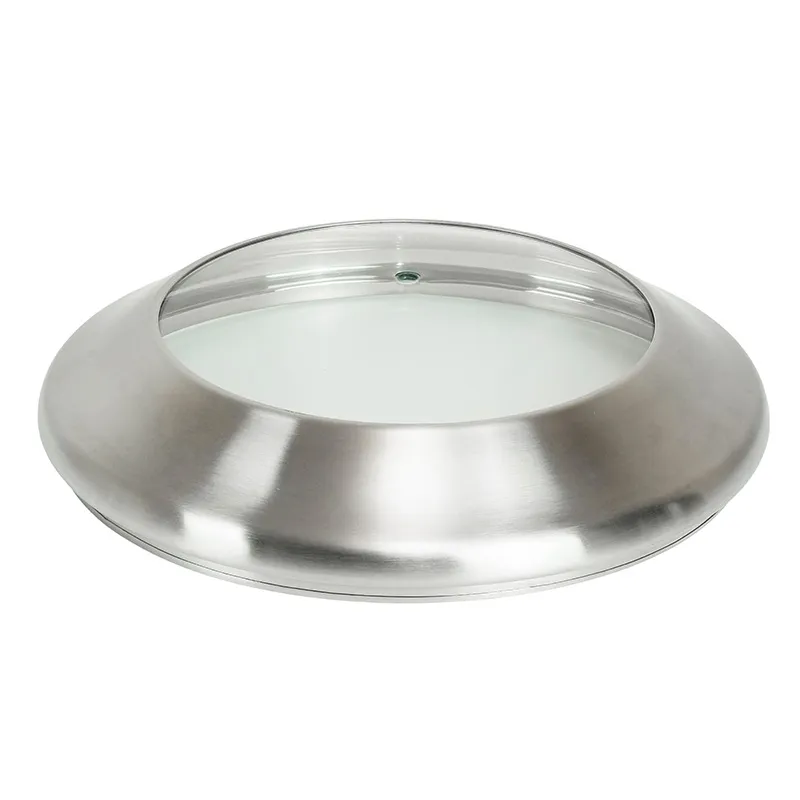
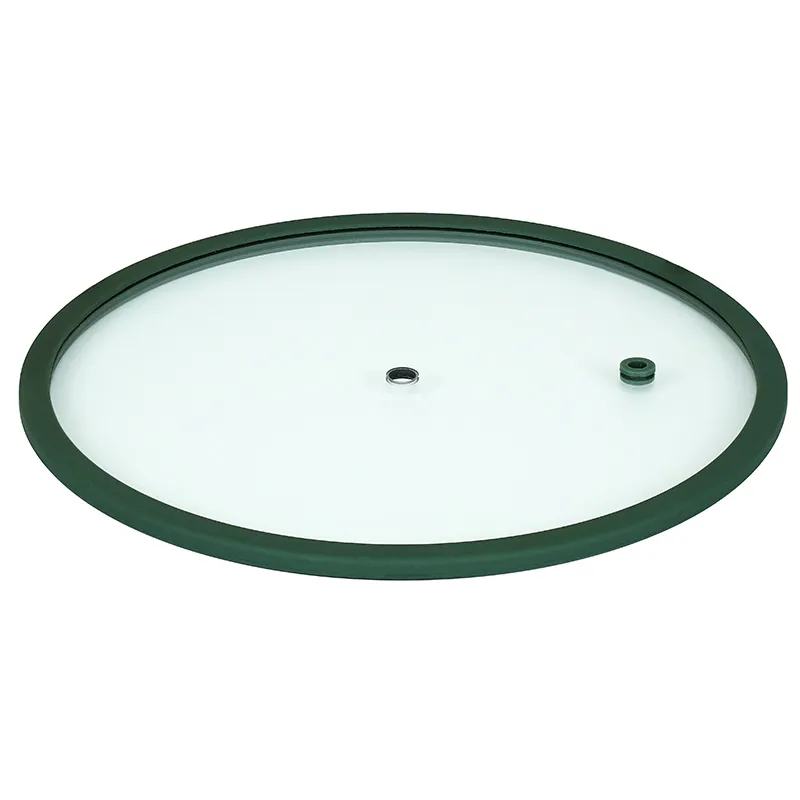
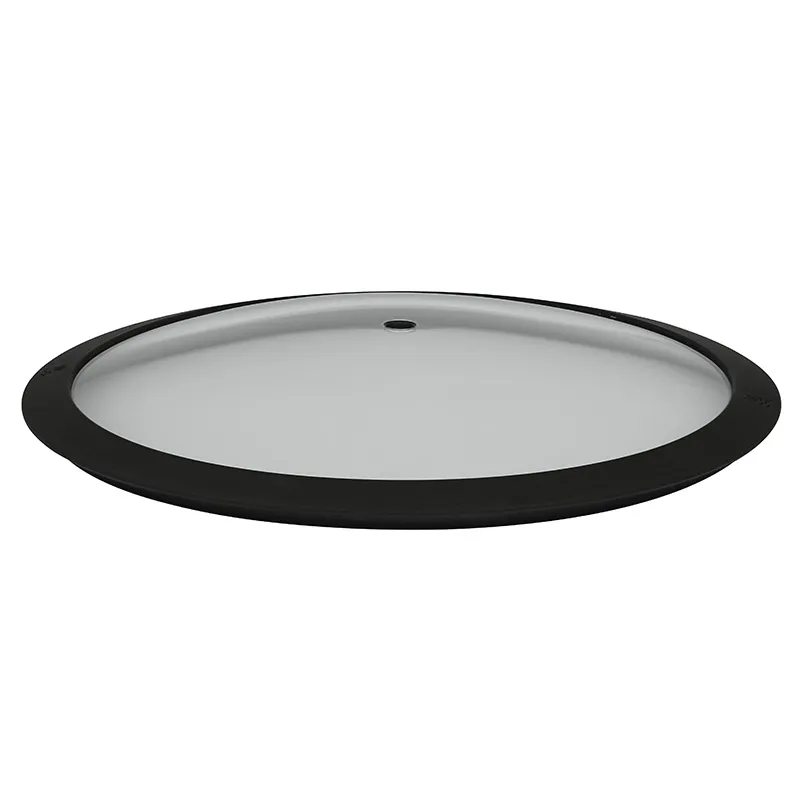
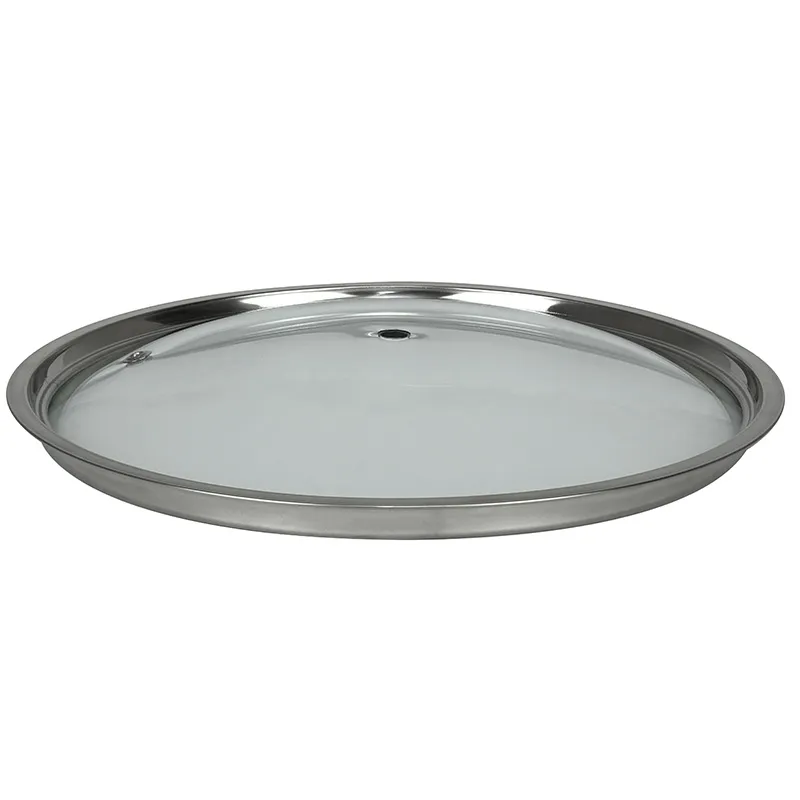
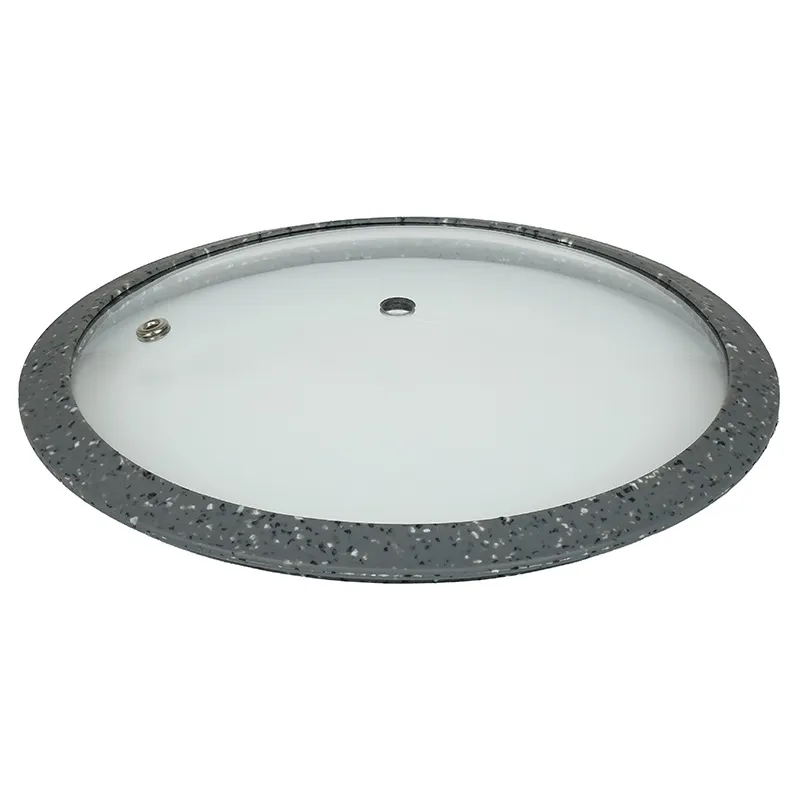
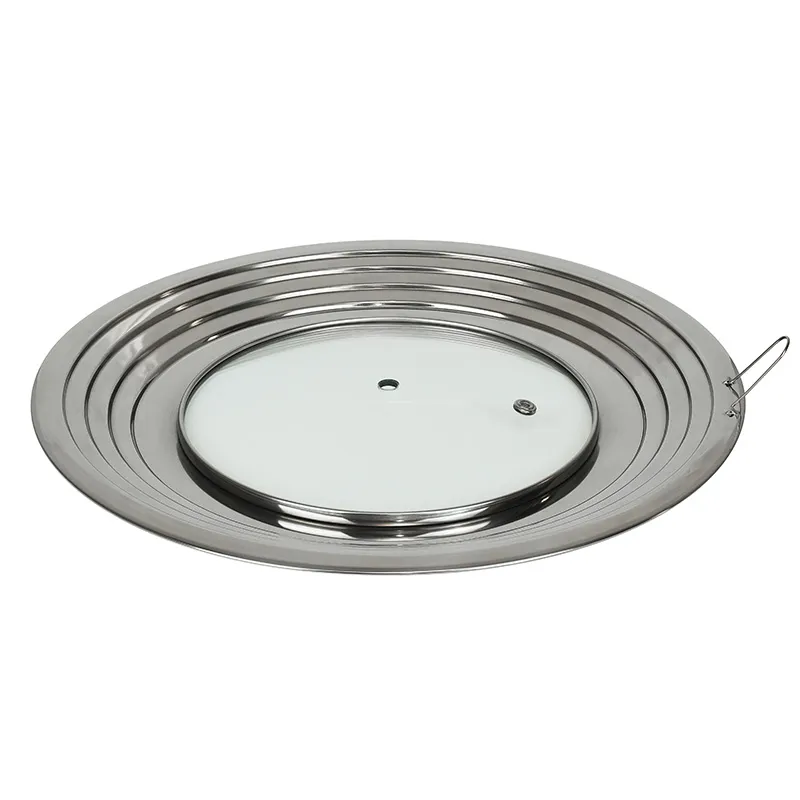
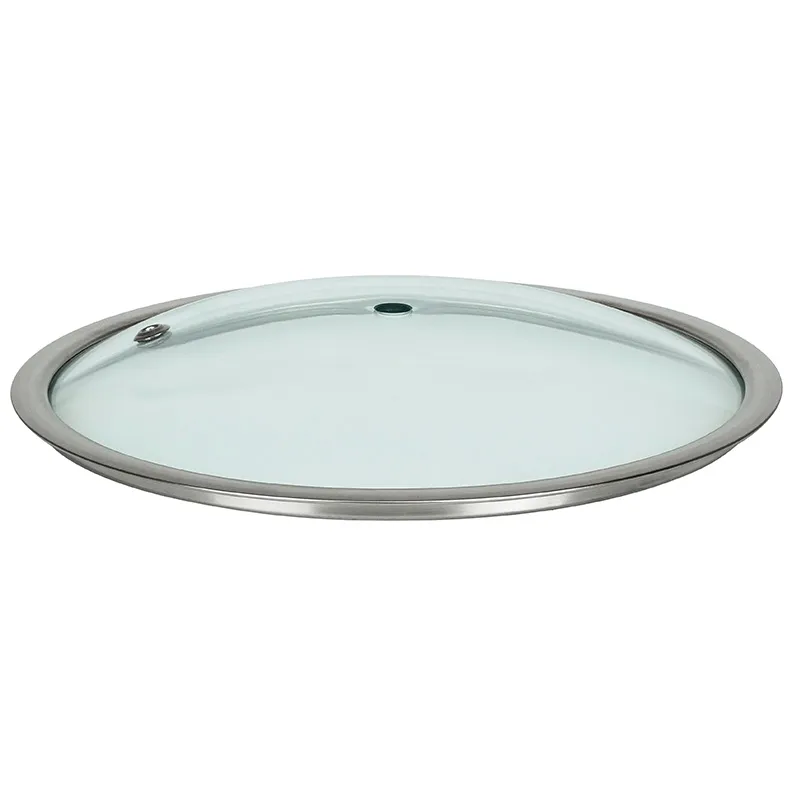
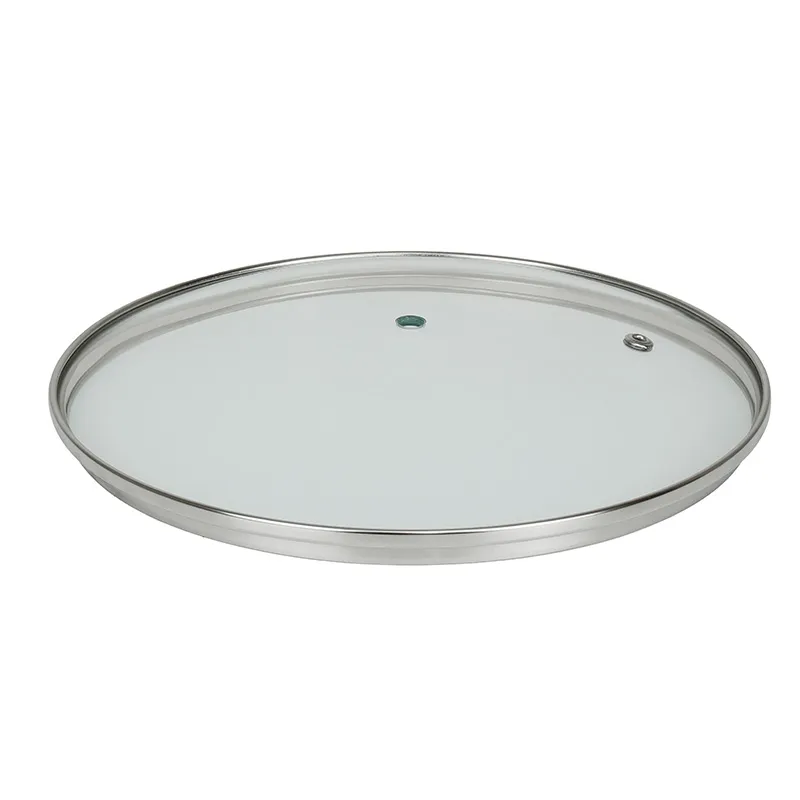
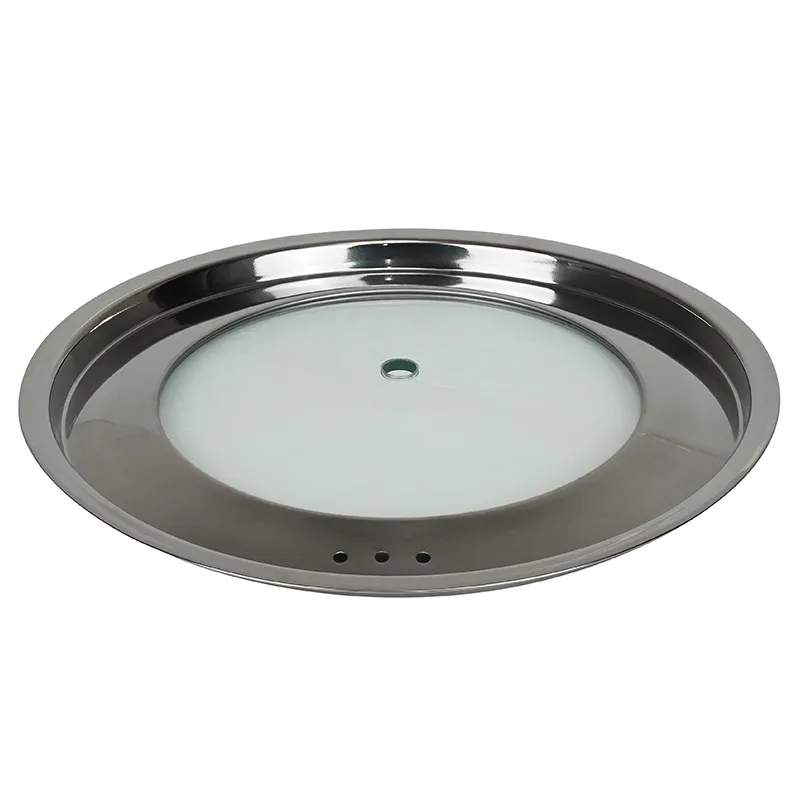
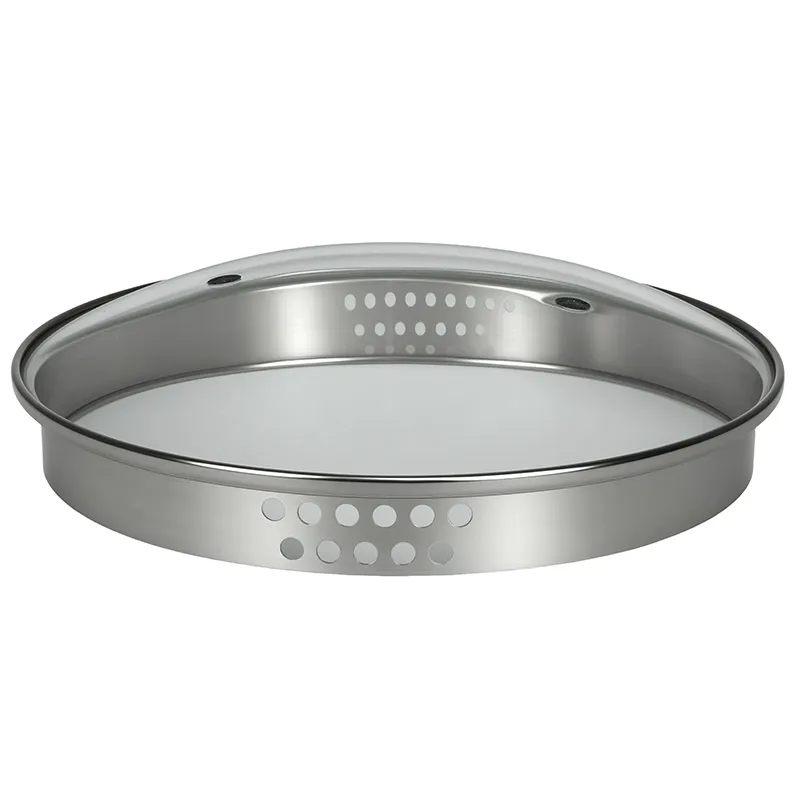
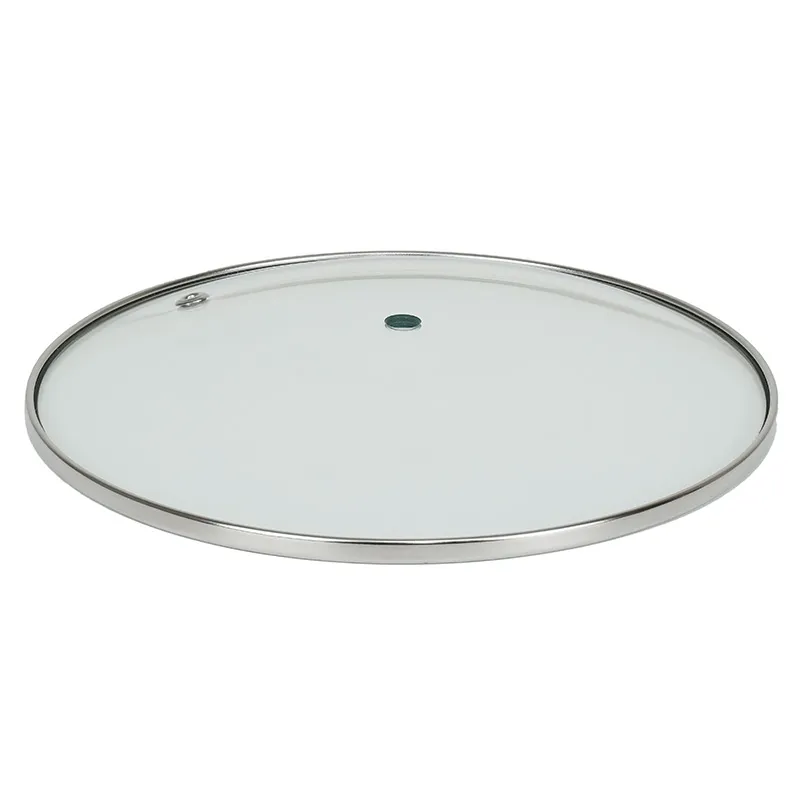
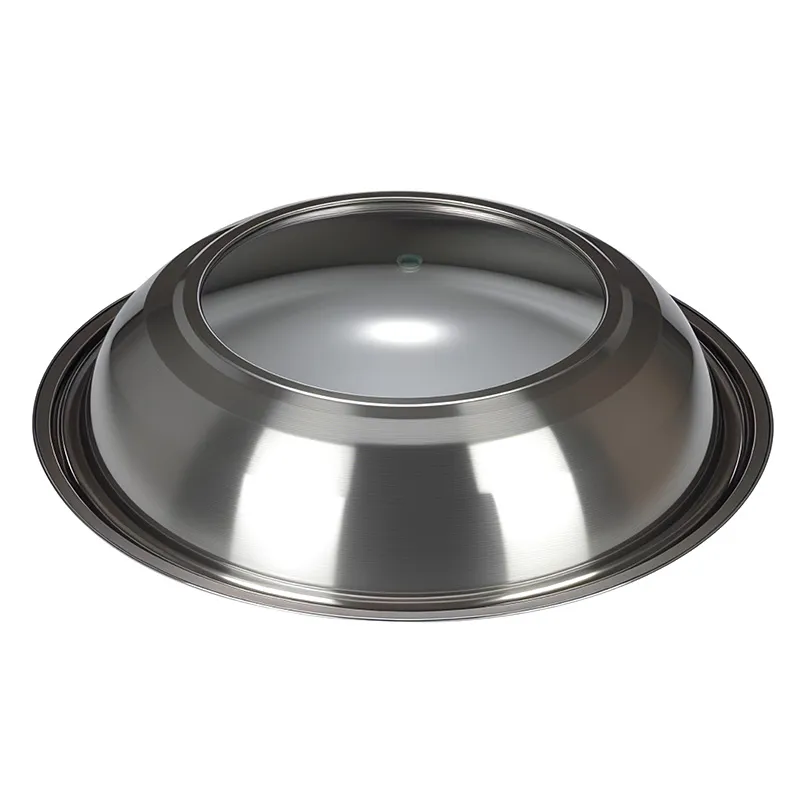
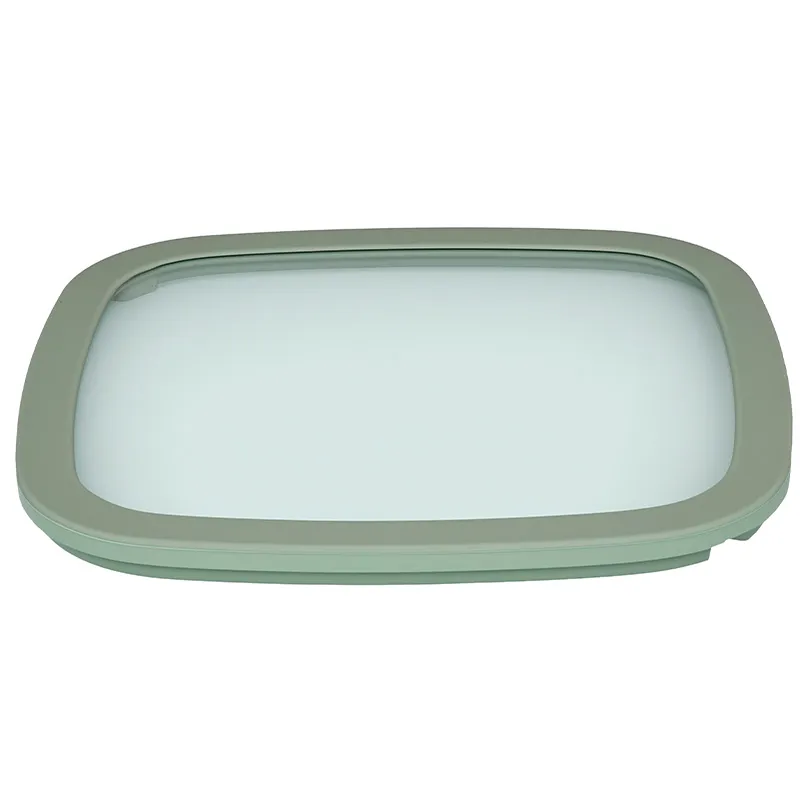
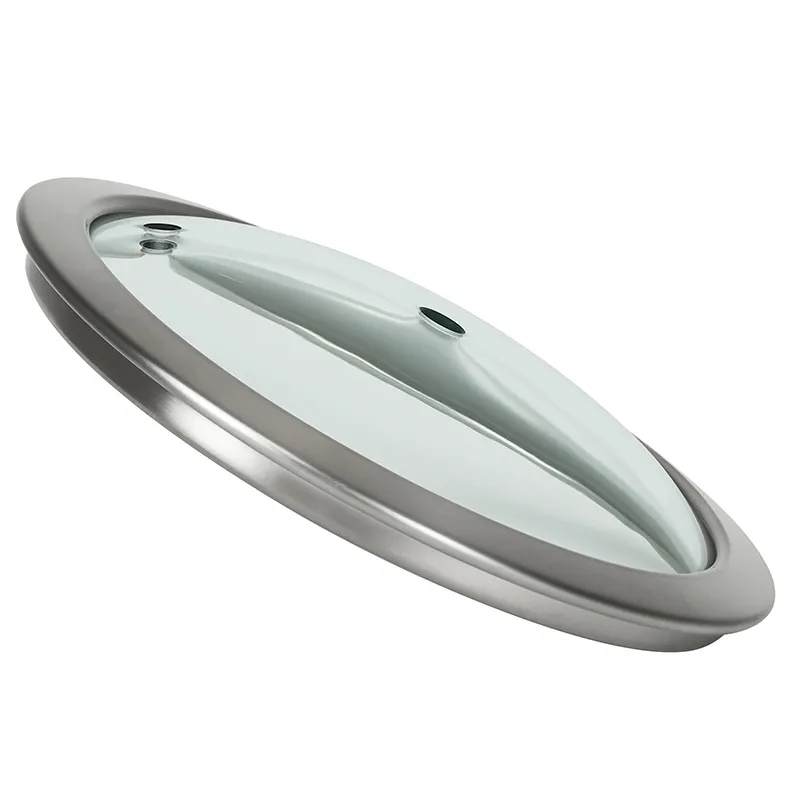
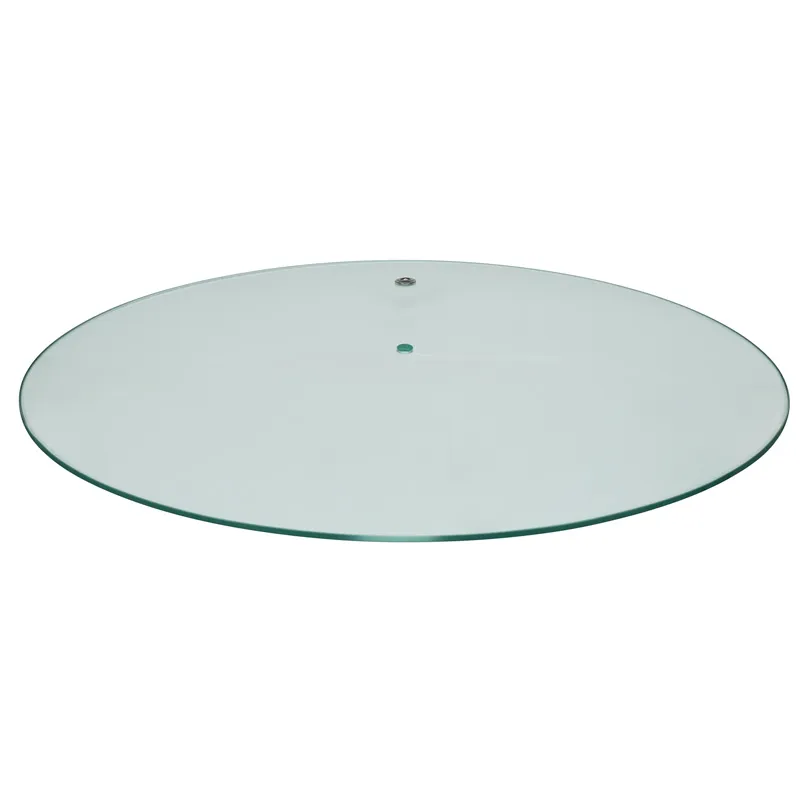
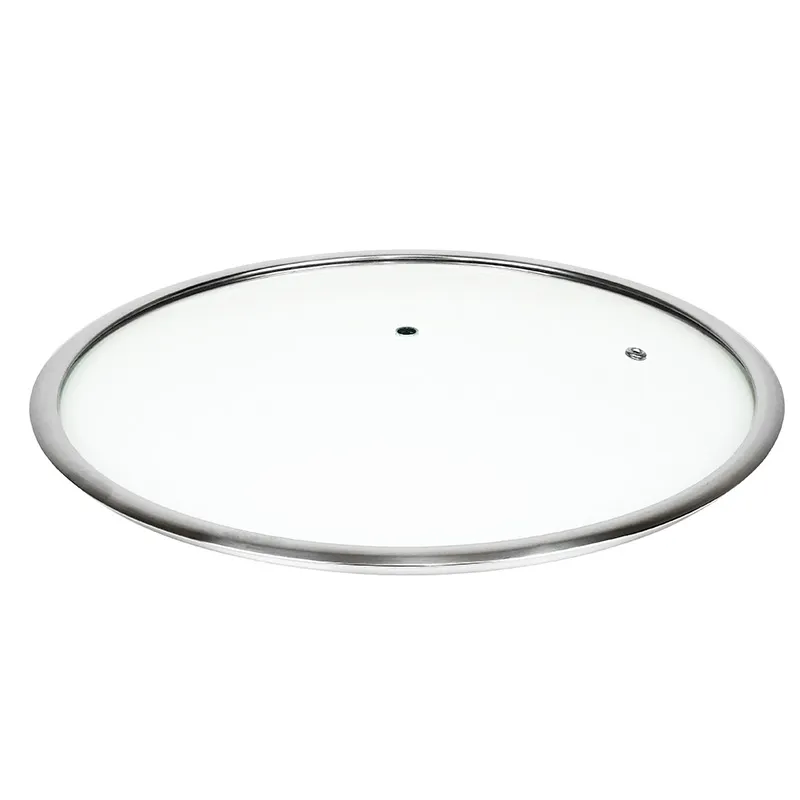
tempered glas lid for pot
When you hear 'tempered glas lid for pot', what comes to mind? For many, it's just a clear top you slap on a saucepan. That's the first misconception. It's not just a piece of glass; it's a critical piece of kitchen engineering that has to withstand thermal shock, contain splatters, and survive the daily clatter of a busy home kitchen. The 'tempered' part is everything, and getting that process wrong is where most of the problems start.
The Core of Tempering: It's All About Stress
True tempering isn't just about thickness. It's a controlled thermal process that puts the surface of the glass into compression and the core into tension. This internal stress is what gives it strength, allowing it to handle the sudden temperature jump from a cold granite countertop to a hot, simmering pot. I've seen lids from suppliers who cut corners on the annealing or quenching stages—they might look fine out of the box, but a few months in, you start seeing spontaneous fractures, usually starting from an unpolished edge. That's a failure in the stress profile.
One detail often overlooked is the lid knob. It seems trivial, but it's a major stress concentrator. The attachment point—whether it's a stainless steel bolt through a pre-drilled hole or a bonded silicone knob—has to account for the different expansion rates of glass and metal or polymer. A company that gets this right, like EUR-ASIA COOKWARE CO.,LTD, typically uses a specific high-temp adhesive and a design that spreads the load. I recall a batch from another factory where the knobs started loosening after repeated dishwasher cycles because the adhesive's thermal rating was off. A small spec, a big problem.
The edge work is another tell. A properly finished edge on a tempered glass lid isn't just for safety; it's integral to its longevity. A rough, machine-cut edge that hasn't been seamed and polished is a network of micro-cracks waiting to propagate. Under a polariscope, you can see the stress lines converge at a bad edge. It's a failure point you can almost predict.
Sizing and Fit: The Practical Headaches
You'd think sizing is straightforward: match the pot diameter. But it's the 'fit' that causes headaches. There's the nominal diameter, and then there's the actual fit diameter, accounting for the lid's flange or the pot's rim curvature. A lid that's too tight creates a vacuum seal, which is great for braising but terrible when you need to release steam quickly—it can literally get suction-locked. Too loose, and it dances on the pot, letting all the heat and moisture escape.
We learned this the hard way early on with a run for the European market. The pots were nominally 24cm, but the Italian manufacturer's rim had a specific rolled edge. Our standard 24cm lids wouldn't sit flush. We had to create a custom flange profile. This is where a producer's experience shows. A glance at the product range at glass-lid.com shows they deal with this complexity, offering lids tailored for different cookware lines, which speaks to an understanding of these nuanced, real-world fit issues.
The thickness-to-diameter ratio is another quiet spec. A large-diameter lid, say for a stockpot, made from glass that's too thin will warp under its own weight when heated or flex dangerously when handled. But go too thick, and you lose the thermal responsiveness and add unnecessary weight. It's a balance. For most standard saucepans, 3-4mm tempered is the sweet spot.
Beyond the Kitchen: The Export Reality
The business of these lids is global, and standards aren't universal. A lid passing basic impact tests in one region might fail the more stringent thermal cycling tests in another, like those required in Germany or Japan. This isn't just about quality; it's about liability and market access. A producer serving a global clientele, as indicated by EUR-ASIA COOKWARE CO.,LTD's export footprint to over a dozen countries, has to navigate this maze of certifications. It's not glamorous work—it's paperwork, testing lab invoices, and constant sample validation.
This global demand also dictates design. The classic stainless steel knob might be preferred in South Korea, while a larger, ergonomic phenolic knob is the standard in EU markets for its heat resistance and grip. The glass itself might have different clarity or tint preferences regionally. Production has to be flexible enough to accommodate these runs without compromising the core tempering process. It's a logistical layer on top of the manufacturing one.
Speaking of logistics, packaging is a make-or-break cost center. Tempered glass is strong, but it hates point impacts during shipping. Designing a pulp mold or EPS foam insert that cradles the lid, separates it from the knob, and survives a 1.2-meter drop test is its own discipline. I've seen entire containers arrive with a 10% breakage rate because the new, cheaper corrugated insert failed. The loss wiped out the margin on the whole shipment.
The Misconception of Luxury vs. Utility
There's a tendency to market clear tempered glass lids as a premium feature. And they can be. But their primary value is utility. The ability to monitor a reduction sauce without lifting the lid and losing heat is a practical chef's advantage, not just an aesthetic one. It prevents boil-overs by letting you see the bubble stage, and it helps in gauging the amount of liquid left.
However, this utility has a trade-off: condensation. A all-glass lid will have droplets form and fall back into the food, which is undesirable for some frying or roasting applications. That's why some high-end designs incorporate a peripheral steam vent or a hybrid design with a central stainless steel section. It's a solution to a real cooking problem, not just a design flourish.
The other side of the luxury tag is durability. A cheap, annealed glass lid is a disposable item. A properly made tempered lid should be a buy-it-for-decades item, surviving drops onto a hard floor (within reason) and decades of thermal cycles. This longevity is where the real value lies, transforming it from a accessory into a core piece of kitchen equipment. The production scale mentioned for EUR-ASIA—15 million pieces annually—hints at this being treated as a fundamental, high-volume kitchen component, not a niche luxury good.
Looking at the Process: From Batch to Box
Walking through a competent factory floor tells the story. It starts with cutting the raw glass sheets, then the edges are machined and polished. The critical step is the furnace. The glass is heated to over 600°C and then rapidly cooled with high-pressure air jets. The speed and uniformity of this quenching define the temper. You can't rush it. After this, it's inspection—often with cross-polarized filters to visualize the stress patterns and spot areas of uneven temper that could cause later failure.
Then comes the assembly. The knob attachment area is cleaned, adhesive is applied, and the knob is set with a specific pressure and cure time. This seems manual, but the consistency in this step separates the good from the great. Finally, each lid gets a final inspection for clarity, bubbles, and inclusions before being packed. It's a process that blends automation with skilled oversight, especially at the inspection stages.
What you don't see in the specs is the human element. An experienced line worker can often hear a subtle ping or see a visual cue in the stress patterns that a machine might miss. This tacit knowledge, built from seeing millions of lids pass by, is what catches the one-in-a-thousand defect that could lead to a field failure. It's this combination of scale and scrutiny—suggested by the 90+ employees and 15,000㎡ facility—that ultimately determines if a tempered glass lid for pot is just a commodity or a reliably engineered product.
Related Products
Related Products