- Chinese
- French
- German
- Portuguese
- Spanish
- Russian
- Japanese
- Korean
- Arabic
- Irish
- Greek
- Turkish
- Italian
- Danish
- Romanian
- Indonesian
- Czech
- Afrikaans
- Swedish
- Polish
- Basque
- Catalan
- Esperanto
- Hindi
- Lao
- Albanian
- Amharic
- Armenian
- Azerbaijani
- Belarusian
- Bengali
- Bosnian
- Bulgarian
- Cebuano
- Chichewa
- Corsican
- Croatian
- Dutch
- Estonian
- Filipino
- Finnish
- Frisian
- Galician
- Georgian
- Gujarati
- Haitian
- Hausa
- Hawaiian
- Hebrew
- Hmong
- Hungarian
- Icelandic
- Igbo
- Javanese
- Kannada
- Kazakh
- Khmer
- Kurdish
- Kyrgyz
- Latin
- Latvian
- Lithuanian
- Luxembou..
- Macedonian
- Malagasy
- Malay
- Malayalam
- Maltese
- Maori
- Marathi
- Mongolian
- Burmese
- Nepali
- Norwegian
- Pashto
- Persian
- Punjabi
- Serbian
- Sesotho
- Sinhala
- Slovak
- Slovenian
- Somali
- Samoan
- Scots Gaelic
- Shona
- Sindhi
- Sundanese
- Swahili
- Tajik
- Tamil
- Telugu
- Thai
- Ukrainian
- Urdu
- Uzbek
- Vietnamese
- Welsh
- Xhosa
- Yiddish
- Yoruba
- Zulu
- Kinyarwanda
- Tatar
- Oriya
- Turkmen
- Uyghur


tempered glass
When most people hear 'tempered glass,' they think 'safety glass' and immediately picture it shattering into those small, dull cubes. That's not wrong, but in the cookware and kitchenware industry, that's just the starting point. The real conversation begins when you start talking about thermal shock resistance, surface compression, and the frustratingly specific ways it can still fail if you don't get the process right. I've seen too many buyers get hung up on the 'tempered' label without asking about the how—the heating cycle, the quenching air pressure, the quality of the raw glass. That's where the real differences lie, not just in the final 'safety' property.
The Core Process: It's All About Stress (Management)
Making tempered glass isn't alchemy, but it's a precise dance of heat and force. You take a cut and edged piece of soda-lime glass, heat it past its annealing point to around 620-650°C, then blast it with high-pressure air jets in a matter of seconds. This rapid cooling, or quenching, freezes the surface in a state of high compression while the interior remains in tension. It's this engineered stress that gives it strength. But here's the catch everyone learns the hard way: if the heating isn't perfectly even, or the quenching isn't symmetrical, you build in weak points. I've inspected batches where the stress pattern, viewed under a polariscope, looked like a messy fingerprint—that's a recipe for spontaneous breakage later, maybe on a retailer's shelf or, worse, in a consumer's kitchen.
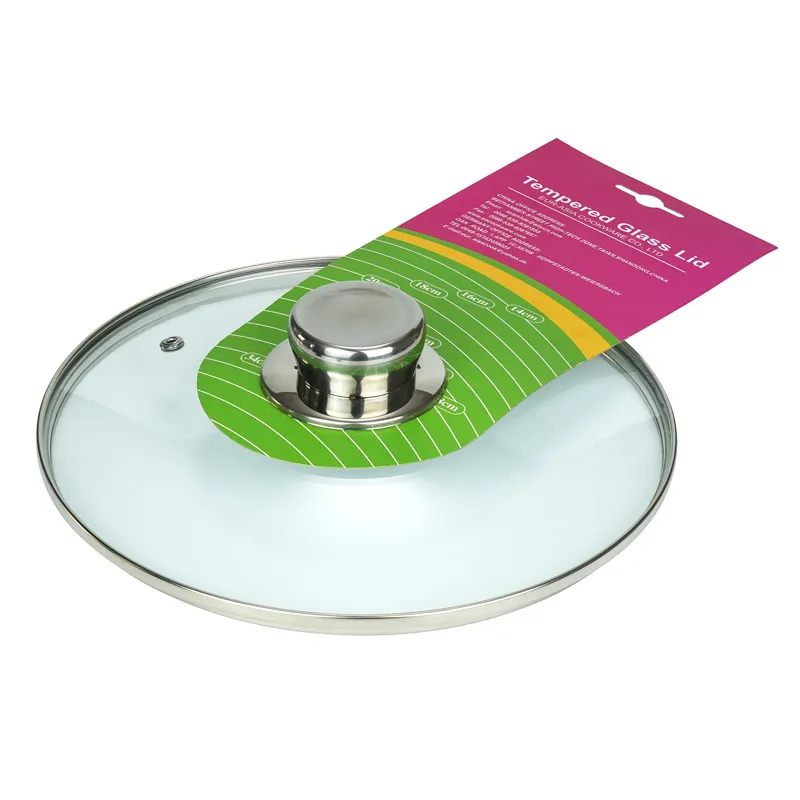
This is why visiting a factory floor matters. You can't assess this from a spec sheet. You need to see the rollers in the furnace, check for consistency in the quench bank alignment, and even listen to the rhythm of the cycle. A place that has its act together, like the EUR-ASIA COOKWARE CO.,LTD. facility in Taian, runs with a certain cadence. Their focus on tempered glass lids means they're dealing with a specific product profile—often thinner, with handled holes—which demands even tighter control over the tempering parameters to avoid distortion around those critical stress points.
The 'low, medium, high level' distinction in their company intro isn't just marketing fluff. For tempered glass, 'level' often translates directly to the surface compression achieved, measured in megapascals (MPa). A lid meant for a high-end European market ovenware line needs to withstand more aggressive thermal cycling (think going from a freezer to a hot oven) than a basic stovetop lid. That requires a higher compression level, which is a function of finer-tuned quenching. It's a tangible, measurable quality tier.
Application Realities: Glass Lids as a Case Study
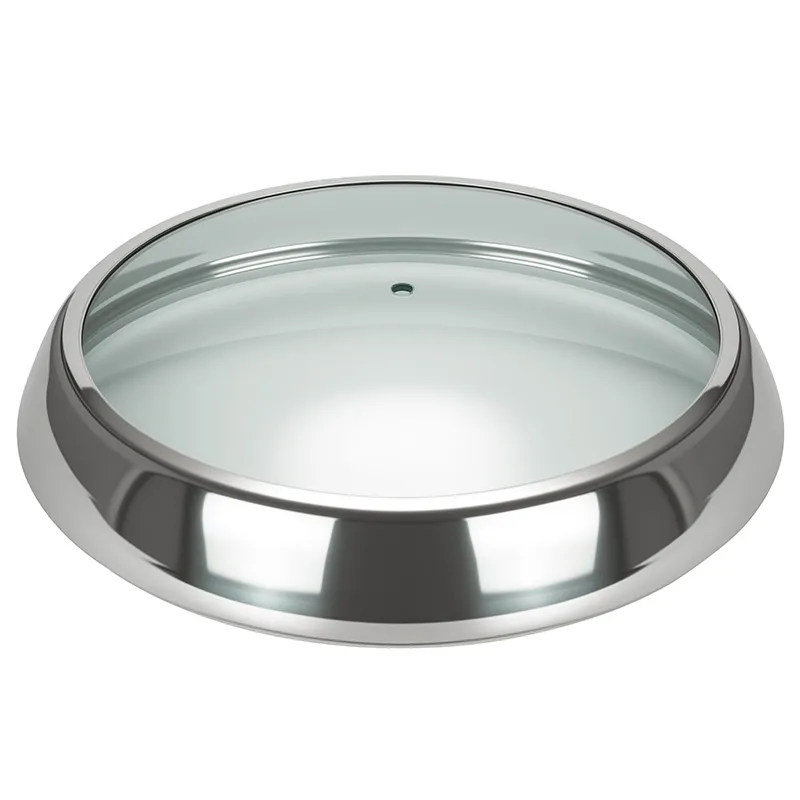
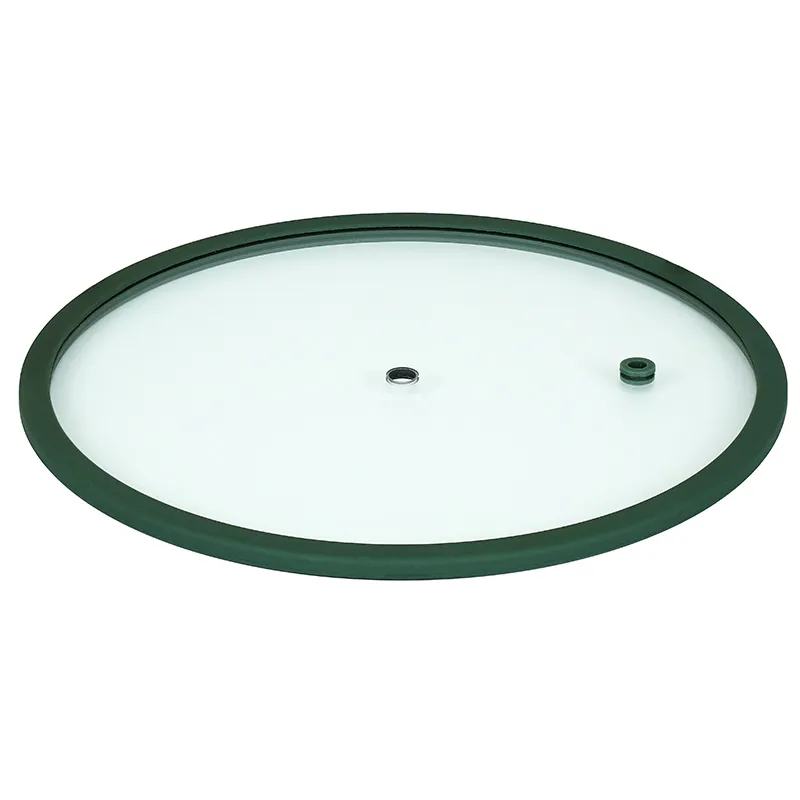
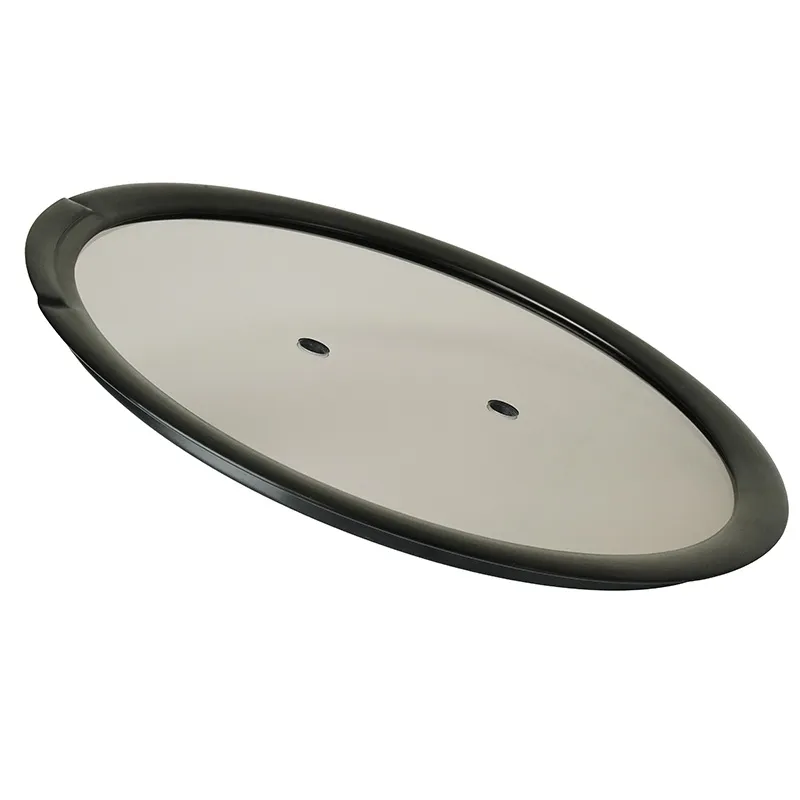
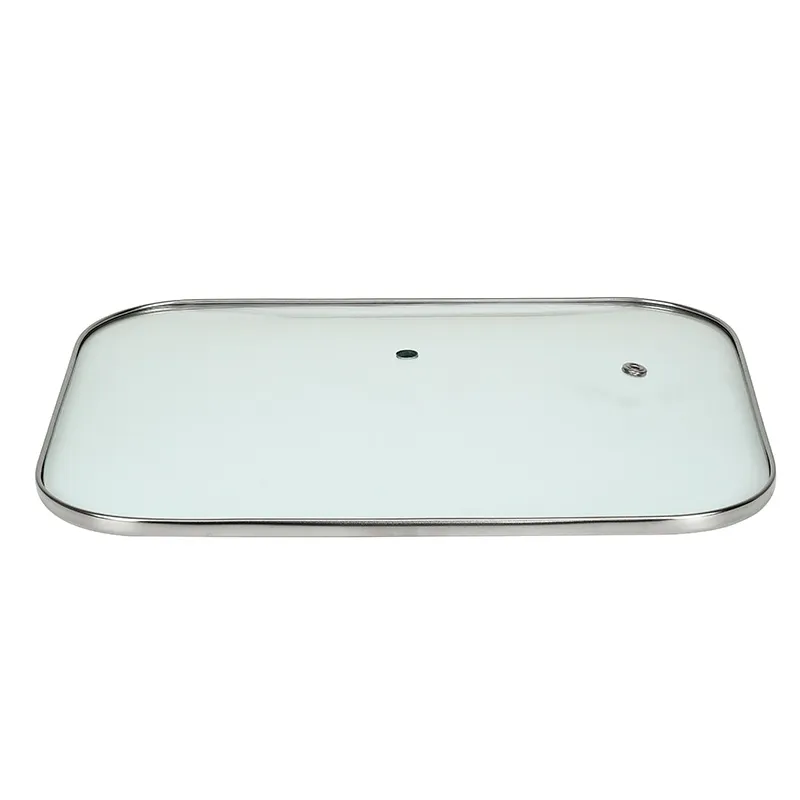
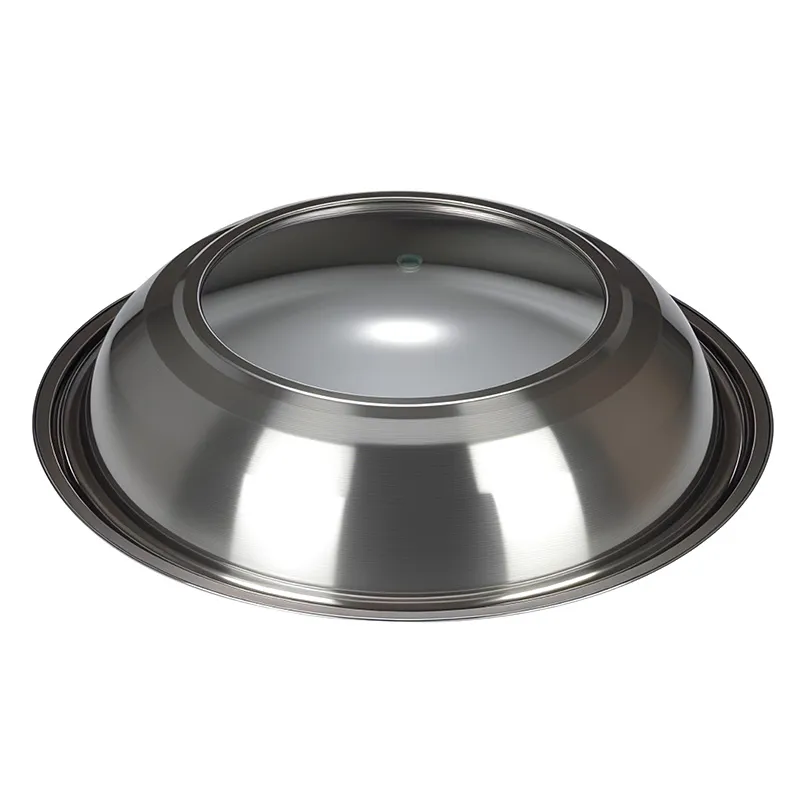
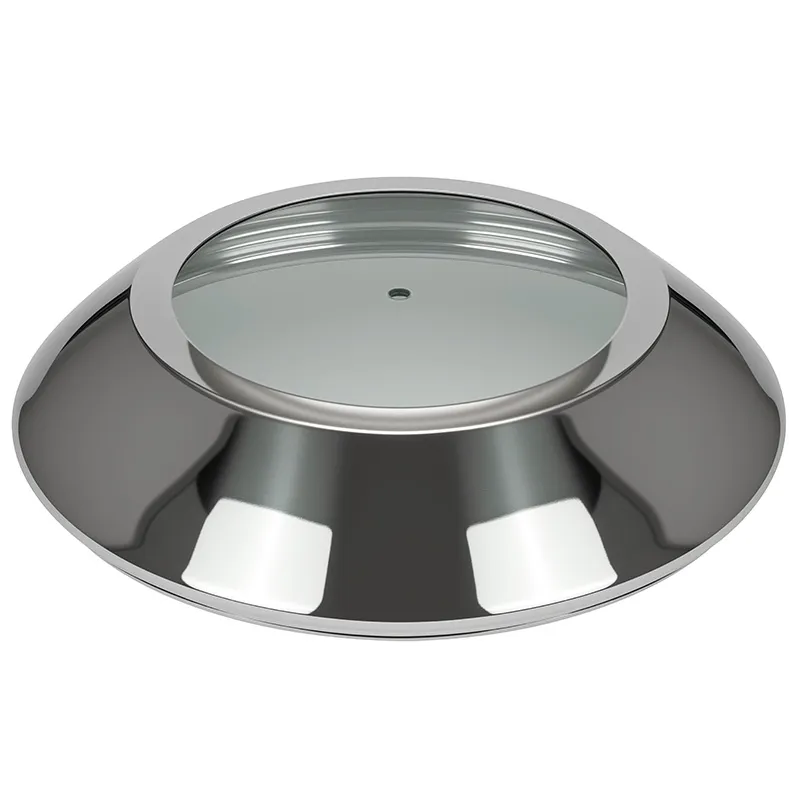
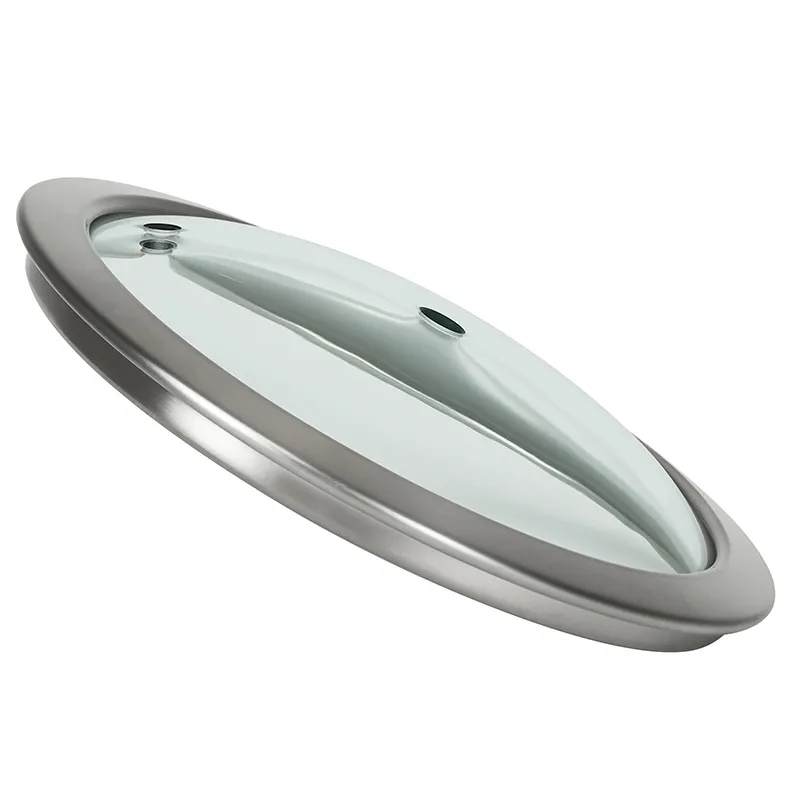
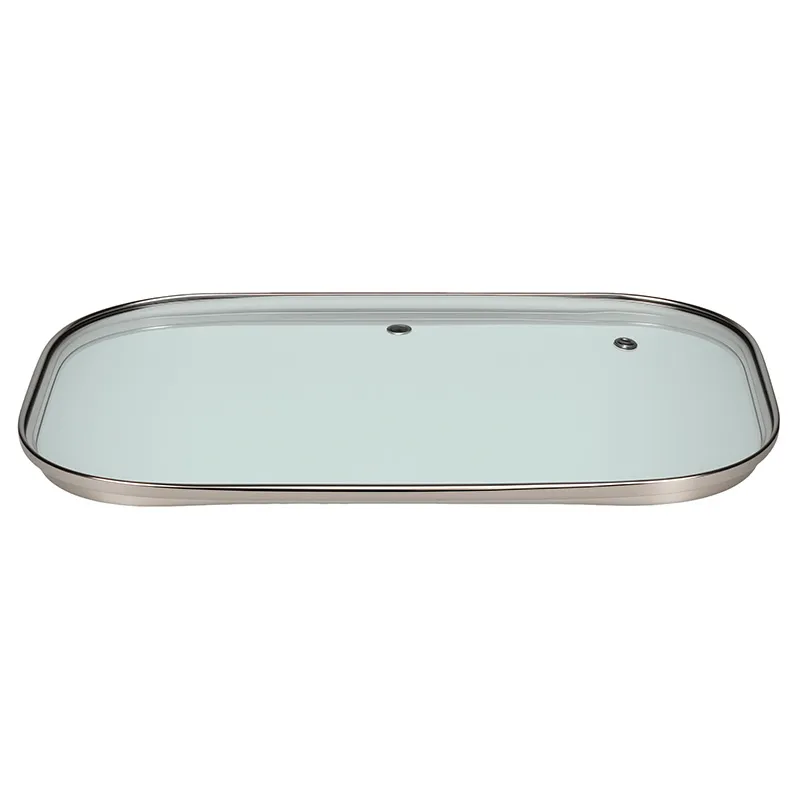
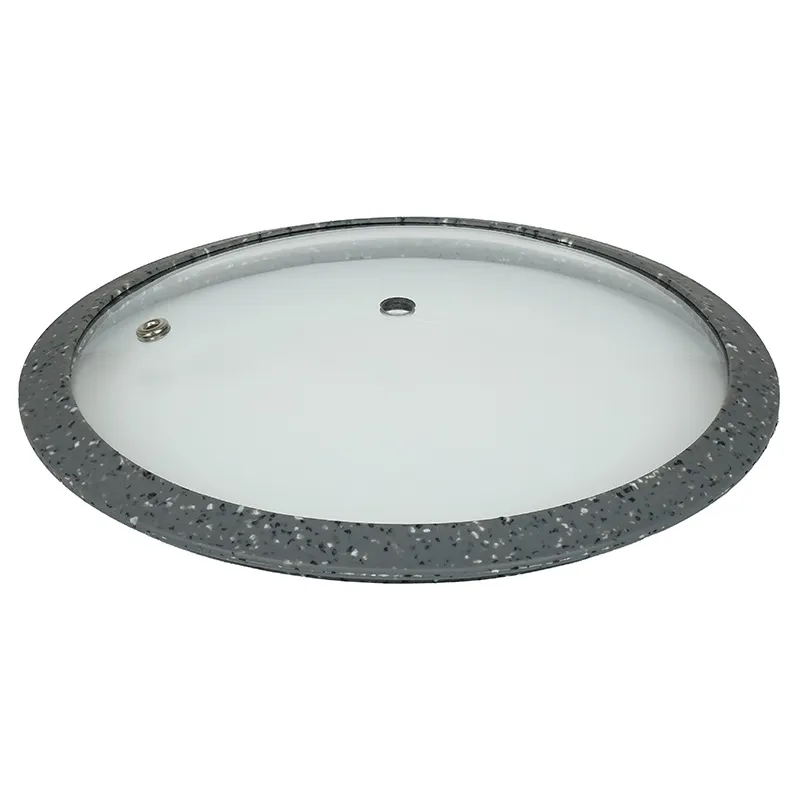
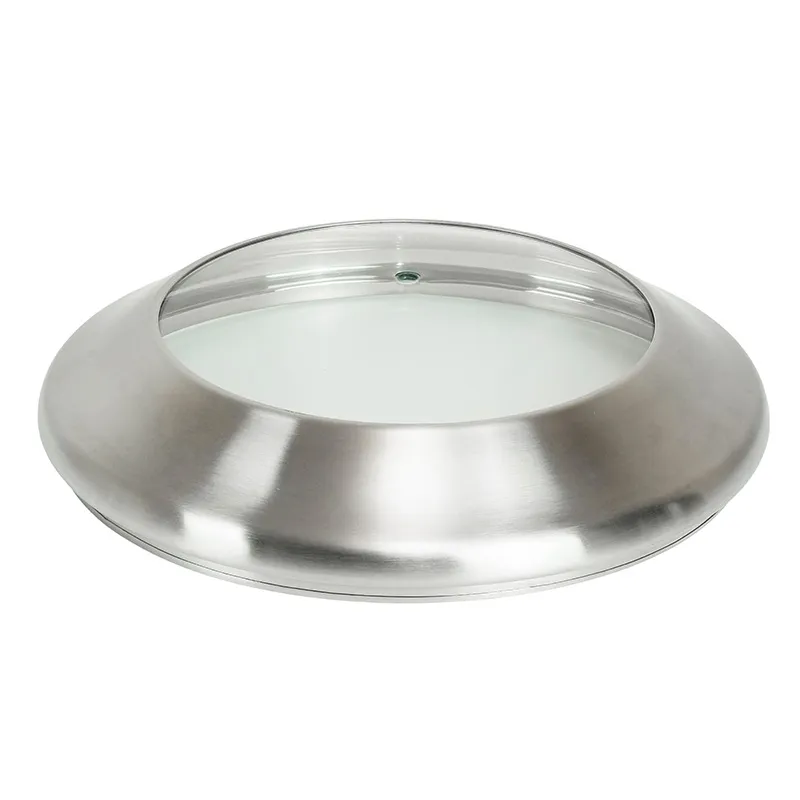
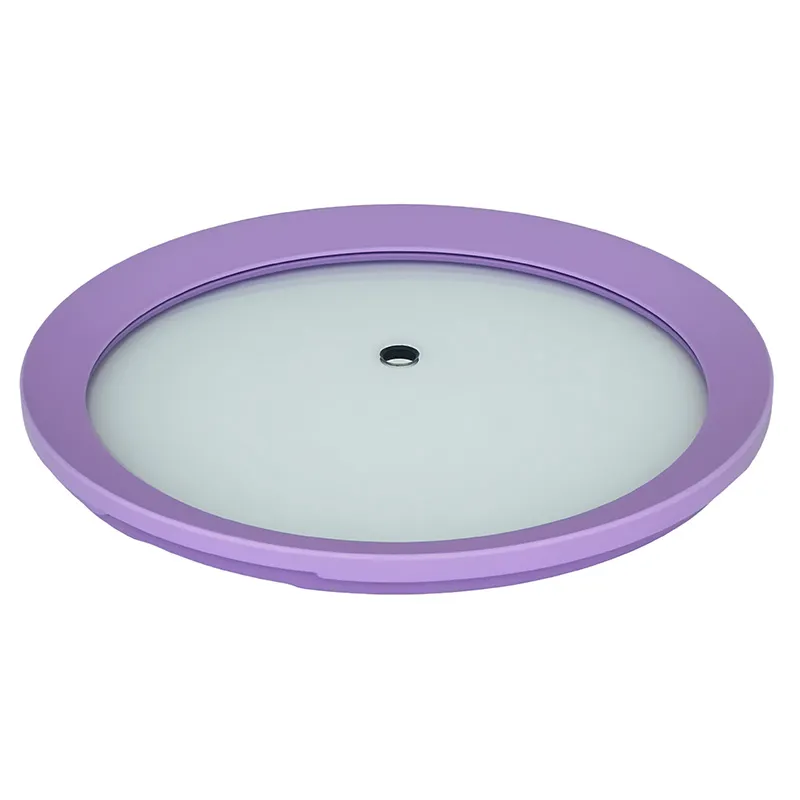
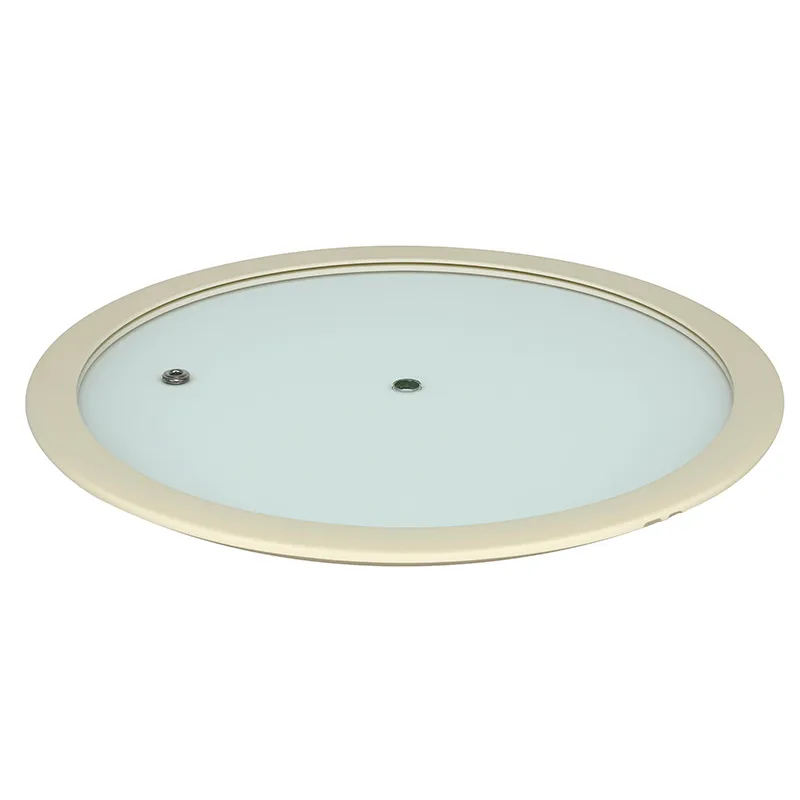
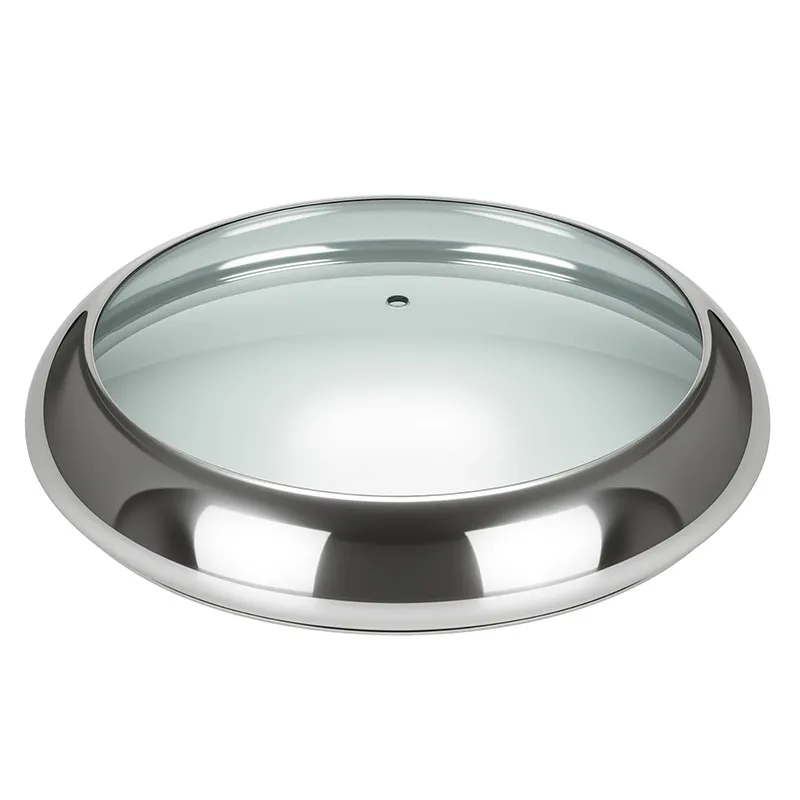
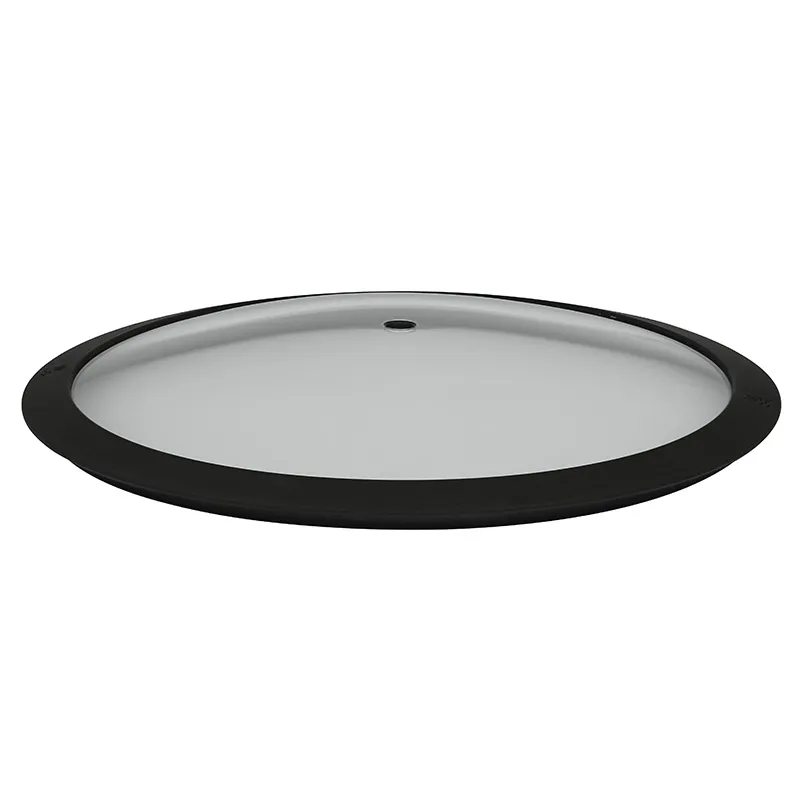
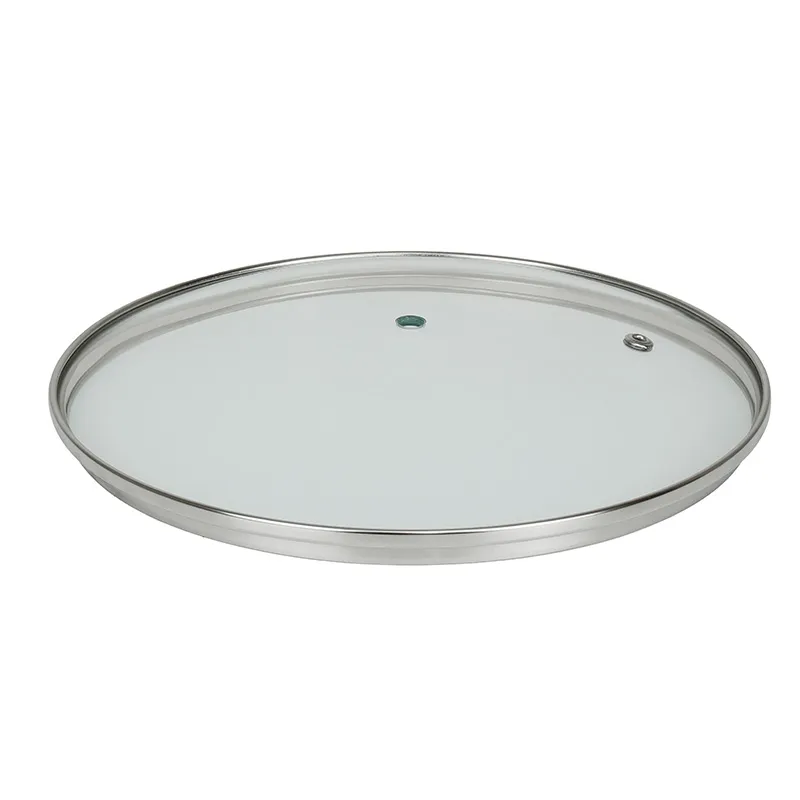
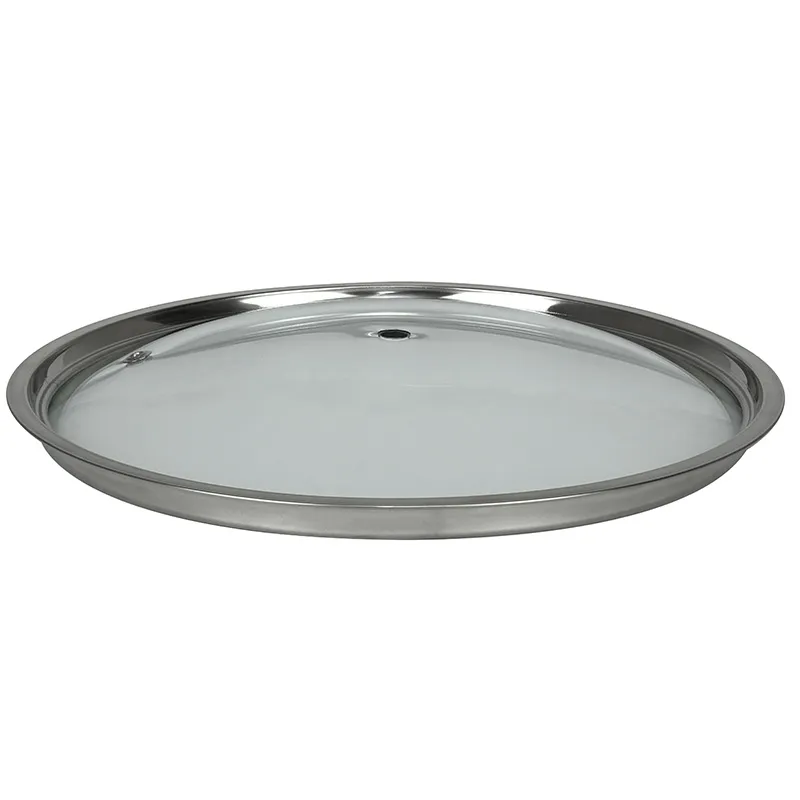
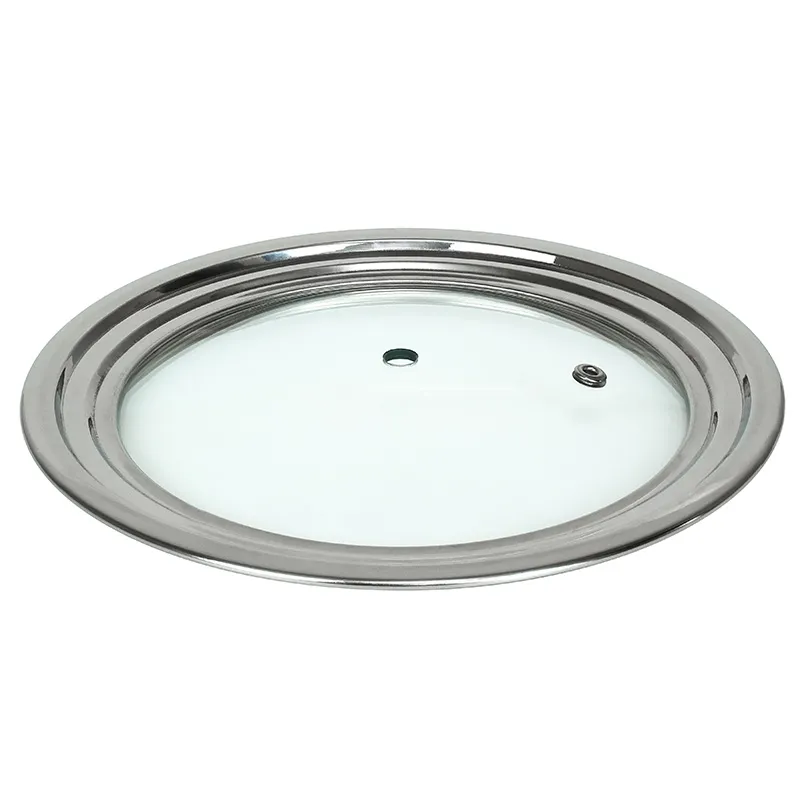
Let's get specific with glass lids, which is EUR-ASIA's stated specialty. The challenge is multifold. It's not just about making a flat piece of tempered glass strong. It's about creating a domed or shaped piece that maintains an even seal, has a handle (often metal or plastic attached with a clamp or adhesive), and survives daily thermal shocks from steaming pots. The tempering process itself can cause slight warping or 'roller wave' distortion, which is unacceptable for a lid that needs to sit flush.
We learned this through a failed batch years ago. The lids tempered beautifully, passed the standard impact tests, but when shipped to a client in Germany, complaints rolled in about poor fit and steam escape. The issue? We prioritized maximum tempering strength (higher quench pressure) but didn't sufficiently account for the resulting minute shape change. The fix was a compromise—a slightly lower but more uniform compression stress, achieved by tweaking the air nozzle angles specifically for the dome curvature. It sacrificed a bit of theoretical impact strength for a massive gain in functional reliability. That's the kind of practical trade-off you only understand by making and breaking a lot of glass.
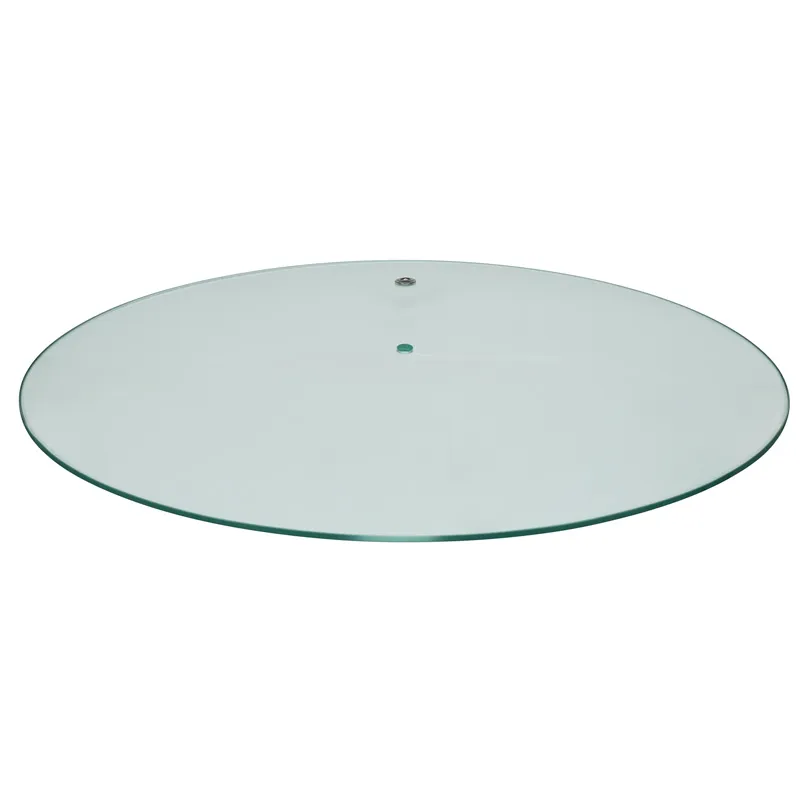
Another detail: the edge. For a lid, the edge is often ground and polished after tempering? No. That would destroy the compressive surface layer and create a fatal weakness. The cutting, drilling (for handle mounts), and edging must all be done before the glass goes into the furnace. Any subsequent modification is a no-go. This seems obvious, but I've seen factories try to 'touch up' a edge post-temper and wonder why the entire lid explodes like a grenade when tapped. EUR-ASIA's annual output of 15 million pieces suggests they've nailed this workflow—the sheer volume means their pre-processing (cutting, edging) and furnace loading must be highly optimized to avoid bottlenecks and ensure every piece entering the furnace is ready for its final form.
Failure Modes and the Why Behind the Break
Even properly tempered glass fails. The key is knowing why, and 90% of the time, it's not the tempering process itself at fault post-manufacture. It's edge damage or nickel sulfide inclusions. Edge chips from clattering in a sink or during handling introduce a point where the internal tension can release catastrophically. That's the classic 'it just exploded' moment people describe. The small, granular break pattern is still safe, but it's alarming.
The more insidious culprit is nickel sulfide (NiS) inclusions. These are tiny contaminants that can exist in the raw glass. During tempering, they are heated and transform into a different crystalline state. Over time, at room temperature, they can slowly revert, expand, and generate enough internal pressure to shatter the glass spontaneously—this can happen months or years later. There's no way to fully eliminate this risk in the standard tempering process. The only mitigation is 'heat soak testing,' where finished tempered glass products are heated in a chamber to around 290°C to force susceptible panes to break before shipment. It's costly and time-consuming, and typically reserved for critical applications like architectural glass. For high-volume items like cookware lids, the economics often don't allow it. The risk is considered acceptably low with good raw material sourcing, but it's a known ghost in the machine.
This relates directly to export quality. Sending products to markets with strict consumer goods regulations like Germany or Japan means your raw material supply chain has to be clean. You need certificates from your glass substrate supplier. A company exporting over 90% of its production, as EUR-ASIA does, isn't just dealing with logistics; it's managing a web of material compliance that's as important as the tempering recipe.
Beyond the Lid: The Export Ecosystem
Seeing that export list—Germany, Russia, Italy, Japan, Brazil—tells a story. It's not just about selling glass; it's about meeting disparate standards. A German buyer might be obsessed with thermal shock cycles (from fridge to oven) and REACH chemical compliance for any printed logos or coatings. A buyer in Brazil might prioritize cost and impact resistance. The same base product, the tempered glass lid, might need different validation dossiers. This forces a manufacturer to be incredibly adaptable in documentation and testing, even if the production line is physically the same.
The location in Shandong's High-tech Development Zone isn't incidental. It speaks to an infrastructure geared for export—reliable power for those constant furnace cycles, logistics links to ports like Qingdao, and potentially access to technical support and a skilled workforce. The 20,000㎡ area and 15,000㎡ building space hint at a vertically integrated operation. They likely handle not just tempering, but the cutting, edging, printing, and assembly (like handle attachment) all on-site. Control over every step is the only way to ensure consistency at a scale of 15 million pieces a year.
What often goes unmentioned is the packaging. Tempered glass, despite its strength, is murder to ship internationally. It can't touch other hard surfaces. Each lid needs to be individually separated, often with foam or cardboard dividers, in a way that completely immobilizes it. Designing a cost-effective carton that survives a container ship's journey from China to Europe without allowing any movement is a minor engineering feat in itself. A single poorly packed container can result in a warehouse full of glass dust upon arrival.
The Takeaway: It's an Engineered Component, Not a Commodity
So, after all this, what's the point? It's that tempered glass, especially in a precise application like a cookware lid, should never be treated as a simple, off-the-shelf commodity. The 'tempered' stamp is the end of a long chain of material science, mechanical engineering, and process control. When you're sourcing it, whether you're a major retailer or a cookware brand, you're buying into that chain's reliability.
Looking at a operation like EUR-ASIA COOKWARE, their specialization and scale indicate they've moved past just making glass to mastering the specific nuances of one product category. The high export percentage is a de facto quality audit; demanding international markets don't tolerate consistent failure. Their website, https://www.glass-lid.com, focusing on that single product type, reinforces that specialization.
In the end, good tempered glass product feels solid, rings with a clear, high-frequency tone when tapped lightly, and has a flawless, pristine edge. But behind that simple object is a world of controlled stress, managed heat, and practical compromises—all to ensure that when it eventually does break (and all glass can), it does so quietly and safely, not as a hazard. That's the real achievement, and it's far more interesting than just the little cubes it breaks into.
Related Products
Related Products