- Chinese
- French
- German
- Portuguese
- Spanish
- Russian
- Japanese
- Korean
- Arabic
- Irish
- Greek
- Turkish
- Italian
- Danish
- Romanian
- Indonesian
- Czech
- Afrikaans
- Swedish
- Polish
- Basque
- Catalan
- Esperanto
- Hindi
- Lao
- Albanian
- Amharic
- Armenian
- Azerbaijani
- Belarusian
- Bengali
- Bosnian
- Bulgarian
- Cebuano
- Chichewa
- Corsican
- Croatian
- Dutch
- Estonian
- Filipino
- Finnish
- Frisian
- Galician
- Georgian
- Gujarati
- Haitian
- Hausa
- Hawaiian
- Hebrew
- Hmong
- Hungarian
- Icelandic
- Igbo
- Javanese
- Kannada
- Kazakh
- Khmer
- Kurdish
- Kyrgyz
- Latin
- Latvian
- Lithuanian
- Luxembou..
- Macedonian
- Malagasy
- Malay
- Malayalam
- Maltese
- Maori
- Marathi
- Mongolian
- Burmese
- Nepali
- Norwegian
- Pashto
- Persian
- Punjabi
- Serbian
- Sesotho
- Sinhala
- Slovak
- Slovenian
- Somali
- Samoan
- Scots Gaelic
- Shona
- Sindhi
- Sundanese
- Swahili
- Tajik
- Tamil
- Telugu
- Thai
- Ukrainian
- Urdu
- Uzbek
- Vietnamese
- Welsh
- Xhosa
- Yiddish
- Yoruba
- Zulu
- Kinyarwanda
- Tatar
- Oriya
- Turkmen
- Uyghur

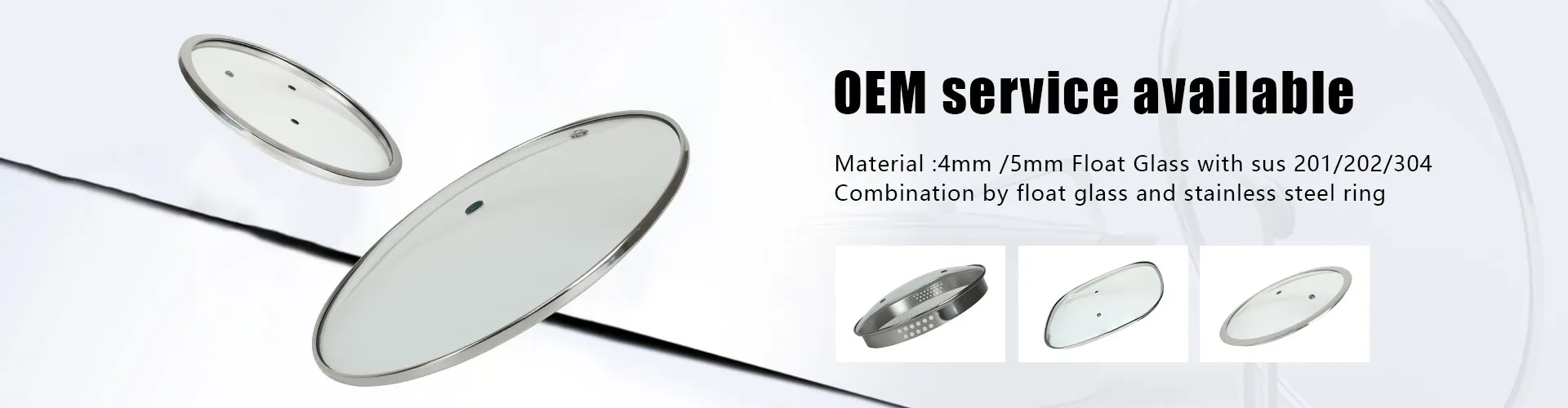
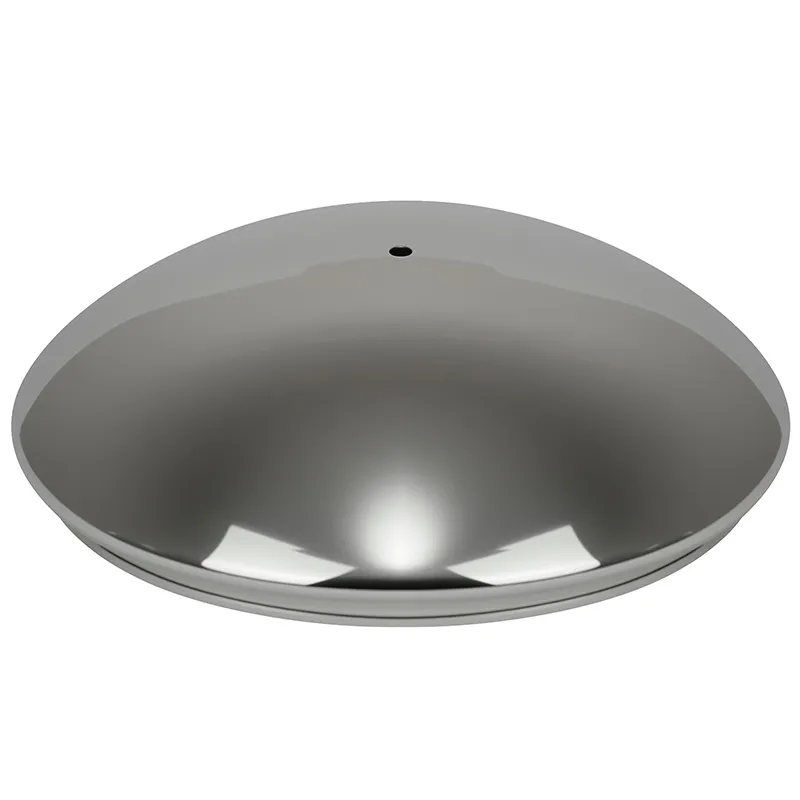
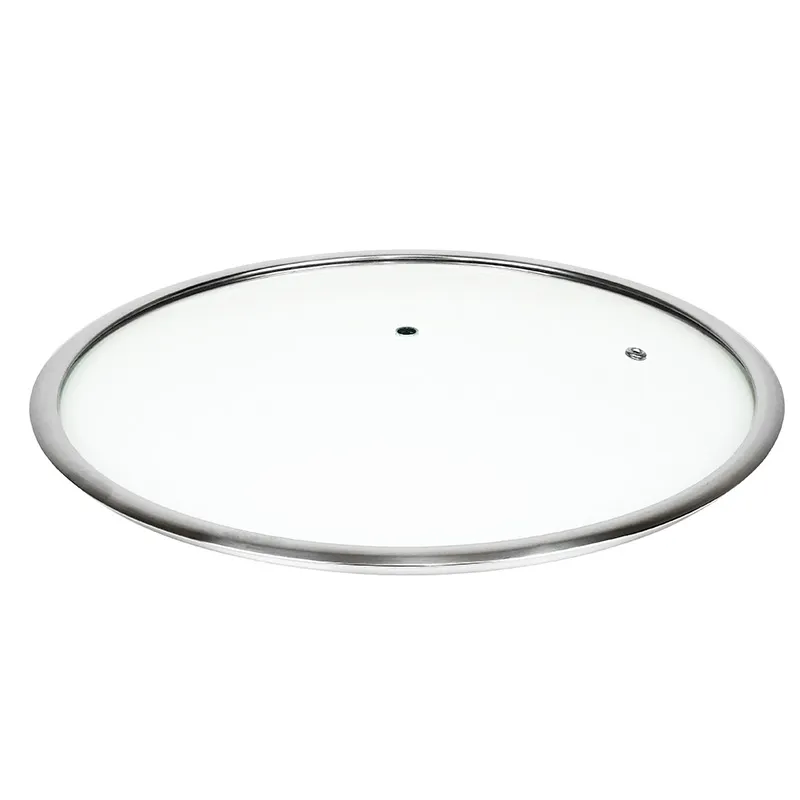
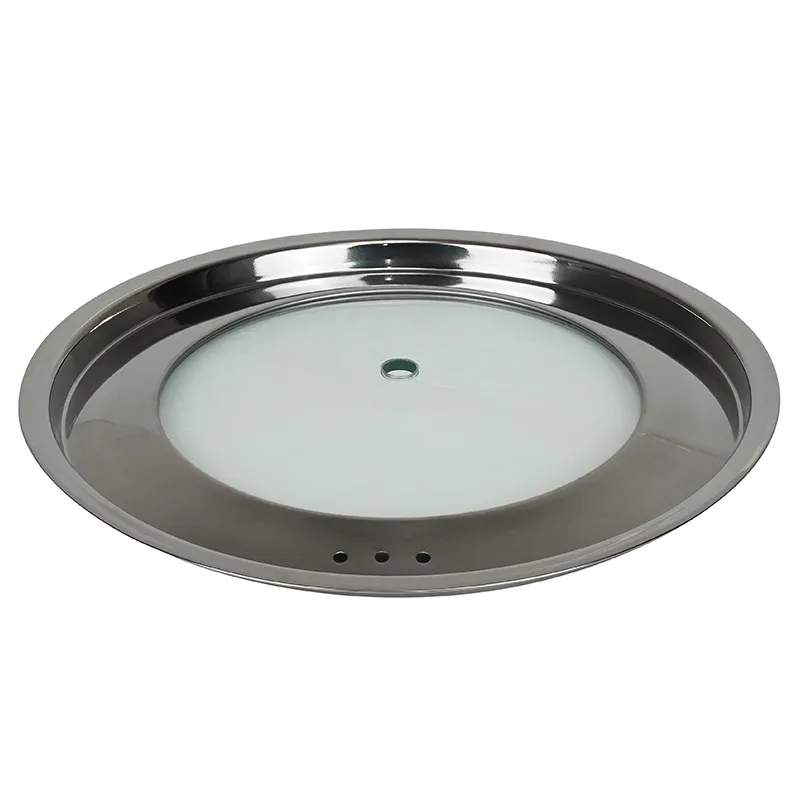
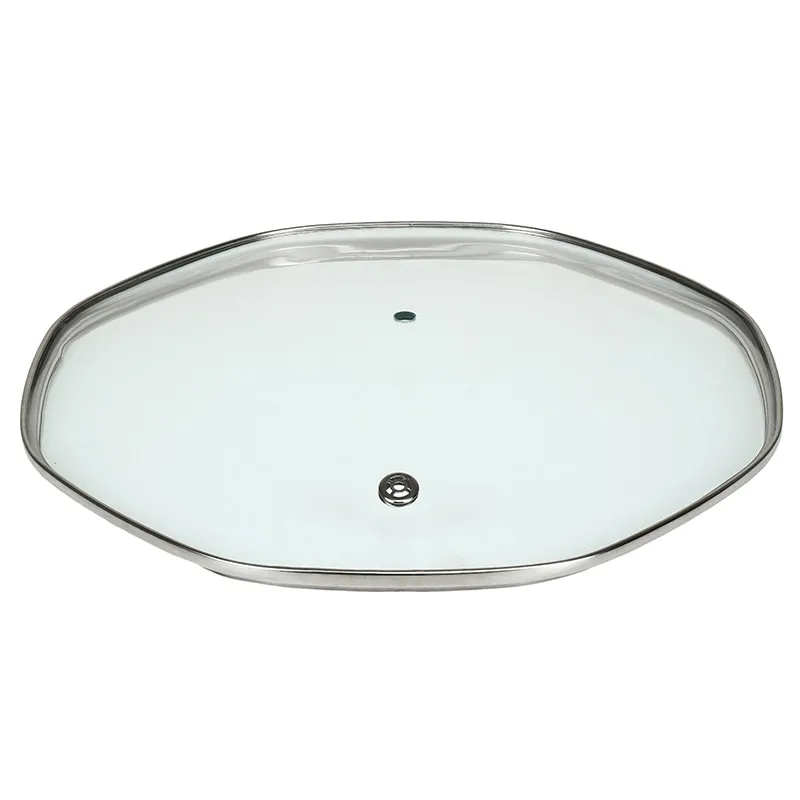
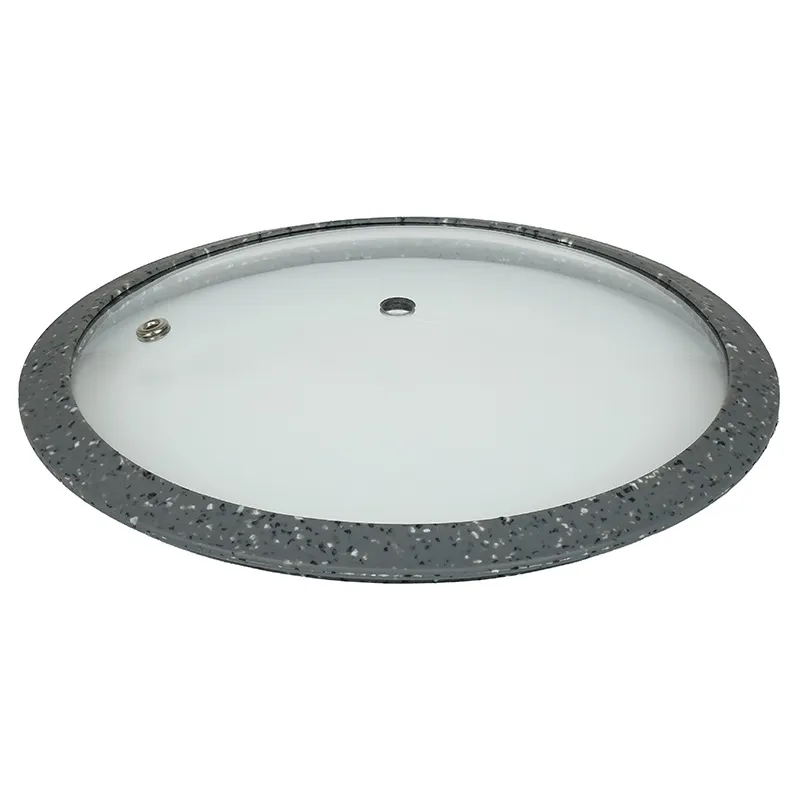
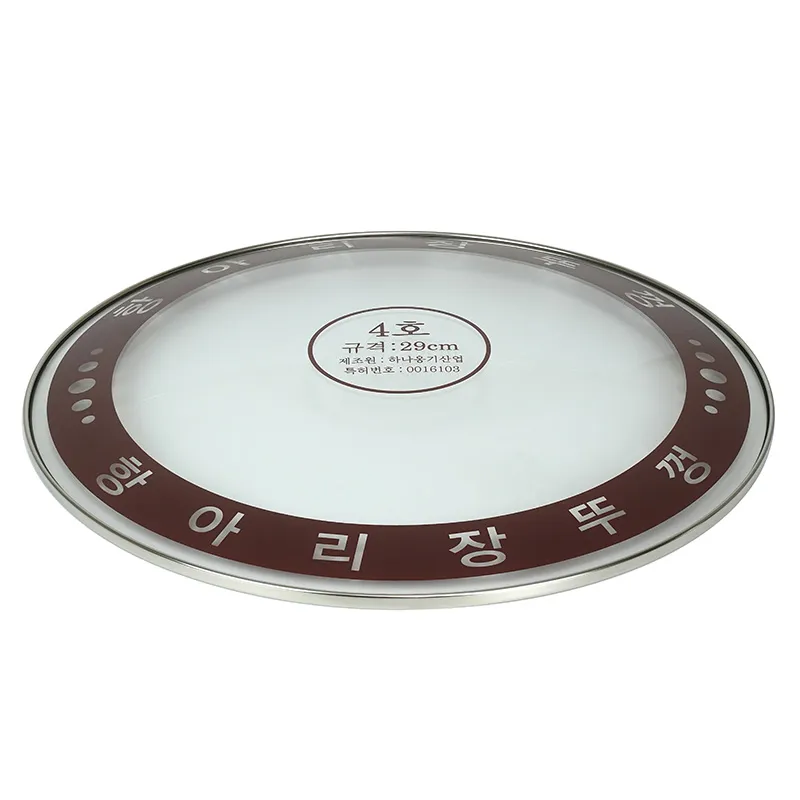
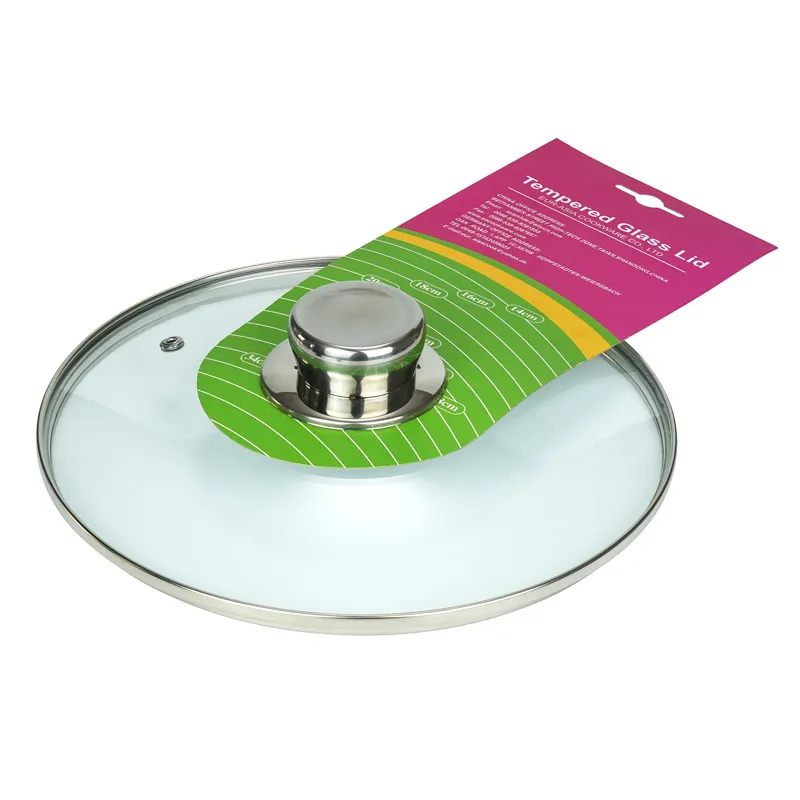
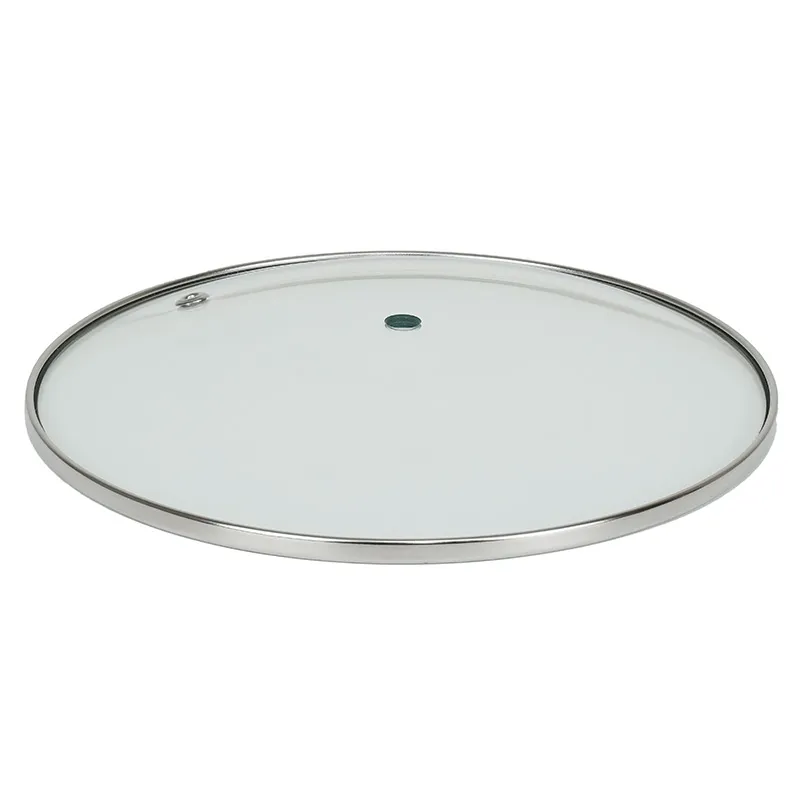
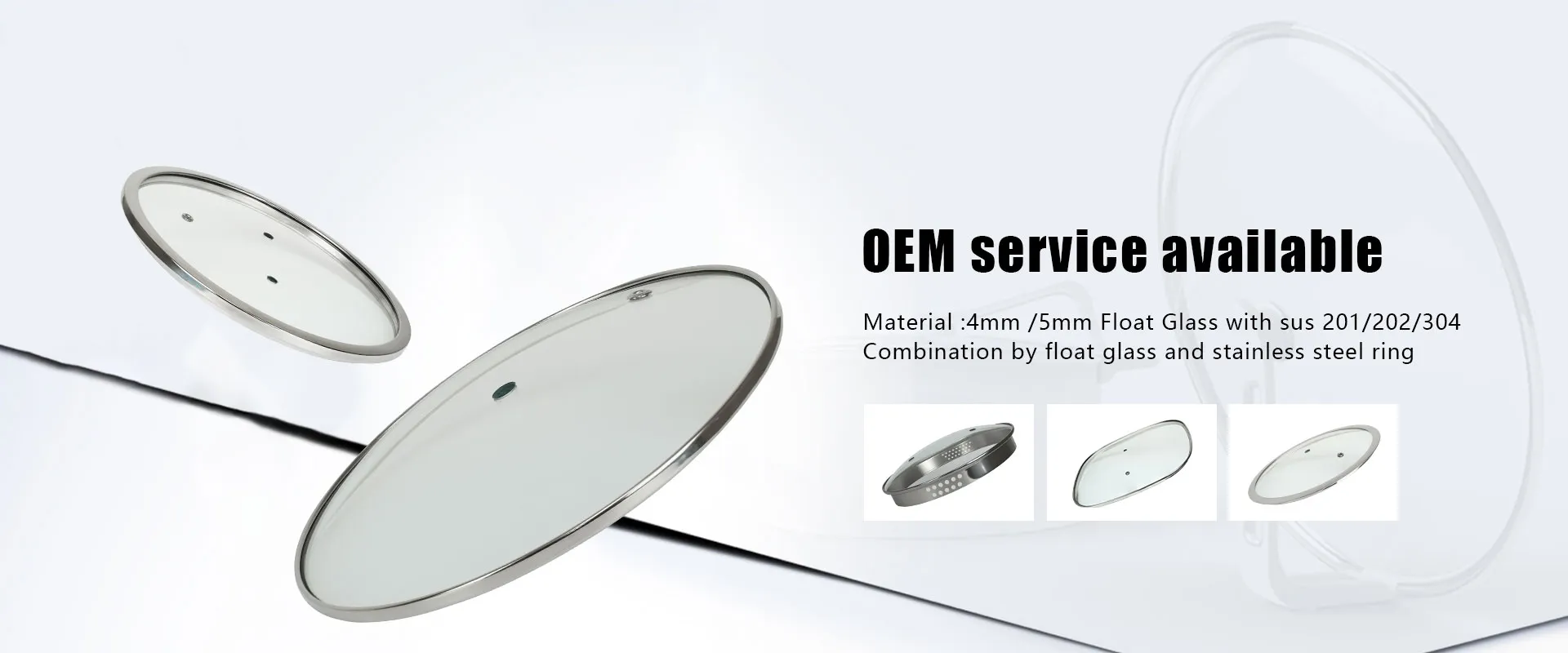
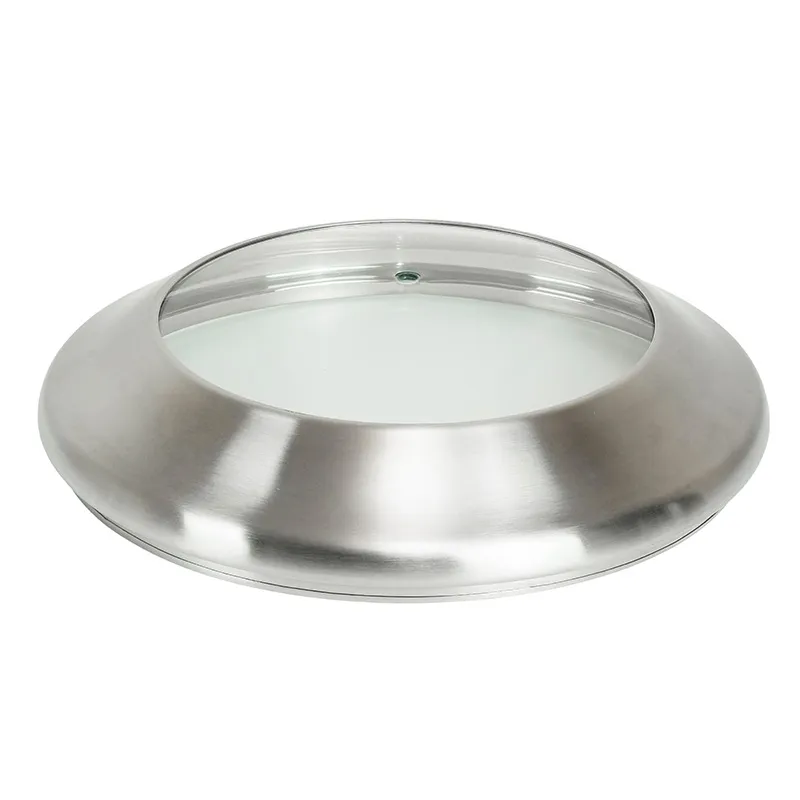
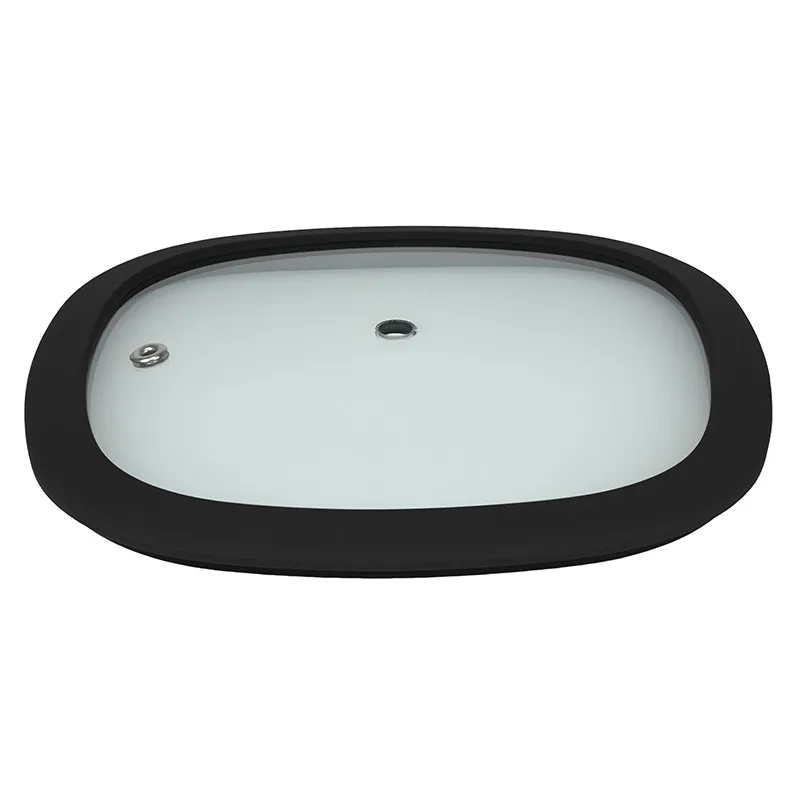
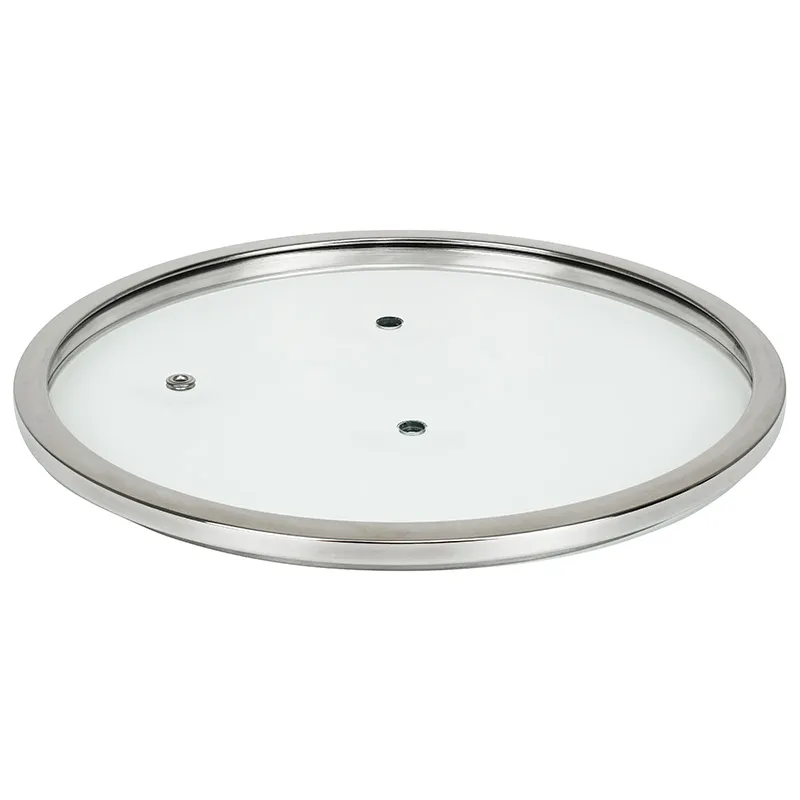
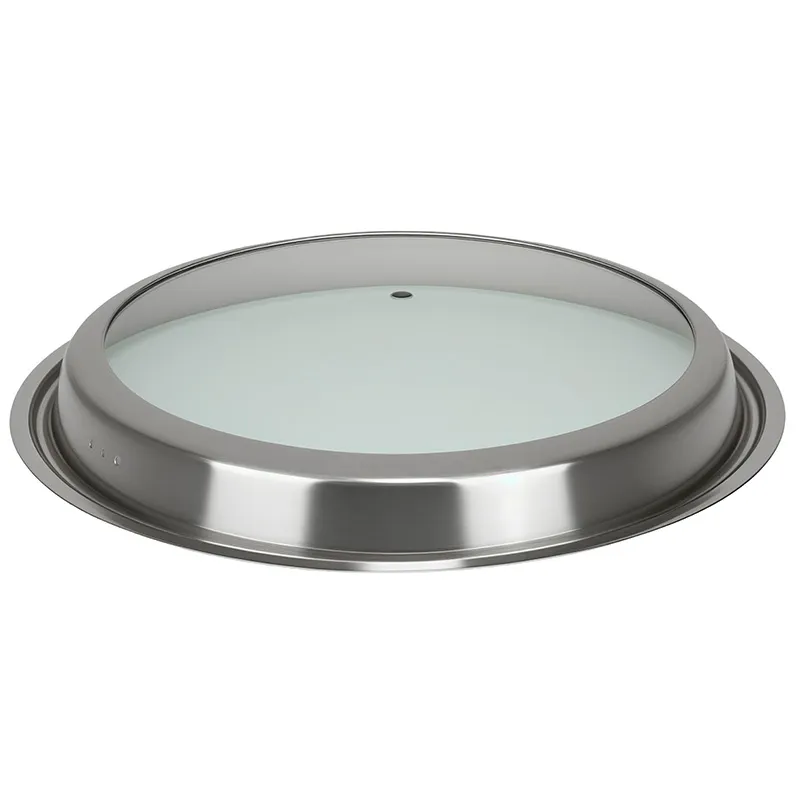
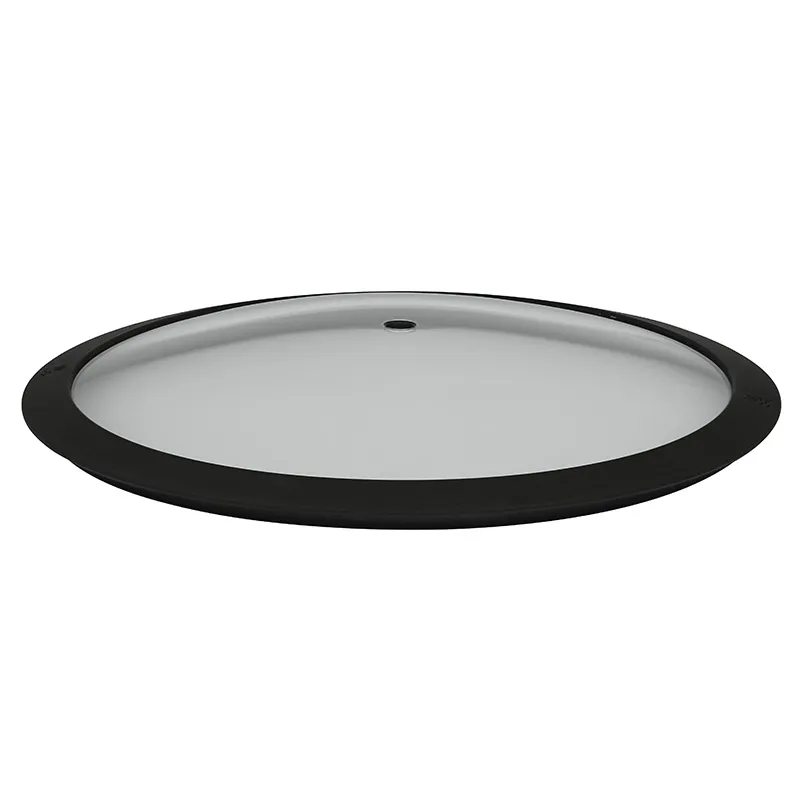
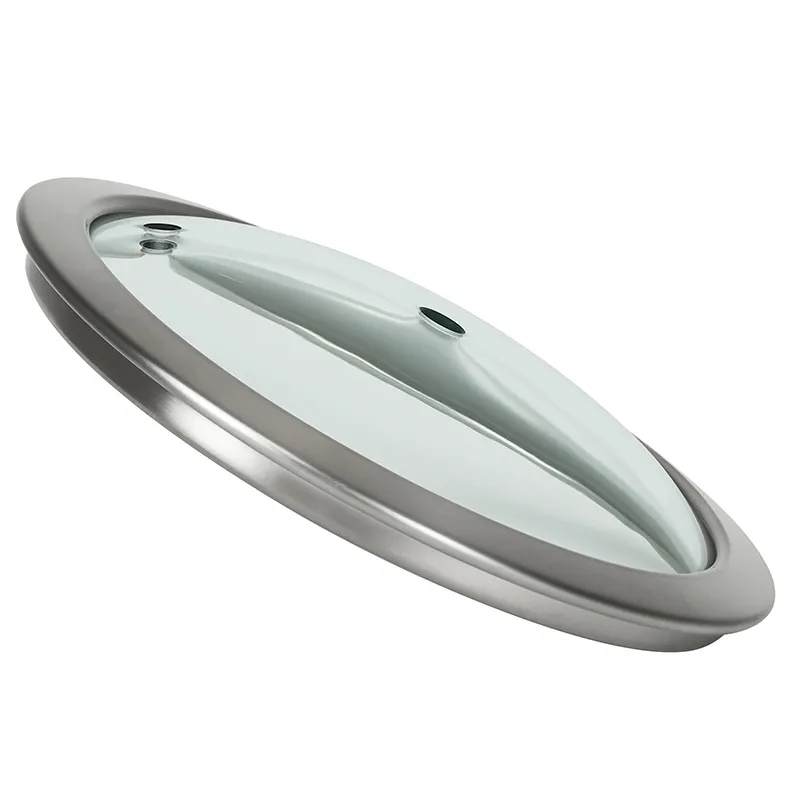
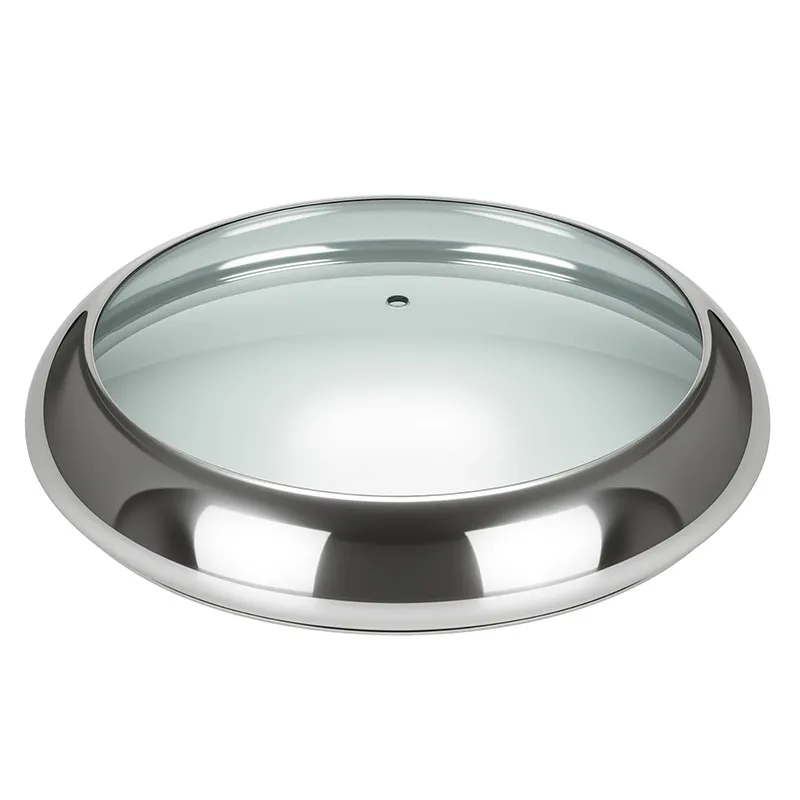
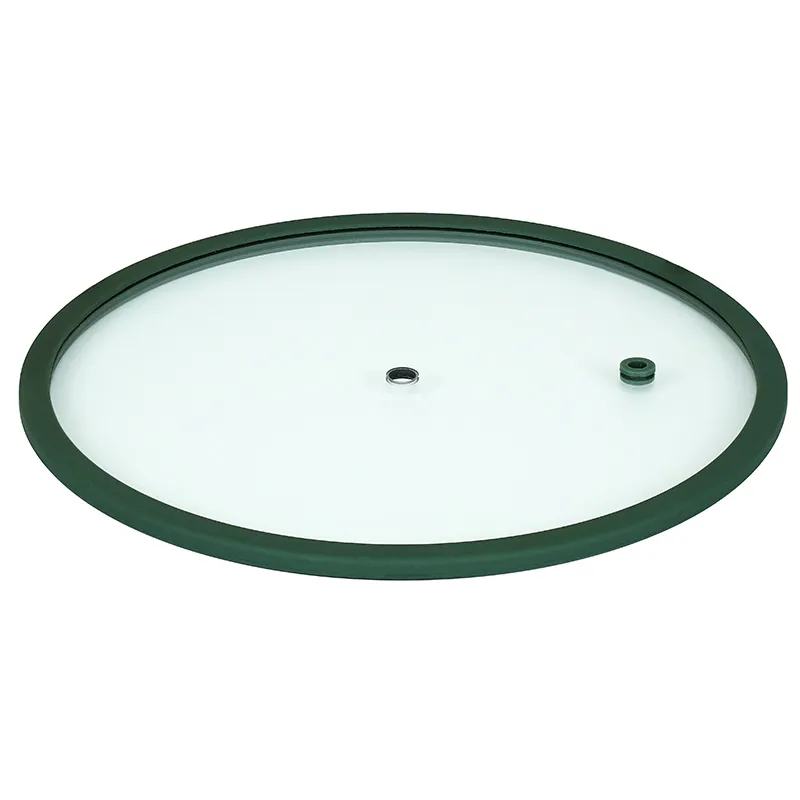
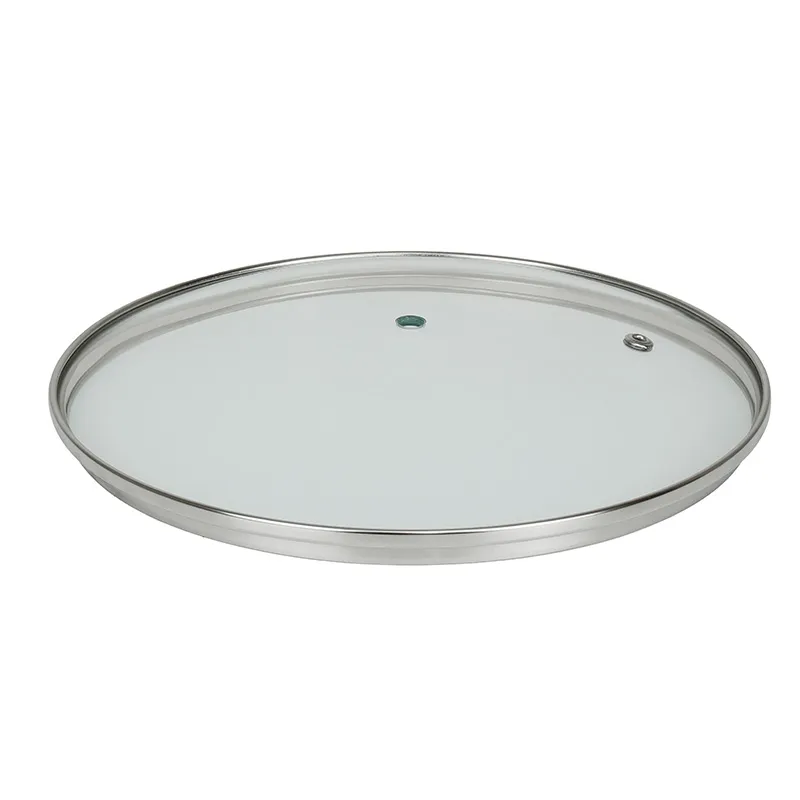
tempered glass cover
Let's be honest, when most people hear 'tempered glass cover', they picture a simple, clear lid for a pot. That's the biggest misconception. In reality, it's a critical component in modern cookware, a piece of engineering that has to withstand thermal shock, resist scratches from utensils, and maintain a perfect seal, all while being safe enough to handle straight from a 200°C oven. I've seen too many buyers focus solely on price, sourcing the cheapest tempered glass cover they can find, only to deal with a warehouse full of returns due to micro-fractures or warping after a few uses. The difference between a good one and a bad one isn't always visible until it's under stress.
The Core of the Matter: Material and Tempering
It starts with the glass itself. Not all soda-lime silica glass is created equal. The clarity, the iron content that gives it a greenish tint if not controlled—these are the first checkpoints. I remember visiting a factory, not a fancy one, but a serious player like EUR-ASIA COOKWARE CO.,LTD. out of Shandong. Walking their production line, you see the raw sheets before they're cut. The consistency there is what you pay for. They supply major European brands, and the tolerance levels are tight.
The magic, or rather, the science, happens in the tempering furnace. The heating curve is everything. Ramp it up too fast, and you induce stress points before the quenching even begins. The quenching—that blast of cool air—has to be perfectly uniform. Any dead spot in the air nozzle array and you get a weak zone. That's often the root cause of those mysterious, spider-web cracks that appear when a cool tempered glass cover is placed on a hot pot base. It's not always the user's fault; it's a flaw in the tempering process.
You can't test this in a boardroom. You have to see the batches come out, run the thermal shock tests yourself. Drop ice water on a 300°C lid. The ones that pass don't just survive; they do it silently, without a ping. The ones that fail sound like a small gunshot. It's a brutal but necessary QA step.
Fit, Seal, and the Handle Problem
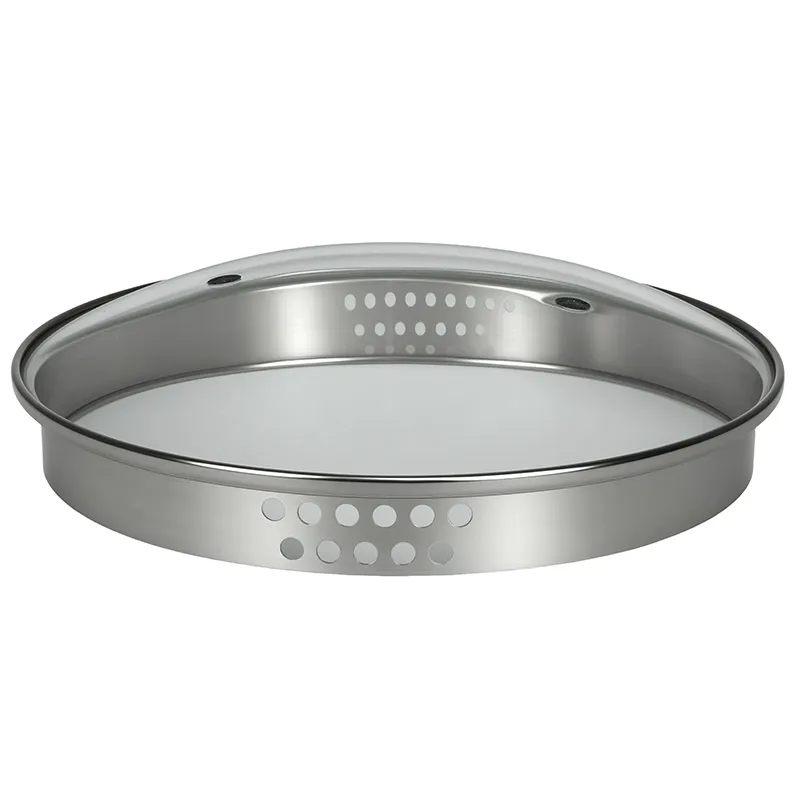
A cover that doesn't fit is useless, no matter how well it's tempered. The bending of the stainless steel rim, the curvature of the glass—they have to be matched. EUR-ASIA's catalog shows this well; they produce for a range of pot diameters and profiles. The seal isn't about being airtight, but about condensing moisture efficiently to keep food moist. A poorly fitted lid lets all the steam escape from one side.
Then there's the handle. This is where many fail in practice. The bond between the metal/plastic knob and the glass surface is critical. Epoxy isn't just glue; it's a formulated adhesive with a specific thermal expansion coefficient. If it doesn't flex at nearly the same rate as the glass, it will loosen over time. I've had samples where the handle simply rotated after a dozen dishwasher cycles. The fix? Better surface preparation on the glass and a more compatible adhesive. It sounds simple, but it's a common point of failure.
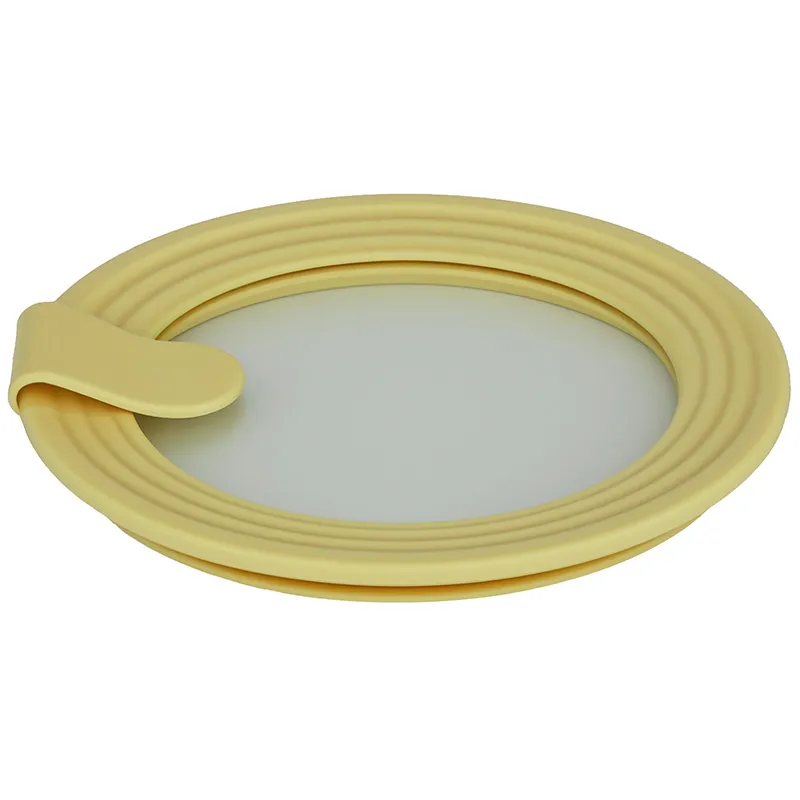
And the handle material itself—Bakelite, silicone, stainless steel. Each has pros and cons for heat resistance and grip. For a universal tempered glass cover, you often see a stainless steel base with a silicone sleeve. It's a compromise, but it works for most home kitchens.
The Export Reality and Quality Thresholds
Working with a manufacturer that primarily exports, like the one mentioned whose products land in Germany, Italy, and Japan, sets a different baseline. The European market, especially Germany, has brutal standards for heavy metals release (like lead and cadmium from any printed decorations) and repeated thermal cycling. A factory catering to this market has its chemical lab and testing protocols dialed in. It's not optional.
This is where the low-medium-high level distinction in their company profile becomes real. The high level isn't marketing fluff; it often means glass with higher clarity (lower iron), more precise tempering for higher thermal shock resistance (think going from a freezer to a stovetop), and finer finishing on the edges. The price jump is significant, but so is the performance. For a mid-range line, the focus is on consistency and hitting all the essential safety marks without the premium specs.
Seeing an annual output in the millions, like their 15-million-piece capacity, tells you about scalability. But it also hints at the challenges: maintaining quality across such volume. It comes down to process control at every single station, from cutting to edging to tempering to assembly.
Scenarios and Misapplications
Not every pot needs a tempered glass cover. For high-heat searing or wok cooking, a solid metal lid is often better. The glass lid's advantage is visibility and moisture management for braising, simmering, and baking. I've advised clients against using a standard tempered lid for a high-pressure cooker application, even if it fits. The pressure rating is different; it needs to be engineered for that specific stress.
Another practical issue is cleaning. The tempered surface is hard, but abrasive cleaners can still create micro-scratches that cloud it over time. And while the lid is dishwasher safe, the constant high heat and harsh detergent can degrade the handle adhesive faster. It's a longevity trade-off.
One niche but growing use is in combo-cookers (like a Dutch oven with a glass lid) for use from stovetop to oven to table. Here, the lid isn't an accessory; it's integral to the product's function. The tolerance for error is zero, as the entire unit's performance is judged on it.
Closing Thoughts: It's a Component, Not an Accessory
So, after all this, what's the takeaway? Don't source a tempered glass cover as a generic item. It's a precision component defined by its glass quality, tempering process, fit, and assembly. The factories that get it right, the ones that supply demanding export markets, have invested in the machinery and the process discipline to make what looks simple, reliably.
When evaluating, ask for the test reports: thermal shock cycles (from ice water to oven temperatures), mechanical impact tests, and if there's any decoration, chemical migration reports. Visit their production base if you can, or at least audit their QC footage. Look at the details on a site like https://www.glass-lid.com—their focus on specific kitchenware glass tells you about their specialization.
In the end, a good tempered glass cover should disappear in use. You shouldn't have to think about it. It should be clear, fit snugly, feel secure in your hand, and survive the daily shocks of a kitchen for years. That invisibility is the hallmark of it being done right. Anything less, and it becomes the most annoying part of the cookware.
Related Products
Related Products